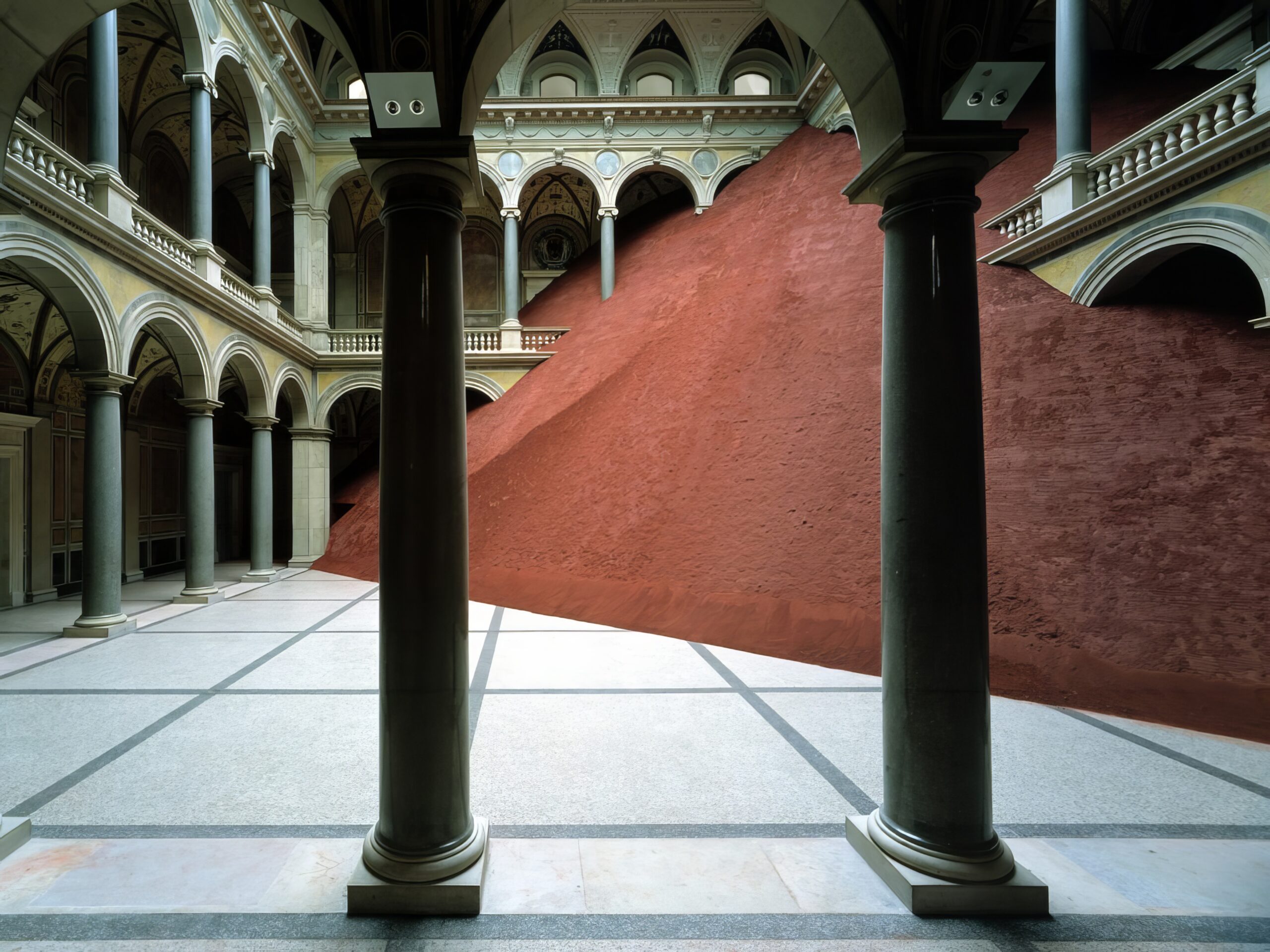
Magdalena Jetelová in focus. Domestication of a Pyramid opens into her sculpture, land art, and environmental thinking.

Magdalena Jetelová in focus. Domestication of a Pyramid opens into her sculpture, land art, and environmental thinking.
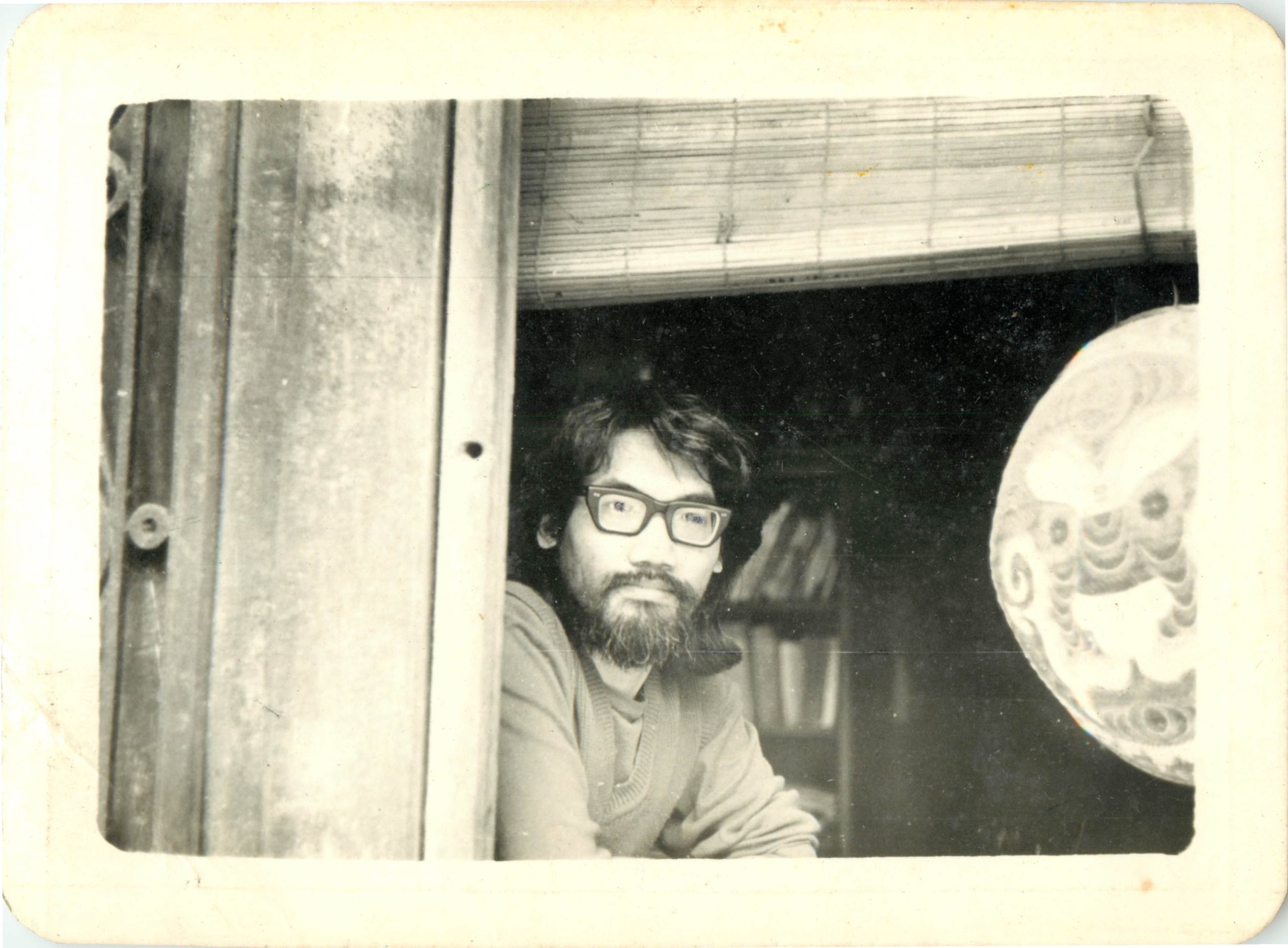
An in-depth feature on Vu Dan Tan and the role of assemblage, sound, and hybridity in Vietnam’s contemporary art.
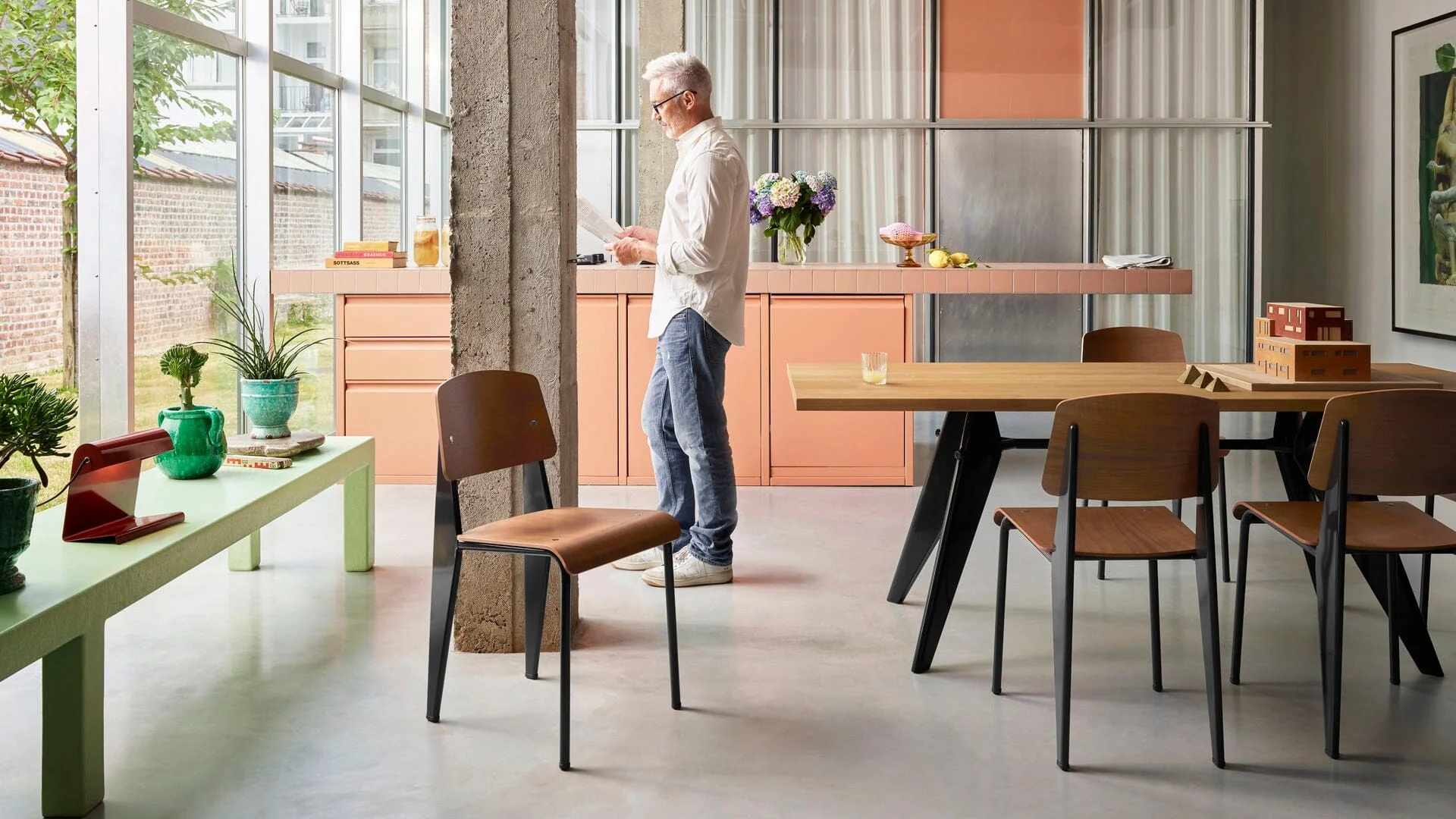
Discover how the Jean Prouvé Standard Chair combines form and function with its innovative design and material choices.
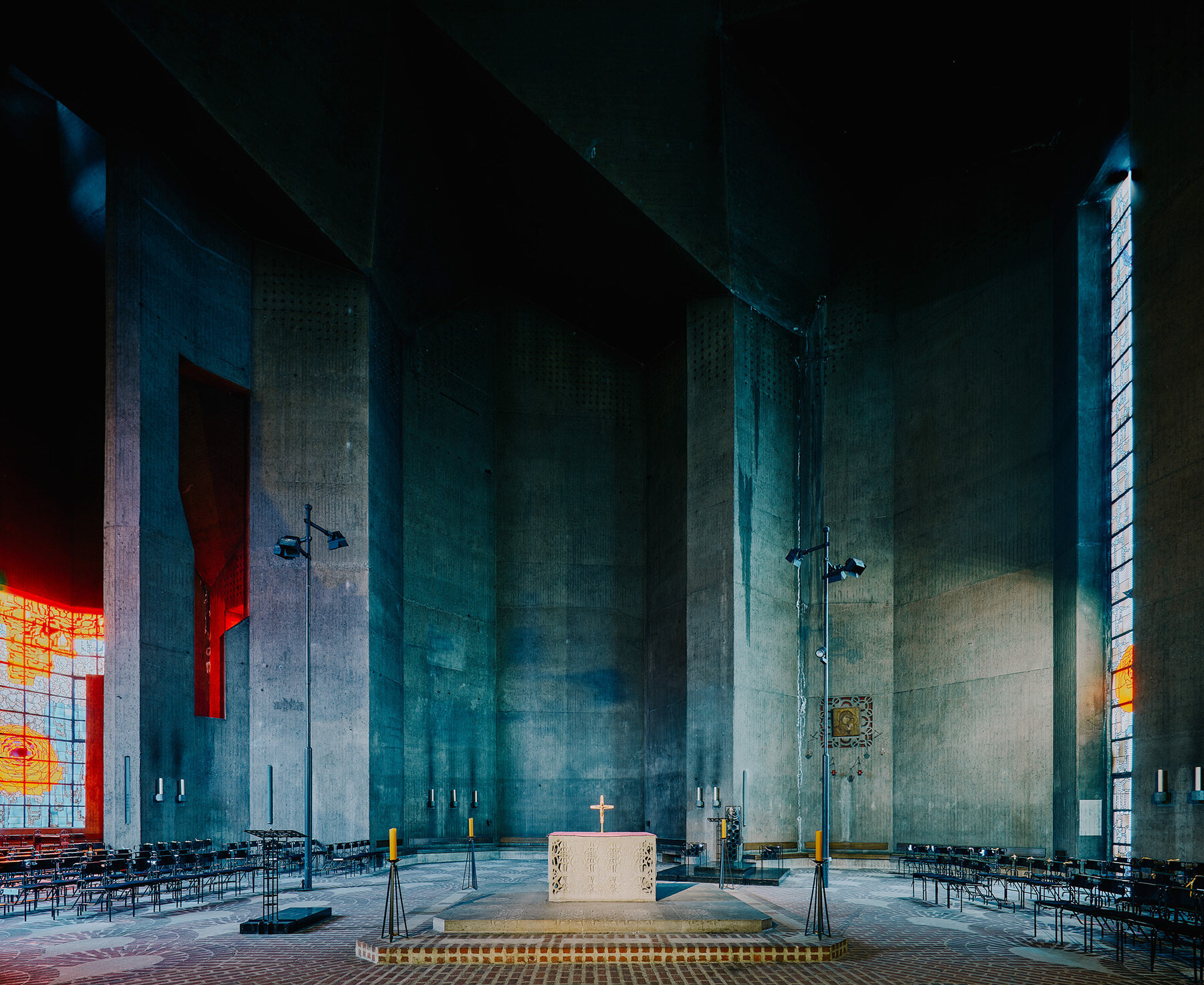
A portrait of Gottfried Böhm, from the Neviges Mariendom’s concrete mountain to postwar civic works that connect ruin, city, and ritual.
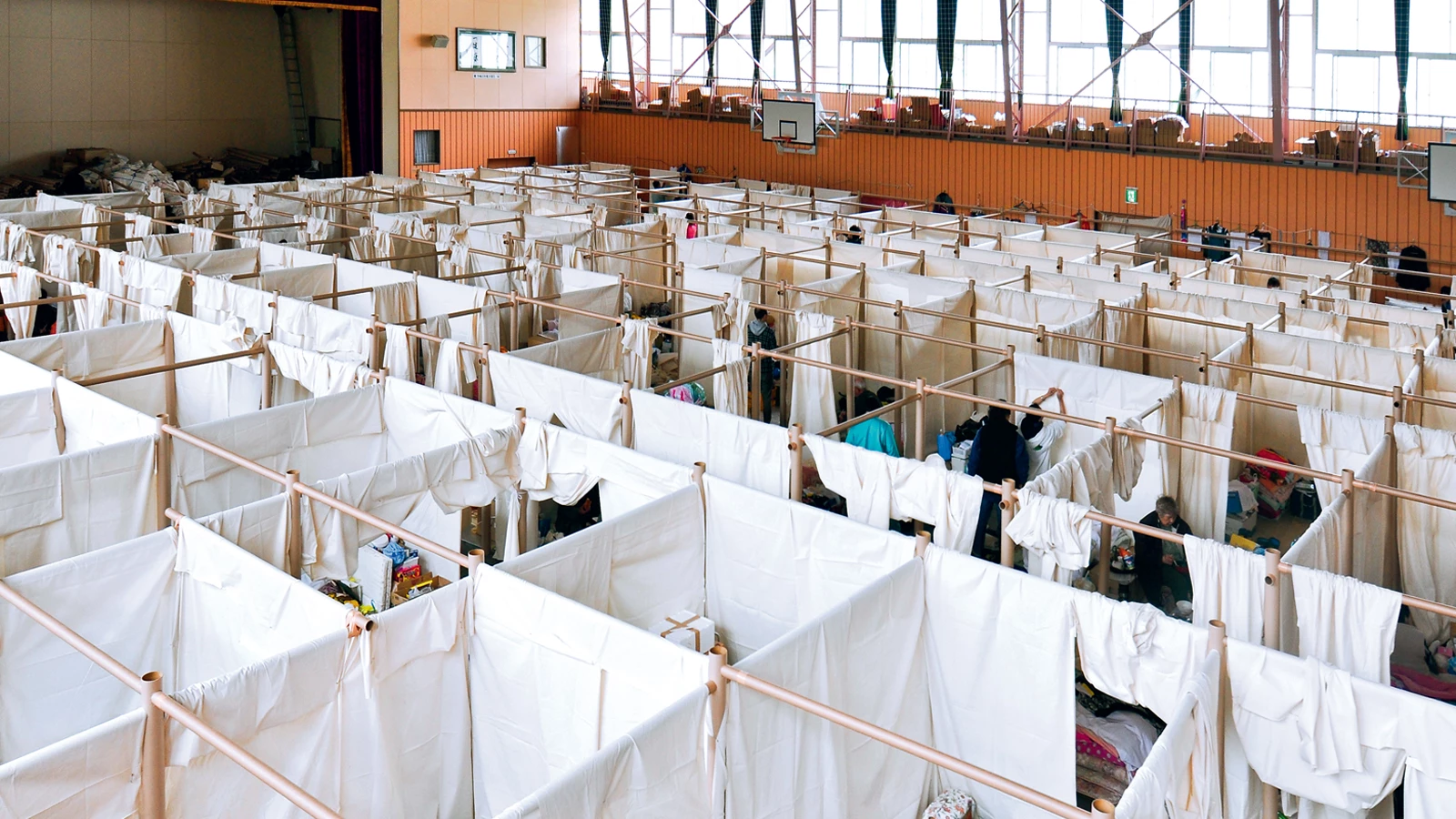
In the aftermath of catastrophe, architecture is tested not by how it photographs but by what it restores: privacy, warmth, agency. Shigeru Ban’s work insists that the “temporary” is not
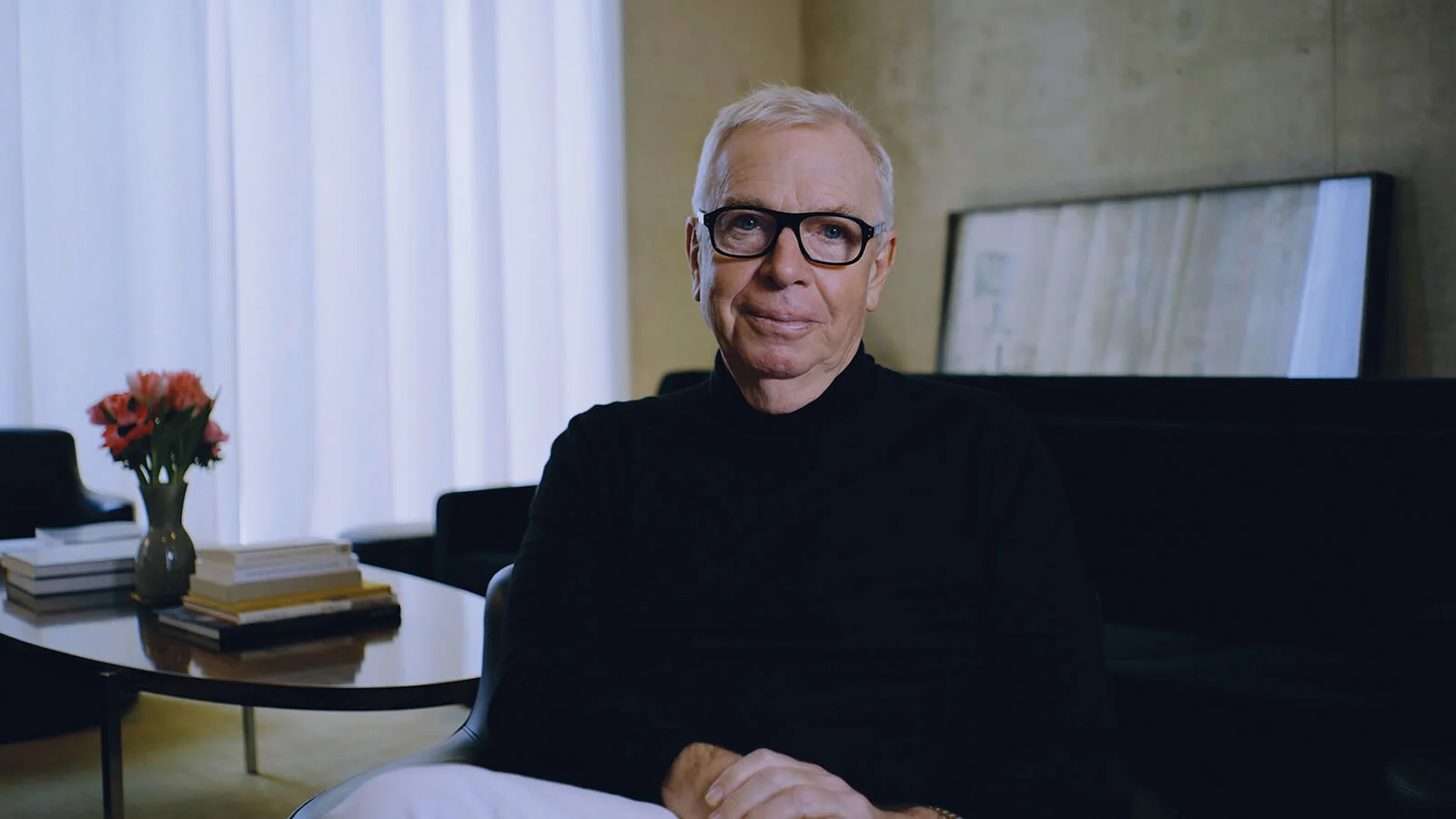
In the rolling fields of a Devon farm, where a young David Chipperfield once imagined a life mending animals as a veterinarian, the foundations of a disciplined temperament took root.
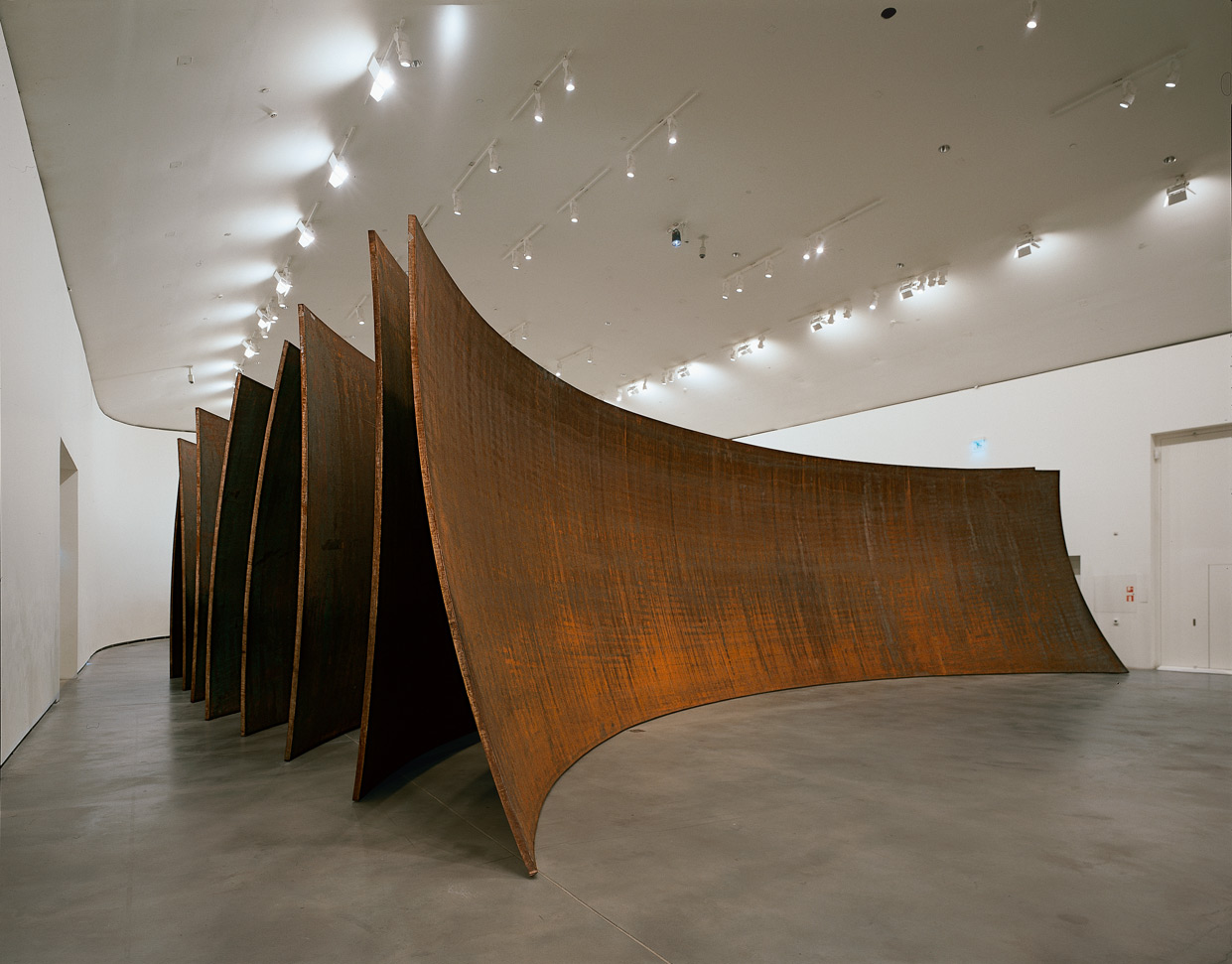
ENTERING THE LABYRINTH Imagine standing inside a colossal labyrinth of weathering steel, its plates rising like the eroded walls of an ancient citadel. The space does not merely surround you;
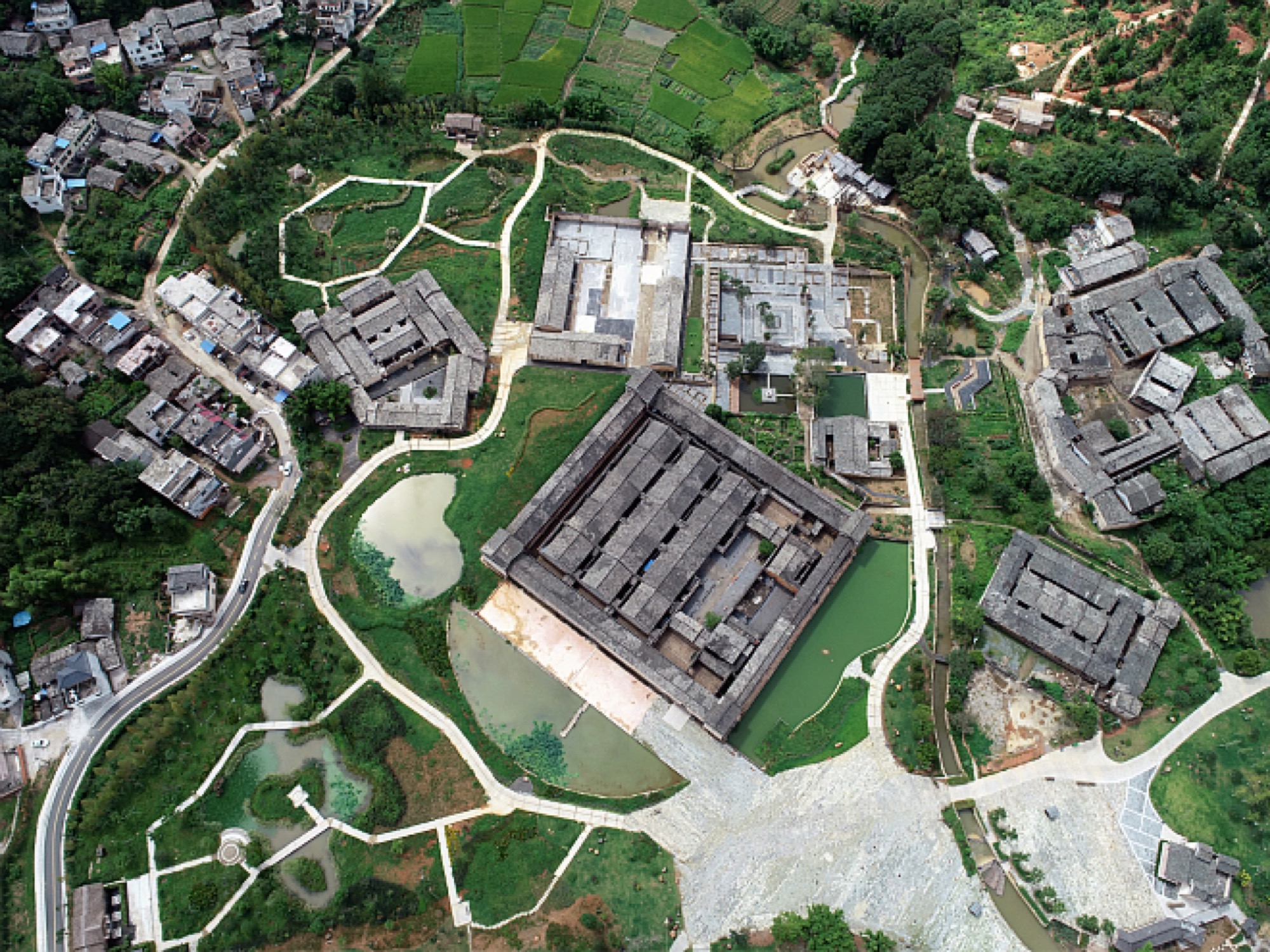
BEYOND THE TULOU IMAGE China, in the mountainous south of Jiangxi, architecture often declares itself through enclosure rather than silhouette. A thick, continuous wall emerges at the edge of terraced
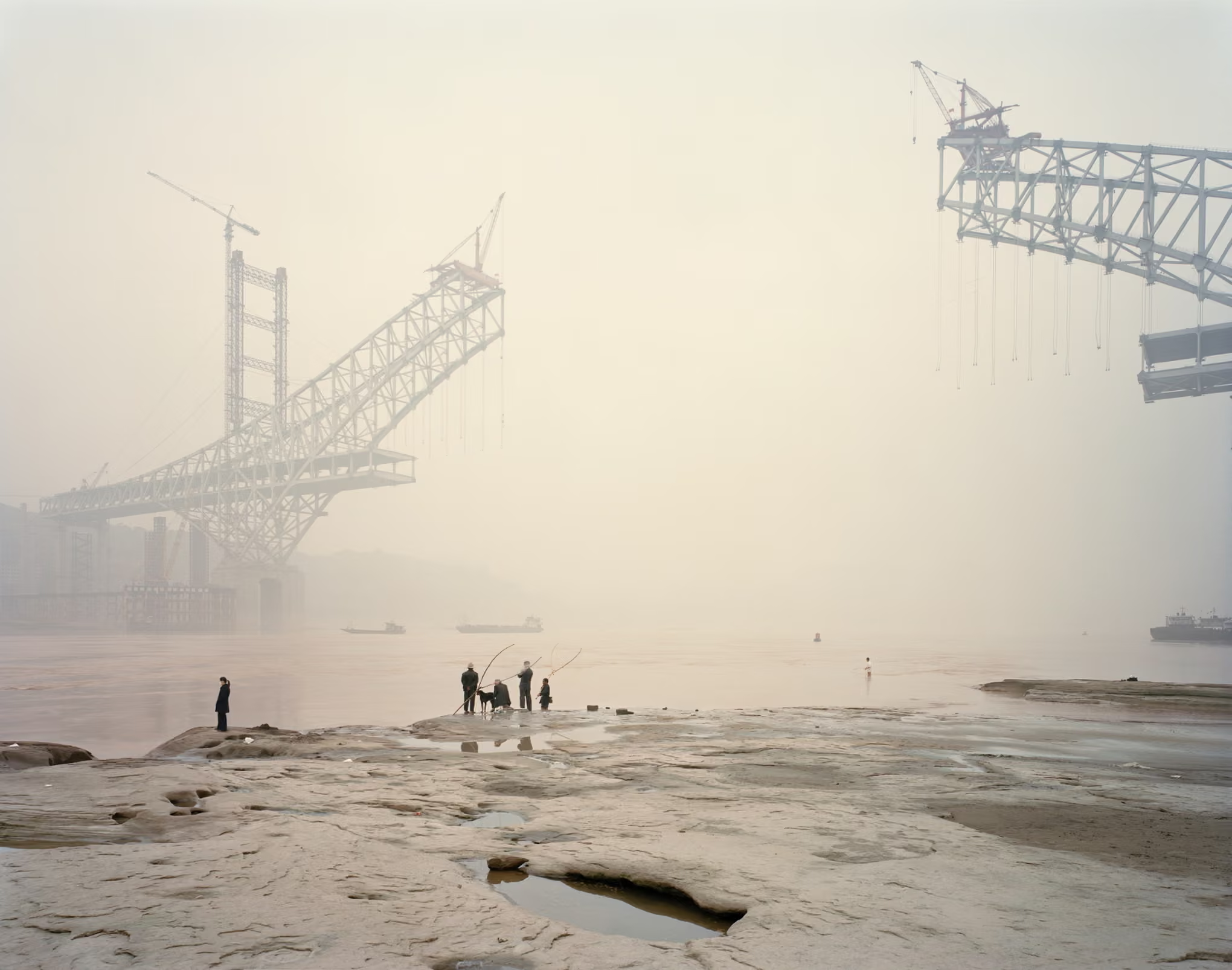
Nadav Kander photographs the traces of power as atmosphere rather than spectacle. From the Yangtze River to Central Asian nuclear test landscapes and the Thames Estuary, his restrained images examine scale, visibility, and aftermath. This essay reads Kander’s work as a method for architects, artists, and scholars.
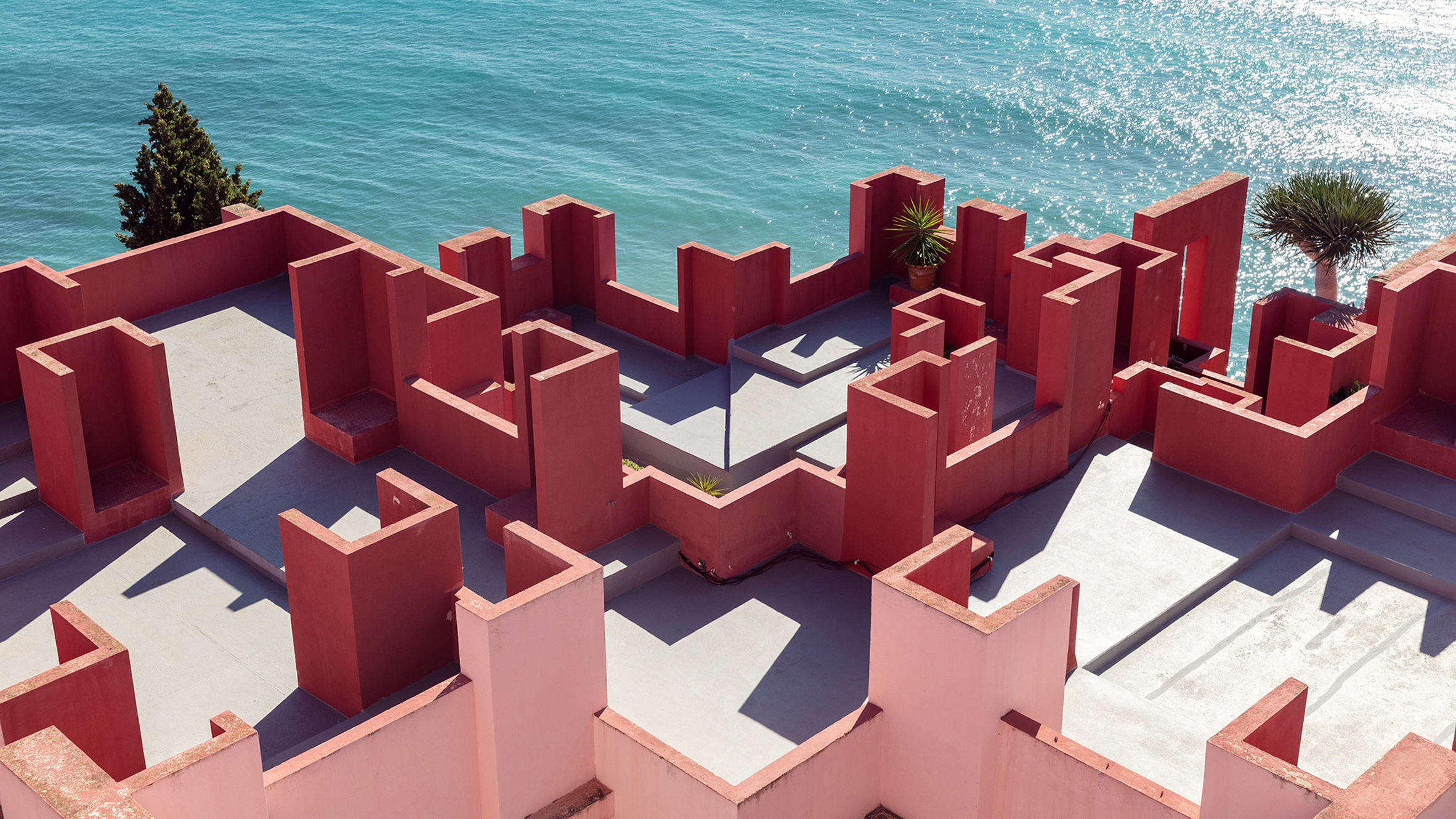
From an abandoned cement factory outside Barcelona to labyrinthine social housing and monumental civic stages, Bofill treated architecture as a social instrument, a way to remake how people meet, move,