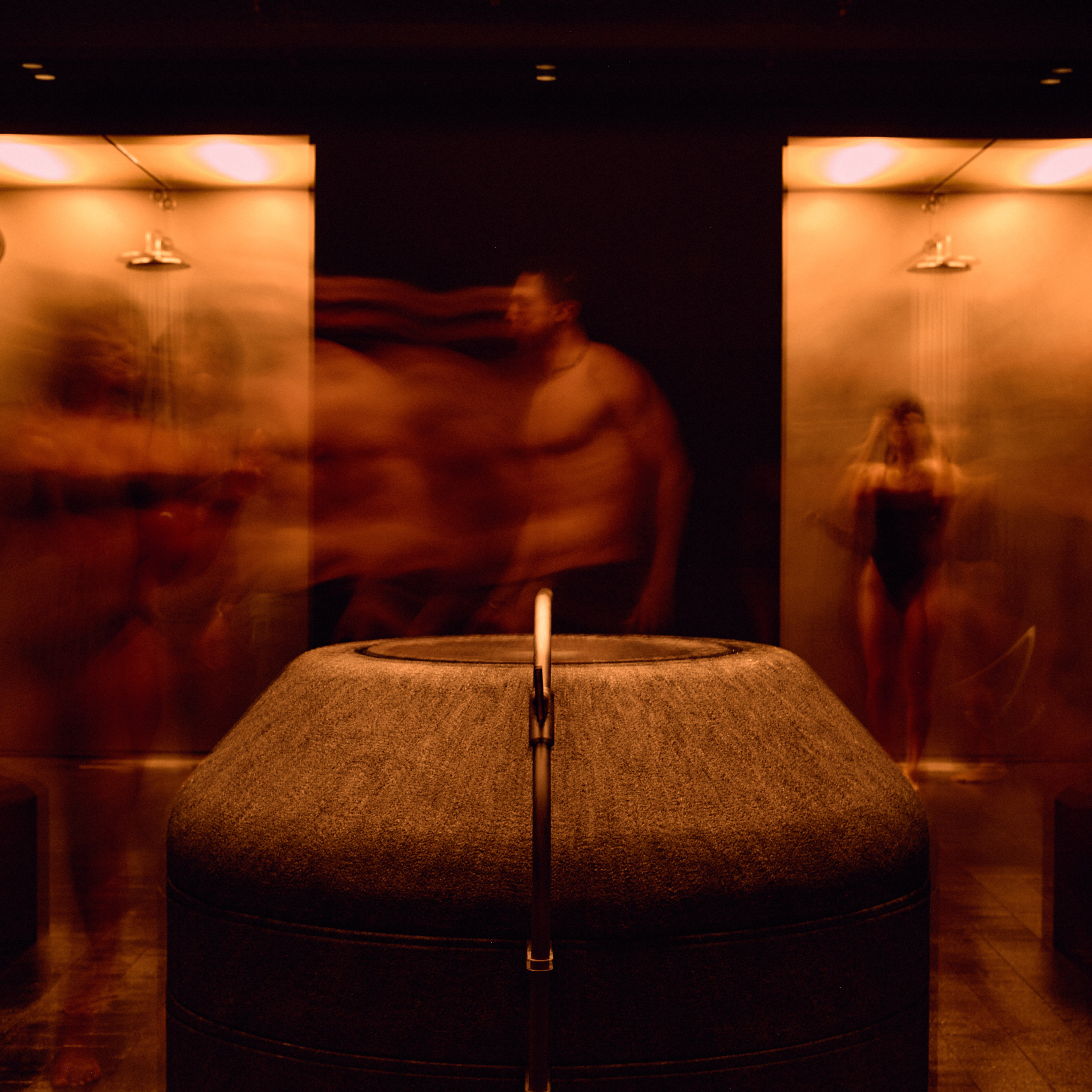
At The Altar in New York, Marsollier Villacorta turns a subterranean interior into a communal health club centred on a granite-clad sauna and cold-plunge atrium.

At The Altar in New York, Marsollier Villacorta turns a subterranean interior into a communal health club centred on a granite-clad sauna and cold-plunge atrium.
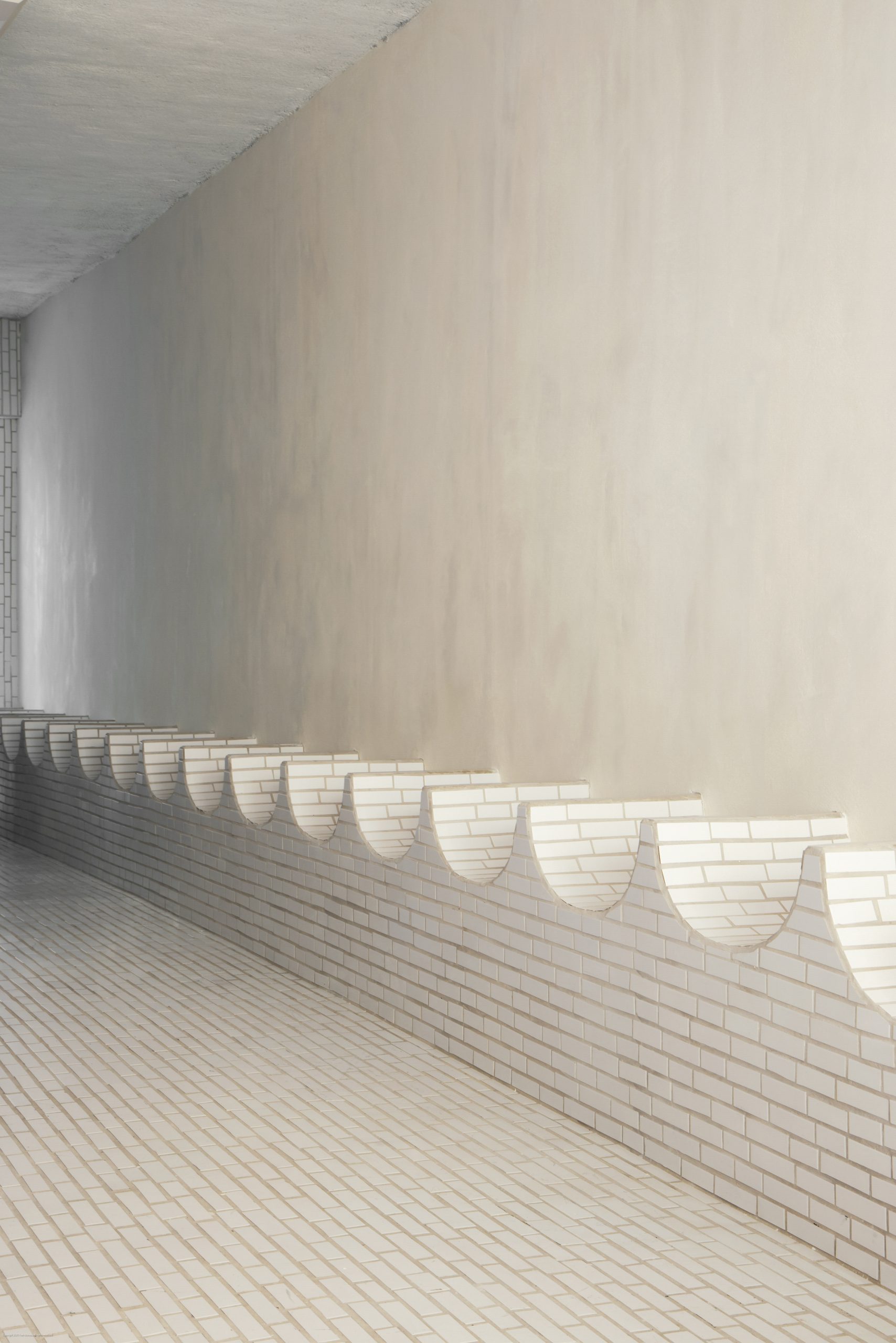
In Marseille, MUR.MUR Architectes pairs Holymelt’s smashburger counter with a softly lit coffee shop, uniting both through handmade tile and a 20-metre bench.
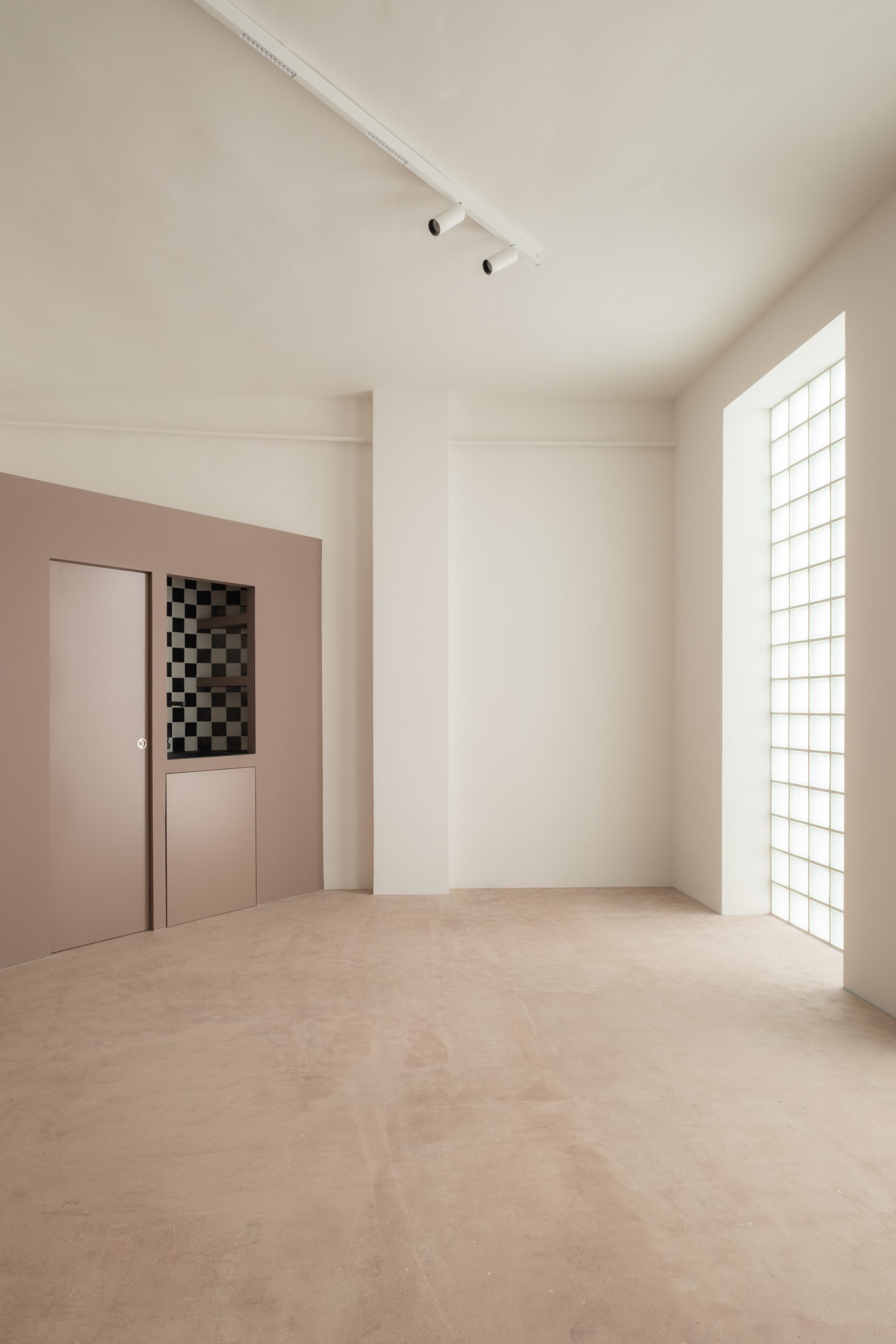
In Madrid, ba-rro arranges a home and workshop around a filtered glass-block facade, a layered entrance and a central courtyard.
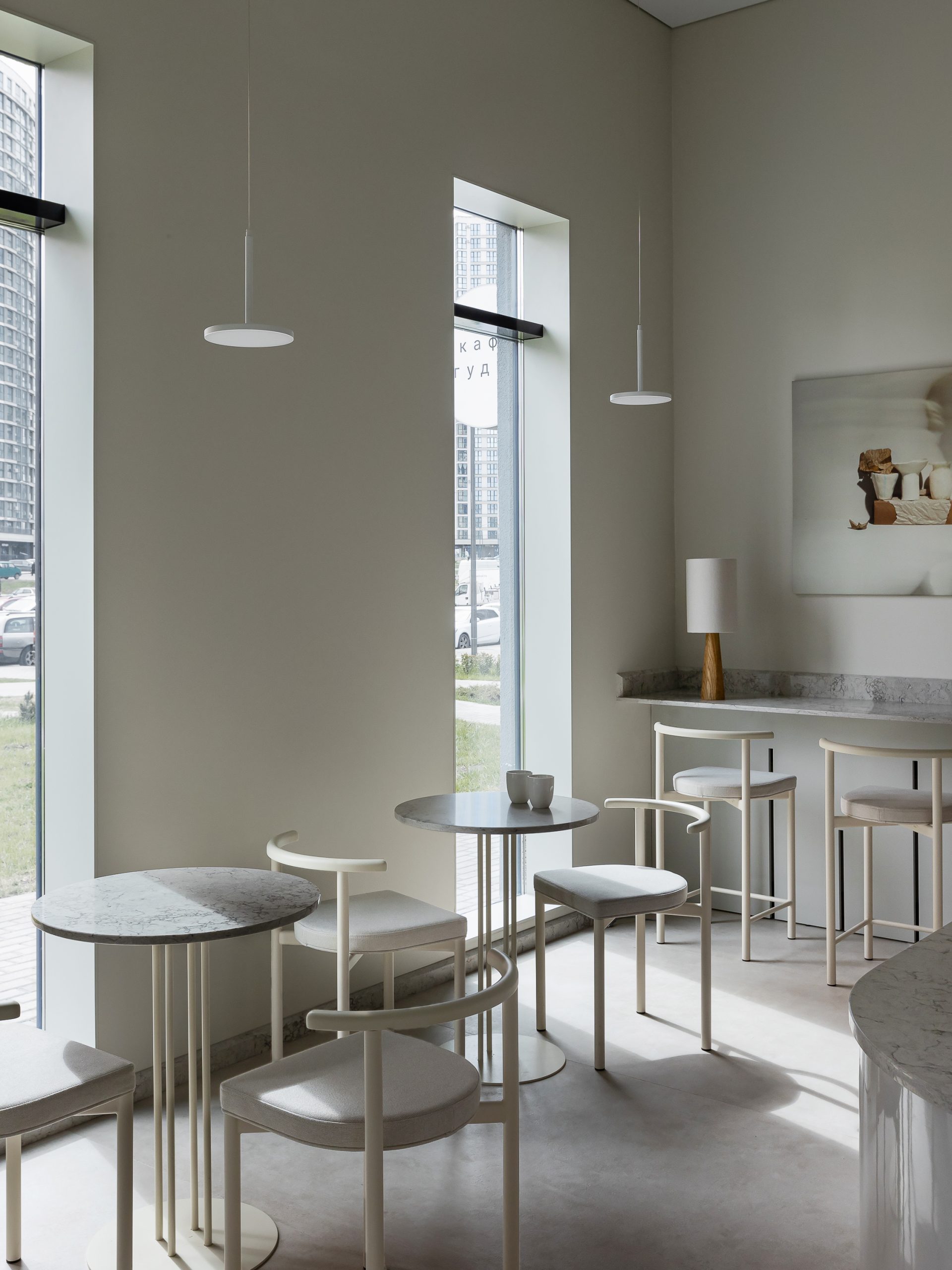
Anna Lazar designs Cafe Goodies in Minsk with warm whites, rounded furniture and delicate lighting, creating a calm café interior across 35.5 square metres.
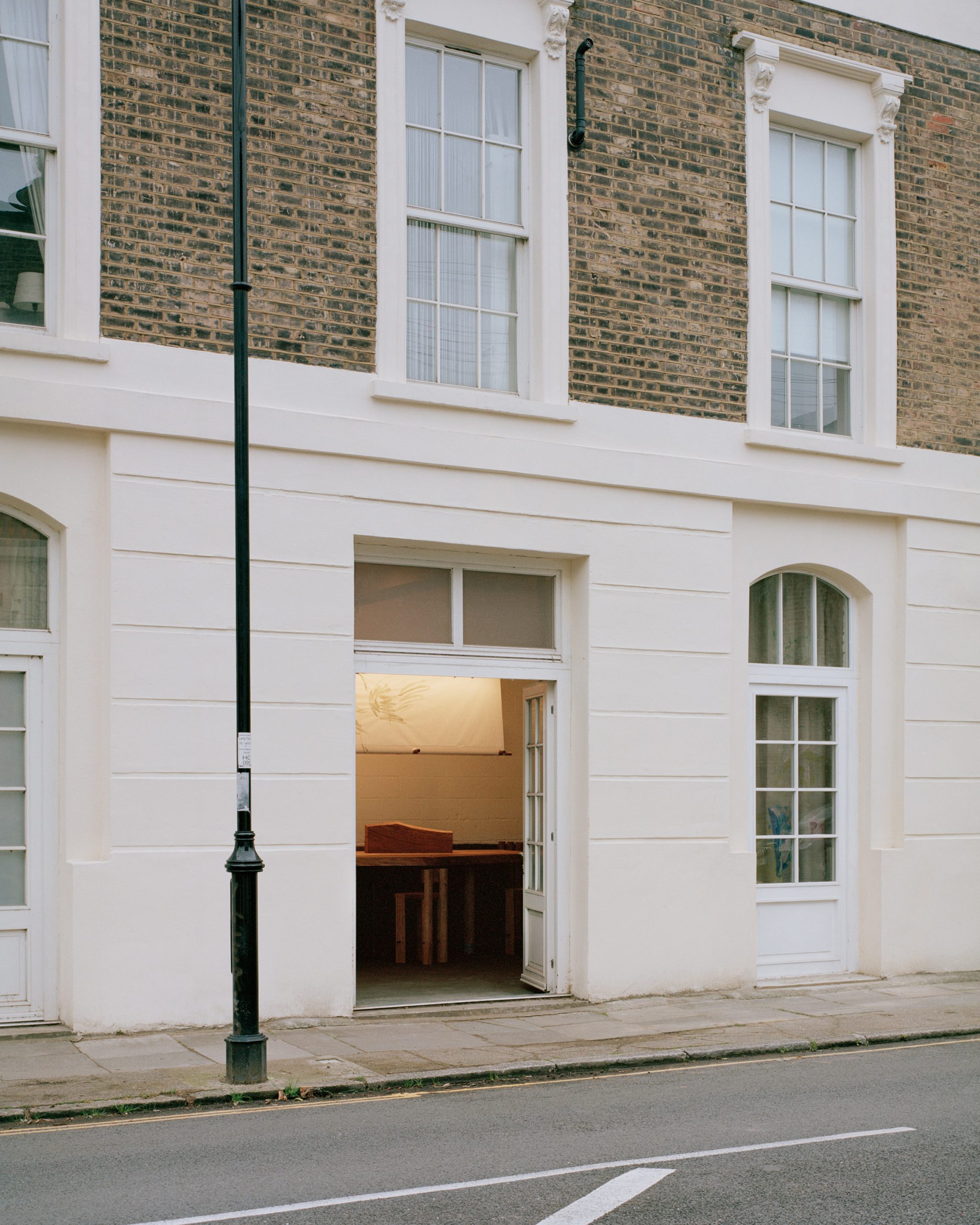
Leopold Banchini Architects has shaped Goodbye Horses in London around a ten metre oak bar, earthen floors and hand painted hessian curtains.
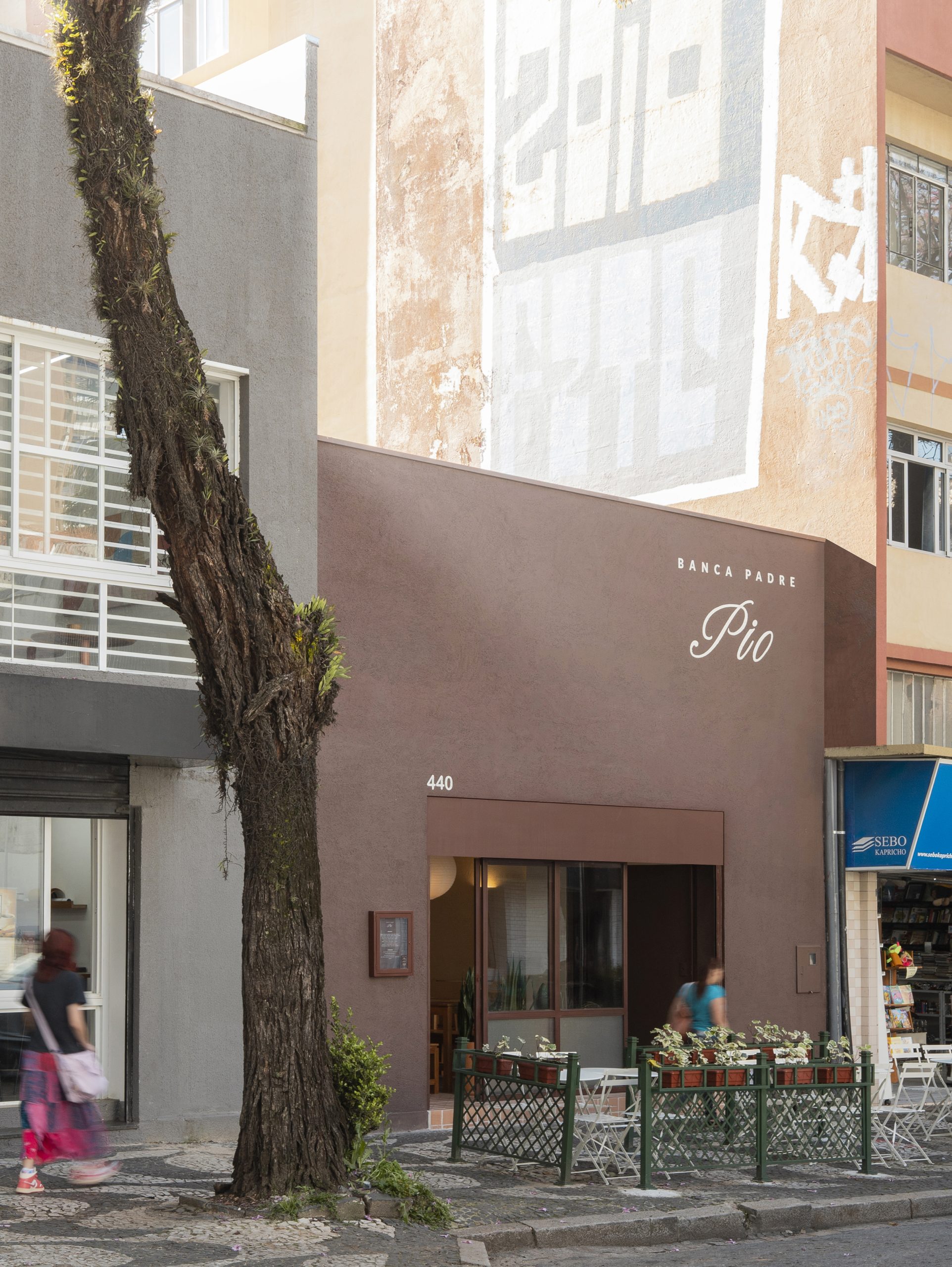
Sarturi Gumz Arquitetos has organised Banca Padre Pio, a compact restaurant in Curitiba, around a communal reclaimed timber table.
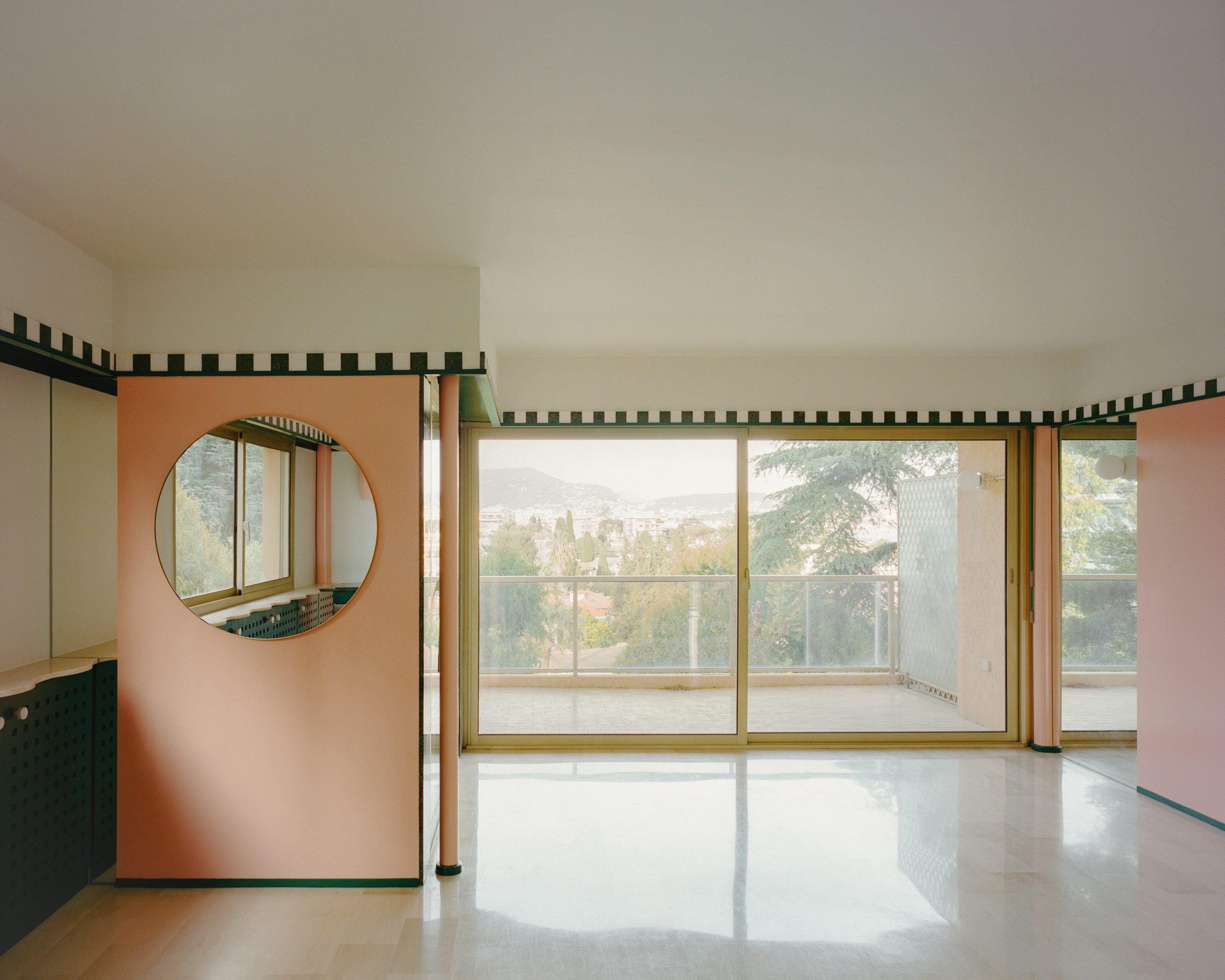
Continentale has renovated an 80-square-metre apartment in Nice using apricot planes, deep-green cabinetry and mirrors to connect its interior with the garden and sea.
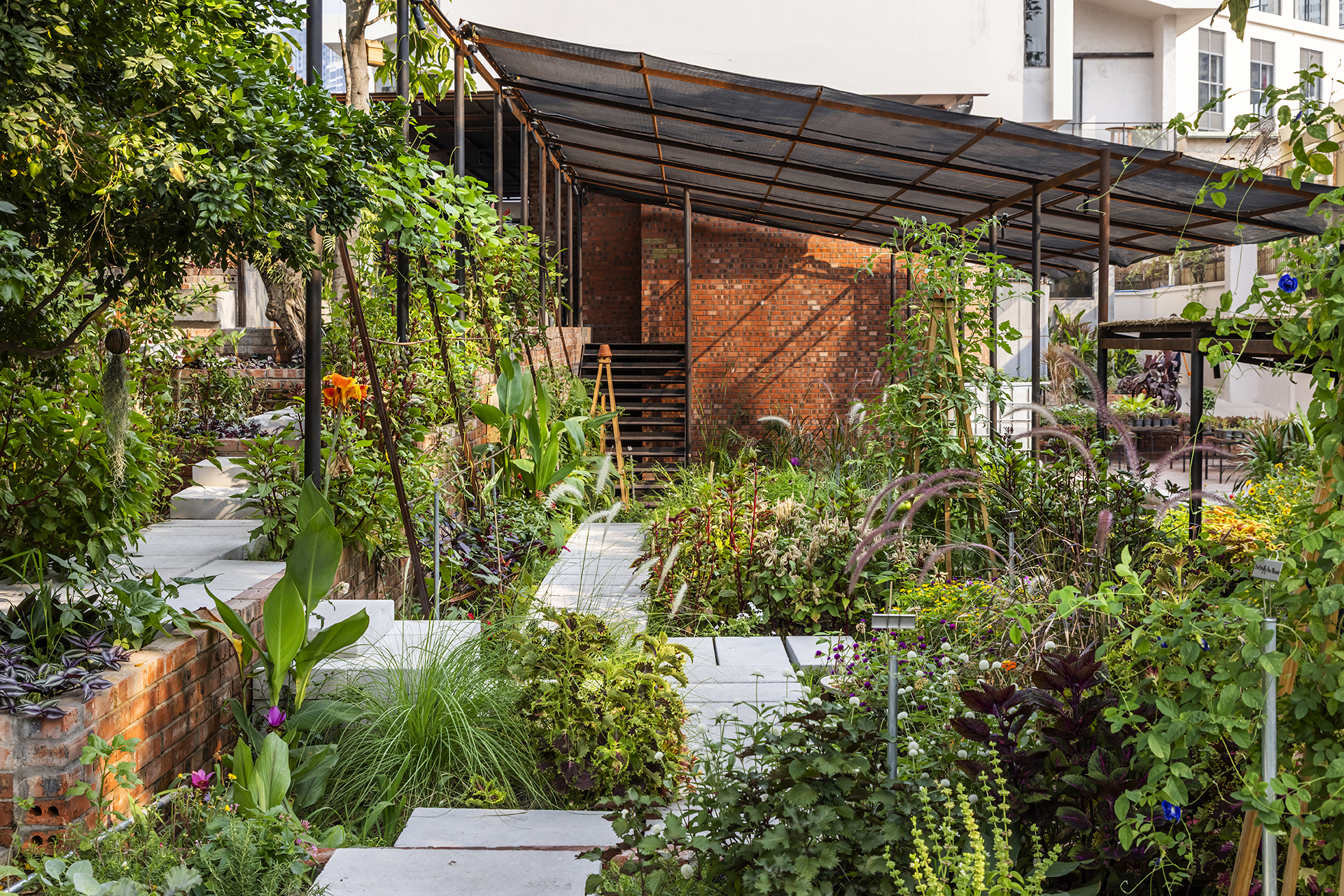
Studio anettai has transformed an existing Saigon villa into Pizza 4P’s Thao Dien, where an edible farm and reused materials support a regenerative restaurant.
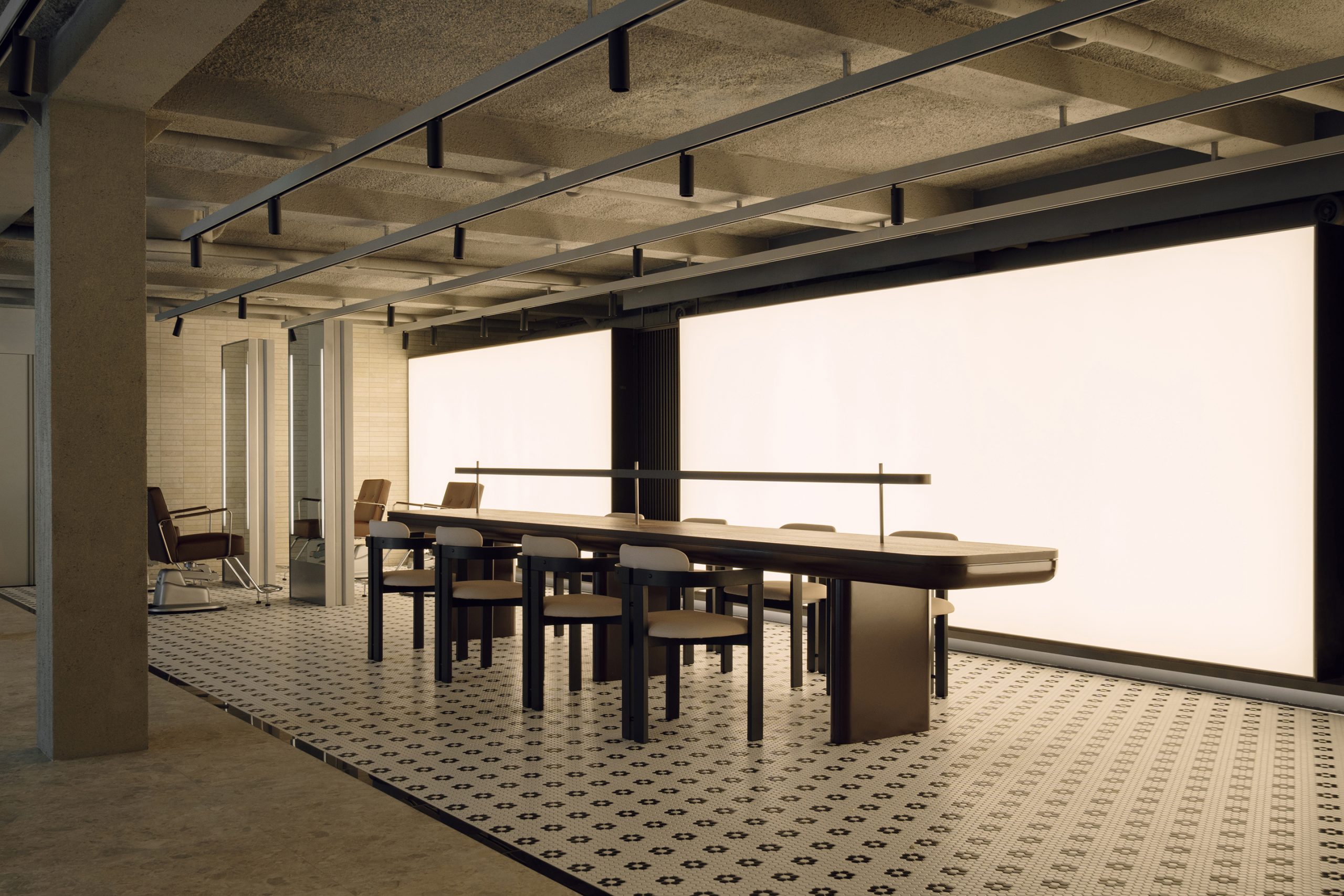
TYPE S combines rough masonry, polished metal and warm timber inside Juno Hair Sung-su 2nd, a salon shaped by contrasting spaces in Seoul.

The Cala del Faro apartment by caarpa pairs vaulted ceilings with beach-toned terrazzo, bespoke oak joinery and views towards the Sardinian coast.