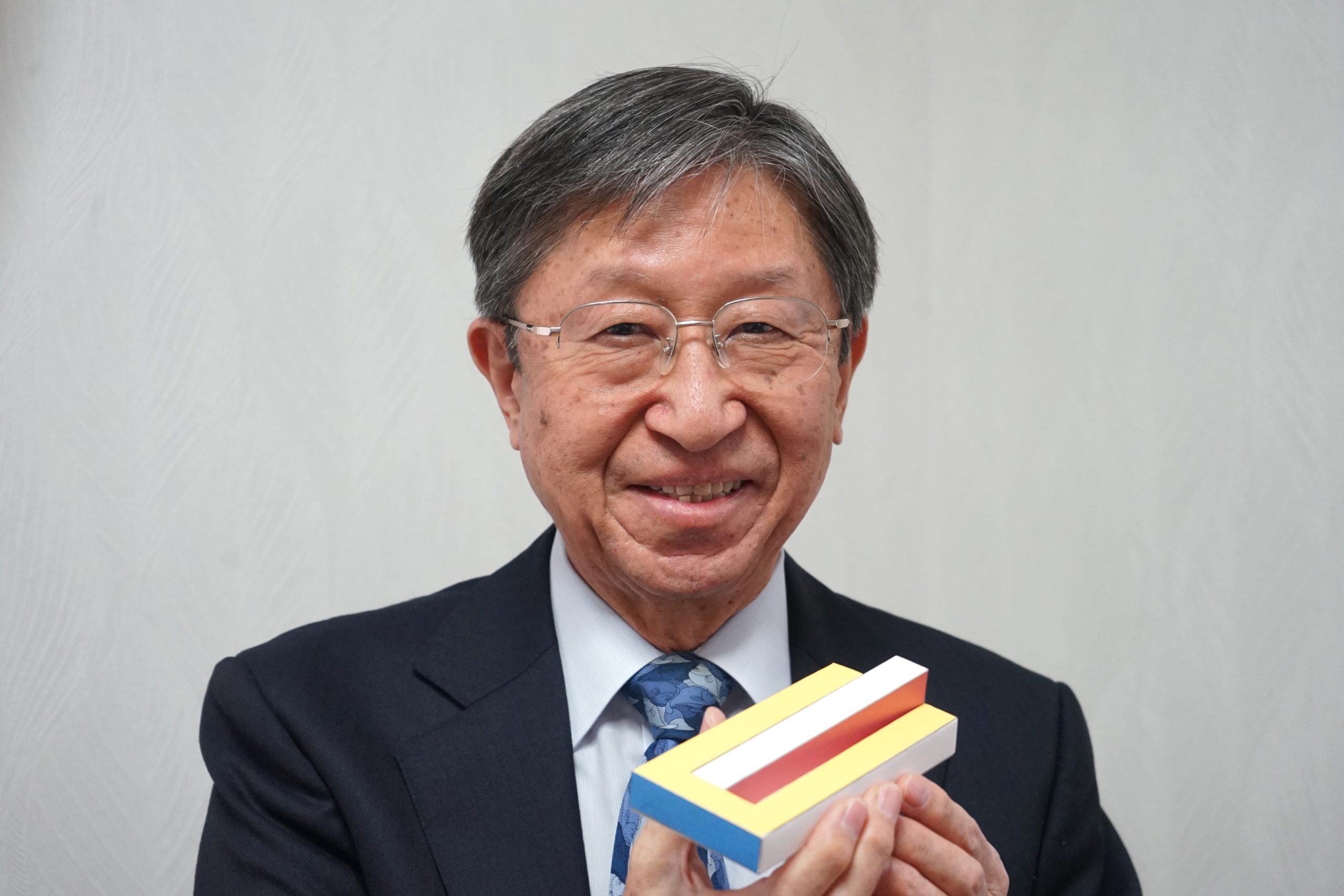
Kokichi Sugihara discusses optical illusions, imagined depth, mirrors and the lessons of his exhibition and workshop in Hanoi.

Kokichi Sugihara discusses optical illusions, imagined depth, mirrors and the lessons of his exhibition and workshop in Hanoi.
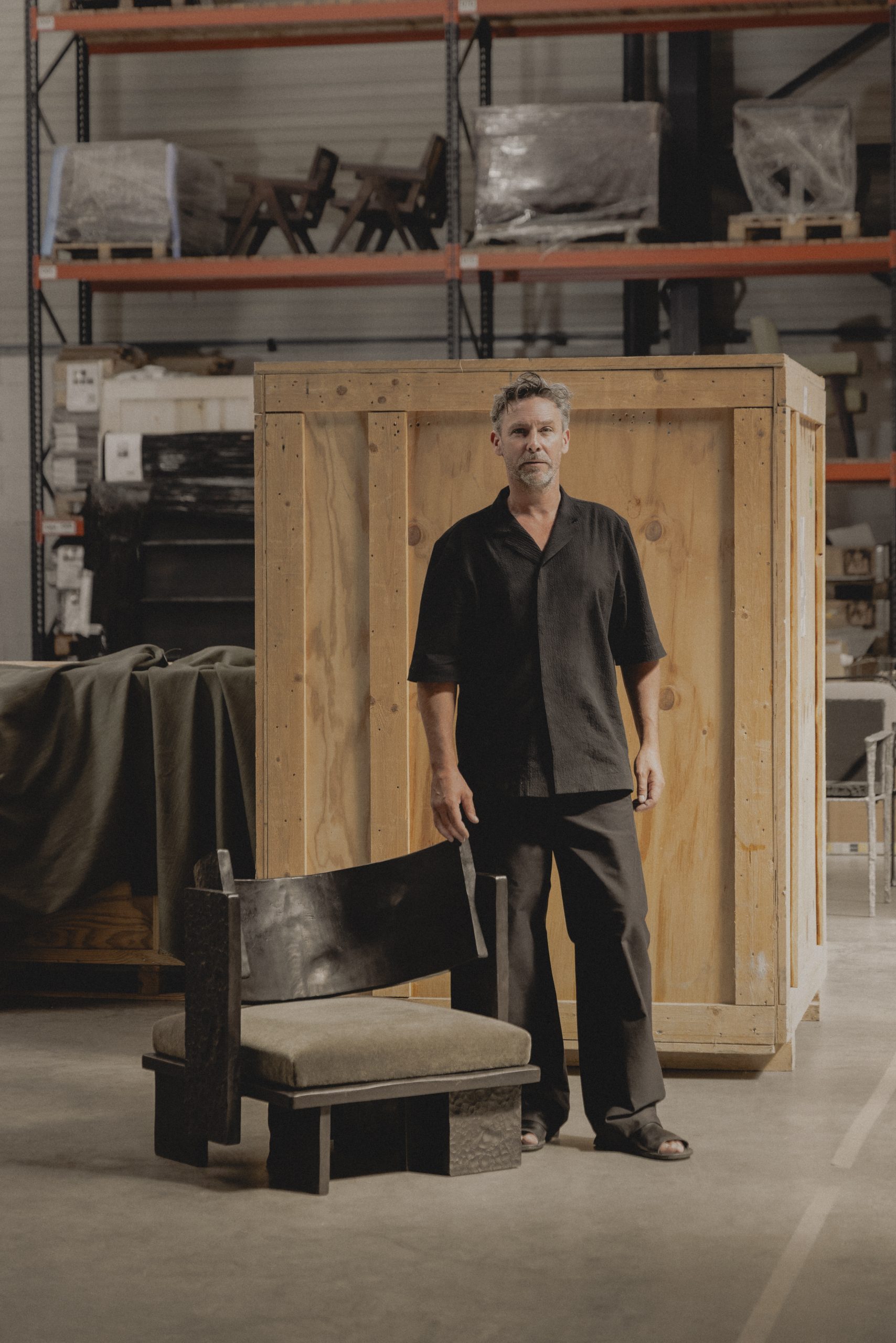
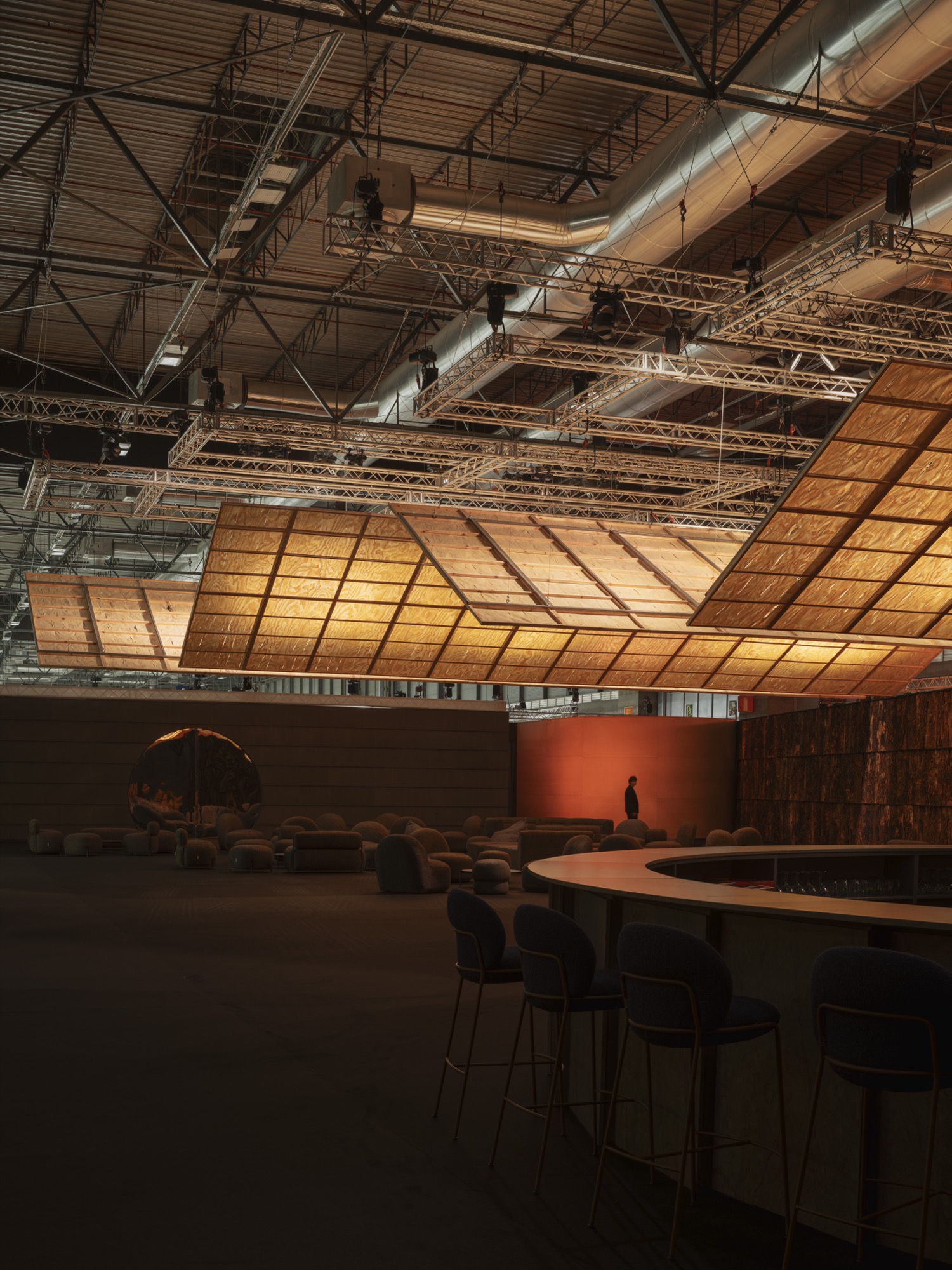
In an interview with Designarcus, Vincent Dubourg discusses how molten bronze, architectural references and wood shape Blue Weather at Carpenters in London.
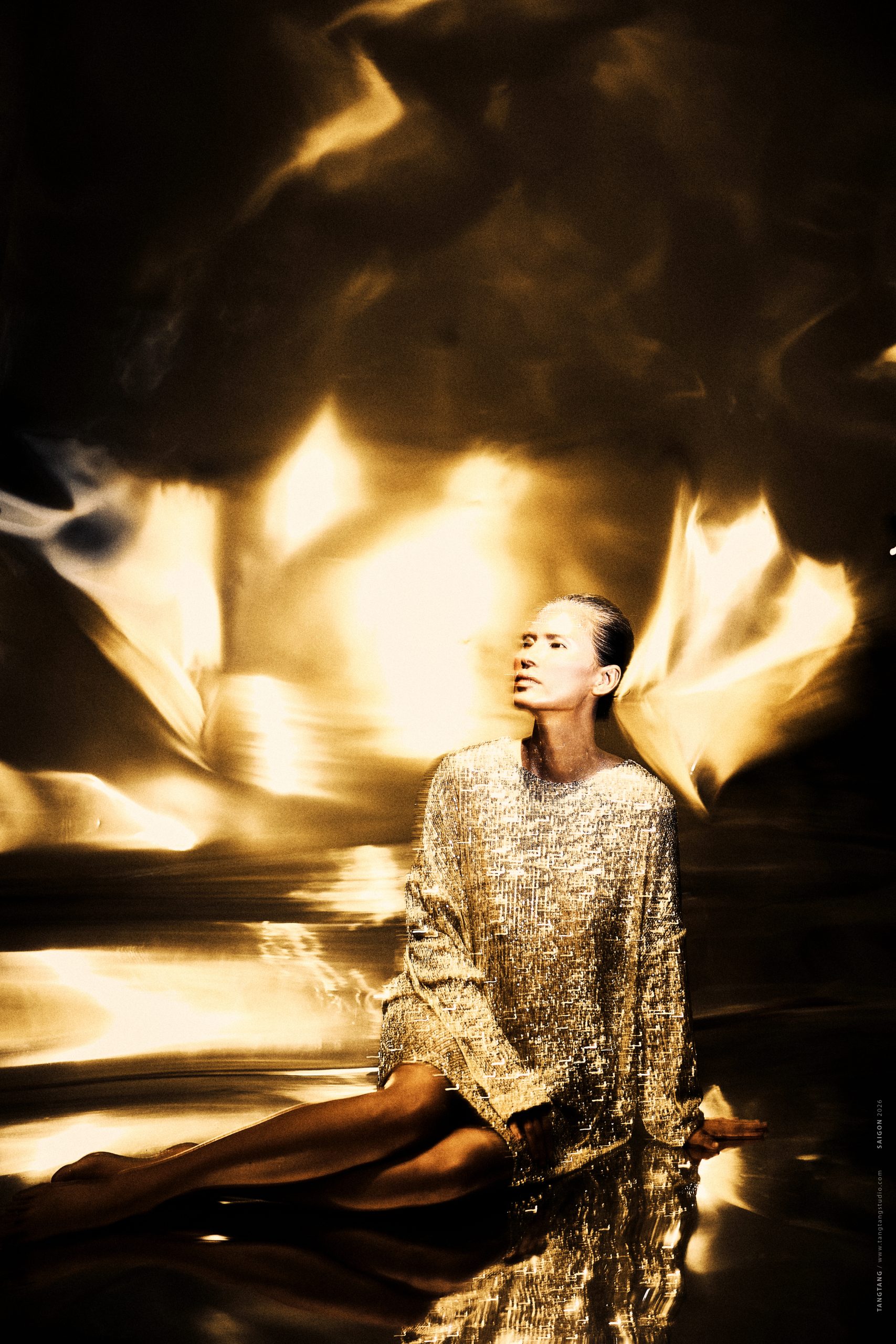
In conversation around Fields of Resonance, Tia-Thuy Nguyen discusses hand-woven stainless steel, weightlessness, femininity and the role of light as a living material.
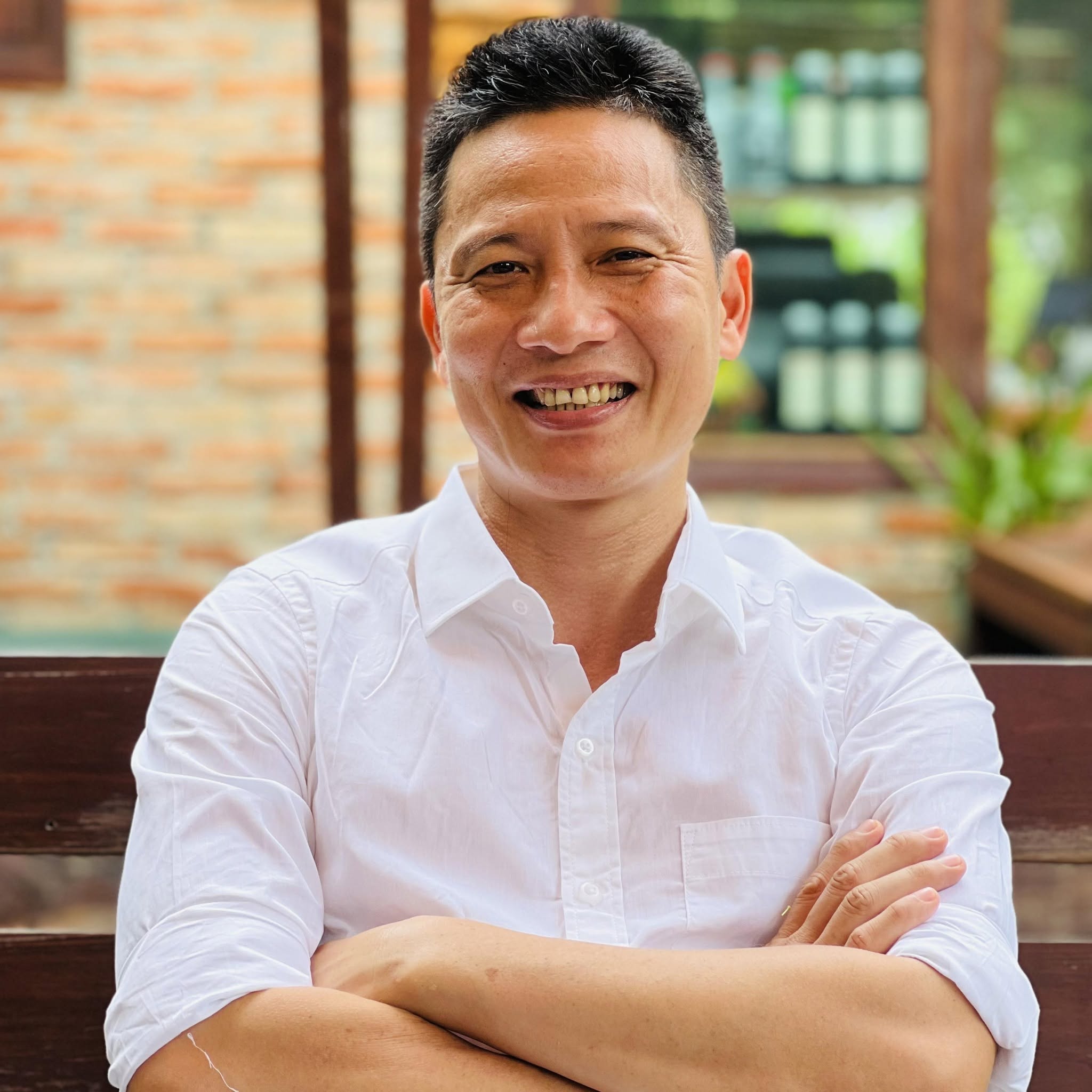
Design Arcus speaks with SILAA Architects about Huong Lua Cafe, a restrained rural project shaped by Tay Ninh’s rice fields, Ba Den Mountain, reclaimed timber and the rhythms of farming life.
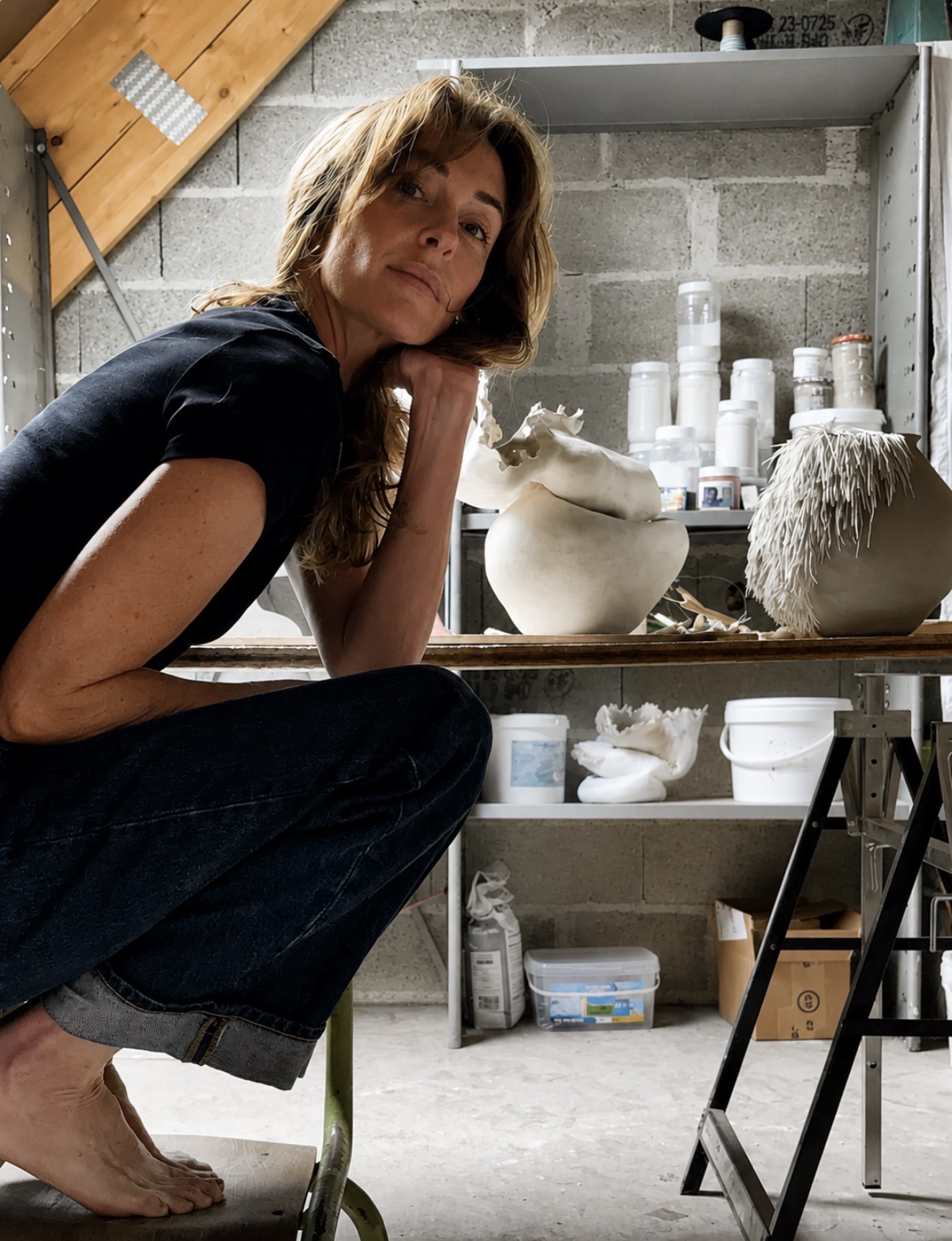
In this interview, French ceramic artist Manon Benoit discusses her stoneware sculptures, where clay becomes a vessel for memory, gesture, fragility and transformation.
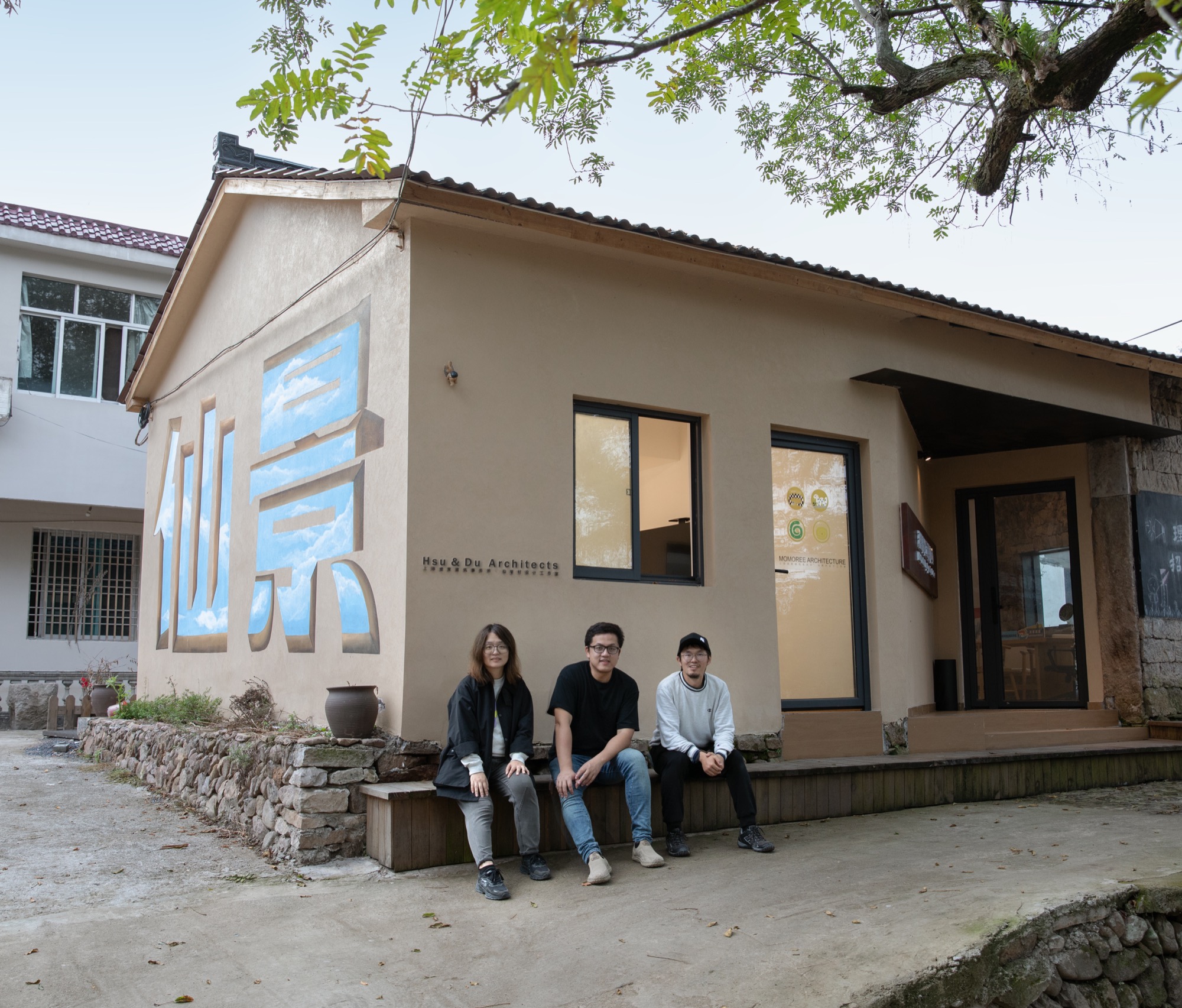
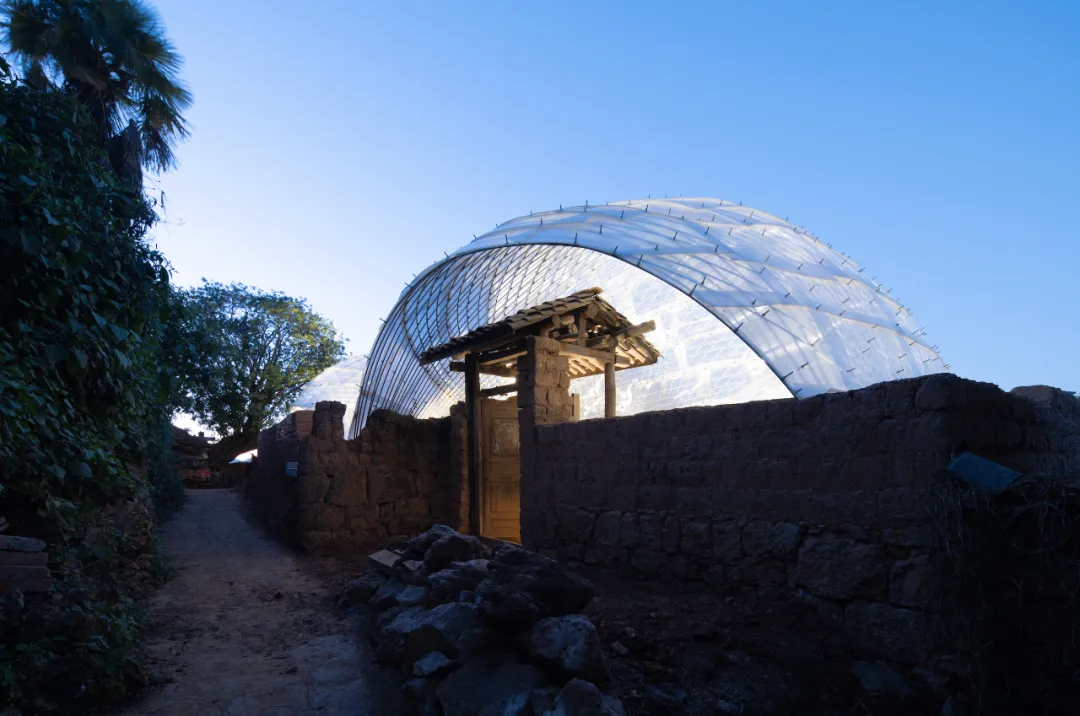
In this interview, architects Du Jie and Hsu Wenjie of Hsu & Du Architects discuss the transformation of an abandoned primary school in Xianjing Village into Qingyi Lodge, a rural artist retreat shaped by memory, landscape and ongoing village regeneration.
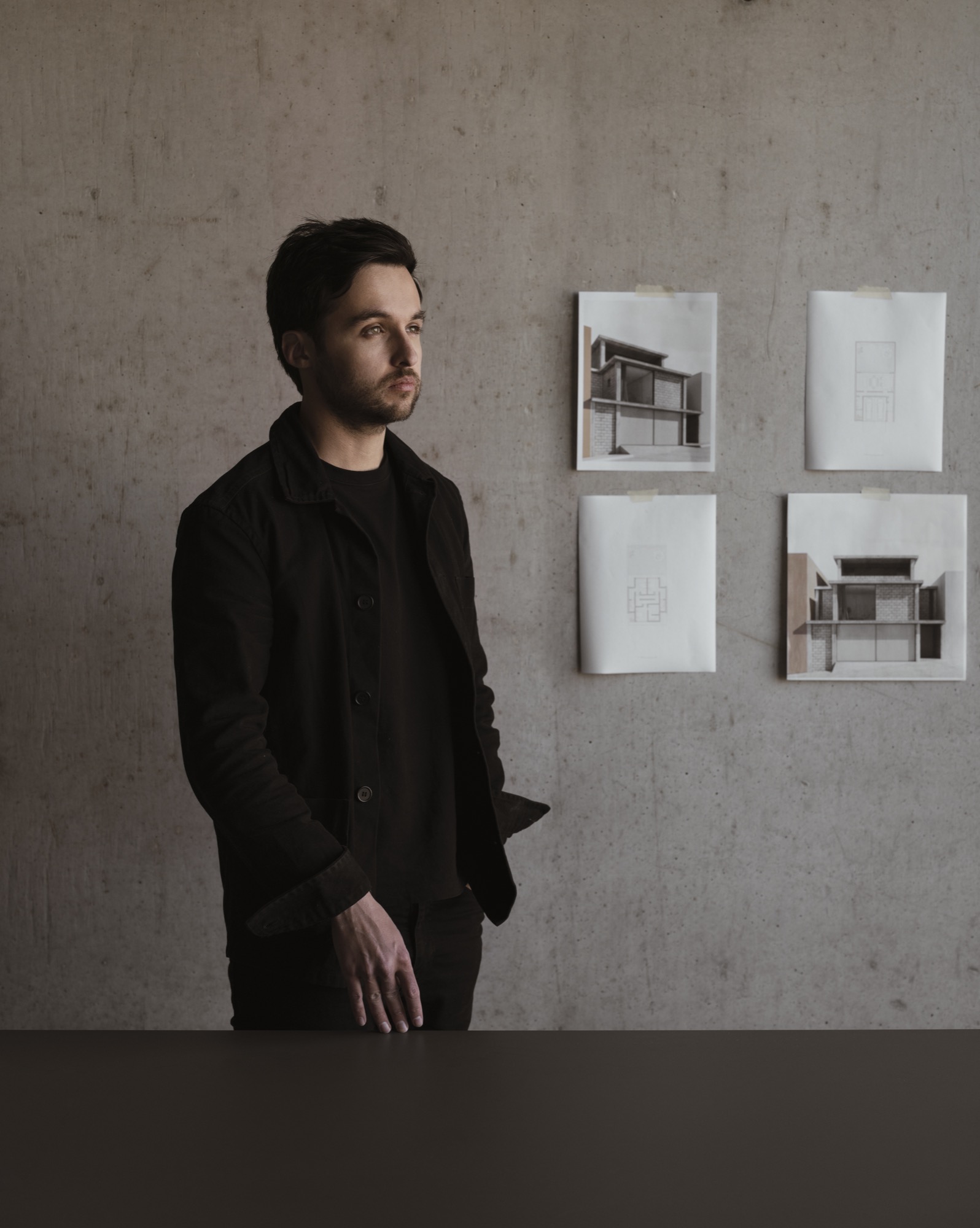
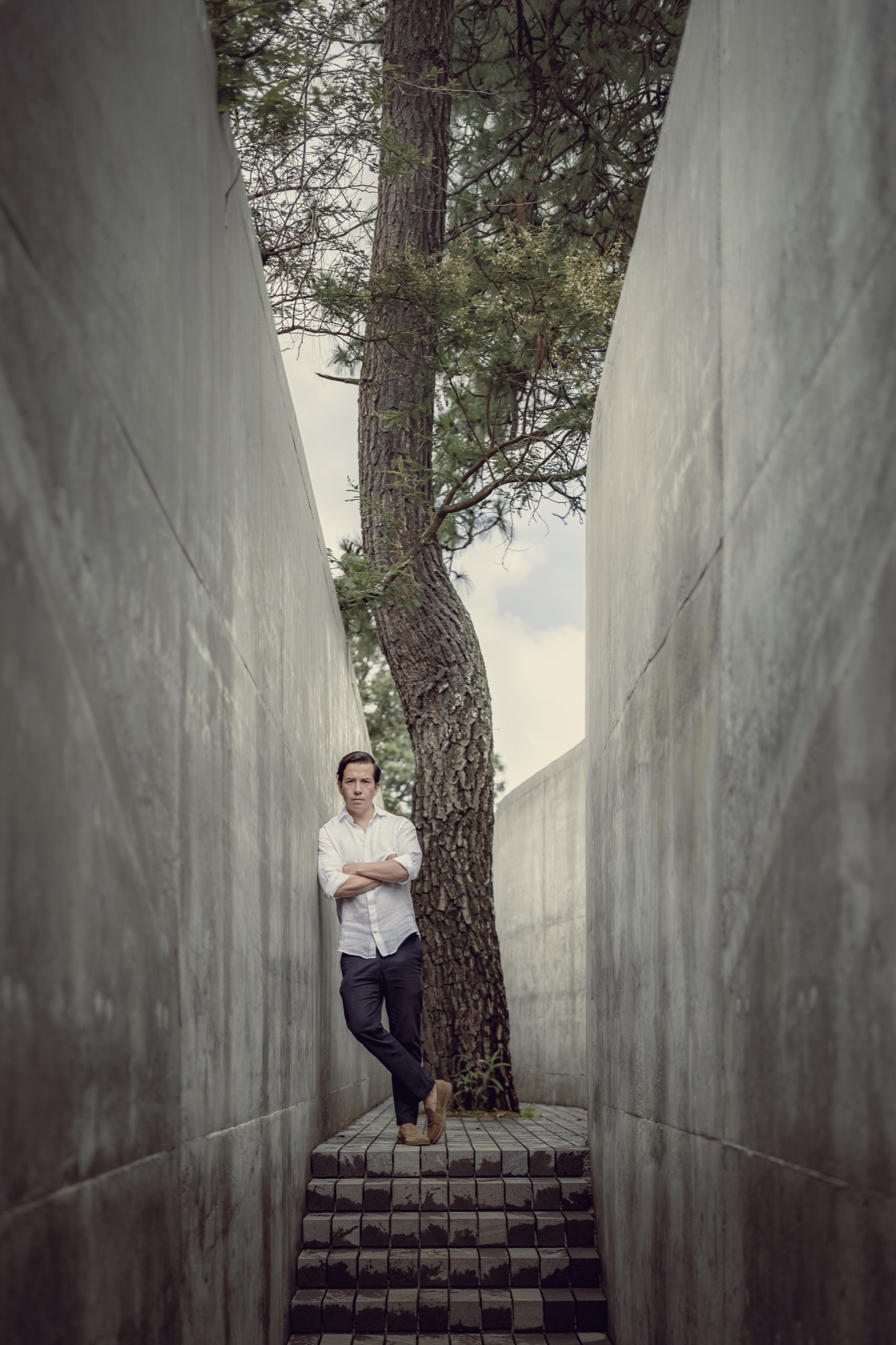
In this interview, LÓPEZ GONZÁLEZ discusses Casa Tlaloc, a compact vertical house in Xalapa shaped by rain, structure, topography and the rituals of domestic life.
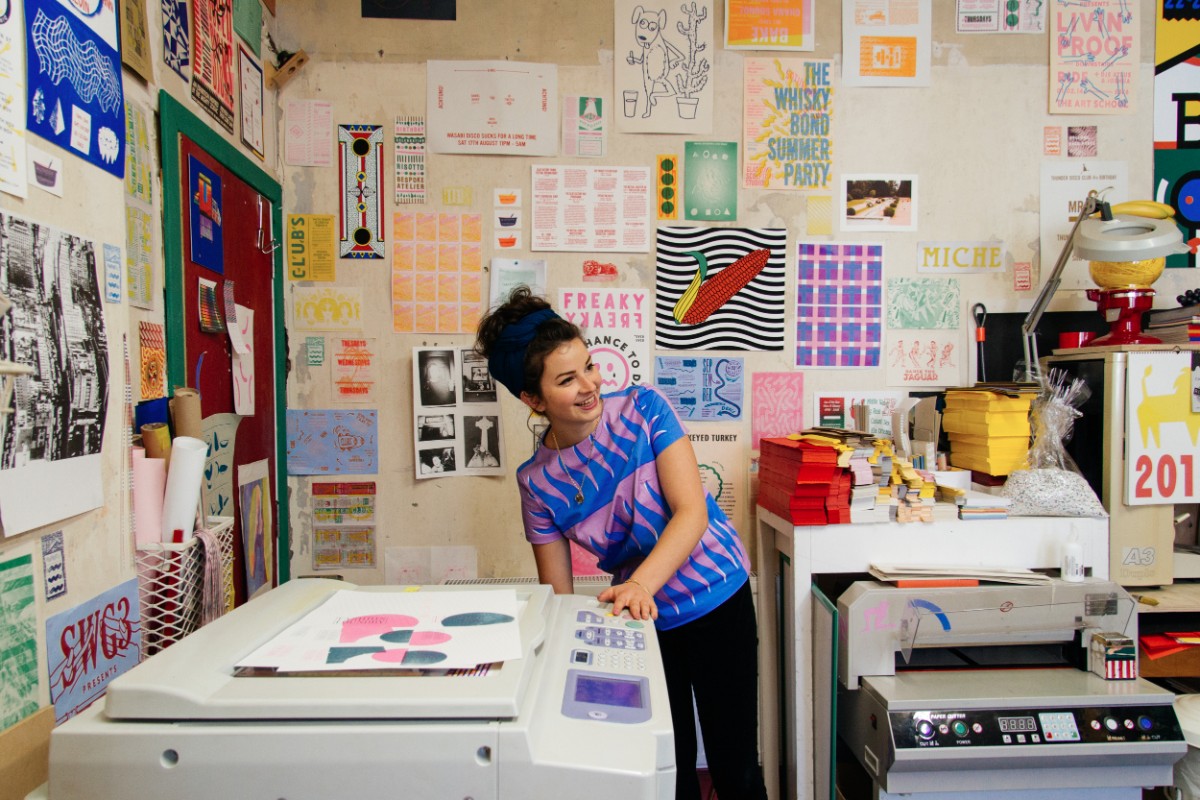
In this interview, Gabriella Marcella of RISOTTO Studio reflects on the making of the studio’s new Glasgow headquarters, a vivid working environment shaped by risograph printing, colour, material process and the everyday realities of analogue production.
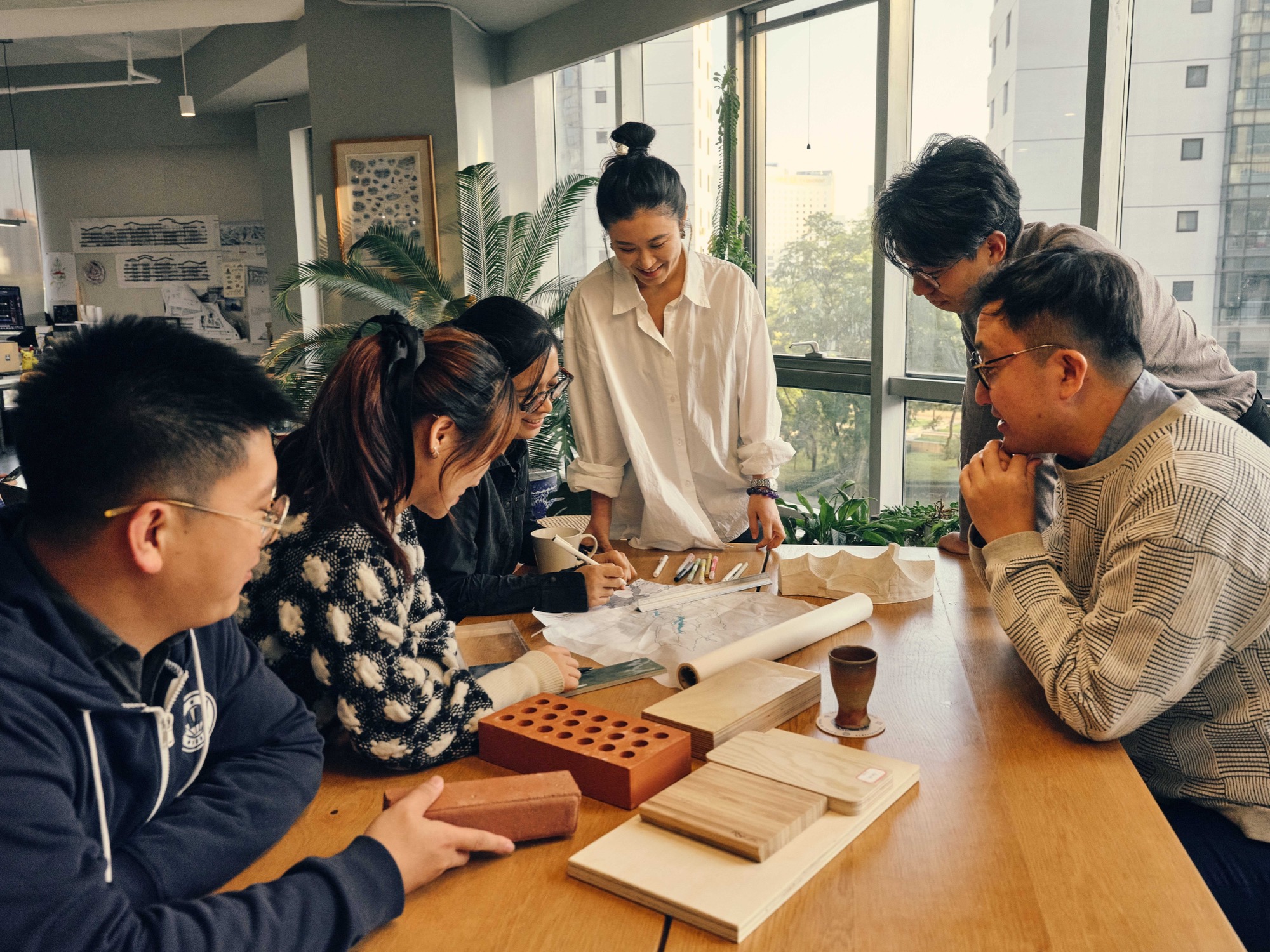
Feng Yue of designRESERVE reflects on Desert Ark, a 3D printed desert habitat shaped by sand, wind, ecology and the fragile conditions of China’s Tengger Desert.
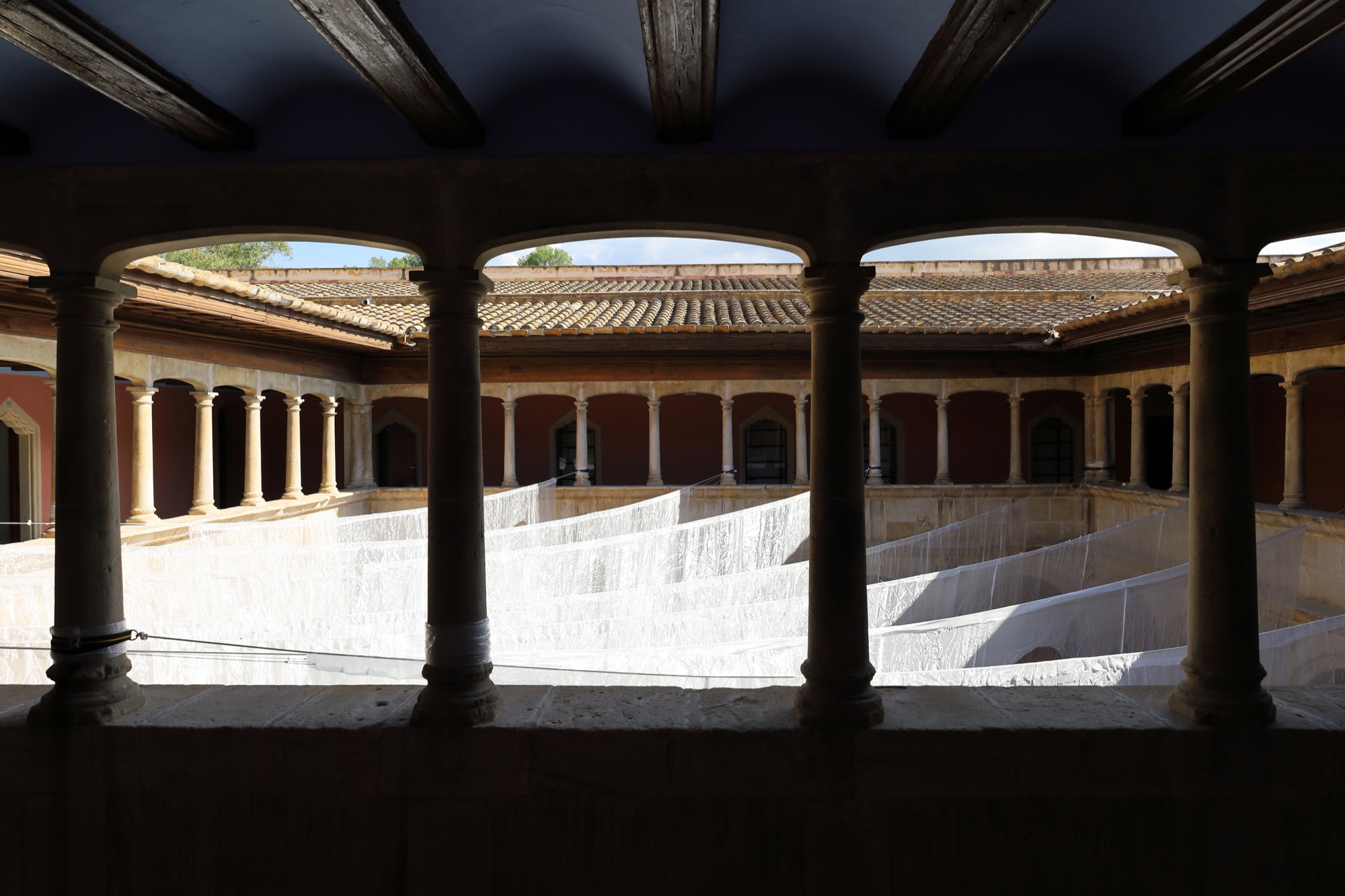
An interview with ELSE Design on ephemeral architecture and how temporary interventions reveal deeper relationships between site, material, and time.