Now Reading: BEEF ARCHITEKTI define industrial heritage through adaptability
- 01
BEEF ARCHITEKTI define industrial heritage through adaptability



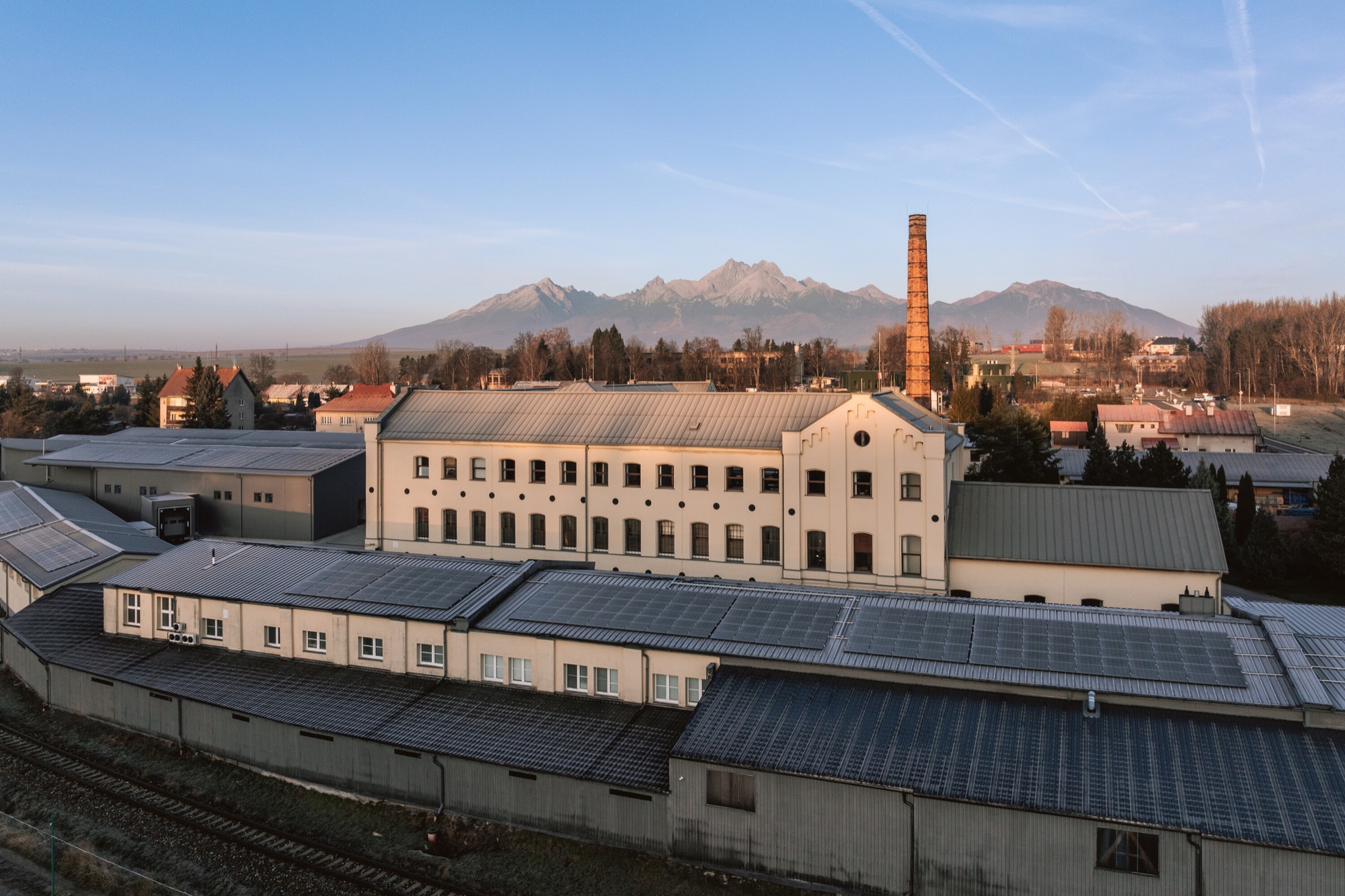
In the town of Kežmarok, a former spinning mill stands not as a relic of industrial decline, but as a site of ongoing transformation. Through a careful process of subtraction and reinterpretation, BEEF ARCHITEKTI approach adaptive reuse not as preservation in the conventional sense, but as a reactivation of latent architectural potential embedded within the structure.
Rather than restoring a fixed historical image, the project unfolds as a negotiation between time, material, and contemporary use. In this interview, BEEF ARCHITEKTI reflect on their approach to industrial heritage, questioning notions of authenticity, exposing the value of imperfection, and proposing new spatial and economic models for the future of adaptive reuse.

The Kežmarok spinning mill embodies a layered industrial history rather than a singular past. In approaching the project, did you seek to stabilise a specific historical moment, or to work with the building as an accumulation of temporal fragments?
BEEF ARCHITEKTI: Our approach was one of strategic reduction. By surgically removing haphazard extensions that lacked architectural intent, we liberated the building’s original industrial silhouette. This process of editing ensures that new interventions do not compete with a cluttered past, but instead engage in a clear and hierarchical dialogue with the restored structural core.
Working within the framework of a National Cultural Monument often implies a prescriptive notion of authenticity. To what extent did you accept, resist, or reinterpret this framework?
We chose to reinterpret authenticity. Rather than understanding it as a fixed set of physical attributes, we defined it through the “spirit of utility.”
Resistance emerged where modern building codes such as fire safety, thermal performance, and accessibility threatened the building’s raw industrial character. We addressed this tension by keeping new technical layers visible instead of concealing them behind faux historical finishes.
Adaptive reuse is often framed as inherently sustainable, yet it also carries constraints. Where do you see its advantages and limitations in this project?
The main reason these buildings survive for centuries is their inherent adaptability. Their structural logic allows for a complete reorganisation of the internal layout without compromising architectural integrity. This is the true strength of the project.
It is essentially a building without a fixed function, but rather an envelope for multiple possible uses. We intentionally avoided unnecessary architectural gestures, reserving that energy for a future phase involving a new neighbouring building.
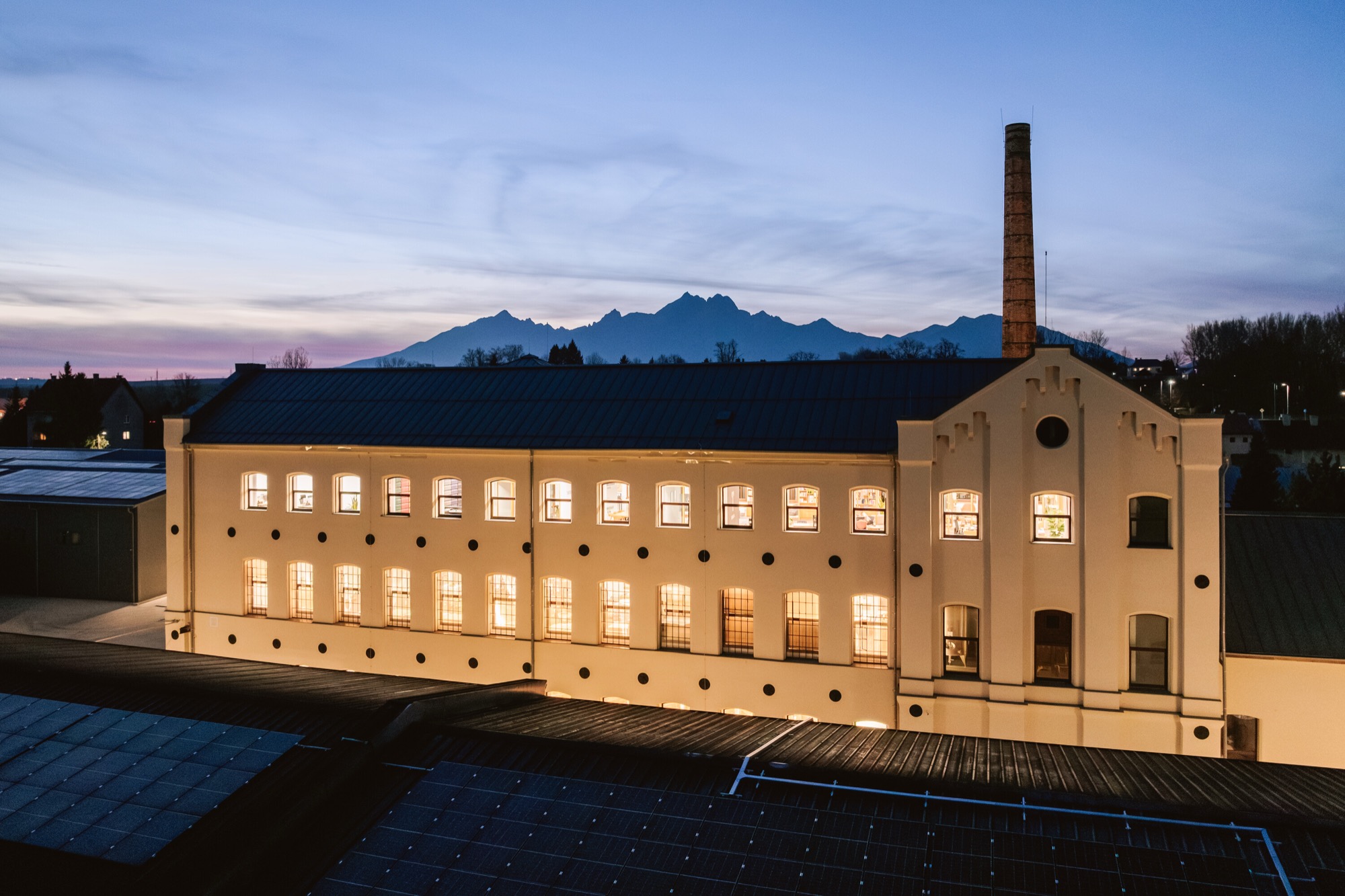
The project appears to expose rather than conceal structural deficiencies. Is this an ethical position or an aesthetic strategy?
It is both. Ethically, it offers an honest record of the building’s life over time. Aesthetically, it reframes what is typically seen as damage into texture. We believe there is value in revealing how a building has endured, grounding the intervention in a reality that perfection cannot achieve.

How did you negotiate between preserving spatial legibility and accommodating new programmes?
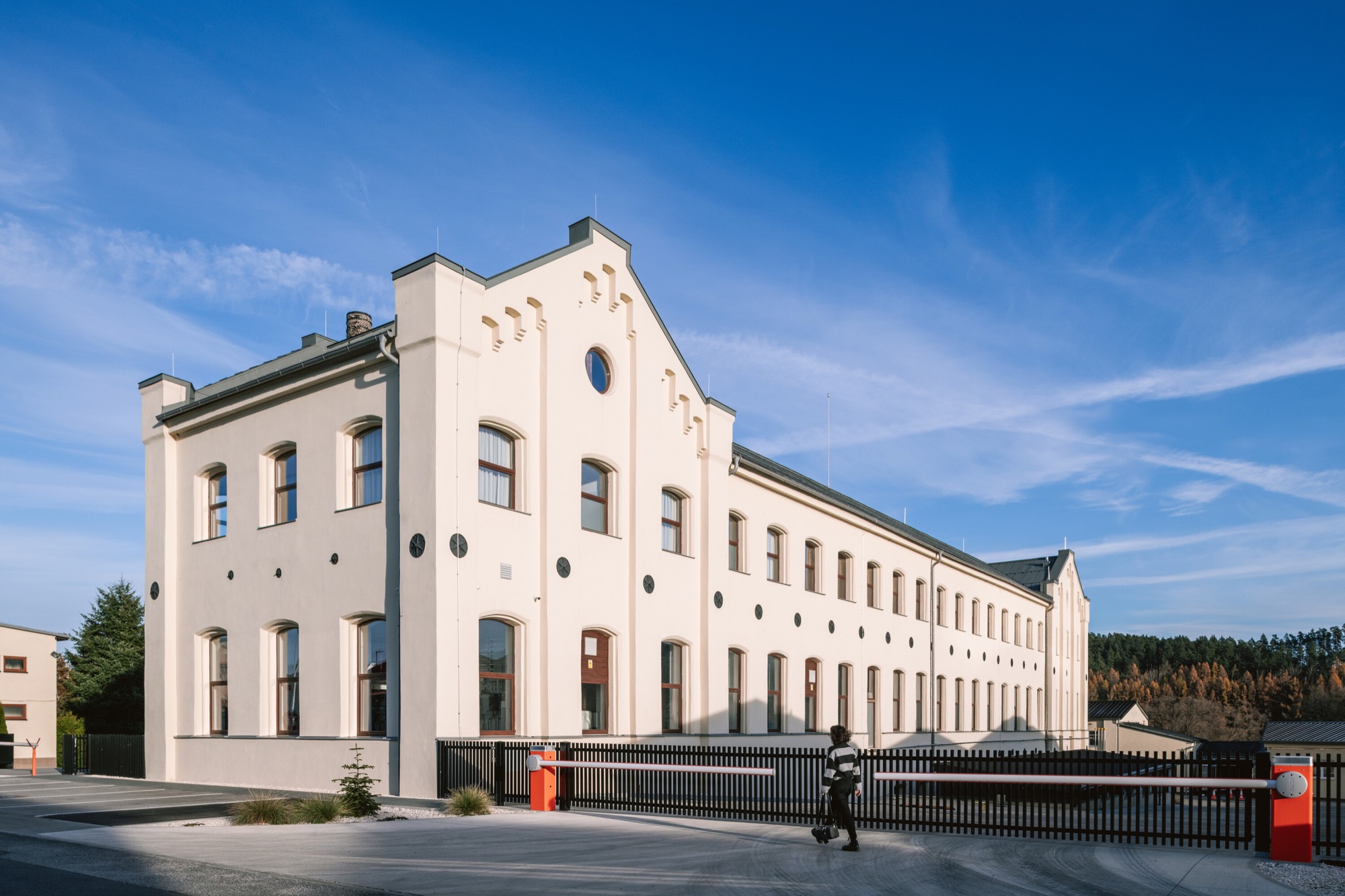
We realised that the original spatial logic had not been disrupted by new uses, but by decades of uncontrolled additions. These parasitic extensions lacked coherence and had already fractured the building’s integrity. Our work therefore focused on removing these layers to restore clarity.
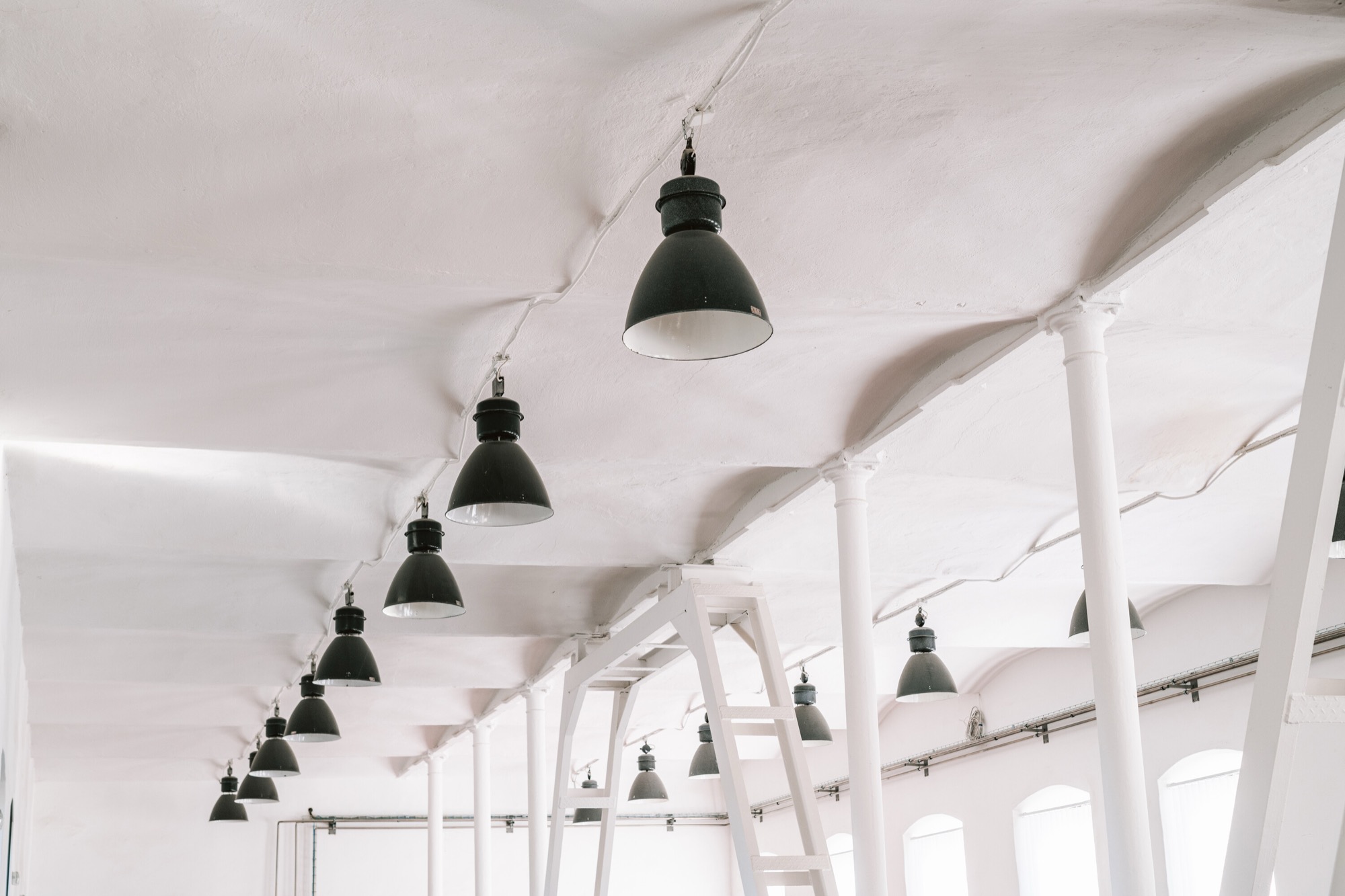
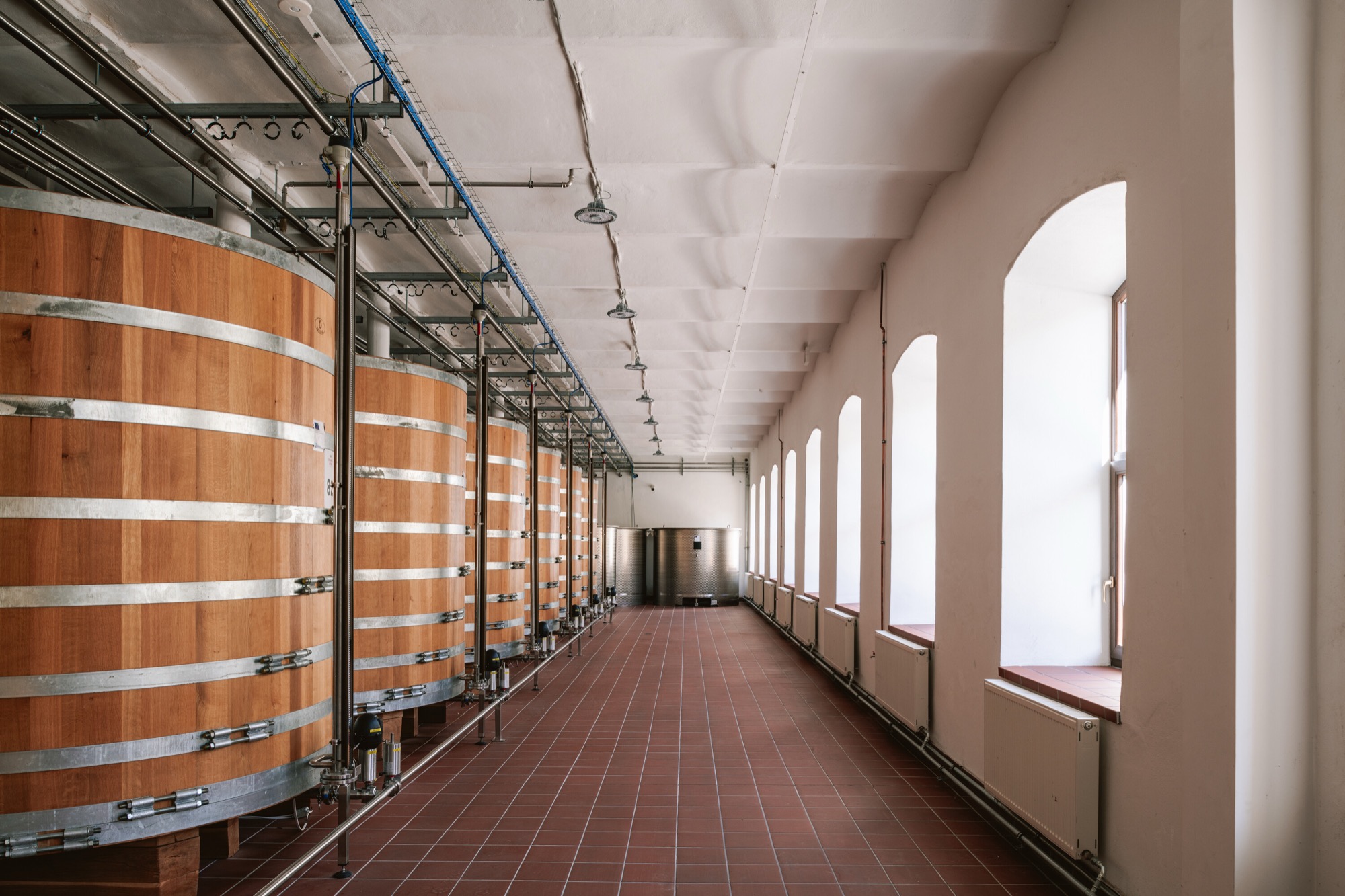
Your material approach avoids both mimicry and contrast. How was this balance achieved?
We avoided the binary of old versus new. Instead, we selected materials that share a tectonic and tonal affinity with the existing structure, such as wood and terracotta. This creates a symbiotic relationship in which new elements feel embedded within the building’s ongoing material evolution.
By introducing public functions, the project shifts the building’s social role. Is this urban repair or something more?
It goes beyond urban repair. We see it as a spatial and economic redefinition. By opening the building to the public, it becomes part of the urban fabric, transforming the industrial periphery into an emerging civic centre. It demonstrates that such structures can support complex contemporary life.
Many industrial buildings in Slovakia remain abandoned. Why is this the case?
It reflects a lack of systematic state interest. Preservation cannot rely solely on private initiative. A meaningful solution requires both tax incentives and direct state intervention. These buildings also carry economic value through their identity and character, which can attract investment and public attention.
How is the project expected to sustain itself economically?
Its sustainability relies on a phased programme. The first stage reintroduces industrial production through alcohol manufacturing. The second phase will include a museum, restaurant, factory shop, and event spaces connected to a public courtyard.
Looking forward, do industrial heritage projects require new operational models?
Yes. The future lies in spatial hybrids that blur boundaries between working and living. A “Work Live Create” model allows flexibility over time. These buildings can become decentralised hubs, shifting economic focus away from dense urban centres while preserving their historical identity.
Article Credit
Text: Rafael Cunha
Time: 04.2026
Photo: Jakub Čaprnka