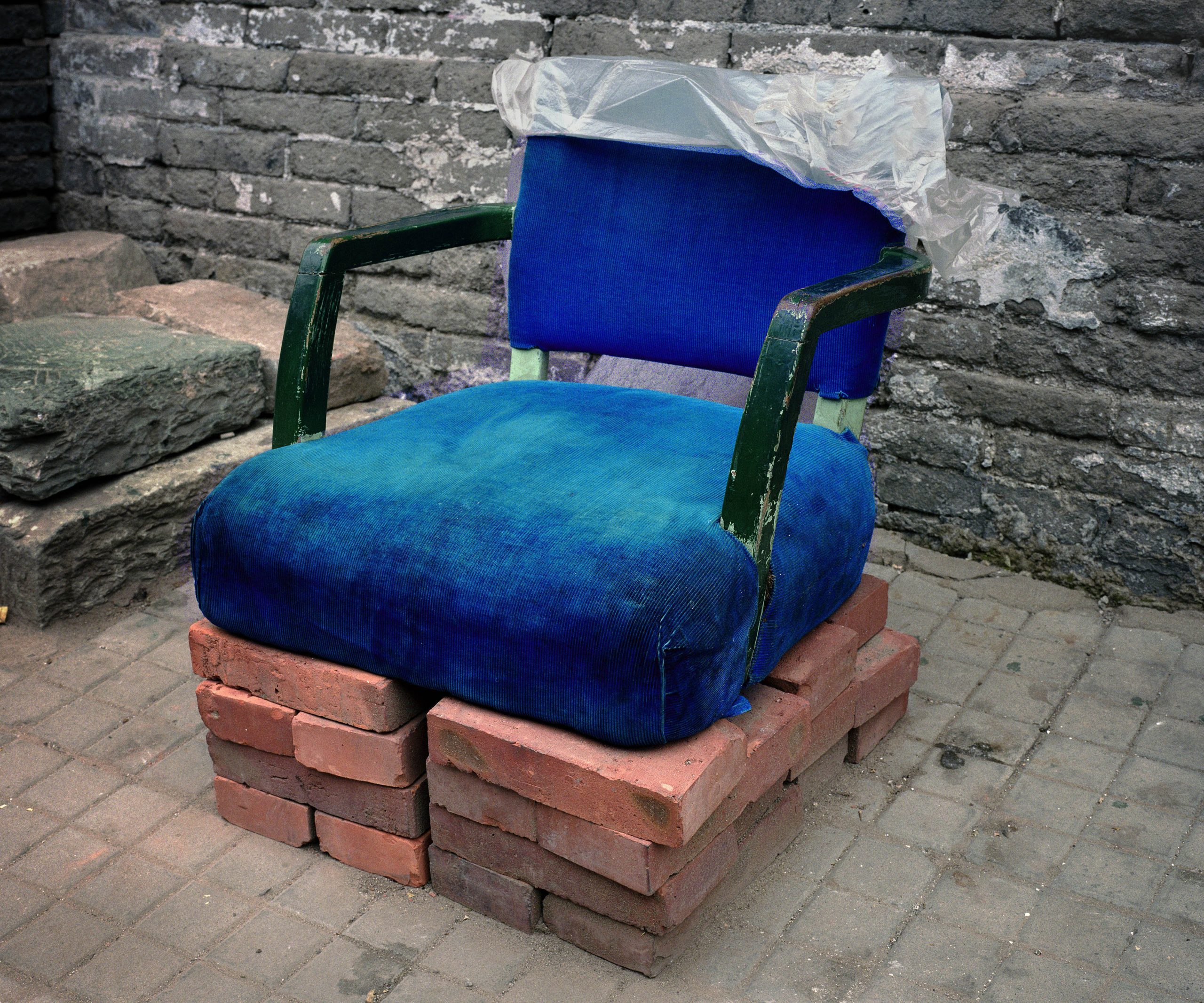
Photographs of improvised chairs lead Michael Wolf into questions of repair, authorship and design in everyday life.

Photographs of improvised chairs lead Michael Wolf into questions of repair, authorship and design in everyday life.
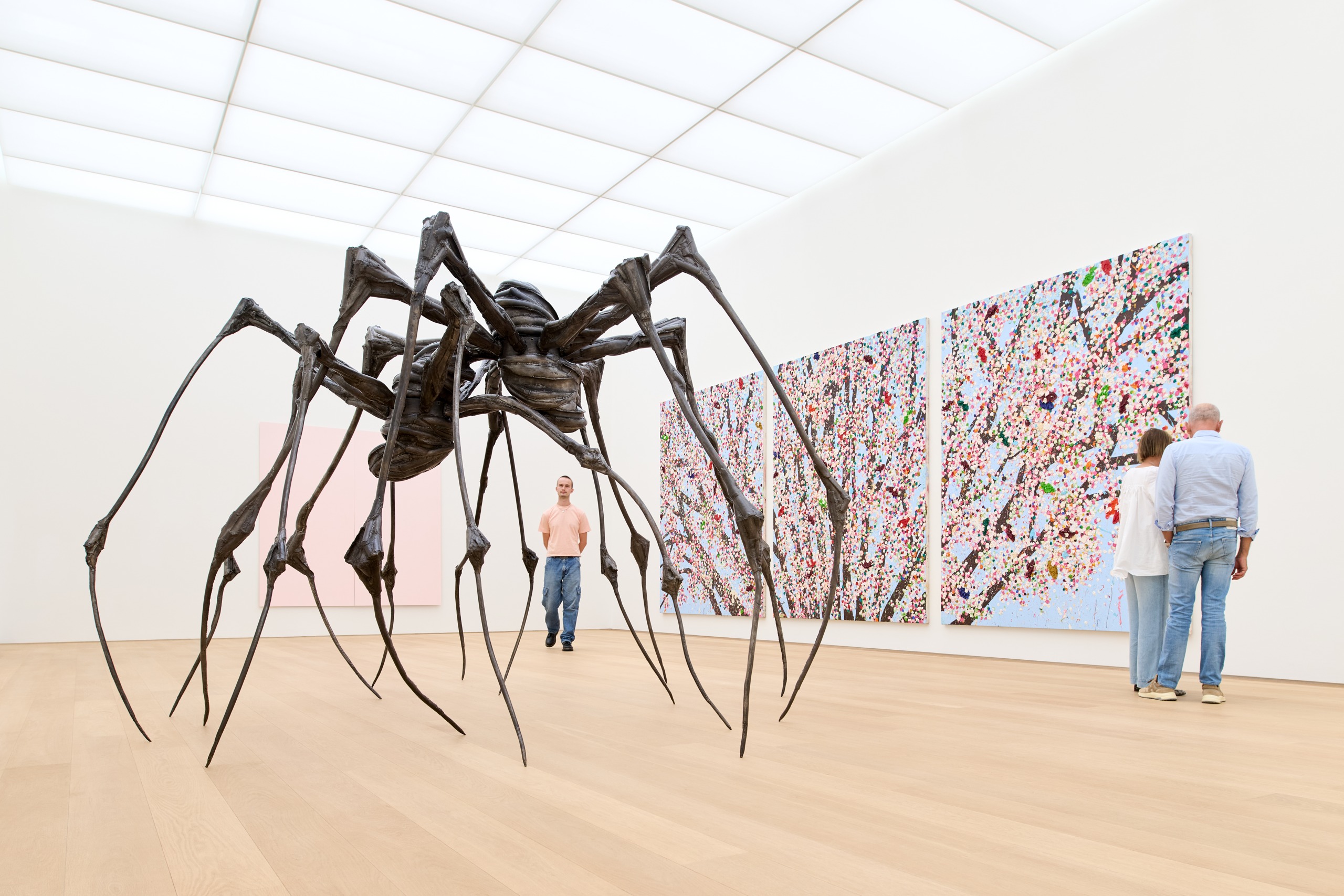
Celebrating the Icons of Art at Museum Voorlinden pairs modern masterpieces with contemporary works to examine how museums shape artistic reputation and the act of looking.
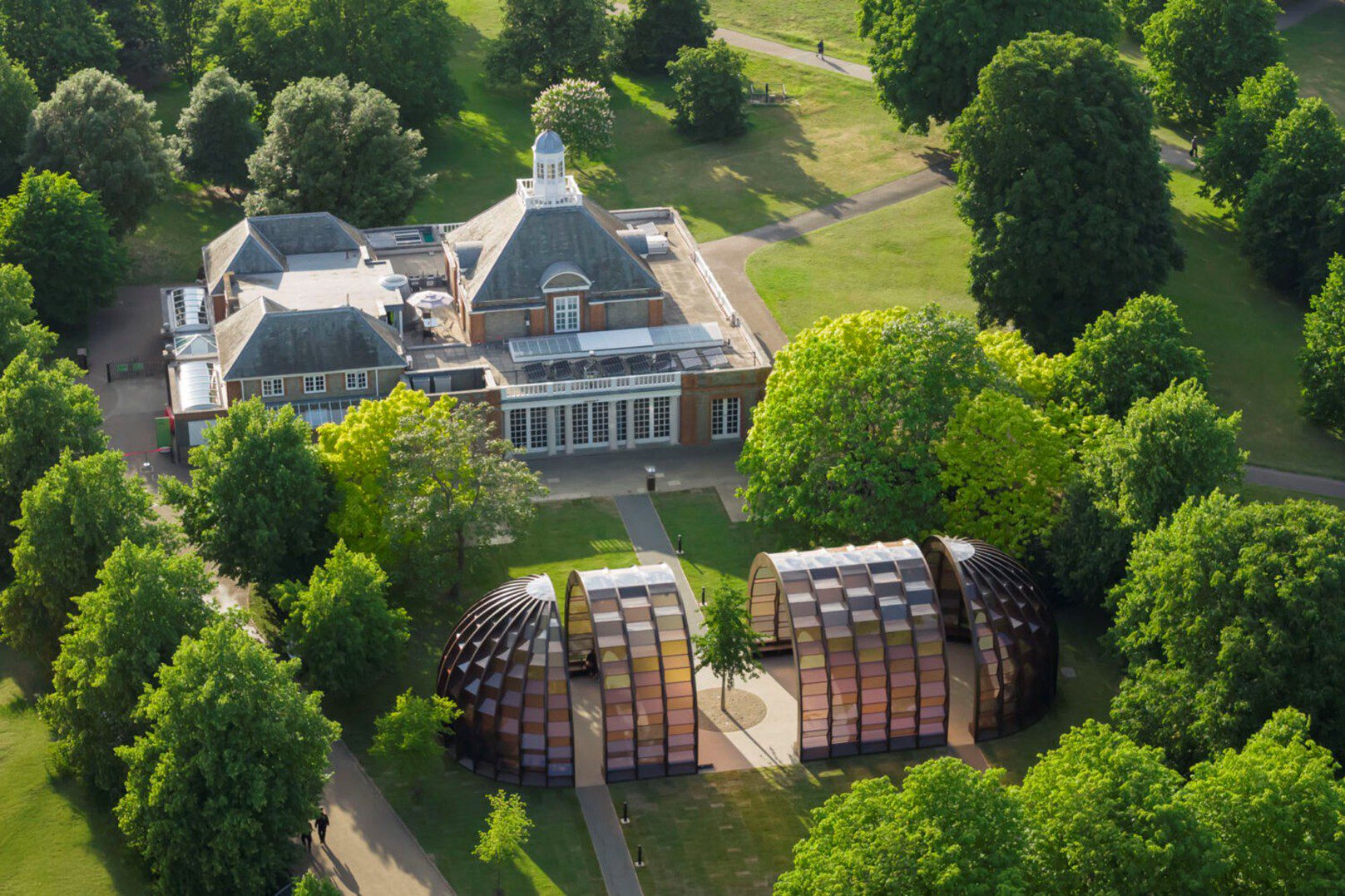
From Zaha Hadid’s inaugural 2000 commission to LANZA atelier’s 25th Pavilion in 2026, a critical essay on temporary architecture and public life in Kensington Gardens.
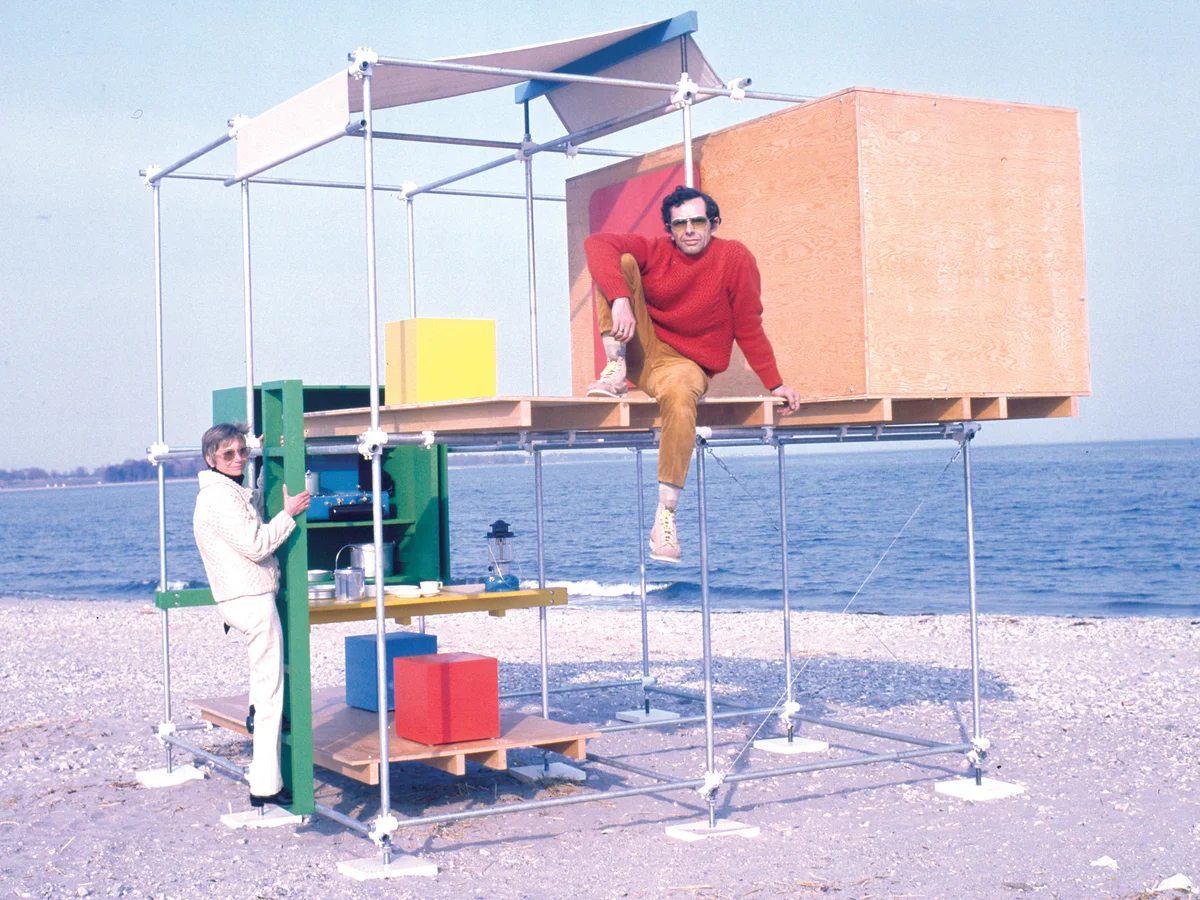
Discover Ken Isaacs’ iconic Beach Matrix (1967) — a revolutionary Living Structure embodying modular, sustainable design and the Matrix philosophy that challenged postwar American domesticity.
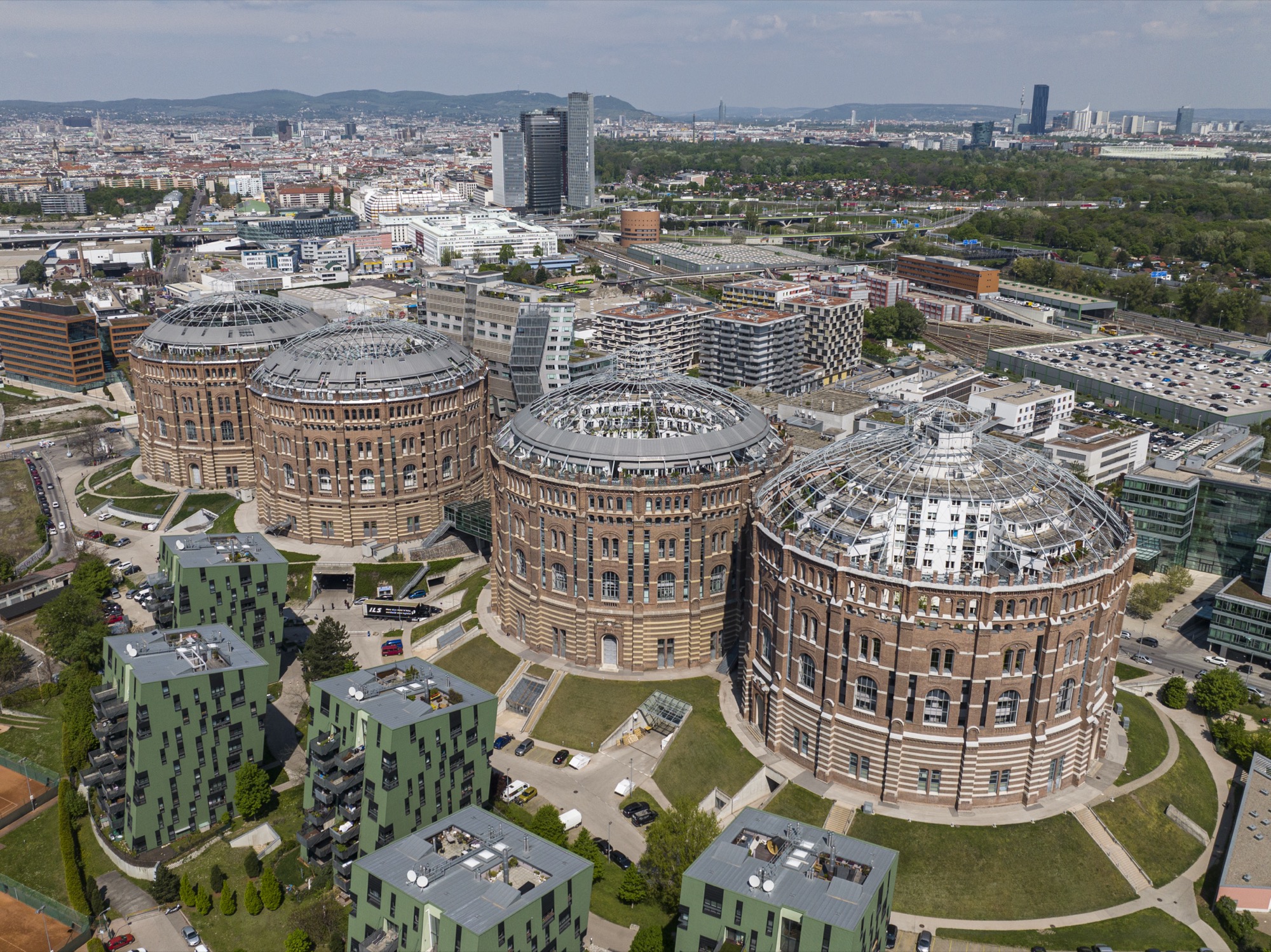
An in depth look at Gasometer Wien, the landmark adaptive reuse project in Vienna that transformed four nineteenth century gas holders into a mixed use urban district designed by Jean Nouvel, Coop Himmelb(l)au, Manfred Wehdorn, and Wilhelm Holzbauer.
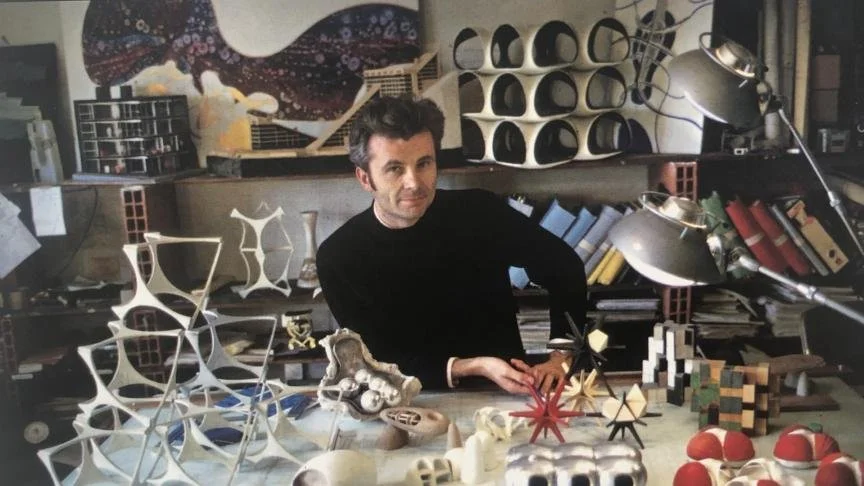
Jean-Louis Chanéac pioneered parasitic cells and organic architecture. Iconic works: Bulle Pirate, Villa Chanéac, and archorégion.
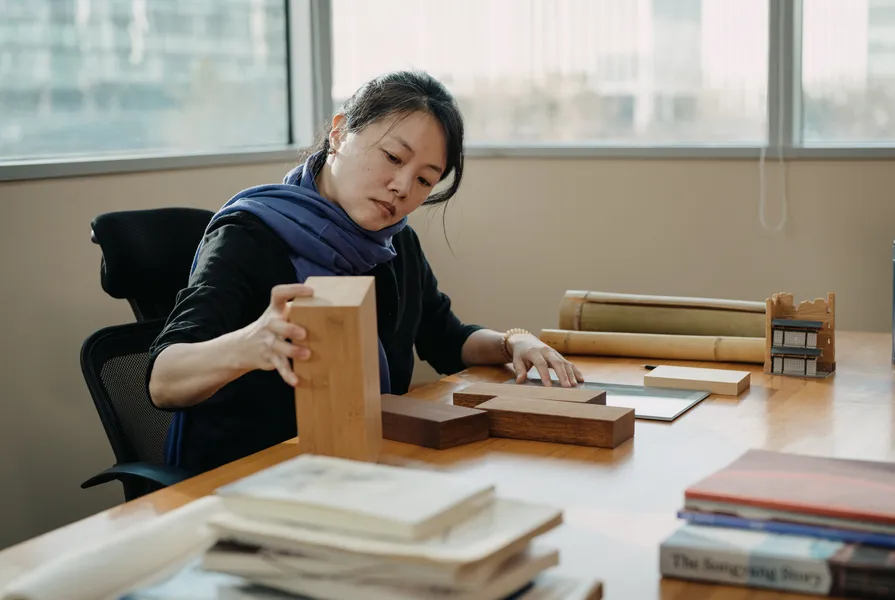
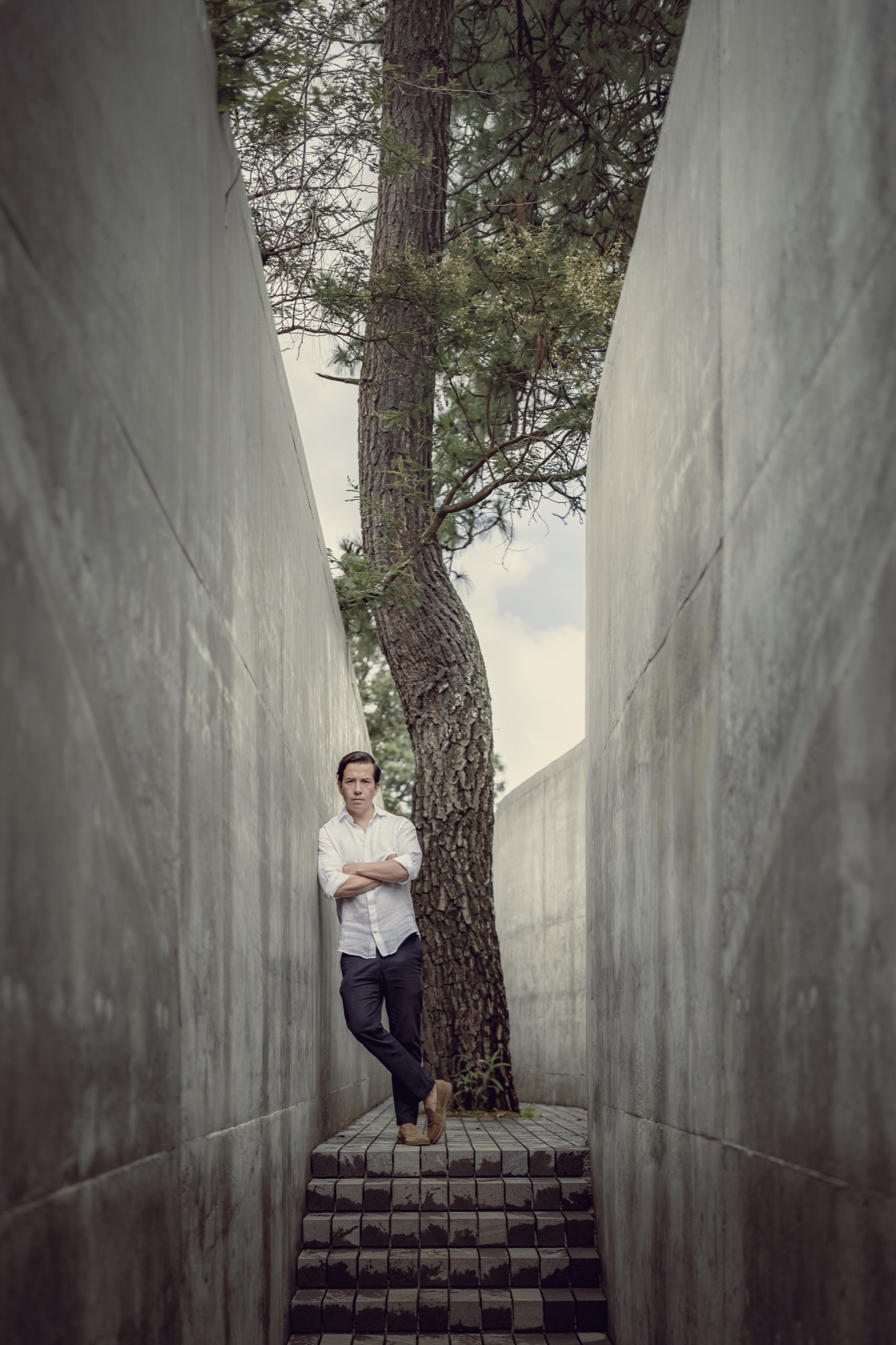
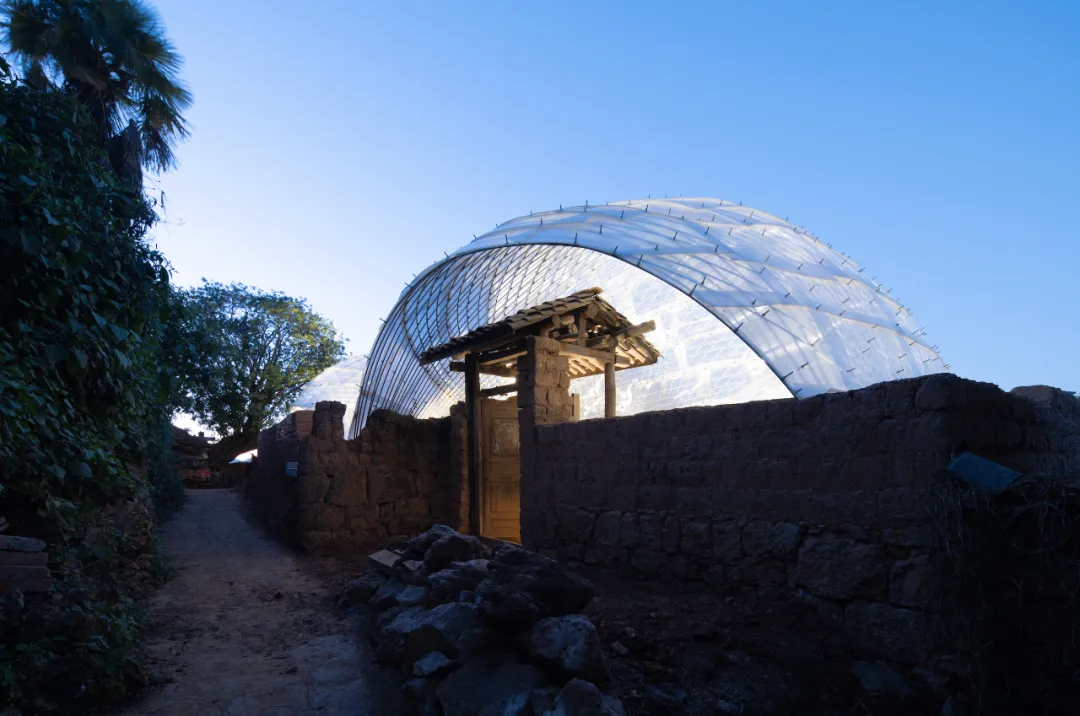
An in-depth critical essay on Xu Tiantian’s architectural acupuncture approach, exploring how small-scale interventions are reshaping rural China through culture, production, and community.
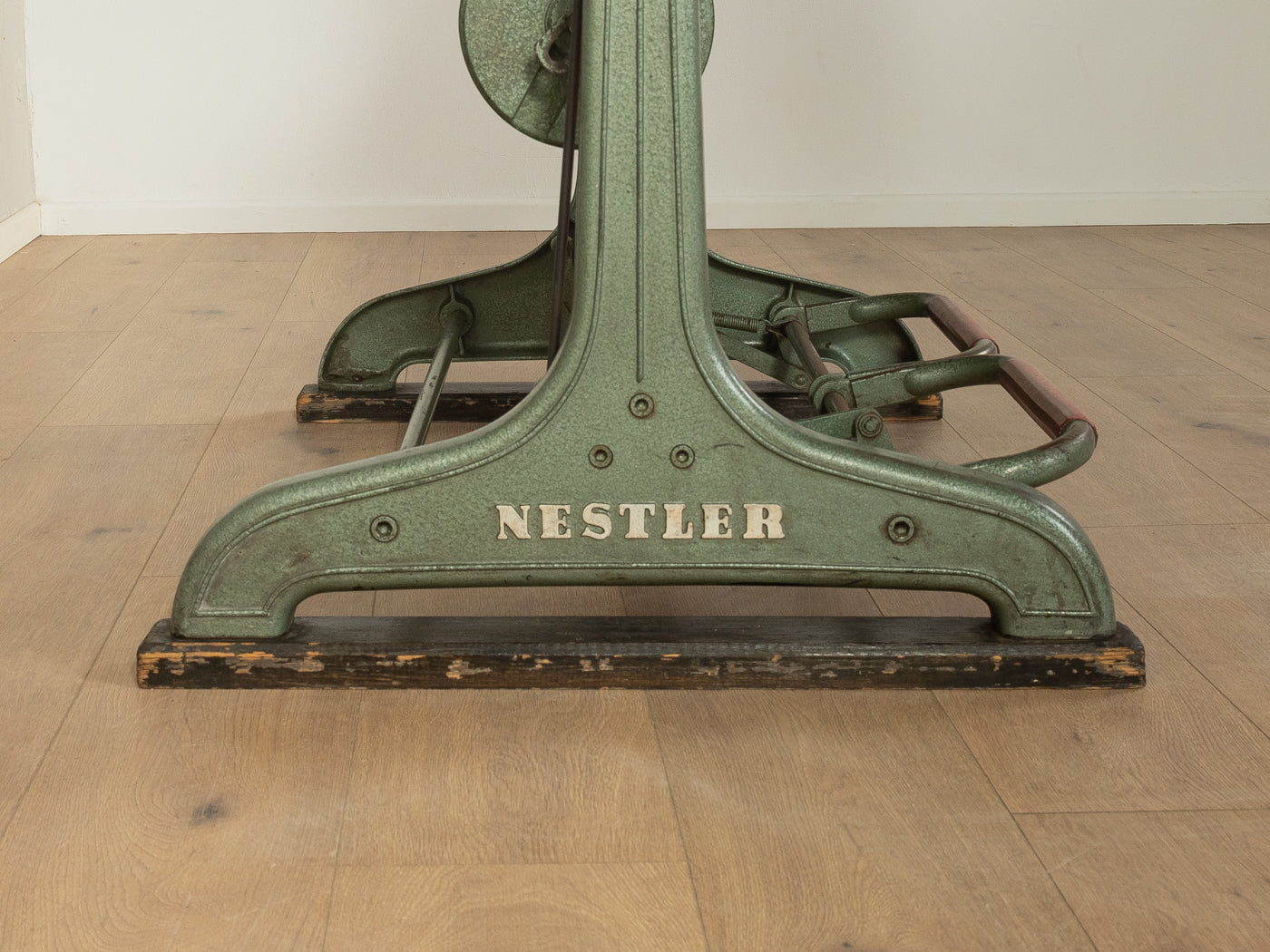
An in depth look at Nestler drafting tables and their role in shaping a culture of precision within twentieth century German industrial design. From early slide rules to large scale drafting systems, the company developed tools that supported the daily work of architects and engineers. This article examines Nestler’s material language, production philosophy, and lasting relevance in the context of contemporary design discourse.
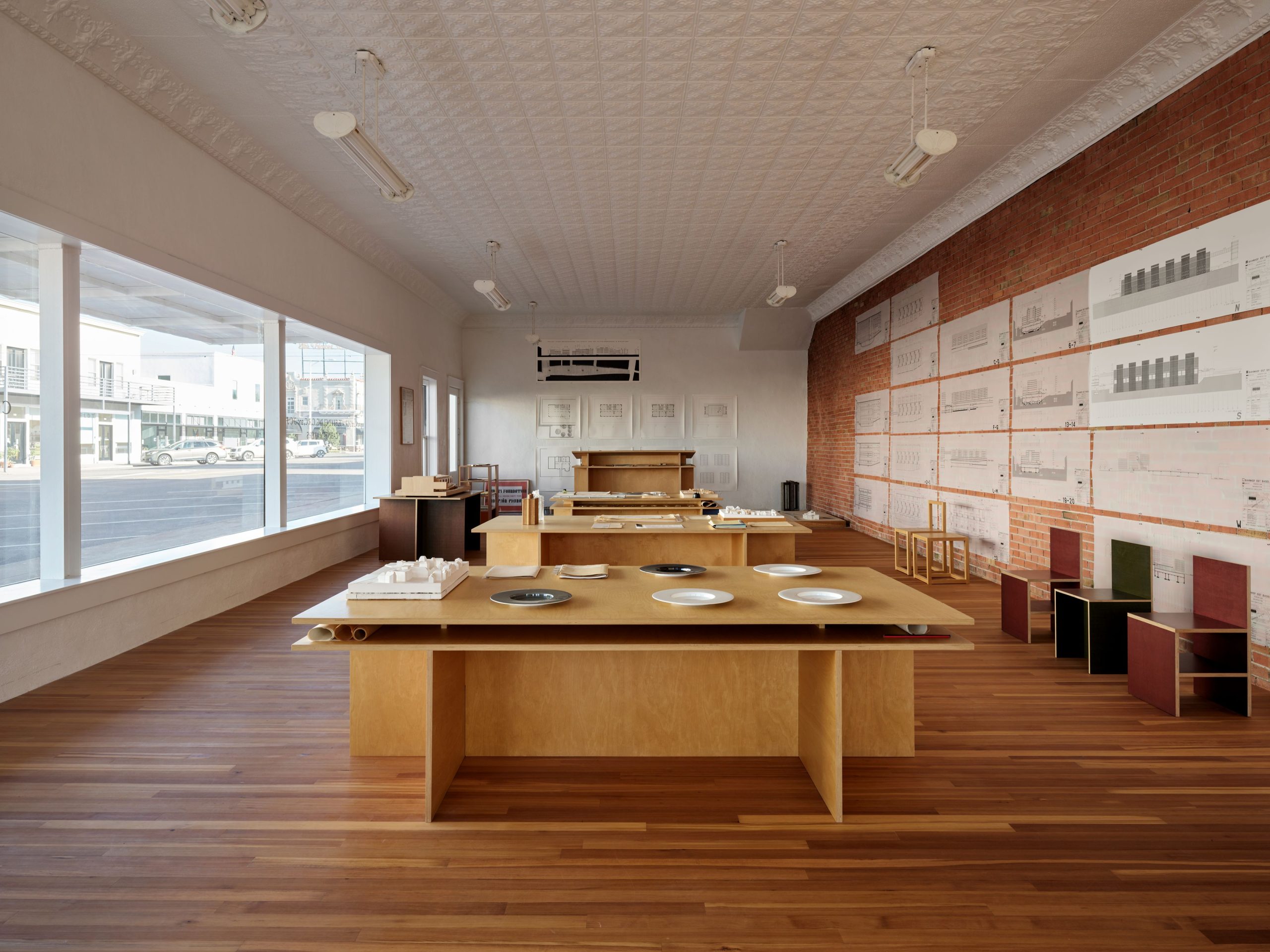
This essay examines Donald Judd’s radical approach to space through his work in Marfa, where art, architecture, and landscape converge into a permanent system. Moving beyond minimalism, it reveals a discipline rooted in precision, material clarity, and the refusal of neutral space.
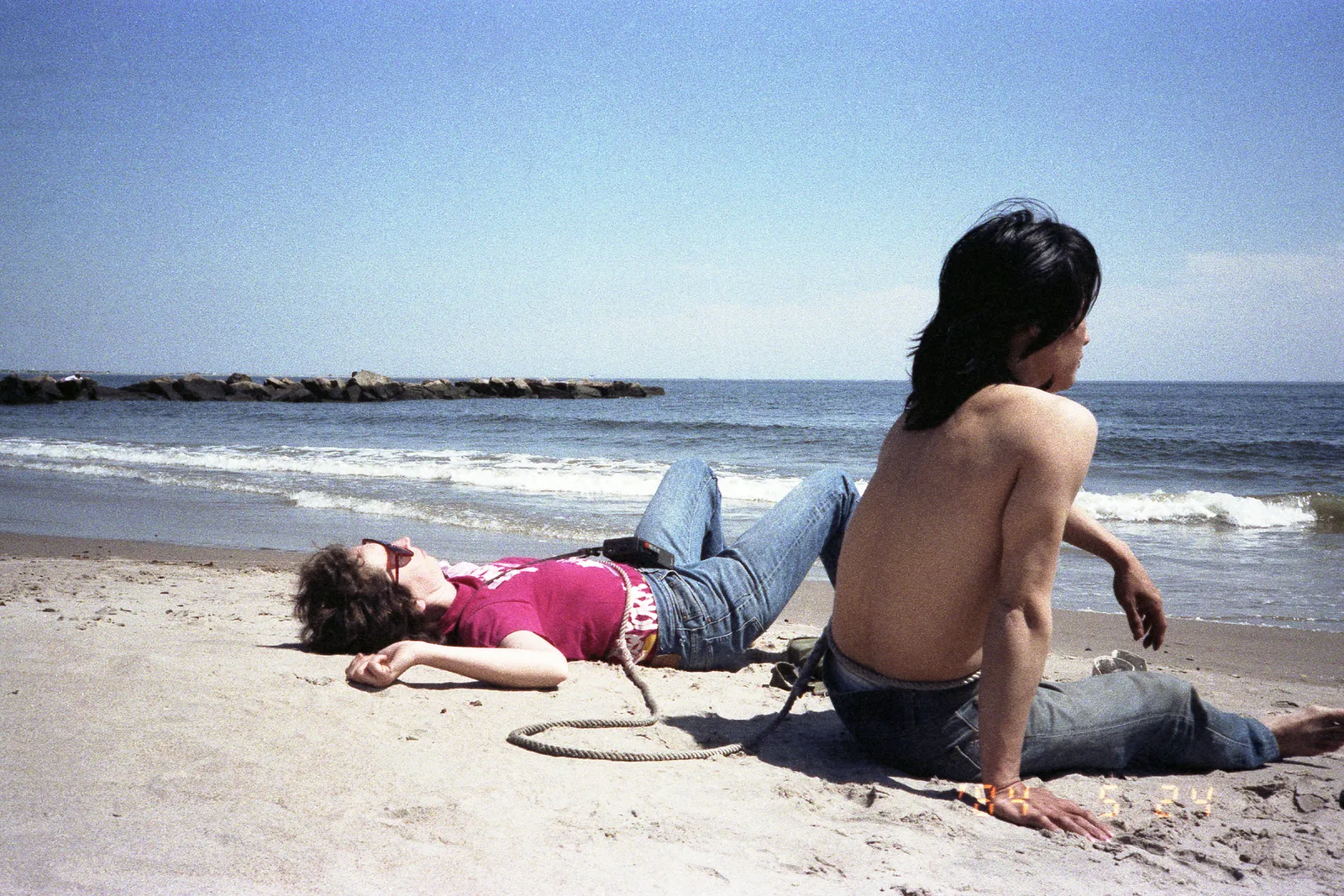
In 1983, artists Tehching Hsieh and Linda Montano undertook one of the most demanding collaborations in the history of performance art. Bound together by an eight foot rope for an entire year yet forbidden to touch, their work transformed everyday life into a sustained inquiry into time, autonomy, and the fragile structure of coexistence.