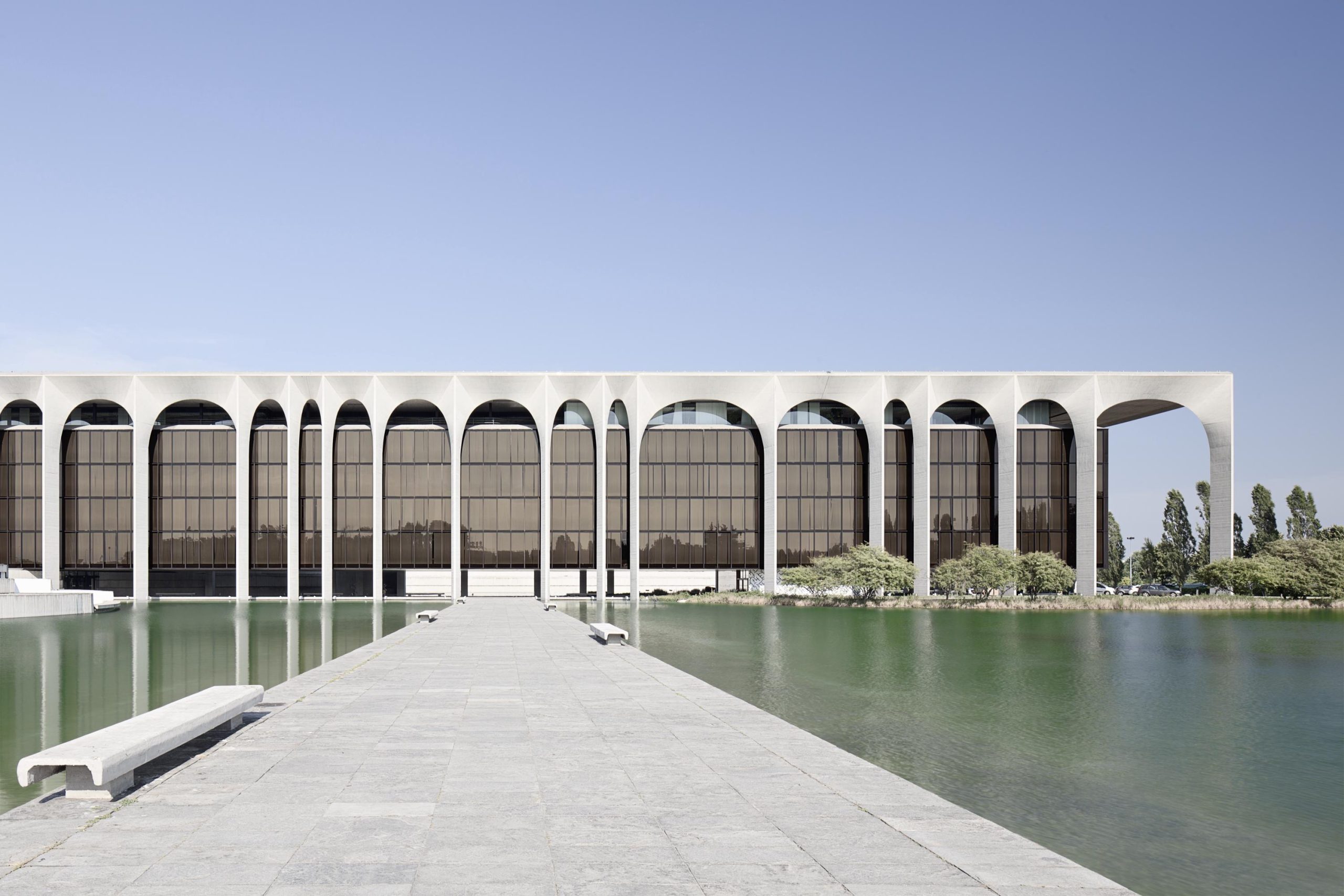
An in depth architectural essay on Oscar Niemeyer, examining Palazzo Mondadori as a refined expression of his curved modernism in Europe.

An in depth architectural essay on Oscar Niemeyer, examining Palazzo Mondadori as a refined expression of his curved modernism in Europe.
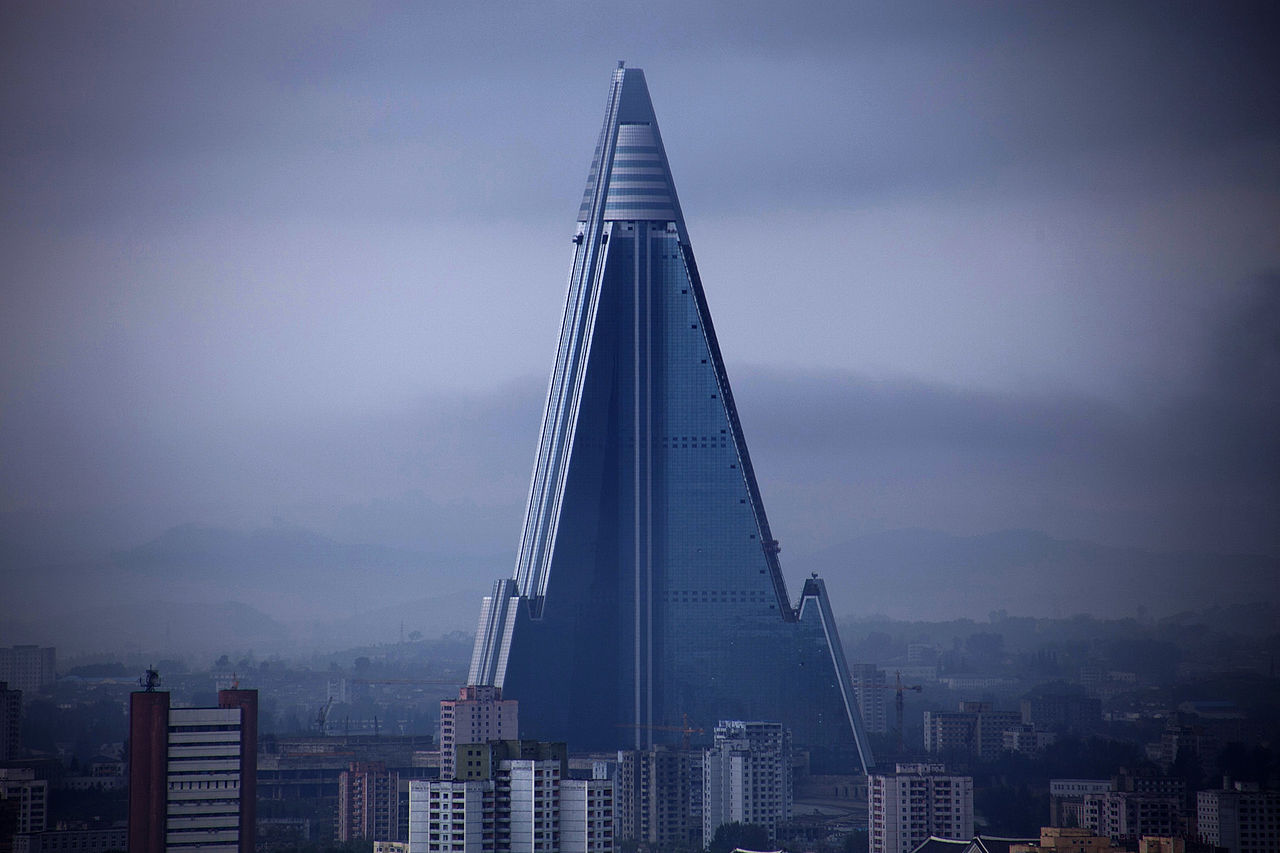
This essay examines the modern architecture of Pyongyang through the lens of ideology and urban form. From the unfinished Ryugyong Hotel to the city’s pastel high rises, the article explores how architecture in North Korea operates as a disciplined instrument of belief, governance and endurance. Positioned within a broader global context, the text reflects on monumentality isolation and the political capacity of the built environment.
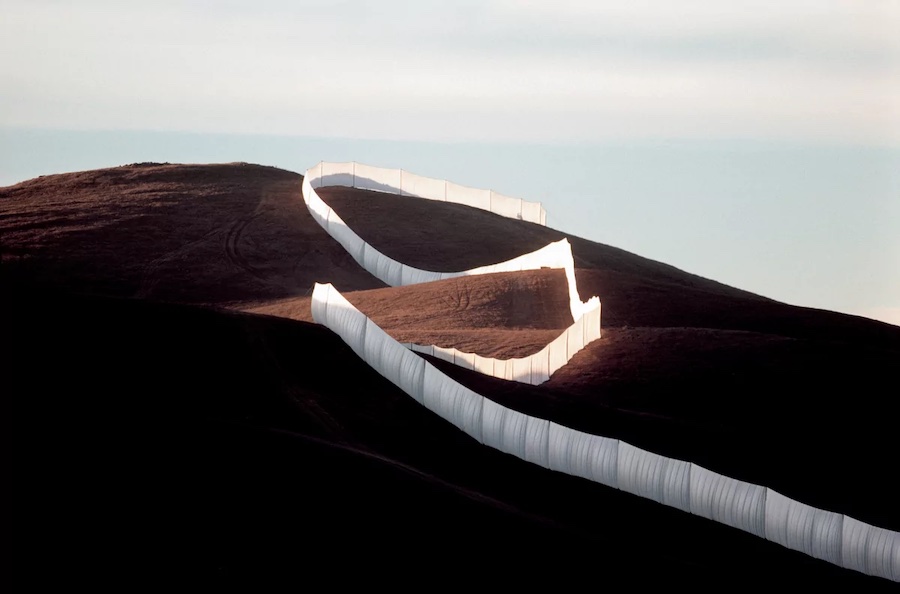
This longform essay examines the work of Christo and Jeanne-Claude through the lens of impermanence, beginning with Valley Curtain and tracing their use of fabric, scale, and process to redefine art as a temporary experience rather than a permanent object. Exploring their philosophy of artistic freedom, self-funded practice, and engagement with landscape and public space, the article reflects on how disappearance, rather than endurance, became the defining force of their legacy.
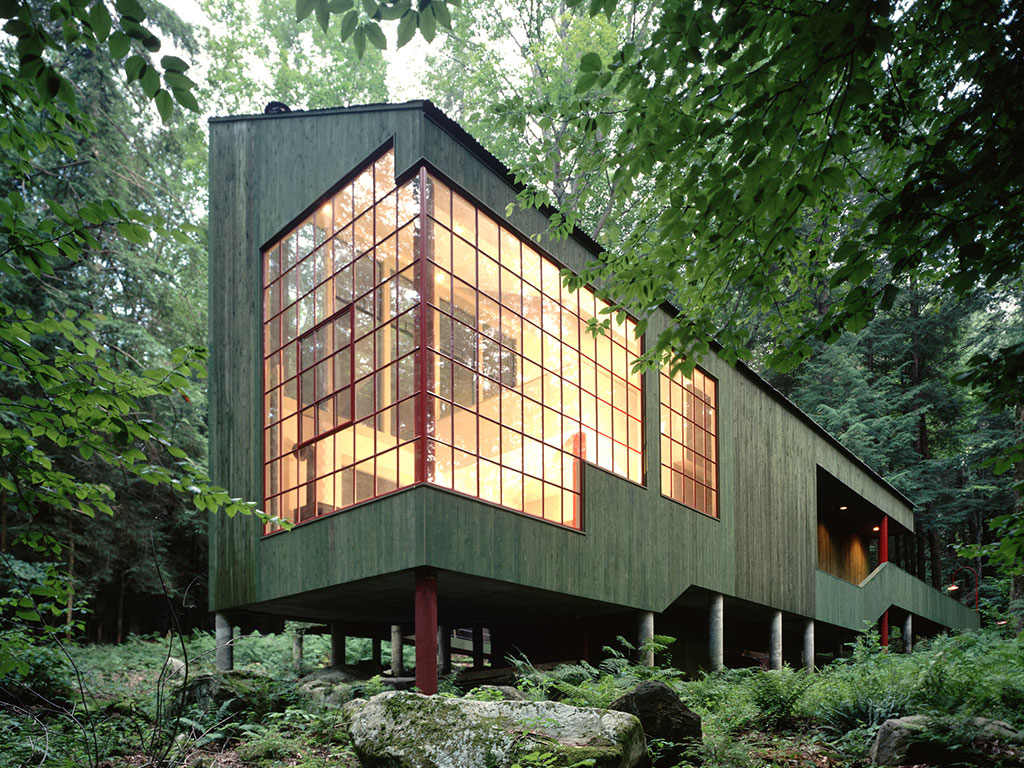
This longform essay examines the architecture of Peter Bohlin through the lens of soft modernism. Beginning with the Eric and Ann Bohlin House and extending to major civic and cultural works, the article explores how Bohlin’s architecture integrates material honesty, light, and spatial unfolding to create humane and enduring environments. Written in a reflective editorial voice, the essay situates Bohlin’s work within contemporary architectural discourse while emphasizing architecture as lived experience rather than formal dominance.
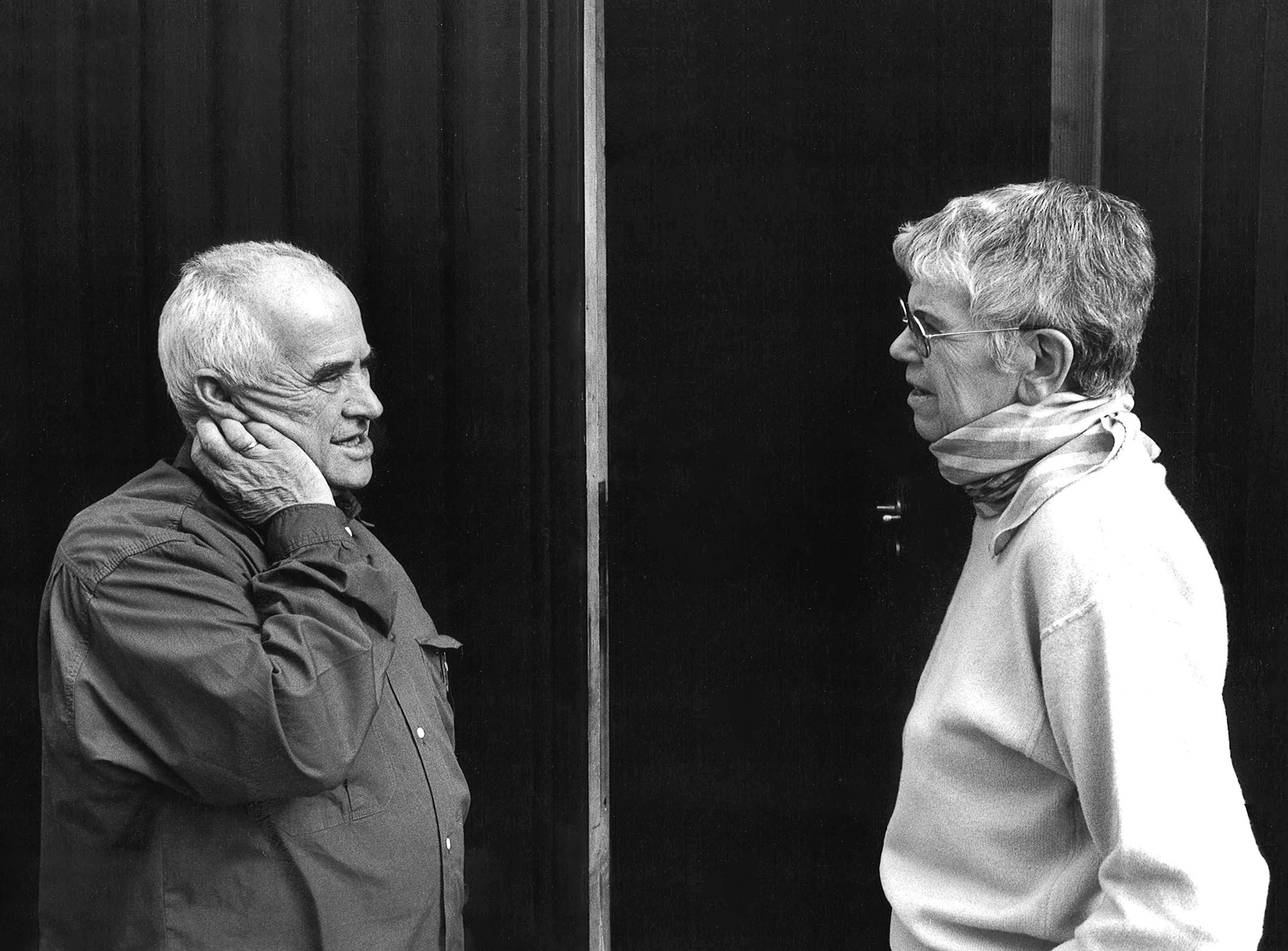
An essay on Otl Aicher’s role in post war German design, exploring clarity, ethics, and visual systems from Ulm to Munich 1972.
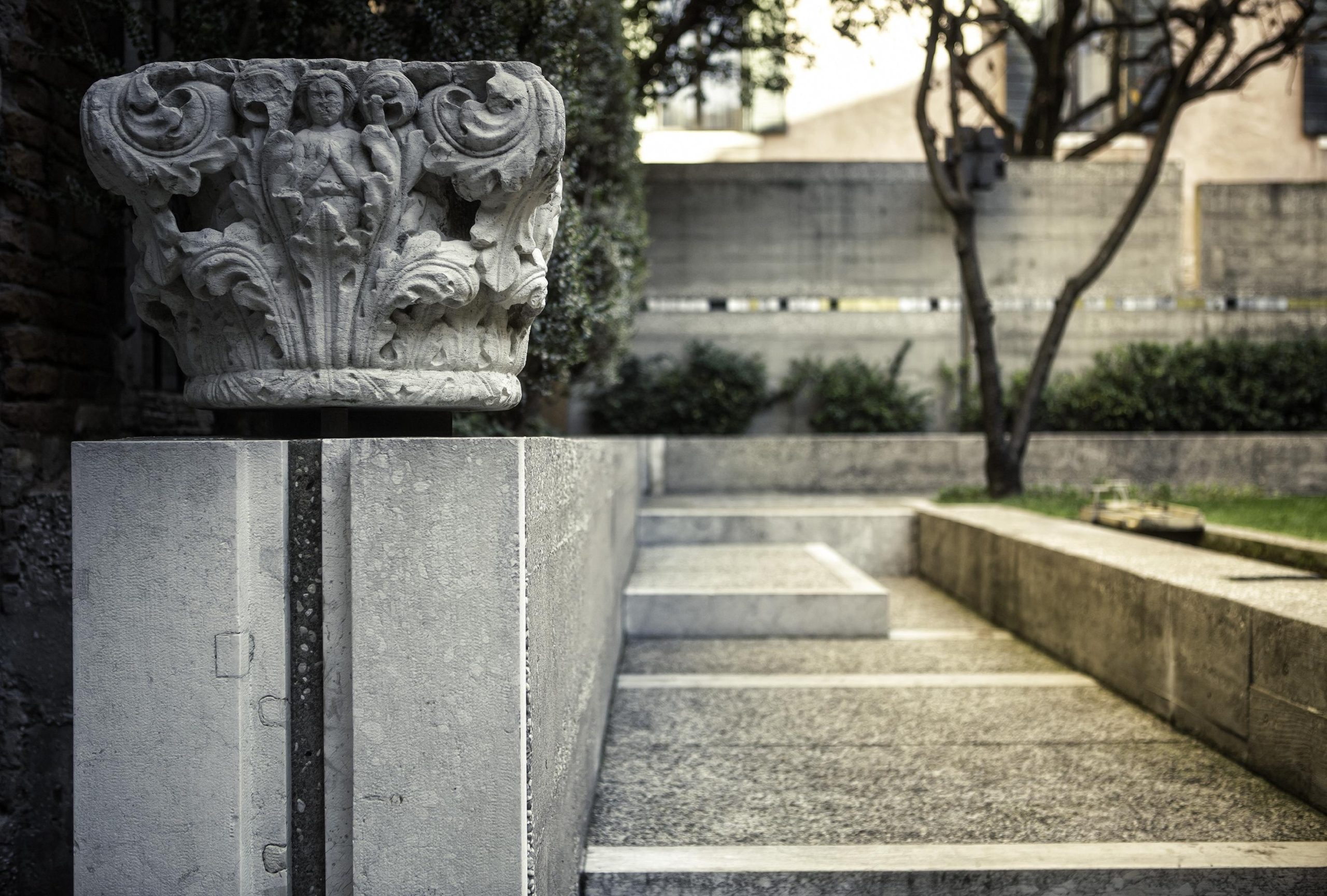
How Carlo Scarpa used craft, light, and detail to create timeless architecture, from Querini Stampalia in Venice to his most enduring works.
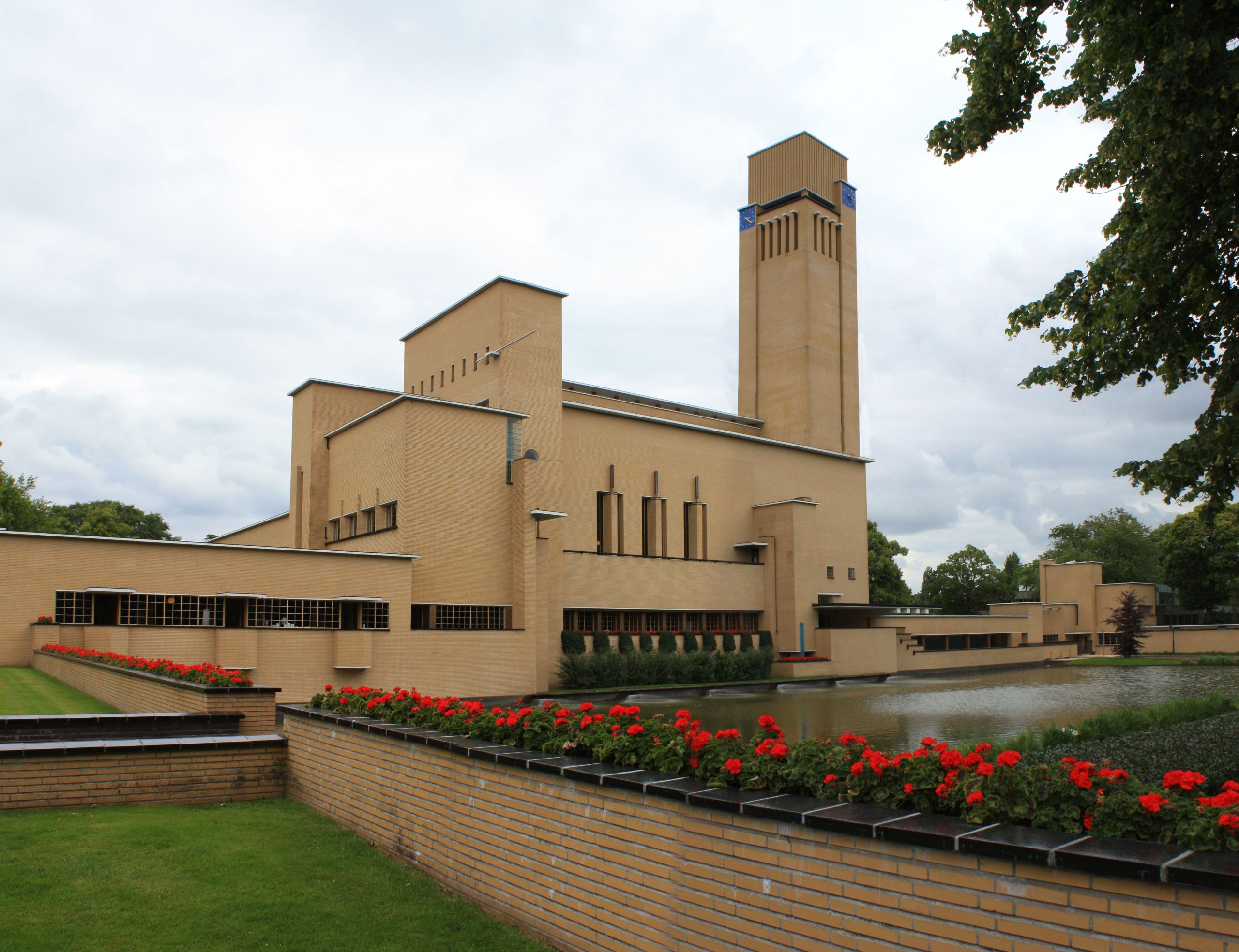
Beginning with Hilversum Town Hall, Dudok articulated a distinctive modernity: restrained, materially persuasive, and inseparable from civic life. It was not a modernism of proclamations, but one constructed through composition,
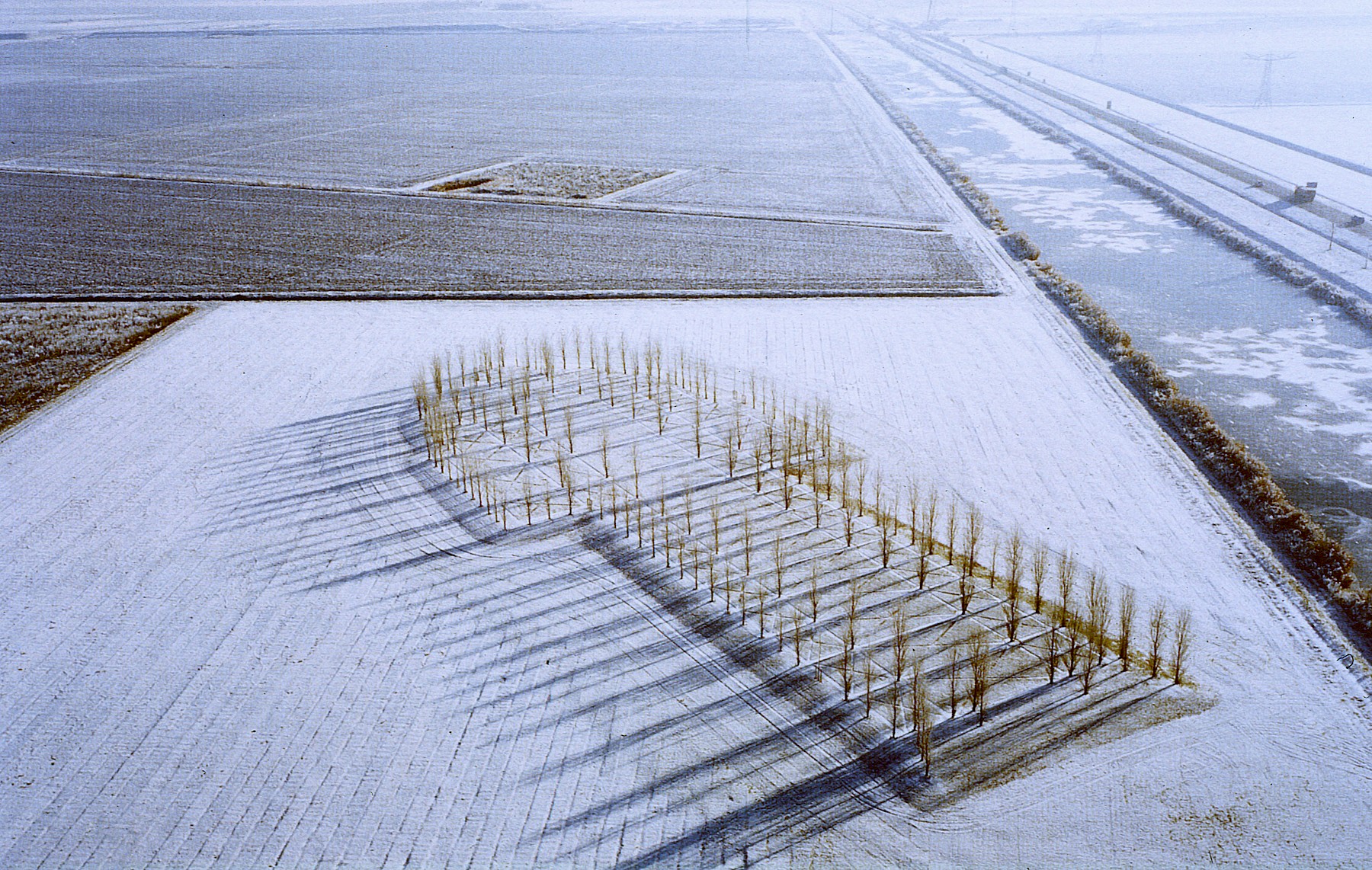
An in-depth look at Marinus Boezem’s conceptual practice, from The Green Cathedral to his exploration of air, time, and spatial impermanence.
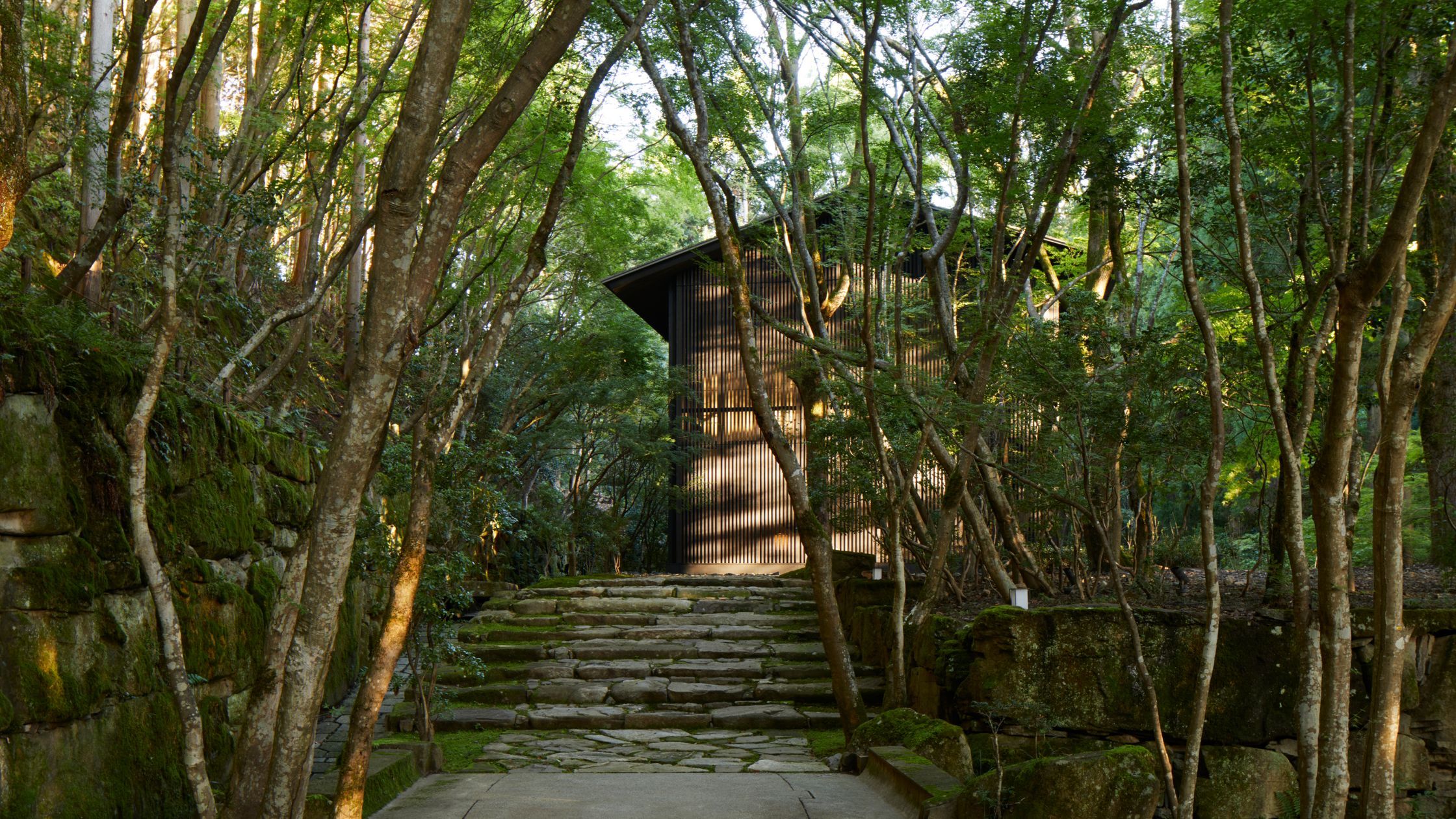
Imagine stepping off a dusty road in Siem Reap and crossing the threshold into Amansara. The shift is almost imperceptible. Outside noise falls away; inside, the atmosphere tightens into poise.
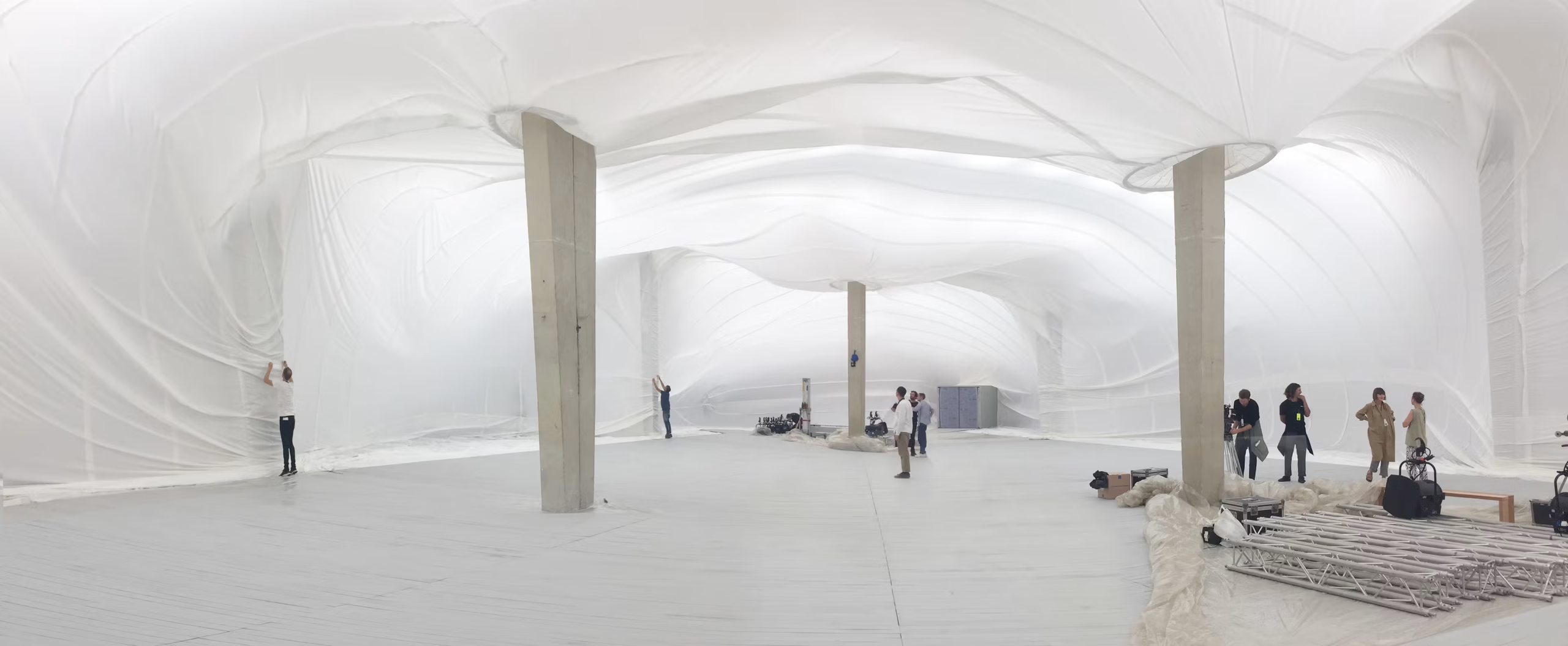
From Casa Chica to inflatables, an exploration of ephemerality, material restraint, and spatial politics in the work of Smiljan Radić.