Now Reading: Domestication as Method: Magdalena Jetelová and the Architecture of the Uncontainable
- 01
Domestication as Method: Magdalena Jetelová and the Architecture of the Uncontainable

Domestication as Method: Magdalena Jetelová and the Architecture of the Uncontainable

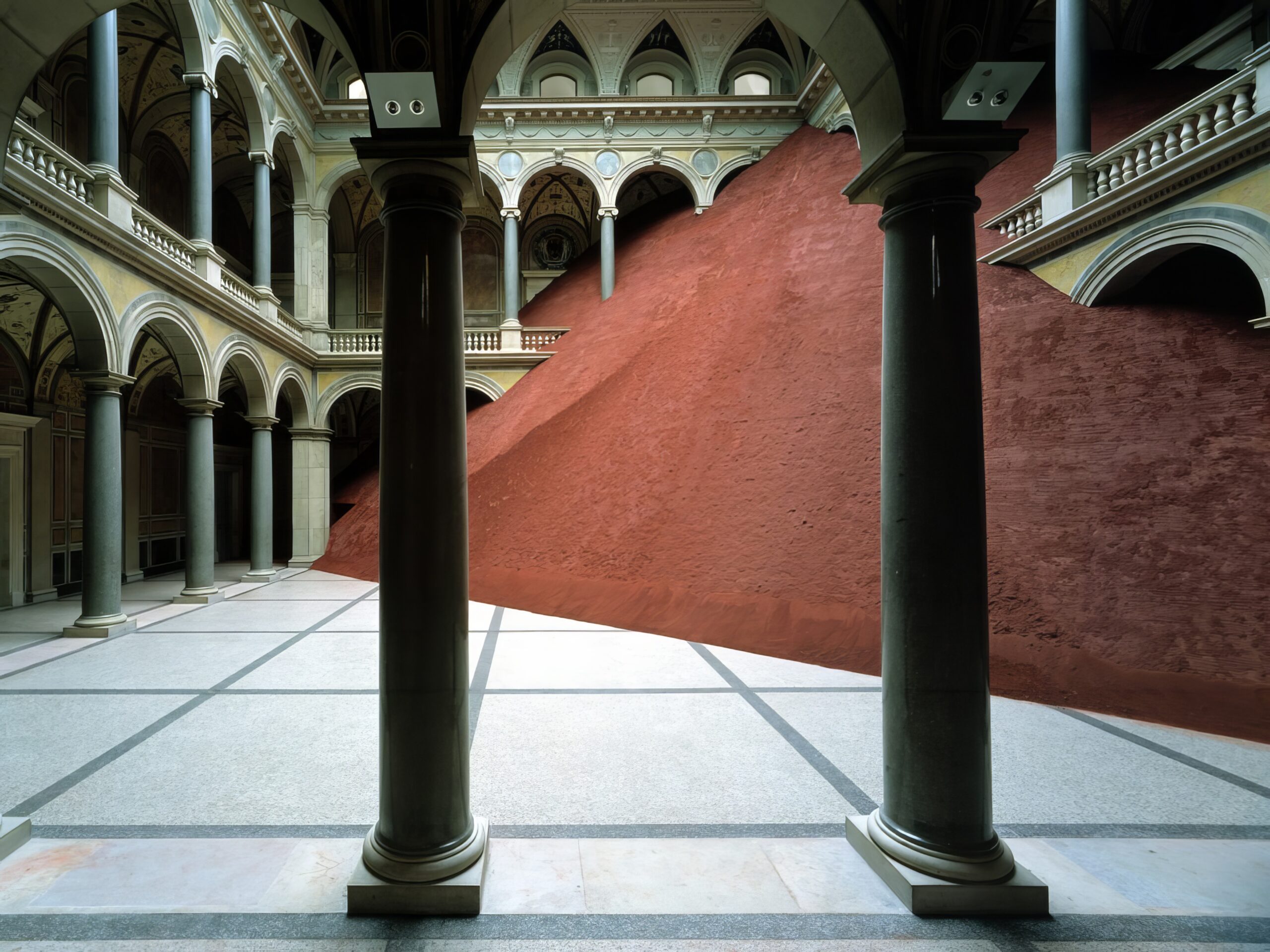
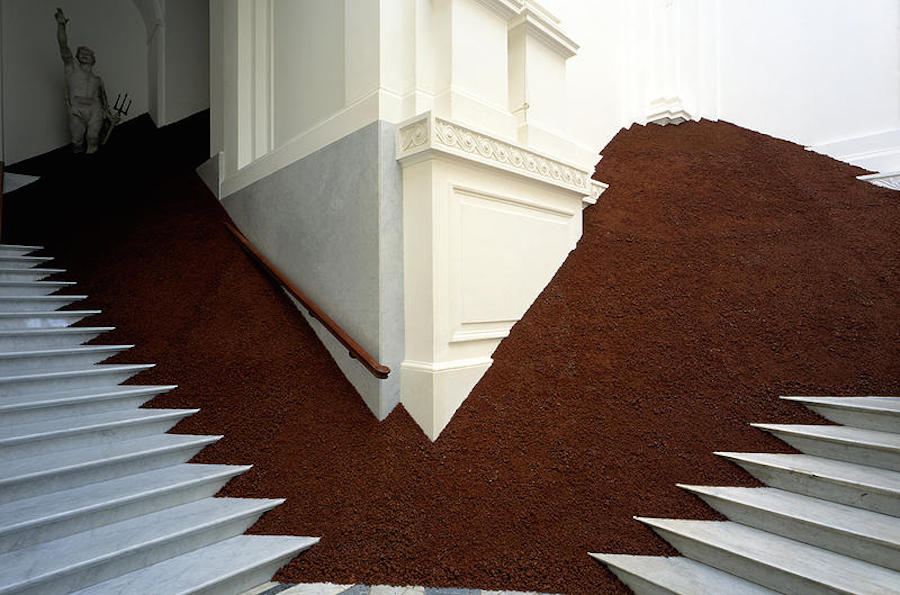
In 1992, the Museum of Applied Arts in Vienna encountered a work that altered the building’s behaviour. Domestication of a Pyramid did not settle into the museum as a self contained sculpture. It arrived as a spatial event. A monumental pyramid fragment pressed through the wall, while red silica sand spread across the floor and turned the entrance sequence into terrain. The usual museum choreography, threshold, step, pause, orientation, was replaced by a slower, more attentive movement shaped by material underfoot and the scale ahead.

Only part of the pyramid was visible. The remainder was implied, as though continuing through masonry into an unseen volume on the other side. The work’s force lies in that gap. The viewer is obliged to assemble what is missing, to complete the absent mass in imagination. “Domestication” names the mental act that follows, the moment an unfamiliar geometry becomes graspable through participation. A museum, designed to frame objects and stabilise meaning, is pushed into a different role. It becomes a limit, not a guarantee.
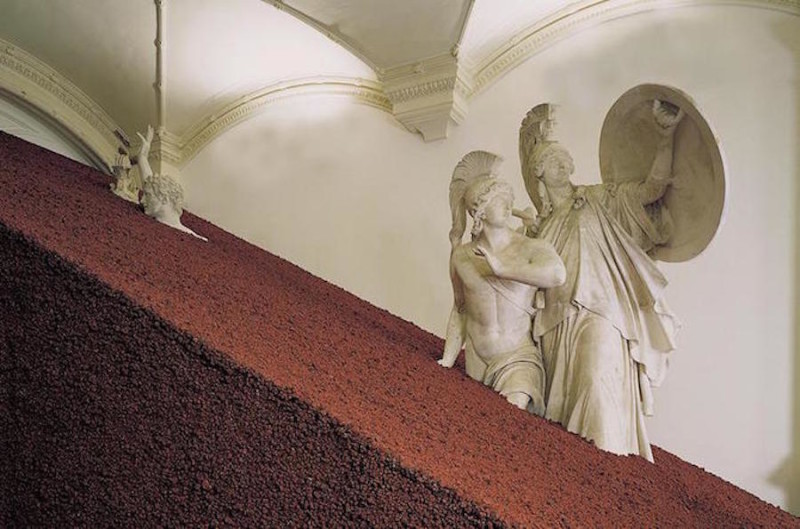
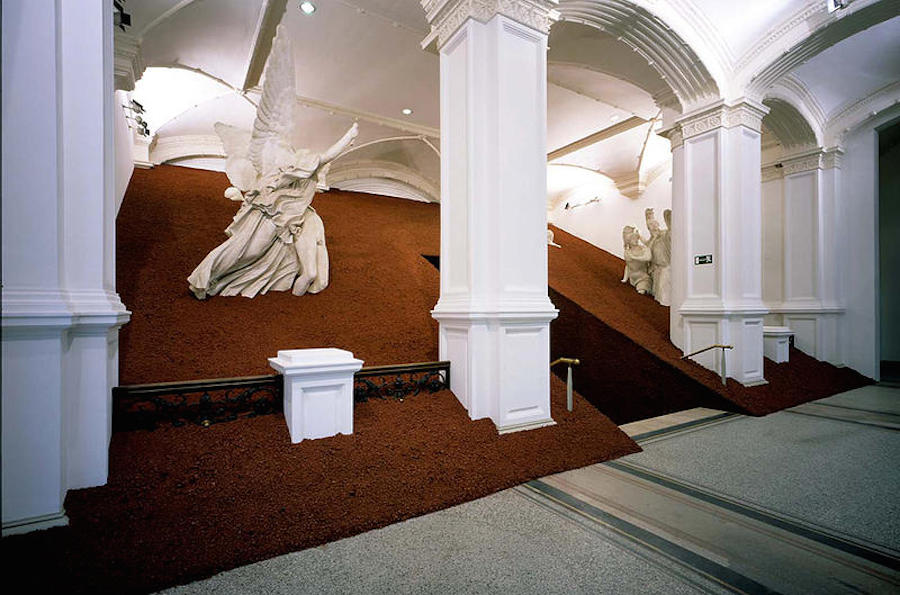
Vienna is more than a backdrop. The MAK, inaugurated in 1871 and designed by Heinrich von Ferstel, carries the confidence of a century that trusted in classification and display. Against that logic, the pyramid arrives as an archetype loaded with monumentality and deep time, inseparable from the histories of collecting and cultural authority that shadow European institutions. Jetelová does not need to announce a critique. The friction is produced by proximity. Sand interrupts the neutrality of the floor. The wall, a line that should contain, becomes a site of implication. What cannot be shown becomes the work’s centre.
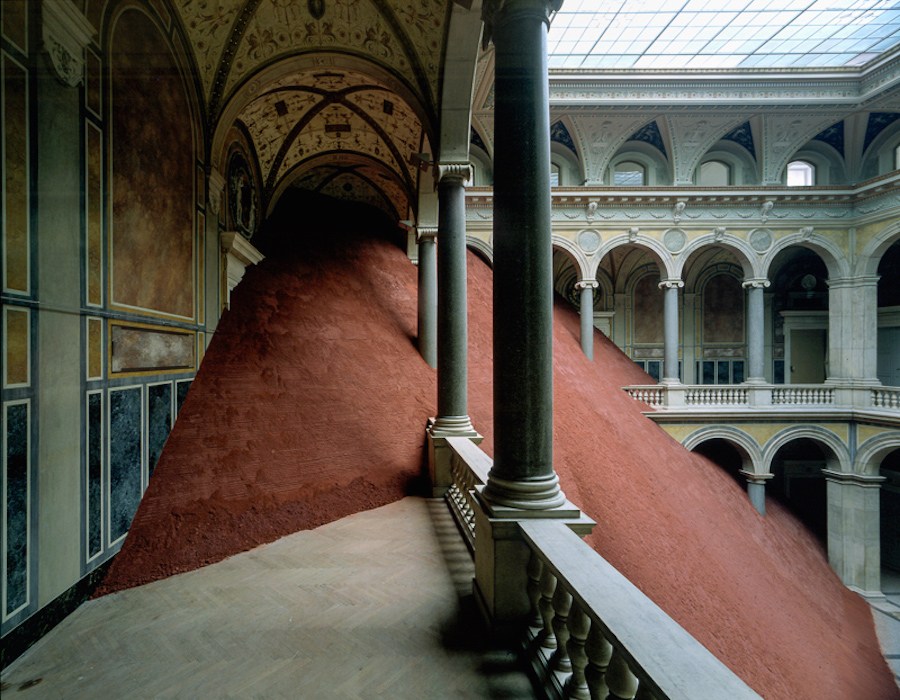
As the project travelled during the early 1990s, adapting to different architectural shells in European venues, it retained the same mechanism. It never stabilised into a complete object. Its energy came from imbalance, between what is offered and what must be inferred, between the museum’s promise of containment and the work’s refusal to finish.
To stop at Domestication of a Pyramid would be to miss why it holds attention. The piece reads as a hinge in Jetelová’s practice. It still takes place inside an institution, yet it already points beyond institutional space, toward land, borders, and systems that do not fit comfortably inside a room.
Magdalena Jetelová was born in 1946 in Semily, then part of Czechoslovakia. Her formative years unfolded under political pressure where control was not abstract. It shaped daily life, the circulation of information, and the possibility of public speech. She studied at the Academy of Fine Arts in Prague in the 1960s and spent time at the Accademia di Brera in Milan. That Milan connection matters less as biography than as temperament. Arte Povera’s distrust of monumentality, its insistence on material directness and critical position, offered a toolkit for working against inherited hierarchies. The Prague context supplied the stakes, a knowledge of what institutions do when they decide what is permissible.
Early on, Jetelová gravitated toward recognisable forms and made them difficult again. Chairs and stairs recur, scaled up, stripped of use, or pushed into awkward relations with gravity and space. The chair is especially revealing. It is an object of domestic familiarity, yet it is also a sign of permission and hierarchy. Who sits, who stands, who is allowed to rest, who is expected to wait, who commands attention. When the chair is monumental, its politeness falls away. It becomes a structure of authority rendered visible by excess.


That excess is not spectacle for its own sake. Enlarging a chair changes what the object says and who it speaks to. The work becomes a pressure test for design’s normalising power. It asks how quickly people accept a built order and how fragile that acceptance becomes when the familiar is altered. Even before the word “domestication” appears, the theme is already there. The work observes how readily the world is made manageable through habit and scale.
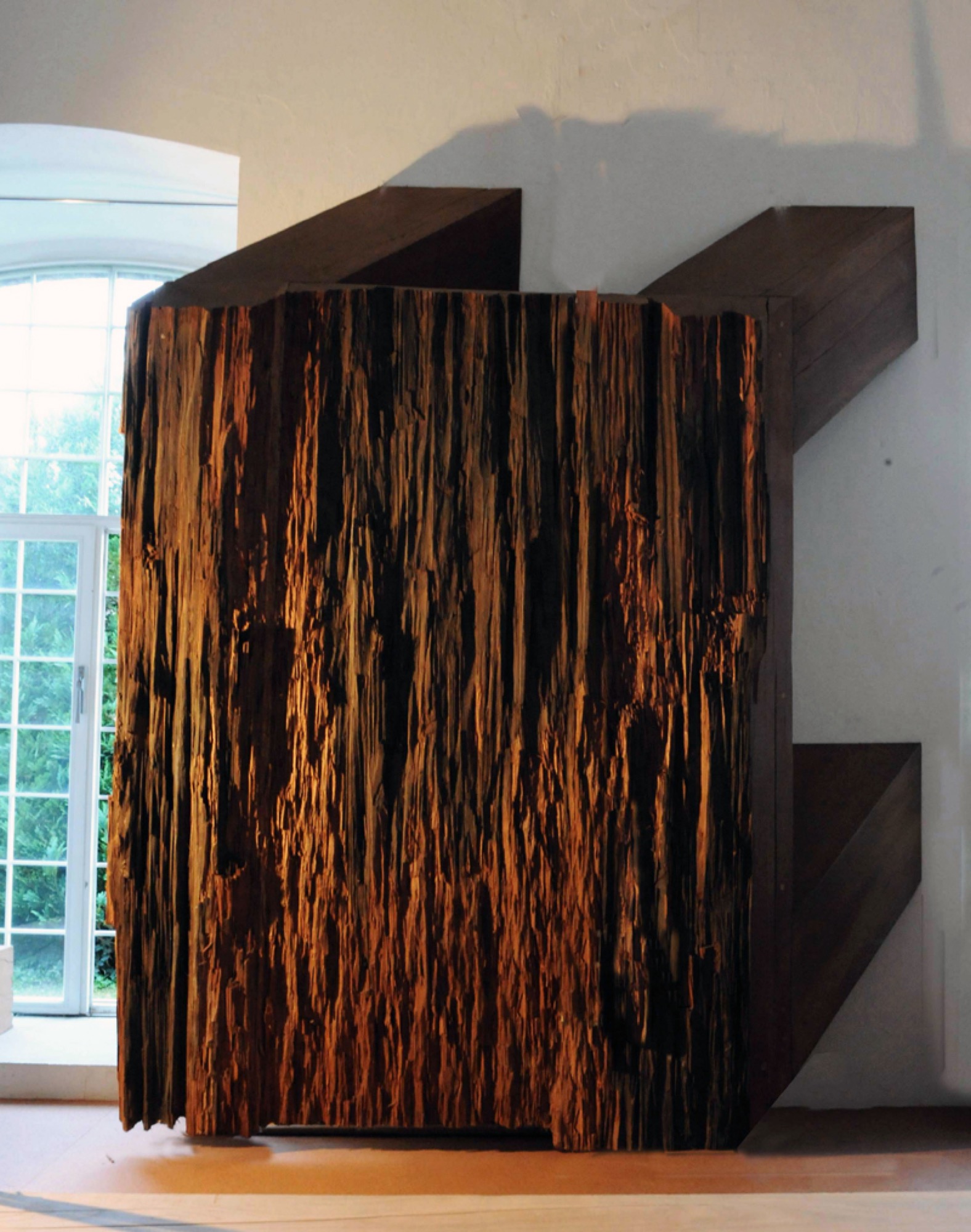
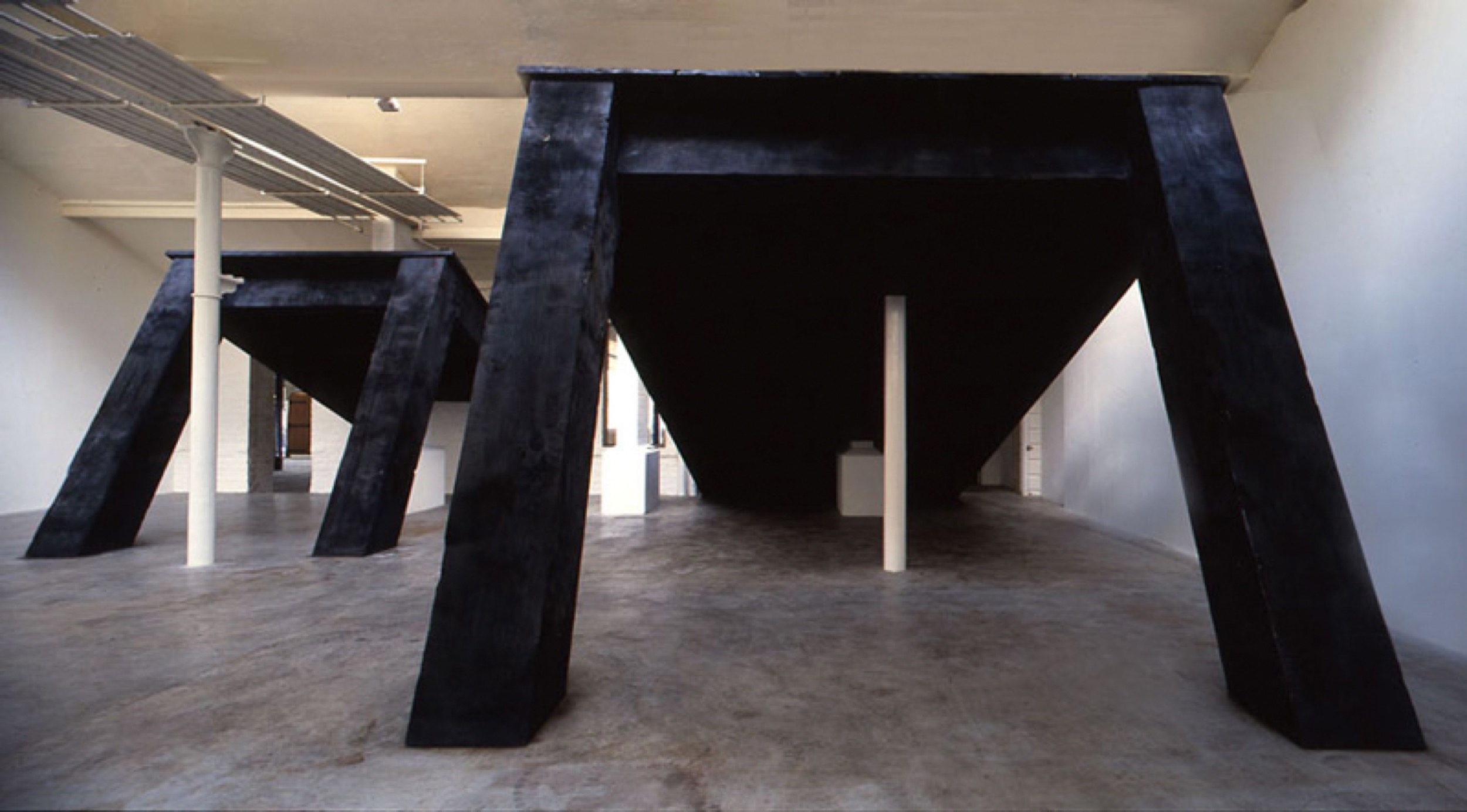
After Jetelová emigrated to West Germany in 1985, her practice widened decisively. She took teaching positions at the Kunstakademie Düsseldorf and later at the Academy of Fine Arts in Munich, but her work did not become institutional in temperament. If anything, it became more alert to borders, not only national borders but the boundaries that separate inside from outside, culture from geology, architecture from terrain. The museum was no longer the primary arena. The ground entered the frame.
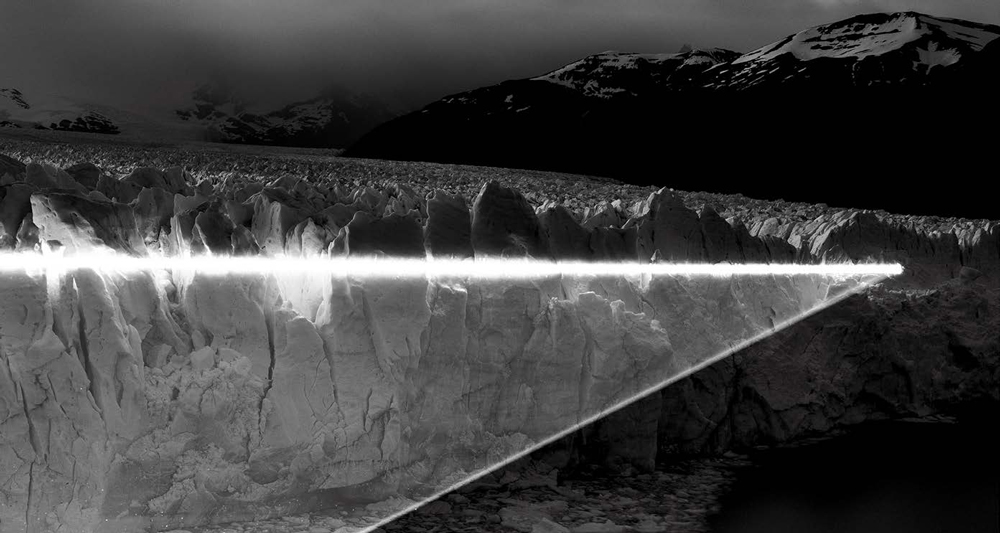
The Iceland Project, initiated in the early 1990s, clarifies what changes. Iceland sits on the Mid Atlantic Ridge, a tectonic boundary that is usually hidden beneath water and translated into diagrams. Here, a planetary seam emerges at the surface. Jetelová approached the landscape as a readable structure. With laser projection and careful calculation, she traced lines across terrain to register forces that cannot be apprehended at human scale. The intervention is materially light yet conceptually heavy. Light becomes a measuring device, and measurement becomes a way of confronting instability.
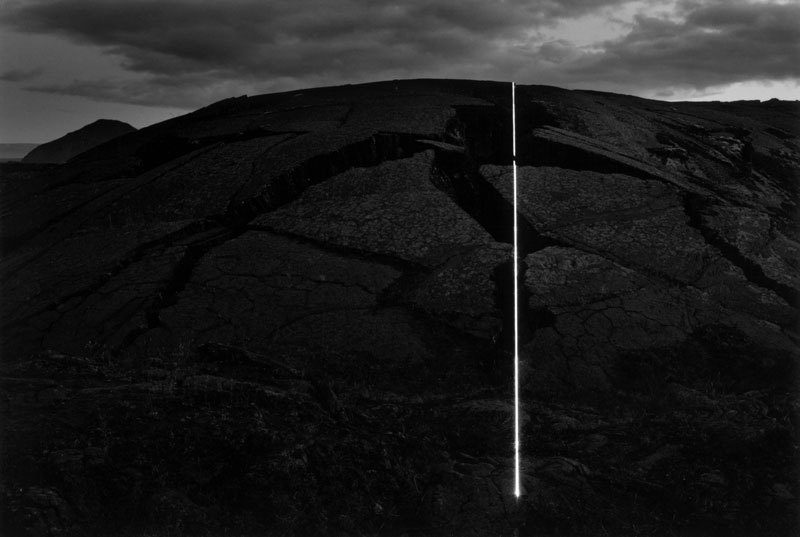
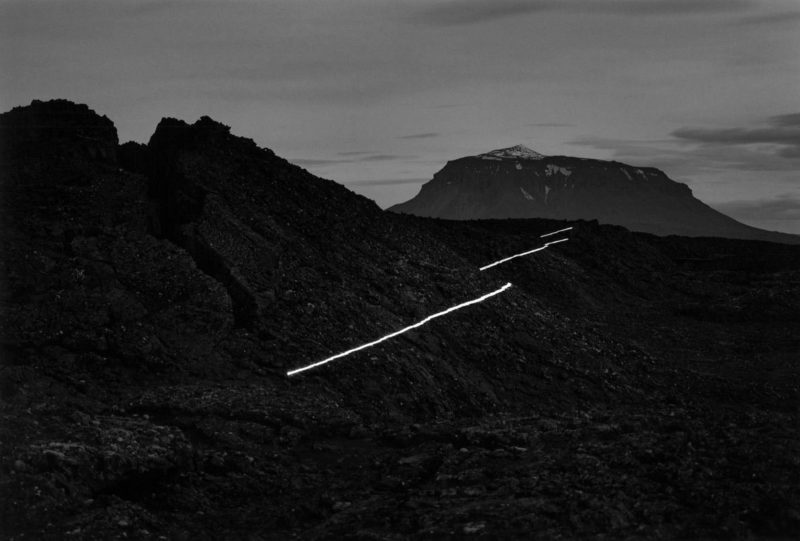
There is a fundamental difference between marking land to claim it and marking land to reveal its conditions. Jetelová’s work leans toward the second. The line does not pretend to master the terrain. It holds attention on a boundary that remains active, shifting, and largely indifferent to human plans. Her interest is not in heroic scale, but in the collision between human precision and geological movement.
Technology in Jetelová’s practice refuses easy narratives. Lasers, satellites, and mapping systems are commonly associated with surveillance and control, with the promise of total overview. Jetelová uses them as instruments of exposure. The more exact the line, the more obvious the limits of certainty become. Precision stops being reassurance and becomes critique. It reveals what remains outside measurement and what is misrepresented when the world is reduced to manageable data.


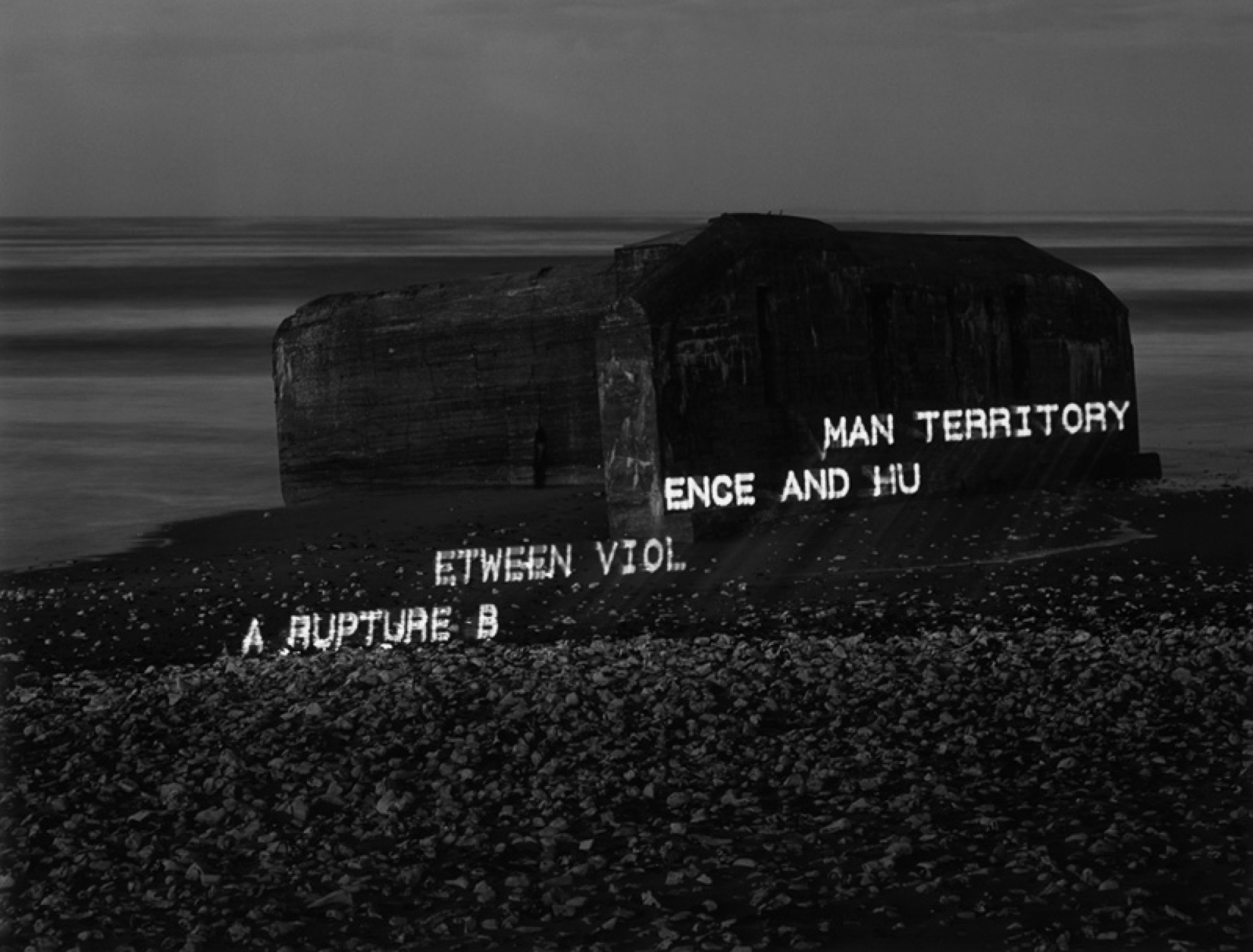
That critique sharpens when history enters the landscape directly. In work that engages the remnants of the Atlantic Wall, the coastal fortifications constructed during the Second World War, Jetelová confronts a terrain where ideology and geology collide. Bunkers designed as instruments of permanence and defence now stand eroded, half absorbed by sand and water. Their intended stability has been undermined by the coastline’s slow labour.
Credit: © Magdalena Jetelová.
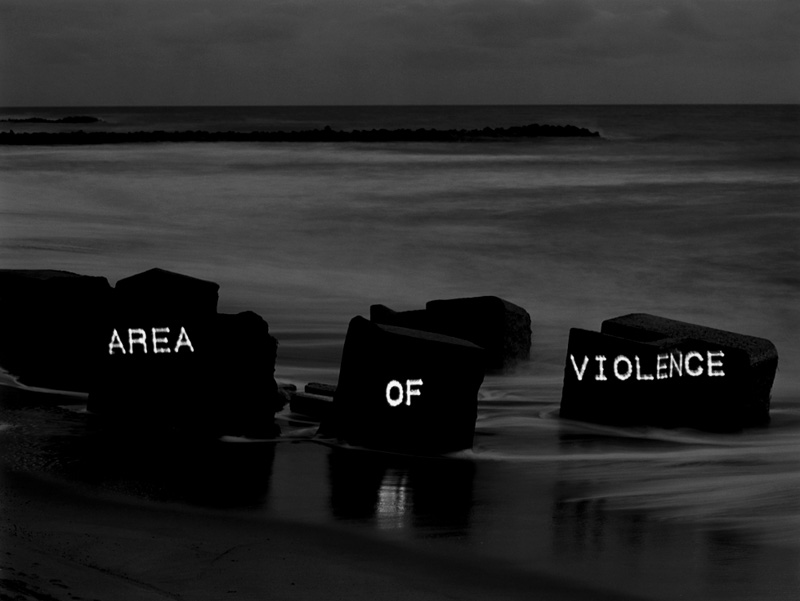
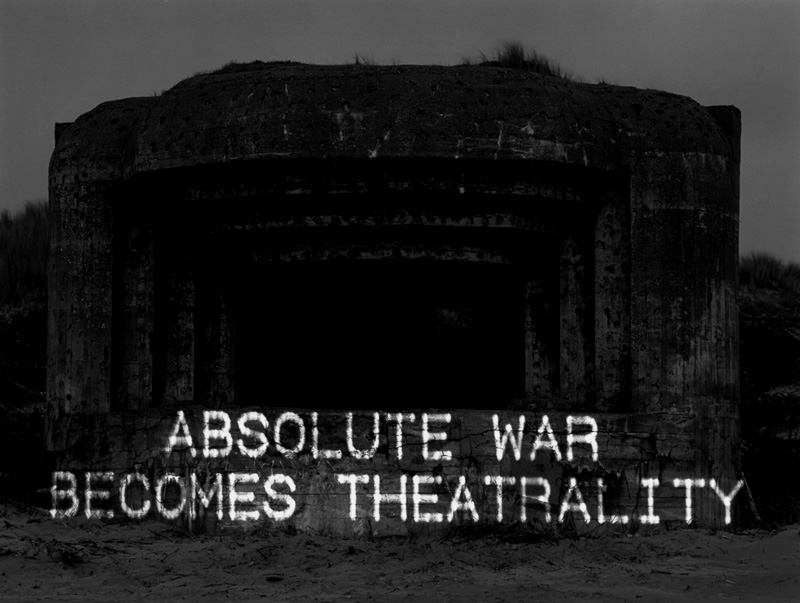
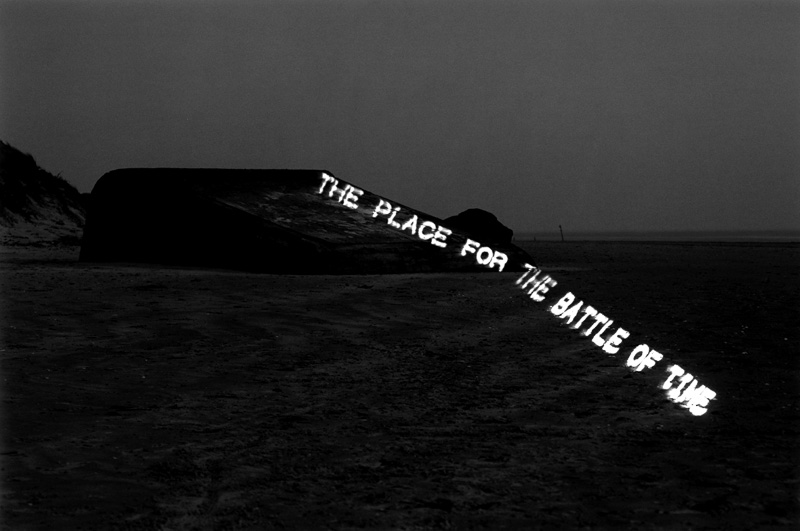
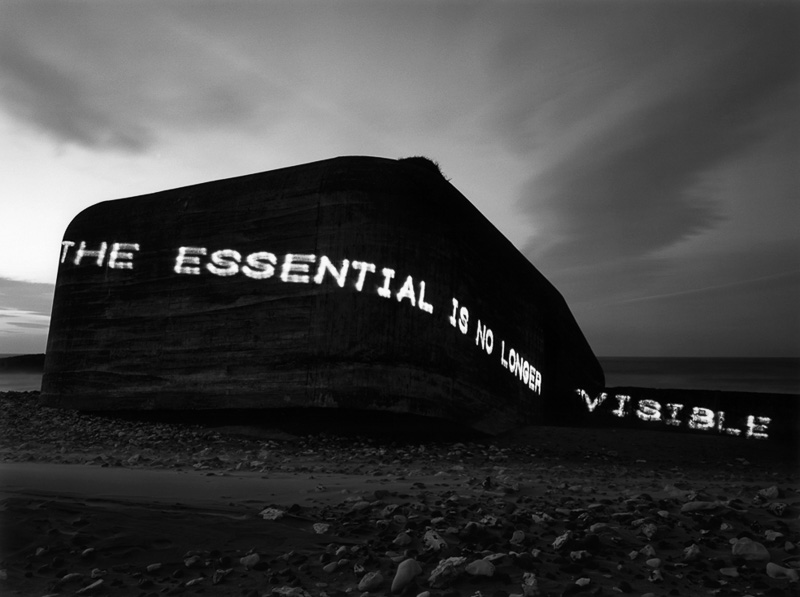
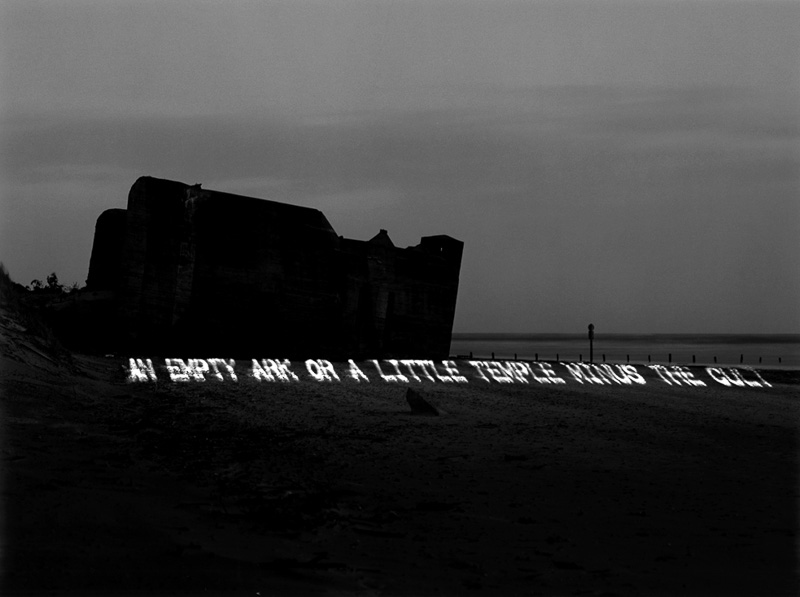
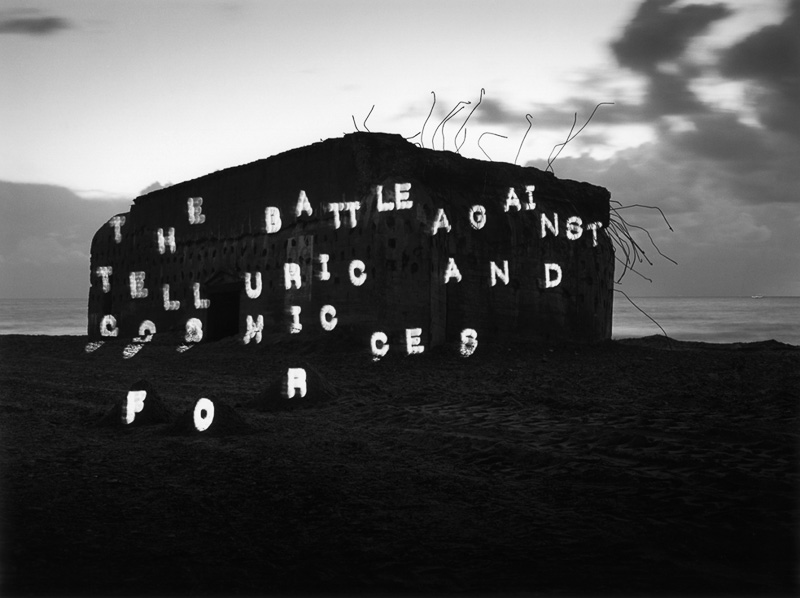
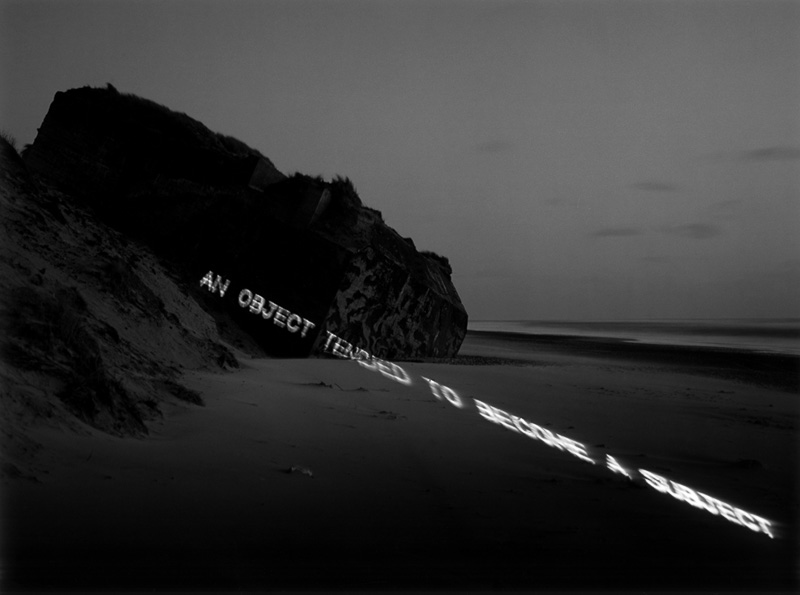
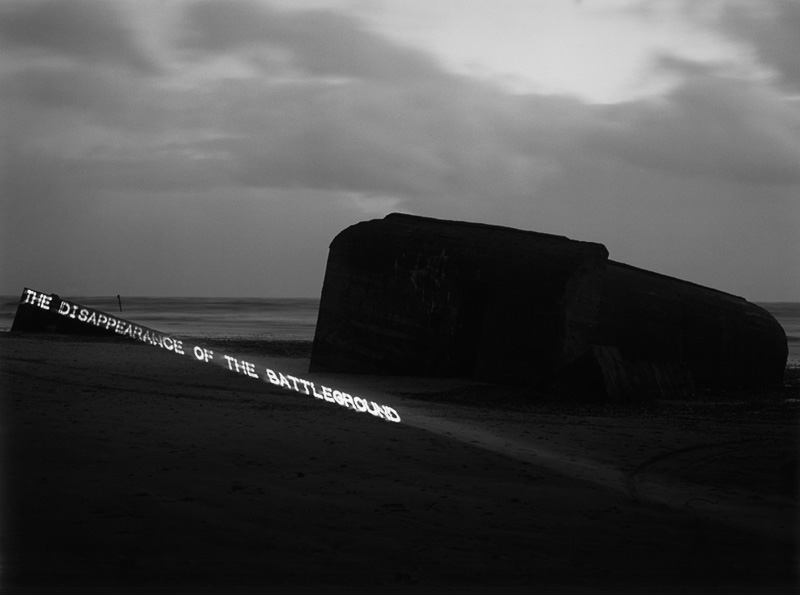
Jetelová does not treat these structures as picturesque ruins. She reads them as scars, material evidence of how political systems inscribe themselves on land. The coast is not a passive stage. It is an agent that dismantles what was built to dominate it. The implication is quiet and hard to evade. Attempts to fix borders through force are ultimately provisional, not because history redeems itself, but because the ground continues to move, and time continues to work.
From there, the move to the Pacific Ring of Fire is not a dramatic leap but a continuation of the same attention. The Ring of Fire is a zone of seismic and volcanic activity encircling the Pacific Ocean, a reminder that the earth’s surface is restless matter rather than stable infrastructure. It is also a densely inhabited region bound to extraction, industry, and escalating ecological risk. Jetelová’s engagement with such a system does not rely on the imagery of catastrophe. It situates human habitation inside a larger rhythm of instability that modern life tries to ignore, even as it builds directly on top of it.
What emerges across these different contexts is an artistic language that is coherent without becoming predictable. Materials remain elemental, sand, wood, stone, light, yet the thinking is structured. Scale shifts between the body and the planet. The viewer is never parked in front of an object. The work asks for movement, for time, for inference. What happens in the mind is part of what happens in space.
Equally important is what Jetelová refuses. She avoids the traps of environmental art that relies on illustration and moral signage. Urgency is not packaged as an easy message. Instead, the argument is built through friction. A museum tries to contain an archetype that will not complete itself. A coastline absorbs the architecture of war. A laser draws a line of certainty across land that will not hold still.
The phrase “domestication” becomes useful here because it names a cultural reflex. It describes the impulse to make the world manageable, to translate the unfamiliar into something that can be owned, displayed, narrated, and filed away. Jetelová’s work does not deny that reflex. It stages it and then shows where it fails. Something is always left outside the frame. That remainder is not incidental. It is the point.


This is why Domestication of a Pyramid continues to read as more than a memorable installation. It introduces a method. It makes the viewer complicit in completion and then holds attention on what cannot be completed. It treats architecture as a partner in thought rather than a neutral container, and it turns material into a form of argument.
Institutional recognition does not contradict this. If anything, it heightens the tension Jetelová keeps returning to. Reports in 2025 that she would receive a major Austrian state honour for science and art signalled how widely her practice is now read across disciplines. The work belongs to art history, yet it also speaks to architecture, geography, and environmental thinking, not as themes but as tools for sharpening perception.
Jetelová’s legacy is built less on singular icons than on sustained attention to unstable ground, literal and cultural. From sand filling a museum threshold to light marking tectonic terrain, her work keeps returning to one difficult premise. The world is not a backdrop. It is the subject, and it refuses to stay still.
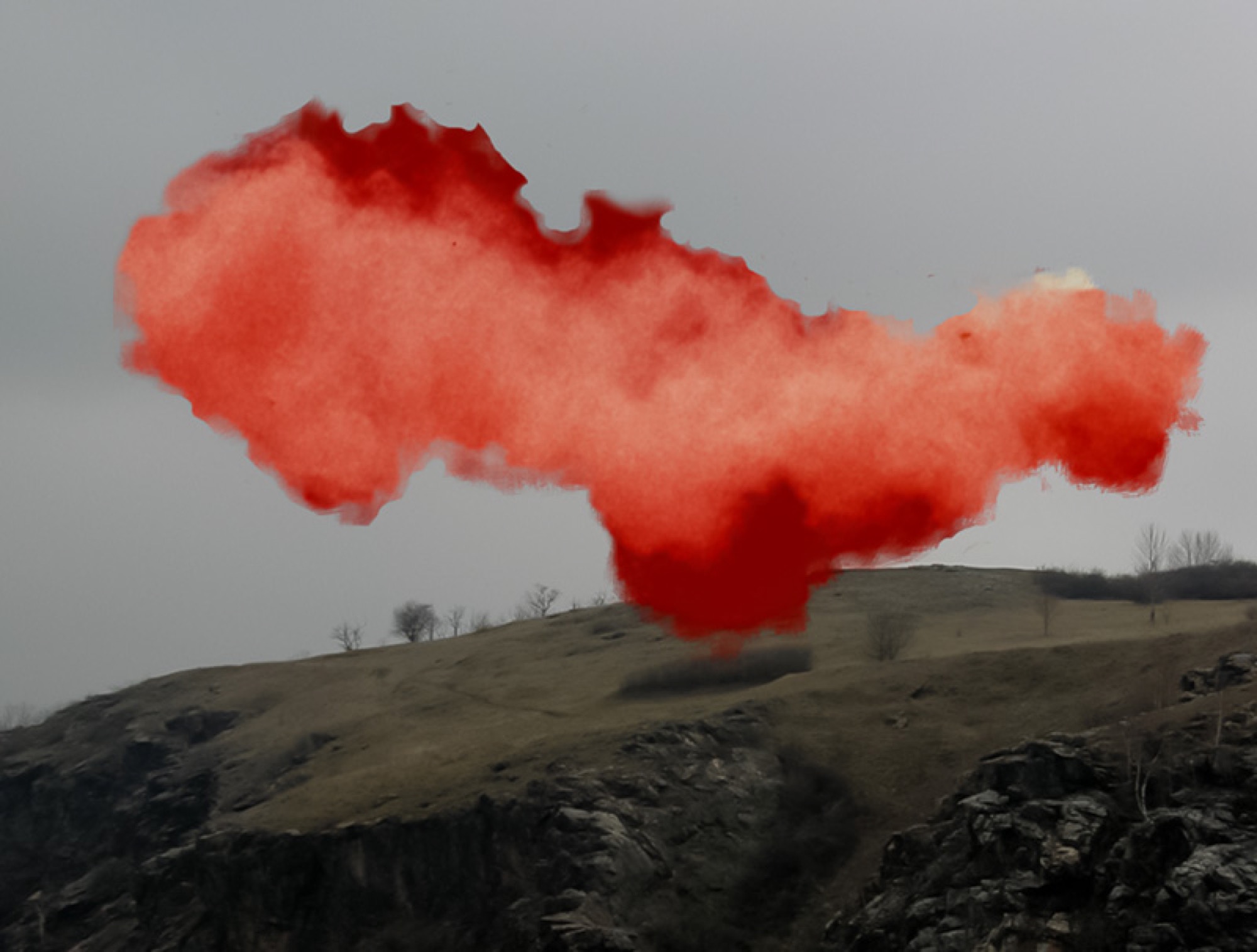


Domestication of a Pyramid opens the door. Beyond it is a practice that keeps testing the frameworks built to contain space, land, and history, and keeps showing where those frameworks begin to crack.
Photo Cover
Installation view of Domestication of a Pyramid by Magdalena Jetelová at the Museum of Applied Arts (MAK), Vienna, 1992. Credit: © Magdalena Jetelová / Courtesy of the artist and MAK Vienna.