Now Reading: Kinder Rain and the quiet power of childhood architecture
- 01
Kinder Rain and the quiet power of childhood architecture


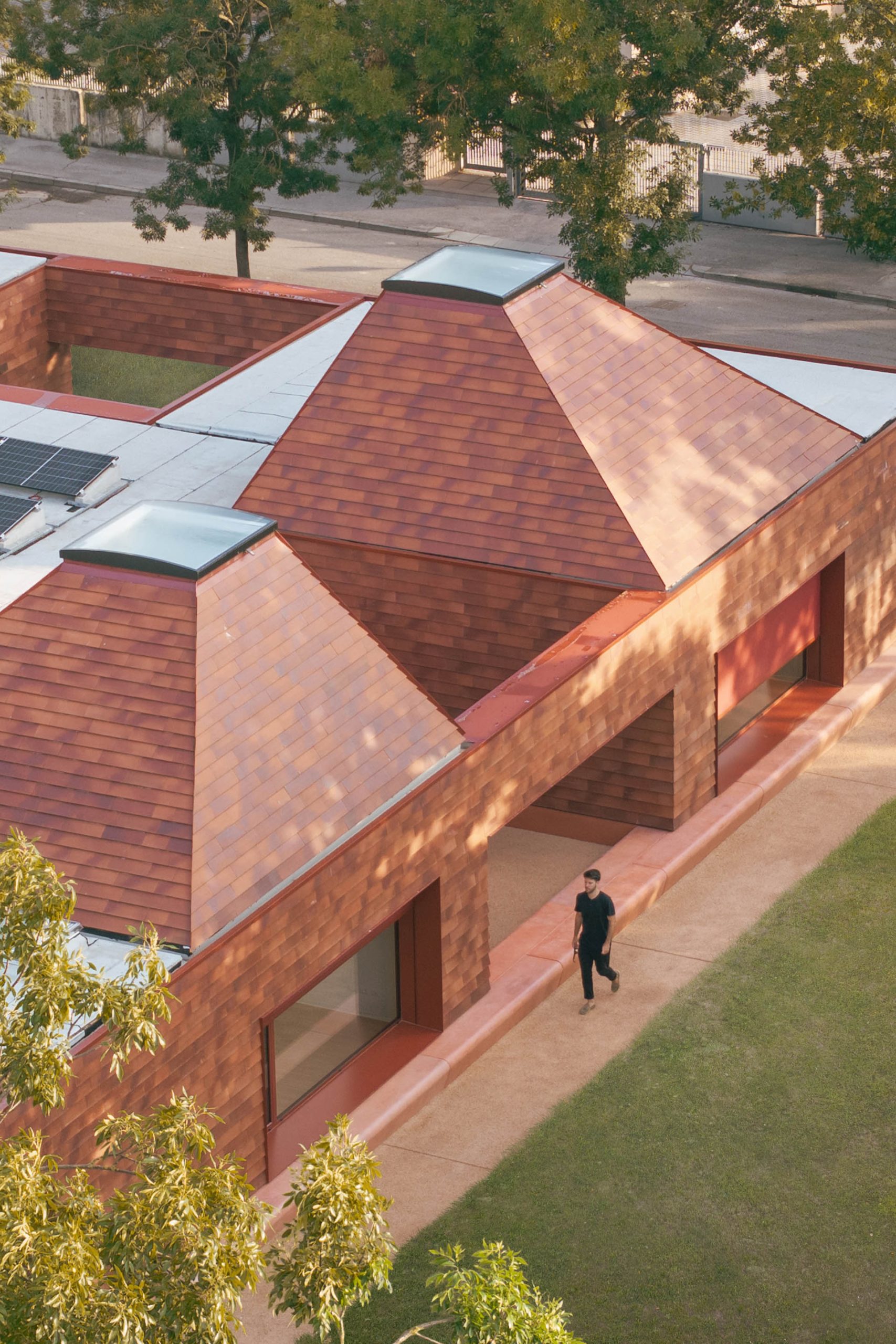
Kinder Rain is conceived as a small village rather than a conventional kindergarten, where architecture becomes a quiet framework for memory, atmosphere, and early encounters with the world. Drawing from the rural archetype of the Veneto countryside, the project is composed of a cluster of pitched-roof volumes gathered around a central void. This familiar yet carefully articulated form creates a sense of shelter and belonging, while light, materiality, and the constant presence of nature invite curiosity and exploration. The building does not impose itself on children, but gently accompanies their daily rhythms, allowing learning to unfold through space, movement, and shared experience.
In the conversation that follows, architect Rodolfo Morandi (AACM) reflects on the ideas behind Kinder Rain and the subtle balance between collective memory and personal imagination. Speaking with clarity and ease, he describes how vernacular references, spatial proportions, and simple architectural strategies can shape a child’s perception of time, community, and place. Rather than offering definitive answers, the interview reveals an approach to architecture that values atmosphere, intuition, and freedom, qualities that are essential when designing spaces for early childhood.

What initially inspired you to draw from the Casona Veneto archetype for a contemporary kindergarten, and how did this rural vernacular influence your vision of architecture as both memory and landscape?
Rodolfo Morandi: We came to understand that memory and landscape are not separate entities. What we often describe as collective memory is, in fact, the very ground on which many of our projects are rooted. Architecture has the power to shape cities, and when a project is anchored in the history of a place, in the lives of the people who inhabit it, and in its cultural fabric, it connects to something larger, a shared consciousness that cannot be fully explained through logic alone. It is largely a matter of perception.
In Piave di Sacco, we felt an immediate connection to the rural archetype of fishermen’s and farmers’ houses. Alongside this collective memory, there was also a more personal one, the universal image of a child drawing a house. Almost invariably, that house has a pitched roof, an elemental and deeply ingrained form. By weaving together these layers of memory, collective and personal, cultural and autobiographical, we arrived at a shape that gradually evolved into architecture.
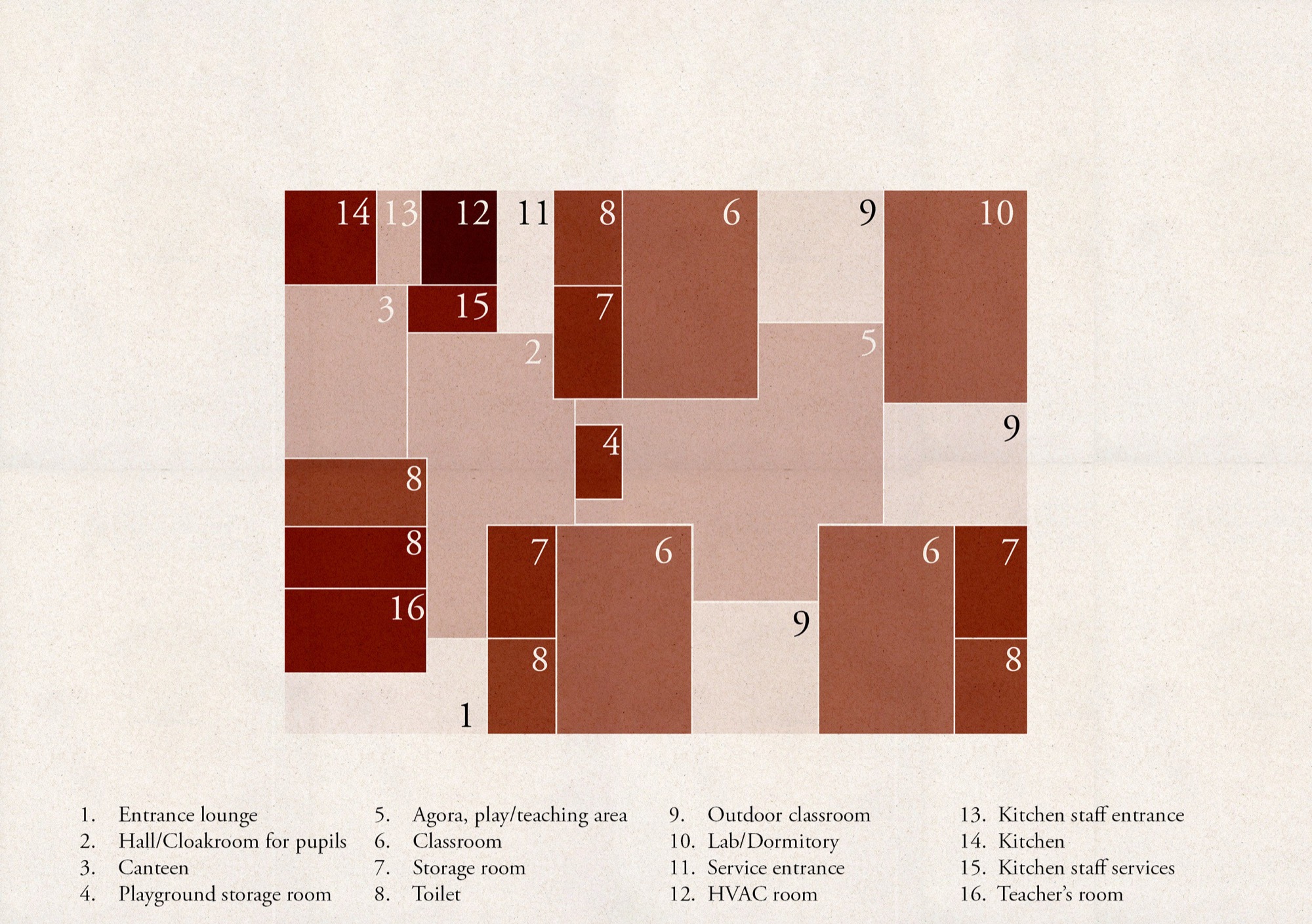
The project is composed as a small village, with individual volumes gathered around a central void. This configuration reflects not only the atmosphere we perceived during our visits, but also the idea of community. The school becomes a constellation of small houses arranged around a shared center, much like a rural settlement.

We imagined a child approaching a warm, red building nestled among trees, sensing not only a place of learning but also a sense of belonging. Each classroom is visually connected to the others, reinforcing the idea of being part of a group while still maintaining a distinct identity. Every classroom is recognizable from the outside, tilted slightly differently or oriented to the north or south. This allows each child to feel part of a collective while also being rooted in a specific place. In this way, the kindergarten becomes a very small village shaped by memory, landscape, and identity.
How does the overarching concept of Kinder Rain balance the need for a protective, familiar environment with opportunities for wonder and exploration in early childhood?
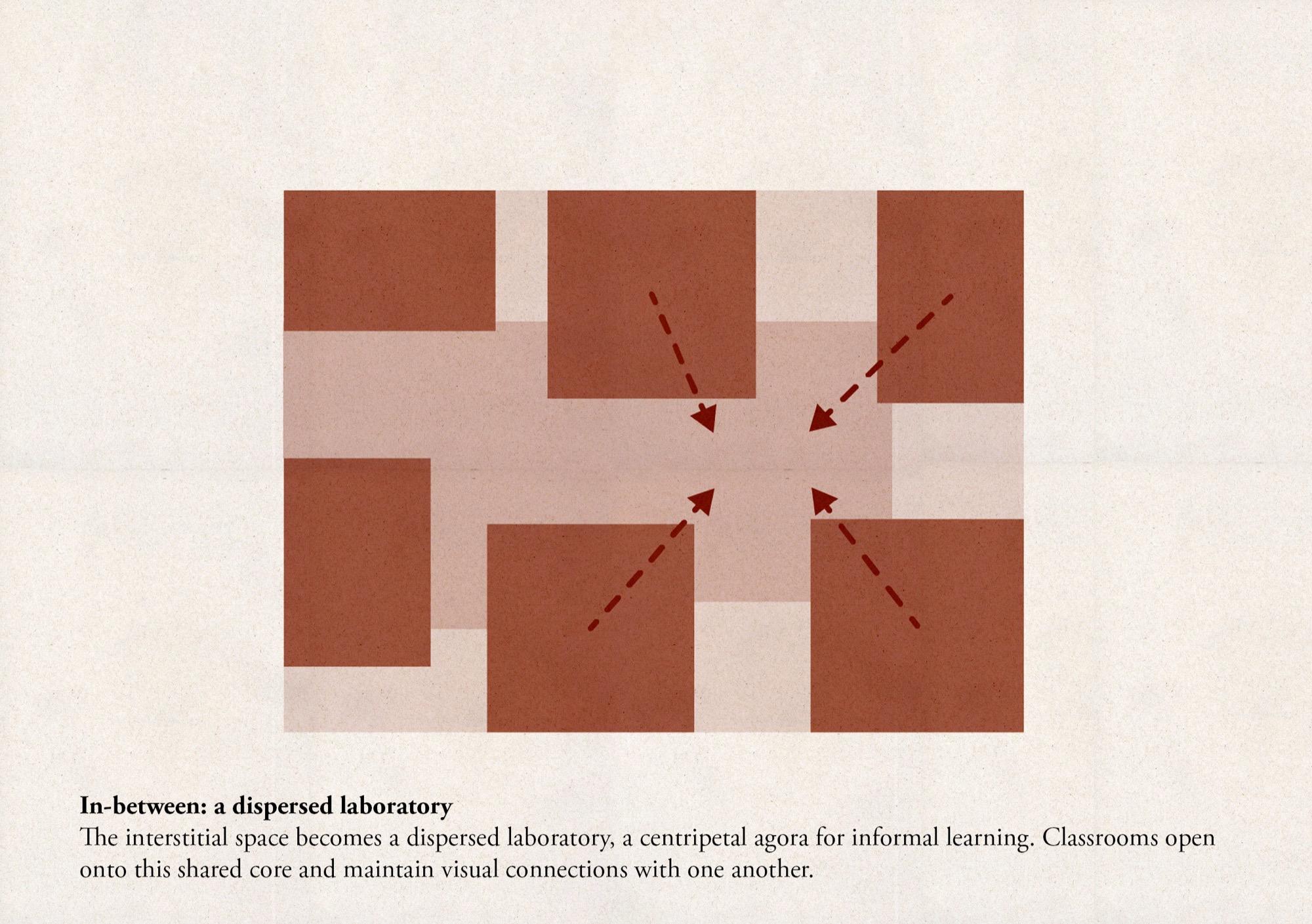
Rodolfo Morandi: The balance is not achieved through form alone, but through the quality of space. That quality emerges from contemporary pedagogical approaches, which emphasize connection, shared experience, and a close relationship with nature. This is why the three classrooms are organized around a central void.
This central space functions as a square, a place where children can gather, play, and meet, while always maintaining a visual and spatial connection to one another. From this shared core, it is possible to see not only the classrooms but also beyond them toward the garden. Nature is always present and constantly emerges into the architectural experience.

Each classroom also has its own private patio, an enclosed outdoor space that serves simultaneously as a garden and an open air classroom. These spaces are neither fully inside nor fully outside. They occupy an in-between condition that is central to our architectural thinking, especially when designing for children.


In reinterpreting traditional pitch roofs into pyramidal volumes, what architectural perspectives guided your decision on scale, form, and spatial rhythm?
A key concern was how architecture is perceived at a child’s scale. We began by considering the world from a height of one meter, recalling how spaces feel when your eyes are closer to the ground. As adults, we often forget that spaces remain the same while our perception changes dramatically as we grow.
This awareness guided many design decisions. The windows, for instance, are positioned so that even a seated child can see outside. They begin just 40 centimeters above the floor. In many schools, windows start much higher, beyond a child’s horizon line.

The height of the classrooms was another critical question. With pitched roofs reaching up to six meters, we initially wondered whether the space might feel overwhelming. However, pedagogical studies suggest that when a room is equally large for both adults and children, the perceived distance between them diminishes. In a generous vertical space, the child feels less small in relation to the adult, fostering a more balanced and comfortable relationship.

The pitched roof also creates a more enveloping spatial experience. Rather than a flat ceiling, the architecture surrounds the child and opens upward to the sky. Light enters from above, allowing the passage of time and seasons to be perceived, which is an essential dimension of spatial rhythm and awareness.
Could you elaborate on how the continuous terracotta envelope unifies the building while allowing for volumetric exceptions in the classrooms? What role does tactility play in your material philosophy?
Rodolfo Morandi: Terracotta was chosen as a material deeply connected to local building traditions, particularly the use of shingle roofs. Our intention was not to replicate tradition, but to reinterpret it through a contemporary lens. The terracotta envelope gives the building a vibrant, tactile surface rather than a flat facade, one that responds to light and changing weather conditions.
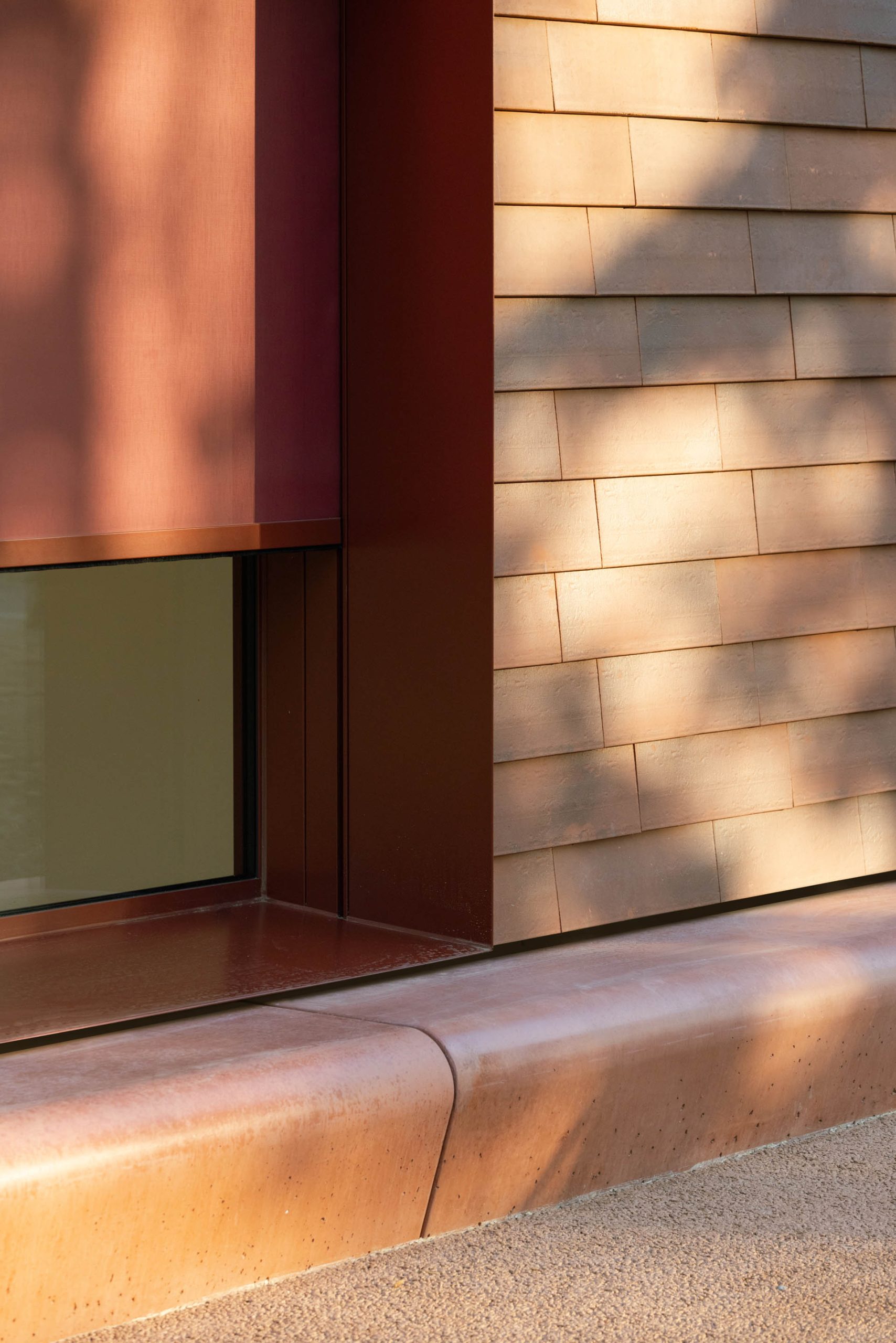
We envisioned the school as a sculptural mass perceived as a single unified object, animated by openings, entrances, and the individual voices of the classrooms. A key unifying element is the concrete bench that runs along the facade. Although concrete is often perceived as hard, here it becomes soft and rounded, a place where children can sit, jump, gather, and play.
This bench introduces a tactile dimension that encourages physical interaction. It allows children to conquer the architecture through use rather than contemplation. While the overall proportions of the classrooms remain consistent, their roofs are tilted differently, creating subtle variations within a unified whole.

How do the open courtyards and patios blur the boundaries between indoor and outdoor spaces, and what insights from landscape architecture informed this integration to support playful learning?
Rodolfo Morandi: Interestingly, the garden itself was not part of our commission, as it was excluded from the building tender and funded through a separate process. However, we still sought to influence how children experience nature through architecture. Each classroom opens onto a small courtyard, an outdoor space that feels protected and intimate while remaining visually and spatially connected to the larger garden beyond. These courtyards create a layered sequence between inside and outside, forming transitional spaces that are neither entirely one nor the other.
The central agora acts as a shared in-between space positioned among the classrooms and facing the courtyards. From this central square, the only visible windows are those opening toward the courtyards, with the garden beyond them. This layering creates a spectrum of spatial conditions, never fully enclosed and never completely exposed, allowing children to feel both connected and free to retreat when needed.

What considerations went into designing the central agorà as the project’s social heart, and how does it draw from historical village squares to foster informal encounters and community among young children?
Rodolfo Morandi: Gathering around a central void is one of the oldest principles in human settlement. Long before formal urban planning, the agora existed as a place of collective life. As humans, we are instinctively drawn to shared spaces that foster interaction and community.
Translated into a school environment, this idea becomes very simple. Children learn together. The central agora allows them to experience education as a shared journey rather than an individual one. Learning becomes a collective adventure rooted in togetherness.
In incorporating elements like the zenithal skylight and textured wooden ceiling as a sundial, how do you see natural light and time-marking features shaping children’s early perceptions of environmental rhythms?
Rodolfo Morandi: Spending time indoors often disconnects us from the perception of time. I remember leaving school as a teenager and suddenly realizing it was dark, feeling as though I had been removed from the flow of the day.
For very young children, maintaining a constant awareness of nature, the sun, the weather, and the passing of time, can be profoundly formative. The skylight allows sunlight to move across the interior surfaces, subtly marking the passage of the day.
The wooden ceiling material plays an important role here. Made from simple wood fibers, it offers acoustic comfort while evoking the texture of hay and traditional thatched roofs. This material choice creates sensory warmth and establishes a quiet dialogue with the Casone Veneto archetype, closing a conceptual circle between tradition, atmosphere, and contemporary space.

Were there unique challenges in embedding the architecture within the existing greenery and trees, and how did these influence your approach to sustainability and site-specific design?
Rodolfo Morandi: The site was already surrounded by trees, and fortunately no removal was necessary. Sustainability, for us, is not limited to technological solutions but also includes long standing low tech strategies.
We worked with the building’s form to create natural ventilation through chimney effects during summer, and the ventilated facade supports airflow within the envelope. Light movement between courtyards enhances spatial perception throughout the day. These strategies rely on geometry, orientation, and materiality rather than complex systems alone.

How do the soft pigmented concrete benches function as playful thresholds, mediating between structured teaching and spontaneous play, and what broader architectural viewpoint does this reflect on child-centric spaces?
Rodolfo Morandi: The benches serve multiple roles throughout the day. They are places of arrival and departure where children and parents can pause, wait, and interact. More importantly, they invite physical engagement such as climbing, sitting, and running, making architecture something to be used rather than observed.
At certain points, the bench meets a void, signaling a transition between different outdoor spaces. It becomes a threshold between the garden and the courtyard, two spaces that are both outside yet distinct in scale and character.
This subtle boundary helps children intuitively understand spatial differences without imposing rigid separations. A simple bench combined with a beam above creates a sense of enclosure and defines a secondary space within the larger environment.

Looking ahead, what long-term impacts do you envision Kinder Rain having on children’s development, their relationship with nature, and perhaps even their future appreciation of architecture?
Rodolfo Morandi: It is impossible to predict outcomes with certainty. What I do believe is that children, with their heightened sensitivity, perceive atmosphere more deeply than adults. Their imagination and sense of exploration allow them to absorb spatial qualities instinctively.
This building was designed to be timeless, relying on form, material, and atmosphere rather than trends or technologies that may quickly become obsolete. It could have been built decades ago, and we hope it will still feel relevant decades from now.
Ultimately, the most important thing we can offer children is freedom. The freedom to interpret, inhabit, and transform the space through their own imagination. If this architecture nurtures creativity and curiosity, then it has fulfilled its purpose.
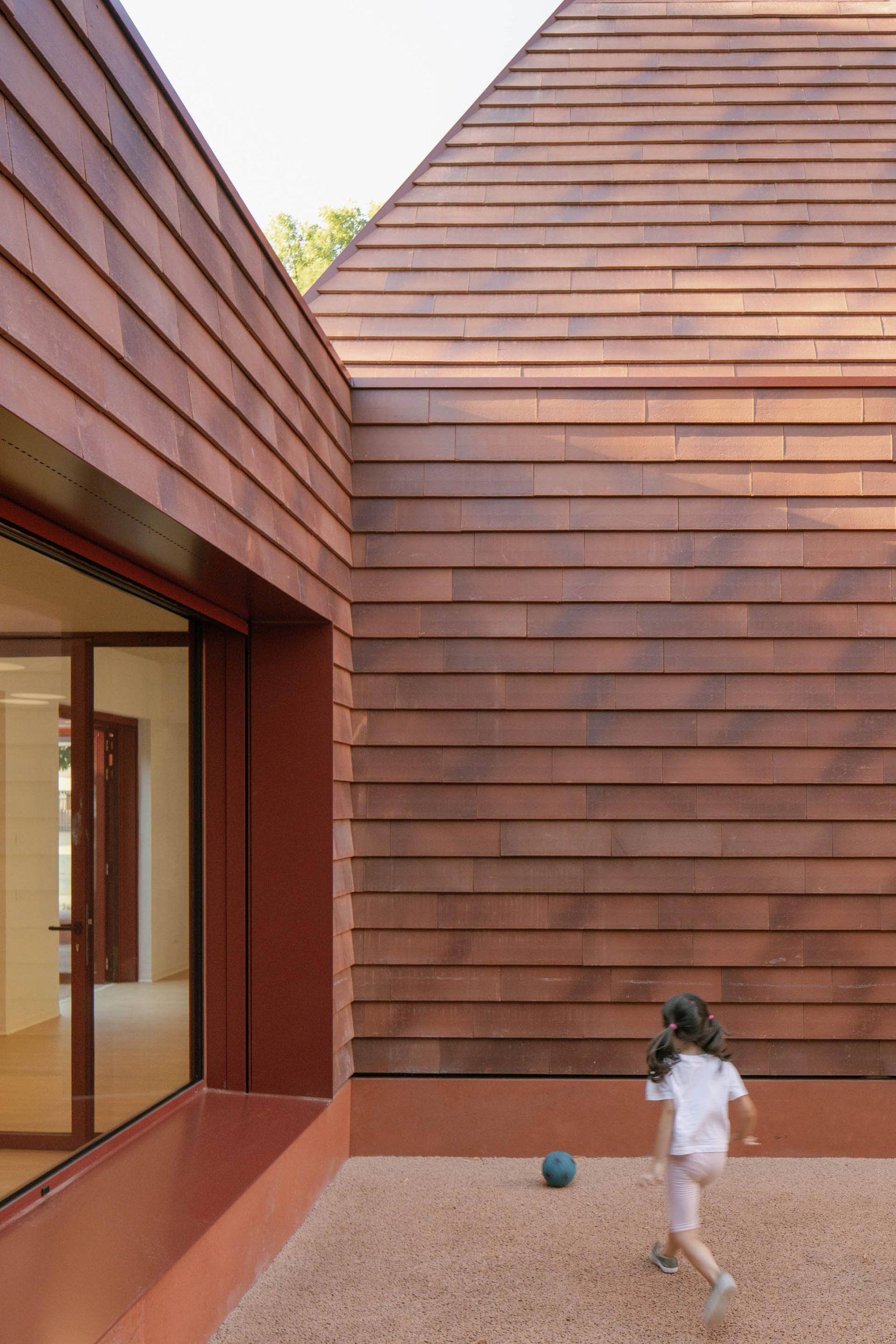

Photo Cover
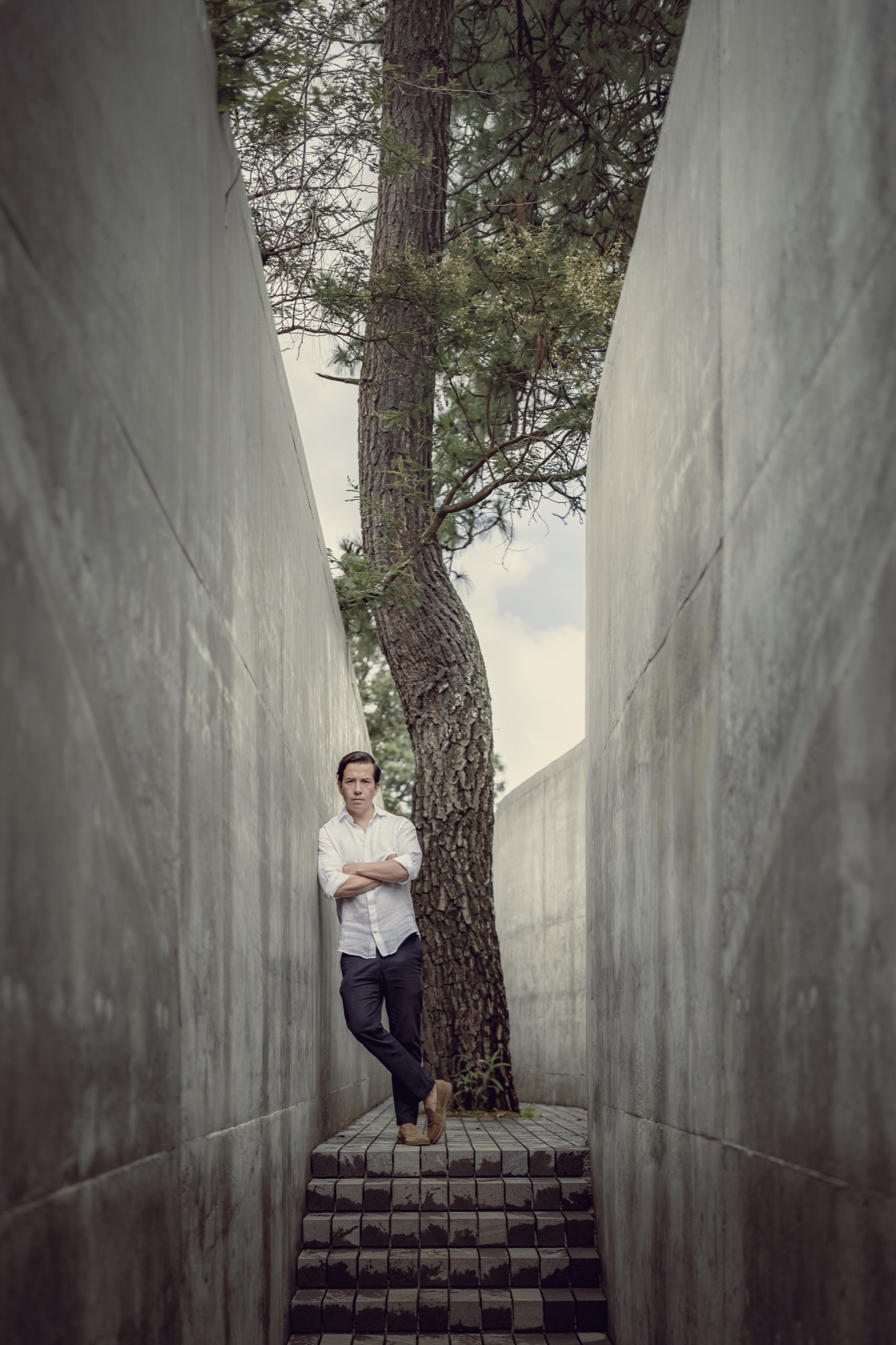
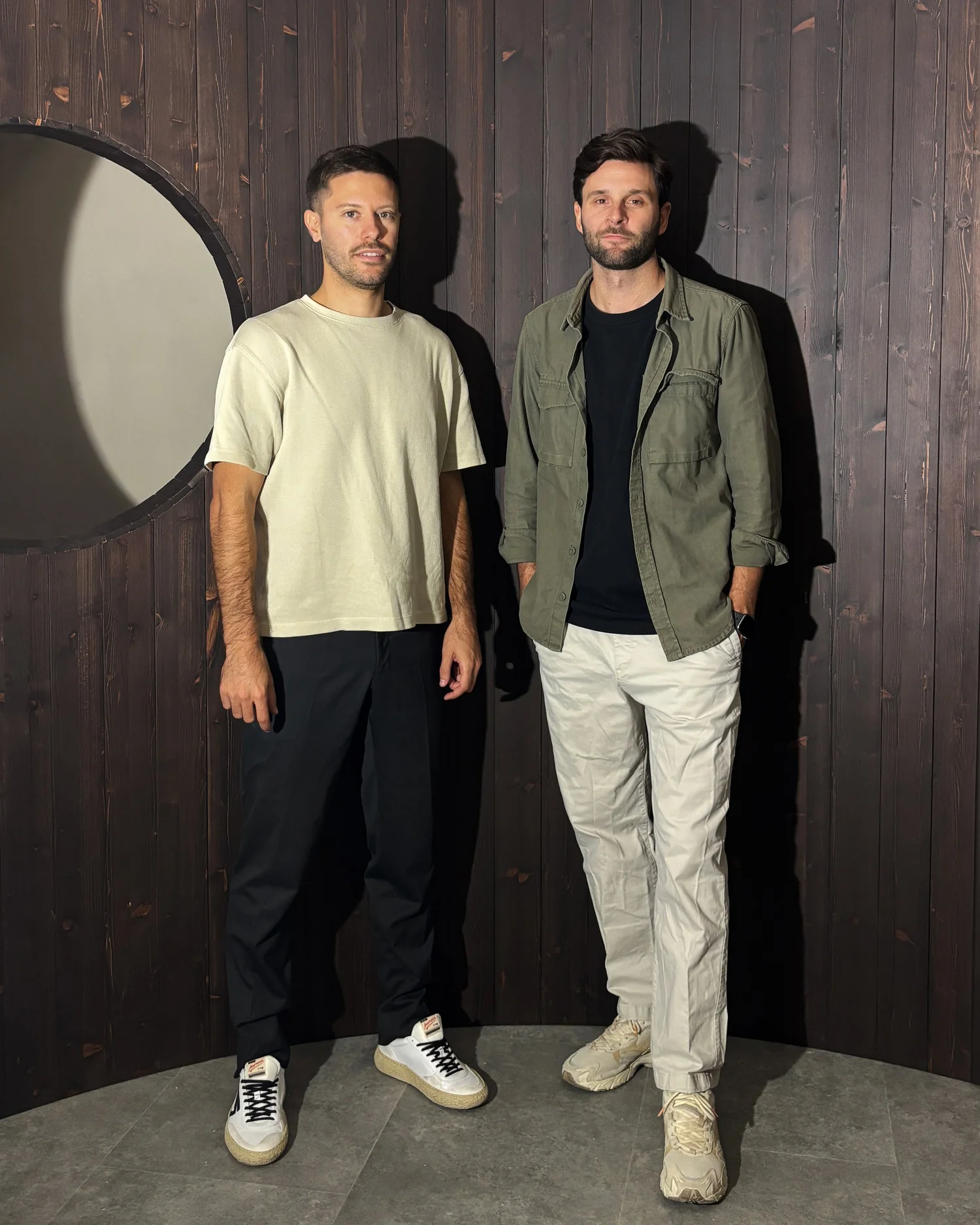
Arch. Ing. Rodolfo Morandi (left) with Arch. Nicolò Chinello (right)
Atelier Architettura Chinello Morandi (AACM)
Photo via AACM
Article Credit
Text: Valeria Moreau
Photo: Alex Shoots Buildings / @alex.shoots.buildings
Sketch: AACM