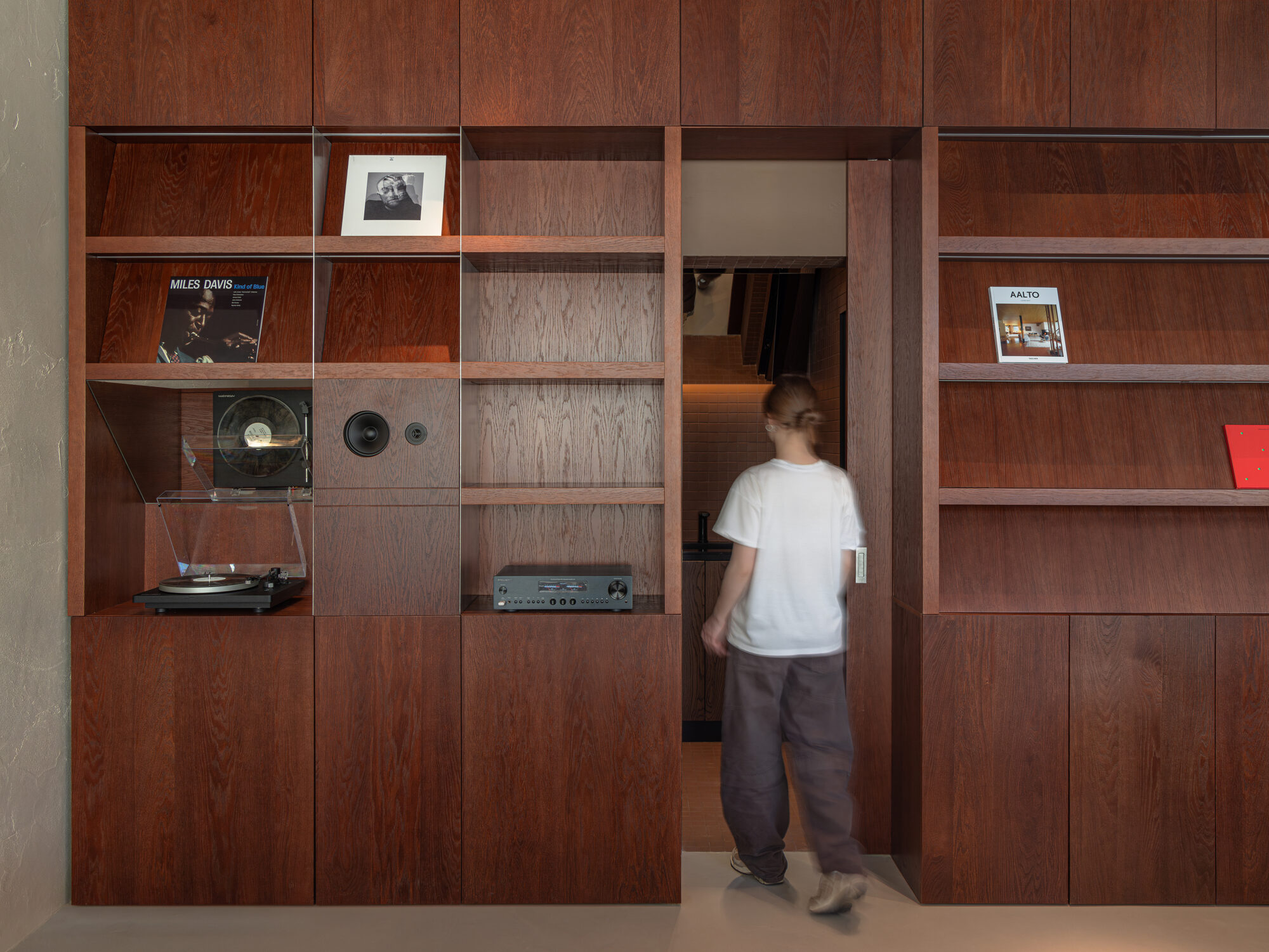
Biblioteka Coffee Krasnodar by Kidz Studio brings together books, coffee, and vinyl in a contemporary café shaped by warm materials, custom lighting, and immersive interior design.


Biblioteka Coffee Krasnodar by Kidz Studio brings together books, coffee, and vinyl in a contemporary café shaped by warm materials, custom lighting, and immersive interior design.
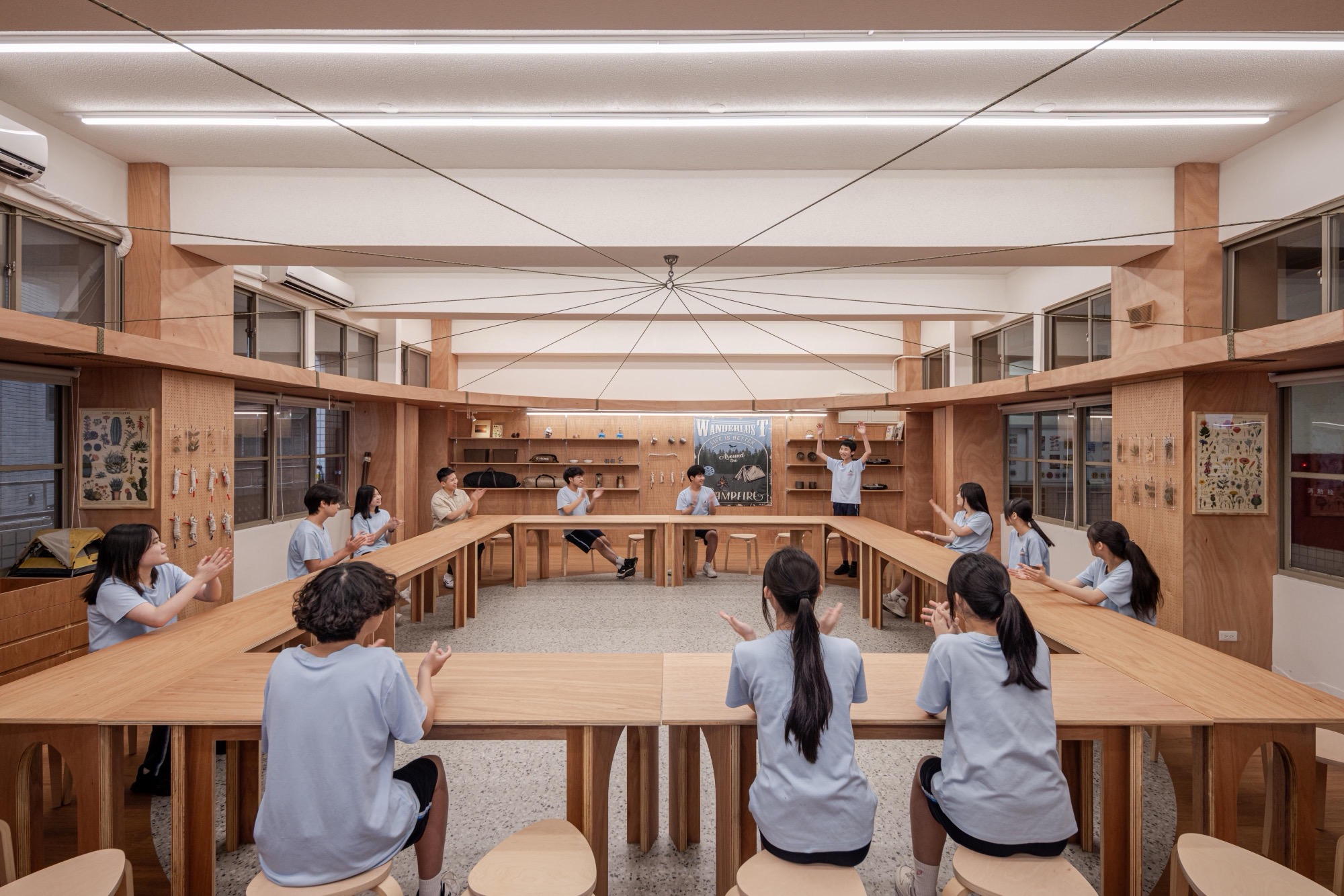
317studio’s Qingshan Forest has been named Jury Winner in the Educational Interiors category at the 14th Annual Architizer A+Awards. Located in New Taipei City, Taiwan, the project reimagines the classroom
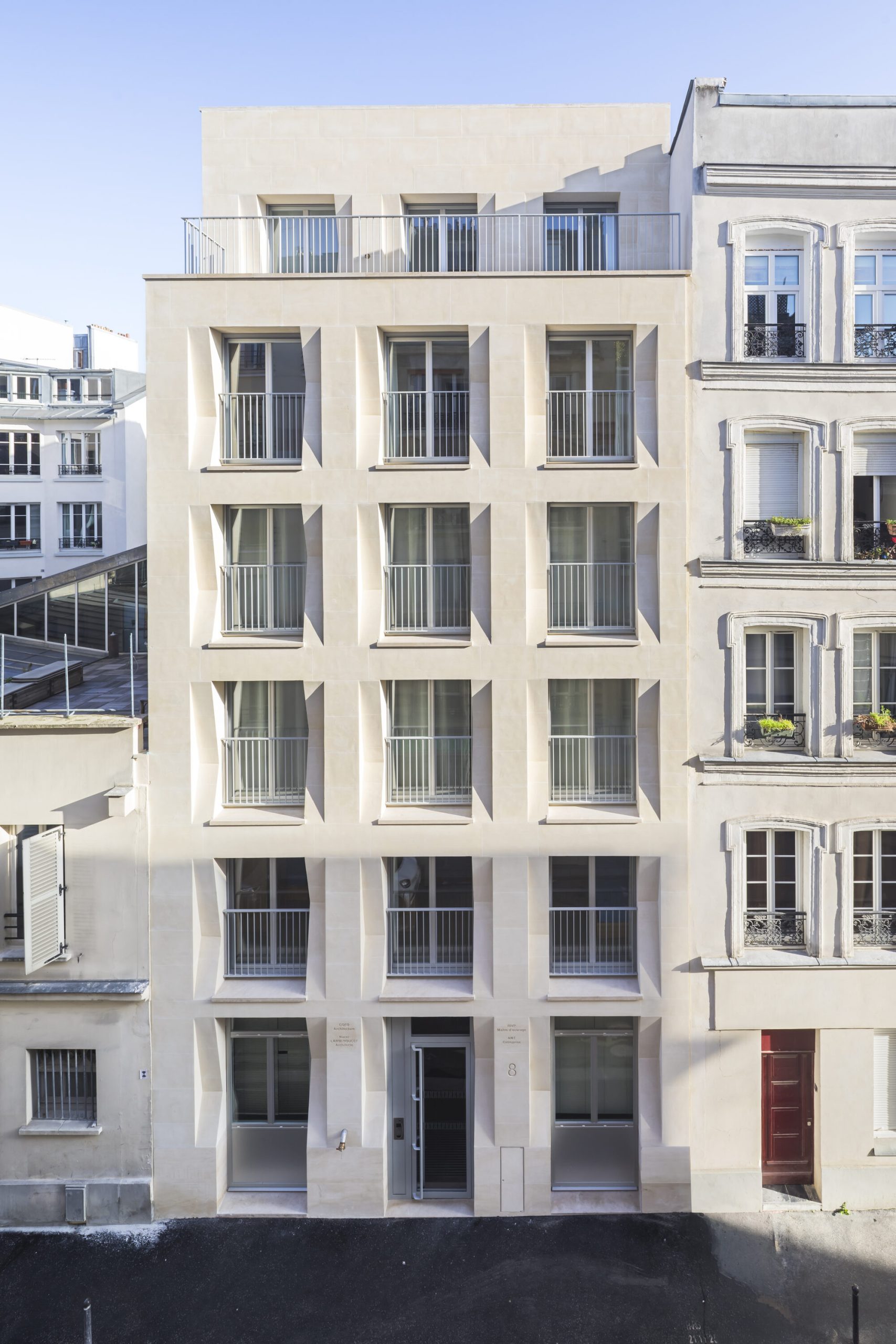
Pension de Famille des Apennins in Paris rethinks social housing through shared spaces, sustainable materials, and a planted courtyard.
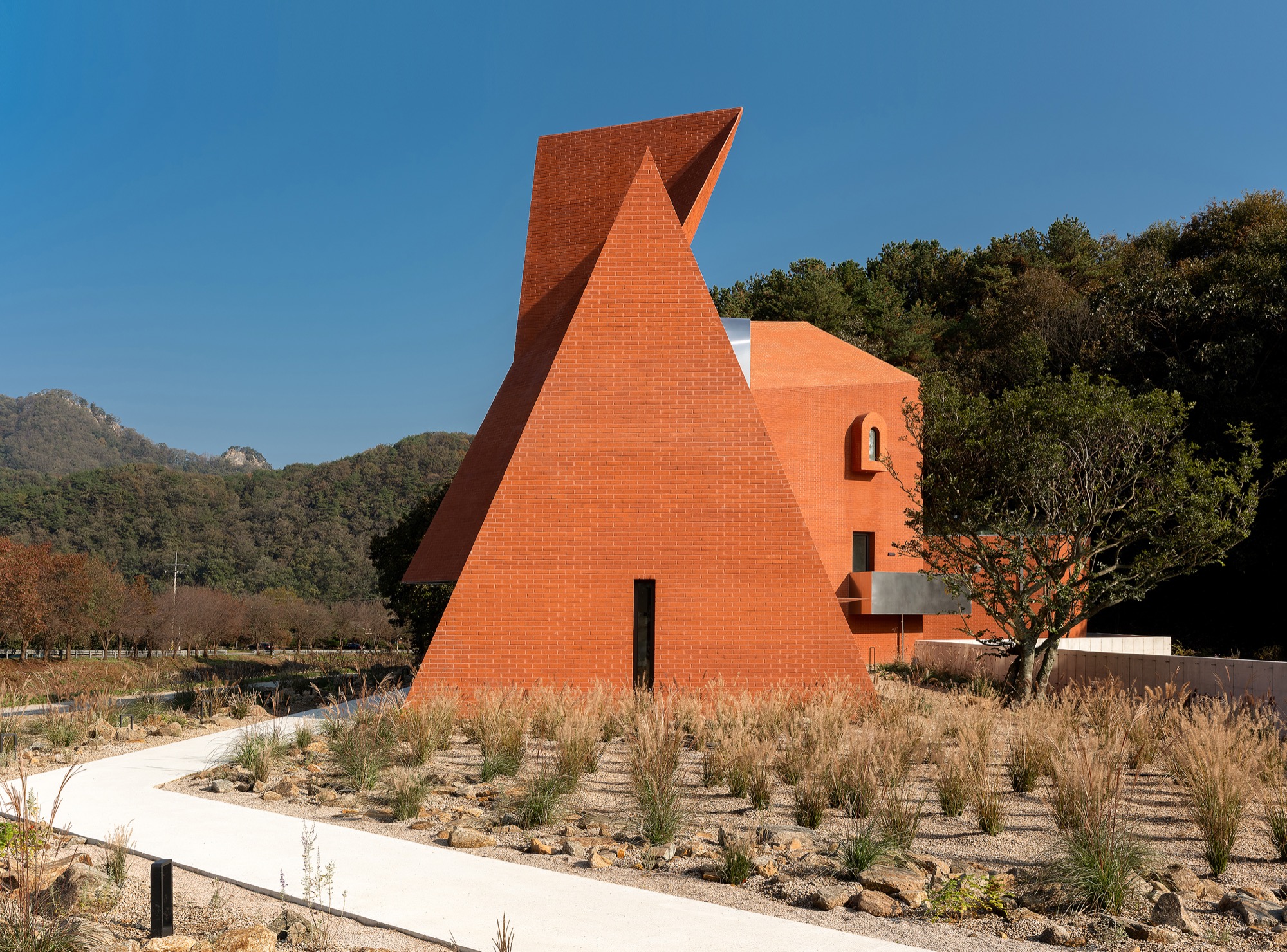
Monologue café by SOSOKKI ANAC reimagines architecture as a temporal and contemplative experience shaped by memory, light, and material.
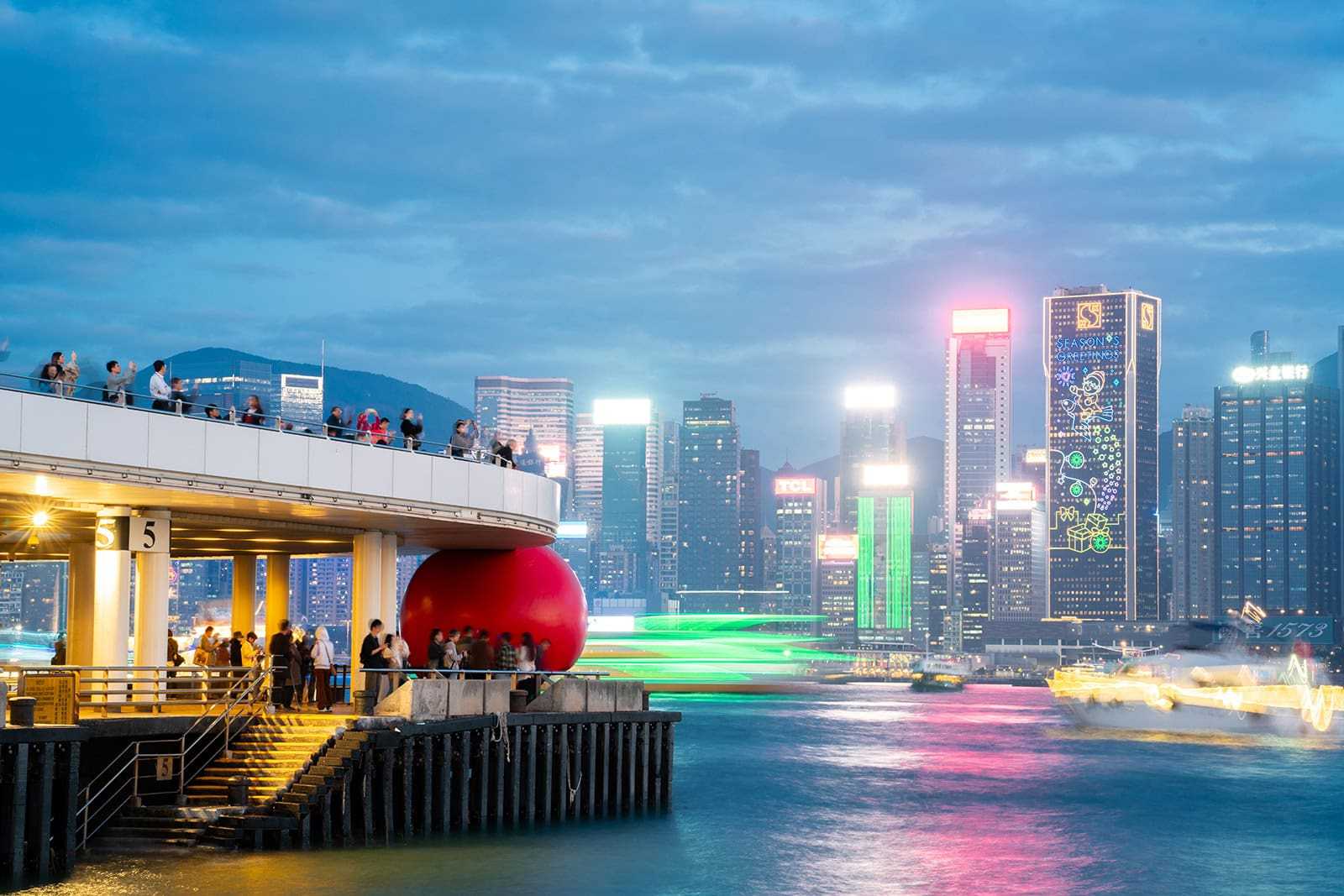
In Rennes, during the summer of 2014, a giant red sphere appeared as if the city had briefly held its breath. Inflated to roughly 4.5 metres in diameter and weighing
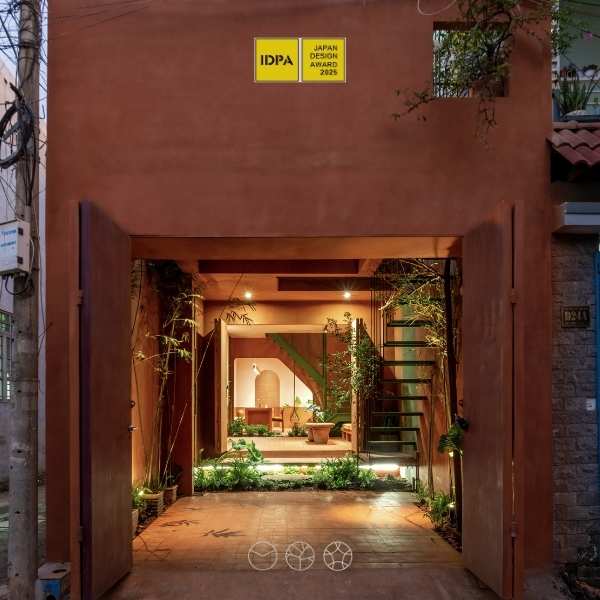
Earthenware House is a renovation project of a narrow tube house located in Lái Thiêu—a region known for its Southern Vietnamese ceramic craft tradition dating back to the 18th century. The homeowner, a building contractor and craftsman, wanted to retain the original structure while integrating nature, light, and artisanal textures to nurture daily creative inspiration.We approached the design as if shaping a piece of fired clay. The house is formed by three interconnected volumes, reminiscent of three clay pots embracing one another, solid yet earthy, raw yet harmonious. A rooftop terrace was added to accommodate informal gatherings under the open sky, echoing the communal lifestyle of the region. Greenery was introduced in a way that makes the house feel as though it has grown from the soil itself.To express the tactile essence of terracotta, we selected materials such as ceramic bricks, reclaimed wood, raw steel, and developed a new wall finish made from local clay mixed with cement and additives – evoking the feel of fired earth while adapting to the local climate. Interior details were handcrafted by the owner – from ceramic handles to recycled-material furniture – making the home a deeply personal dialogue between past and present, nature and people, culture and sustainable architecture.
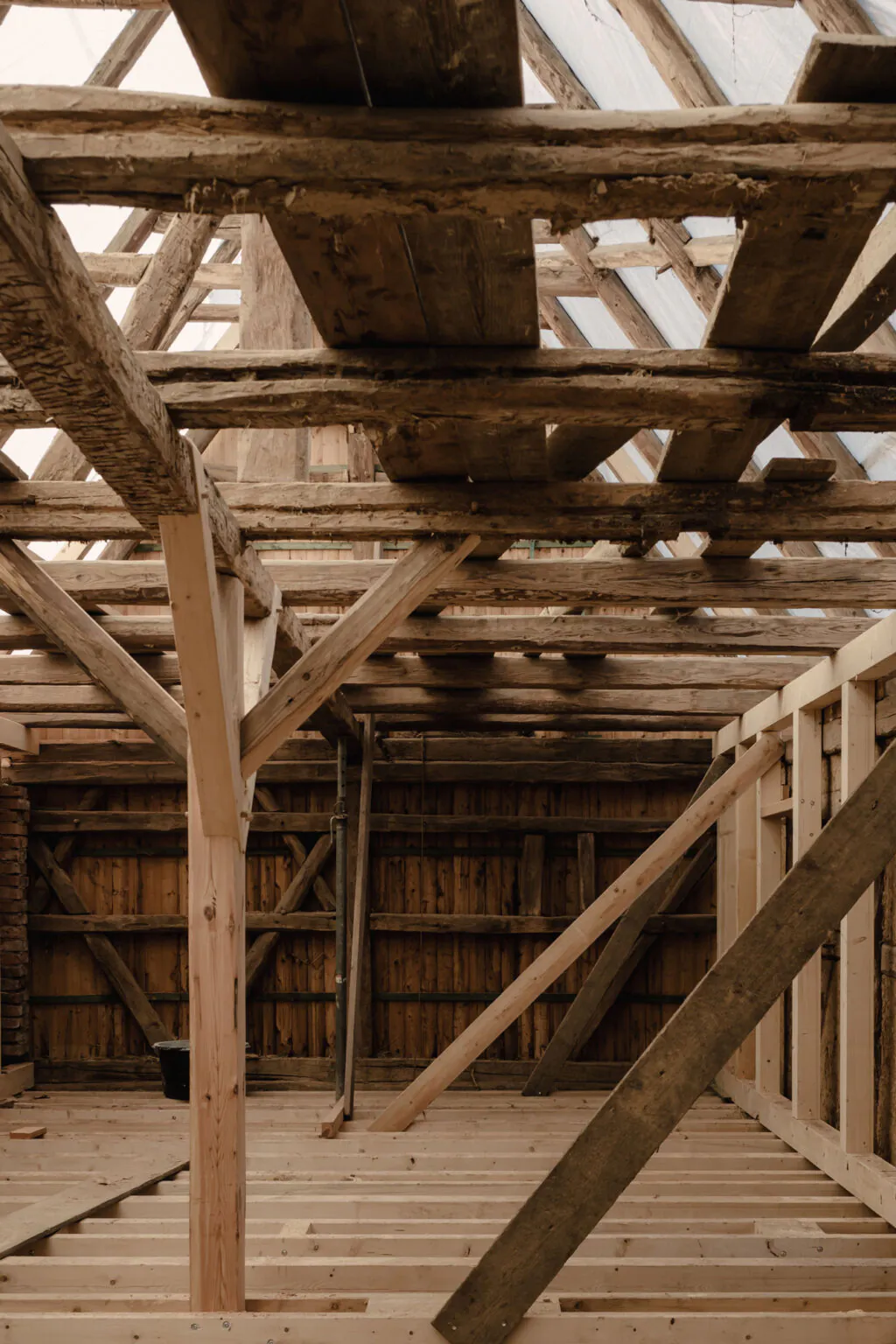
The village of “Greifenhain” is part of the region “Kohrener Land”. It is a beautiful landscape, also known as “Tuscany of saxony”, with its gentle hills, fields and wide meadows. Here, a former four-sided farm of which only two buildings currently remain, located in a central position within the village, will be converted into a retreat. A place for art and culinary delights as well as retreat and contemplation.
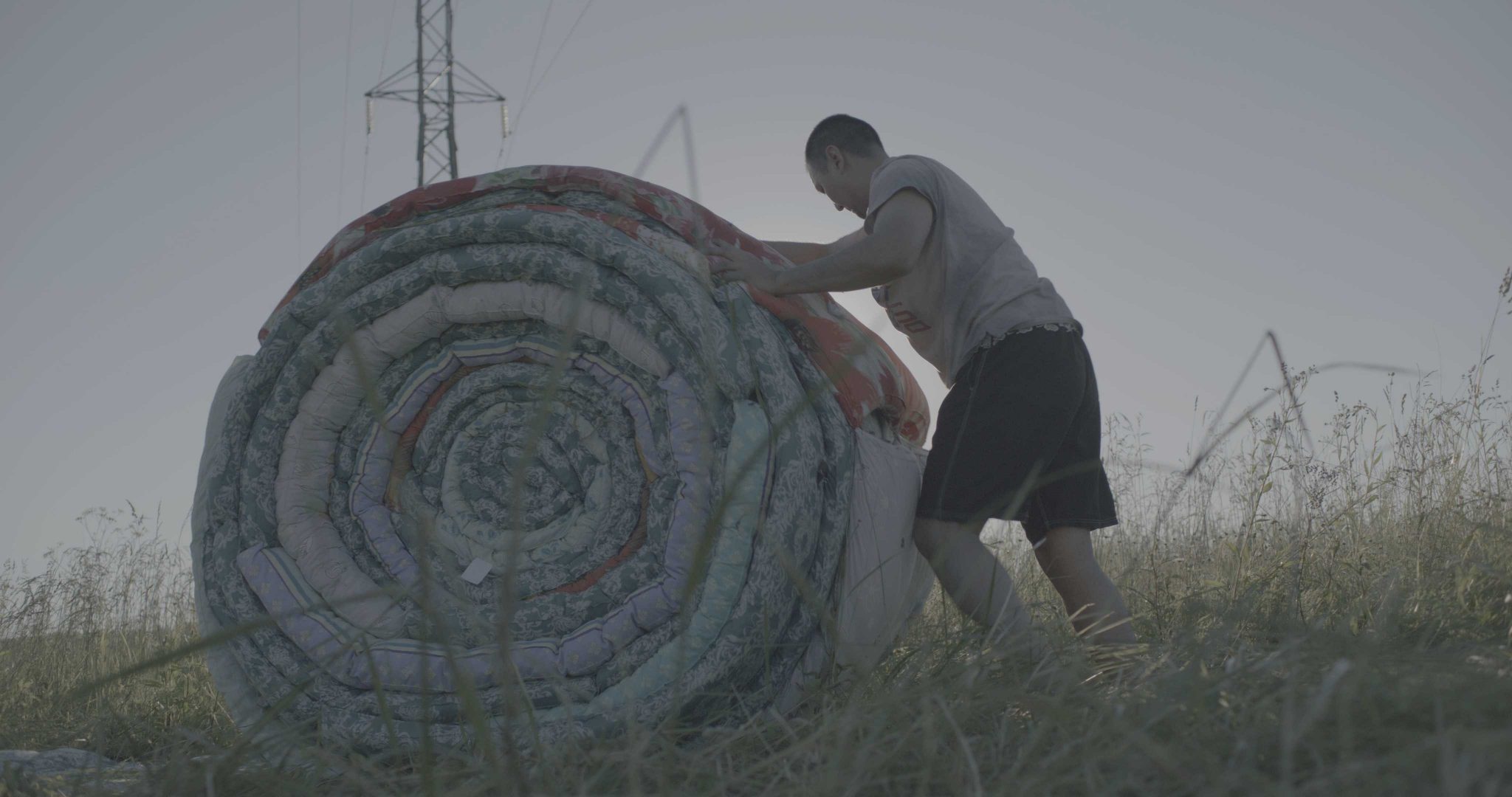
The Kyrgyz artist Chingiz Aidarov died on December 15. The Central Asian art community is deeply saddened by his passing.Born in Bishkek, Kygyzstan in 1984, Chingiz Aidarov studied at ArtEast and became a member of the art groups Zhonele emes, 705, and Zamanbap art. His collective and individual work – spanning performance, painting, illustration, and video – issued biting and satirical takes on the sociopolitical situation in Kygyzstan as well as the experience of migrant workers abroad. He developed a performance practice called ‘nabeg’ comprising incursions or ‘invasions’ in public space.
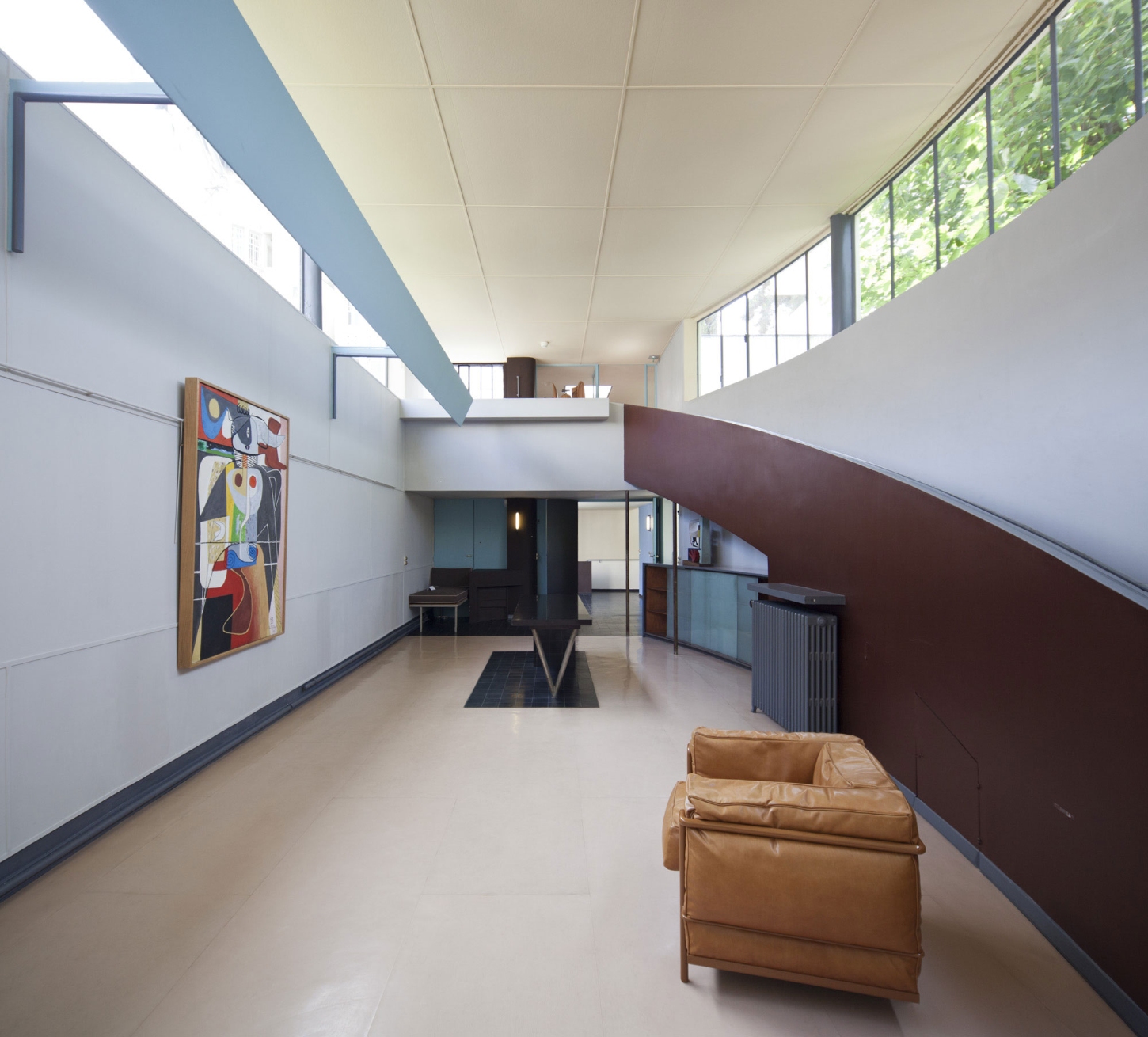
Two interconnected buildings, one open to the public, the other home to the Fondation Le Corbusier, together create an intimate dialogue between space, design, and legacy. Completed in 1925, this pair of semi-detached houses designed by Le Corbusier and his cousin Pierre Jeanneret stands as a manifesto of the modern movement - a declaration of intent that forever changed the trajectory of architecture.
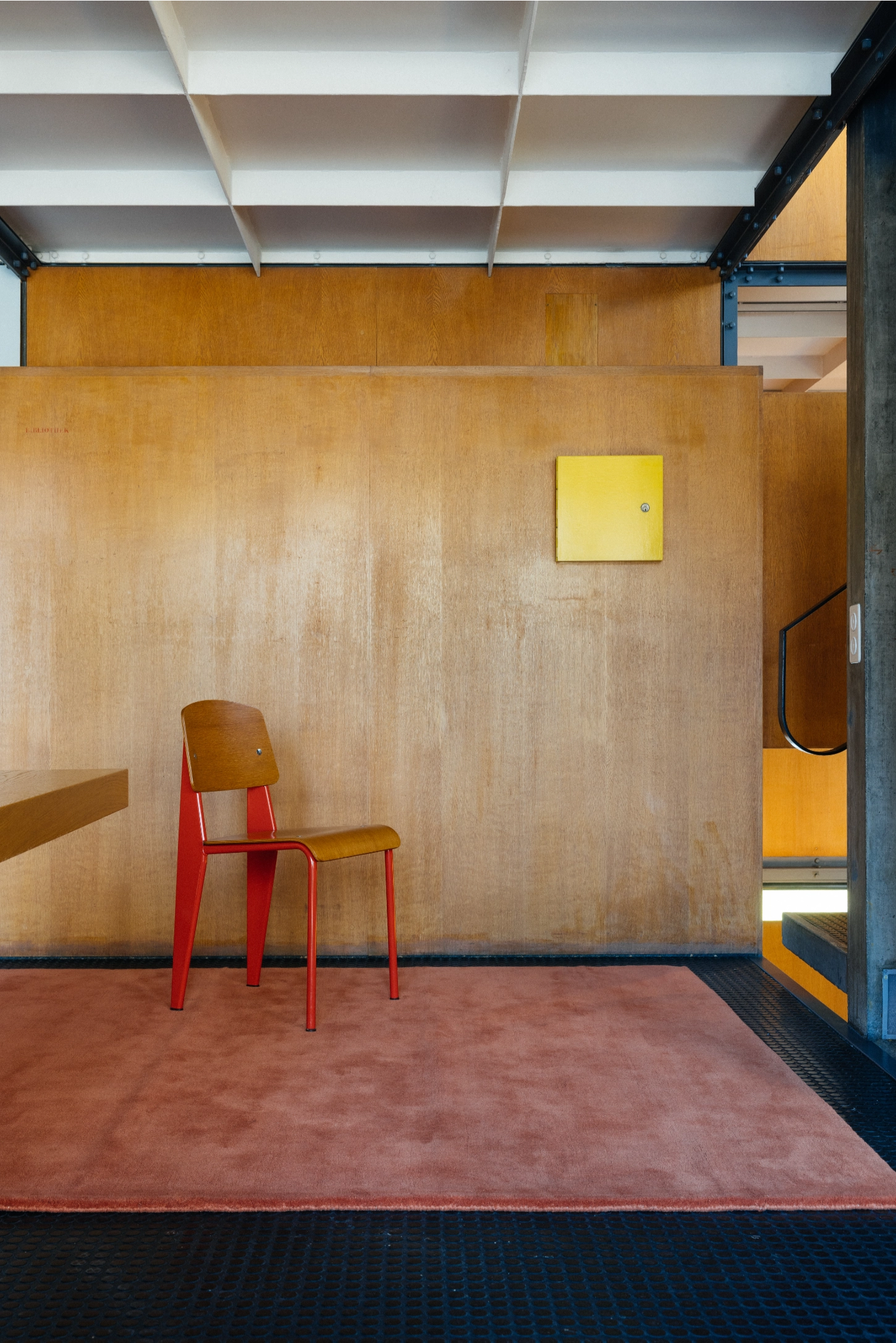
The series features four shades - Blue Foncé, Blue Clair, Ruby Red, and Red Ochre - each echoing the architect’s belief in color as a tool for harmony, emotion, and spatial balance.