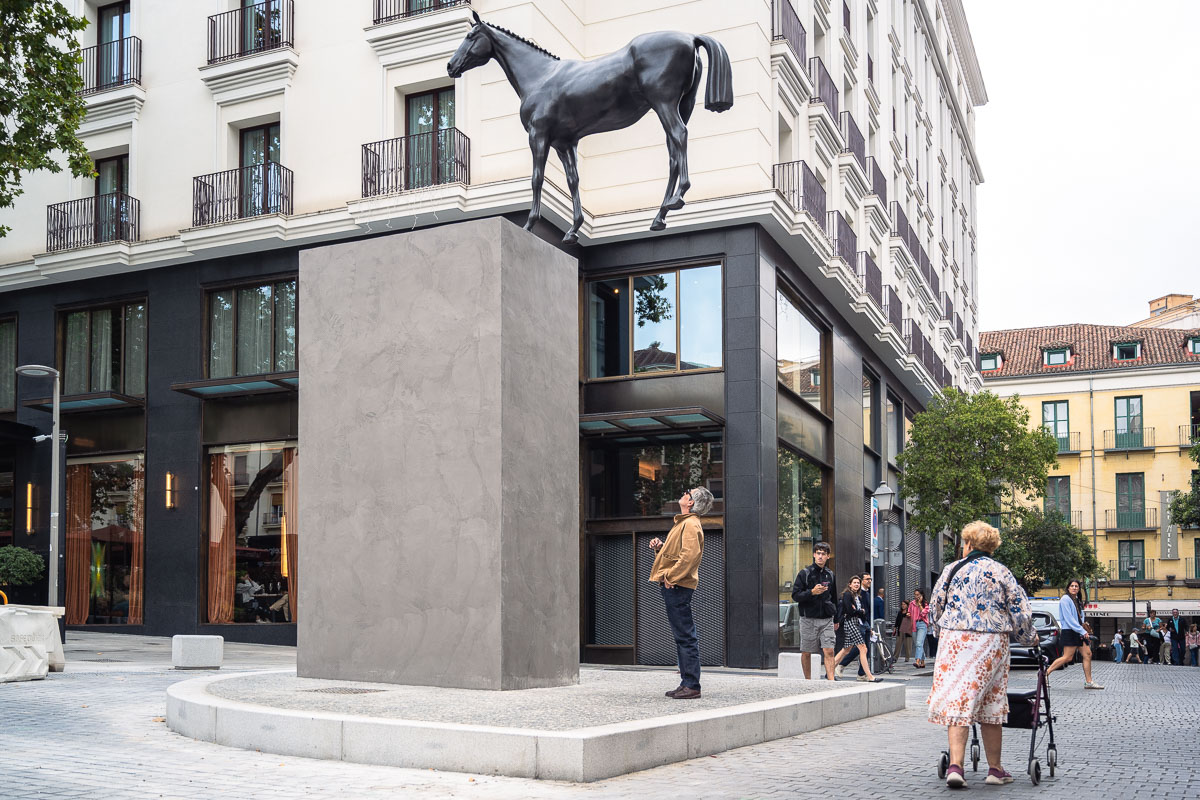
Gonzalo Lebrija’s El rumor de la discordia places a riderless bronze horse at the edge of a concrete pedestal in Madrid’s Plaza del Carmen.

Gonzalo Lebrija’s El rumor de la discordia places a riderless bronze horse at the edge of a concrete pedestal in Madrid’s Plaza del Carmen.
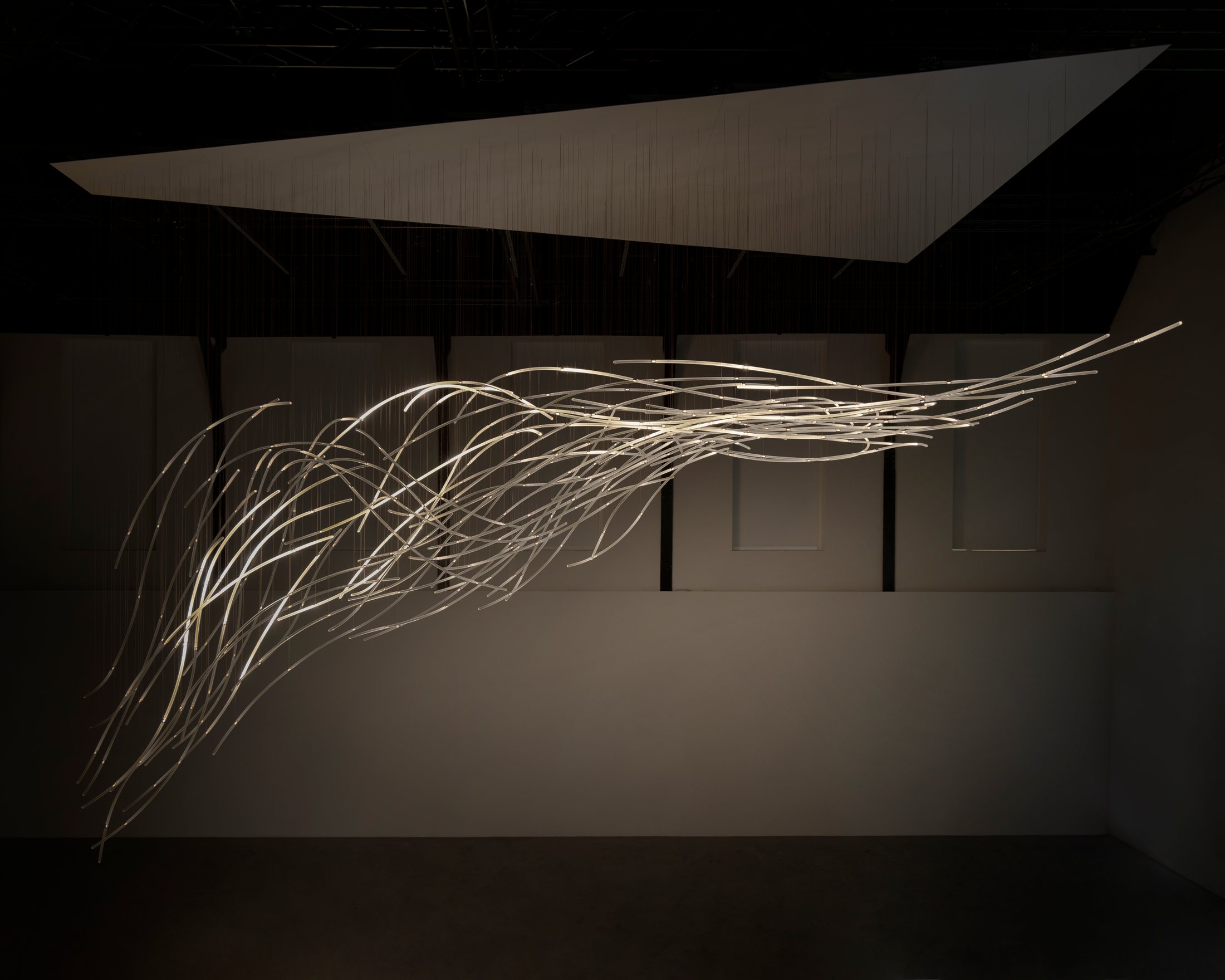
From the autonomous swarm of Murmuring Minds to the illuminated glass of Aeolus, DRIFT explores how a visitor’s movement can reshape an artwork.
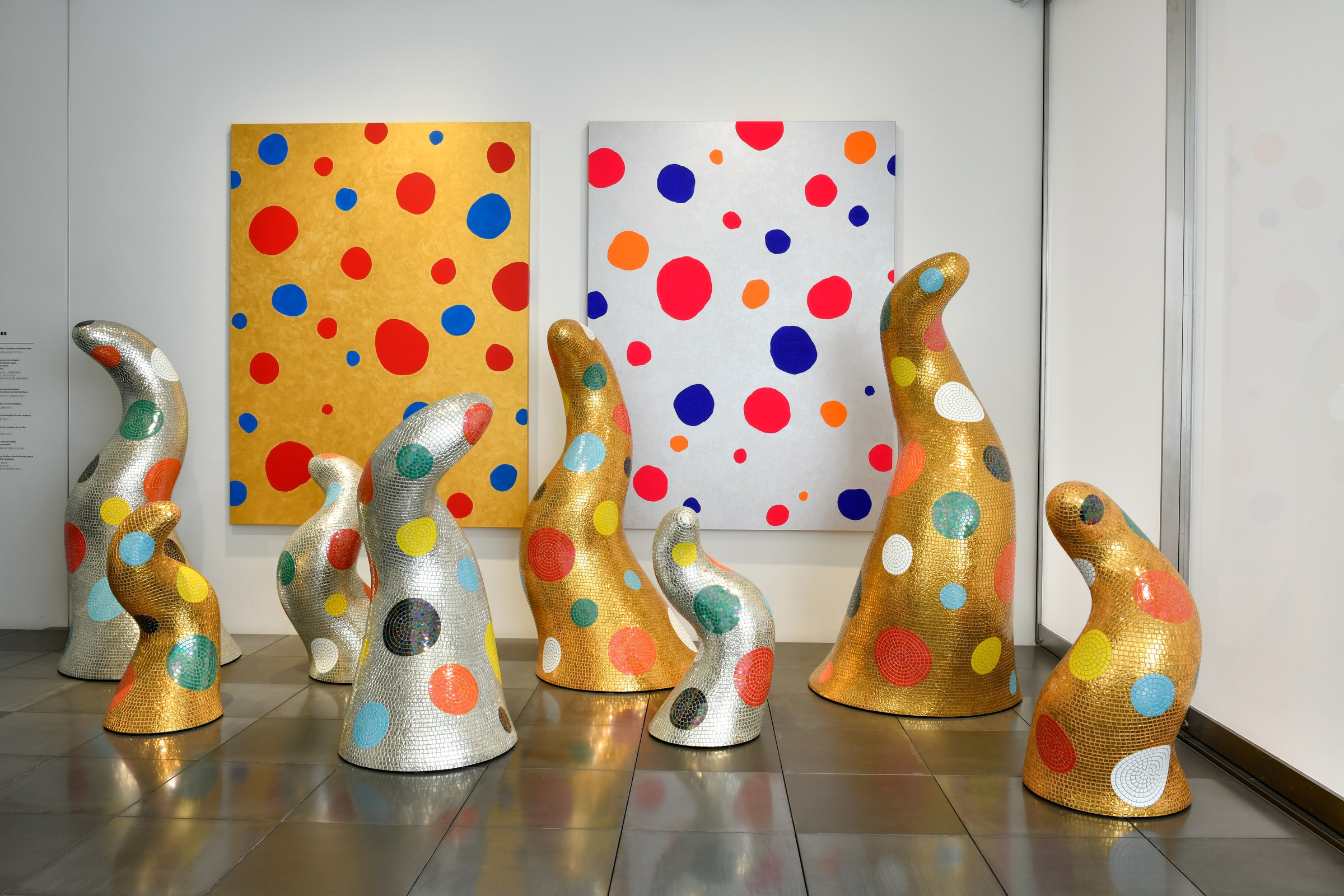
Yayoi Kusama Museum traces light through paintings, glitter, mirrors and sculpture in a Tokyo exhibition running until 31 January 2027.
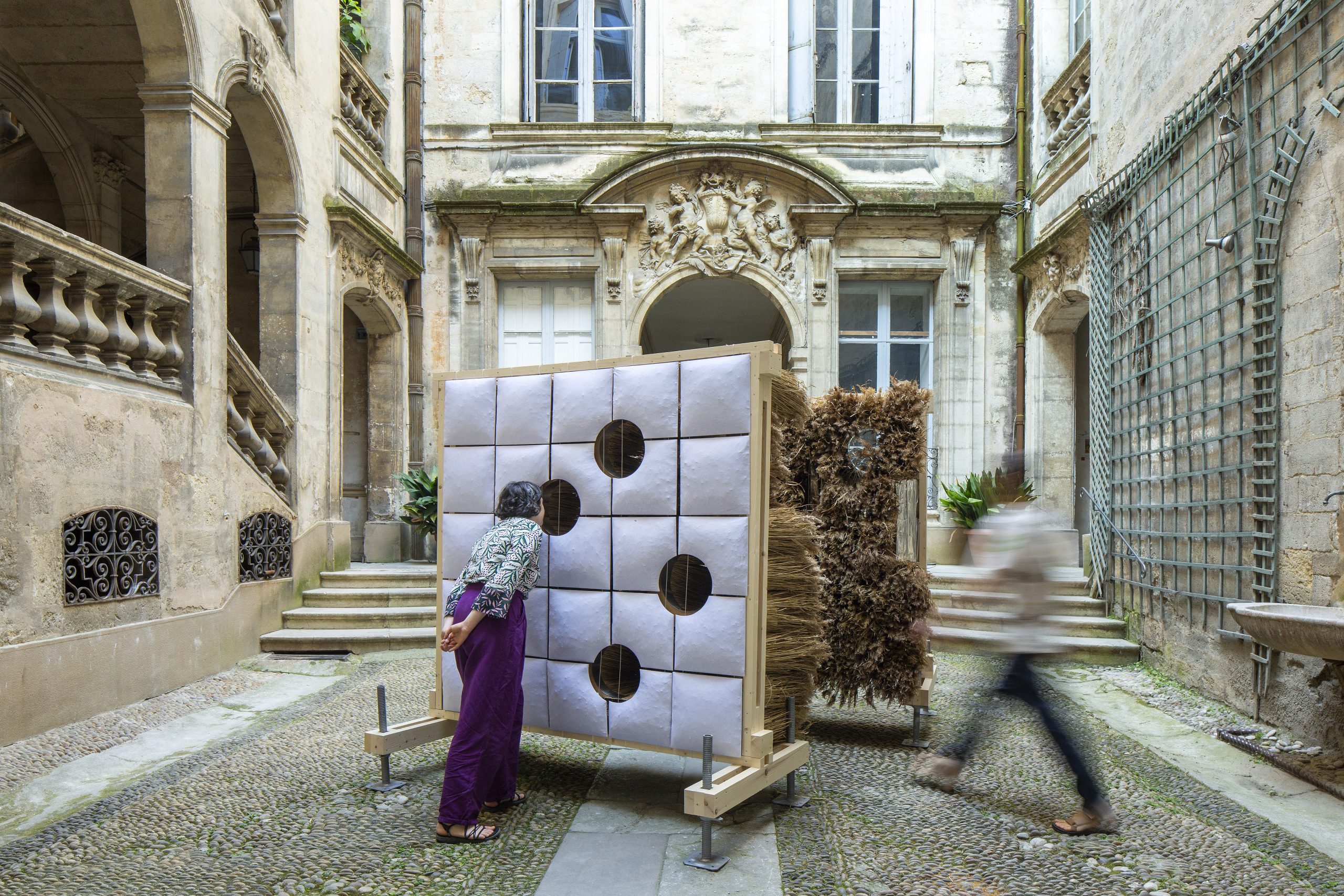
COAT pairs reed-filled pillows with fragrant sheaves in Chaume Sublimé, a tactile installation for Montpellier’s Festival des Architectures Vives.
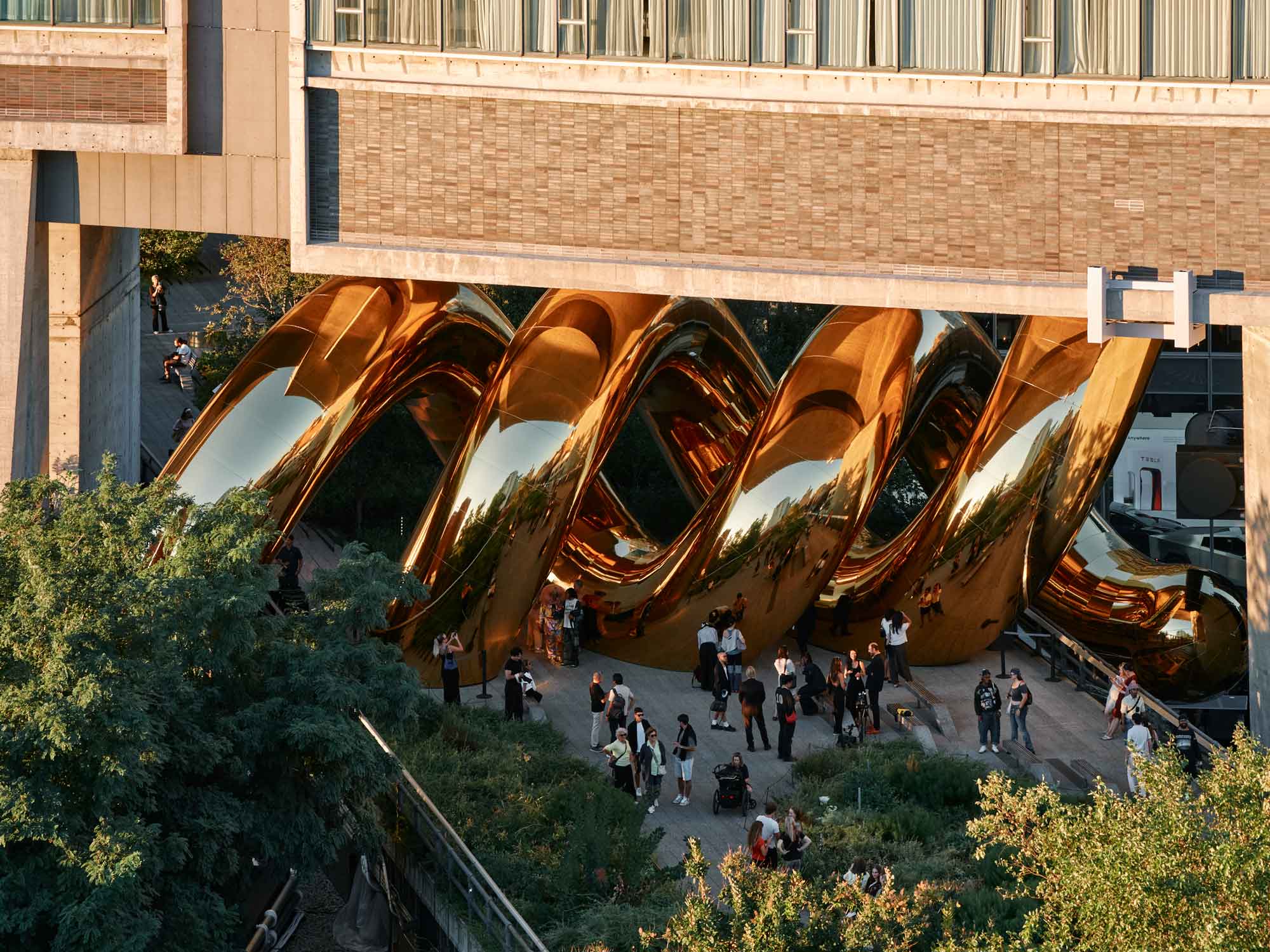
Plastique Fantastique’s auruBOROS brought two inflated gold coils to New York’s High Line, reflecting the city across a lightweight pneumatic sculpture.
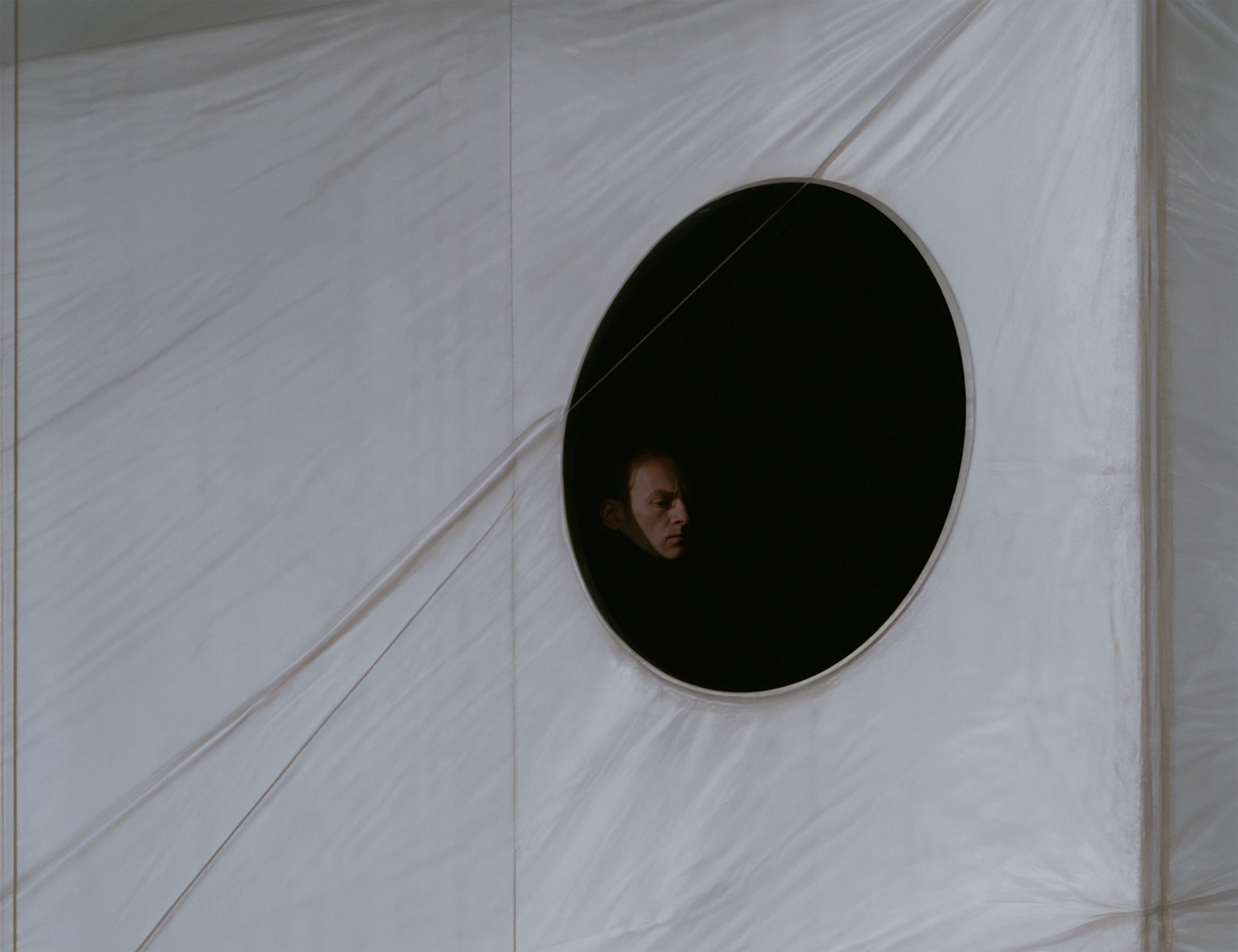
DOISDOIS examines housing, repetition and individual lives in MóDULO De ViDA, an ongoing image series of inhabited modular structures.
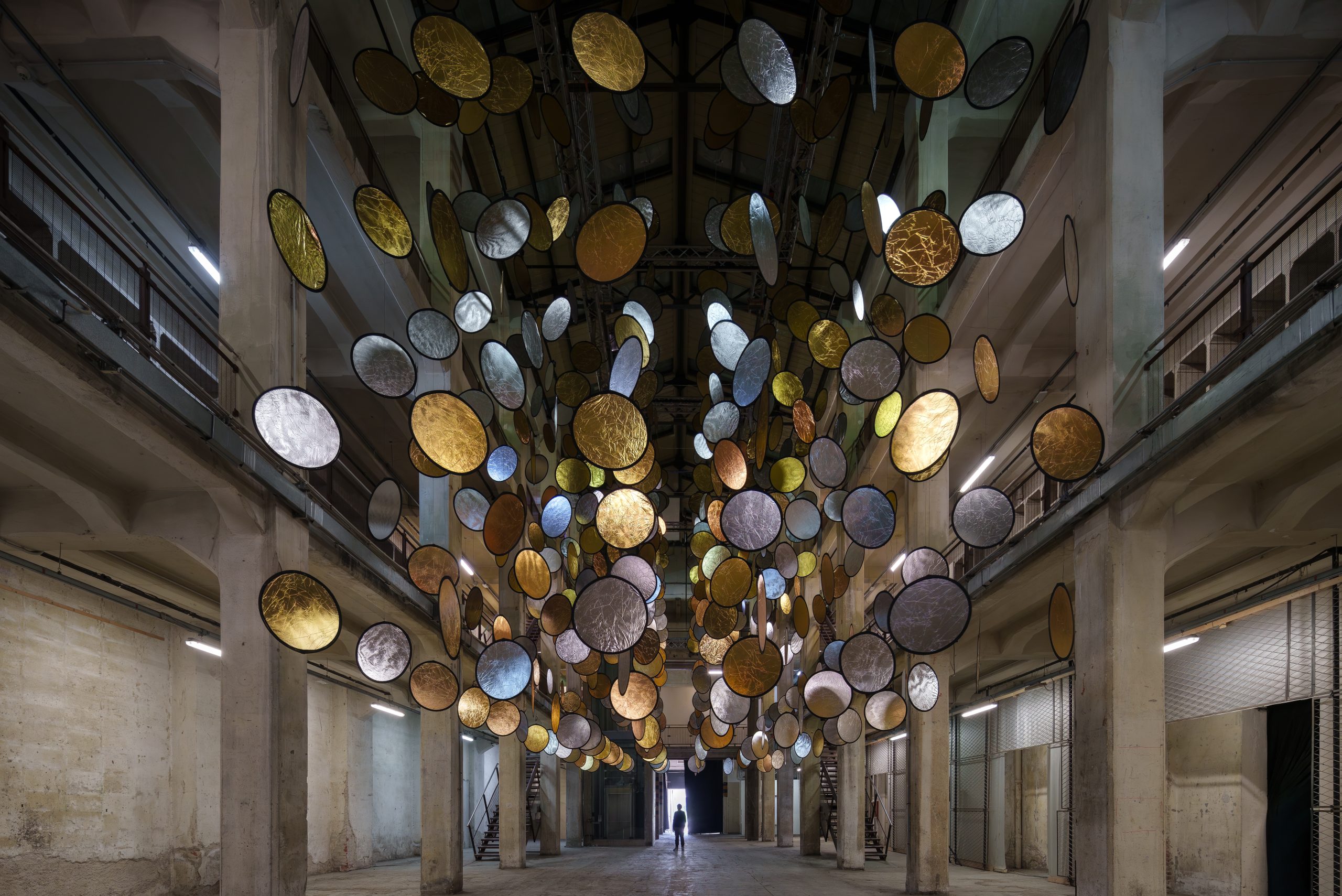
HALOS by SpY suspends rotating gold and silver circles inside a former railway factory in Florence, drawing on the atrium’s three levels and shifting reflections.
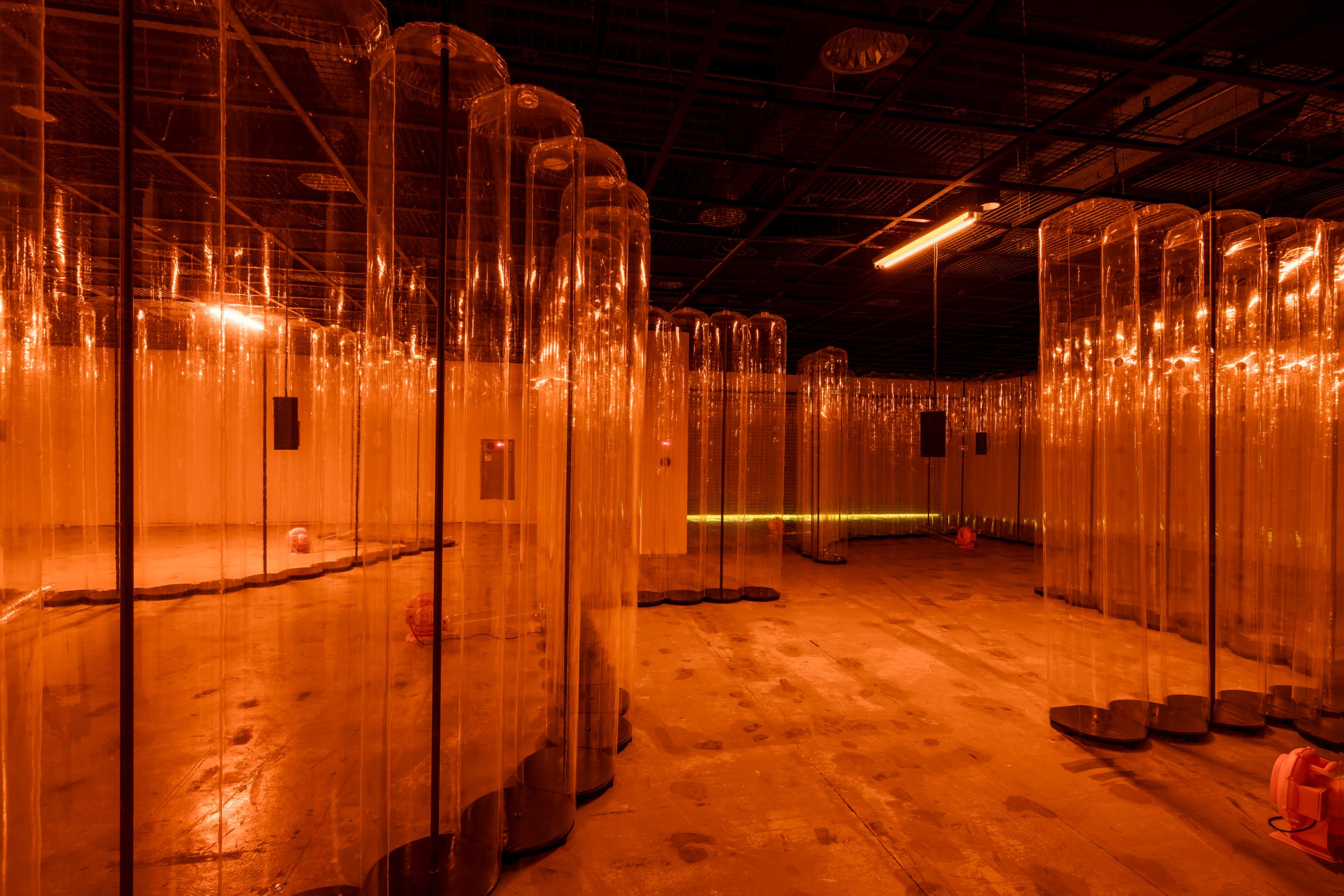
The 16th Gwangju Biennale, directed by Ho Tzu Nyen, explores change through five galleries spanning volcanic matter, bodily routines, collective memory and air.
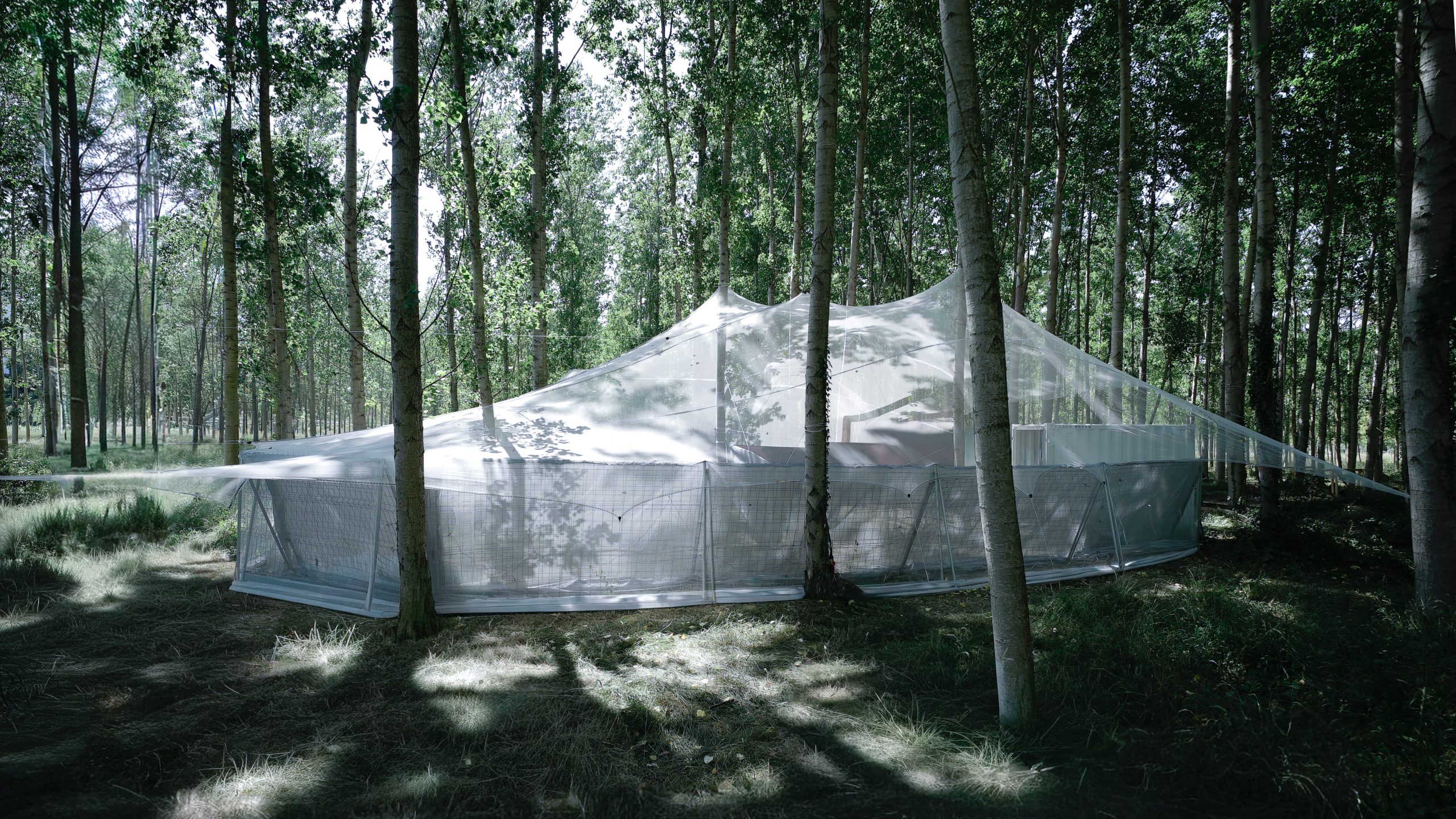
torresbagó suspends a 20-metre mesh canopy among poplar trees, shaping a light-filled backstage space for Festival Rizomes in Girona.
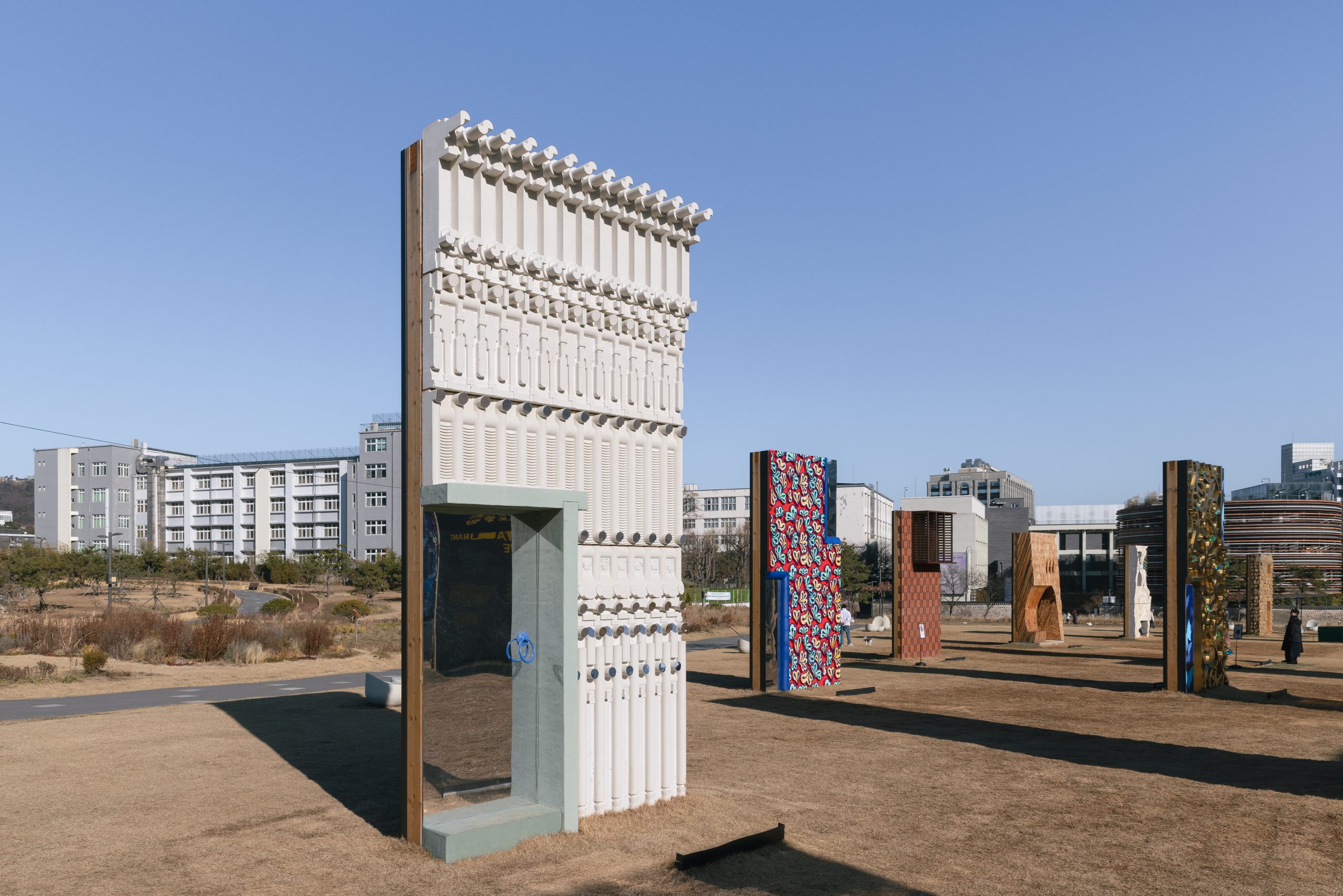
For the 2025 Seoul Biennale, Bureau de Change translated Korean roof-tile, timber and bamboo craft traditions into a layered concrete wall made with crushed reclaimed hanok tiles.