
Now Reading: The ephemeral essence: Smiljan Radić and the Poetics of Provisional Architecture
- 01
The ephemeral essence: Smiljan Radić and the Poetics of Provisional Architecture


In the oak-covered hills of Vilches, near San Clemente in Chile’s Maule region, a small structure once stood with the tense clarity of something both temporary and stubborn. Completed in 1996, Casa Chica was never intended as a family house in the conventional sense. It functioned instead as a compressed inhabitable object, reduced to the essentials of shelter, view, and occupation. Smiljan Radić later described it as a “canned” or “preserved utility”, a structure designed for a particular moment in life rather than for permanence. Compact, promiscuous in its adaptability, and faintly uncomfortable, Casa Chica condensed domesticity into an architectural experiment.
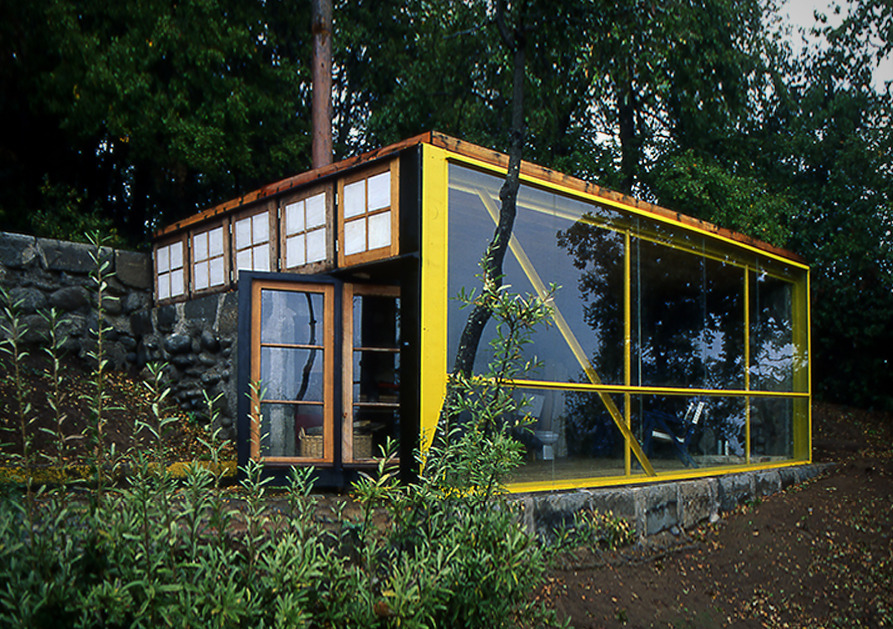
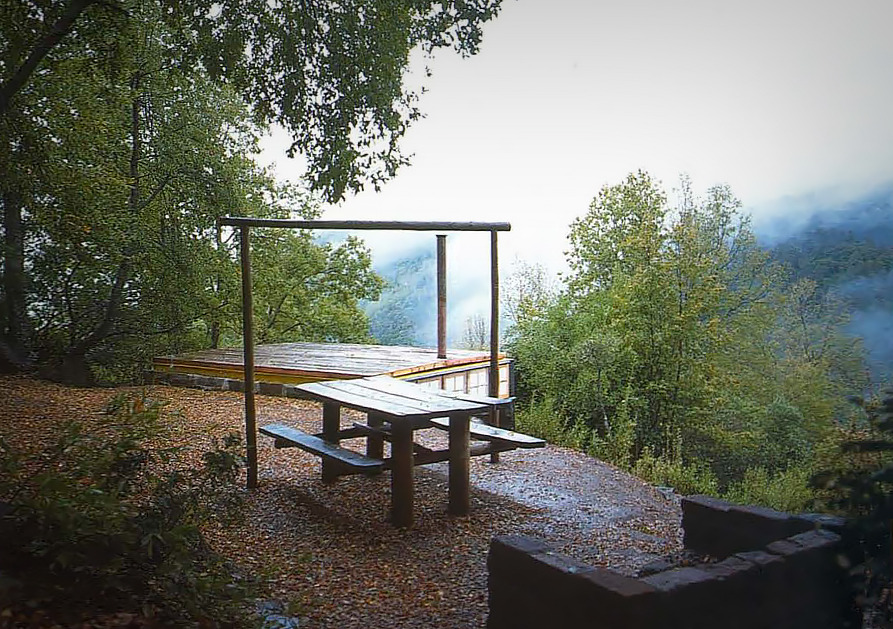
The building’s force lay less in what it offered than in what it resisted. In a discipline trained to equate seriousness with longevity, it proposed another equation: weight without monumentality, enclosure without destiny. Rough granite slabs and opportunistically gathered components suggested solidity, yet the project never claimed durability as a moral good. It was allowed to weaken, to slip from maintenance into disappearance. What remained was not a ruin to be curated but a memory of inhabitation, and an implicit permission to let architecture end.
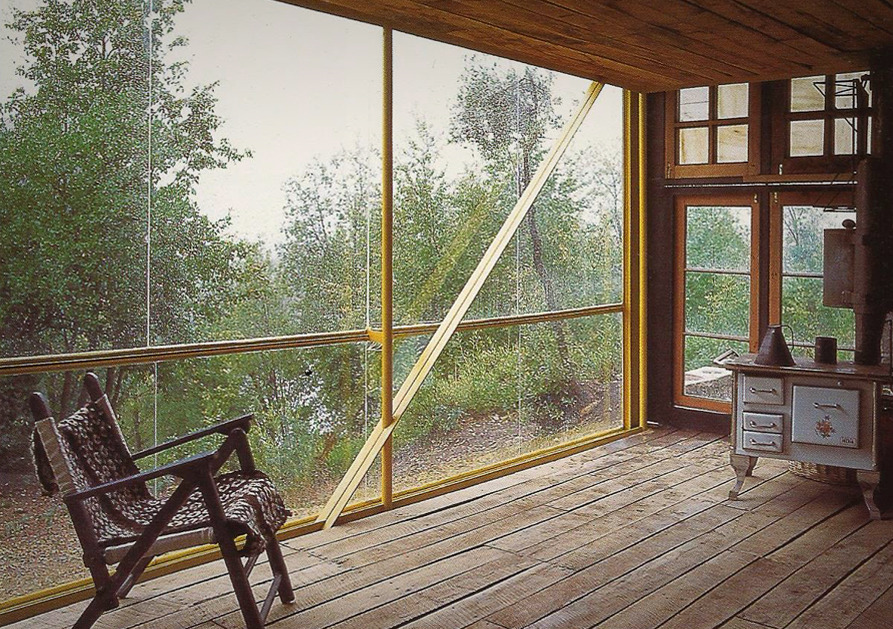
In retrospect, this early gesture reads as a prelude to an oeuvre that consistently privileges the provisional over the eternal. Radić’s work tends to arrive as an event rather than a statement. It behaves as shelter, pavilion, spatial episode, refusing the emotional inflation of the landmark. For readers accustomed to architecture narrated through spectacle and signature, his projects offer a quieter proposition: architecture as attention, as restraint, as an ethics of not taking too much.
Born in Santiago in 1965 to a family of Croatian origin, Radić graduated from the Pontificia Universidad Católica de Chile in 1989 and founded his practice in 1995. The historical background matters. Chile’s recent past is not an abstract context but an atmosphere of institutions, patronage, and suspicion. In Radić’s own account, major cultural institutions once symbolized what one had to oppose under dictatorship, not only because of conservatism but because of their association with state power. In the present, the cultural sector remains structurally fragile. Public funding is meagre, and artists learn to work with little support, regardless of whether governments are right wing or left wing. This political economy of culture, more than any theoretical posture, helps explain why Radić repeatedly returns to the provisional, the contingent, the opportunistic.

A crucial dimension of his trajectory is his long collaboration with sculptor Marcela Correa, a partnership that blurs the boundary between architecture and object, between inhabitable space and sculptural presence. Radić’s references are often discussed in relation to Land Art and radical architecture, but quotation is never the point. What his work shares with earthworks and site-specific sculpture is an attitude toward mass, distance, and the charged ambiguity of the found. Rocks are not merely construction materials in his projects; they function as anchors and measures of time. Their ponderous timelessness is then unsettled by a counter-obsession: membranes, fabrics, inflatables, forms that behave like air made visible.

This pairing is not stylistic, but strategic. Radić is unusually direct about why inflatables attract him. They are ugly and amorphous, difficult to measure, almost visceral in the way they occupy the body. They resist proportion, resist the clean reassurance of geometry. Historically, their political charge came from insecurity. In the 1960s, the attraction was precisely the sense of stepping into something closer to an installation than a building. Today, under strict safety regimes, the same typology can be domesticated into compliance, becoming a controlled object with an exotic skin. Radić refuses nostalgia for either condition. What interests him is the tension between them: the moment when a fragile thing must negotiate the world’s demand for stability.
Method is central to this position. His process frequently begins with low-fidelity models, often in paper or papier-mâché, as if the first task were to catch an atmosphere before it is disciplined into geometry. The interest is not polish but immediacy. A building’s character is allowed to appear early, and refinement is treated with suspicion, as something that can bleach the original intuition. Where much contemporary architecture strives to look inevitable, Radić lets contingency remain visible: improvised joints, unexpected weights, forms that retain the impression of having been assembled rather than resolved.
His parallel passion for radical architectural ephemera sharpens this stance. The collection he has built is not merely a private archive but a working climate. It is filled with drawings and documents that sit in the ambiguous zone between utopia, installation, and fragile construction. What matters to him is not the object’s conventional beauty but its character, its imperfections, its imaginative density. He speaks of believing more in the confusing environment formed by references than in the objects themselves. In a discipline increasingly shaped by homogenous digital production, these analogue traces hold a stubborn proof of presence: someone pushed a pen, someone endured a long process, someone left behind a texture that cannot be smoothed into anonymity.
From the seed of Casa Chica, Radić’s work can be traced as an expanding series of experiments in how architecture can remain light on the earth while still carrying presence. In the early 2000s, houses and small structures explored this ethic through raw assemblies and an avoidance of excess. Coastal retreats and rural refuges were conceived not as lifestyle objects but as instruments for living with climate, terrain, and isolation. The ambition was tactile rather than visual: to construct rooms in which materials register time, and interiors that feel held without becoming sealed.
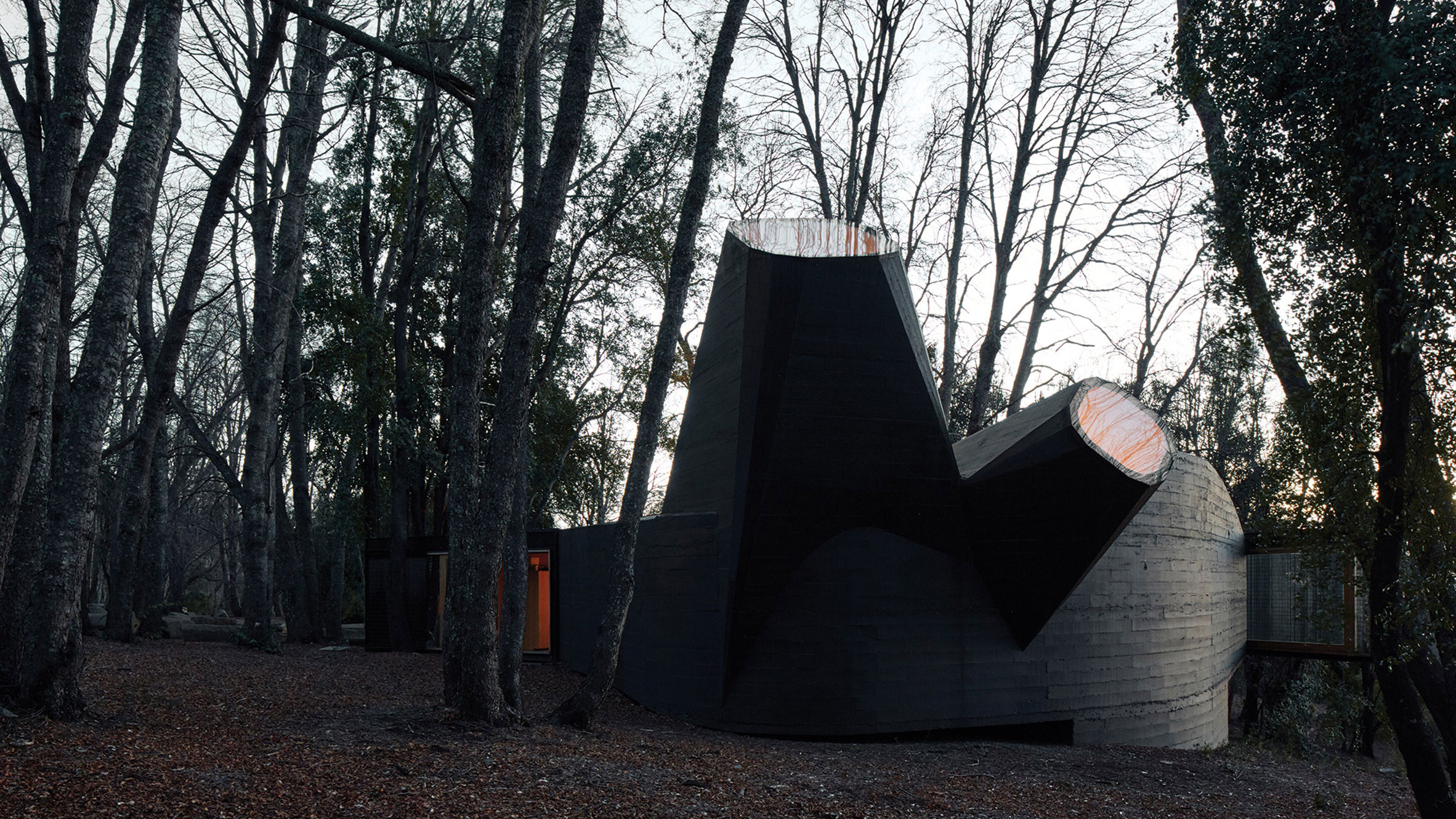


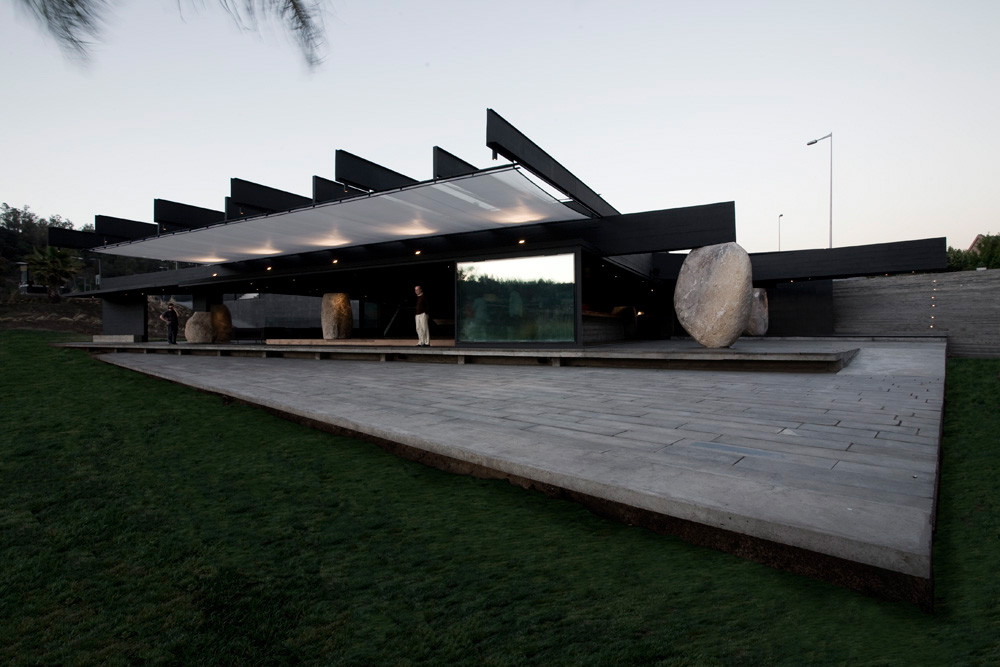
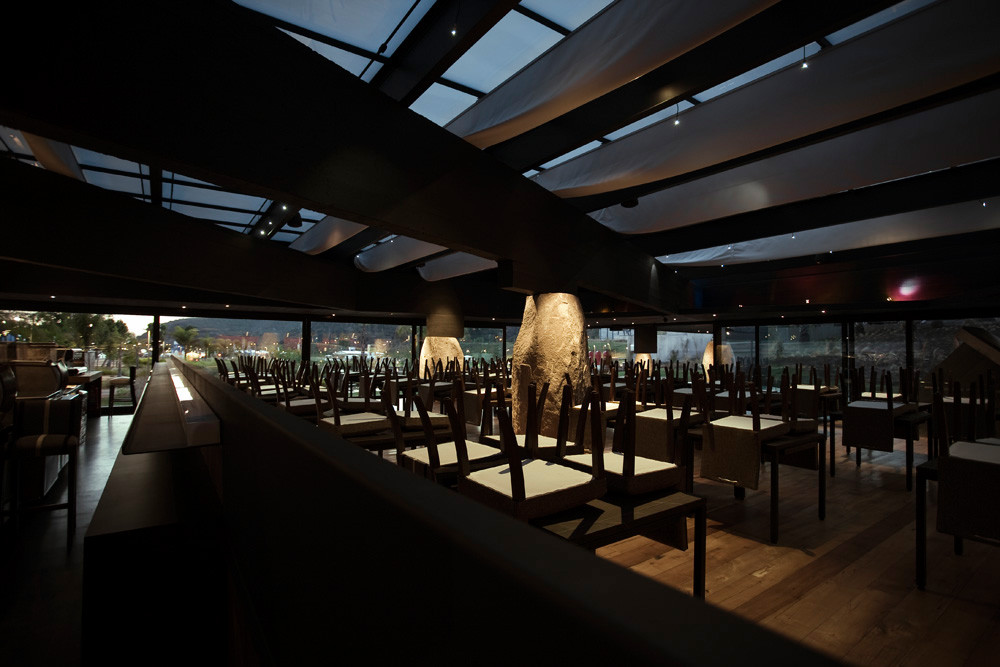
A more public articulation appears in projects such as Mestizo in Santiago, where geology becomes part of the architectural argument. Here, massive stones are neither concealed nor aestheticized. They are simply present, confronting the city with gravity and fact. The building refuses the decorative alibi of the façade. It insists on the ground, and on the difficulty of building as something other than image.
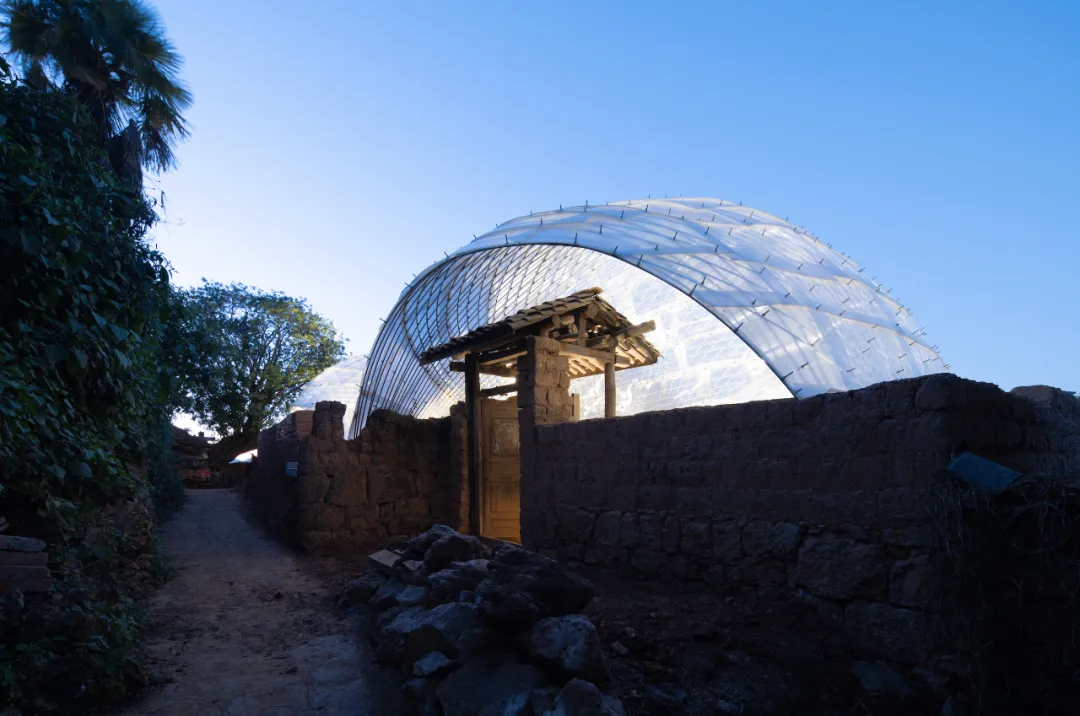
In 2014, Radić’s Serpentine Pavilion in London translated this vocabulary into a global register. A semi-translucent shell-like volume rested on large quarry stones, engineered to look as if it might float. The pavilion’s effect came from its refusal to declare itself through height or heroic form. It worked through proximity, surface, and atmosphere: a thin luminous skin, an interior organized around a void that altered one’s sense of enclosure, and a presence that felt at once archaic and provisional. When the pavilion later gained a second life outside London, it quietly revealed a recurring contradiction in Radić’s project. The architecture that argues for temporariness is also the architecture that the world tries to keep.


Radić’s museum work exposes the same contradiction in institutional form. His extension of the Chilean Museum of Pre-Columbian Art in Santiago is instructive not only for what it built, but for the political conditions that enabled it. Funding came not from the state but from private industry during a moment of financial surplus. The project was, in his telling, a windfall, and therefore not a model to be replicated systematically. In this context, the inflatable becomes more than a material trick. It becomes a way to slip past the heavy hand of heritage formalism by proposing a roof that is almost immaterial, composed of air. The point is not to fetishize lightness, but to use it as a pragmatic and poetic tool under constraint.

This attention to constraint deepens into an argument about cultural display itself. Radić draws a sharp line between museography and presentation. Conventional museography, he suggests, tends to crucify objects, nailing them to walls, forcing them into obedient narratives that exist mainly to justify catalogues. Presentation, by contrast, is the arrangement of life in space. It triggers strange energies among works. It can awaken things that have been sleeping in storage. It is a field of positions rather than a moral lecture. The implication is architectural. A museum should be closer to a public square than to an oversaturated power player. It should be a place one can enter briefly, freely, like a park, choosing one’s own intensity rather than submitting to an institutional script.


The civic buildings extend these principles at an urban scale. Teatro Regional del Biobío, completed in 2018, treats public presence as atmosphere rather than monument. Its luminous envelope turns the building into a shifting condition at night, less a singular object than a signal along the riverfront. It does not dominate by mass. It occupies through light, rhythm, and time.

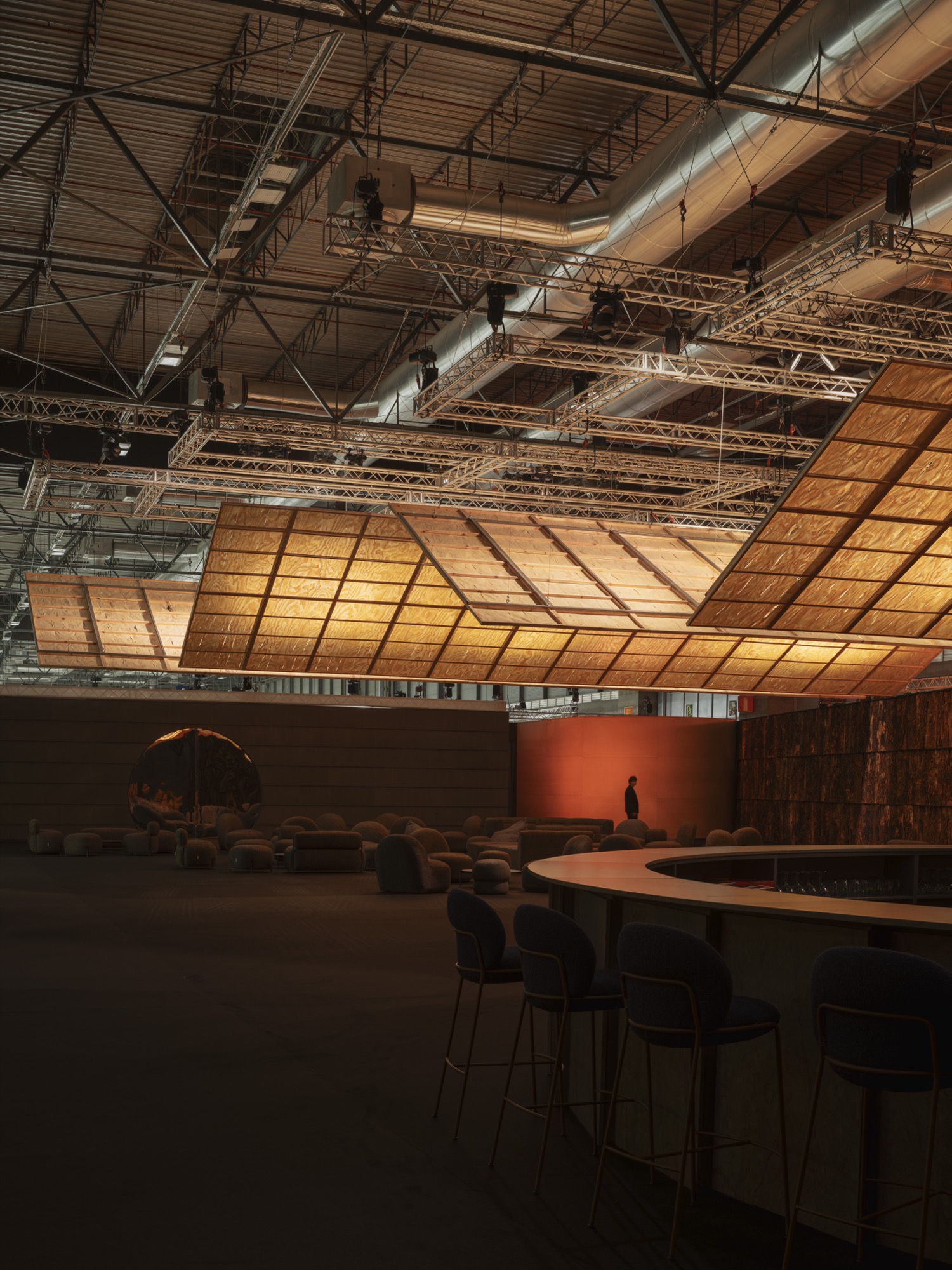
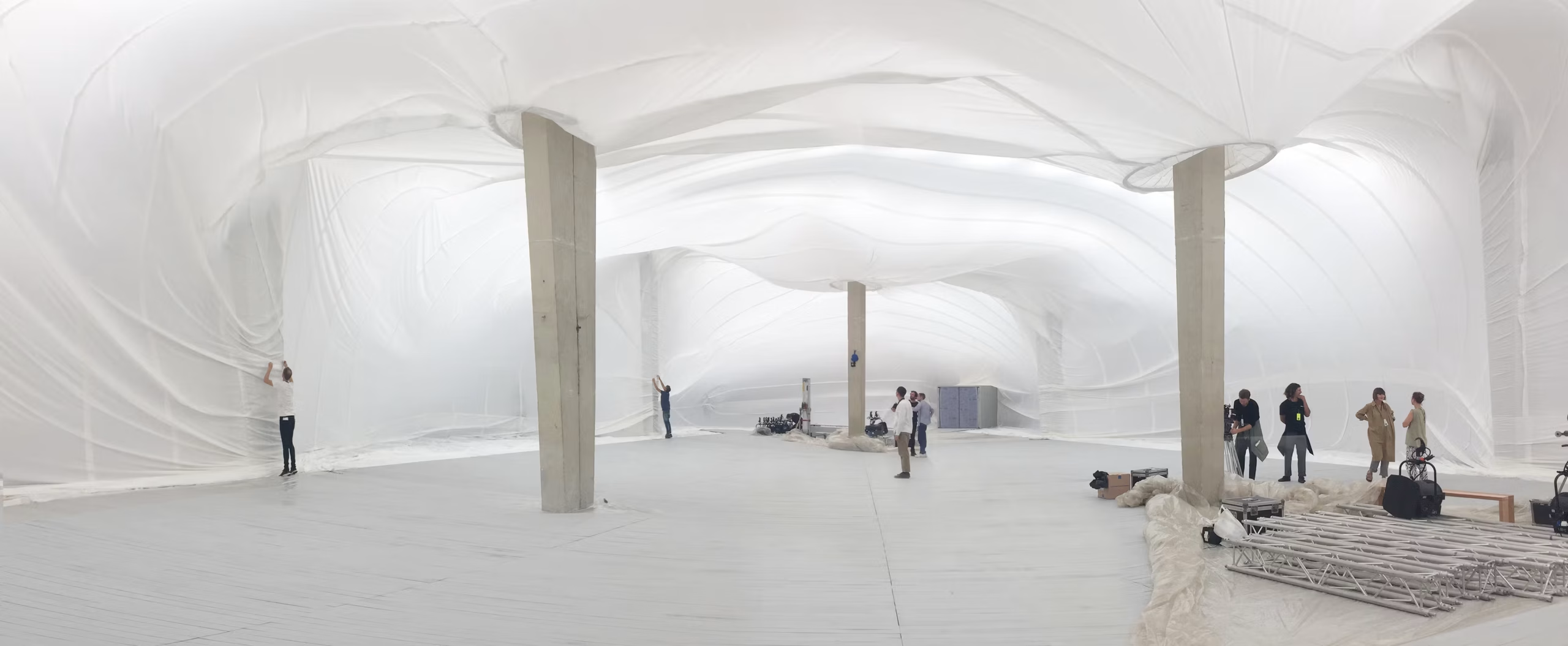
Recent work pushes the logic further into explicitly temporary structures for exhibitions, runway shows, and cultural events. Inflatable architectures appear as devices that can make a hostile interior temporarily disappear, or as tent-like installations that insert protected pockets within a large hall, allowing the viewer to enter an intimate zone while images bleed through translucent fabric. These gestures are not only formal. They are disciplinary critiques, refusing the assumption that architecture’s highest ambition must be permanence.
There is, in Radić’s thinking, a deeper psychological register that binds these positions together. He speaks of worlds existing simultaneously in parallel, only occasionally glancing and touching. Wonder and not belonging become moments of waking from the lethargy of selfish existence and entering becoming. The immigrant consciousness he describes, a movement between estrangement and the productive need to make objects and memories, offers a useful lens. Radić’s architecture does not try to resolve dislocation into identity. It learns to operate from within it. It accepts unclear roots as a condition of freedom, an ability to belong to what one chooses rather than to what one inherits.

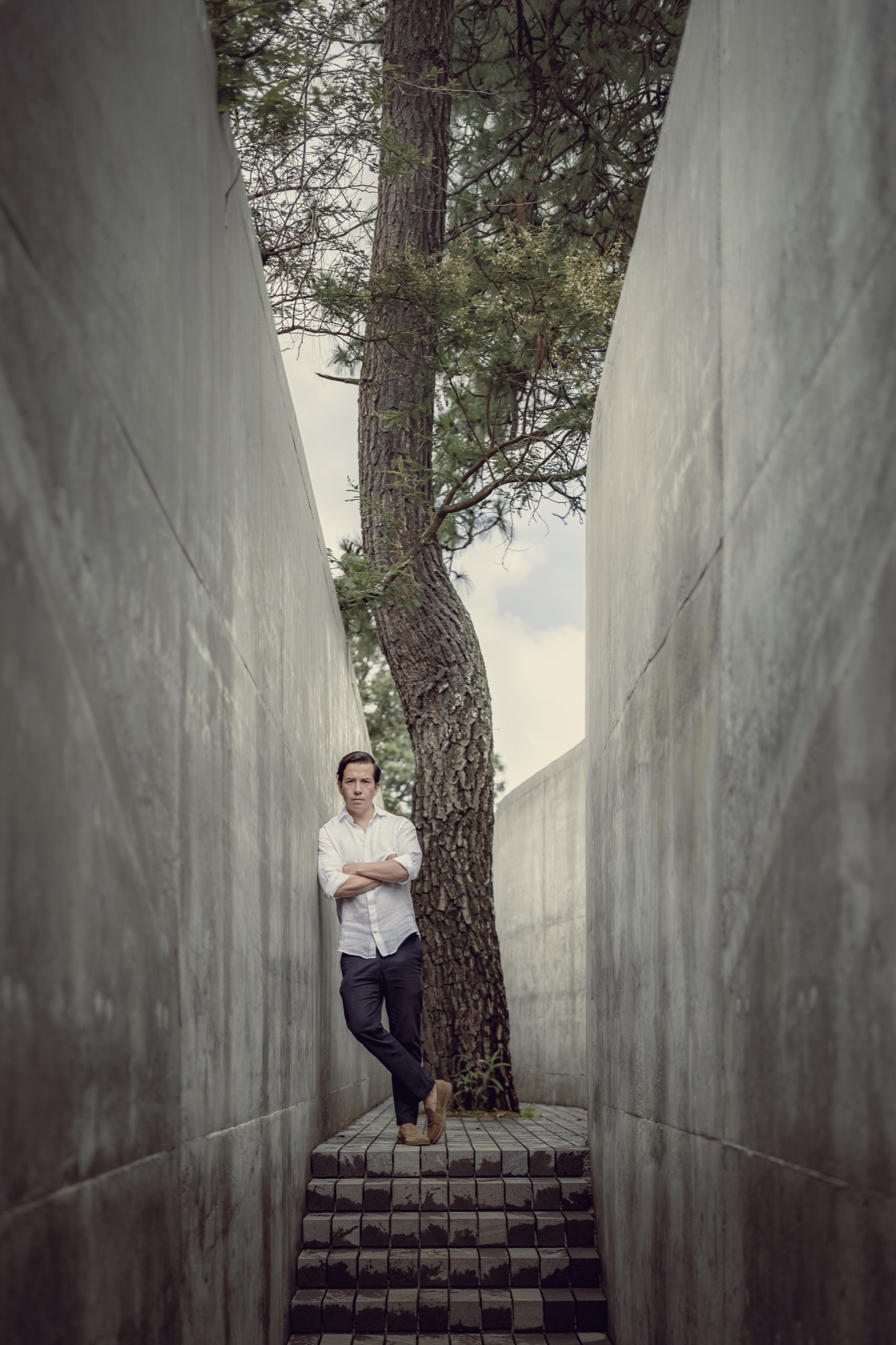
Credit: Photograph © Dezeen.
In an era marked by climate crisis and the exhaustion of permanent building as default ambition, Radić’s work proposes another value system: the dignity of the temporary, the intelligence of restraint, the possibility that architecture can matter deeply without pretending to last forever. His projects do not romanticize disappearance, but they refuse the anxiety that so often drives architecture toward overbuilding and overstatement.
Returning, finally, to Vilches and to the absence of Casa Chica, one begins to see how Radić’s architecture operates at its most radical. It does not seek to outlive the landscape. It seeks to meet it, briefly but intensely, and to leave behind not a monument, but the memory of a moment when shelter, material, and terrain held each other in balance.
Photo Cover
Radić designed this opaque, temporary inflated bubble, sewn and built from nylon parachute cloth, for Céline’s Spring Summer 2018 show, Phoebe Philo’s last as creative director, at Paris Fashion Week. Radić’s inflatable was intended to render the site’s actual “hostile interior”, a set of tennis courts on the outskirts of Paris, invisible for the duration of the show. Photography by Tim Elkaim. Courtesy of Smiljan Radić.