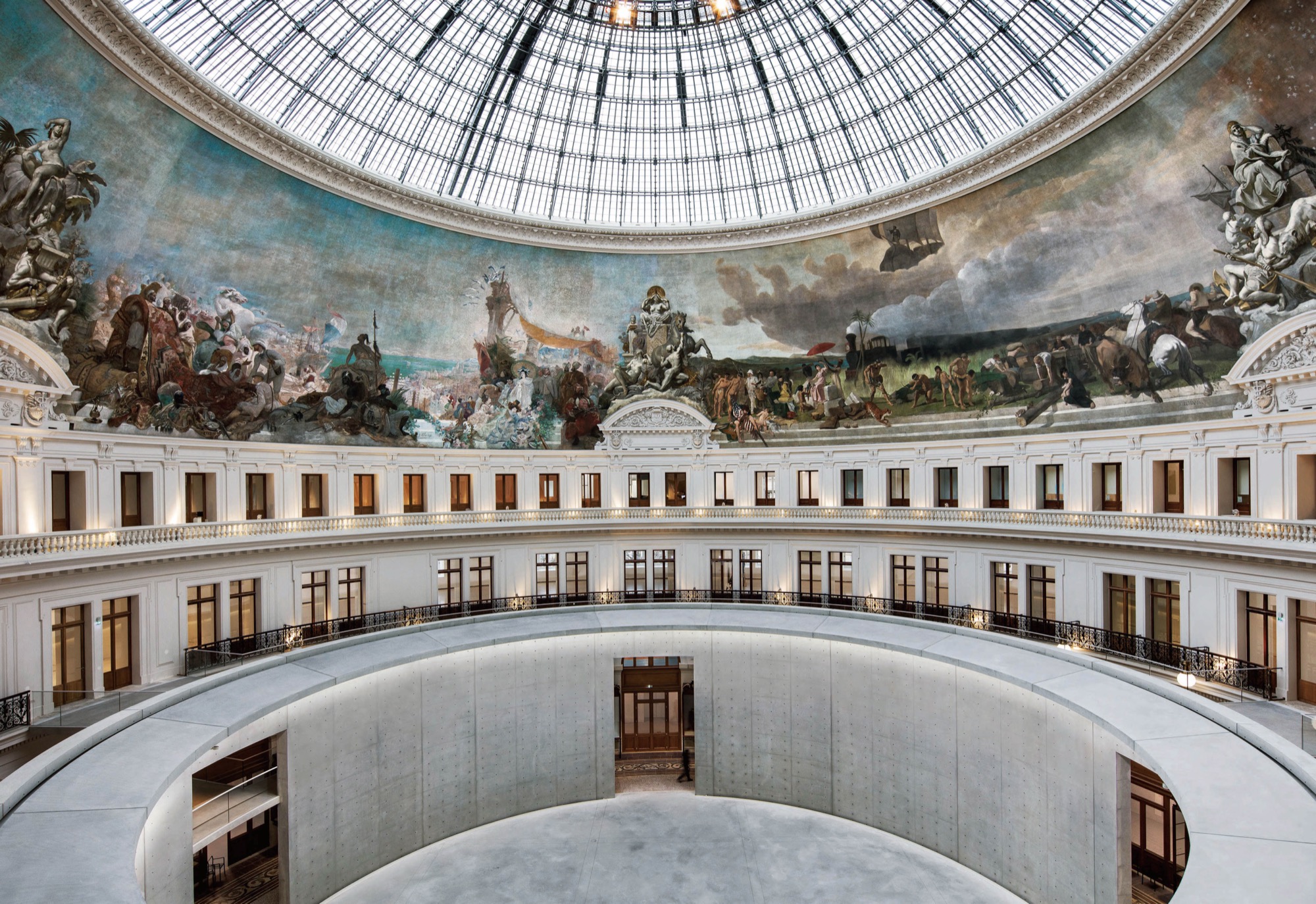

This feature examines Tadao Ando’s architectural interventions in France, exploring how his concrete minimalism reshapes historic contexts from Paris to Provence through light, void and material precision.
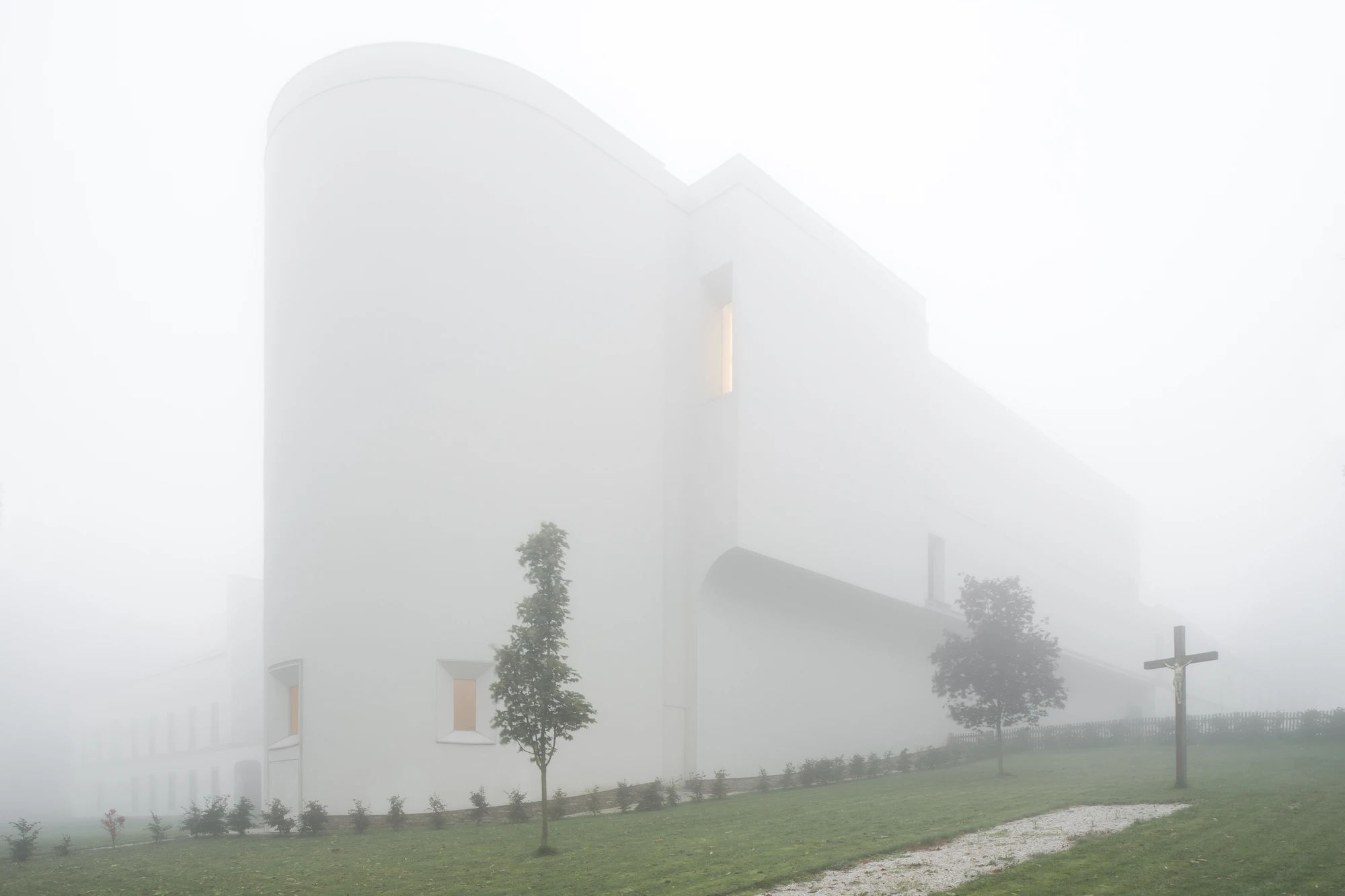
An in-depth look at John Pawson’s Nový Dvůr Abbey and how his restrained architecture reshapes minimalism in contemporary Europe.
Paul Rudolph’s 1965 Manhattan office used a raised mezzanine, layered section and controlled light to explore his idea of space.
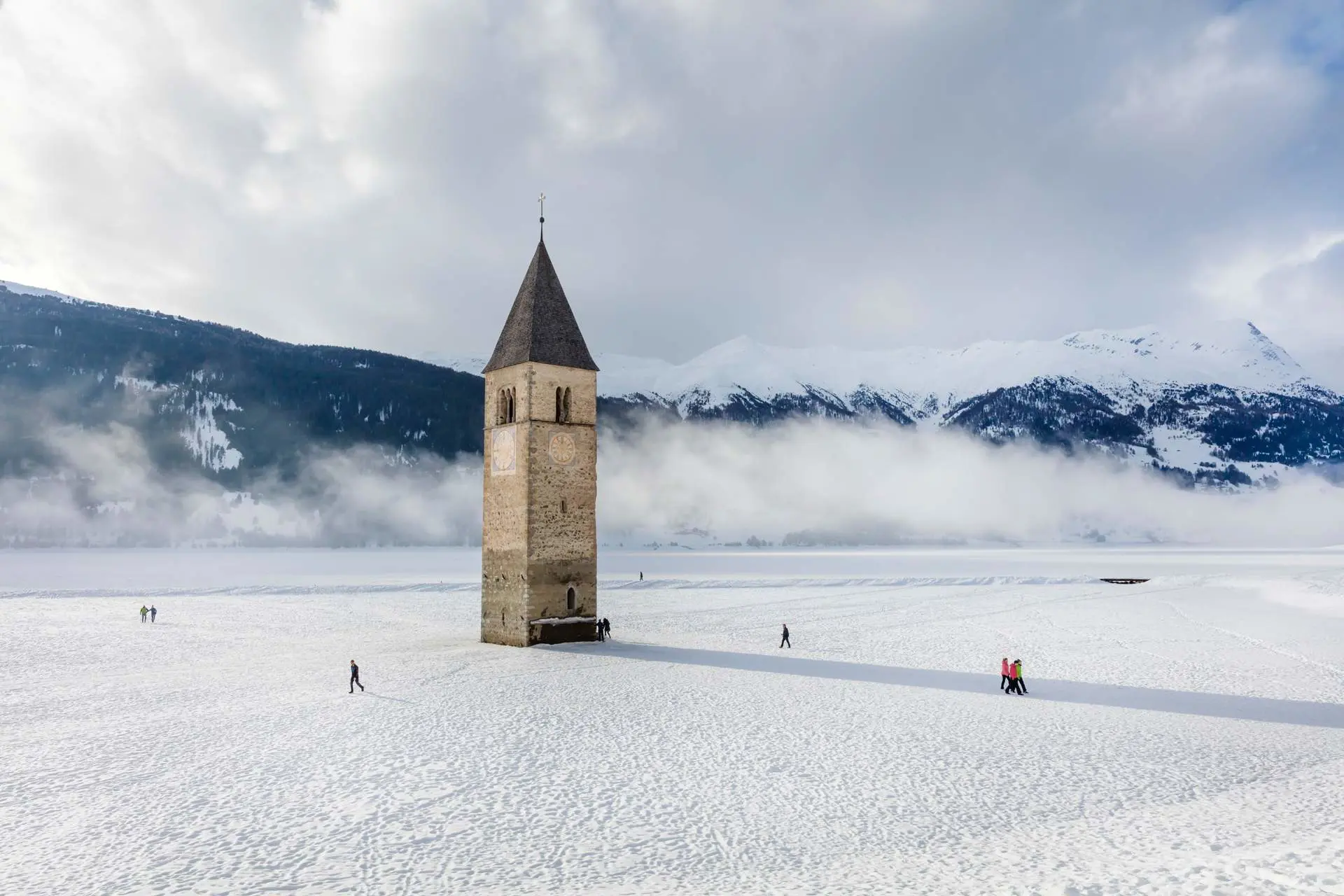
The 14th-century bell tower of Curon rises from Lake Resia in South Tyrol, the only remnant of a village submerged in 1950 for a hydroelectric reservoir.
An in depth architectural essay on Oscar Niemeyer, examining Palazzo Mondadori as a refined expression of his curved modernism in Europe.
This essay examines the modern architecture of Pyongyang through the lens of ideology and urban form. From the unfinished Ryugyong Hotel to the city’s pastel high rises, the article explores how architecture in North Korea operates as a disciplined instrument of belief, governance and endurance. Positioned within a broader global context, the text reflects on monumentality isolation and the political capacity of the built environment.
This longform essay examines the work of Christo and Jeanne-Claude through the lens of impermanence, beginning with Valley Curtain and tracing their use of fabric, scale, and process to redefine art as a temporary experience rather than a permanent object. Exploring their philosophy of artistic freedom, self-funded practice, and engagement with landscape and public space, the article reflects on how disappearance, rather than endurance, became the defining force of their legacy.
This longform essay examines the architecture of Peter Bohlin through the lens of soft modernism. Beginning with the Eric and Ann Bohlin House and extending to major civic and cultural works, the article explores how Bohlin’s architecture integrates material honesty, light, and spatial unfolding to create humane and enduring environments. Written in a reflective editorial voice, the essay situates Bohlin’s work within contemporary architectural discourse while emphasizing architecture as lived experience rather than formal dominance.
An essay on Otl Aicher’s role in post war German design, exploring clarity, ethics, and visual systems from Ulm to Munich 1972.
How Carlo Scarpa used craft, light, and detail to create timeless architecture, from Querini Stampalia in Venice to his most enduring works.