Now Reading: Kerry Hill: The quiet architect who whispered luxury into Asia’s landscapes
- 01
Kerry Hill: The quiet architect who whispered luxury into Asia’s landscapes


Imagine stepping off a dusty road in Siem Reap and crossing the threshold into Amansara. The shift is almost imperceptible. Outside noise falls away; inside, the atmosphere tightens into poise. Pale walls hold light without demanding attention. A long pool extends the horizon, catching the canopy’s movement as if the landscape itself were part of the architecture. Deep eaves temper the heat. Screens and crafted details read as local, yet never literal. Nothing performs for the camera. Everything asks you to slow down.

This is a useful way to enter Kerry Hill’s work: not through spectacle, but through calibration. Luxury, for Hill, was never a matter of ornament or display. It was a disciplined agreement between building and place, where comfort is produced by shade, proportion, airflow, texture, and time.
Born in Perth in 1943, Hill graduated from the University of Western Australia in 1968. In 1971 he moved to Asia, beginning a career that would be shaped by equatorial climates and a close reading of cultural context. After working across the region, he established Kerry Hill Architects in Singapore in 1979 and later became a permanent resident. Singapore’s humidity, rainfall, and hard brightness became a testing ground: a place where the fundamentals of climate responsive design are not theoretical, but daily reality.
Hill’s most enduring public legacy is inseparable from his relationship with Aman and its founder, Adrian Zecha. Zecha championed a form of discreet hospitality that offered sanctuary without theatrics, and Hill proved an unusually precise architectural counterpart. Over time, Kerry Hill Architects designed nine Aman properties. Across them, Hill refined an approach that feels simultaneously modern and rooted: a quiet choreography of thresholds, courtyards, water, screens, and long shaded edges, where the building does not dominate its site so much as negotiate with it.
In a design culture that rewards the loud, Hill chose restraint. He resisted what he called “plonk architecture” the generic object dropped onto a site with minimal regard for local conditions. His practice began with observation: how monsoon rain changes the angle of light, how breezes move through humid air, how daily rituals shape the use of verandas and courtyards, how craft embeds memory into material. He drew strength from a lineage of tropical modernism, including the contextual intelligence of Geoffrey Bawa, yet his own language remained notably abstract. Tradition was not something to mimic; it was something to perpetuate through re interpretation, proportion, and material association.
Amansara illustrates the complexity of that ethic in built form. The estate was originally built in 1962 as Villa Princière, designed by French architect Laurent Mondet for King Norodom Sihanouk. Hill’s later work reframed the property as a retreat calibrated to Angkor’s gravity without leaning on historical pastiche. The project’s power is not in quotation, but in control: the way quiet corridors compress before opening into gardens, the way surfaces accept shadow, the way privacy is created through planning rather than barricade. It is modernism made attentive, not generic.


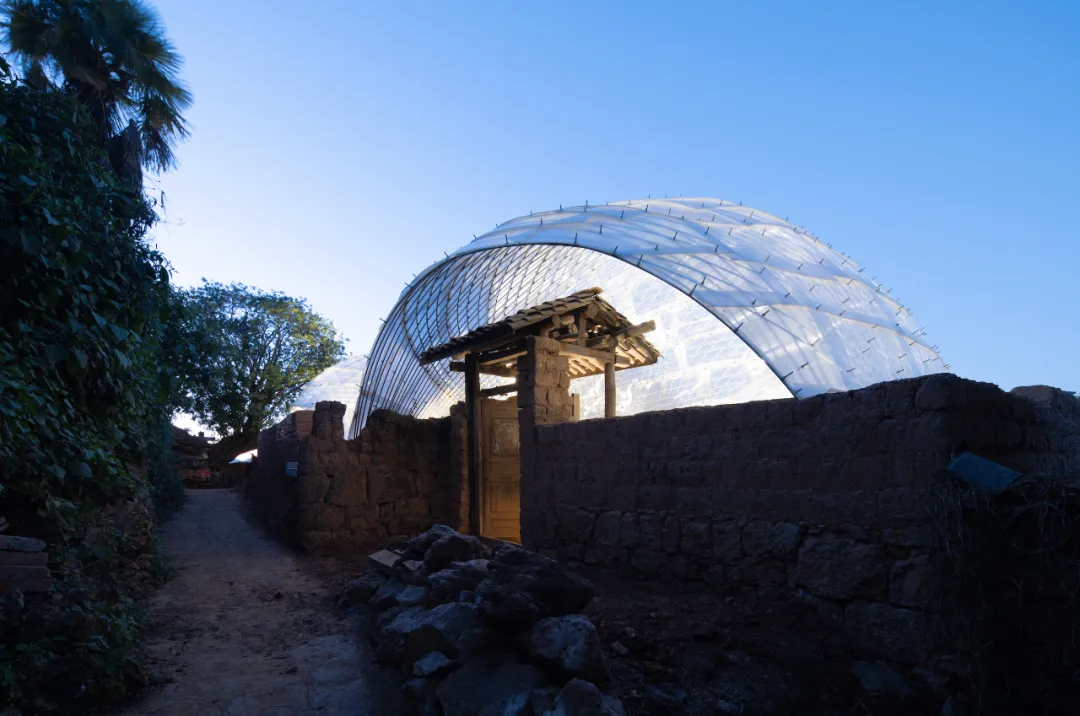
If Amansara is about restraint and repair, Amanyangyun, near Shanghai, expands Hill’s role into stewardship. The story begins not with design ambition but with rescue. After plans for a reservoir were approved in 2002, an entrepreneur initiated the relocation of 50 Ming and Qing dynasty villas and roughly ten thousand trees to a new site. Hill’s task was to make that improbable transfer legible as lived experience rather than museum display. The relocated houses were restored and reassembled into a village like ensemble, with a portion adapted into 26 villas, their inherited timber and stone detailing held in tension with contemporary additions. The result is neither nostalgia nor theme park. It is a landscape of continuity, where the past is not performed as décor but carried forward as structure, craft, and spatial etiquette.

Hill’s philosophy was also environmental, long before sustainability became a marketing language. In tropical climates, comfort can be designed rather than purchased. Wide overhangs reduce heat gain. Courtyards draw air through rooms and provide light without glare. Water bodies cool microclimates and tune acoustics, turning temperature control into an aesthetic condition. These strategies do not merely lower energy demand; they build a kind of sensorial literacy. Guests become aware of airflow, shadow, and the slow changes of daylight. Architecture does not isolate them from place. It attunes them to it.
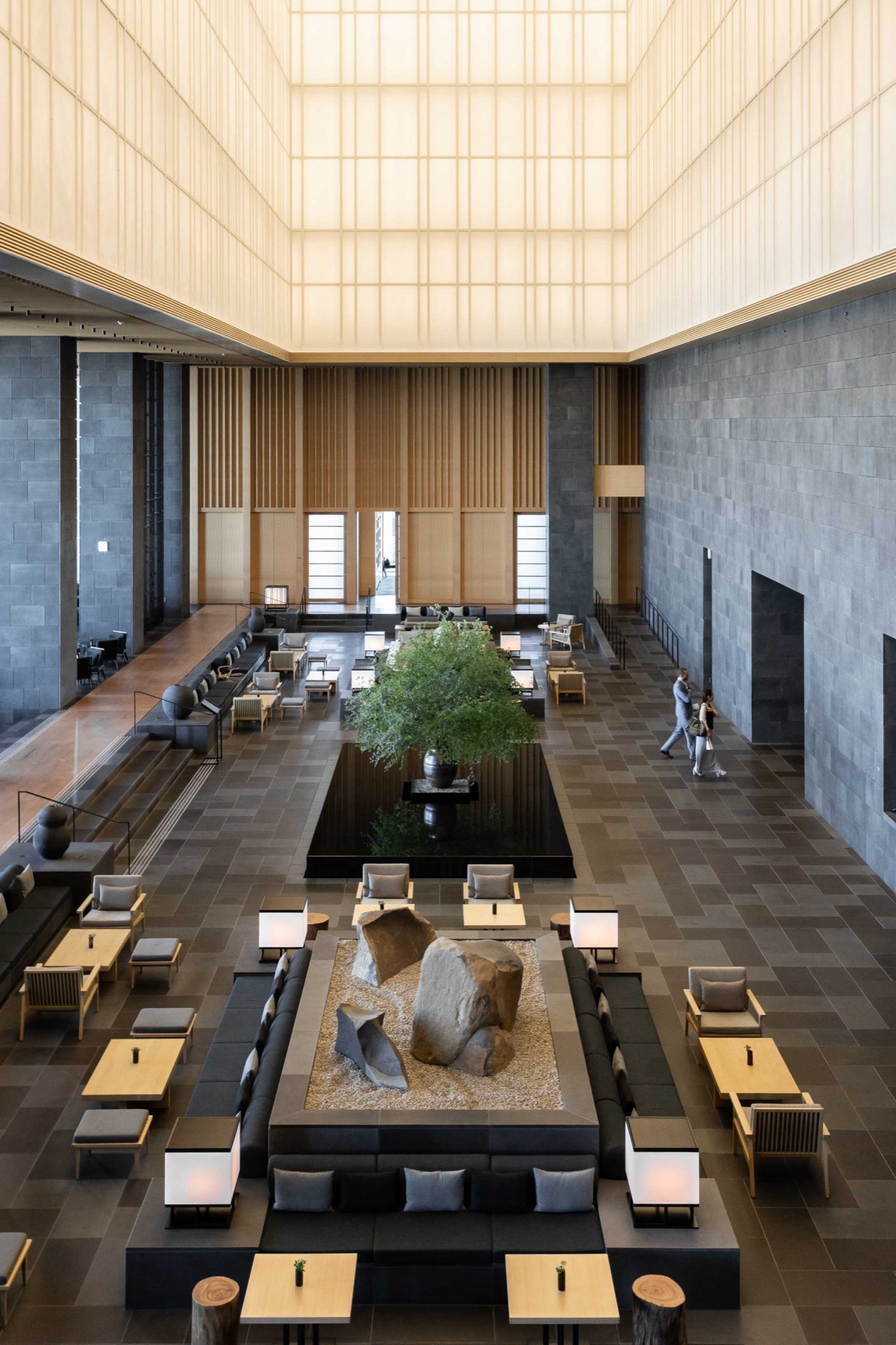
Nowhere is that sensibility more striking than in Hill’s urban projects, where the contrast between noise and calm can be measured almost physically. Aman Tokyo, occupying the upper floors of Otemachi Tower, stages arrival as a sequence: compression, ascent, release. The lobby is defined by a lantern like volume of washi paper that rises through multiple levels, transforming an office tower address into something closer to a sheltered interior landscape. The language is contemporary, yet anchored in the logic of Japanese spatial culture: edges that act as thresholds, gardens understood as optical instruments, and a preference for indirectness, where the most important effects are suggested rather than announced.
In rural Japan, Amanemu translates a different tradition. Set in the Ise Shima region, the resort draws on the typology of minka and the atmosphere of onsen culture: low rooflines, dark timber exteriors, and screens that filter rather than block light. The craft is present, but never fetishised. Materials are limited and carefully deployed. Interiors rely on texture, joinery, and quiet tonal shifts to sustain calm. The project demonstrates Hill’s consistent skill: abstraction without erasure, specificity without costume.

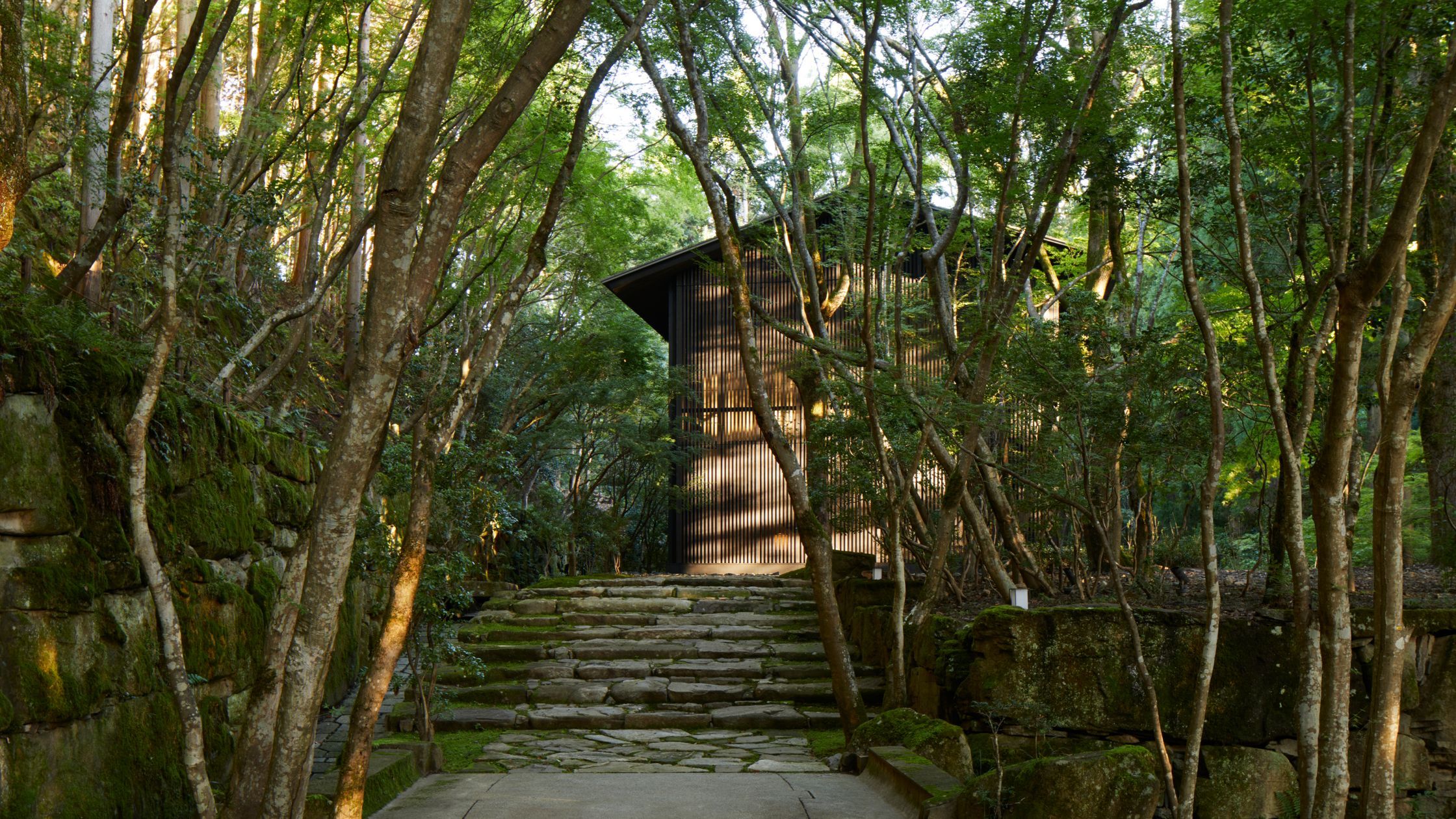
Aman Kyoto, completed after Hill’s passing, reads as an elegy to that method. Set within a secret garden and forested terrain, the architecture is deliberately understated, allowing moss, stone, and trees to carry the emotional weight. Paths wander rather than march. Pavilions sit as if they were found rather than installed. The resort’s relationship to nature is not an image; it is a discipline of modesty, where the building behaves as guest.

While the Aman series is a convenient lens, Hill’s influence extends beyond it, reinforcing the same ethical core across typologies and geographies. The Datai Langkawi, completed in 1993, is widely cited for its minimal impact approach and received the Aga Khan Award for Architecture in the 1999–2001 cycle. Rather than presenting the rainforest as backdrop, the project works with topography and vegetation to preserve atmosphere as a primary asset. In Bangkok, The Sukhothai, opened in 1991 and designed with Ed Tuttle, uses water, courtyards, and pavilion sequences to create an urban sanctuary shaped by Thai spatial memory rather than superficial motif.

What unites these projects is Hill’s distinctive design language: scrupulous simplicity, geometric clarity, and a preference for long horizontal lines that bind architecture to landscape. His buildings rely on proportion and sequence more than on signature forms. Deep eaves perform as climate devices and as metaphors of shelter. Courtyards behave like lungs. Reflecting pools become instruments of stillness, doubling the sky and slowing the eye. Local materials are never used as souvenirs. They are contemporised through detail, assembly, and restraint.
Critics often describe Hill as a bridge between East and West, but that framing can undersell what is truly radical in his work. Hill did not simply apply Western modernism to Asian sites. He allowed climate and culture to restructure modernism’s habits. In doing so, he produced a body of architecture that feels both timeless and unavoidably situated. His projects suggest that the most durable luxury is not novelty, but belonging.
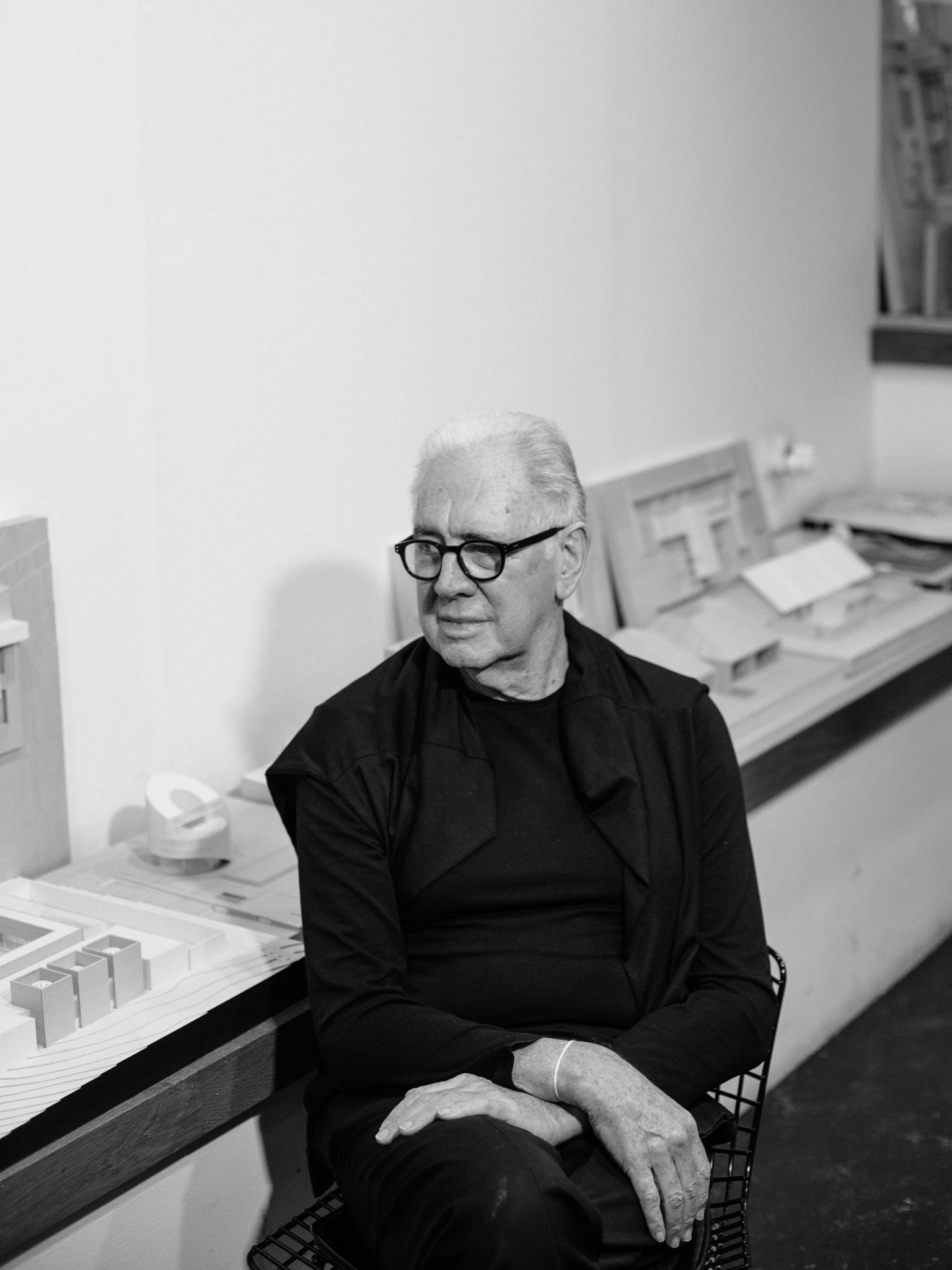

Hill died in Singapore in 2018, leaving his practice to continue. In an era defined by climate pressure and accelerating homogenisation, his work reads as a quiet insistence: that buildings should learn from their place, not overwrite it; that comfort can be designed through shade, air, and material intelligence; and that architecture’s highest ambition may be to converse with landscape rather than conquer it.
We like to think that each building is designed especially for its context and its place. In Hill’s case, that was not a slogan but a method. His architecture remains a lesson in how to make calm, how to make shelter, and how to let a site speak back.
Photo Cover
Aman Kyoto: Pavilions sit lightly in the landscape, behaving as guest to nature – an elegy to Hill’s method. Credit: Courtesy of Aman Resorts