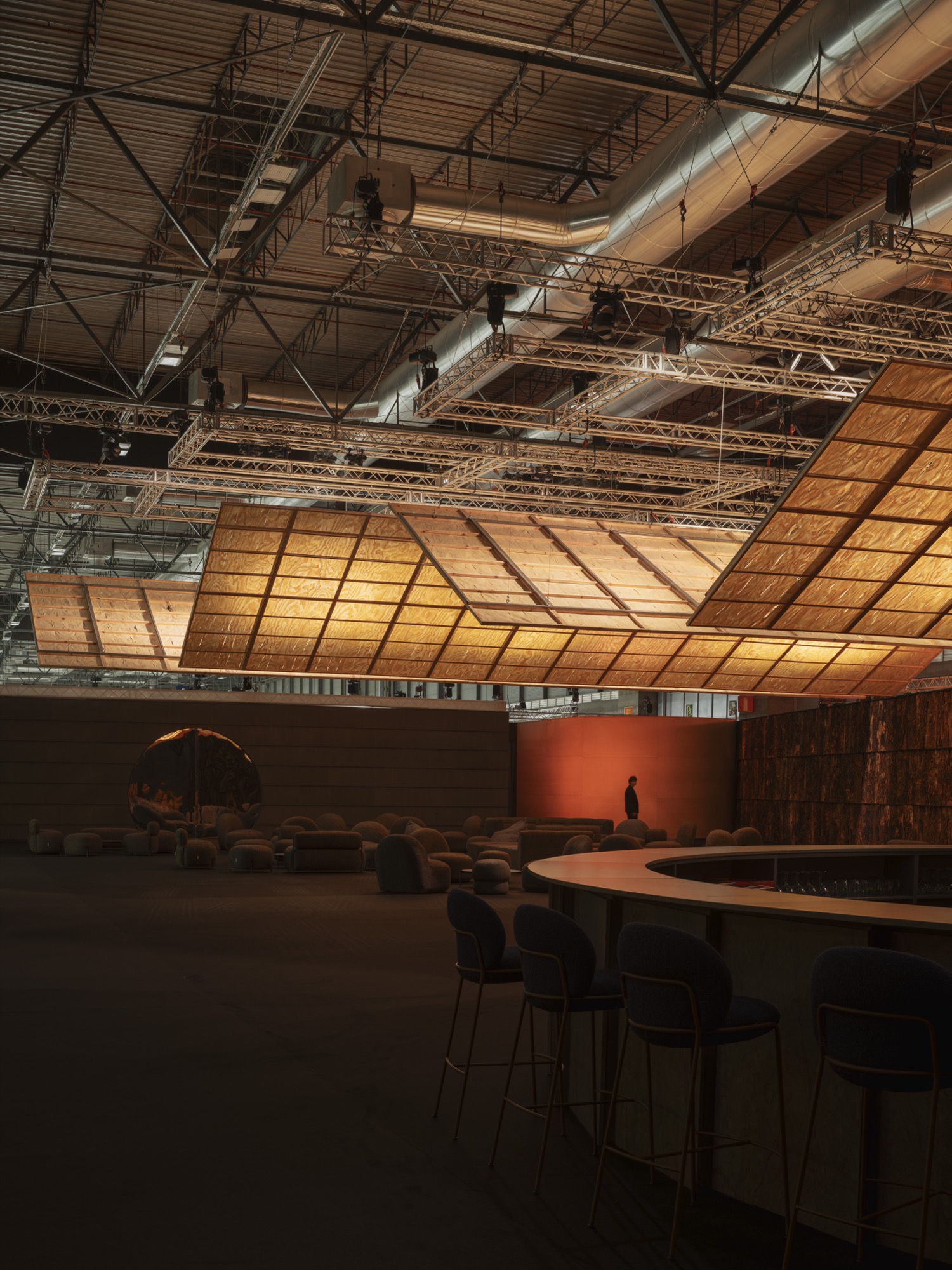
Now Reading: Eva Jospin: Sculpting enchanted realms from the mundane
- 01
Eva Jospin: Sculpting enchanted realms from the mundane


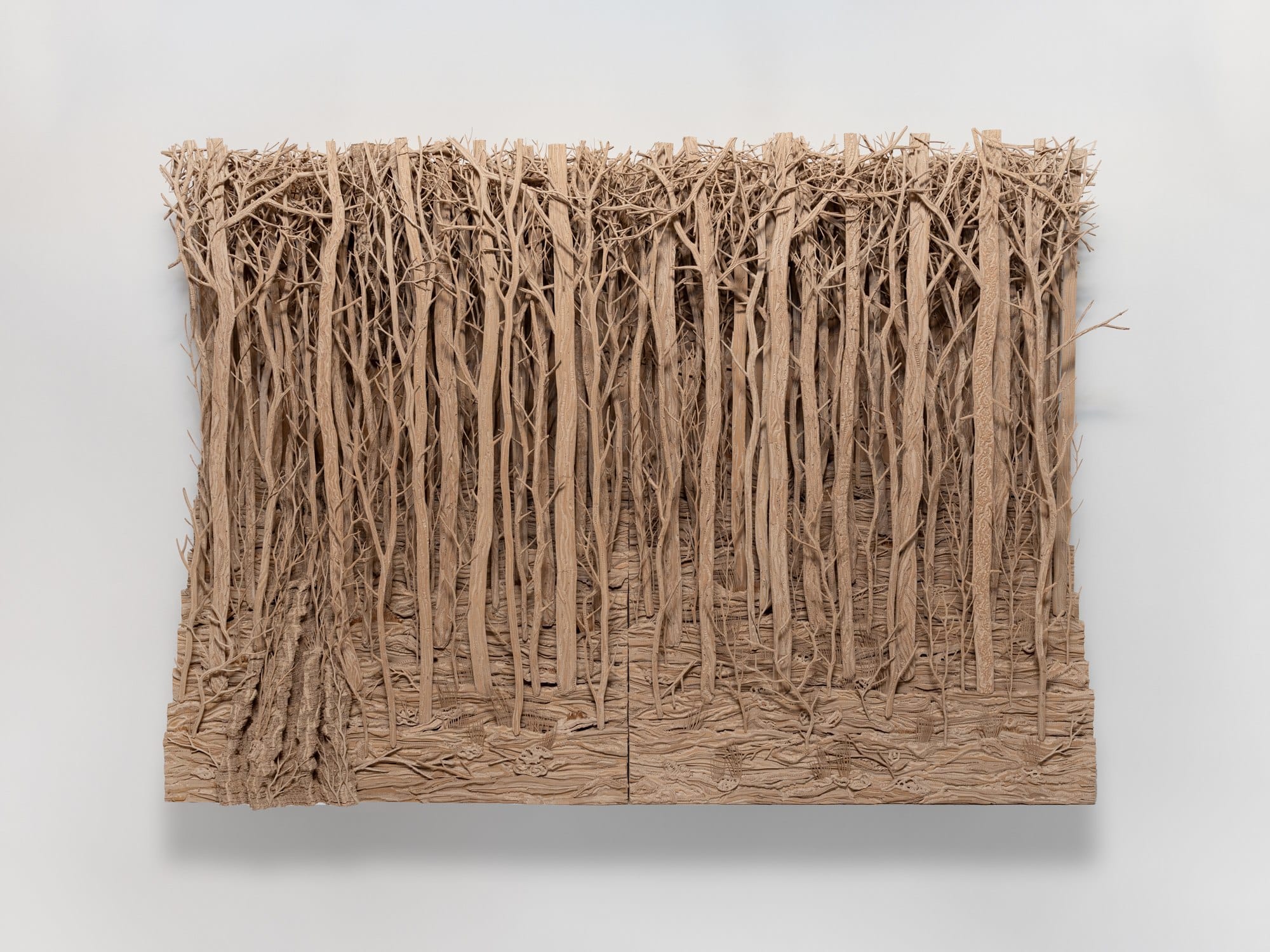
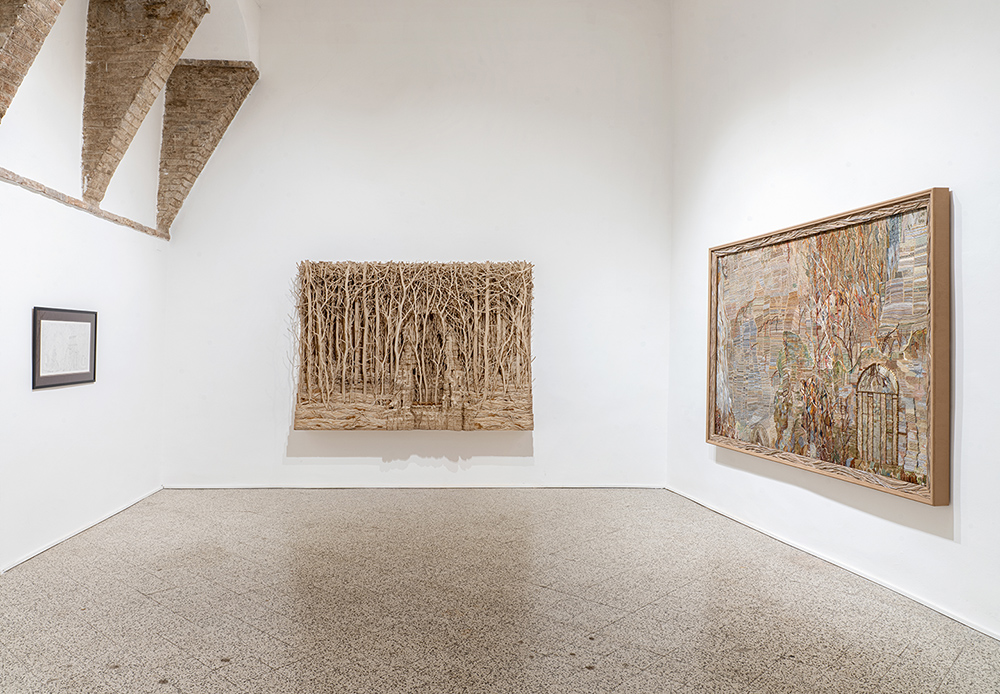
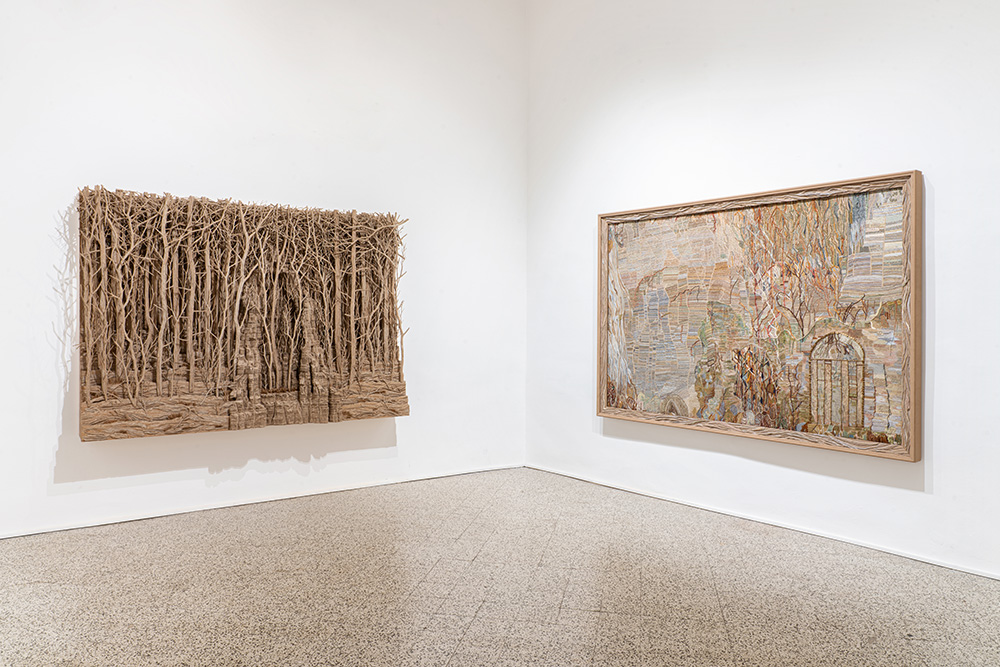
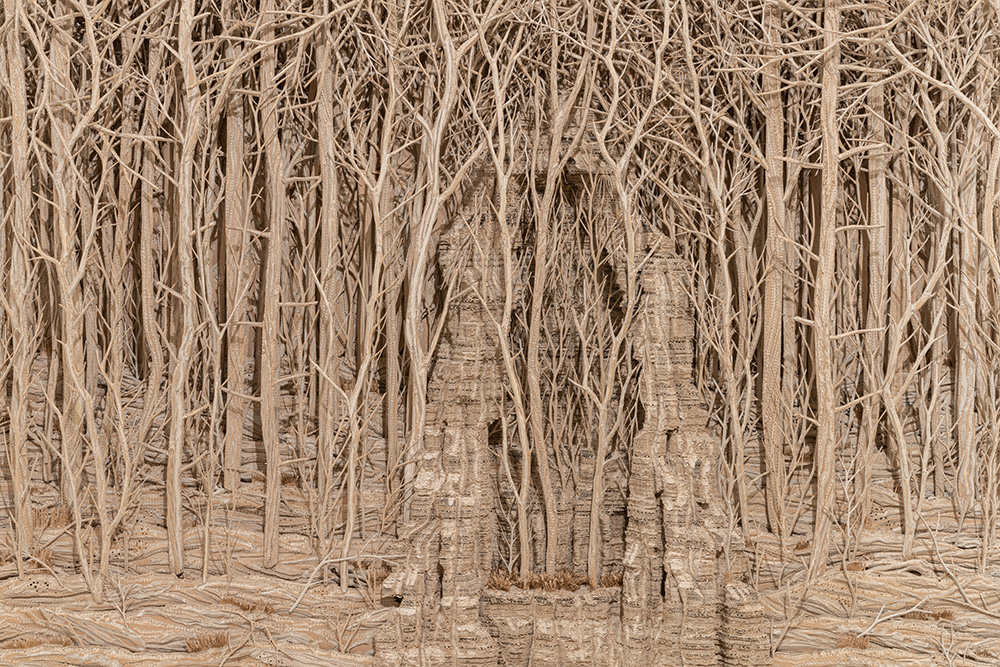
To encounter Eva Jospin’s work is to enter a landscape that declares its own artifice while remaining quietly persuasive. Forests rise where forests should not exist, built not from wood or leaves but from layers of corrugated cardboard, cut, stacked, and carved into dense reliefs. From a distance, the surfaces suggest bark and undergrowth. Up close, their material reality asserts itself. Seams appear. Edges hold the trace of labour. This tension is central to Jospin’s practice. She does not disguise the ordinariness of her materials. She transforms them, then allows them to remain recognisable, as if enchantment were less an escape from the mundane than a sharpening of attention toward it.
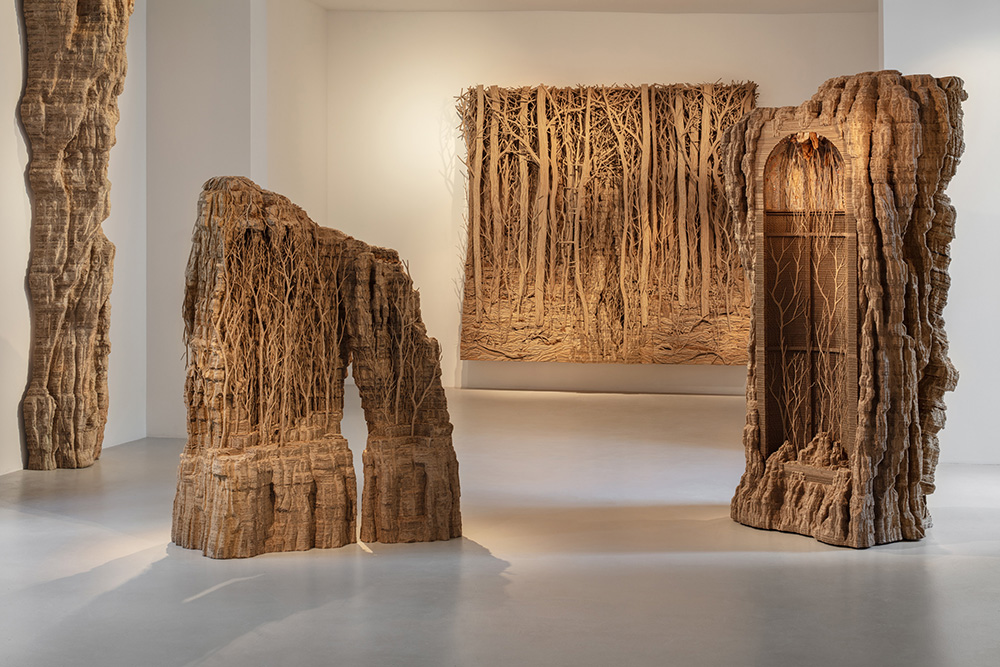
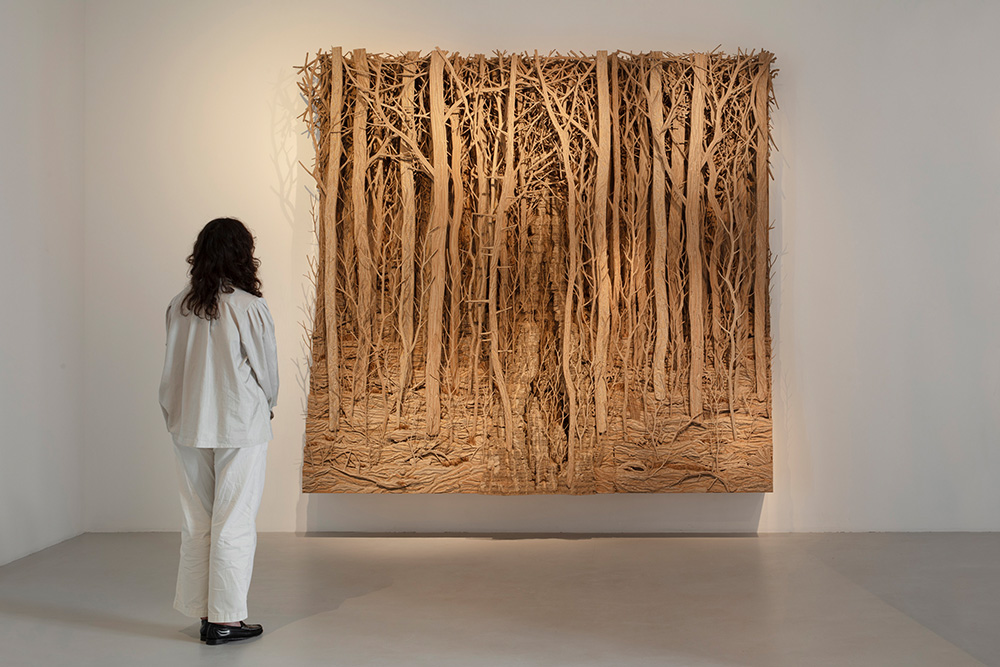
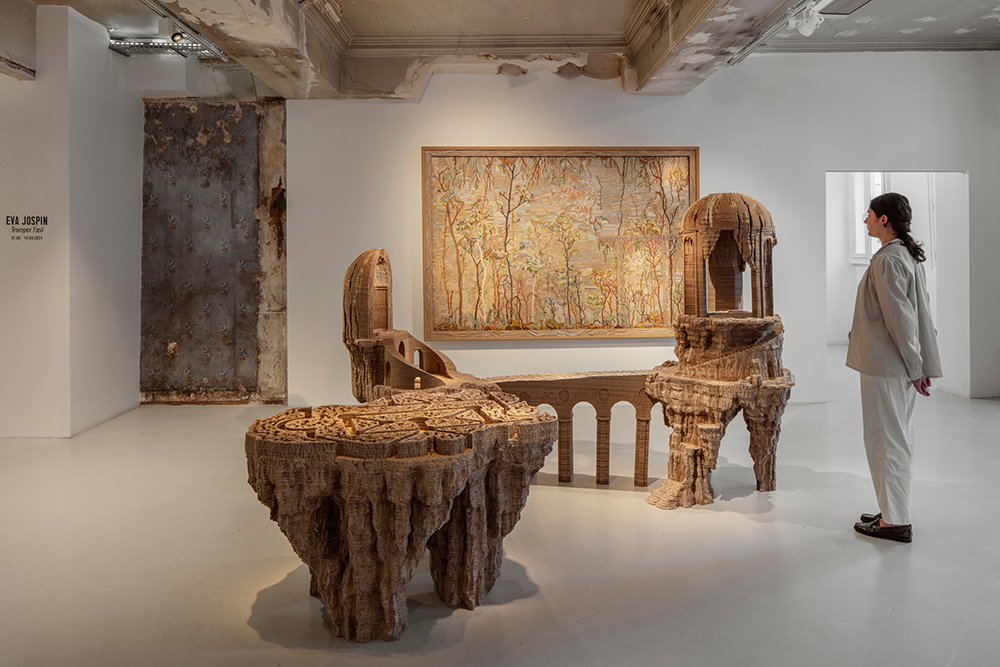
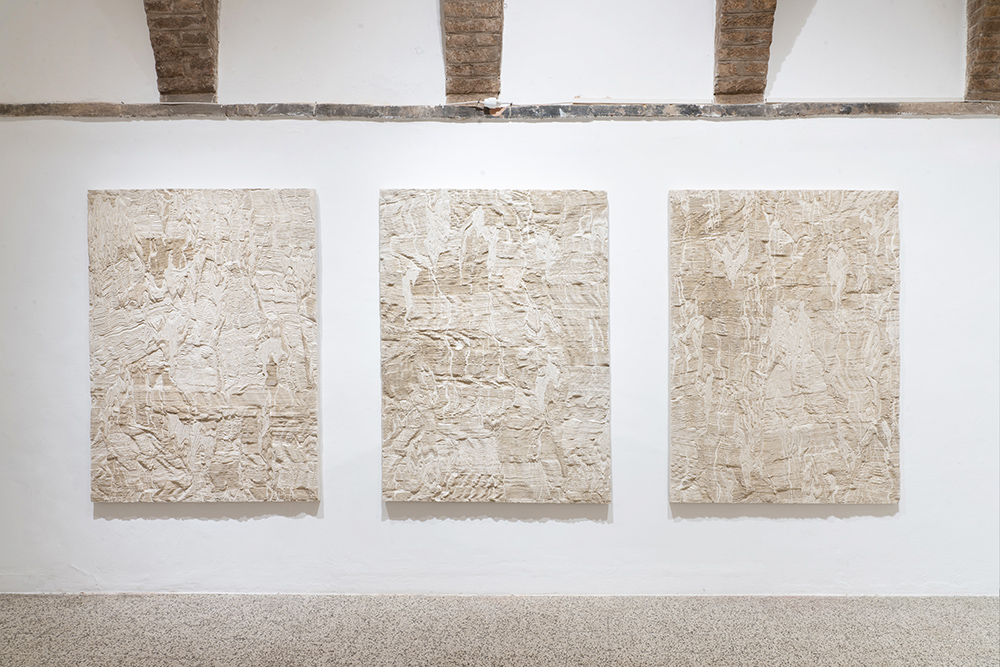
Born in Paris in 1975, Jospin graduated from the École Nationale Supérieure des Beaux-Arts de Paris in 2002. Trained initially as a painter, she turned toward sculpture and installation as a way of working directly with space. Her earliest works took the form of small paper dioramas, experiments in depth and perspective that already contained the motifs that would later define her practice: forests, grottoes, architectural fragments, and the sensation of stepping into a fabricated world. Cardboard emerged not as a conceptual provocation but as a practical and abundant material, one that allowed sustained experimentation and rewarded patience.
Over time, cardboard became more than a means. Its layered structure offered a way to build density and rhythm through accumulation. Cut repeatedly, it produces surfaces that oscillate between fragility and endurance. In Jospin’s hands, it does not imitate nature so much as translate it into a constructed language. Trees resemble geological formations. Rock faces read as archives of time. The works remain visibly handmade, their illusion sustained not by concealment but by repetition. As her practice expanded, she introduced other materials including drawing, bronze, wood, and embroidery, yet the underlying logic remained consistent: to build environments where perception unfolds through craft.
Recognition followed the gradual consolidation of this language. In 2015, Jospin received the Prix de l’Académie des Beaux-Arts. A residency at the Villa Medici in Rome the following year proved formative. Immersed in a city shaped by ruins, gardens, and architectural fiction, she deepened her engagement with the long European tradition of constructed nature, from Renaissance garden design to Baroque follies and grottoes. Rome offered not only a historical context but a spatial lesson: that architecture can function as a threshold, and that fabricated landscapes often reveal cultural desire as clearly as natural ones.

This ambition became publicly visible at a monumental scale with Panorama, installed in the Cour Carrée of the Louvre in 2016. The work enveloped visitors within a circular forest built entirely from cardboard. Set against the rigid geometry of the Louvre, Panorama functioned as a counter-architecture. Rather than competing with the institution’s authority, it introduced an alternative spatial logic grounded in density, disorientation, and tactility. Its effect was not technological or spectacular. It emerged from accumulation, from proximity, and from the insistence of the handmade.

Later projects brought Jospin’s practice into closer dialogue with architecture and memory. At the Abbey of Montmajour, she realised Cenotaph, a monumental installation placed within the abbey church. The work evoked funerary architecture without commemorating a specific absence. Instead, it operated as a spatial metaphor for memory itself, an invented structure inhabiting a site shaped by centuries of ritual and erosion. Its presence felt provisional, as if architecture were being recalled rather than built.

In Avignon, Palazzo introduced Jospin’s cardboard architectures into the Gothic interiors of the Palais des Papes. There, the contrast between stone and paper became central. The weight and historical authority of the palace sharpened the fragility of her installations, while the installations reframed the architecture as a setting for imagination rather than monumentality. Columns, arches, and cavernous recesses appeared not as quotations of Gothic form but as speculative structures, suggesting architecture reconstructed through memory and landscape rather than function.

Throughout Jospin’s work, the forest operates as more than a natural motif. It is a psychological and cultural space, a site of orientation and loss, shelter and uncertainty. Her installations are designed to be navigated rather than viewed frontally. They hold multiple distances at once, drawing the viewer inward before revealing their artifice through detail. Getting lost becomes part of the experience, not as spectacle, but as a mode of perception.


Recent collaborations have extended this inquiry into new contexts. For Ruinart’s Carte Blanche programme in 2023, Jospin developed Promenade(s), translating the geological and agricultural realities of Champagne into layered reliefs and spatial compositions. Here, the language of the forest intersected with that of the earth. Strata, sediment, and time were rendered through a medium whose own structure depends on accumulation.

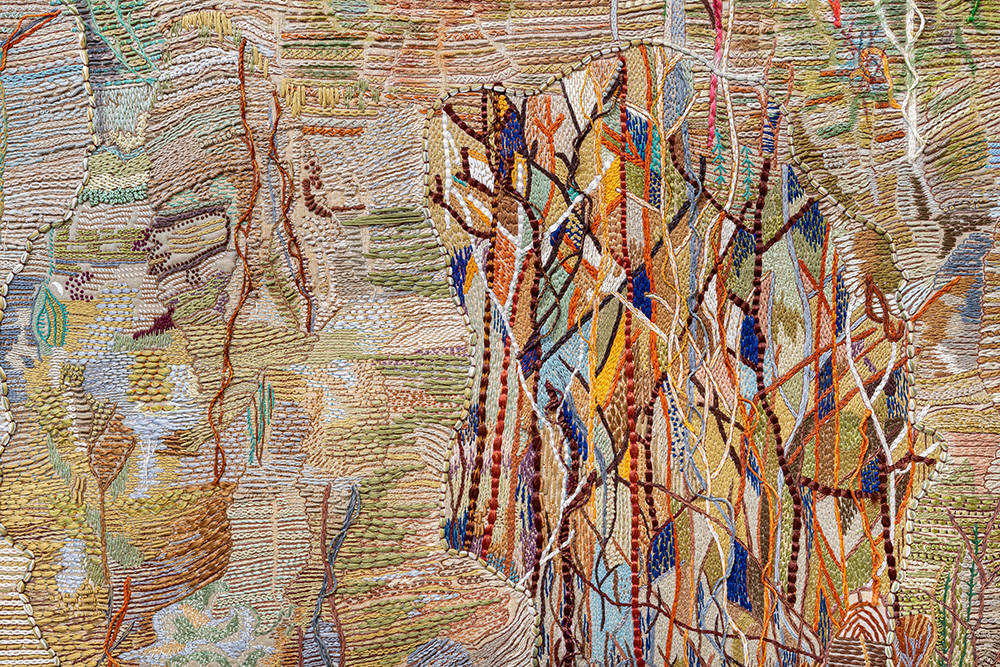
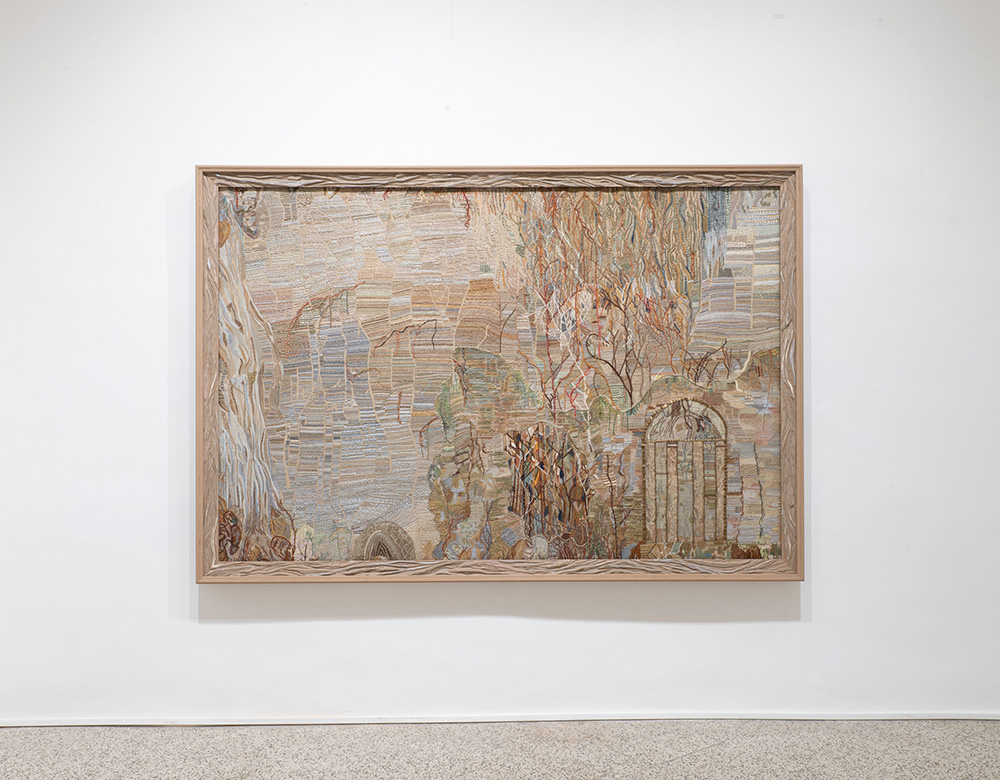
Embroidery has introduced a distinct register into Jospin’s practice. Where cardboard carries an earthy, mineral presence, thread allows for colour, luminosity, and a slower temporal rhythm. In large-scale projects developed with specialist ateliers, embroidery becomes architectural rather than decorative, capable of producing immersive environments through the patient repetition of gesture. These works extend Jospin’s commitment to craft while distributing authorship across multiple hands, reinforcing the idea that illusion is sustained through collective labour.
The presentation of Silk Room at the Orangery of the Palace of Versailles in 2024 placed this textile practice within a charged historical setting. The Orangery, itself an architecture designed to shelter living trees, offered a resonant context for a fabricated landscape made entirely of thread and image. Rather than competing with the gardens, the installation proposed a parallel environment, framing nature as memory, pattern, and cultivated image.

This trajectory culminates in Grottesco at the Grand Palais, opening in December 2025. The exhibition brings together forests, caves, and imagined architectures into a continuous spatial sequence. The title gestures toward the historical grotesque, where vegetal forms and architectural fragments intertwine in ornamental excess. In Jospin’s work, this entanglement becomes immersive. Ornament is no longer applied to architecture but expanded into space itself.
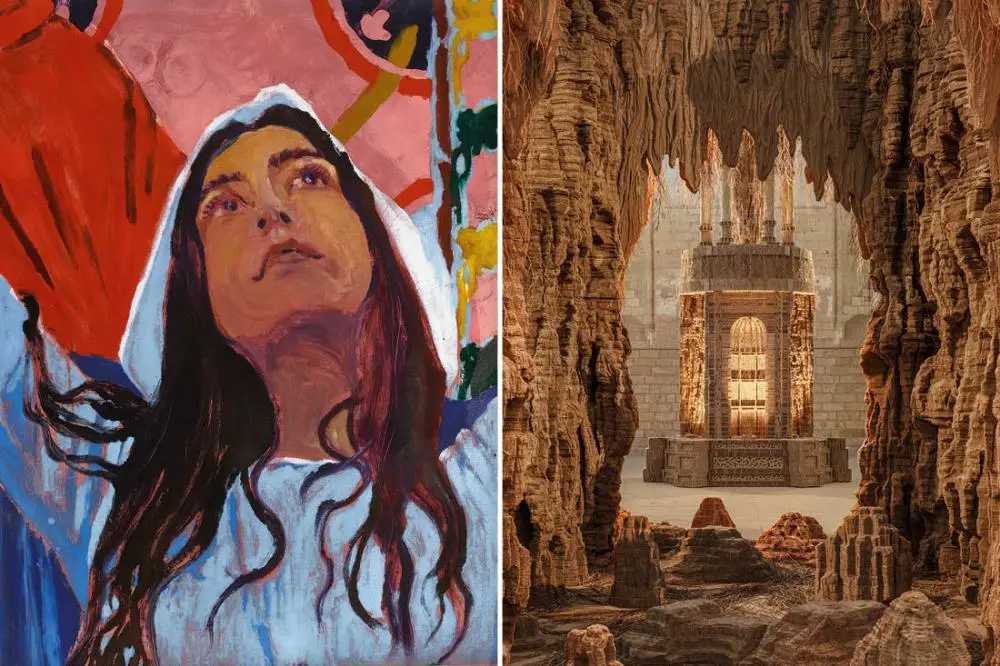
Looking ahead, Into the Woods at the SCAD Museum of Art marks Jospin’s first major museum exhibition in the United States. Spanning drawings, reliefs, and large-scale installations, the exhibition underscores the coherence of a practice built on repetition, patience, and material restraint. The forest once again serves as both subject and structure, a constructed realm that remains compelling precisely because it acknowledges its own artifice.

In an era saturated with frictionless digital images, Jospin’s work insists on resistance. Edges remain rough. Surfaces register time. The hand is always present. The worlds she constructs do not deny their falseness. Instead, they suggest that fabrication, illusion, and craft can become tools for re-engaging perception itself. Through cardboard groves and embroidered architectures, Jospin offers not an escape into fantasy, but a carefully built space in which attention can slow, wander, and recalibrate.
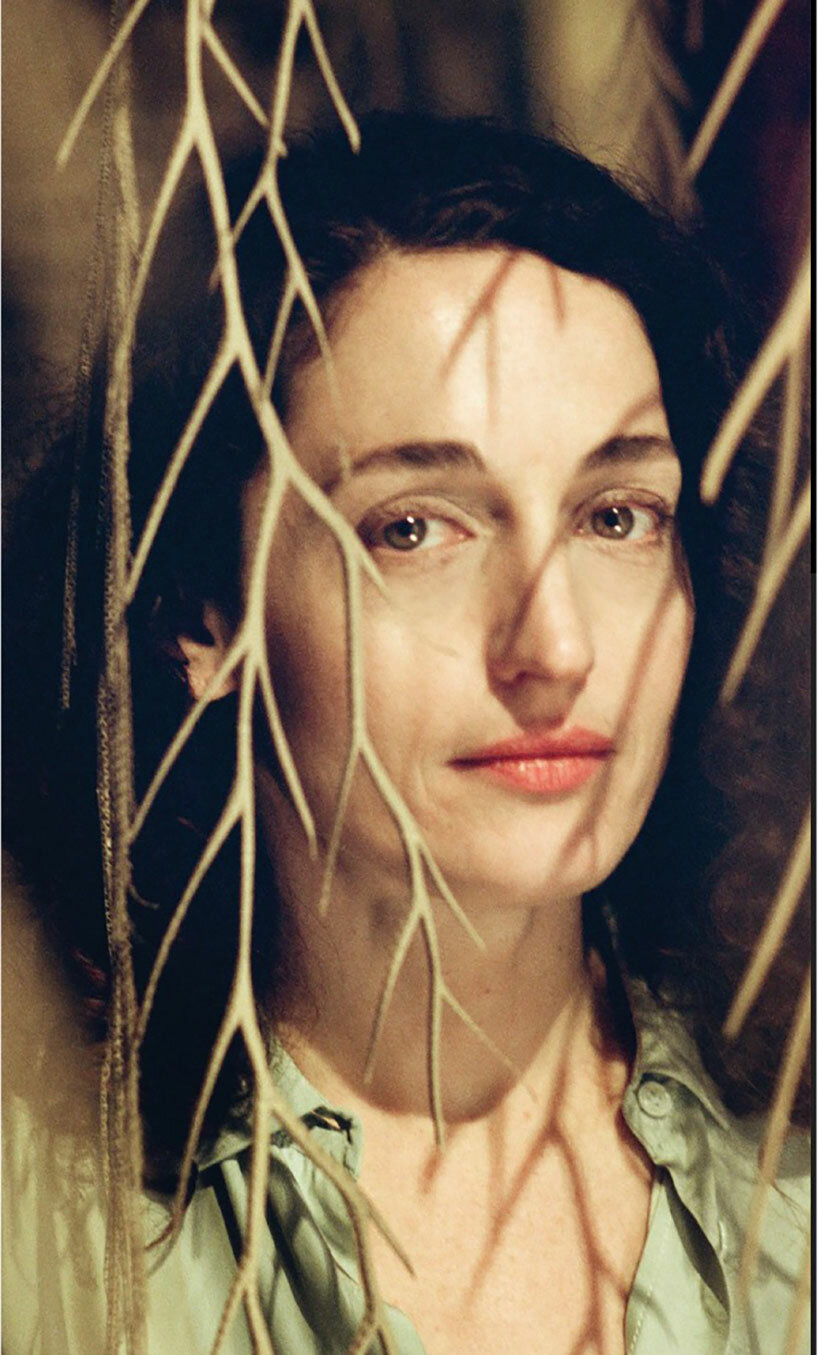
Photo Cover
Eva Jospin, Forêt (detail), layered cardboard sculpture evoking dense, mysterious woodland.
Credit: Courtesy of the artist and Mariane Ibrahim Gallery.