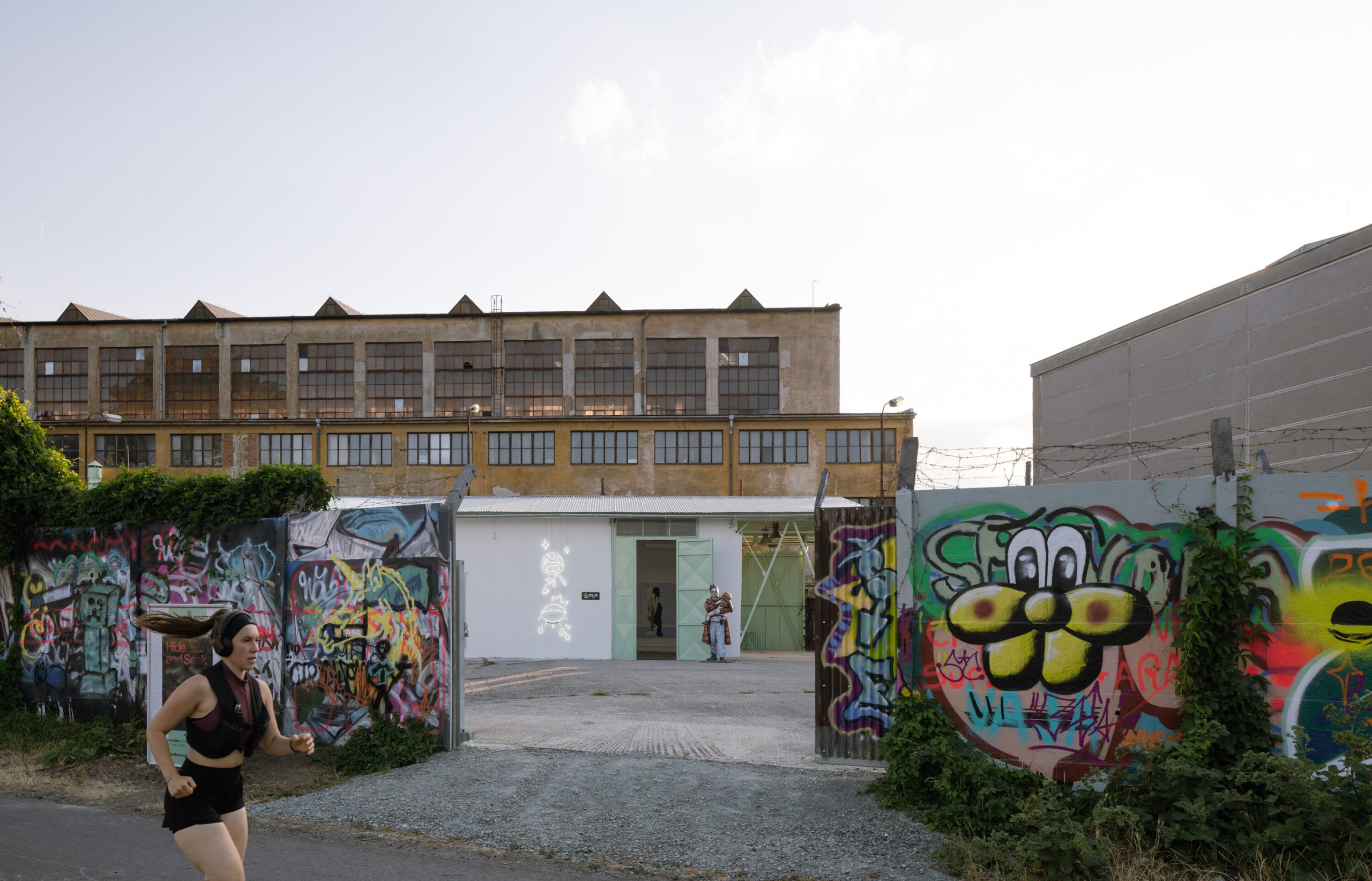
KOGAA adapts a long-unused industrial hall on Brno’s Svitava River into ŠMERAL ART FACTORY, a gallery that connects industrial heritage, street art and contemporary culture.

KOGAA adapts a long-unused industrial hall on Brno’s Svitava River into ŠMERAL ART FACTORY, a gallery that connects industrial heritage, street art and contemporary culture.
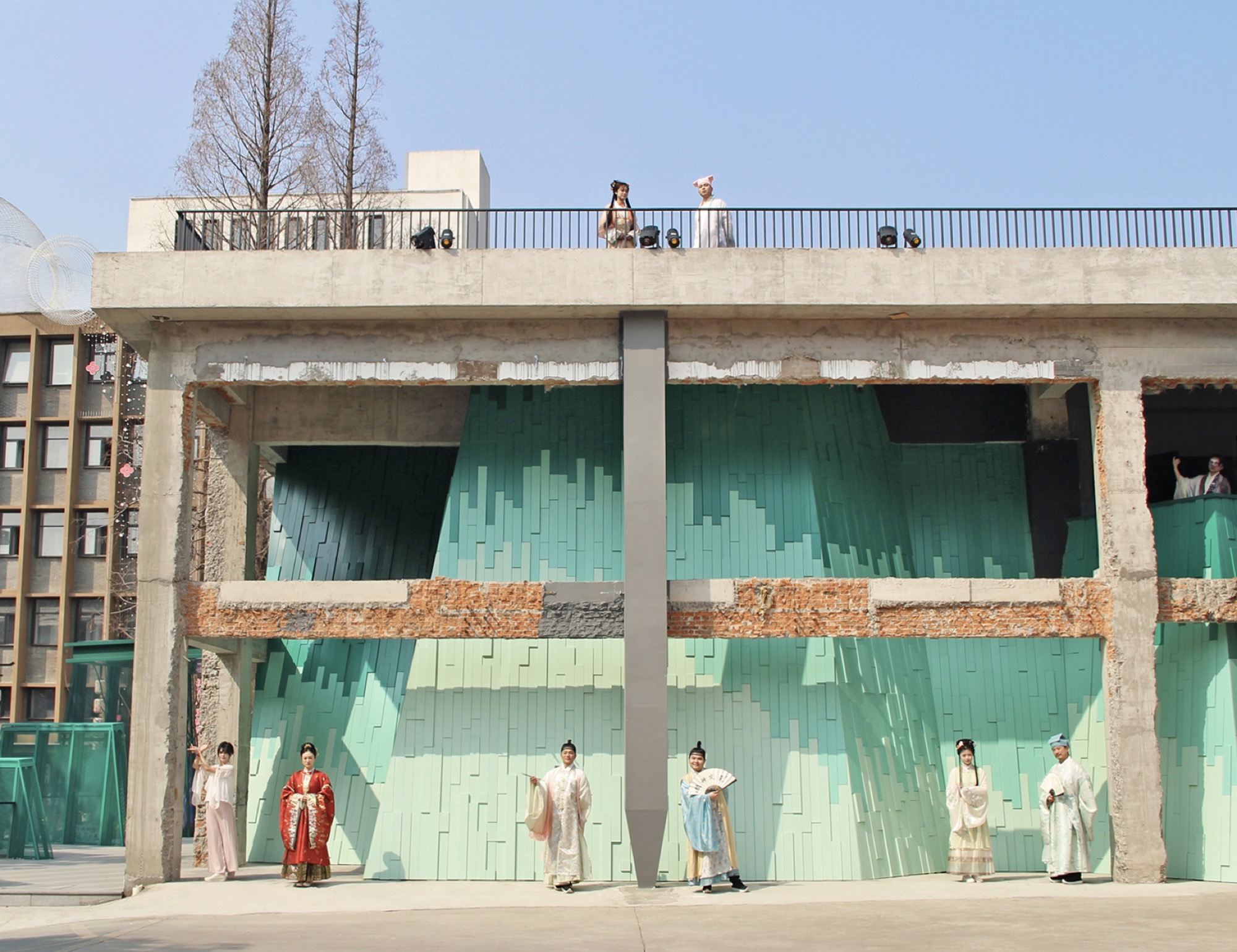
In Suzhou’s Taohuawu district, Wutopia Lab converts a former silk weaving factory into Verdant Ridges, a compact theatre where Tang Bohu’s life, Chinese landscape painting and industrial memory become part of a layered architectural narrative.
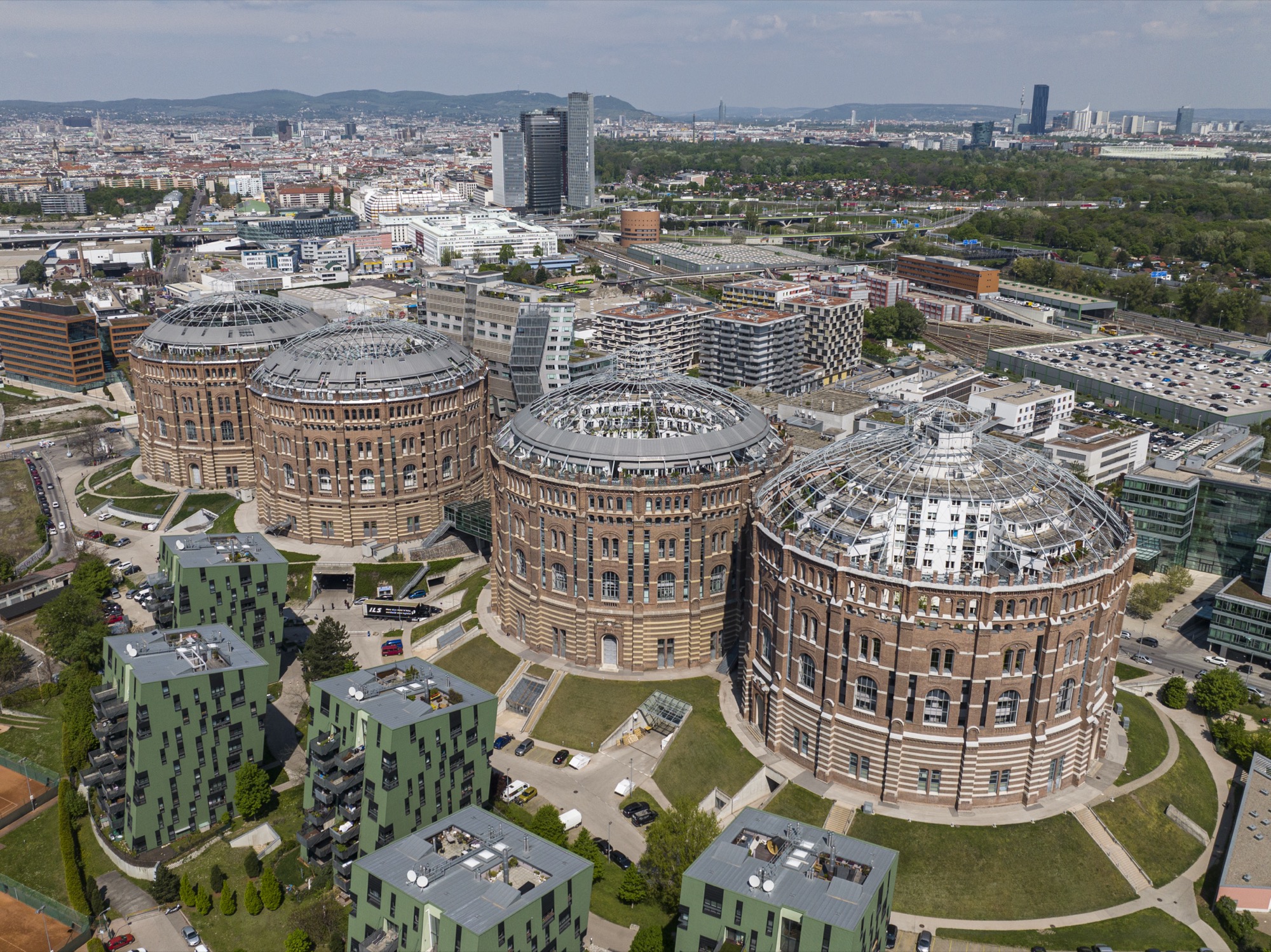
An in depth look at Gasometer Wien, the landmark adaptive reuse project in Vienna that transformed four nineteenth century gas holders into a mixed use urban district designed by Jean Nouvel, Coop Himmelb(l)au, Manfred Wehdorn, and Wilhelm Holzbauer.
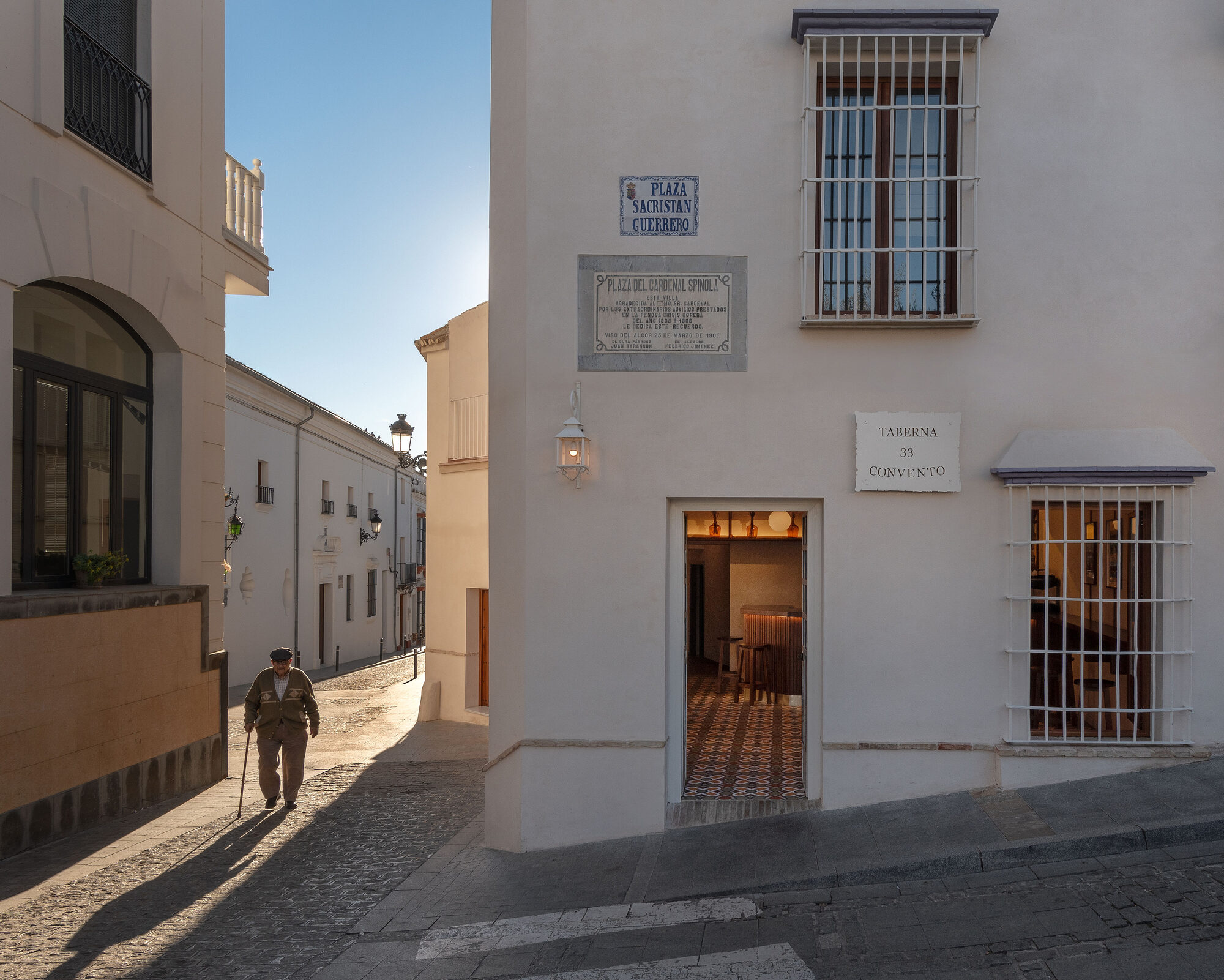
Taberna Convento by Alejandro Cateto reinterprets the traditional Sevillian tavern through lime mortar, timber, candles, and a calm contemporary atmosphere rooted in village life.
i.s.m.architecten transforms a historic farmhouse and barn into a restaurant, exploring material continuity and adaptive reuse.

BEEF ARCHITEKTI reflect on adaptive reuse, revealing how subtraction, material restraint, and spatial flexibility redefine industrial heritage in Kežmarok.
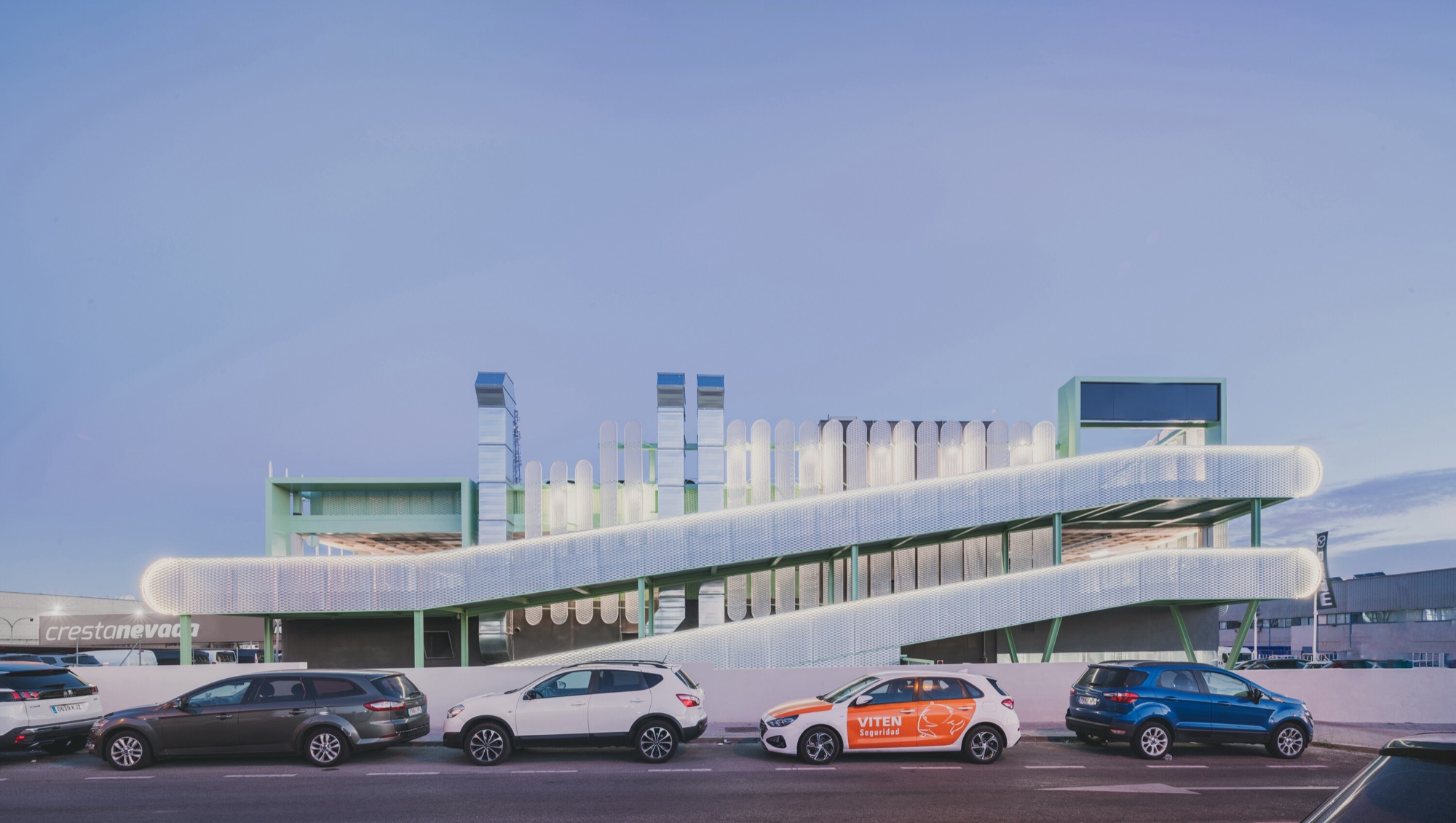
OOIIO reworks a disused factory in Madrid into a car showroom and workshop that combines adaptive reuse, passive cooling and a bold architectural identity.
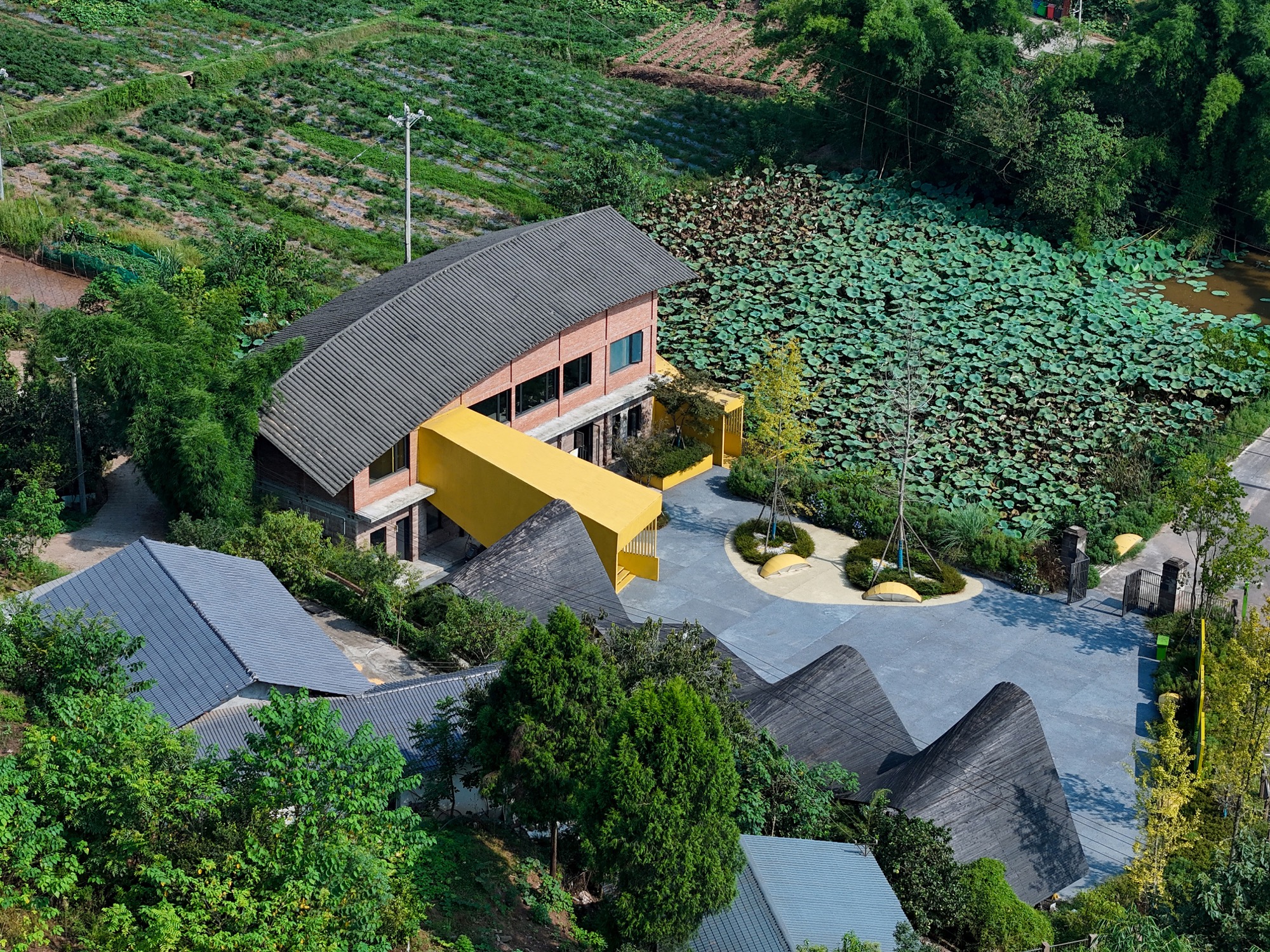
Archermit reimagines a former veterinary station in Sichuan as a rural talent center, combining preserved stone structures with new steel and timber interventions to support local agriculture and community life.
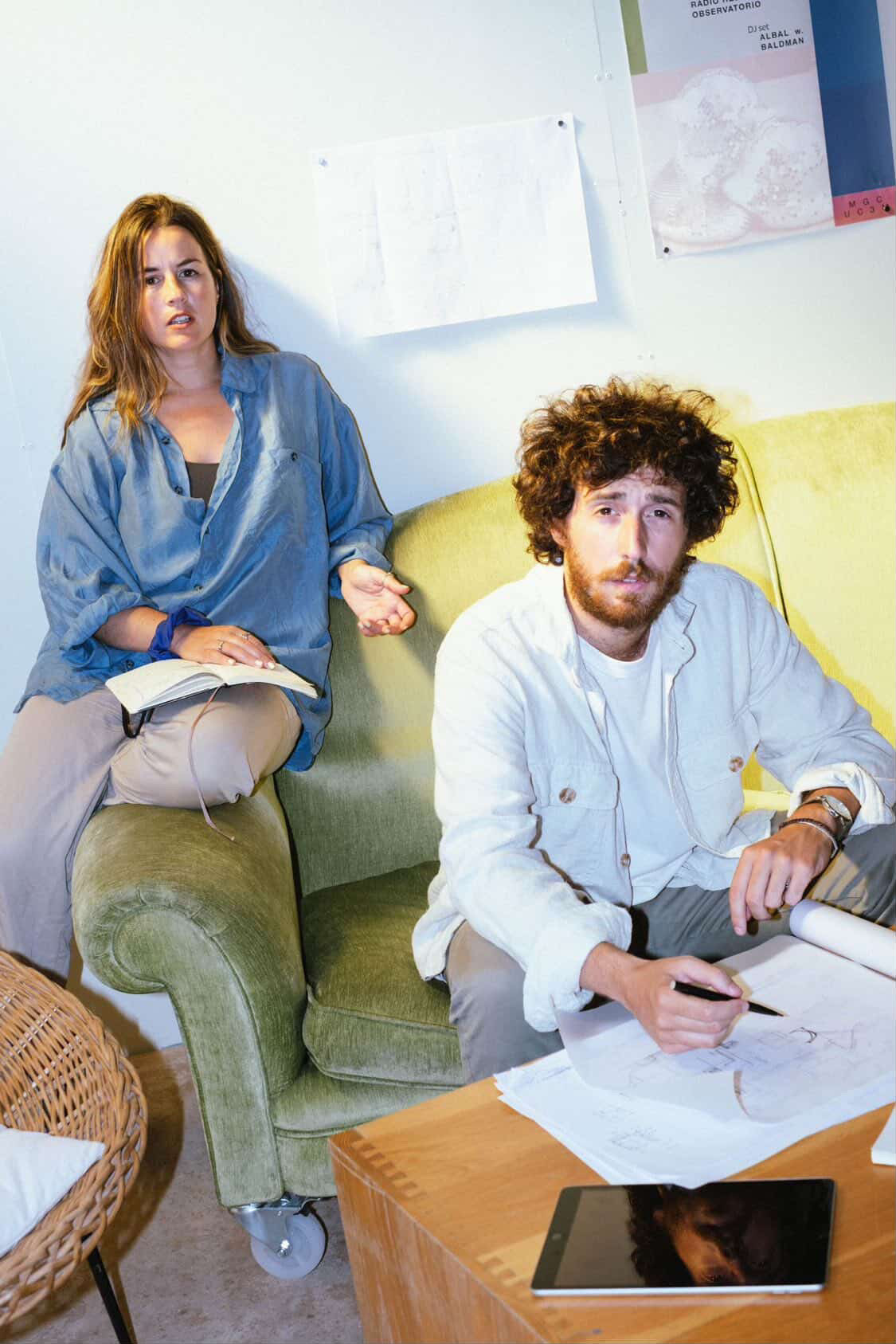
ba-rro reflects on Carabanchel Civic Loft and the evolving relationship between domestic space, production, and the city.
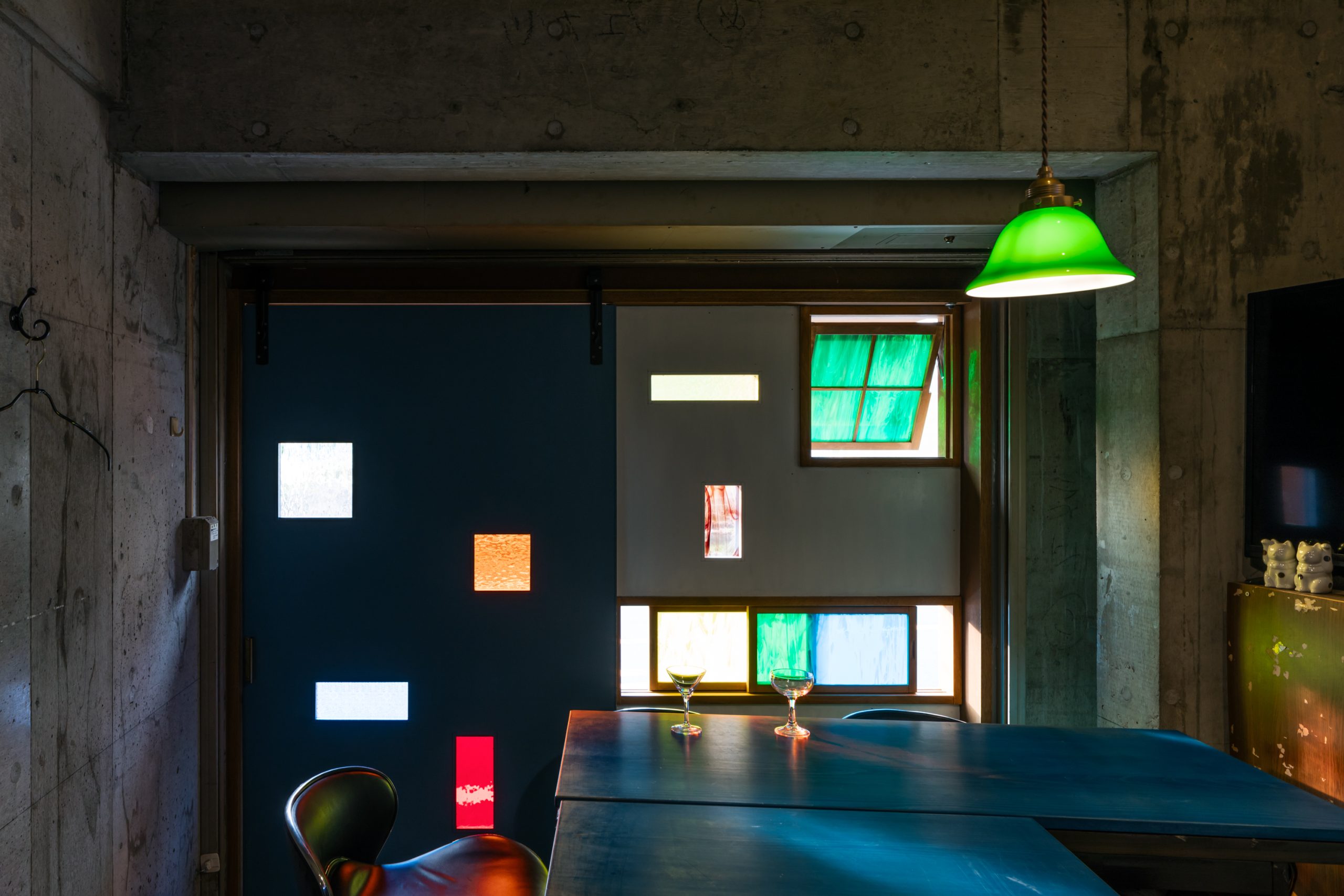
Mumu Tashiro adds a blue stained-glass door with a fold-out bench to Ogikubo Bar in Tokyo, transforming a small renovation into a social gesture.