
Now Reading: Basalto Collective: where making stays visible
- 01
Basalto Collective: where making stays visible


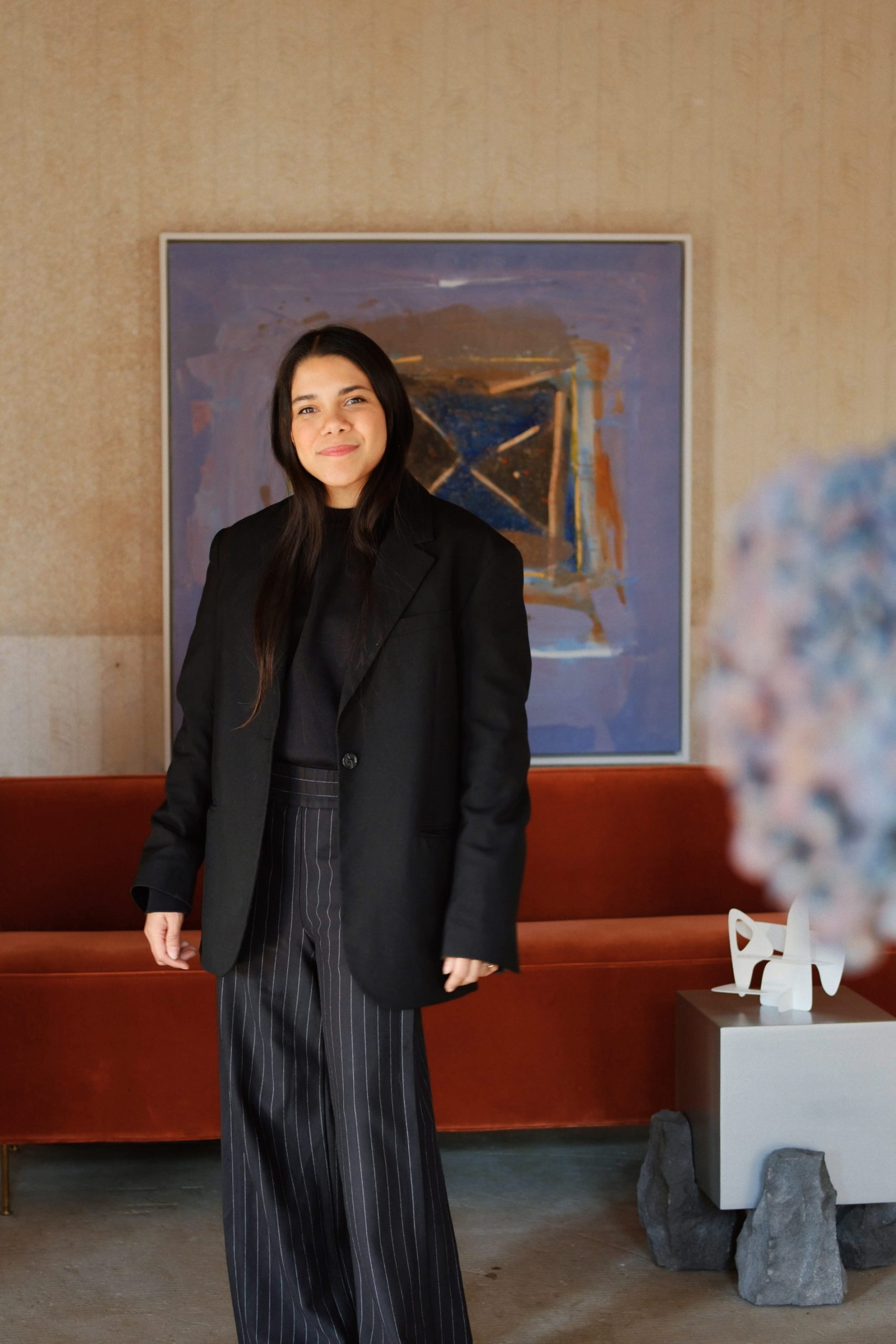
Basalto Collective is a Zurich-based platform founded by Mexican designer Paulina Reséndiz in late 2023. At first glance, it could be grouped with the wave of design spaces that promote craft and collectible objects. Basalto’s more precise ambition is different. It presents contemporary Mexican design not as a look, but as a chain of relationships linking makers, materials, workshops, and the international routes that objects now travel.
Basalto operates on two levels. It is a functional platform that introduces designers, supports commissions, and hosts exhibitions. It is also a curatorial apparatus that constructs a reading of Mexico through matter. Stone, clay, wicker, and metal are not used as atmosphere. They function as evidence of labour, locality, and technique. This is where the work becomes difficult and, when done well, meaningful. The current appetite for the handmade is often driven by shorthand and romance. Basalto has to keep specificity intact, so that process remains legible and authorship remains visible, even as objects enter new contexts.
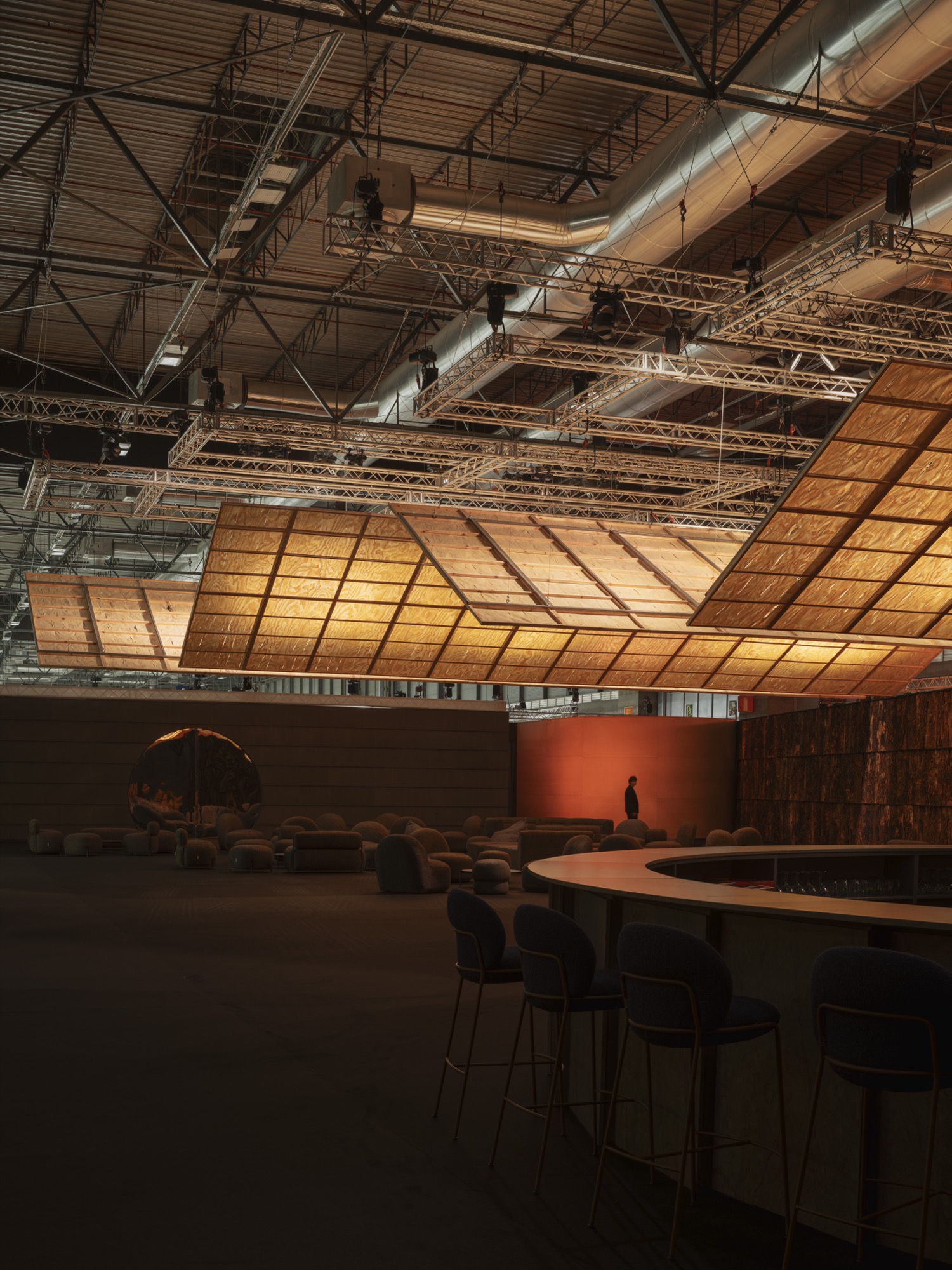
That intention is clearest in the program of exhibitions. Basalto launched online in 2023 and established a physical presence in Zurich in 2024. Its opening exhibition, Echoes, took place in September 2024 within Zurich Design Weeks and was staged at Anthracite Art and Design. The title reads as a proposition. It suggests resonance rather than revival, and it treats design as something that continues to sound after it has moved.

In 2025, Basalto extended this framework through two exhibitions. Native Matter was presented in Copenhagen in June during 3daysofdesign as part of Design and Dialogue by Ark Journal. Extended Matter followed in September during Zurich Design Weeks, again at Anthracite. Together, these titles outline a clear sequence. The first insists on origin and material intelligence. The second asks what happens when matter is carried outward, cut and fired, cast and polished, transported and reframed, and still expected to keep its accent.
Mexico provides the larger backdrop to this story. In recent years, the country’s design scene has gained visibility through fairs, independent studios, and a renewed attention to workshop culture. Events such as Design Week Mexico reflect an ecosystem where furniture and object design sit between craft networks, small-scale production, and international demand for material precision. Craft, however, is an unstable term. It can refer to living infrastructures of skill and local economies, or it can become a soft label applied after the object is finished. The difference is structural. It appears in how designers credit collaborators, how they name materials, how they account for labour, and whether technique drives form rather than merely decorating it.
Basalto positions itself on the side of the former. Its public language speaks about heritage and craftsmanship, but the platform is most convincing when it stays close to curatorial mechanics. Basalto stages objects in a way that allows method to be read alongside form. It asks the viewer to understand an object as a condensed record of processes, not simply as a desirable silhouette. In this sense, Basalto’s work resembles translation. Translation is a discipline that moves practices between contexts without flattening nuance. It requires decisions about what to foreground, what to explain, and what to leave intact, especially when the market pushes for easy narratives.
A selection of designers associated with Basalto shows the range of these positions.

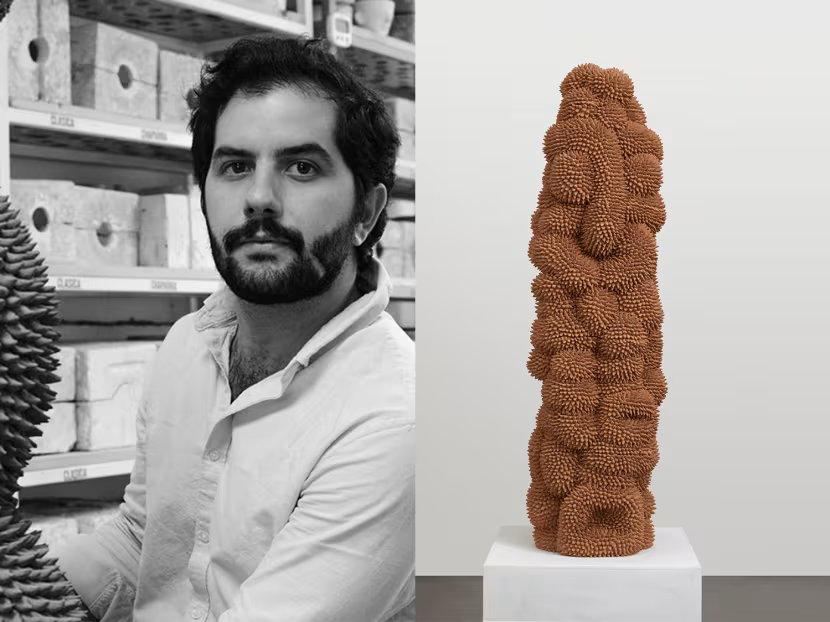
Andrés Anza, winner of the 2024 LOEWE Foundation Craft Prize, works in ceramics with a tactile intensity that refuses polite smoothness. His surfaces appear built rather than applied. They hold grain, prickliness, and unevenness as deliberate conditions. The work is not valuable because it signals imperfection as a trend. It matters because it demonstrates material behaviour and technical confidence, and because it treats firing and contingency as part of composition rather than as errors to be corrected.
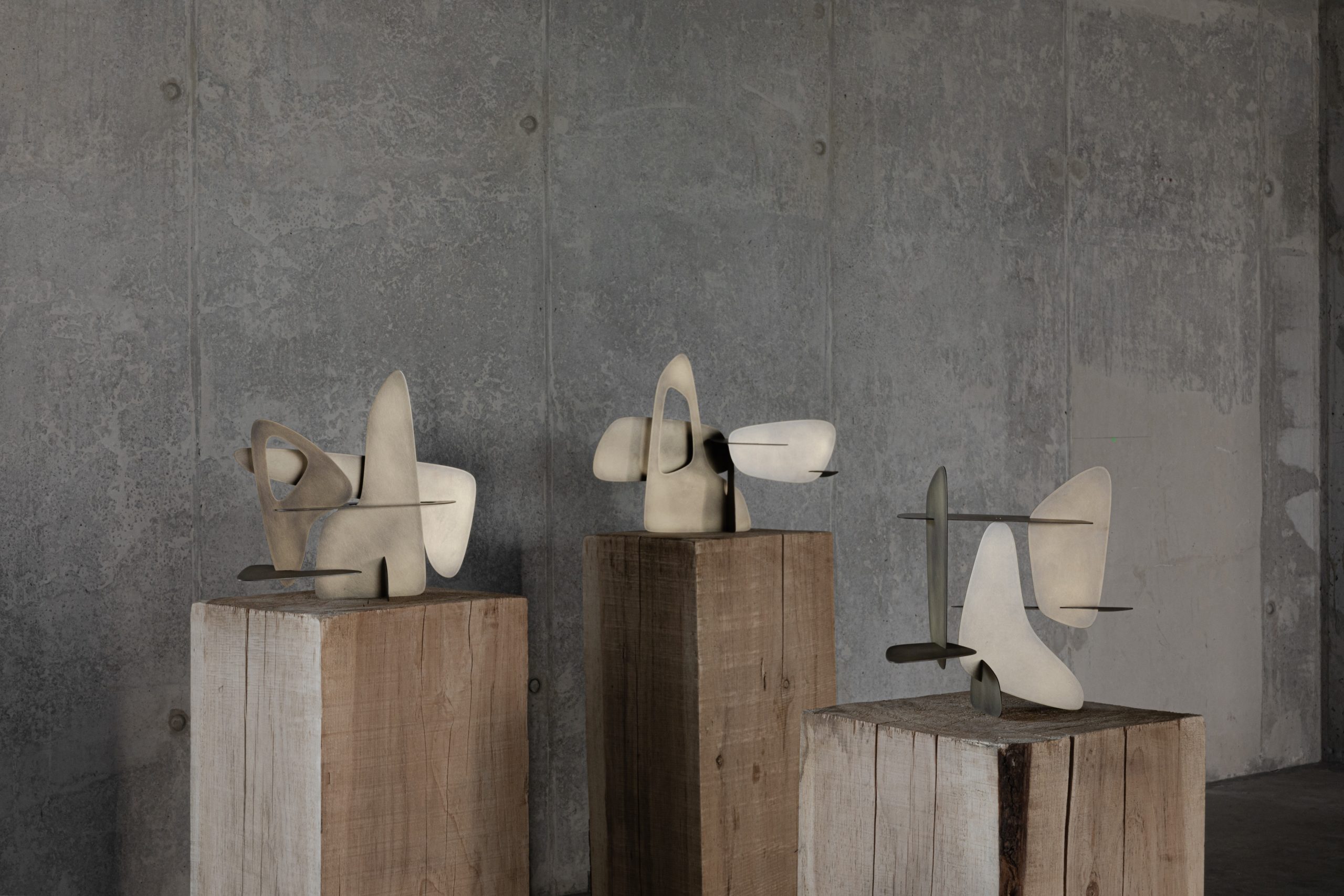
Federico Stefanovich approaches the domestic object through the logics of casting and weight. Working across bronze and stone, he produces pieces that read as both furniture and fragment. They carry architectural gravity at the scale of a room. Here, stone is not a neutral luxury surface. It is a geological presence. What matters is not a single named quarry, but the clarity of how mass, colour, and joinery are used to give an object authority without forcing it into spectacle.


José Bermúdez takes a quieter route. His seating pieces rely on restraint, proportion, and finish. Wood is allowed to speak through grain, stain, and the slow warmth that arrives with time and use. The result is not a packaged identity. It is a disciplined way of making that respects the workshop, the body, and the rhythms of everyday contact.

Ayres, a Mexico City-based studio led by creative director Karim Molina, works closer to sculpture. Their pieces, often in stone, sit at the threshold between furniture and object. They are designed to be encountered in the round. The emphasis is on silhouette, tactility, and the memory of cutting and polishing held in the surface itself. In an industry that frequently resorts to abstract claims about responsibility, the work is strongest when it lets material choices and physical presence do the talking.
Comité de Proyectos, established in 2014 by Andrea Flores and Lucía Soto, offers another model, one in which interiors and furniture share a single vocabulary. Their work tends to embed craft techniques into usable typologies, showing that narrative can be built through joinery, weaving, and material transitions. It is a reminder that craft is not a nostalgic garnish. It is a method for structuring space, time, and attention.

Taken together, these practices describe a scene where craft functions as infrastructure. It is a network of skills and workshops capable of supporting new forms without erasing their origins. Basalto’s role is not to proclaim Mexico’s position on an international map. It is to do the slower work of mediation. It curates, contextualizes, and maintains the conditions for reading, so that objects can circulate without becoming generic.
The challenge is familiar. As visibility grows, so does the pressure to simplify into trends, signatures, and exportable clichés. Basalto becomes persuasive when it resists that flattening. It treats design as circulation of material, labour, and attention, and it tries to keep authorship legible along the way. In a market that rewards quick stories, Basalto proposes a slower one, told in weight, texture, and method, where the object arrives with its making still present.
Cover Photo
Artefacto bronze piece by Federico Stefanovich, exhibited by Basalto Collective.
Photo by Alejandro Ramirez Orozco, courtesy of Make Space Journal.