Now Reading: Enrique Lastra: The Architect of the City’s Ground
- 01
Enrique Lastra: The Architect of the City’s Ground

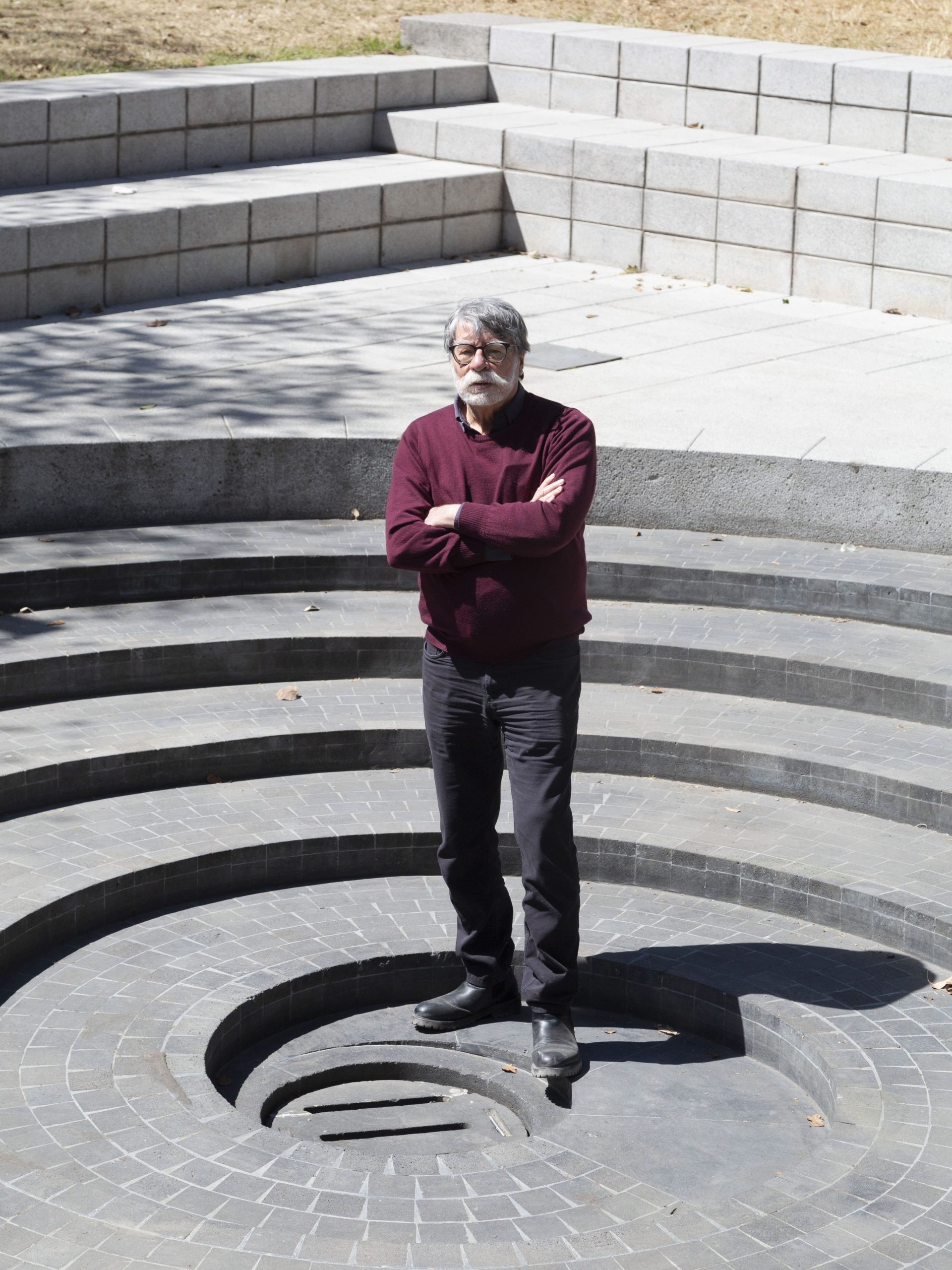

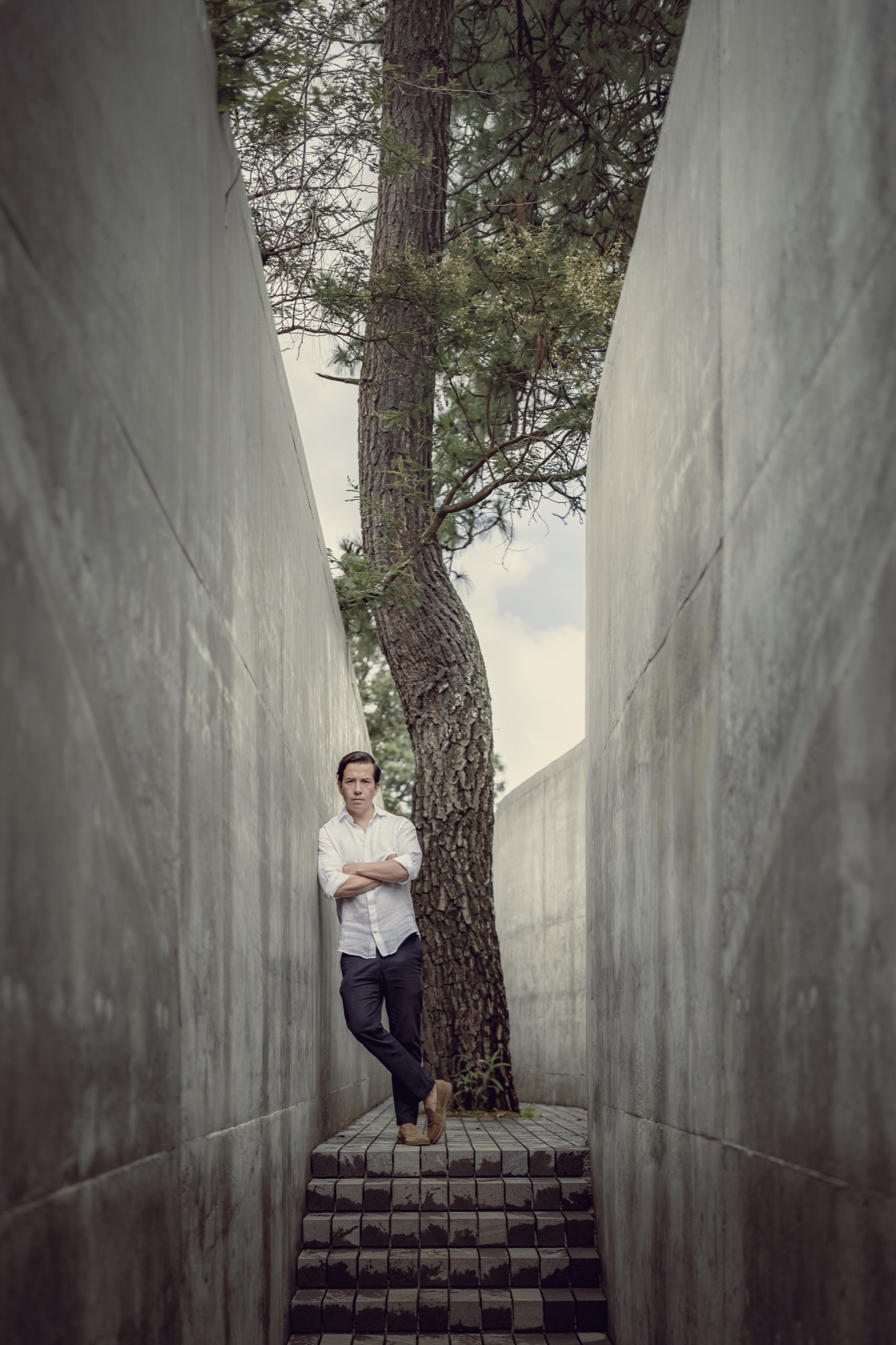
Enrique Lastra’s work rarely announces itself with spectacle. It does something quieter and harder to fake: it makes the public ground feel considered. In Mexico City, where pavements carry protest, celebration, routine, and mourning in the same week, that ground is not a neutral surface. It is a civic instrument, tested daily by footsteps, weather, and time.
Among peers, Lastra is often described as an “architect of architects,” a reputation built less on a signature form than on discipline: a way of thinking that holds memory and construction in the same frame. Online, his stone surfaces have become an unlikely backdrop for selfies. Not because they were designed as scenery, but because they invite touch, pause, and attention. The ground becomes a small stage where city life naturally gathers.

Over decades of practice across private commissions and large-scale public work, Lastra has returned persistently to sensitive interventions in places where heritage is not an image but a living condition, especially in Mexico City and Oaxaca. In 2018, he was invited in the orbit of the Venice Architecture Biennale, a moment that aligned with broader international recognition of Mexican architecture’s capacity to form shared spaces without losing identity.
A CITY READ FROM BELOW
Lastra’s starting point is almost stubbornly simple: the city is understood from the ground. Public space is where an architect’s ethics become visible, because it is where decisions cannot hide. Materials are exposed. Details age. Maintenance reveals priorities. A pavement tells the truth.
From that ground, he describes Mexico’s urban structure as a constant negotiation between two paces. One is the condensed, sustainable spatial logic inherited from pre-Hispanic cultures, built across generations with an economy of means. The other is a Western rhythm often introduced as speed: hasty, forceful, and indifferent to local capacities. In this tension, the architect’s role is not to choose a side in abstract terms, but to mediate between memory and the present, between enduring habits and unavoidable transformation. That lesson sharpened for him through social housing in Mexico City’s poorer neighbourhoods. He once pursued a six-storey model, then recognised it as a mistake because it exceeded what the community could realistically operate and sustain. He shifted toward low-rise buildings, around three storeys, aligning height with economic realities, technical possibilities, and everyday living habits. The point is not nostalgia for a smaller city. It is a method: begin with material conditions, construction capability, and use, before form.
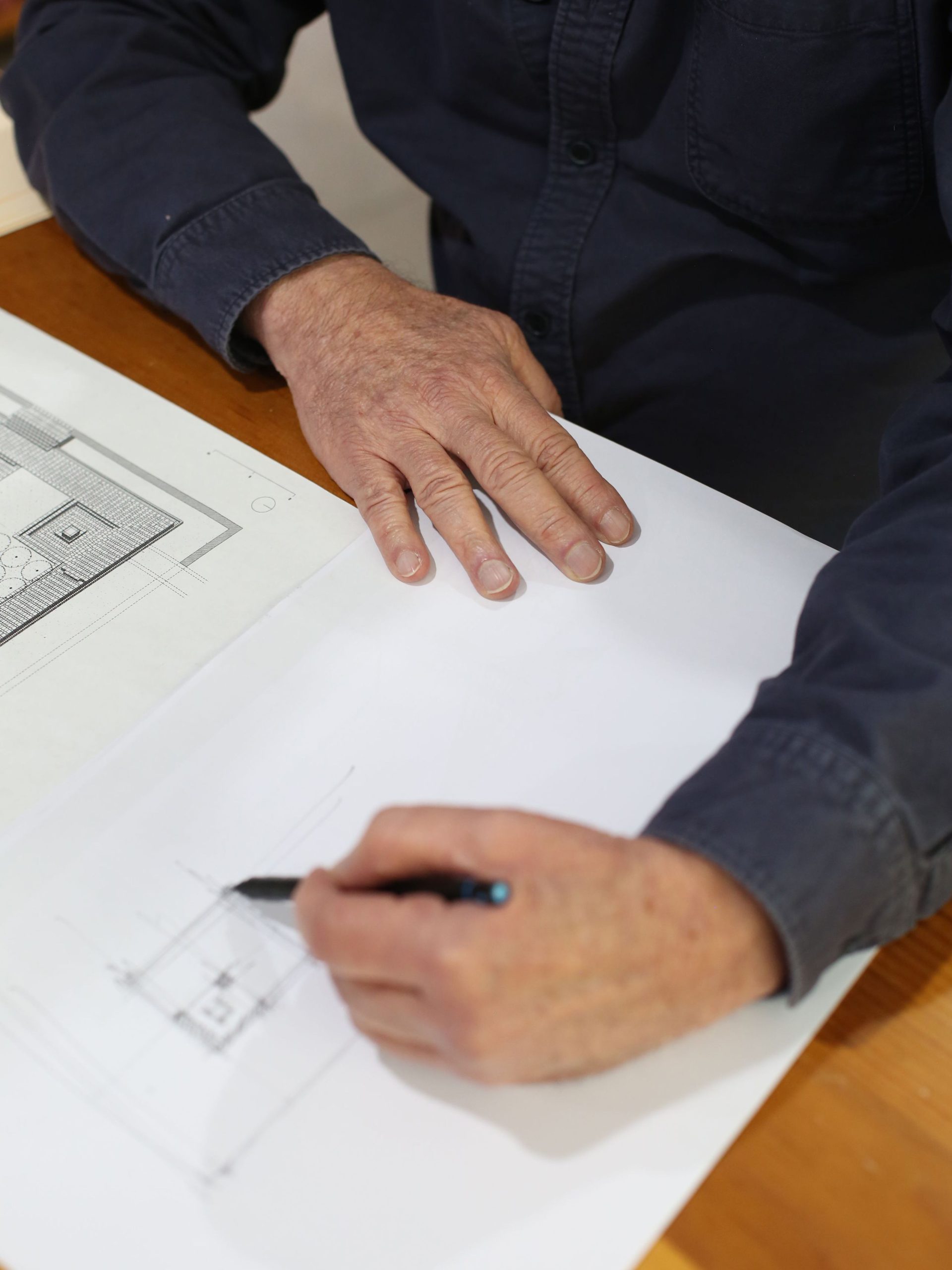
When Lastra speaks of pre-Hispanic influence, he does not treat it as a stylistic catalogue. He values it for spatial economy, the ability to produce intensity with minimal means, without ostentation. For him, that economy is a discipline, a way of thinking that resists the temptation to decorate problems.
ALAMEDA CENTRAL: GEOMETRY UNDERFOOT
If one project captures Lastra’s belief that public space deserves dignity, it is the 2012 renovation of Alameda Central, often described as the oldest park in the Americas, dating back to the sixteenth century. Instead of defaulting to the logic of “good enough” infrastructure, he replaced cheap paving with Santo Tomás marble across a vast area. The decision triggered debate, largely around cost, as it inevitably would in a public project. Lastra’s response is uncompromising: public space is where civic life is shared, and shared life deserves quality.

The marble is not merely a premium surface. It is organised through a repeating geometric pattern that creates a cyclical rhythm underfoot. Millions of steps turn geometry into experience: pattern becomes tempo. Lastra has linked this approach to Octavio Paz’s poetry, often referencing the poem translated as Sun Stone, suggesting that a city’s ground can carry a kind of poetics when it holds together repetition, movement, and collective memory. It is an argument for beauty that is neither decorative nor detached, but structural to everyday life.
HERITAGE WITHOUT COSTUME
Lastra’s approach to heritage is defined by restraint. He advocates contemporary interventions that are legible without being showy: the new should read as new, the old should remain central, and the line between them should be honest. He rejects faux antiquity as much as he rejects intervention that overshadows history. For him, the goal is continuity of life, not museum display.

This ethic extends beyond parks and plazas to spaces where public memory is heavier. In the broader Chapultepec project, he has treated the Panteón de Dolores cemetery as a public realm that demands dignity. Here, public space is not only where people gather, but where a city confronts loss. The task becomes one of restoring respect, re-reading neoclassical layouts, and allowing collective memory to surface rather than be paved over by novelty.

MATERIALS AS PROFESSIONAL ETHICS
Lastra’s practice is anchored by three interdependent pillars: history, geometry, and construction technique. History is not a backdrop but an active set of layers and connections to life. Geometry is not abstraction but a tool to organise rhythm and experience. Construction technique is not execution after the fact, but the means by which ideas become durable, and by which a building learns how to age.
He is wary of grand philosophical slogans that float above the site. Thought, he insists, must touch the ground. It must accept material responsibility.
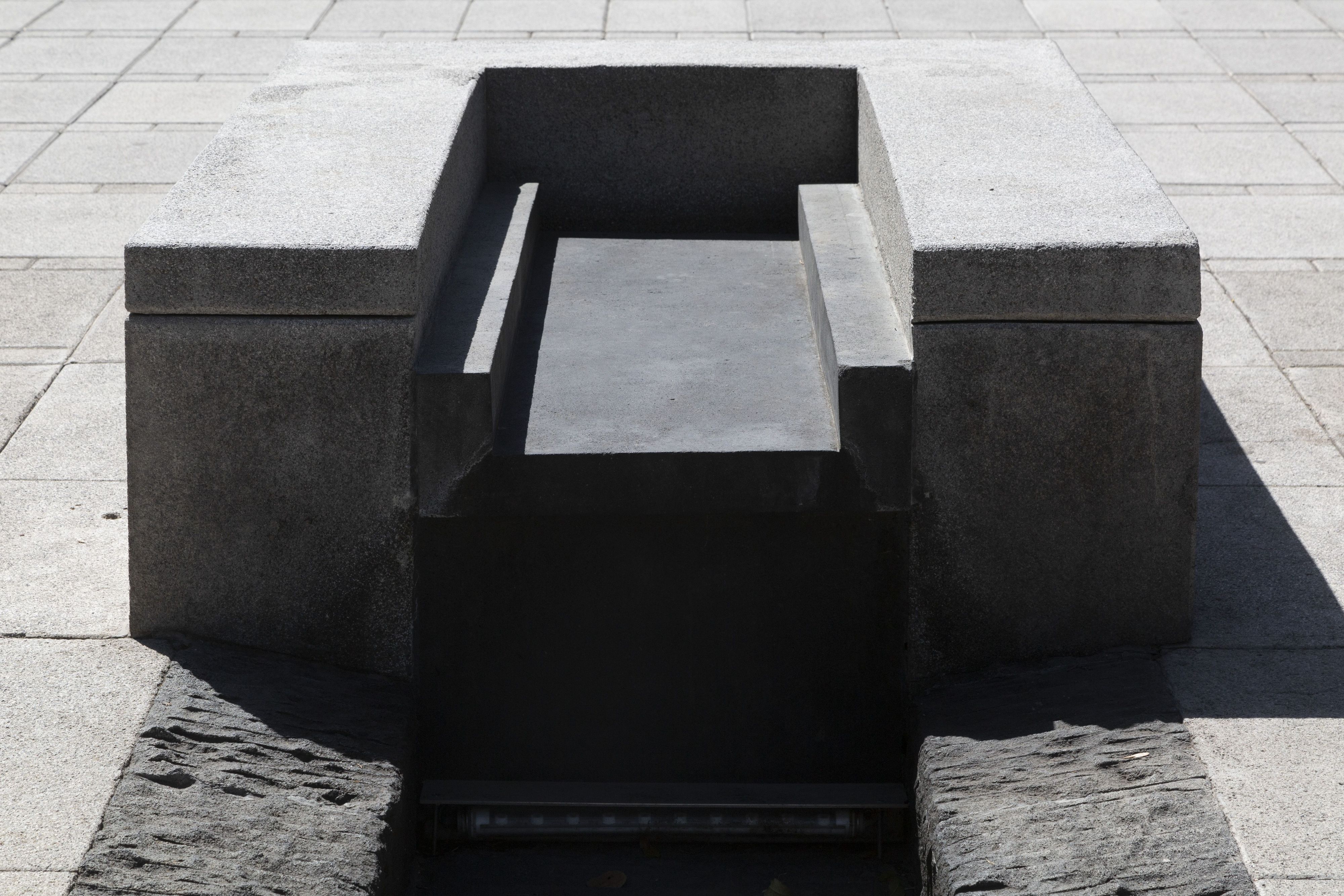
This is why he is sceptical of modern materials being treated as “eternal.” Concrete degrades; it stains, cracks, and fails in predictable ways, especially when used without care for climate and craft. Rather than romanticise tradition, Lastra argues for relearning traditional techniques in stone, brick, and wood because they carry accumulated knowledge about why certain works endure beautifully in specific local conditions. His stance is scientific and humble: craft is a record of long testing.
Santo Tomás marble becomes emblematic in this argument. In Mexico City it is already “socialised,” embedded in urban memory through decades of use, including in metro stations. To choose it is not simply to choose a finish; it is to choose continuity, legibility, and the kind of ageing a city can recognise as its own. He opposes synthetic cladding and fake surfaces not on aesthetic purist grounds, but because they often signal a lax relationship to technique and place. Materials, for Lastra, are ethics made visible, determining how architecture holds up over time.
Technology, of course, is part of contemporary practice. Lastra acknowledges the power of 3D software and digital tools, but he insists that spatial imagination remains the core. He notes, pointedly, that skilled craftsmen often visualise better than architects because they have lived experience of forces, volumes, joints, and tolerances. Imagination is not fantasy; it is informed projection.
Amid major public commissions, he carries a modest private dream: to make a meaningful inward-focused building, only three to five storeys, one that respects human scale and allows space to live, age, and retain dignity. It is a reminder that architectural ambition does not have to be measured in height.
BARRAGÁN’S AFTERIMAGE IN THE PUBLIC REALM
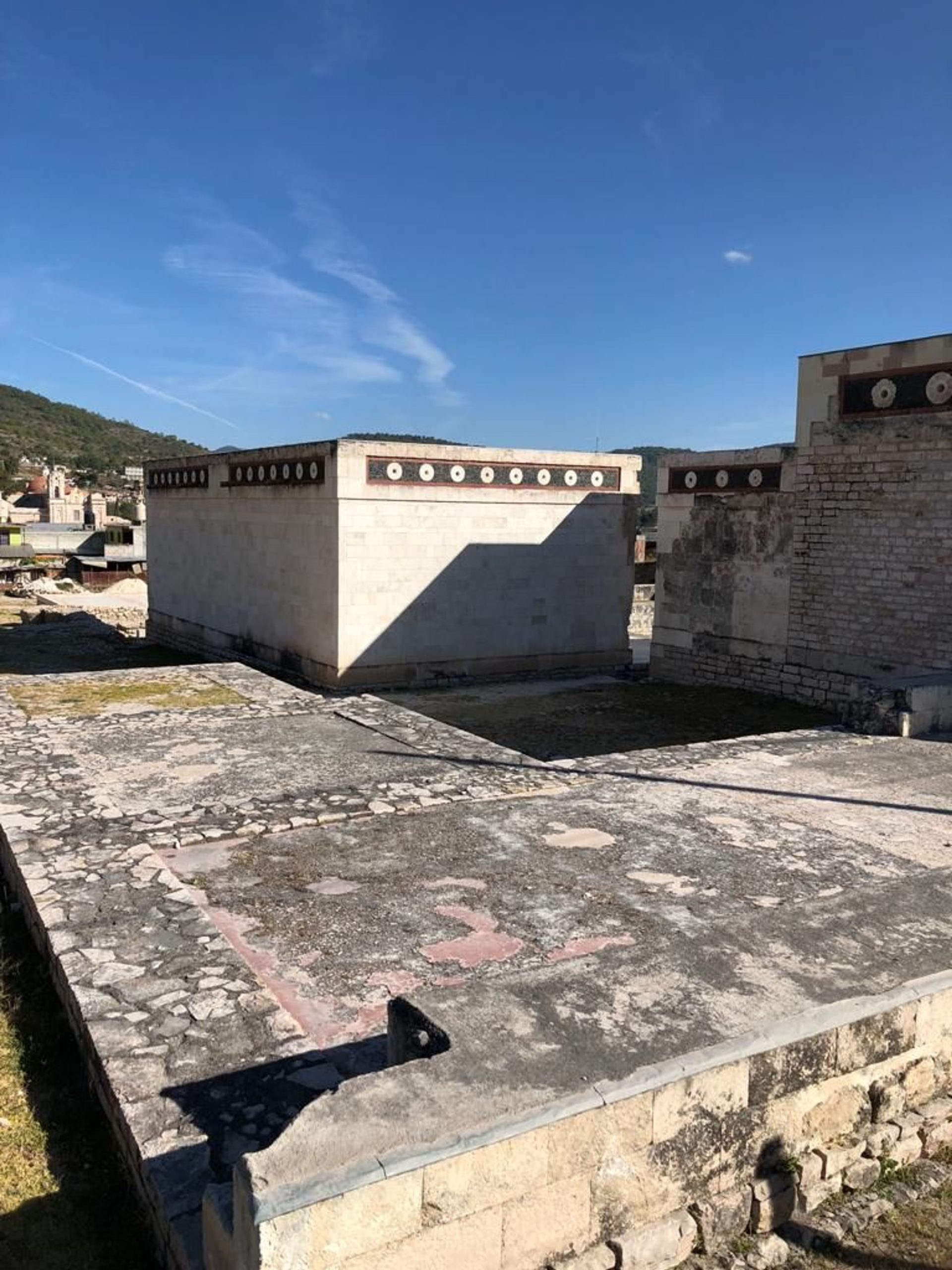
Lastra’s insistence that the public ground is a cultural manifesto naturally evokes the legacy of Luis Barragán, the Pritzker Prize-winning Mexican architect whose plazas, gardens, and fountains reshaped emotional architecture. Barragán also negotiated pre-Hispanic roots with modern influences, but he did so through metaphysical landscapes: bold colour fields, hidden light sources, and water elements that turn space into a slow form of contemplation.

That lineage is not about copying forms. It is about taking atmosphere seriously as a civic value. Barragán’s Torres de Satélite, realised in 1957–58 in Mexico City with Mathias Goeritz, transformed geometric abstraction into an urban signal. Cuadra San Cristóbal, built between 1966 and 1968 as an equestrian estate, fused walls, fountains, gardens, and movement into a sensory environment, and is expected to open to the public as a cultural destination in 2025. Jardines del Pedregal, developed from 1945 to 1953, mapped a modern landscape logic onto a lava field through plazas, ponds, cactus gardens, and rules for spatial harmony. Las Arboledas, formed between 1955 and 1961, used reflective ponds among eucalyptus as a mirror for sky and branches, drawing on garden traditions and painterly references. Even the utilitarian can become pause, as in Fuente del Bebedero at Los Clubes, where a horse trough is framed by colour, shadow, and proportion.
Barragán famously proposed that “silence sings” in his fountains. Serenity, for him, was not an accessory; it was the point. In Lastra’s Alameda Central, the medium changes from water to stone, from the fountain’s hush to the pavement’s rhythm, but the ambition remains related: to elevate everyday public ground into a lasting cultural asset, bridging tradition and contemporaneity without reducing either to style.
Enrique Lastra’s work, at its best, is a refusal to treat public space as leftover space. It argues that the city’s ground is not only where we move, but where we remember, gather, and recognise ourselves. In that sense, the pavement is not an endpoint. It is the beginning.