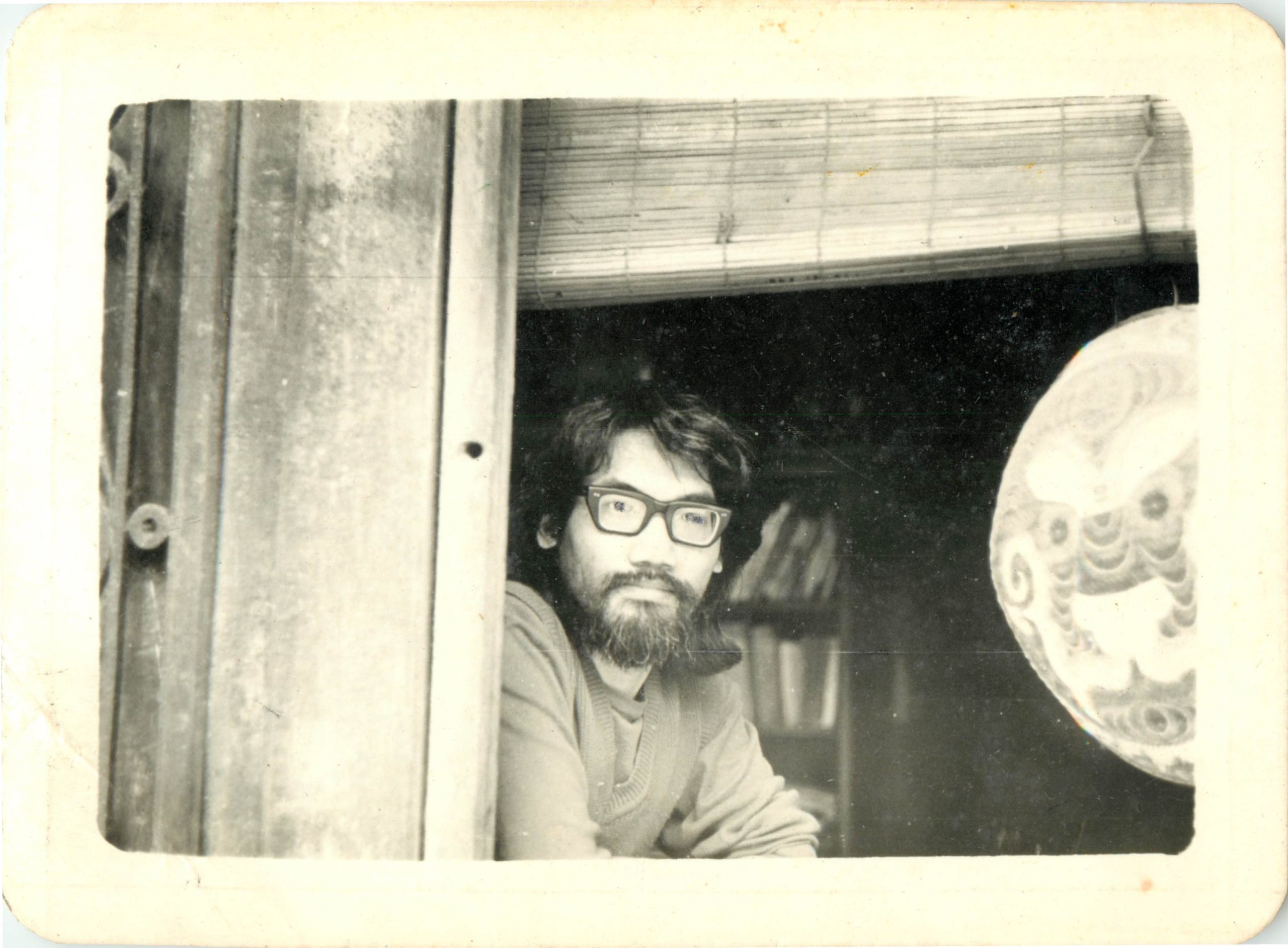
An in-depth feature on Vu Dan Tan and the role of assemblage, sound, and hybridity in Vietnam’s contemporary art.

An in-depth feature on Vu Dan Tan and the role of assemblage, sound, and hybridity in Vietnam’s contemporary art.
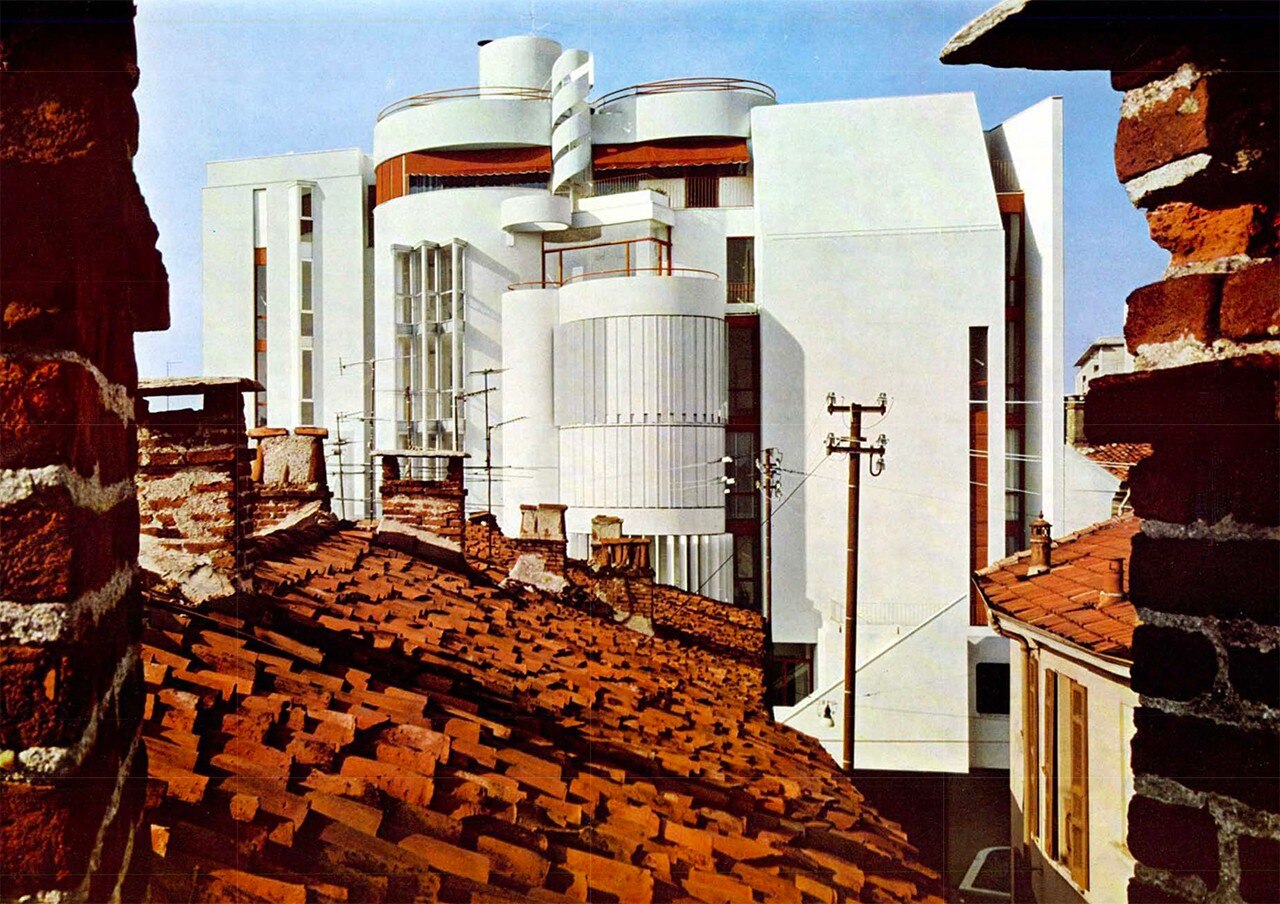
In the quiet town of Cassano Magnago, in Italy’s Varese province, a low circular building rests among trees and open ground. Cast in concrete yet kept close to the earth,
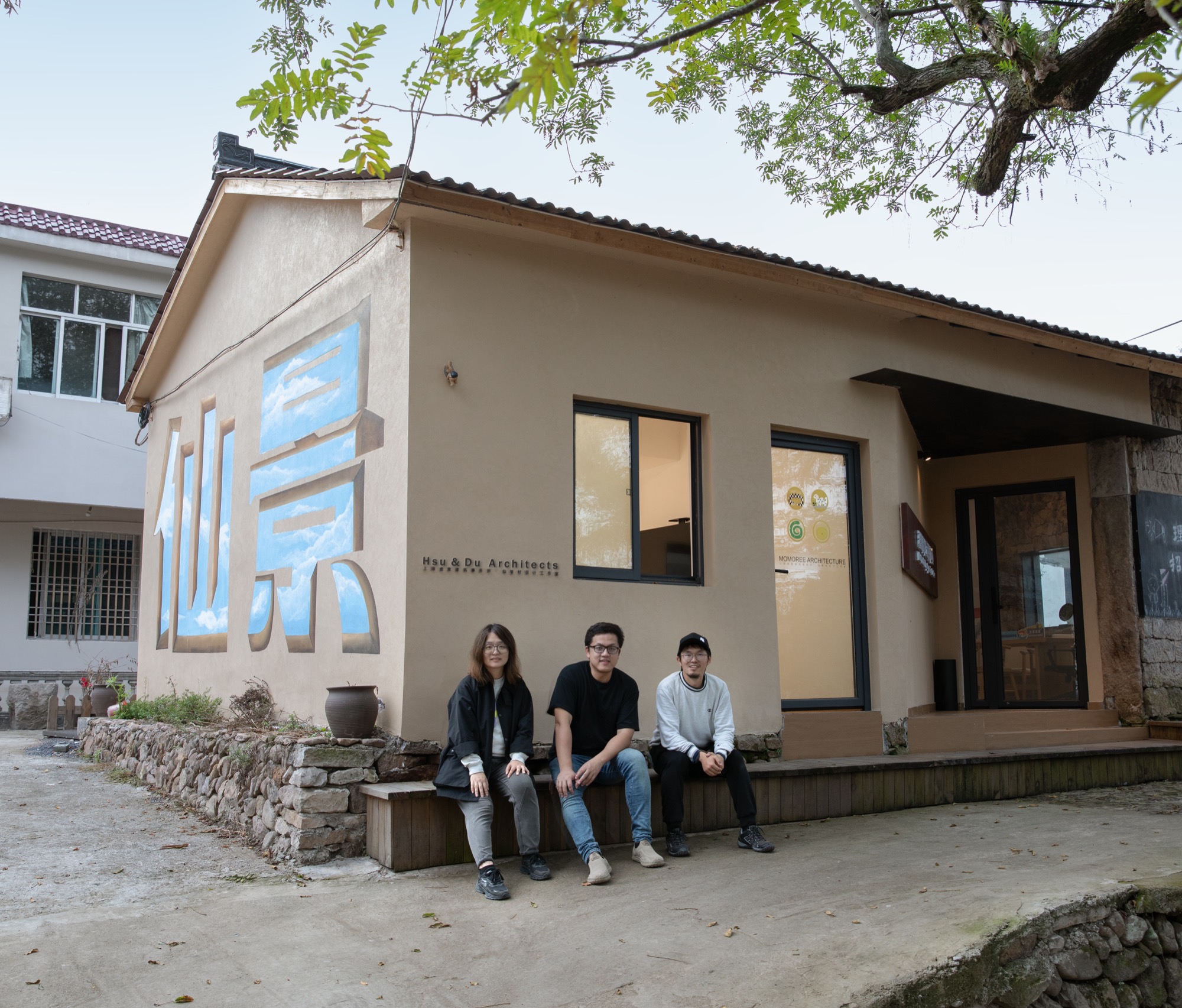
In this interview, architects Du Jie and Hsu Wenjie of Hsu & Du Architects discuss the transformation of an abandoned primary school in Xianjing Village into Qingyi Lodge, a rural artist retreat shaped by memory, landscape and ongoing village regeneration.
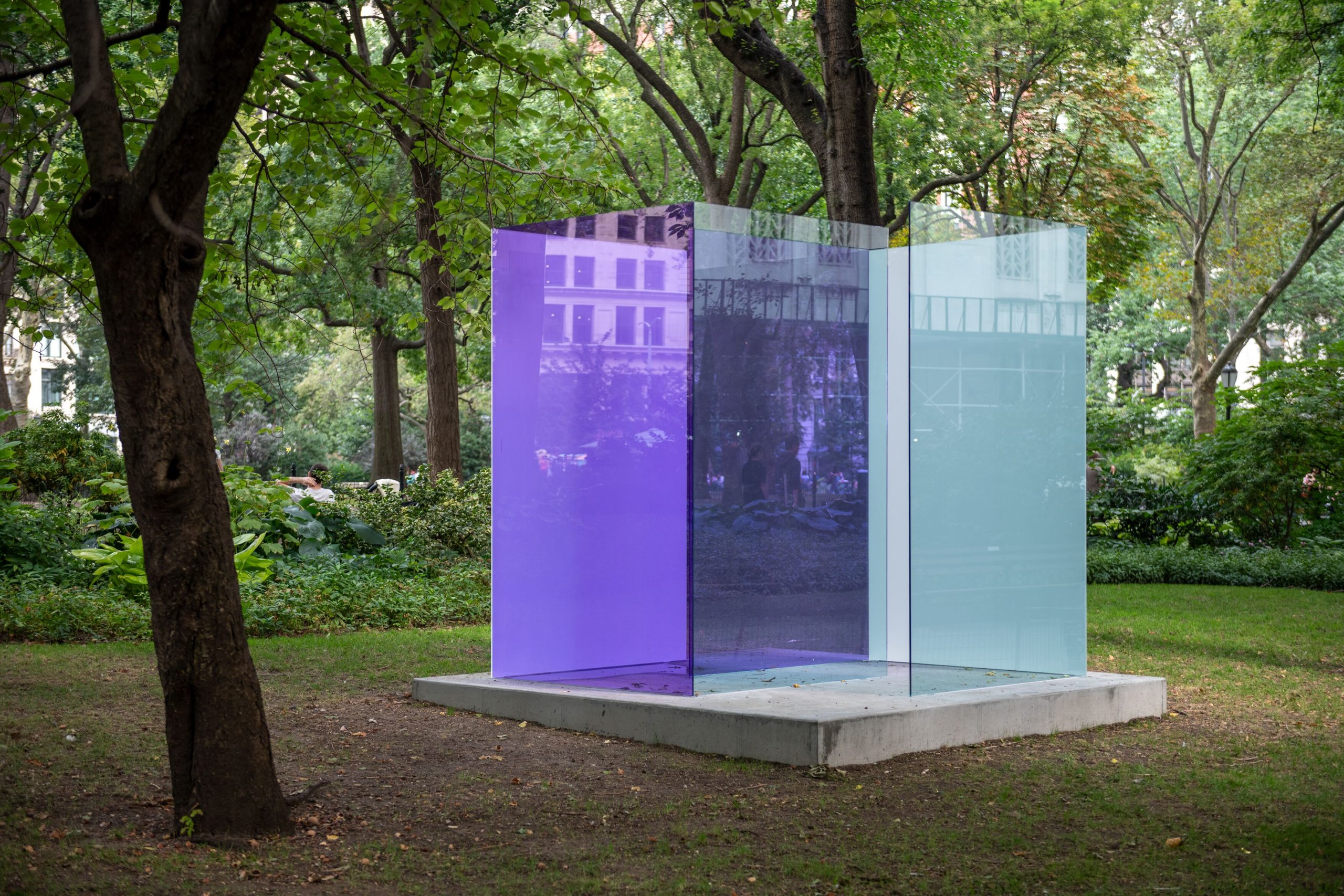
Six monumental glass works by Larry Bell spread across six lawns in Madison Square Park, shifting from colour-block to mirror-field as the sky changes and viewers move. In his largest
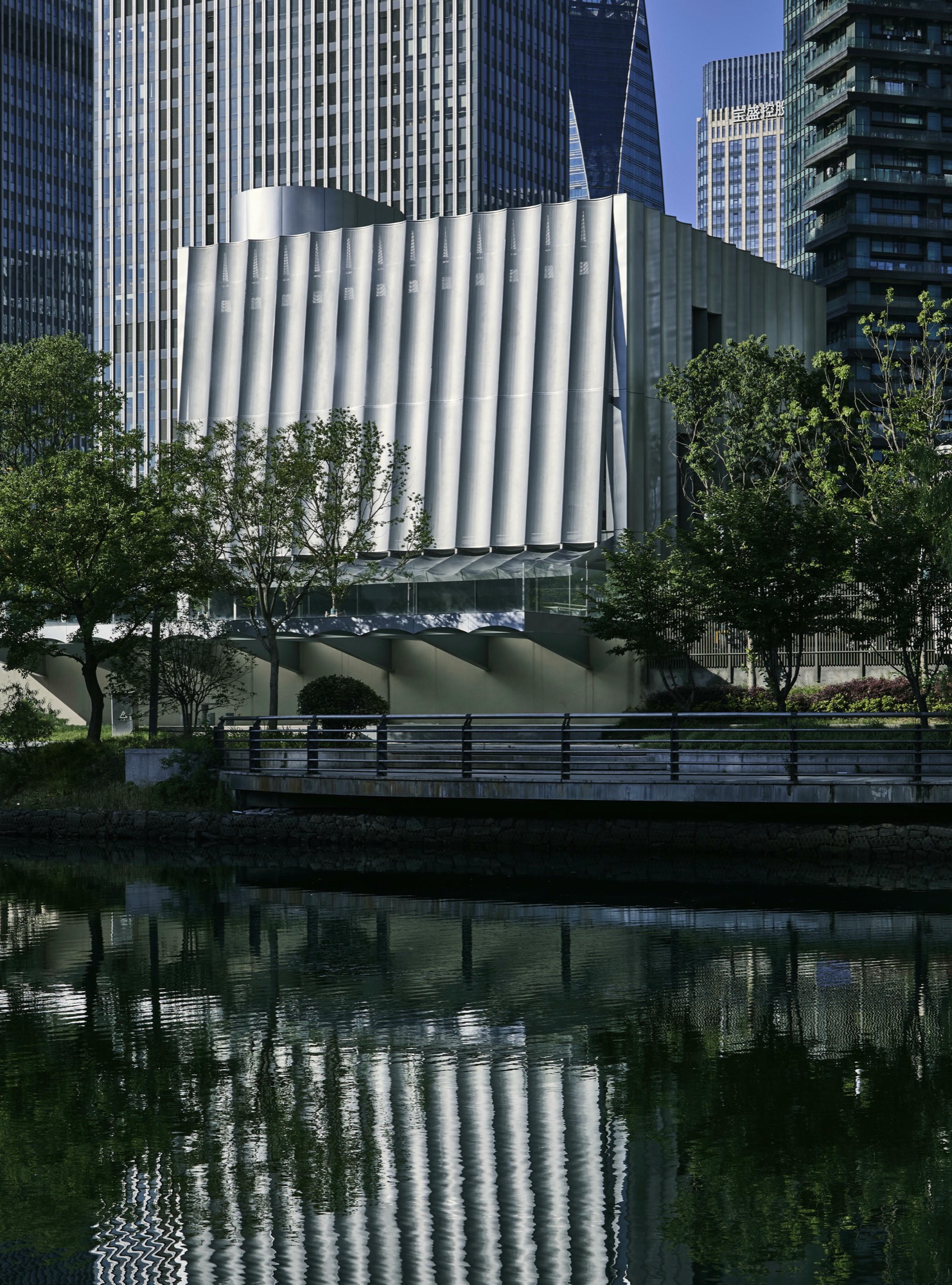
Hangzhou Empathy Museum is a community art museum in Hangzhou, China, created from an unfinished project that included a completed underground garage. The design converts part of the basement into galleries and wraps the above ground structure in curved stainless steel panels, forming a reflective urban shell. With a dramatic three storey spatial canyon, perforated facades and integrated underground exhibition halls, the museum redefines adaptive reuse and positions art as part of everyday city life.
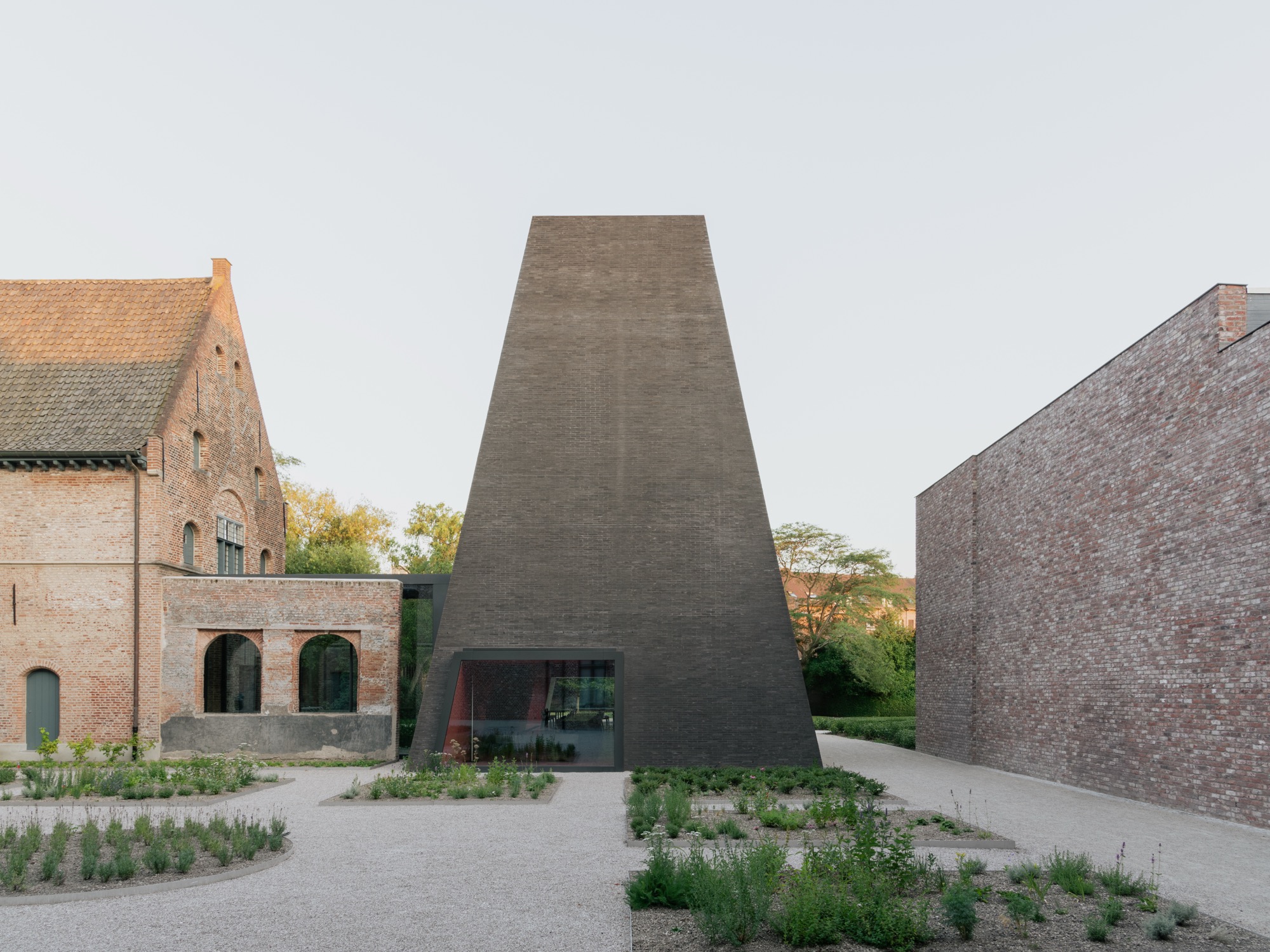
Abby Kortrijk extends and transforms the historically significant complex of Groeninge Abbey into an arts space for site specific temporary exhibitions and public events. Conceived as a new kind of
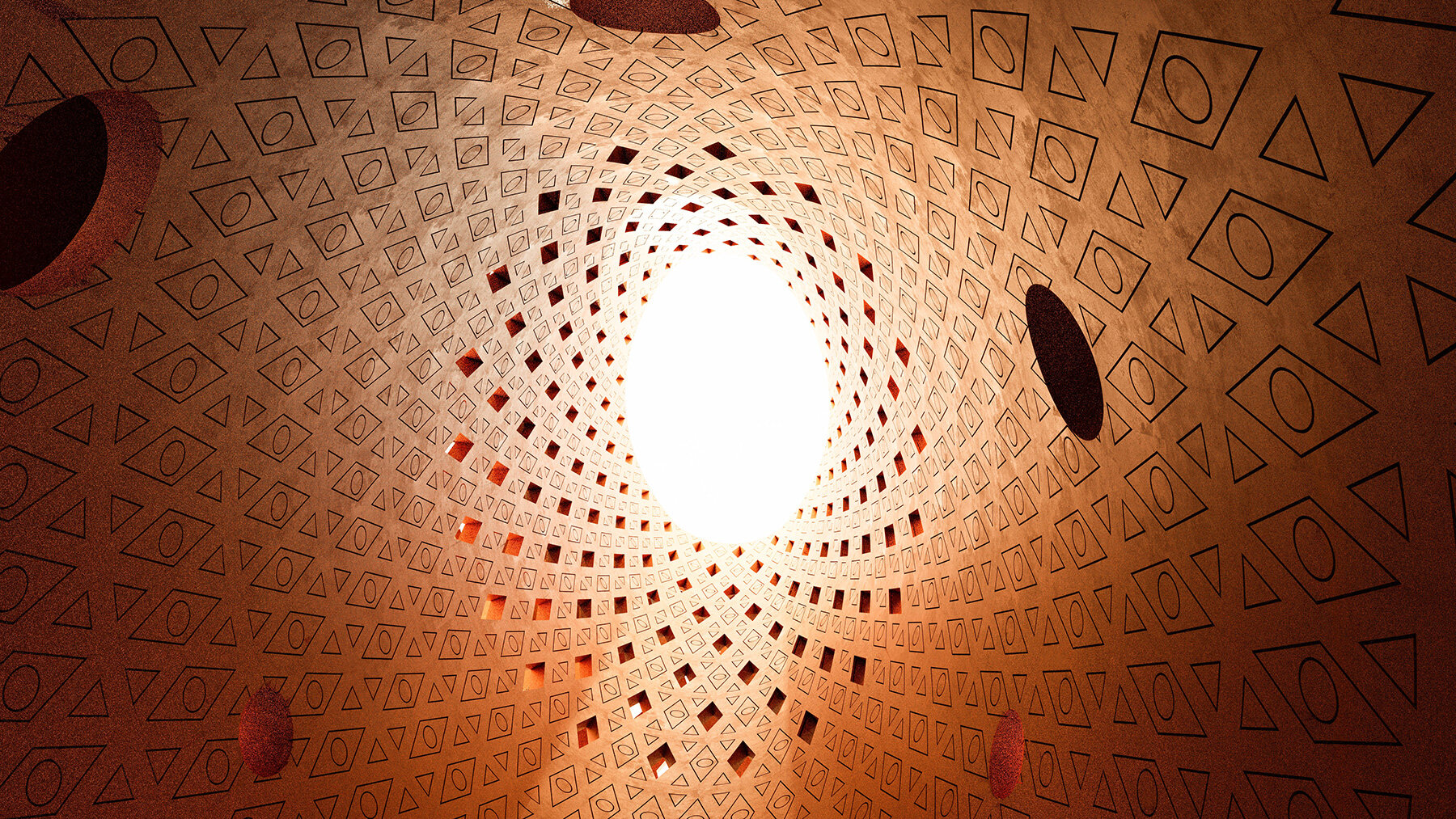
Kéré Architecture has released its design for the Biblioteca dos Saberes (The House of Wisdom), a 40,000-square-meter public library and cultural center that will become a cornerstone of Rio de
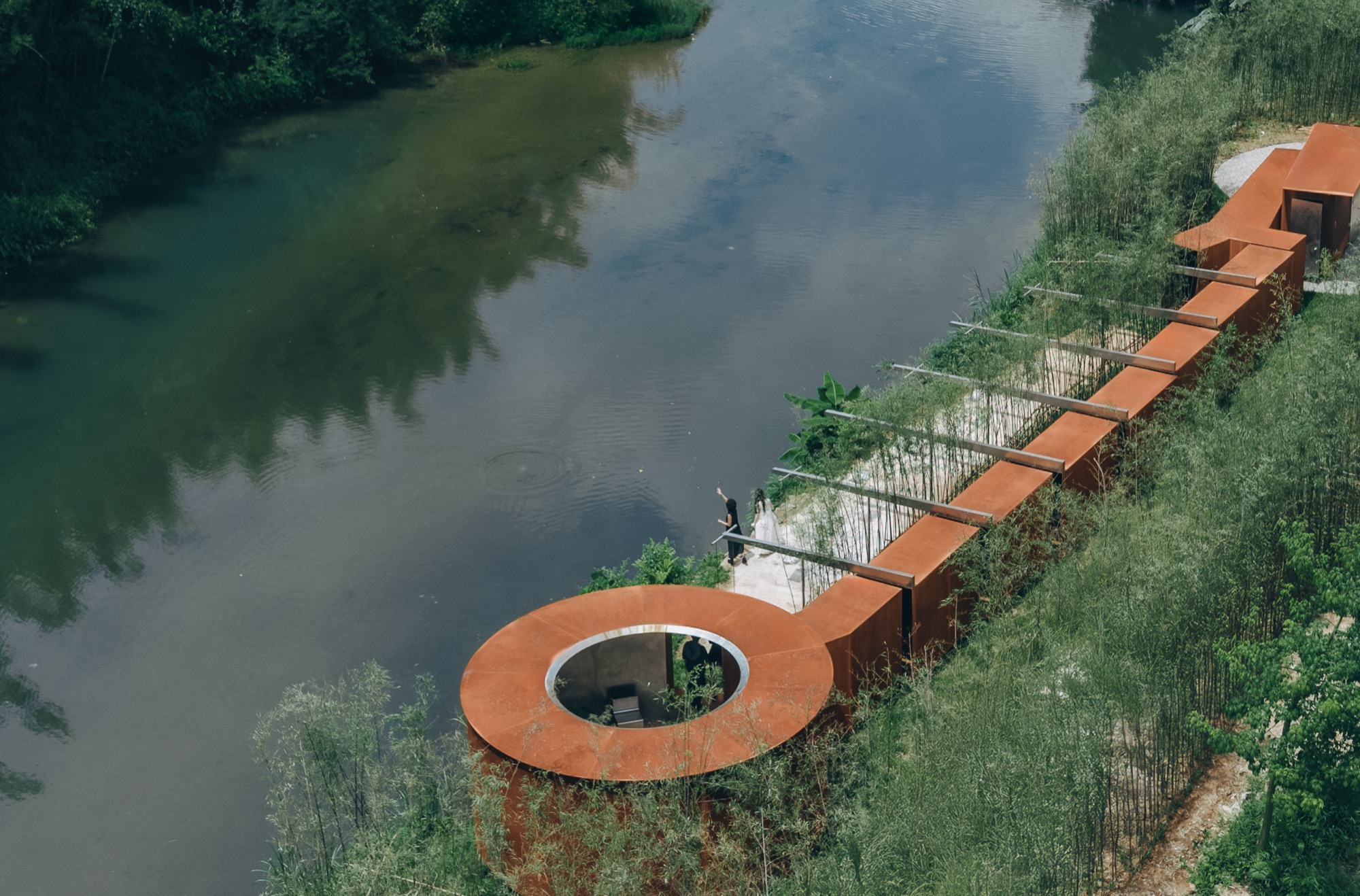
Set on the banks of the Tiegang River in Longtan Town, Huizhou, the Floral Wander Loop revisits a thousand years of cultural memory. It is here that Su Shi, one
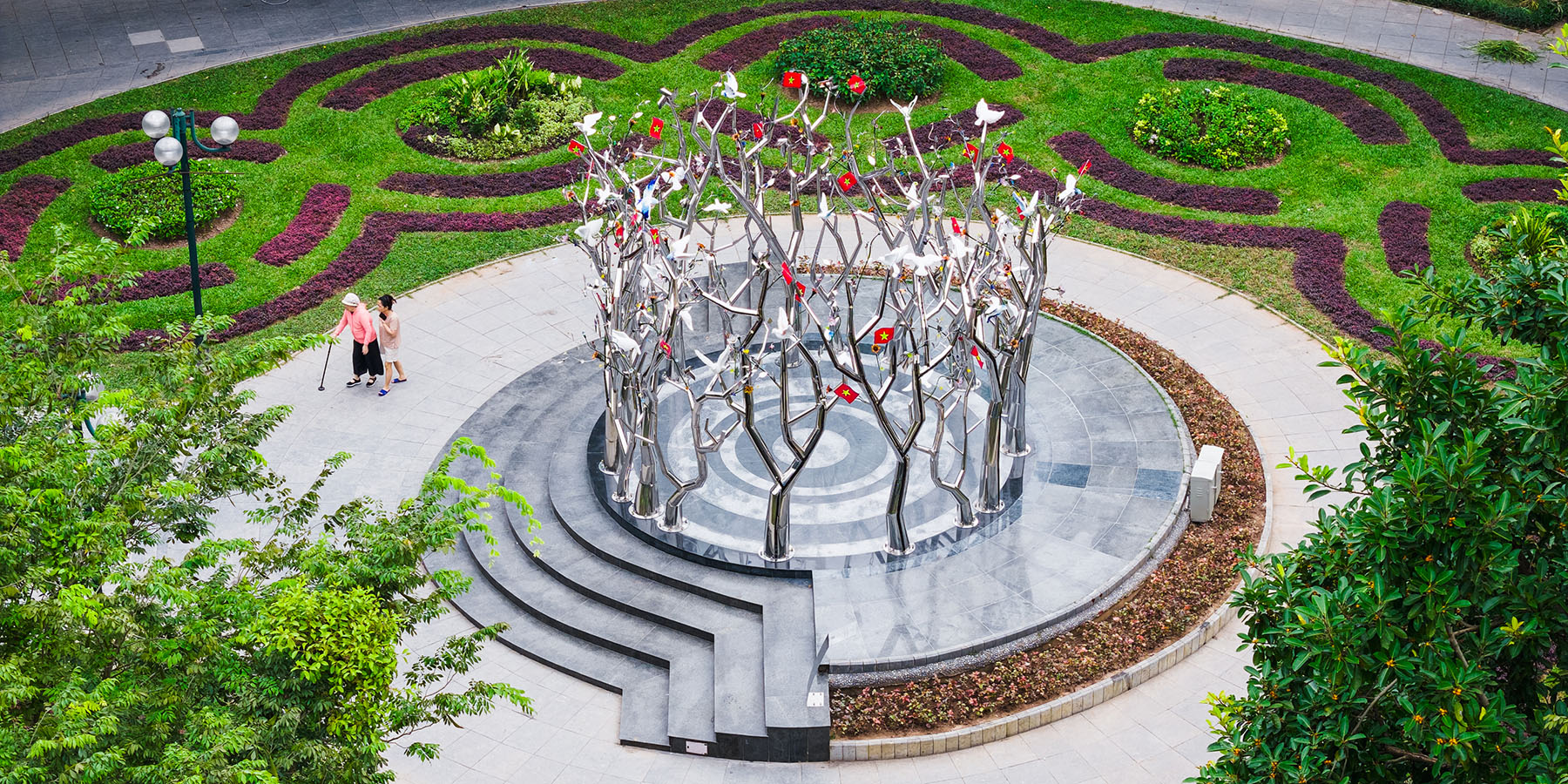
In October 2025, Vietnamese artist Tia Thuy Nguyen presents Unity, a large scale public artwork situated in a central urban park in Hanoi. Conceived as an immersive spatial environment rather
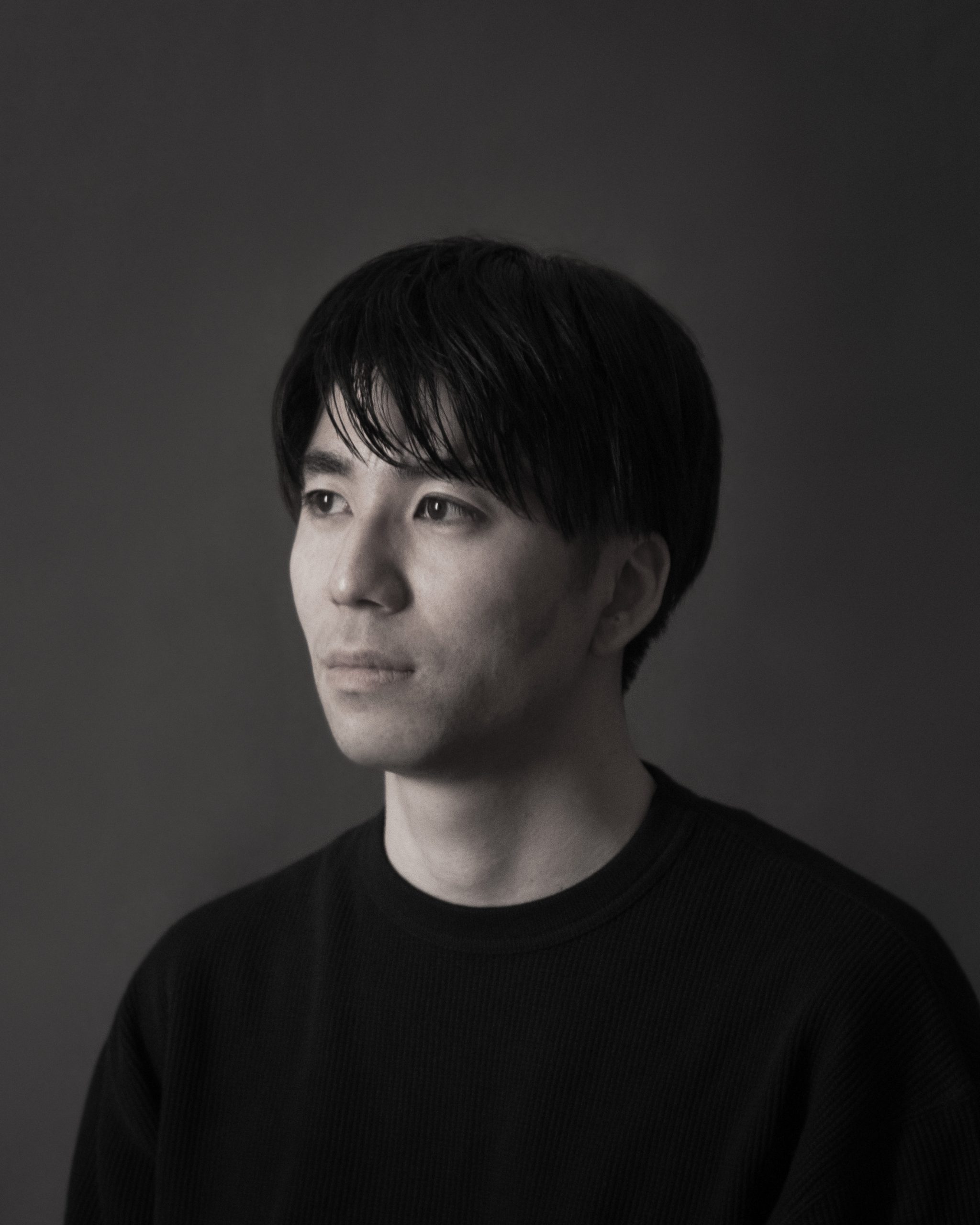
Japanese designer So Koizumi moves fluidly between furniture, objects, and spatial thinking. Through experiments with materials such as asphalt and steel, his work explores how form, history, and human presence intersect. In this conversation, Koizumi reflects on material memory, sculptural thinking, and the subtle ways small objects can shape spatial experience.