Now Reading: So Koizumi: Designing between material memory and sculptural form
- 01
So Koizumi: Designing between material memory and sculptural form

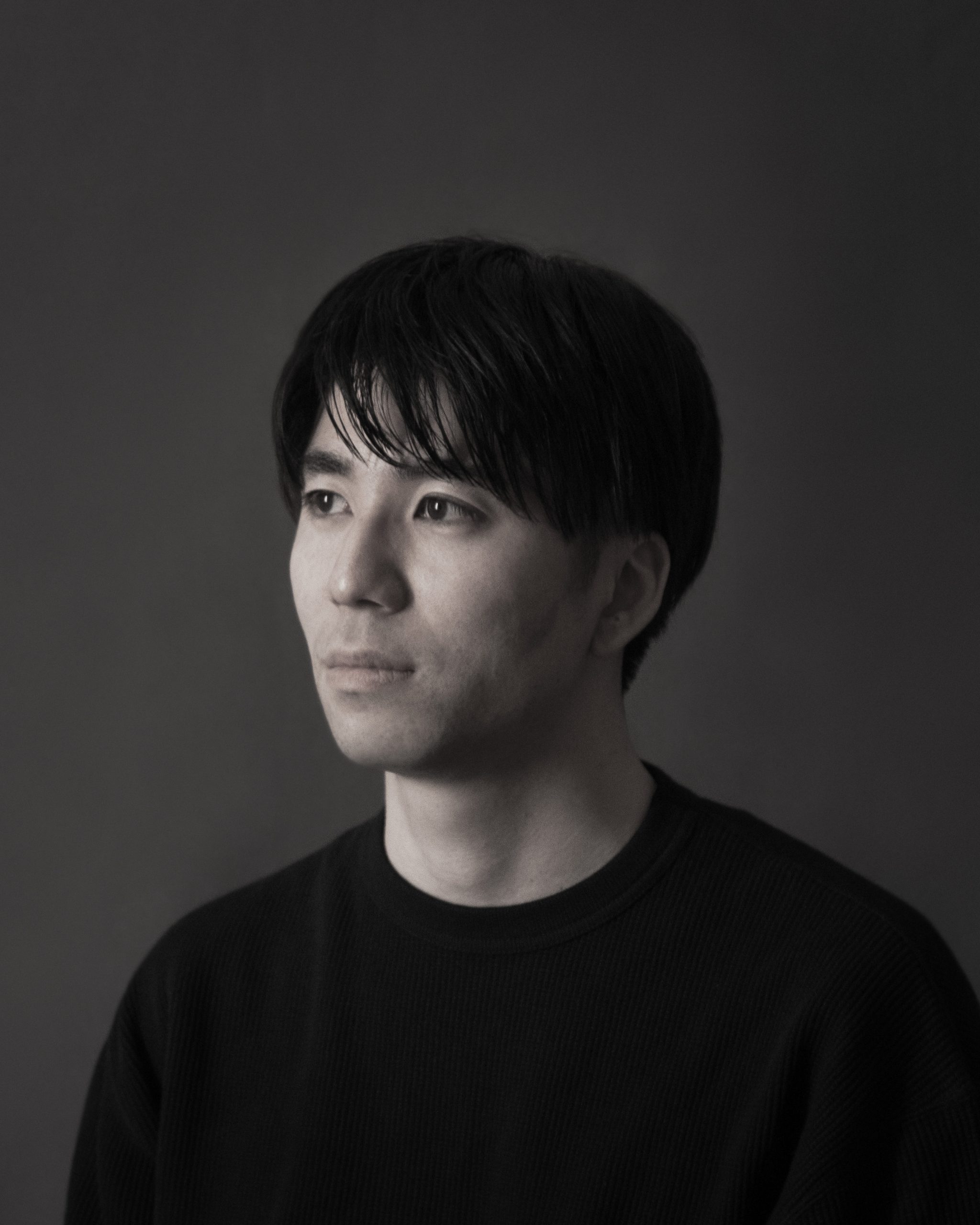

In design, materials rarely arrive without preconceptions. Asphalt is expected to belong to roads and infrastructure, ladders to construction sites, benches to the quiet utility of everyday interiors. Japanese designer So Koizumi approaches these assumptions with a different kind of curiosity. Rather than searching for extraordinary materials or dramatic gestures, his work begins with the ordinary. It starts from objects and substances that already exist within the fabric of daily life, which he gradually repositions through observation and experimentation.
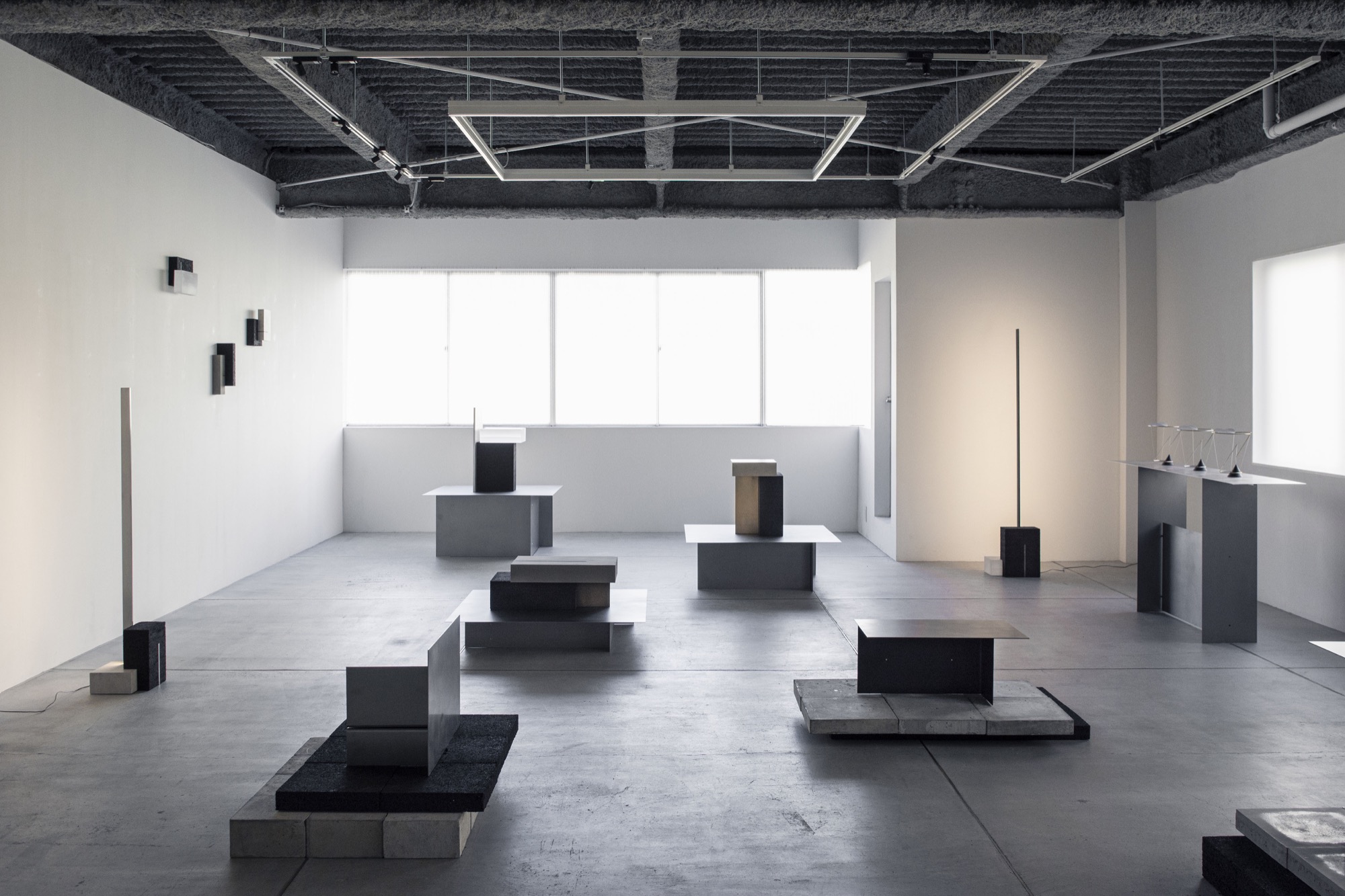
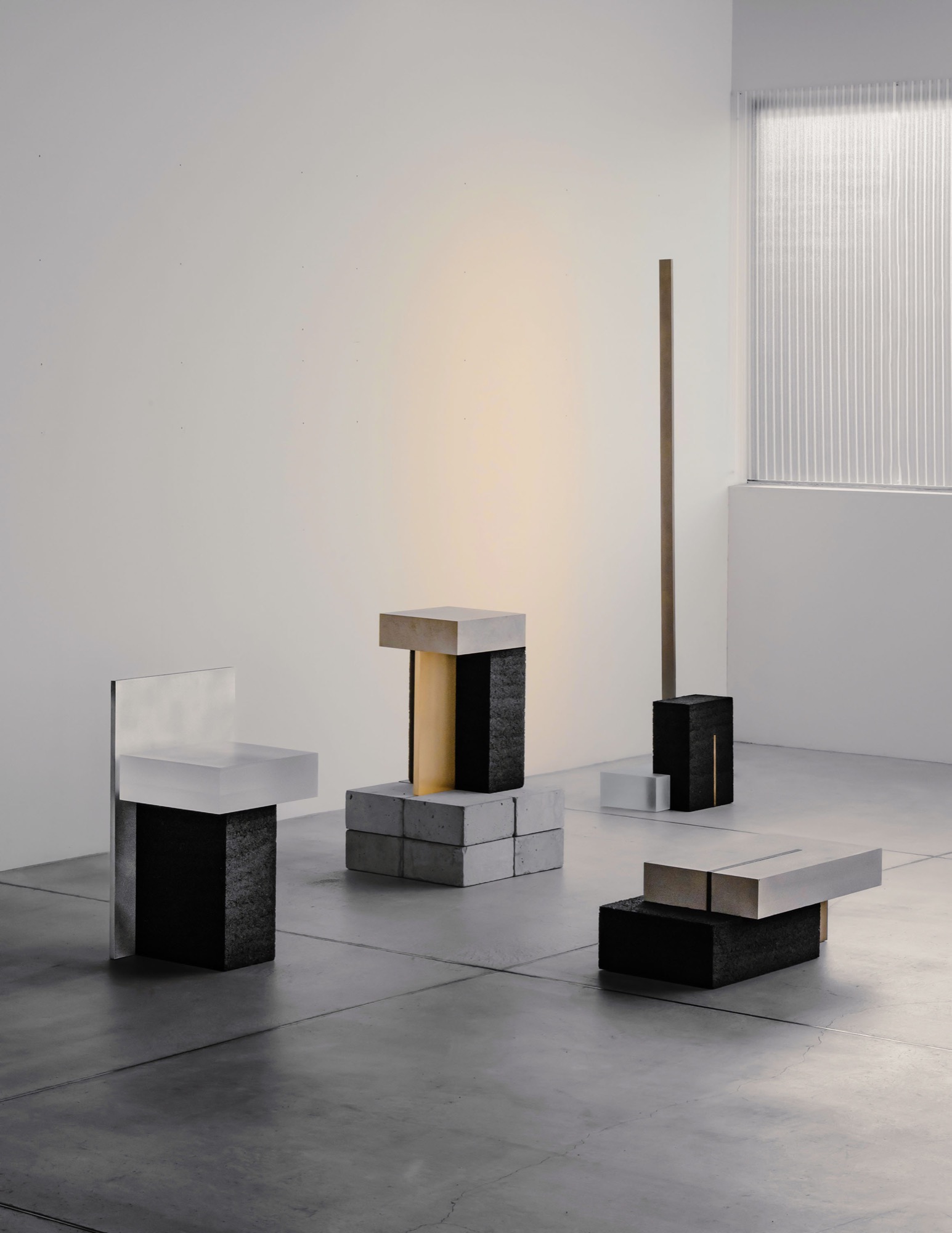
Koizumi’s projects move across the porous boundary between product design, sculpture, and spatial thinking. A ladder becomes an object whose tubular structure recalls the rhythm and mechanical elegance of brass instruments. A bench designed for a photography studio shifts from a piece of furniture into something closer to a small architectural presence within the room. Asphalt, perhaps the most unexpected material in his work, is reconsidered not through its contemporary industrial role but through a much longer historical memory. Long before it became synonymous with modern infrastructure, asphalt was used during Japan’s Jomon period as an adhesive for hunting tools, binding wooden shafts to stone arrowheads. This distant past becomes a conceptual entry point for Koizumi’s material experiments.
Across these projects, Koizumi’s design language remains deliberately restrained. Forms appear simple, sometimes even minimal, yet they carry traces of careful observation and subtle narrative. Objects are not conceived as isolated artefacts but as elements within a broader web of relationships between materials and time, between objects and human presence, and between small-scale experimentation and the possibility of future spatial design.
In this conversation, Koizumi reflects on how these relationships shape his practice, and how seemingly modest objects can become starting points for rethinking the role of materials, form, and space in contemporary design.
Across your projects, from experimental furniture to sculptural objects, you seem to move fluidly between design and spatial thinking. What would you describe as the core philosophy behind your work?
So Koizumi: Beyond the four projects presented here, my current design philosophy revolves around a set of interconnected ideas. At its core, design is a way of expressing my personal attitude toward society. I am interested in re-examining the meanings and functions embedded within materials, structures, and environments, revealing the intrinsic appeal that often remains unnoticed in everyday contexts.
Experimentation and form-making are important parts of this process, because they allow me to pursue a sense of uniqueness in each project. At the same time, I see design as an act of carefully weaving relationships between objects, environments, time, and people. Whether I am working on furniture or thinking about space, these ideas continue to guide my approach.
Your “As” furniture collection explores asphalt in a very unusual way. How did Japanese history, particularly the Jomon period, influence this exploration?
SK: The idea for the “As” furniture collection began when I learned that during the Jomon period in Japan, roughly 10,000 years ago, asphalt was used as an adhesive to connect wooden shafts and stone arrowheads used for hunting animals.
I discovered this while visiting the Tokyo National Museum. What fascinated me was the contrast between that ancient use and our contemporary perception of asphalt today, which is almost entirely associated with road paving.
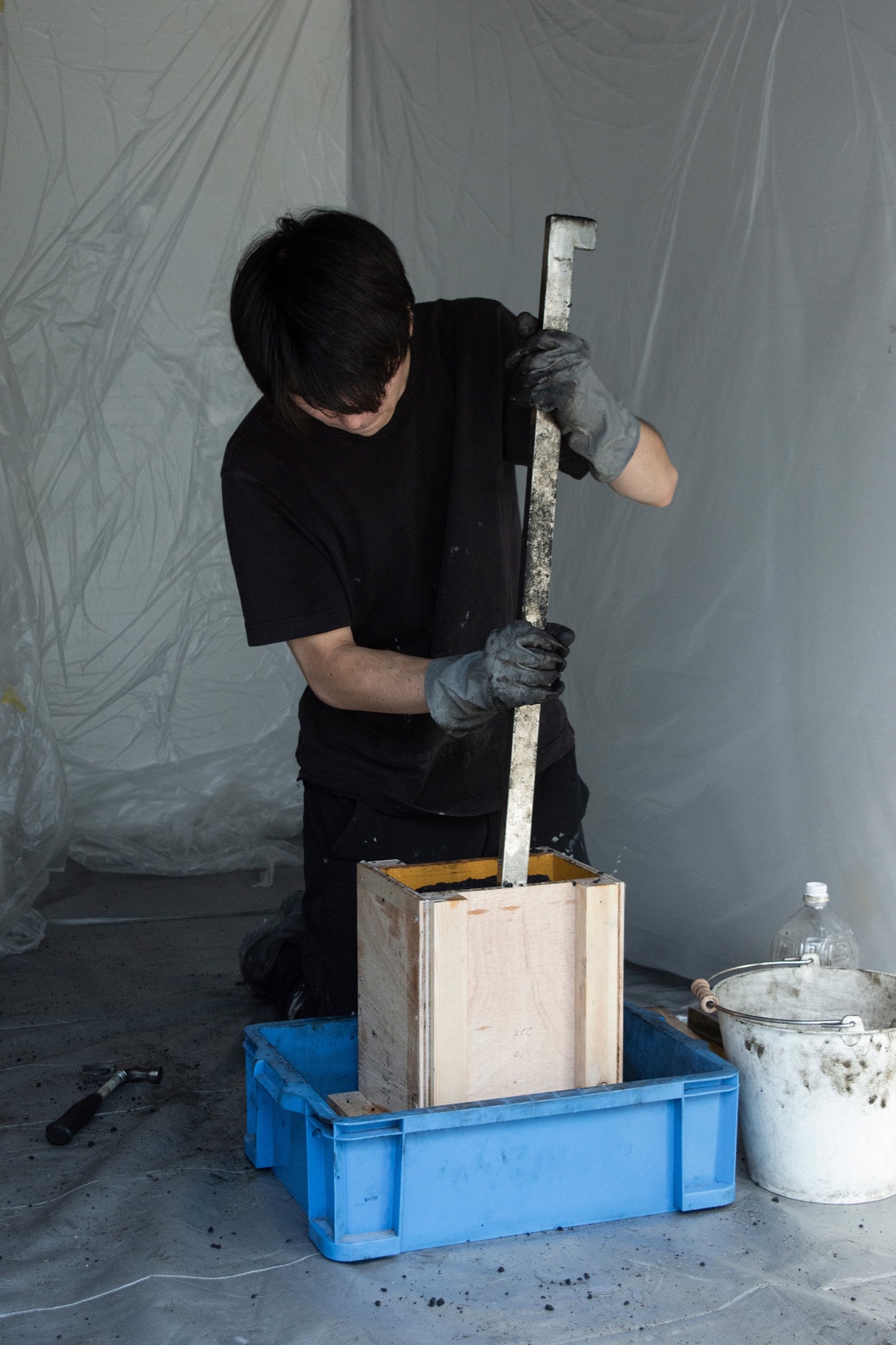
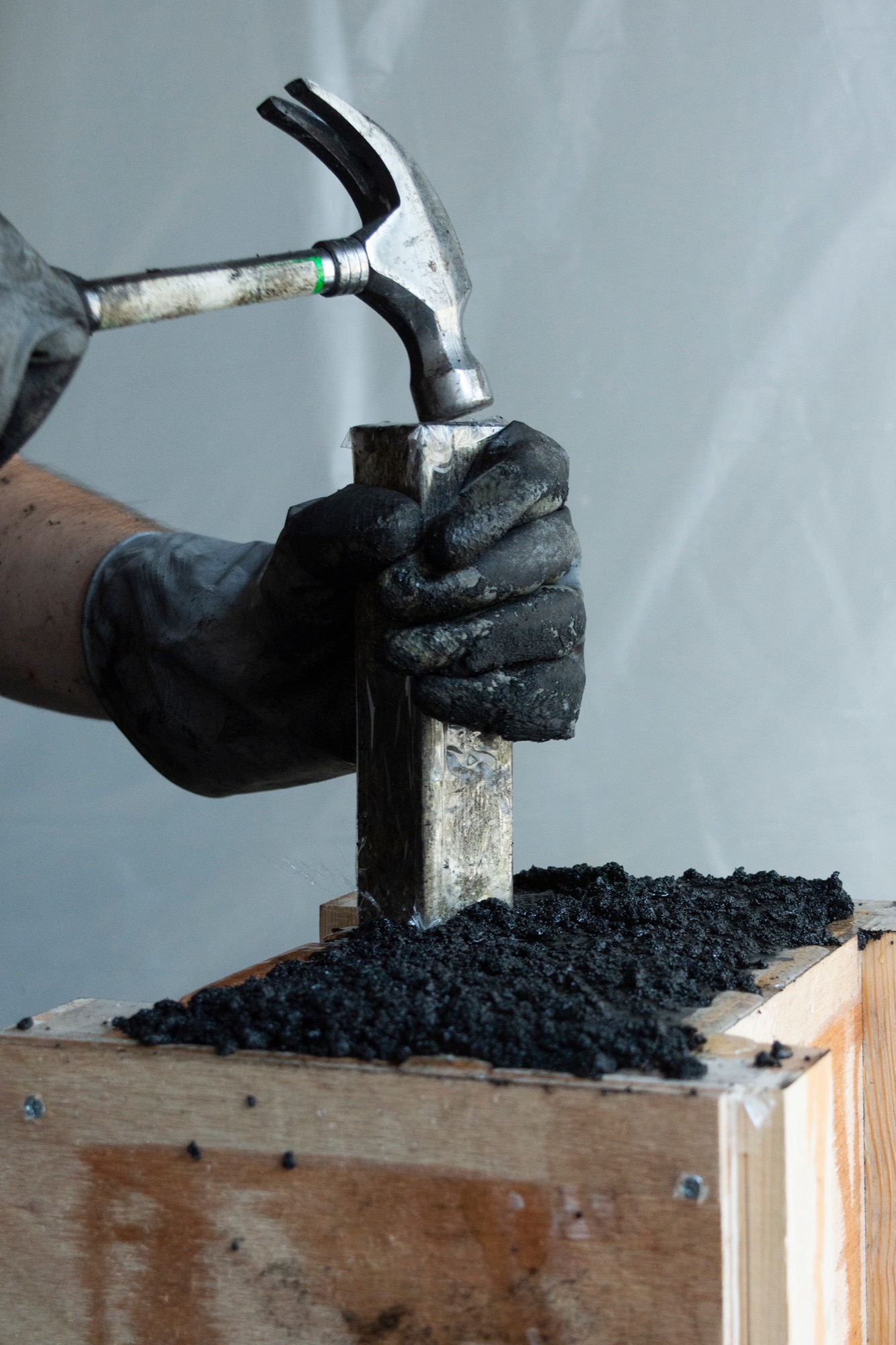
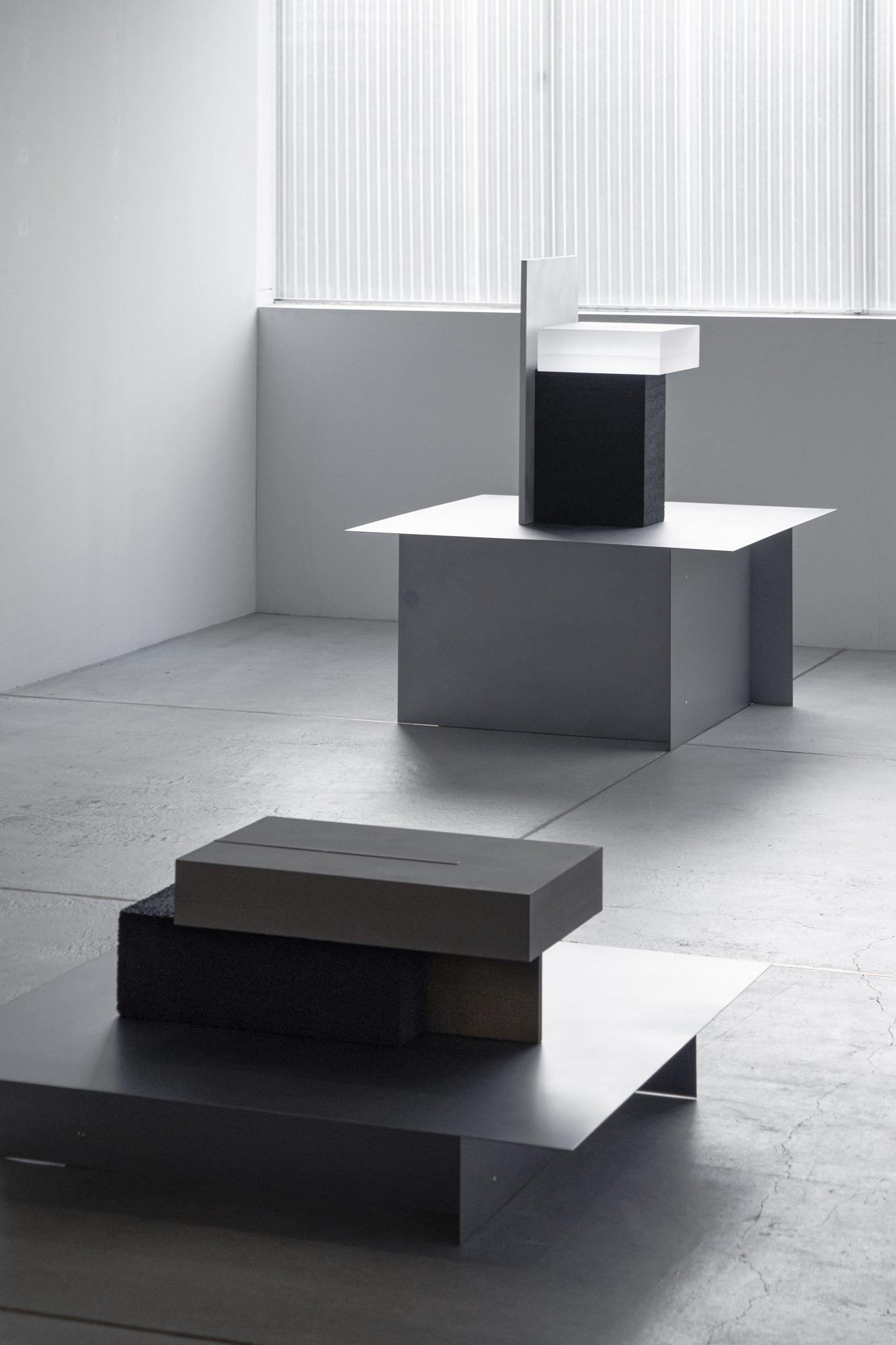
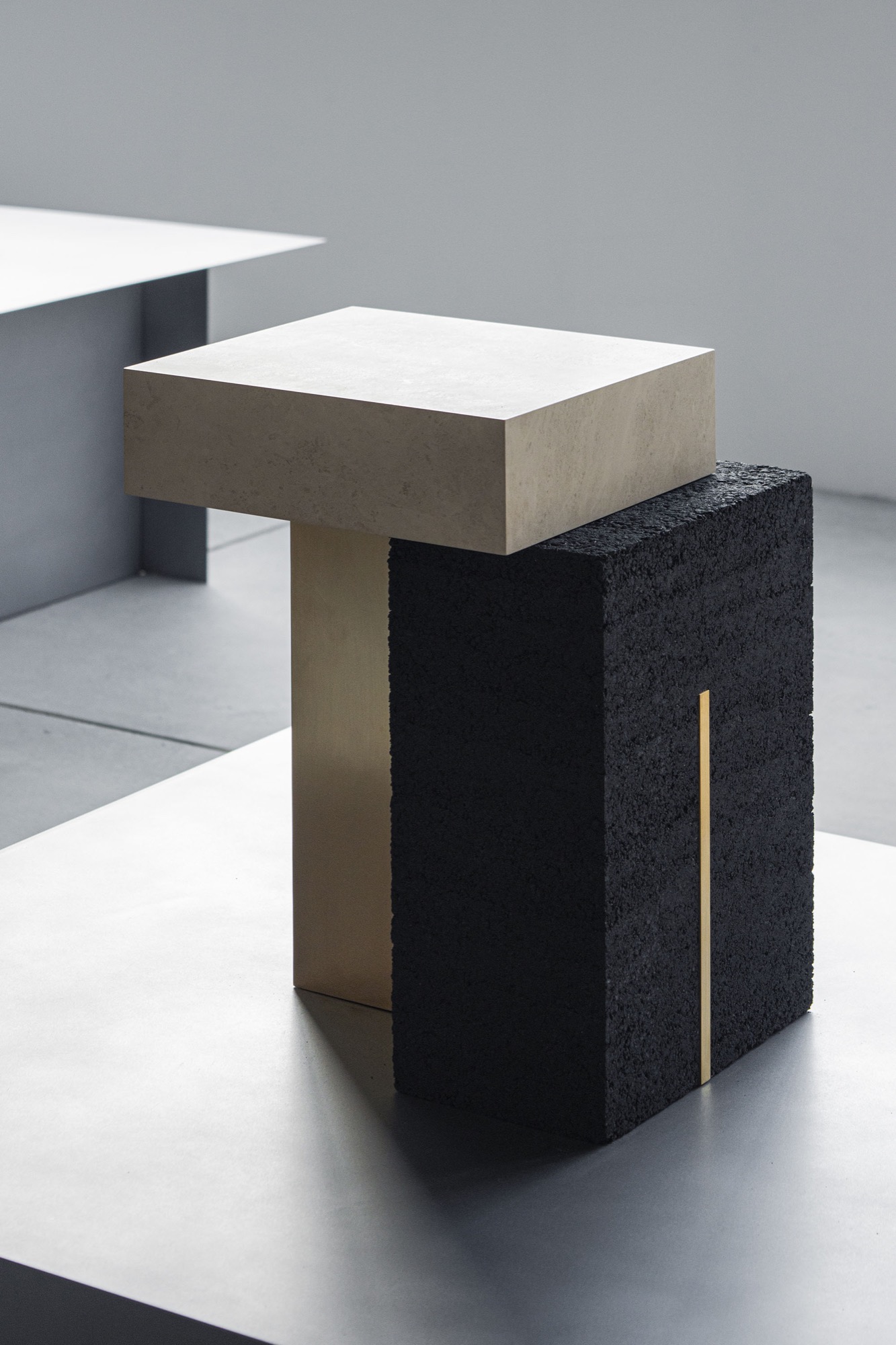
That contrast became the starting point for the project. I began experimenting with modern asphalt to understand how it could be shaped and formed. In order to clarify the concept, I designed a series of furniture pieces and explored sculptural forms that combine asphalt with other materials.
The Resonique Ladder introduces a visual language reminiscent of brass instruments. What sparked this idea?
SK: The project began as part of a training program for new employees at a Japanese interior company. Each team, consisting of a designer and several new employees, was asked to develop a product together.
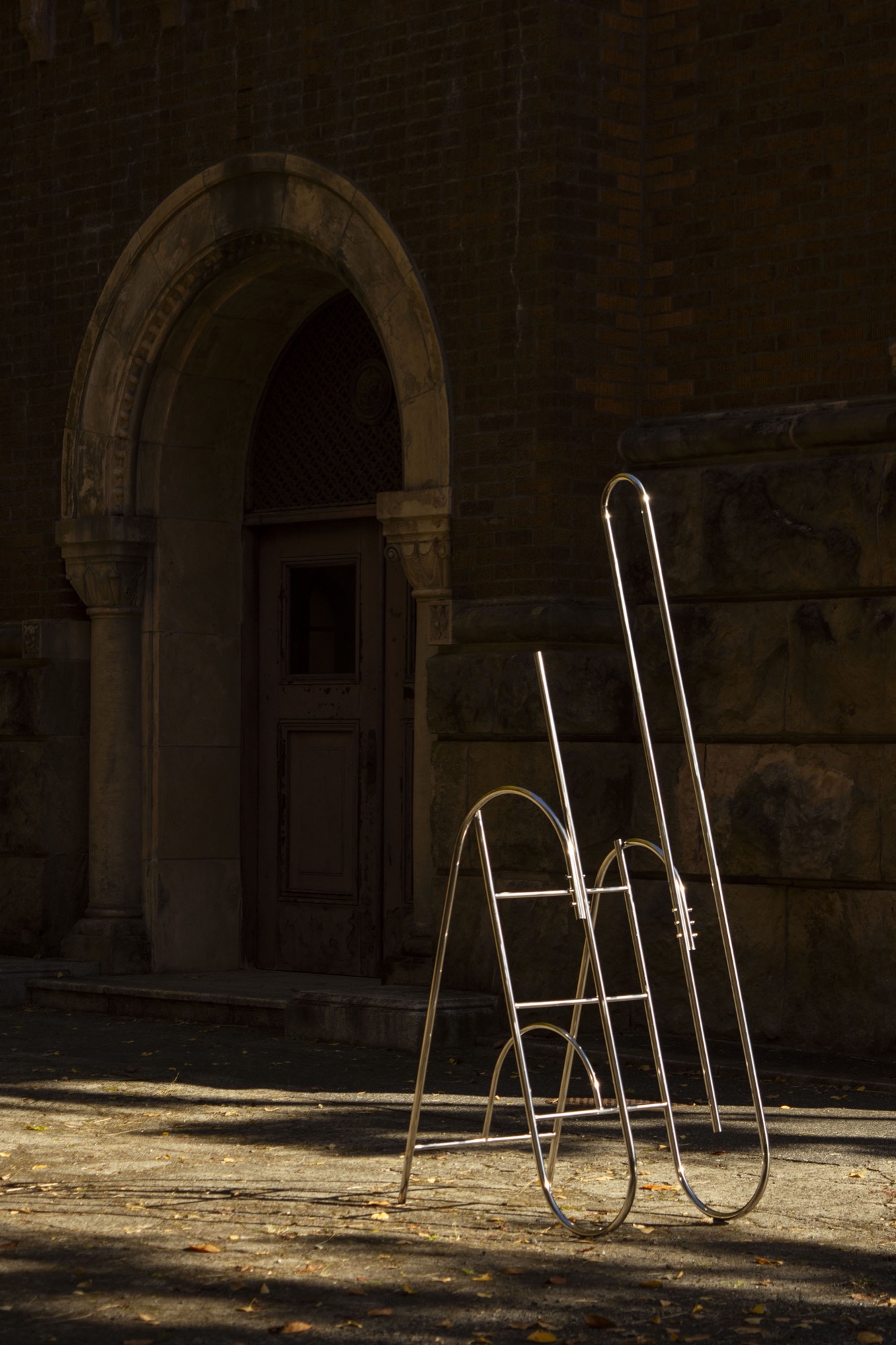
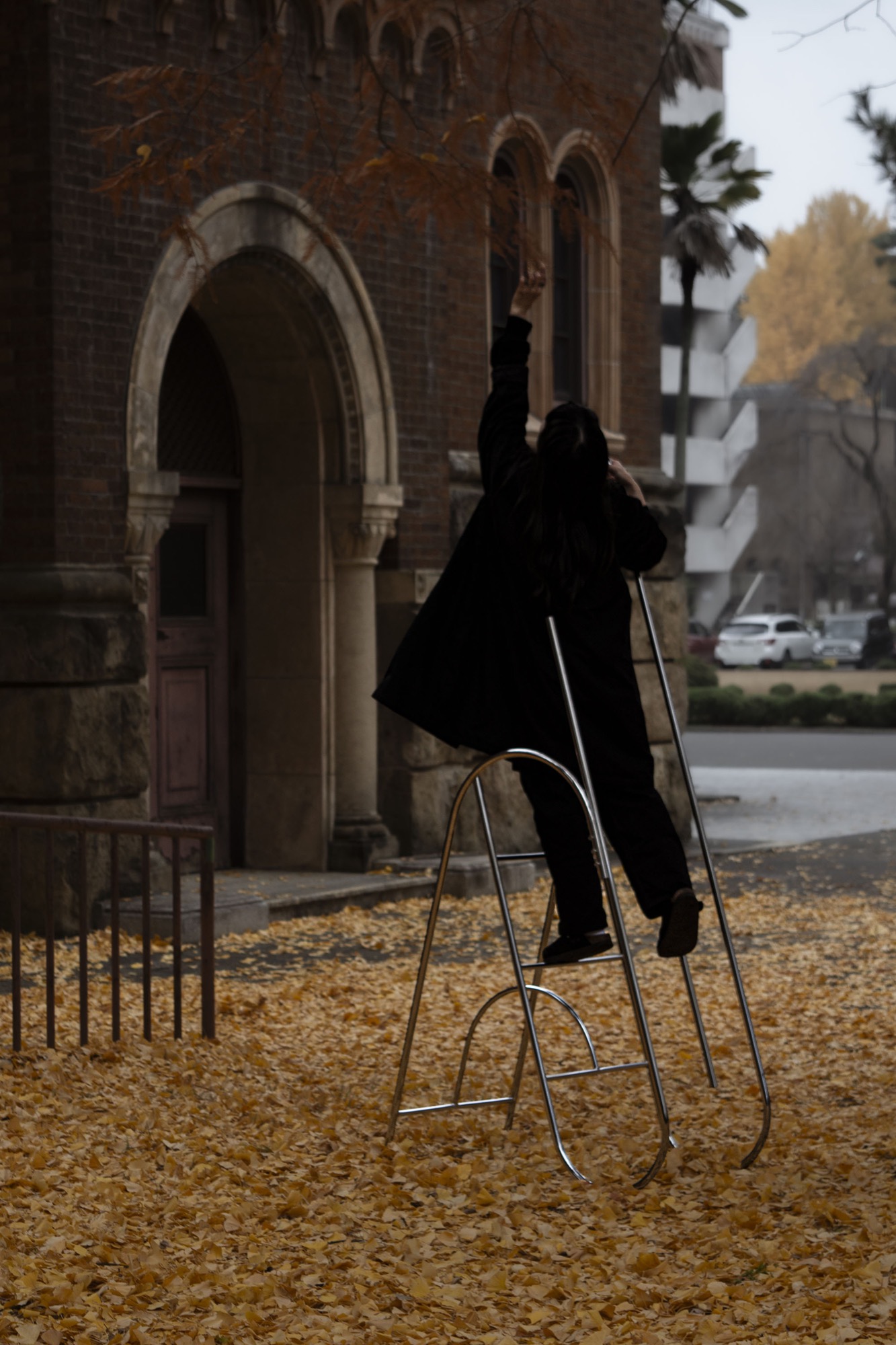
At the beginning of the process, I try to understand what interests each person. In this case, one member was fascinated by the structure of ladders, while another appreciated the beauty of brass instruments. It felt natural to combine these interests into a single idea.
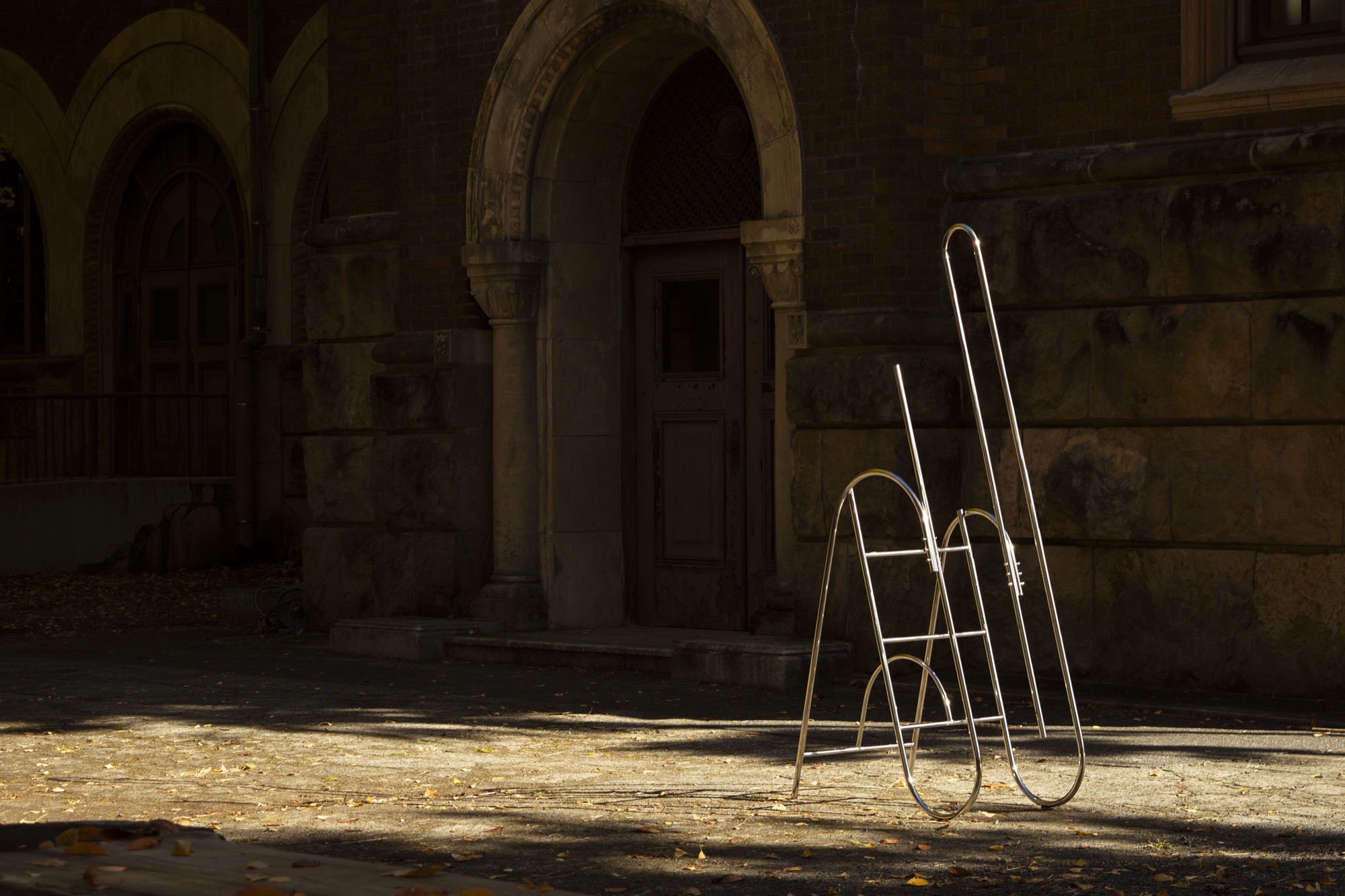
The title Resonique is a coined word that merges “resonance” and “unique.” To translate the concept into form, observation became essential. By carefully studying both ladders and brass instruments and extracting the qualities that make them compelling, a sculptural structure gradually emerged.
Many of your works appear simple at first glance, yet they contain strong artistic expression. How do you approach this balance?
SK: For me, the most important thing is expressing my own identity, creating something that feels truly unique.
Simplicity can be achieved by reducing elements, but it is important that the result still contains ideas or expressions that only I could create. In Resonique, for example, the joints connecting the pipes include details reminiscent of the piston valves of brass instruments. These details may appear small, but it is through the accumulation of such subtle elements that a balance between simplicity and expression emerges.
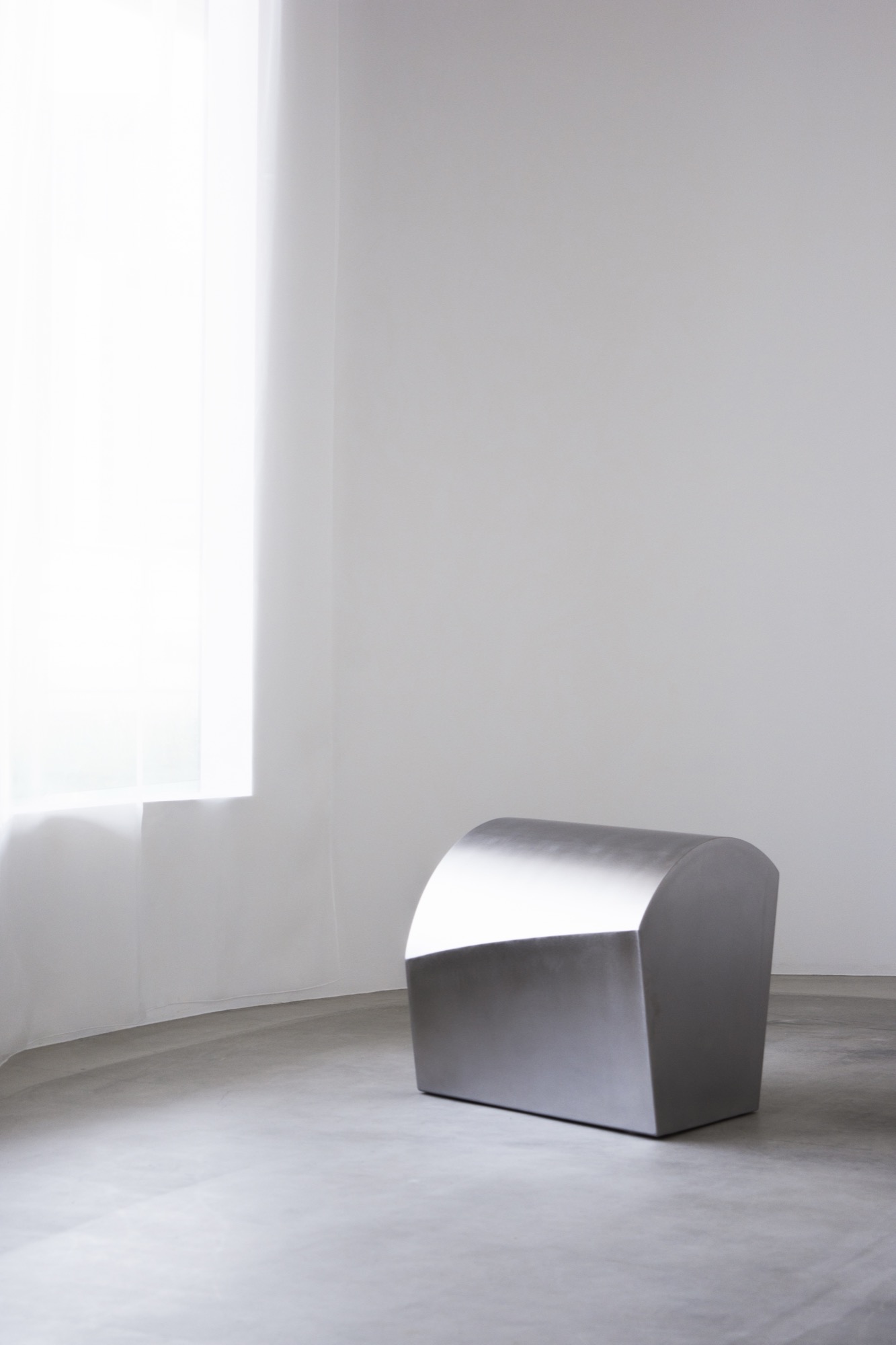
The Presence Bench was designed for a photography studio. How did the environment of that space influence its form?
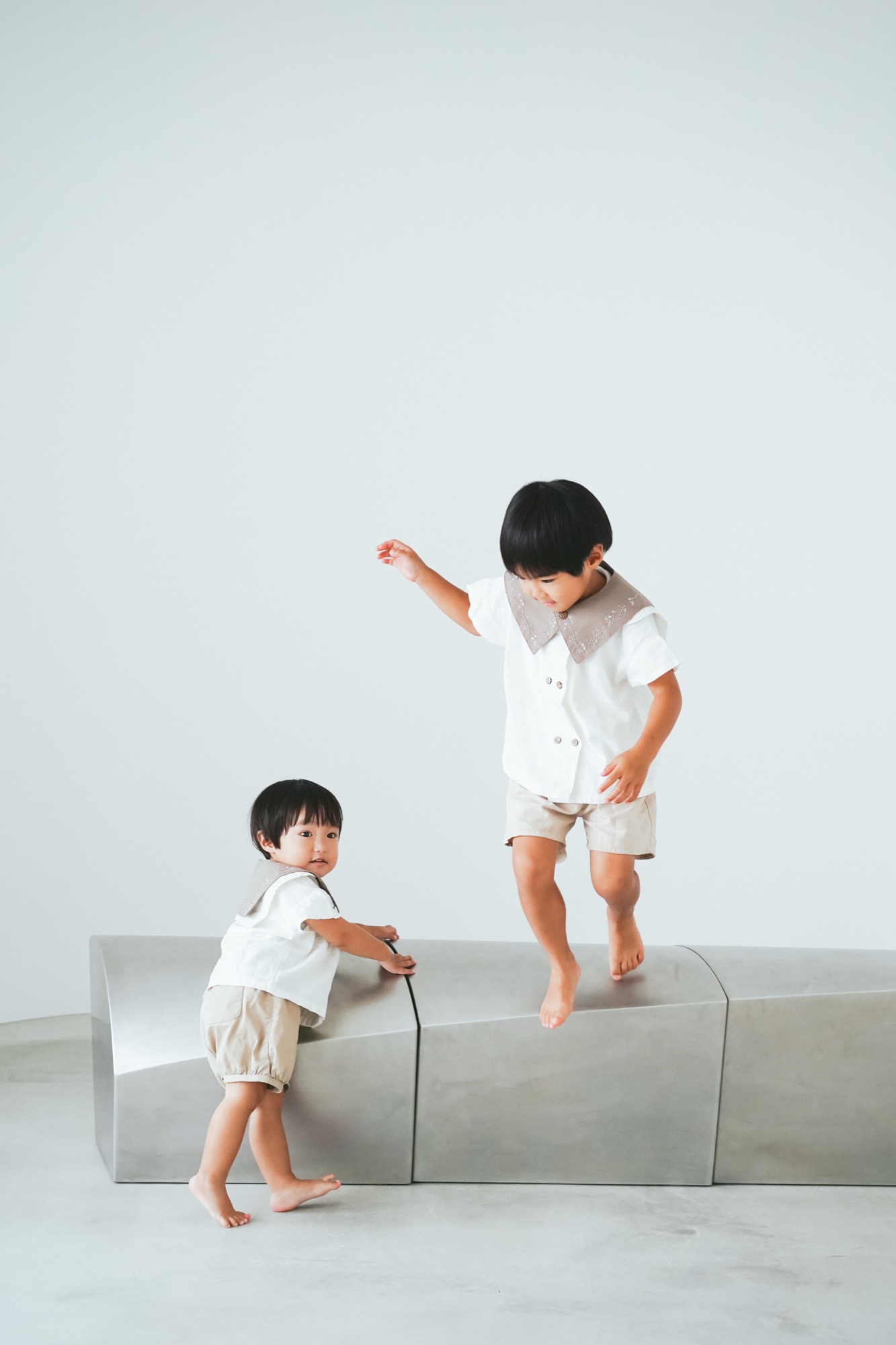
SK: The project developed through conversations with the client who runs Kuppography Takanawa Studio. The photographs produced there mainly feature people, especially families and children.
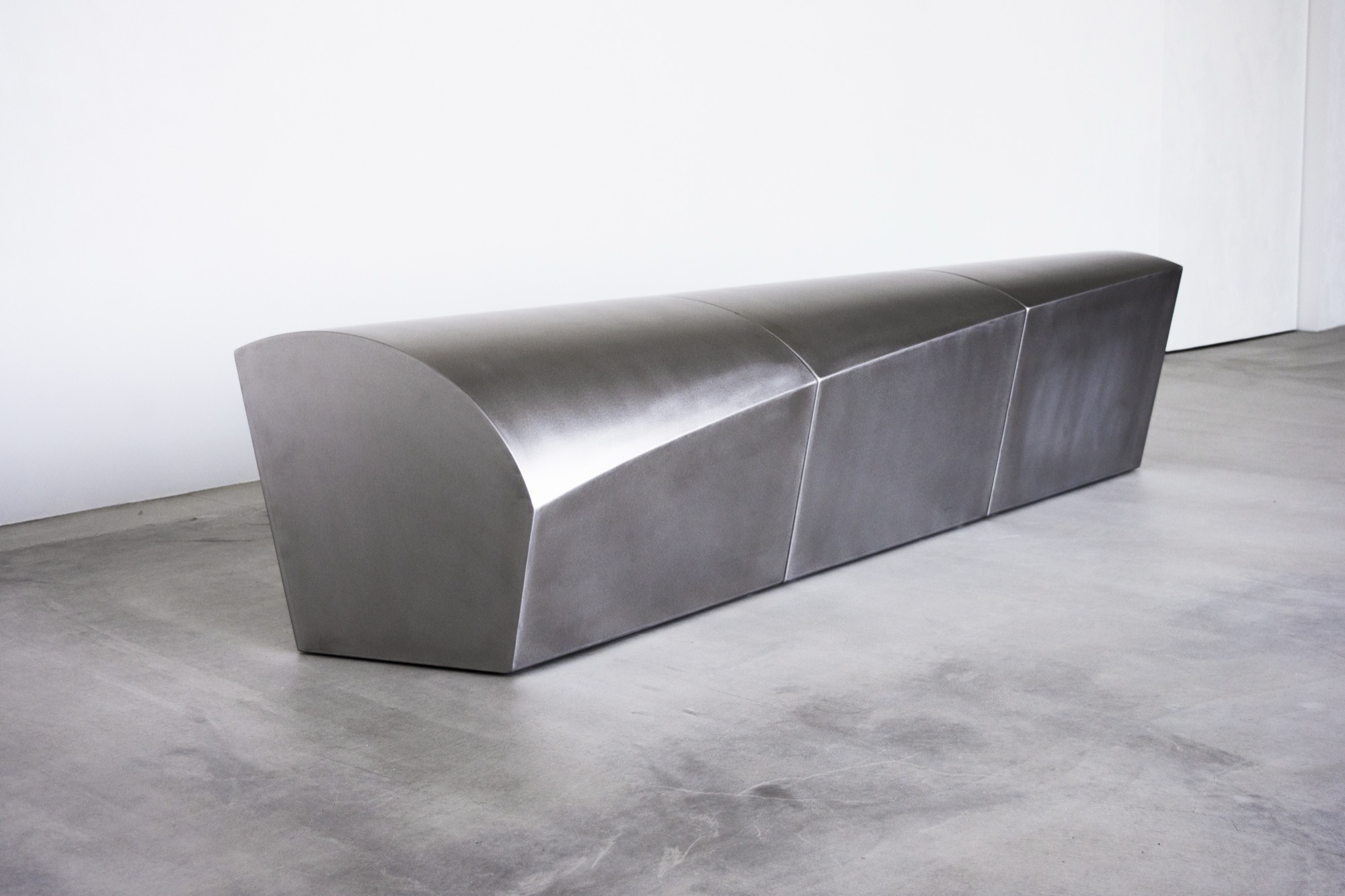
Because people already possess warmth and emotional presence, I wanted the bench to express a certain coolness that would emphasize that human warmth.
The client also mentioned that many small children visit the studio, so I thought it would be interesting if the bench could function almost like playground equipment, something people could interact with physically. Considering these aspects, the bench naturally evolved beyond a conventional seat and became more of a sculptural object within the space.
Working with asphalt as a design material is quite unexpected. What challenges did you encounter when experimenting with it?
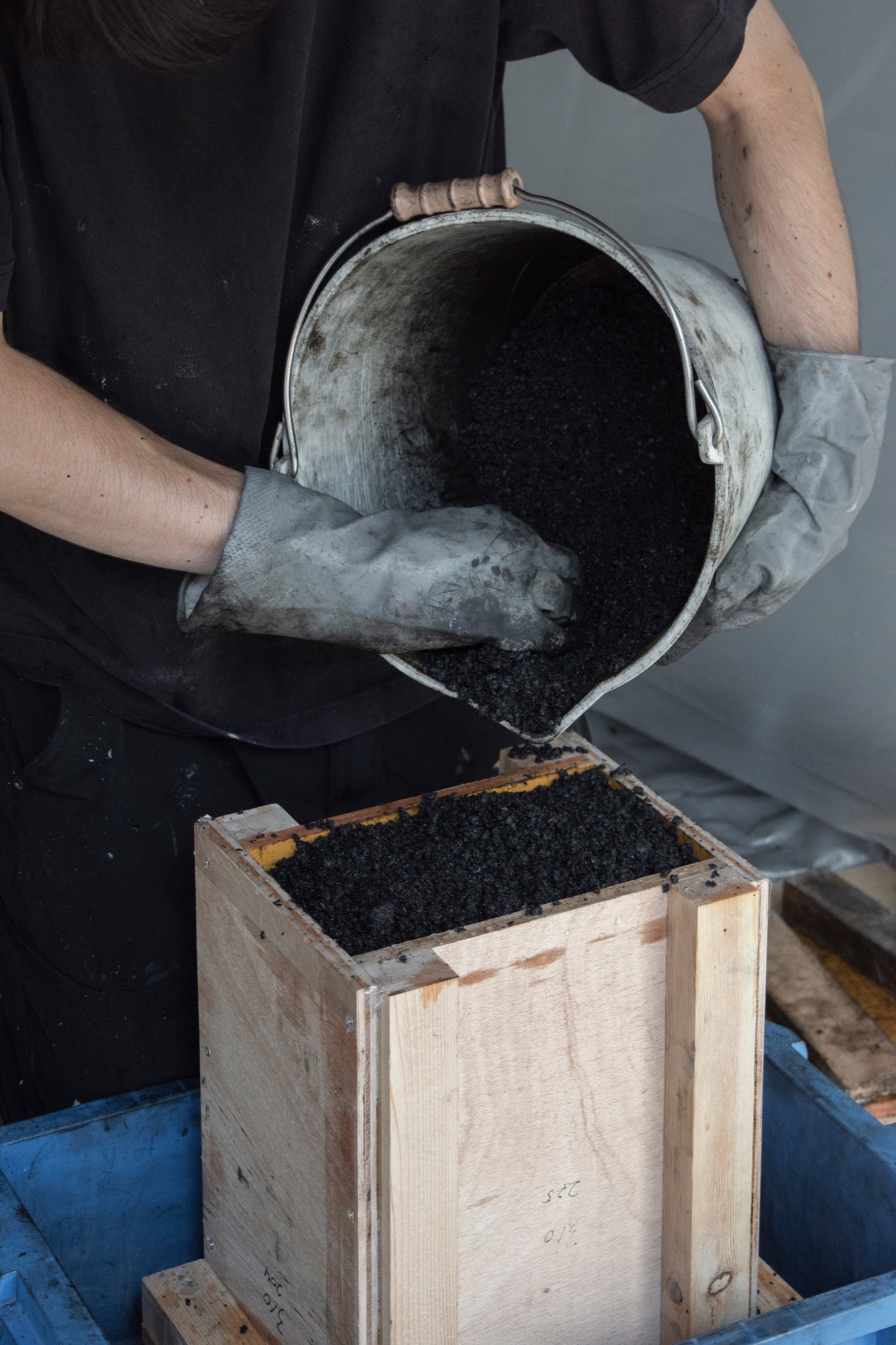
SK: Interestingly, I did not find the material particularly difficult to work with.
The asphalt available in Japan has characteristics that make it relatively approachable. Like concrete, it can be poured into molds, but it dries more quickly and naturally produces a rough surface texture, which means it requires less delicate finishing. Because I also work as an interior designer, I am curious about how this material might eventually be applied within spatial design as well.
From an architectural perspective, how do small objects such as ladders or benches contribute to larger spatial ideas?
SK: My approach to generating ideas does not fundamentally change whether I am designing furniture or architectural space. What matters most is how I interpret the people and the environment involved in a project. At the same time, experiments conducted at a small scale often become seeds for ideas that can later expand into spatial concepts. My studio is still relatively small, so I tend to work at a scale that I can physically manage myself. In the future, however, I hope these explorations will gradually extend into larger spatial design projects.
Sustainability is a major topic in contemporary design discourse. How does this question enter your work, particularly when you use unconventional materials?
SK: As a designer, I naturally consider durability and whether materials are environmentally responsible. However, sustainability is not the central focus of my work. I see it more as a problem that belongs to our present moment. What interests me more is thinking about materials across a much longer timescale.
In the case of asphalt, the project began by tracing its history back 10,000 years. Similarly, in my previous work Fossilized Future, I imagined how our present-day society might one day be studied as if it were a fossil, how future generations might interpret the materials and objects we leave behind.
Looking ahead, how might these projects influence your future work?
SK: Rather than actively searching for ideas, I believe new expressions emerge naturally through encounters with people and environments.
Even through opportunities like this interview, my environment expands. By continuing to communicate with people and engage with different contexts, I hope new possibilities will appear organically. Through those encounters, I want to continue creating work that remains truly unique.


Article Credit
Text: Rafael Cunha
Photo: So Koizumi Design, MATOYA / @mato_ya, Kuppography
Time: March 2026
Upcoming Exhibition
So Koizumi will present his asphalt furniture collection As at ALCOVA Milano during Milan Design Week 2026. Expanding upon the material explorations discussed in this interview, the series reconsiders asphalt not as infrastructure but as a tactile design medium capable of generating unexpected forms of furniture and spatial objects.
The exhibition will take place from April 20 to 26 at the Baggio Military Hospital, within Casa delle Suore (Room 32), one of Alcova’s historic exhibition sites. Visitors will have the opportunity to encounter the works directly in situ, where Koizumi’s material experiments unfold within the layered architectural atmosphere of the venue.