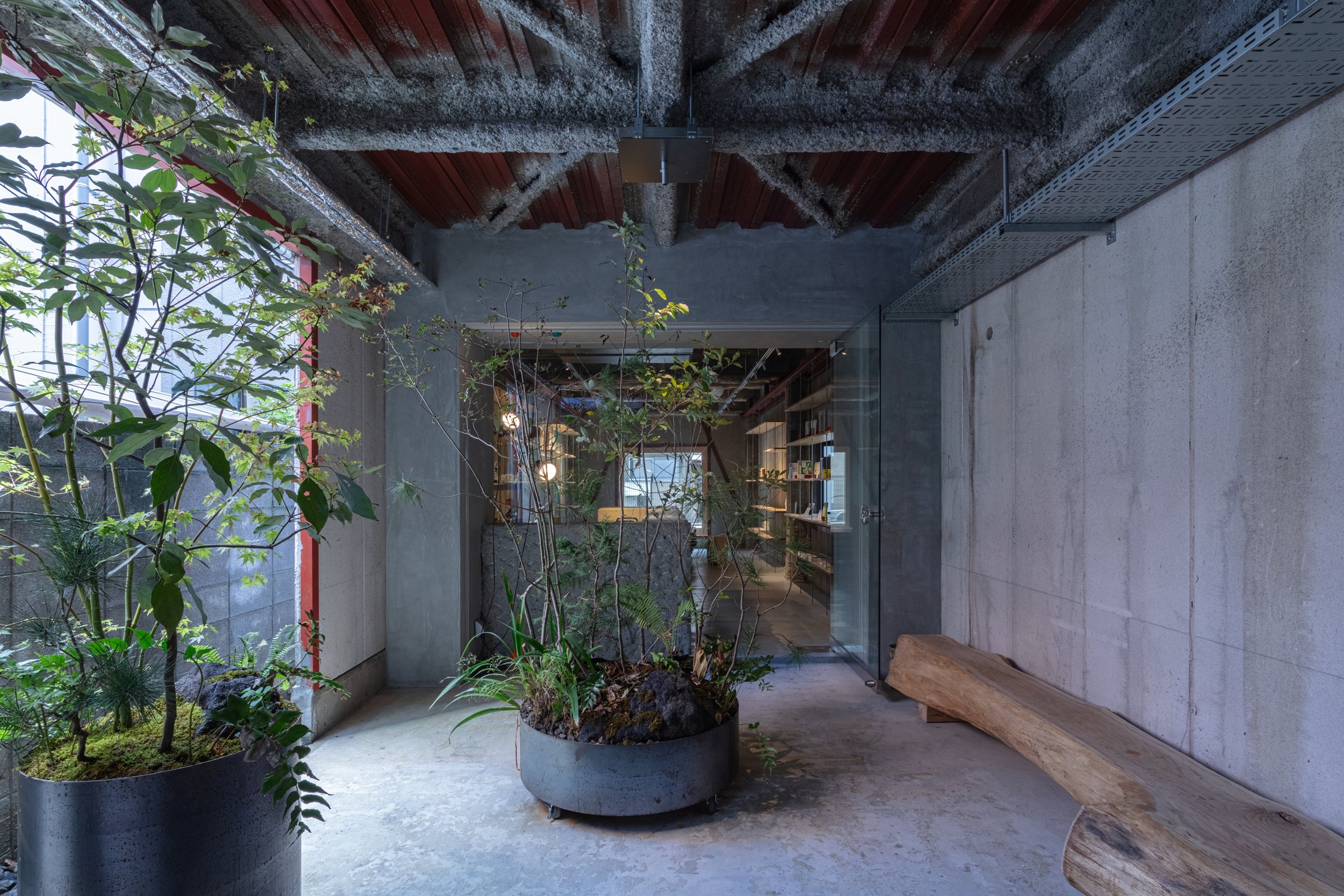
At Maniwa in Osaka, Akta opens architectural practice to everyday encounters through books, exhibitions and coffee, with a movable garden and a circular opening carrying the memory of a family home.

At Maniwa in Osaka, Akta opens architectural practice to everyday encounters through books, exhibitions and coffee, with a movable garden and a circular opening carrying the memory of a family home.
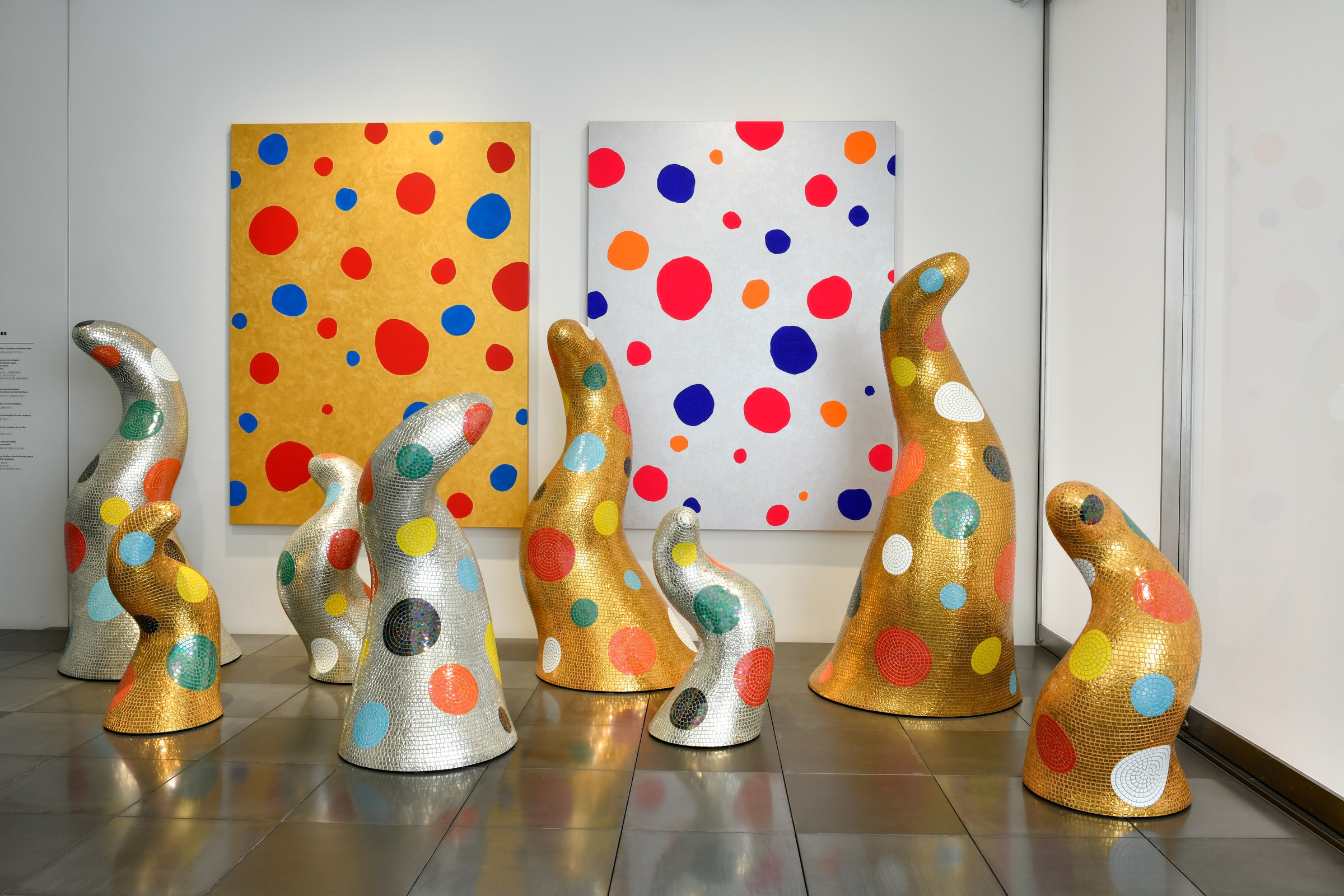
Yayoi Kusama Museum traces light through paintings, glitter, mirrors and sculpture in a Tokyo exhibition running until 31 January 2027.
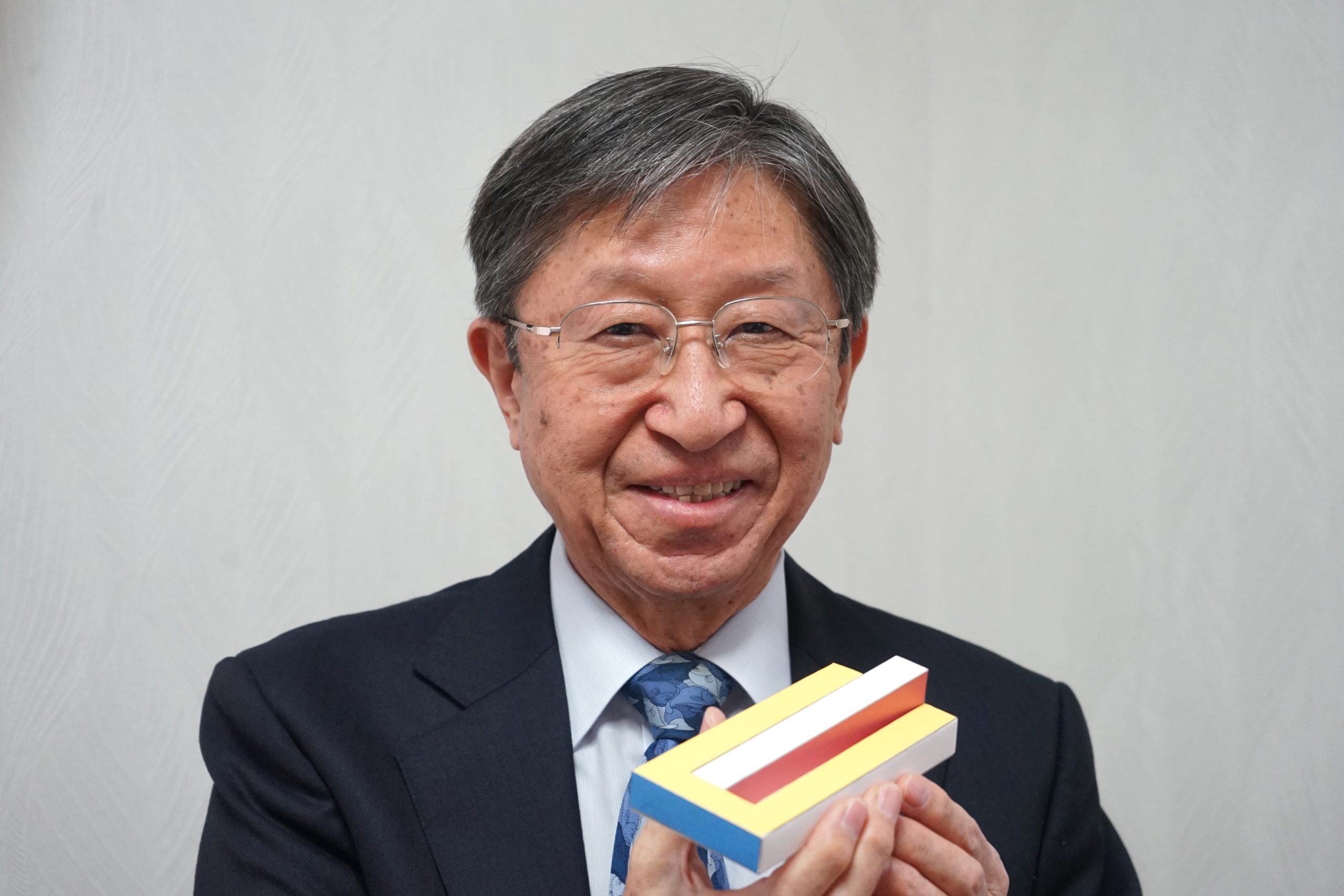
Kokichi Sugihara discusses optical illusions, imagined depth, mirrors and the lessons of his exhibition and workshop in Hanoi.
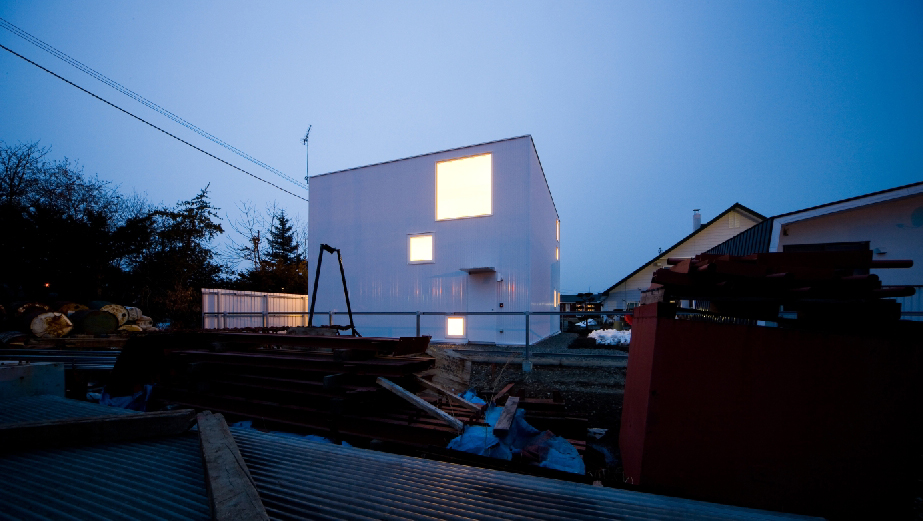
Jun Igarashi Architects tucks House of Trough behind layered buffer zones, drawing light into its tall central living space on a Hokkaido plot.
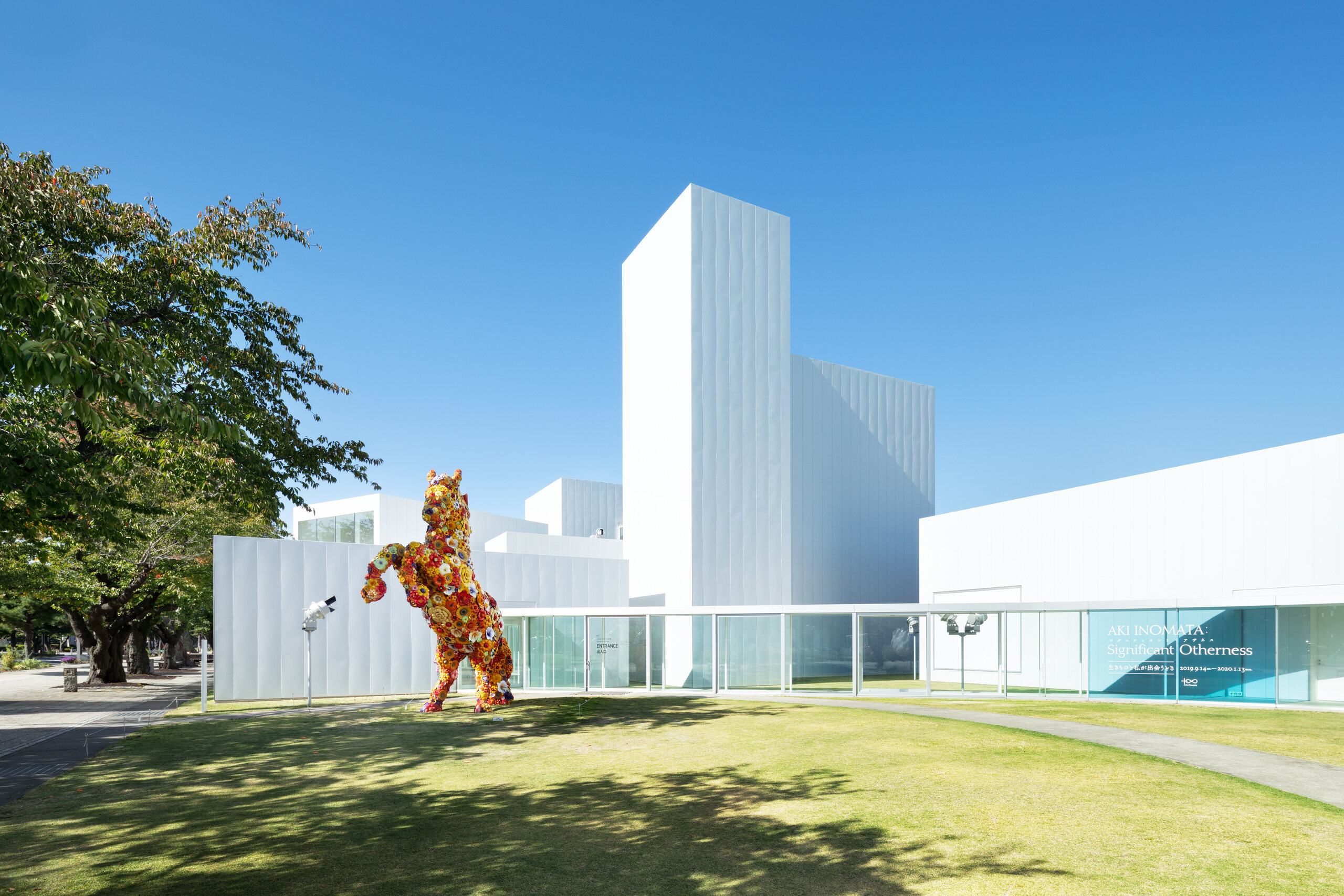
Ryue Nishizawa arranged Towada Art Center as a field of white pavilions linked by transparent corridors, allowing contemporary art, architecture and the streets of Aomori to overlap.
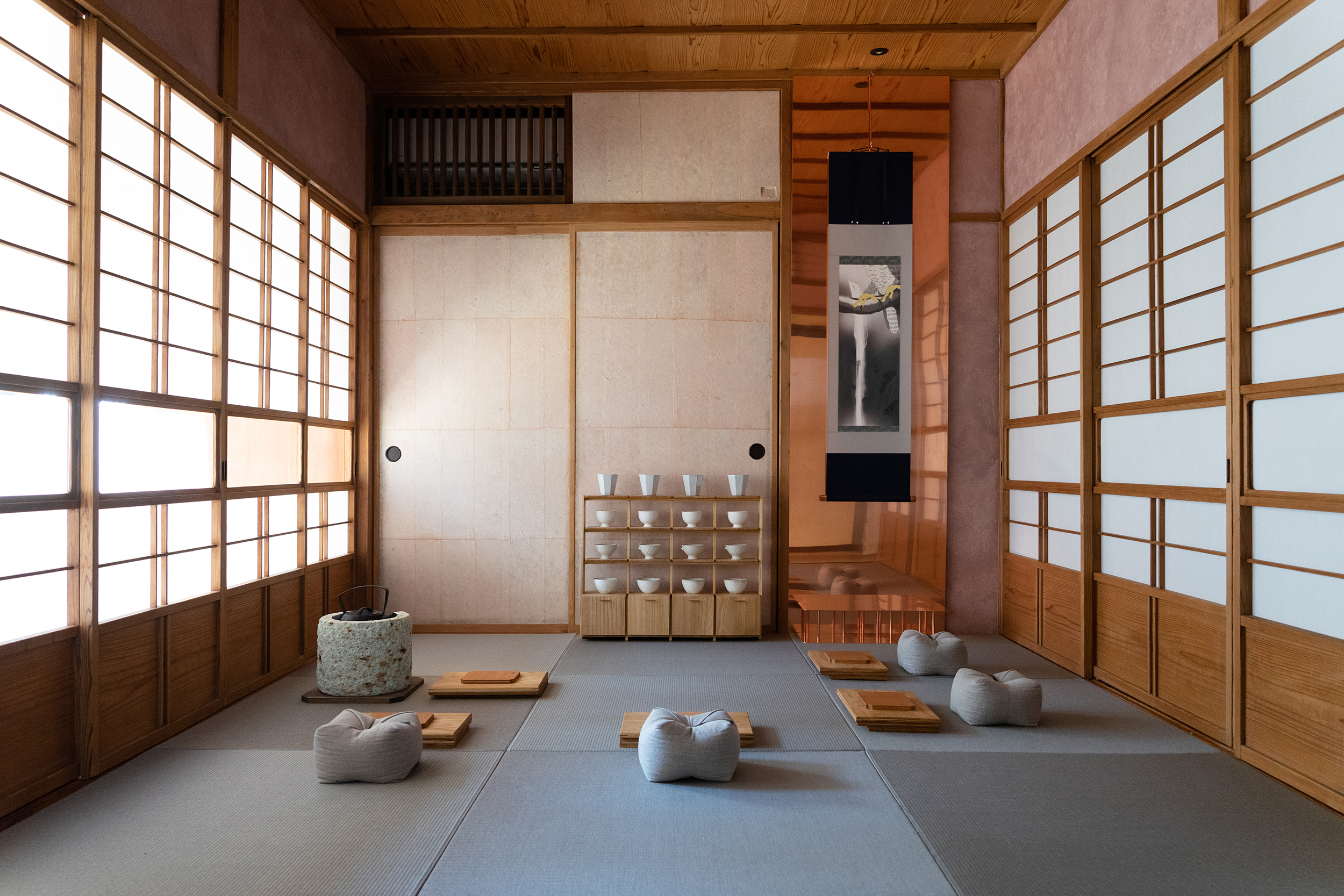
TAKIZME transforms a compact renovated house in Shinagawa into a contemporary tea salon where spatial design, furniture and ritual slow the act of preparing tea.
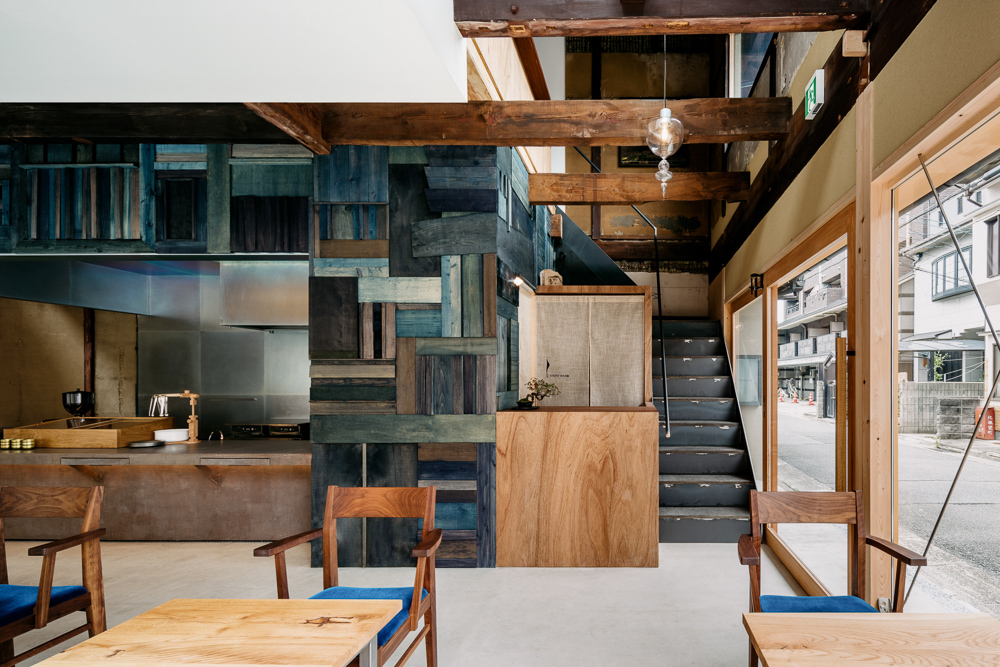
KYOTO WAND transforms a traditional Kyoto machiya into a day-use base for visitors, combining restored timber and earthen walls with indigo-dyed wood, washi, steel and spaces for rest, food and showering.
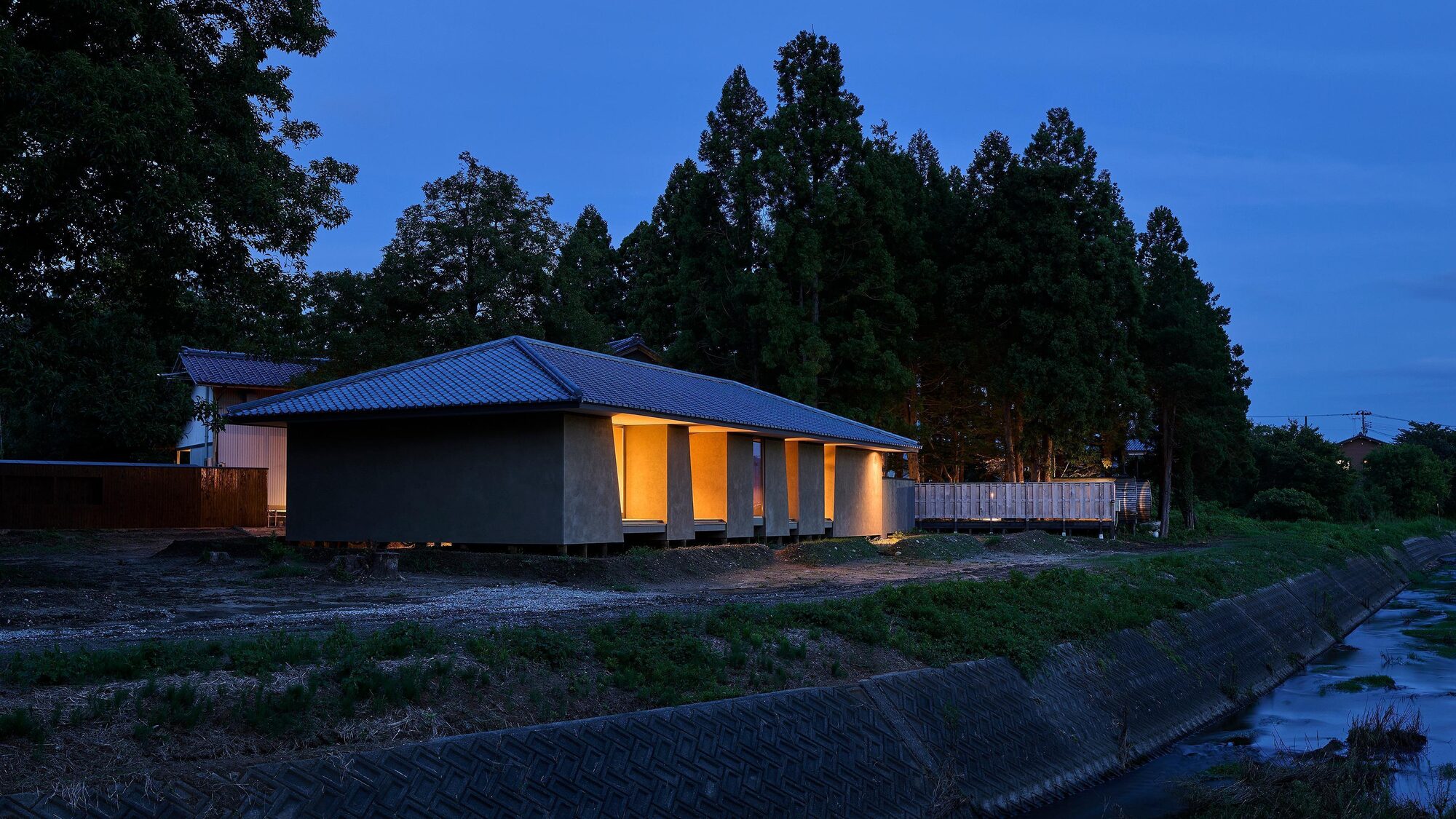
In rural Shibata, Niigata Prefecture, Né is a one group per day auberge shaped almost entirely by the land on which it stands. Built on the historic grounds of the
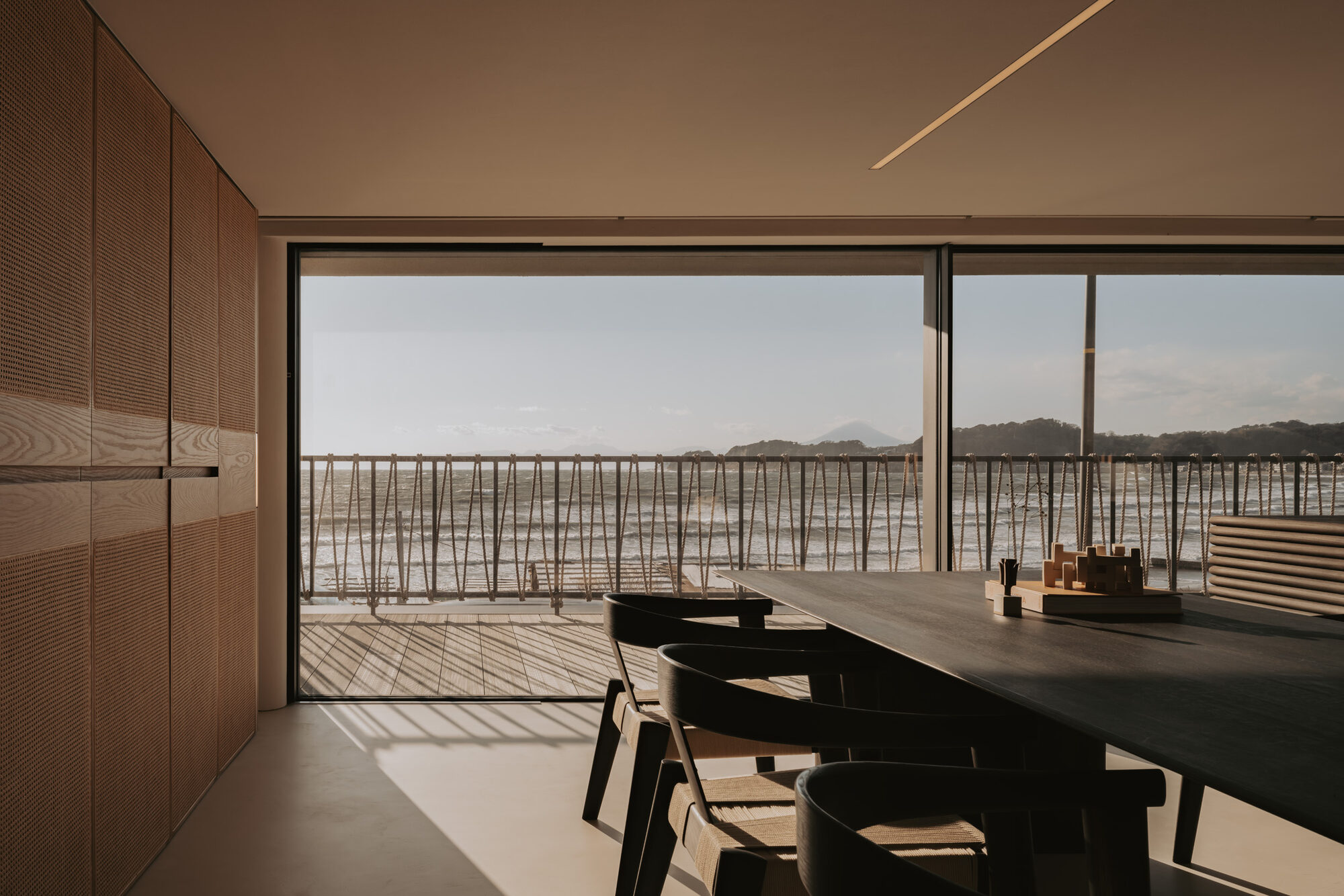
Lulla House by I IN combines sculptural interiors, crafted materials, and panoramic ocean views within a compact beachfront home in Kamakura.
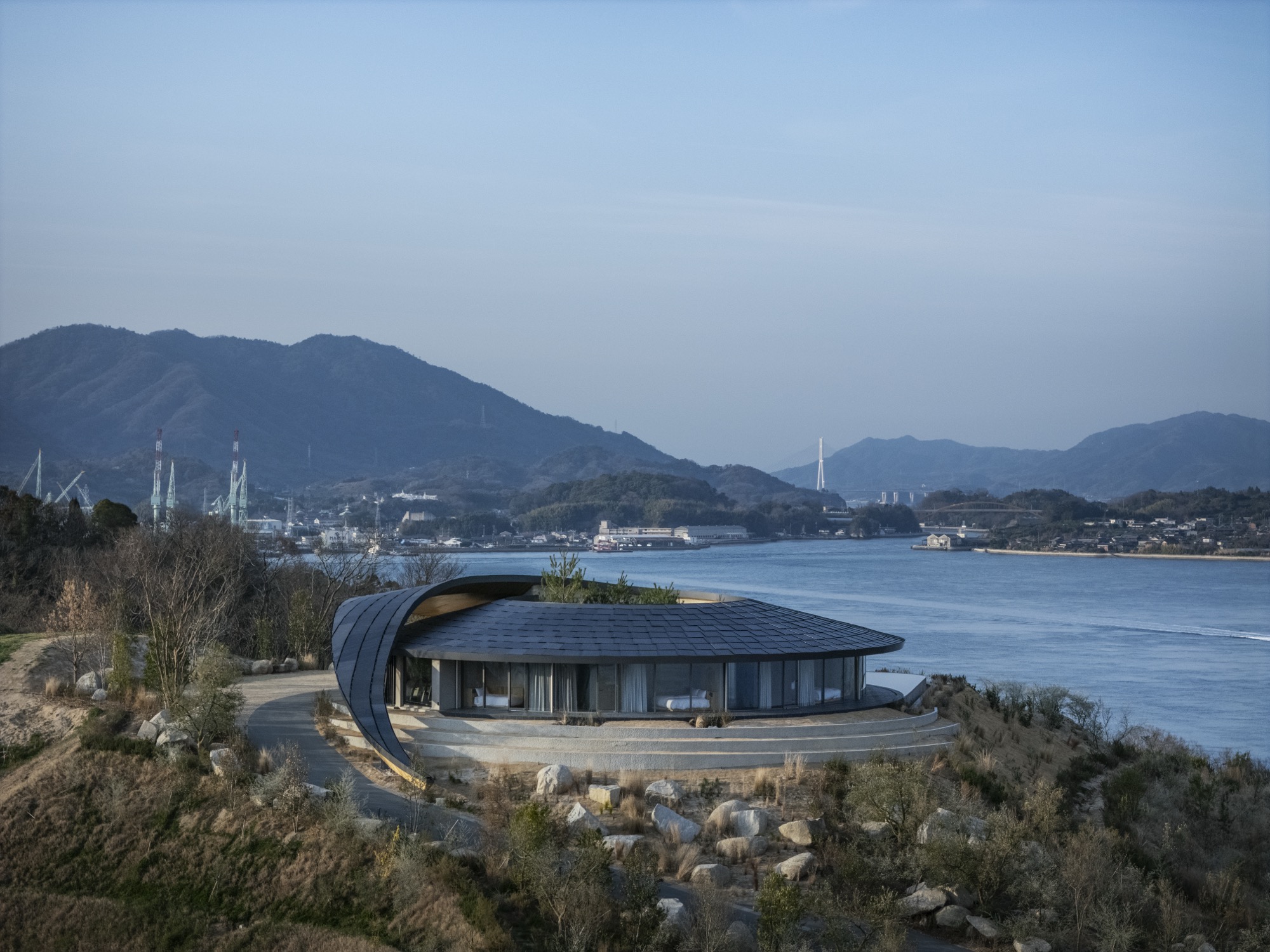
BIG’s NOT A HOTEL Setouchi villas reinterpret Japanese spatial traditions through rammed earth construction and panoramic views across the Seto Inland Sea.