Now Reading: The timeless elegance of domestic appliances: From the Iconic Braun KF 20 aromaster to the German design ethos
- 01
The timeless elegance of domestic appliances: From the Iconic Braun KF 20 aromaster to the German design ethos

The timeless elegance of domestic appliances: From the Iconic Braun KF 20 aromaster to the German design ethos
For much of industrial history, household appliances were relegated to a purely utilitarian existence. Concealed in kitchen corners, bathrooms, or discrete service areas, their merit rested solely on functional output, while aesthetic value remained a secondary consideration. However, the mid-twentieth century witnessed a profound paradigm shift: home appliances transcended their mundane tasks to articulate a distinct design vocabulary, emerging as integral statements that elevated the modern living space.
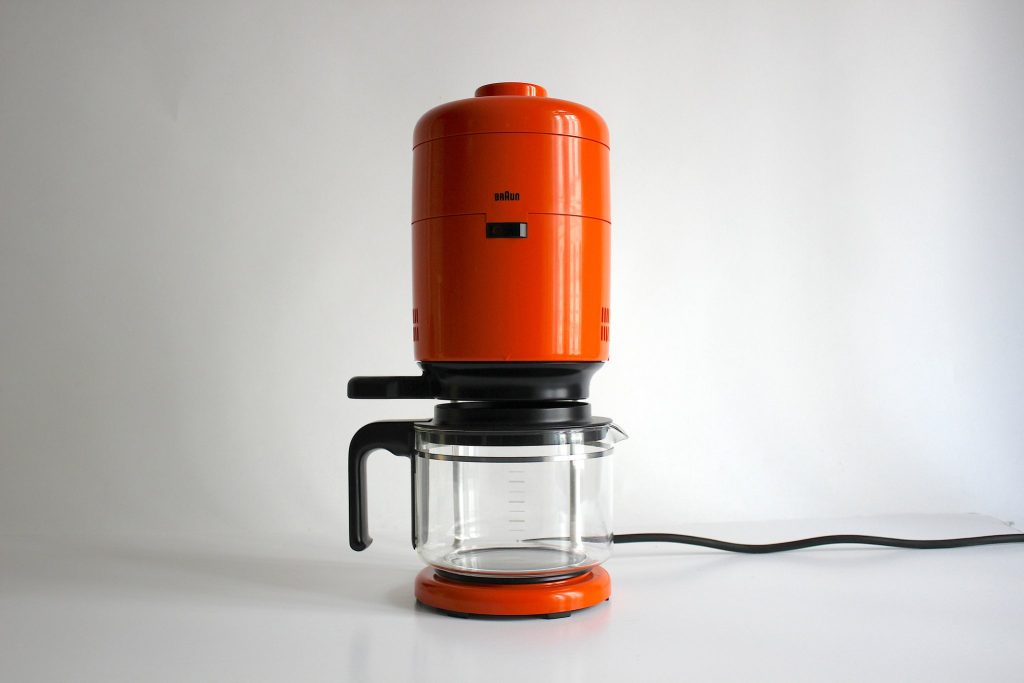
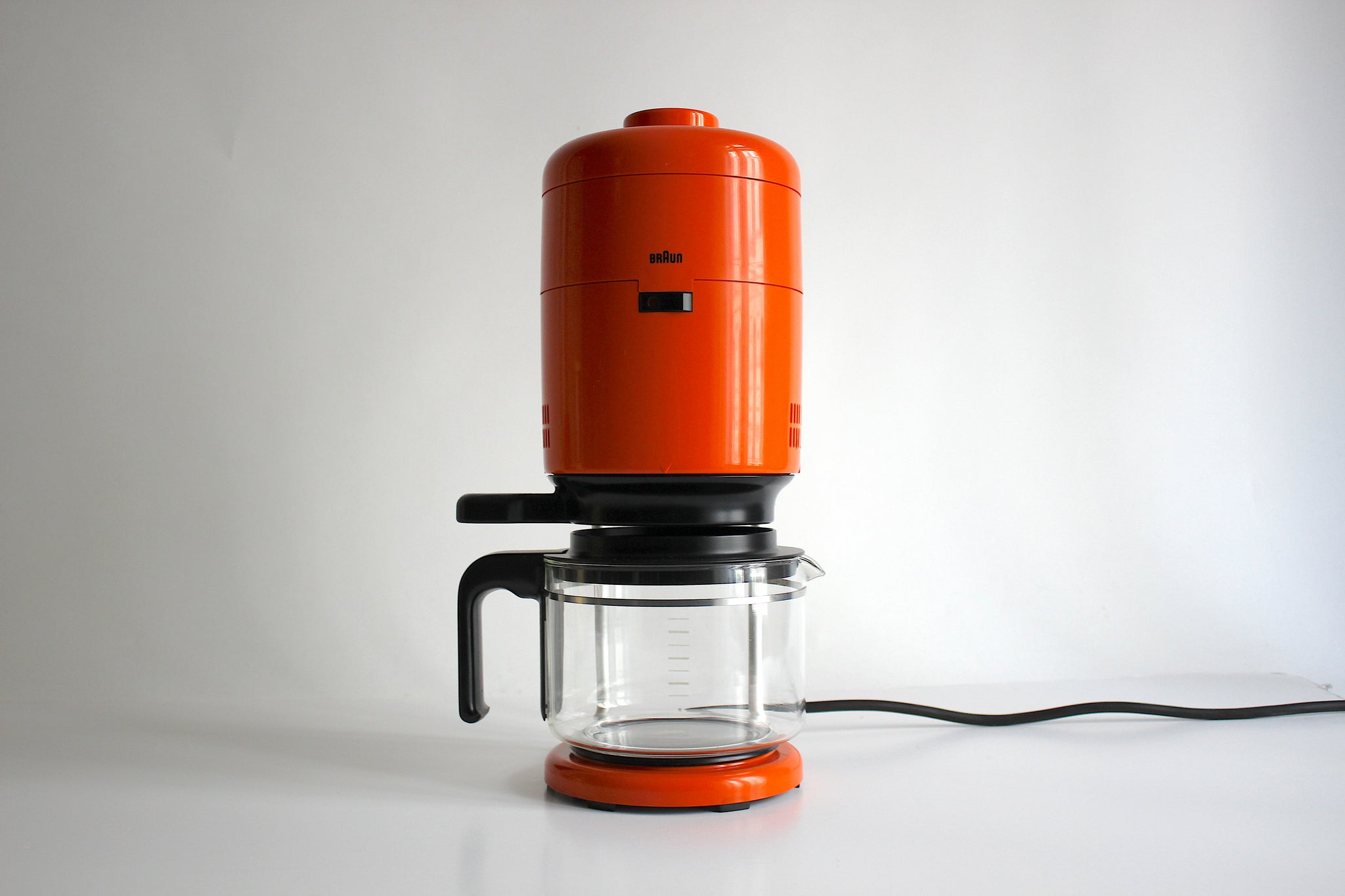
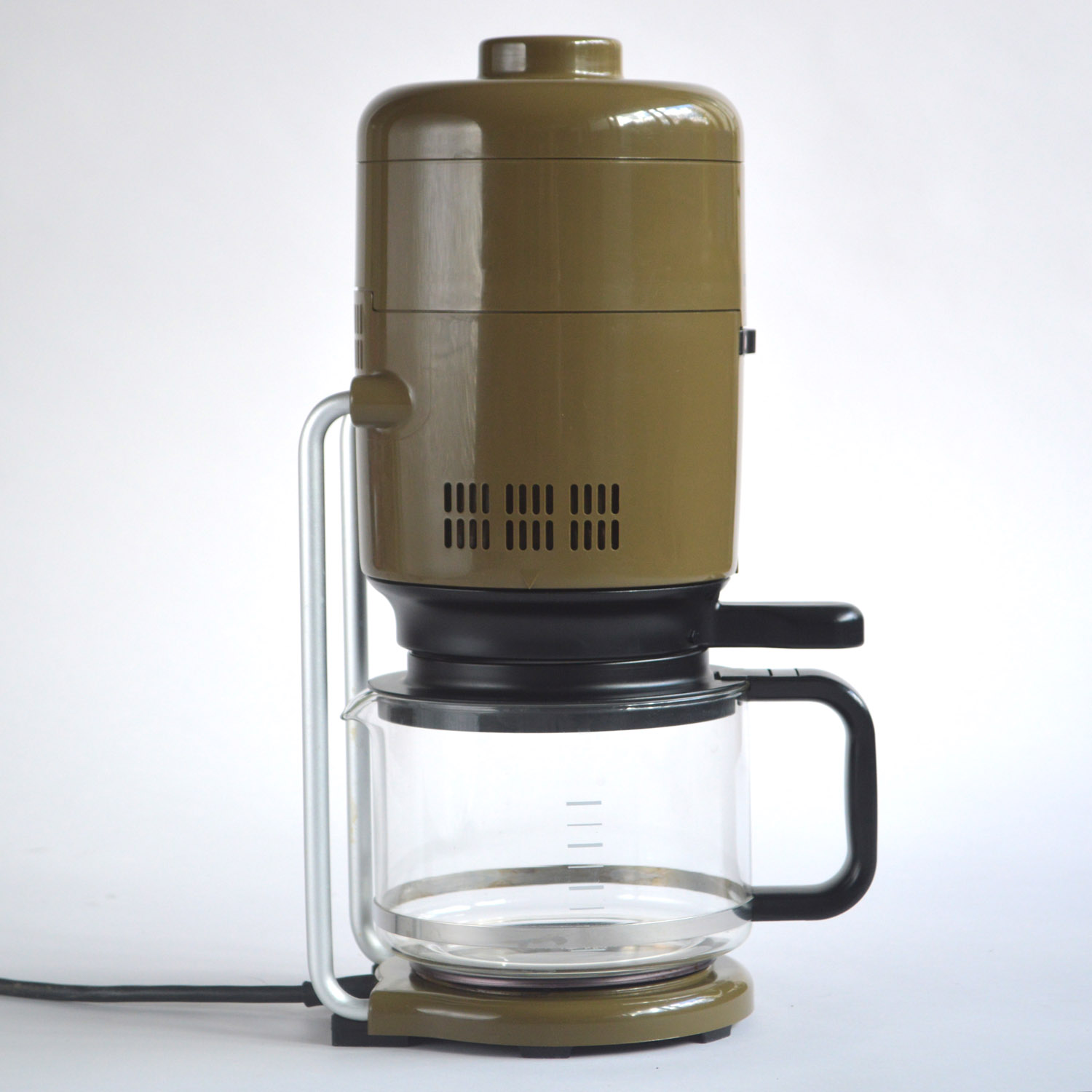
At the nexus of this aesthetic movement stood Braun, the West German manufacturer that transformed shavers, blenders, and coffee makers into human-centric works of art. A quintessential embodiment of this era is the Braun KF 20 Aromaster coffee maker, an undisputed design classic introduced in 1972. More than half a century later, as countless contemporary devices have lapsed into obscurity, the KF 20 Aromaster endures. It retains its compelling visual resonance while standing as a living testament to the enduring values of minimalism, functionality, and timelessness.
The Space Age Aura and Pop Art Palette of the 1970s
The 1970s marked an era of intense cultural dynamism and technological optimism. The space race profoundly influenced the design lexicon of the period, giving rise to the Space Age aesthetic. Objects across furniture and consumer electronics embraced fluid, rounded geometries that evoked space vessels and futuristic apparatuses.
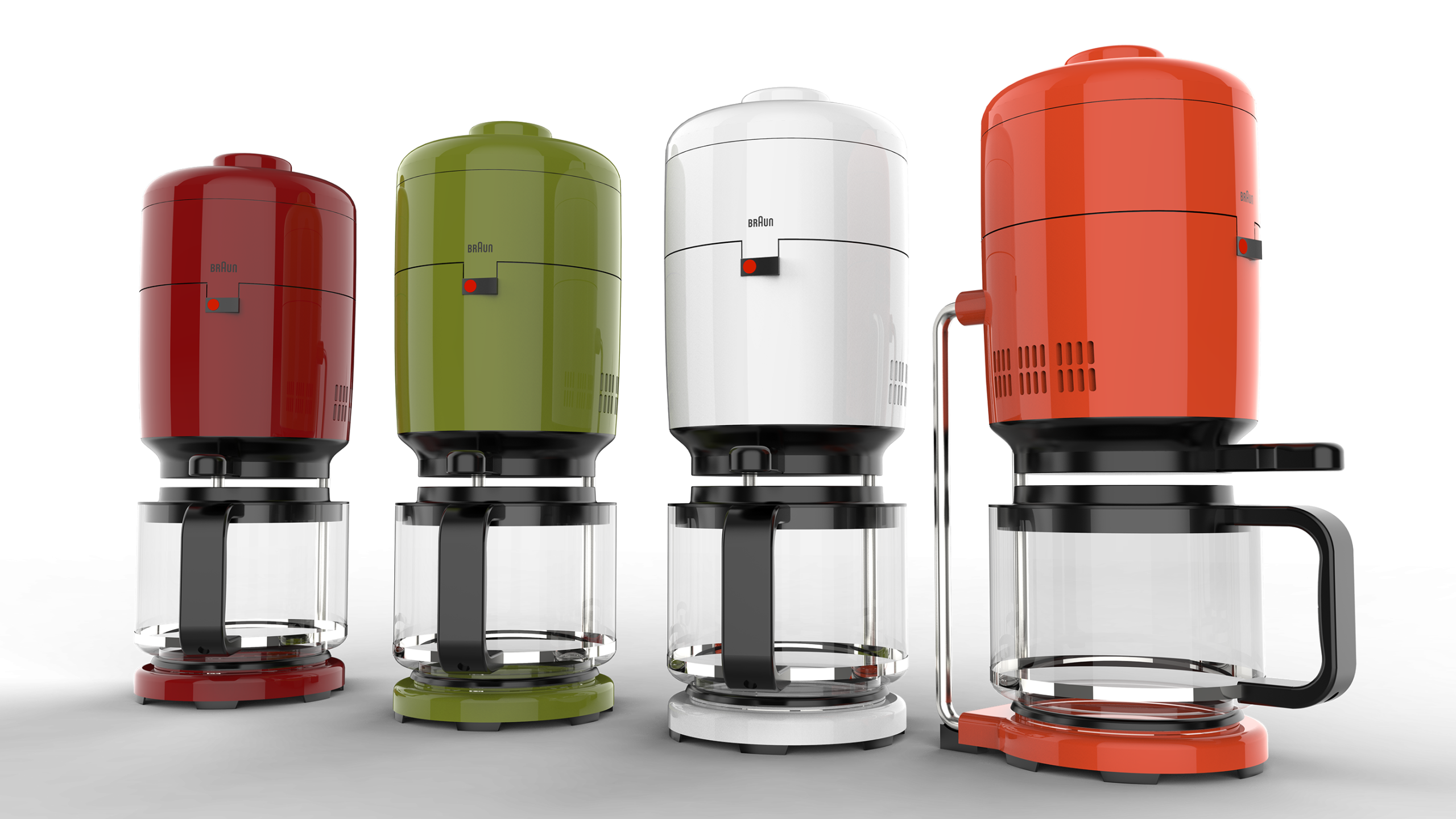
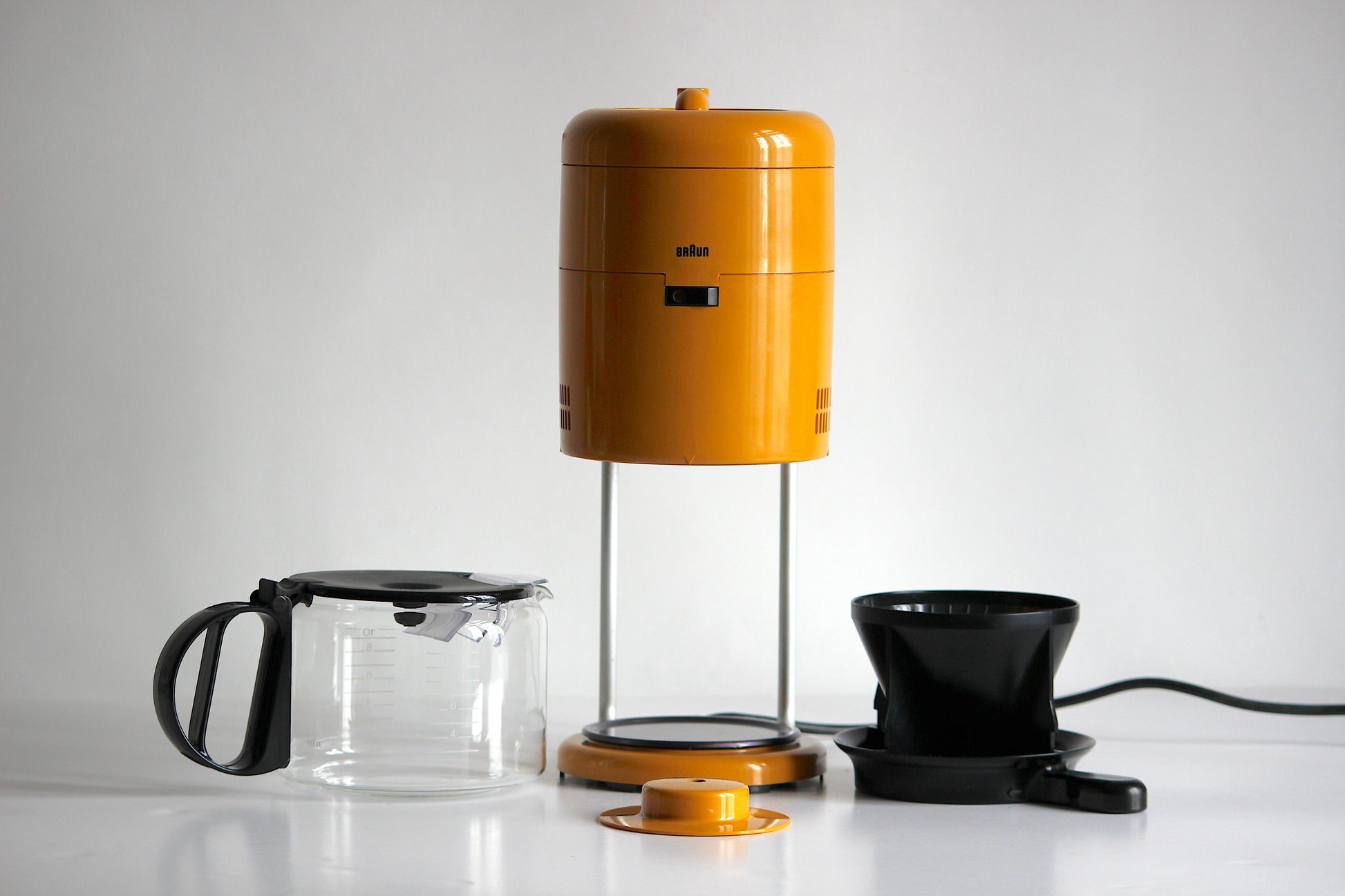
Concurrently, the ethos of Pop Art ushered in a wave of vibrant chromaticism, breaking away from the somber tones of traditional appliances. Molded ABS plastic emerged as the material of choice, celebrated for its capacity to yield seamless, monolithic silhouettes with smooth tactile surfaces and vivid color saturation. The KF 20 Aromaster captured this spirit in iconic hues—sunny yellow, vivid orange, fiery red, and olive green—turning a humble countertop appliance into the visual anchor of a room.
The German Design Philosophy: Less, but Better
While absorbing the exuberant energy of the 1970s, Braun remained steadfastly anchored in the German design tradition, profoundly shaped by the Ulm School of Design and Dieter Rams’ celebrated dictum: “Less, but better”.
German design during this era rejected superfluous ornamentation and superficial technological display. Every curve, radius, and tactile control derived its purpose from human ergonomics and intuitive interaction. Elegance was not an applied layer of decoration, but an inherent quality emerging from structural precision, clarity, and discipline.
Singular Geometry and Floating Architecture
Prior to the introduction of the KF 20 Aromaster, drip coffee makers were predominantly heavy, boxy, and unapologetically mechanical in appearance. Designer Florian Seiffert orchestrated a radical departure by conceiving the appliance as a sleek, vertical cylinder. The architecture of the KF 20 comprises three distinct yet harmoniously articulated components: a top cylindrical housing in colored ABS plastic containing the water reservoir and filter holder; a heat-resistant glass carafe with a black ergonomic handle nestled in the center; and a warming plate integrated into the base below.
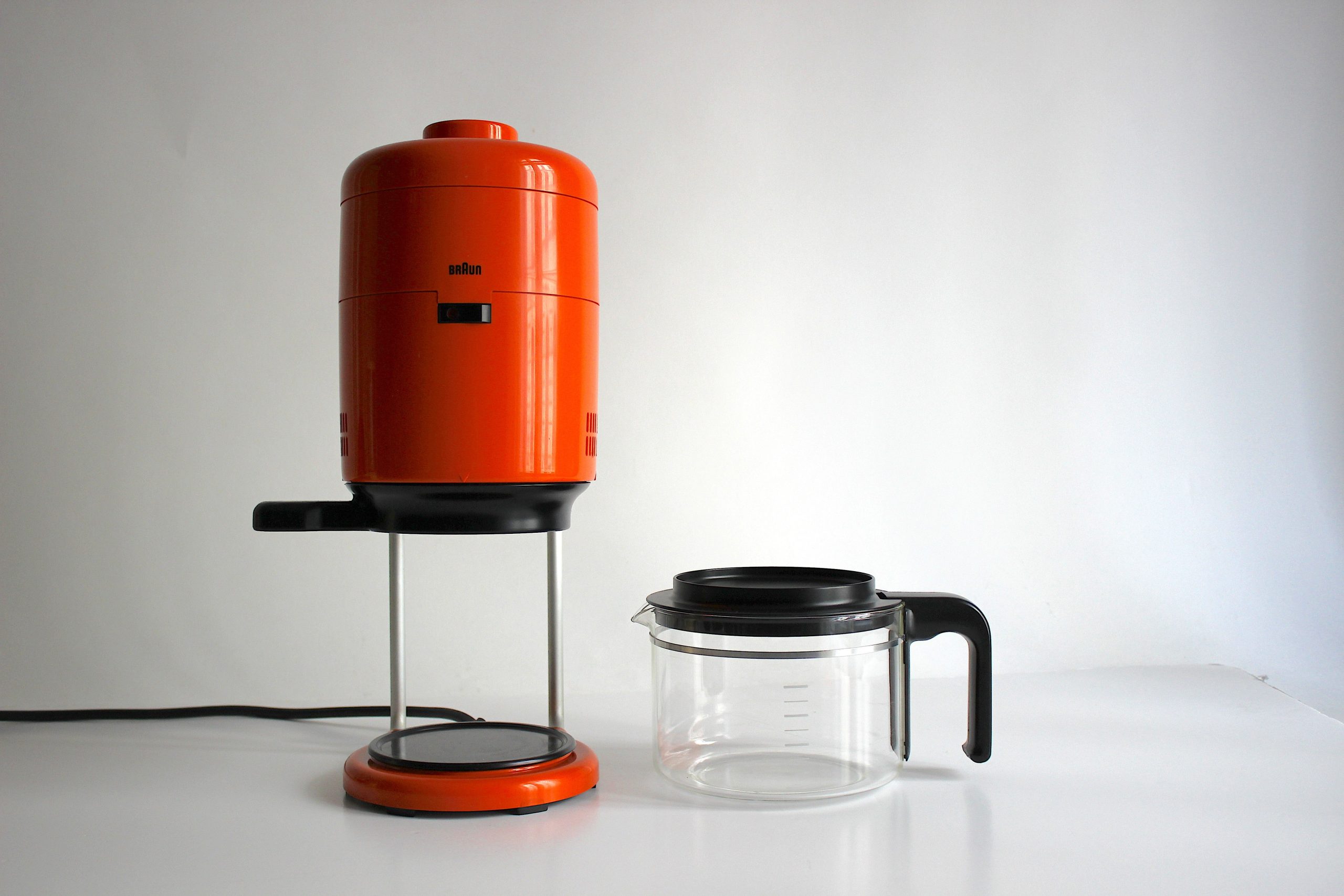
Seiffert’s stroke of brilliance lay in the structural integration of a U-shaped chromed steel frame. Running from the base to the top housing, these twin polished metal tubes double as a carrying handle while structurally joining the lower warming plate to the upper heating chamber. This clever configuration eliminated the need for a bulky plastic rear spine, creating an open, airy void in the middle and giving the upper housing the illusion of hovering weightlessly in midair.
The Seamless Synthesis of Aesthetics and Function
The KF 20 Aromaster is as delightful to interact with as it is to behold. Minimalism here equates to absolute legibility, requiring no instruction manual. Opening the top cover to refill water or place a paper filter unfolds as an effortless, intuitive gesture.
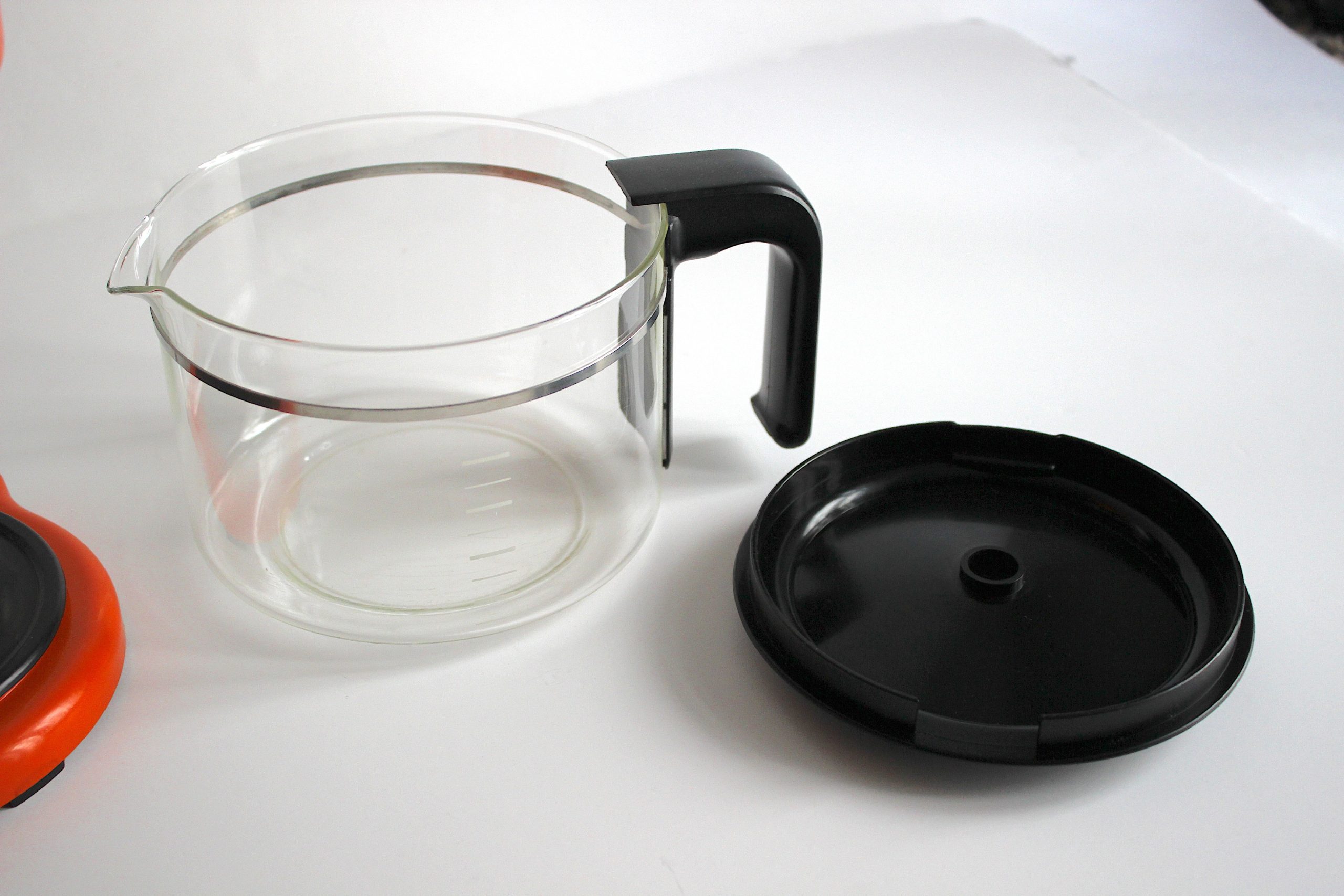
This intuitive interface is matched by meticulous practical performance: a detachable filter housing for easy cleaning, high-grade heat-resistant polymers, and a hotplate engineered to maintain temperature without scorching the brew. By harmonizing visual poise with tactile satisfaction, the act of brewing coffee is elevated from a mundane routine into a cherished morning ritual.
Purity of Form as a Shield Against Obsolescence
In today’s consumer landscape, technological products are frequently victim to planned obsolescence—rendered outdated not by mechanical failure, but by shifting stylistic trends. The Braun KF 20 Aromaster operates entirely outside this paradigm. By adhering to archetype geometries—the cylinder, the straight line, and gentle radii—the appliance remains unburdened by fleeting decorative fads. This radical restraint endows the object with an immunity to aging, allowing it to withstand the passage of decades.
A Transhistorical Presence Across Spatial Contexts
An original KF 20 Aromaster produced in 1972 integrates seamlessly into a twenty-first-century kitchen without appearing dated or out of place. It resides with equal grace within minimalist interiors, industrial lofts, or mid-century modern settings, serving as a focal point and a catalyst for conversations on design history.
The design language codified by Braun during this golden era served as a blueprint for generations of industrial designers. Jony Ive, former Chief Design Officer at Apple, openly acknowledged the profound debt that iconic contemporary devices like the iPod, iMac, and iPhone owe to Braun’s heritage. The clarity, restraint, and unwavering focus on user experience remain the enduring legacy that objects like the KF 20 bestowed upon modern design culture.
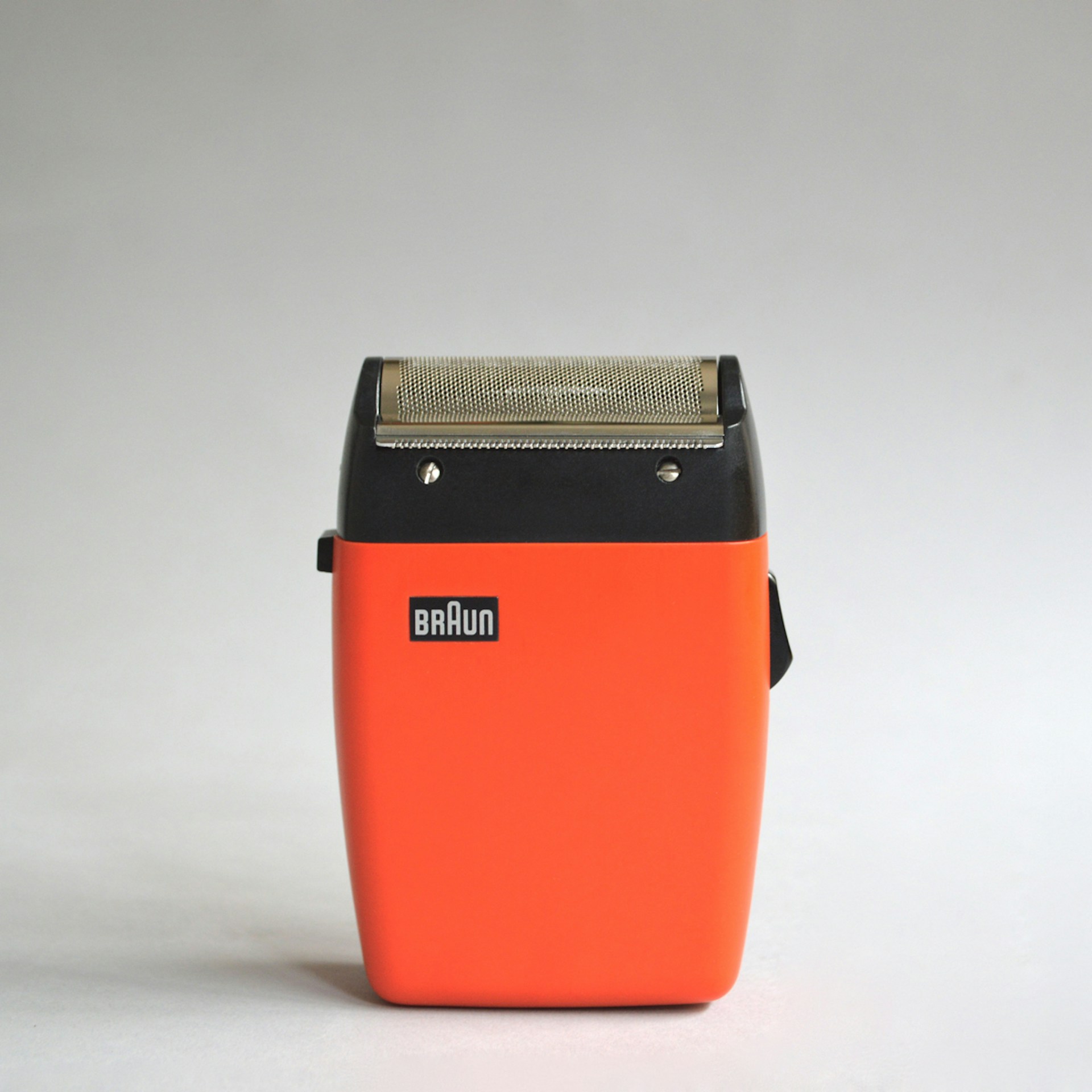
Florian Seiffert and His Industrial Legacy
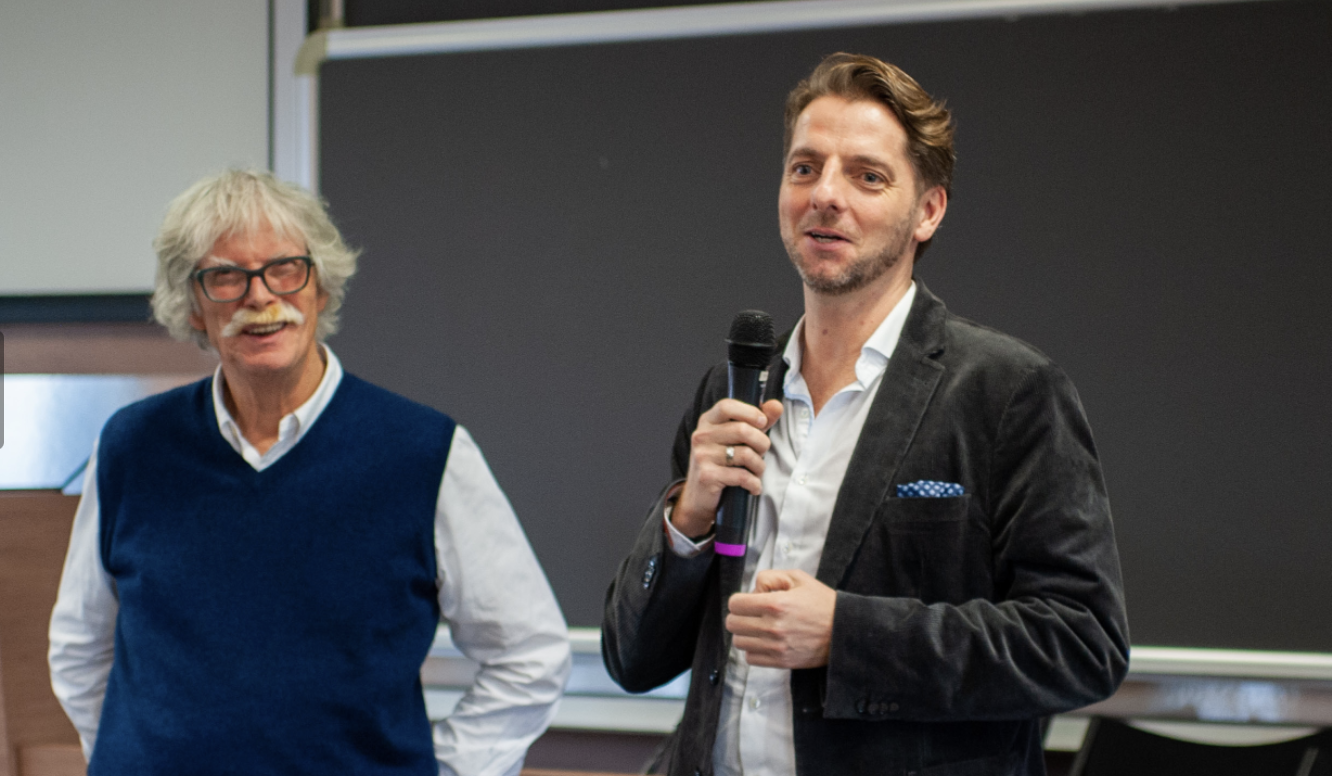
Behind the success of the KF 20 Aromaster was the genius of Florian Seiffert, a key figure in Braun’s legendary design department.
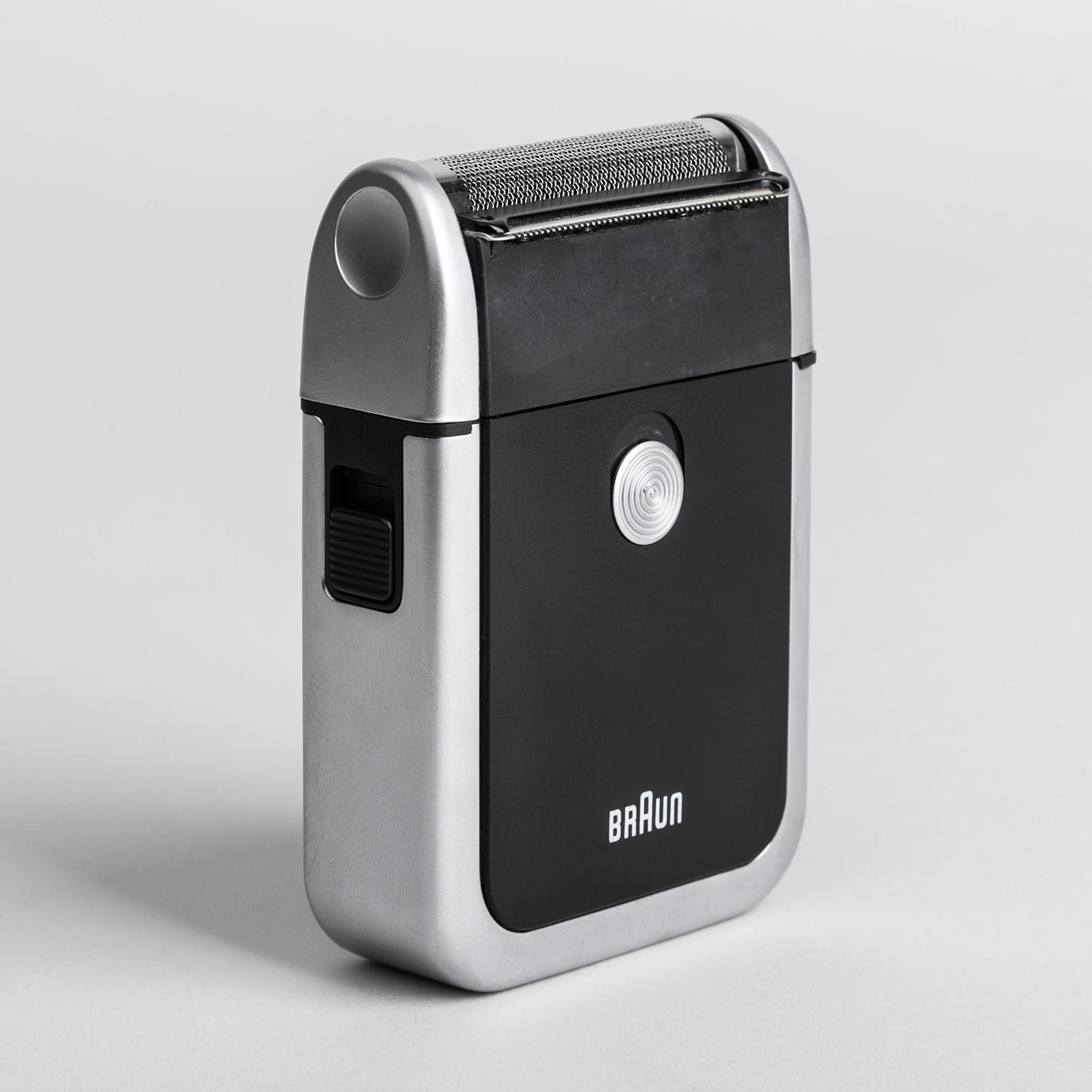
Beyond the coffee maker, Seiffert authored a range of seminal consumer products. His work includes the Braun Intercontinental shaver series, which demonstrated a masterclass in combining metal and tactile plastics to deliver a refined, substantial feel. He designed the compact Braun Rallye travel shaver (BM 12) in a striking red-and-black color scheme, capturing the mobile, adventurous spirit of the 1970s.
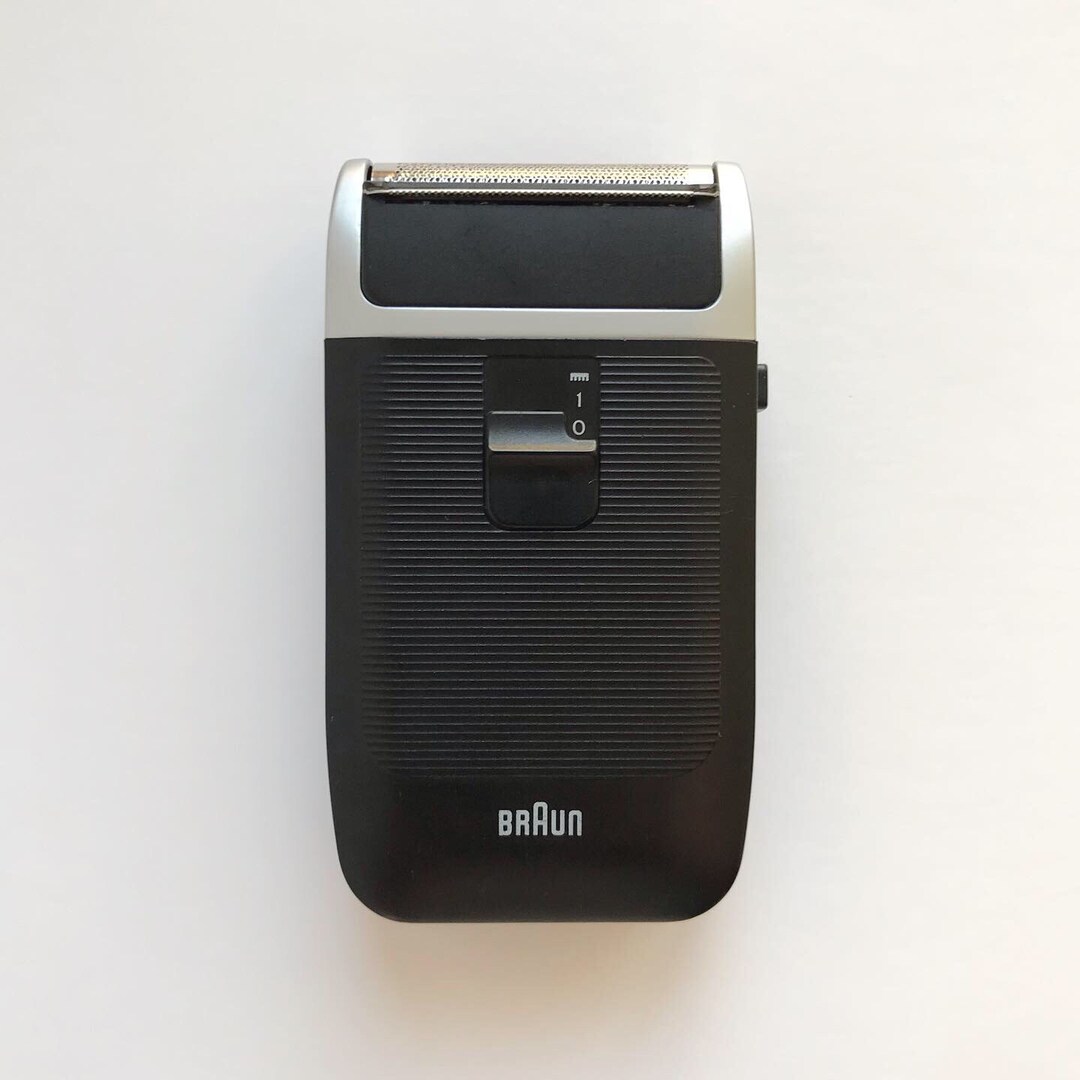
Seiffert also co-designed the landmark Braun Sixtant 8008 electric shaver alongside Dieter Rams and Robert Oberheim—a product that achieved record sales and set the global benchmark for personal care appliances. Furthermore, his work on the Lady Braun series (Ladyshaver BL 12) represented a breakthrough in female ergonomics, characterized by soft geometries and an elegant pastel palette.
When Beauty Serves Humanity
Reflecting on the fifty-year trajectory of the Braun KF 20 Aromaster, it becomes evident that exceptional domestic design extends far beyond mechanical efficiency. Seiffert’s appliance does more than heat water and filter coffee; it enriches daily life, offering visual joy, tactile satisfaction, and spatial dignity.
The KF 20 stands as an enduring manifesto for timeless design. When an object synthesizes authentic aesthetic value with a deep respect for utility, it transcends temporal boundaries and transient trends. The work of Florian Seiffert and Braun remains a compelling testament to the principle that when beauty sincerely serves humanity, it achieves permanence.
Selected References
- The Museum of Modern Art (MoMA, New York): Design collection records for the Braun KF 20 Aromaster coffee maker designed by Florian Seiffert (1972).
- Musée National d’Art Moderne – Centre Pompidou (Paris): Official design archives for Florian Seiffert’s key works at Braun AG.
- Klemp, K. & Wichmann, H. (2006): Braun: Fifty Years of Design and Innovation, Edition Axel Menges.
- Lovell, S. (2011): Dieter Rams: As Little Design as Possible, Phaidon Press.
Previous Post
Next Post
- The timeless elegance of domestic appliances: From the Iconic Braun KF 20 aromaster to the German design ethos

- Emilio Ferro on the light, sound and memory of a place
- At Maniwa, an architect’s family home opens to the neighbourhood
- What bronze remembers of the hand

- Caught in light: Moradavaga’s suspended shoal

- The making of Alex Chinneck’s impossible Dior windows