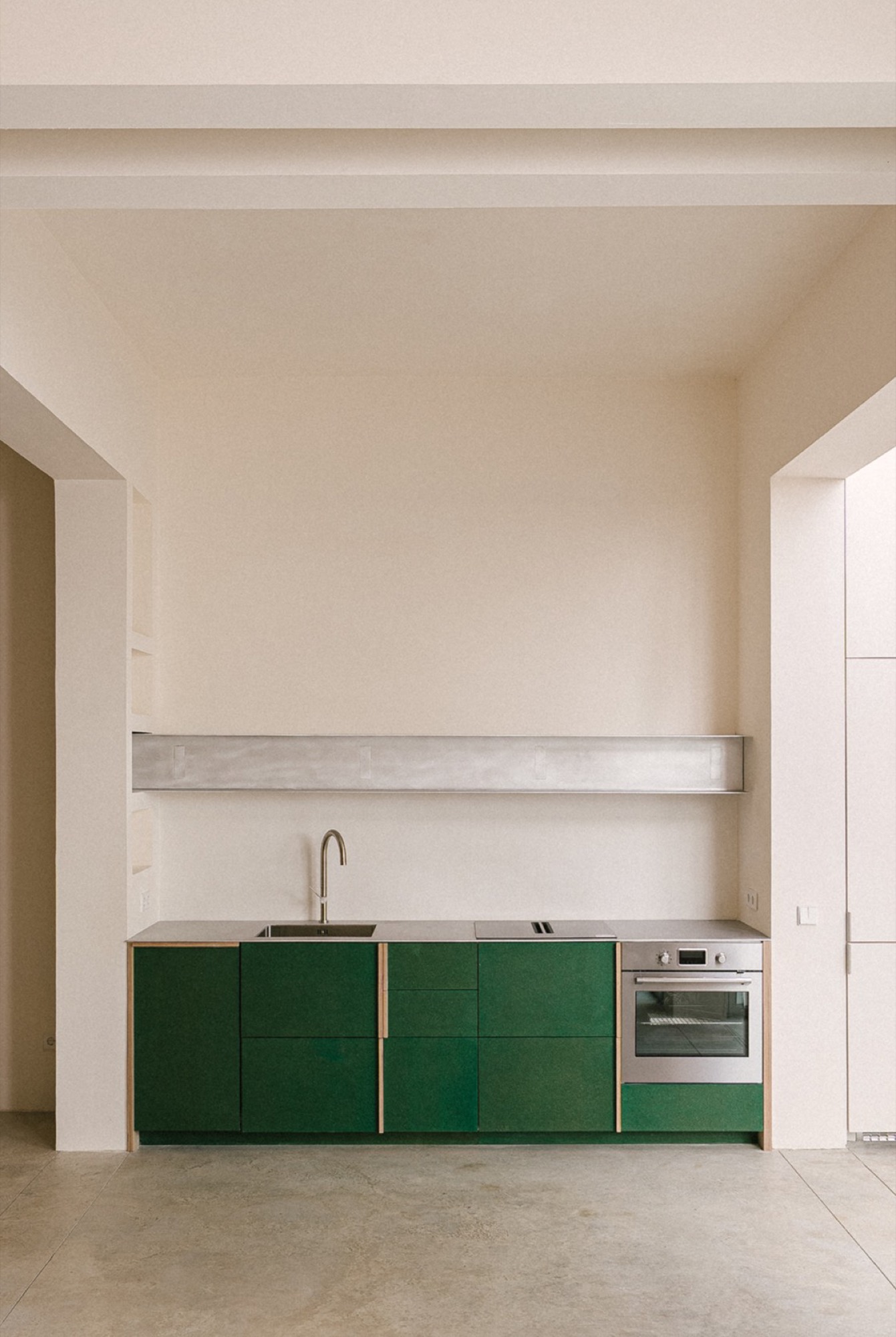
A former car wash in Carabanchel, Madrid, is transformed into a civic loft that blends domestic life with studio, café and exhibition uses, proposing a new hybrid housing archetype for the contemporary city.


A former car wash in Carabanchel, Madrid, is transformed into a civic loft that blends domestic life with studio, café and exhibition uses, proposing a new hybrid housing archetype for the contemporary city.
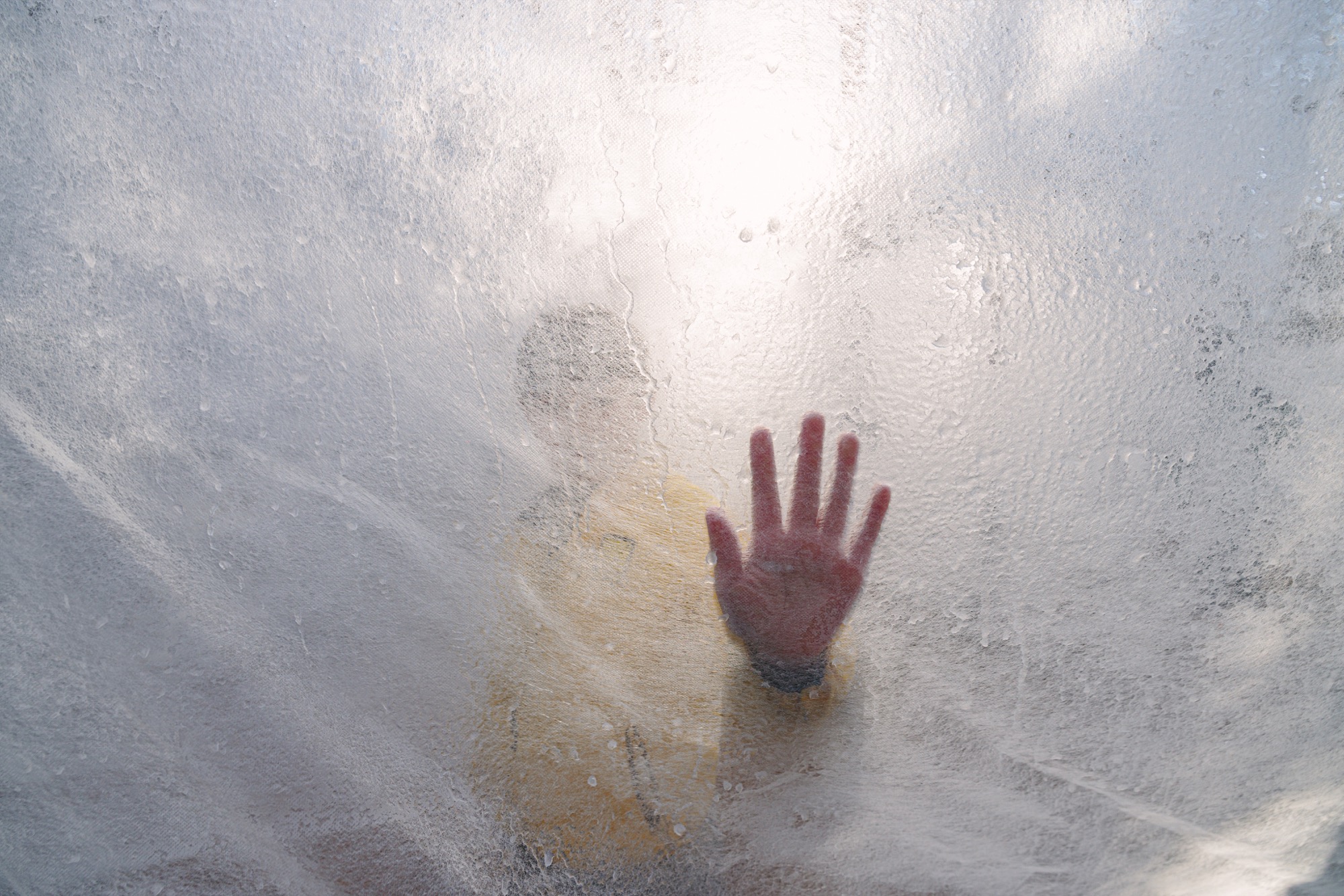
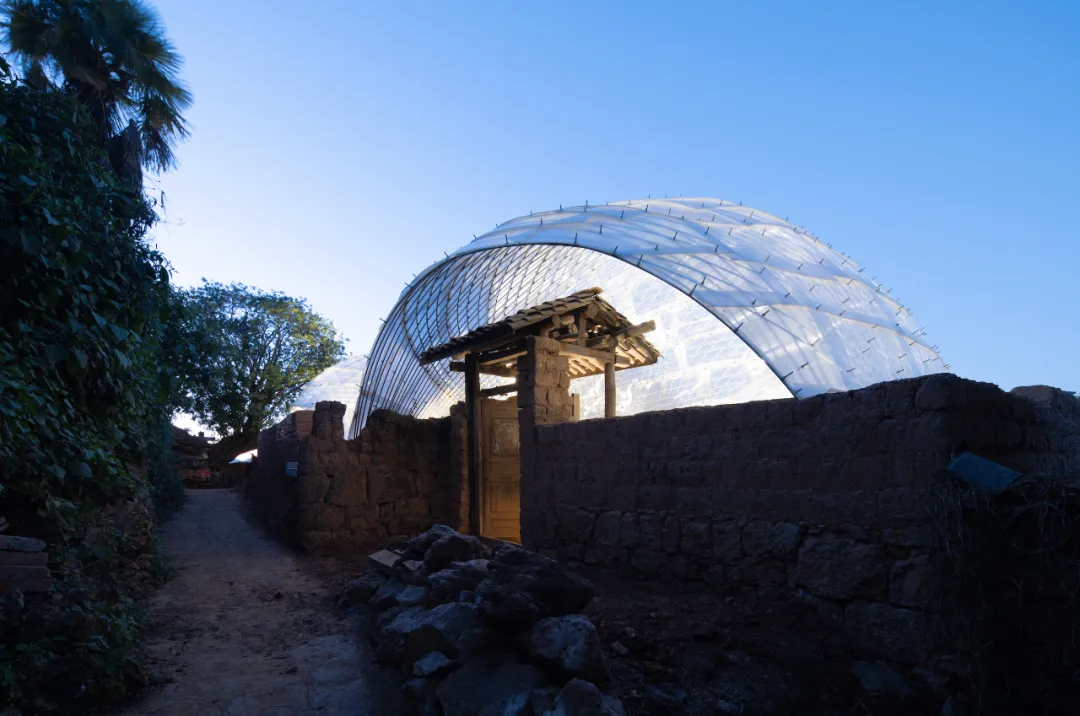
Ice Garden transforms the forest at Jinshanling into a temporary ice architecture installation, echoing the Great Wall through climate-shaped design.
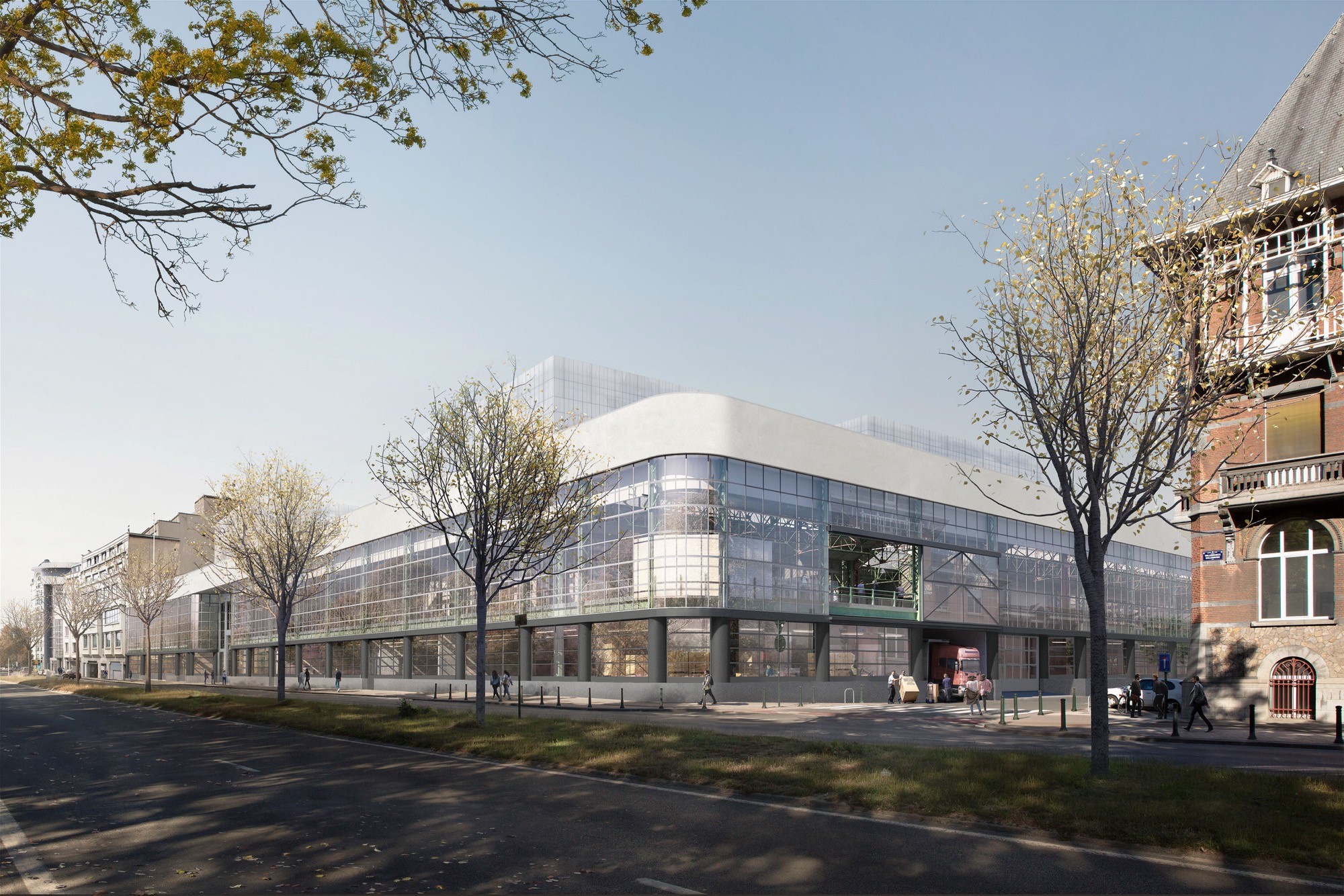
KANAL Brussels reimagines the former Citroën factory as a horizontal museum and civic Third Place for art, architecture and urban life.
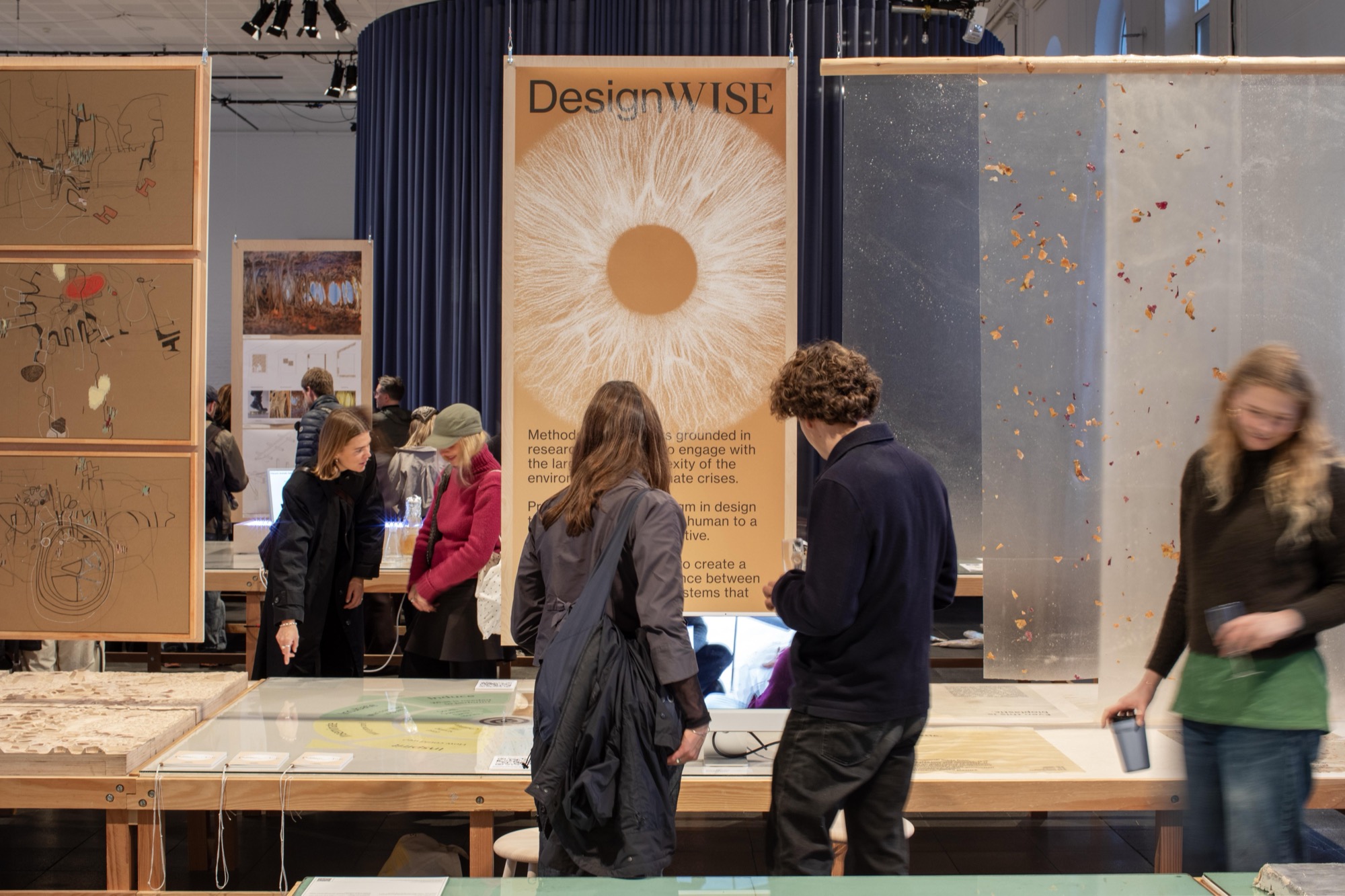
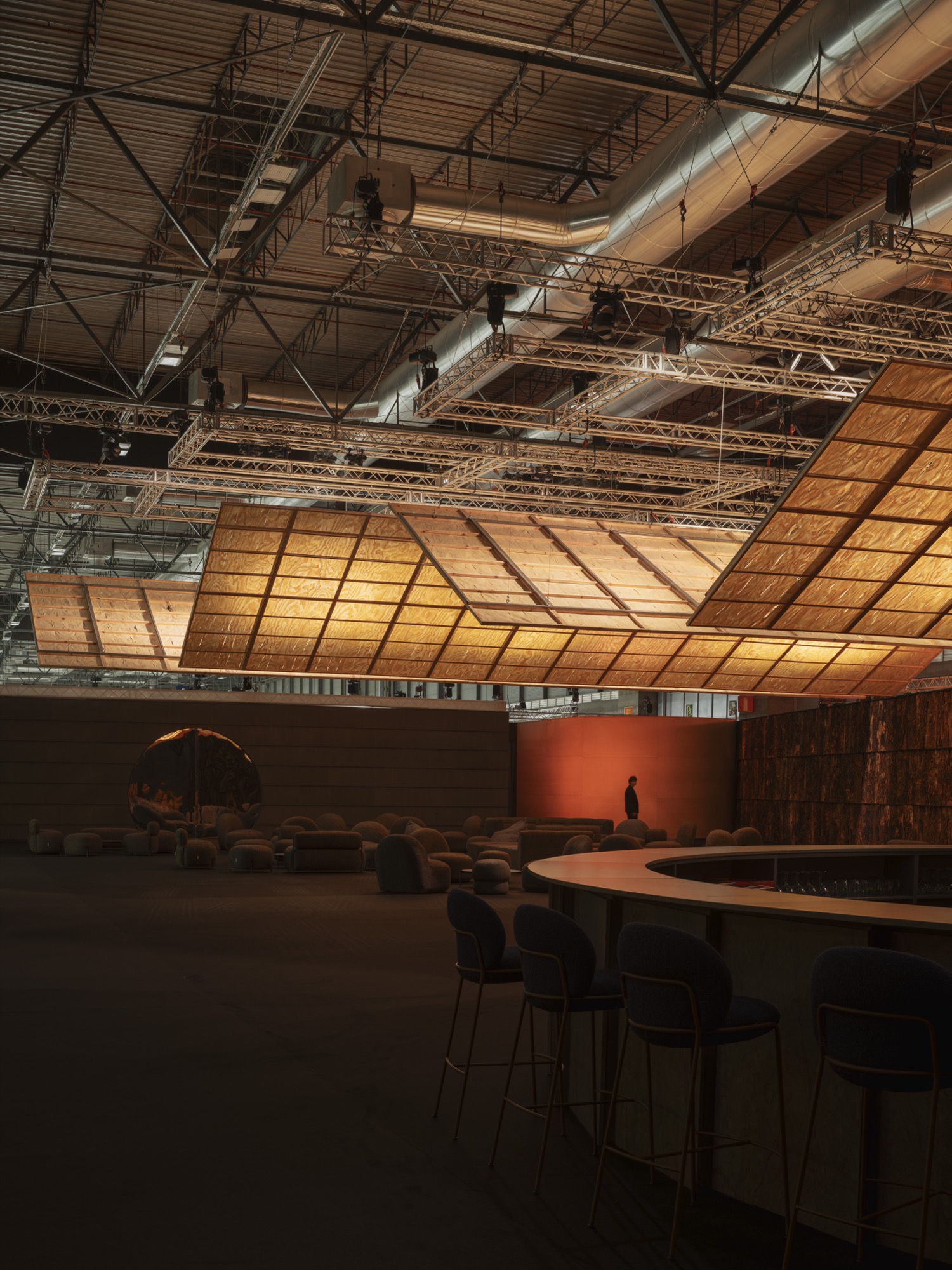
At a moment when ecological anxiety and technological acceleration shape the global conversation, the Royal Danish Academy proposes a different register for imagining what comes next. Rather than speculating through
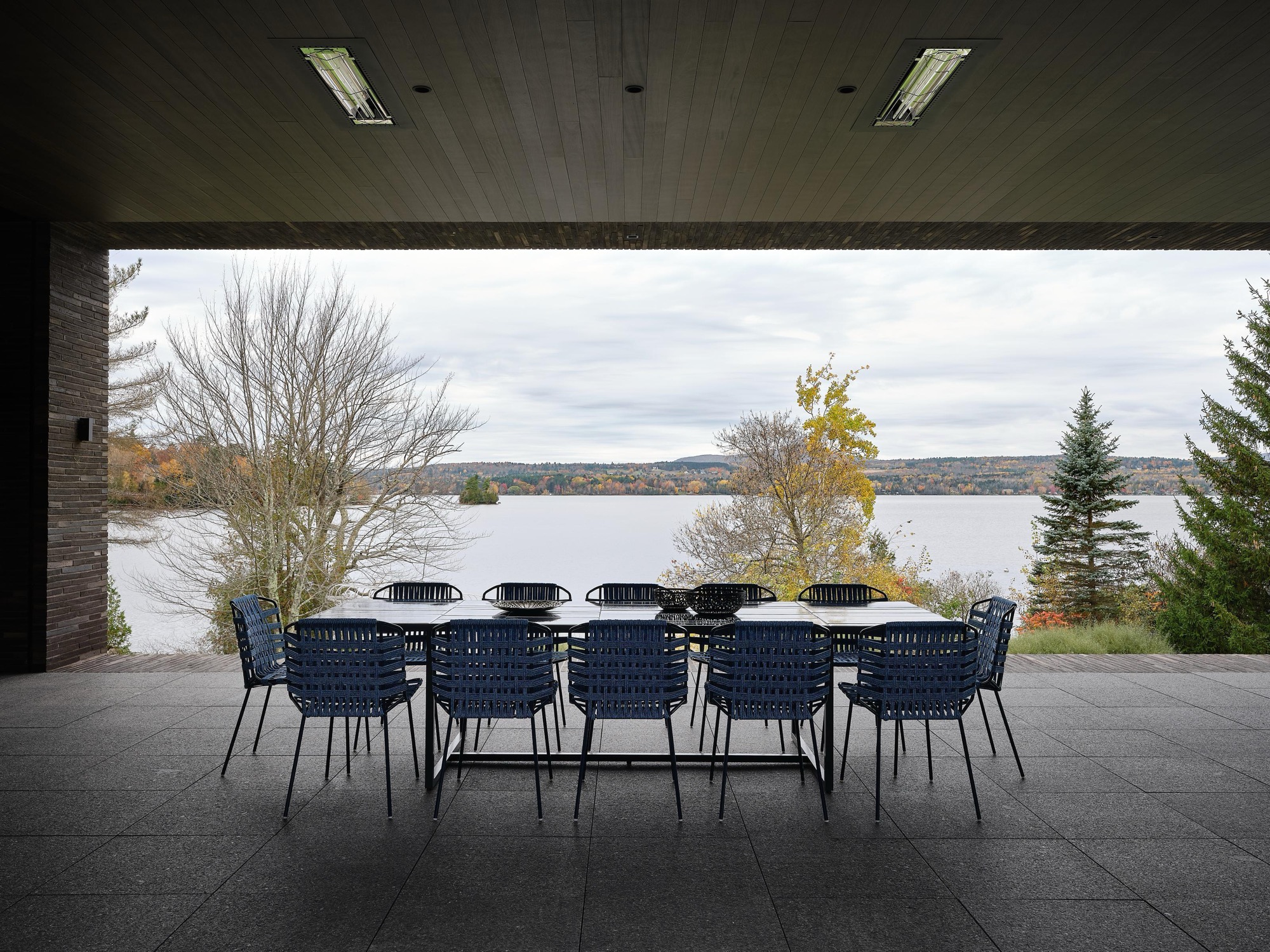
House on the Lake in Magog, Quebec, by Atelier Échelle reimagines the vernacular barn as a contemporary four volume residence for art collectors. Overlooking Lake Memphremagog, the 13,000 square foot home integrates cedar roofs, Danish brick, glass bridges and large span motorized glazing to frame sunset views. Art installations by Simon Hughes, a 1,200 bottle wine cellar and carefully selected materials designed to age over time position the project at the intersection of landscape, architecture and contemporary living.
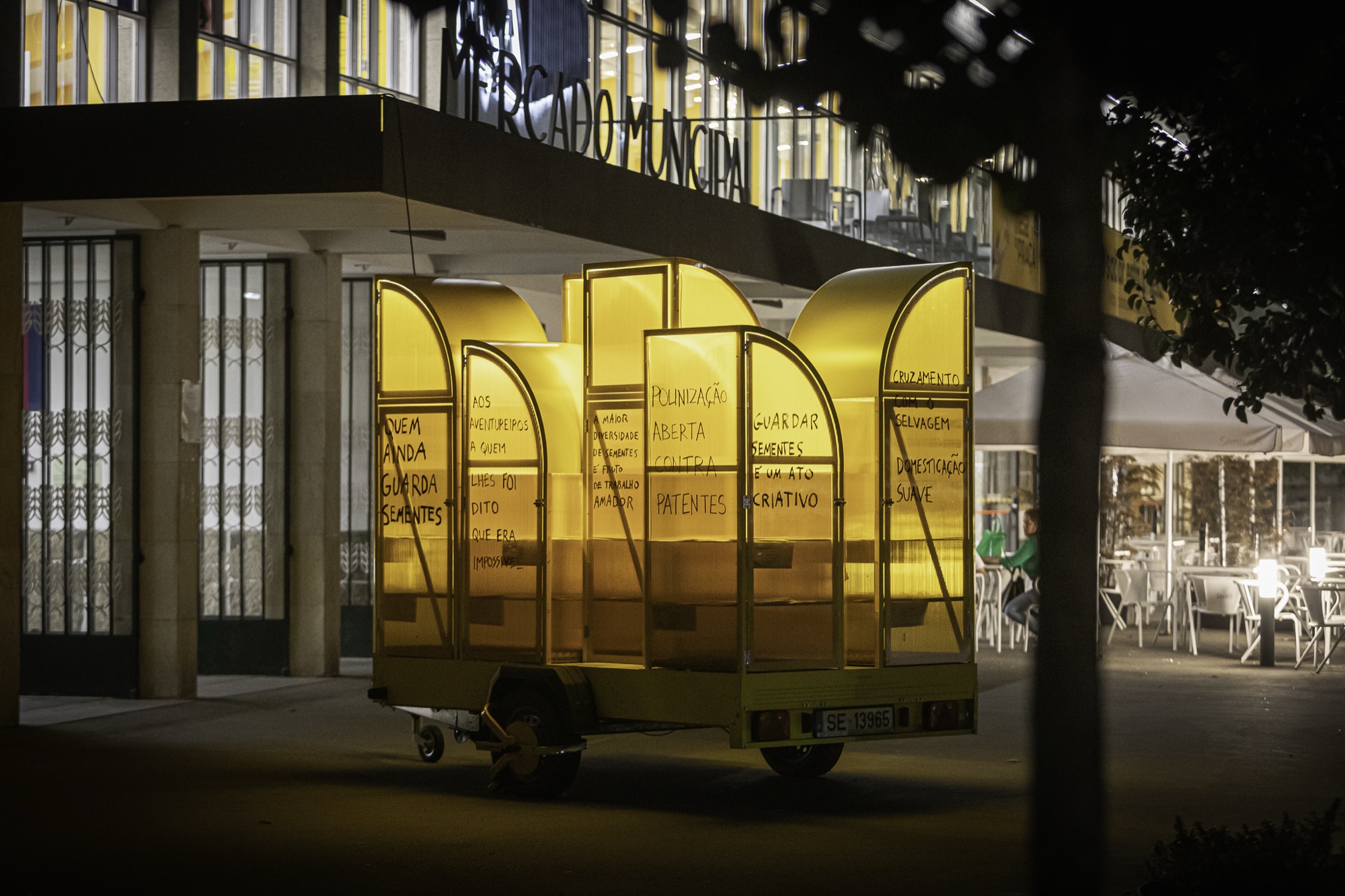
A modular greenhouse on wheels designed for Braga 25 reactivates urban gardens through seed sharing, biodiversity and community exchange.
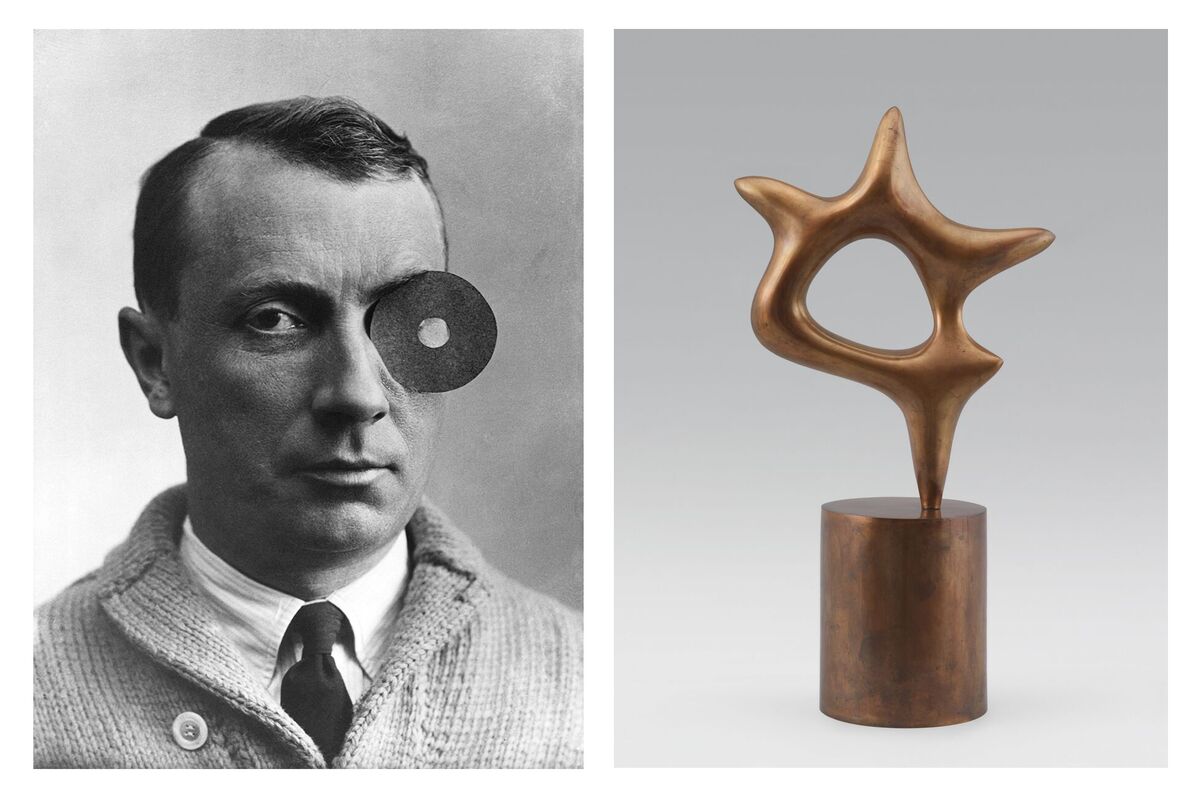
A longform analysis of Jean Arp’s evolution from Dada collages to biomorphic sculpture, exploring chance, organic abstraction and the sculptural idea of concretion in European modernism.
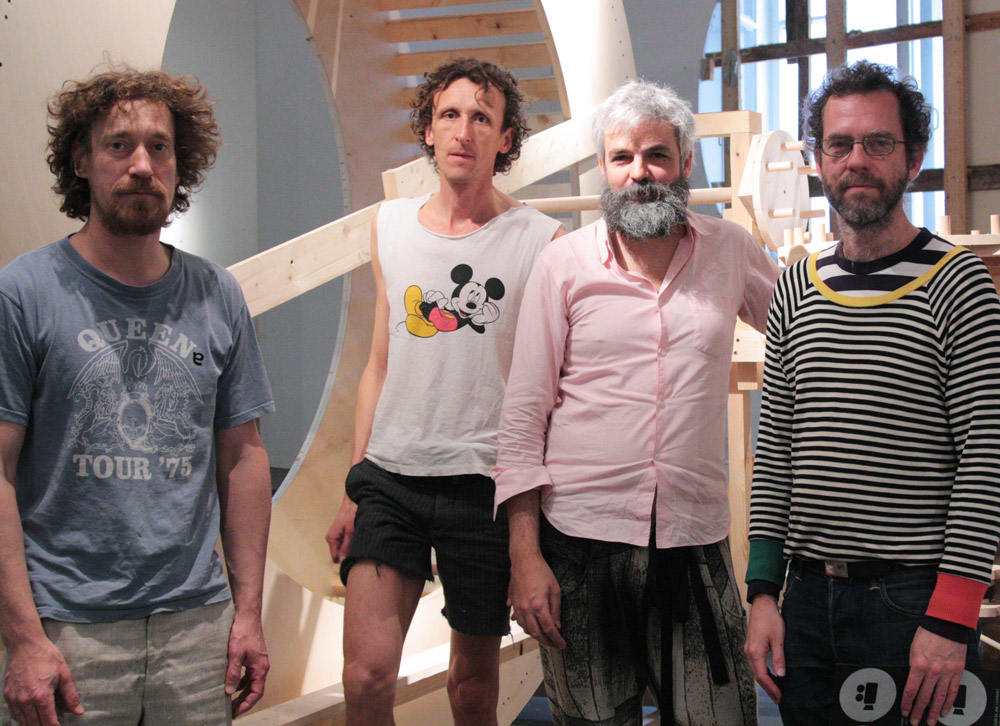
The Vienna based collective known for participatory installations that blur sculpture, architecture, and performance. Beginning with Percutaneous Delights at MoMA PS1 in 1998 and continuing through The B Thing, Hase, and Vorm Fellows Attitude, the text analyses how humour, bodily presence, structural risk, and material decay function as operative strategies rather than theatrical gestures. Positioned within broader discussions of relational and participatory art, the article considers how absurdity becomes a method for destabilising institutional space and reconfiguring collective experience.
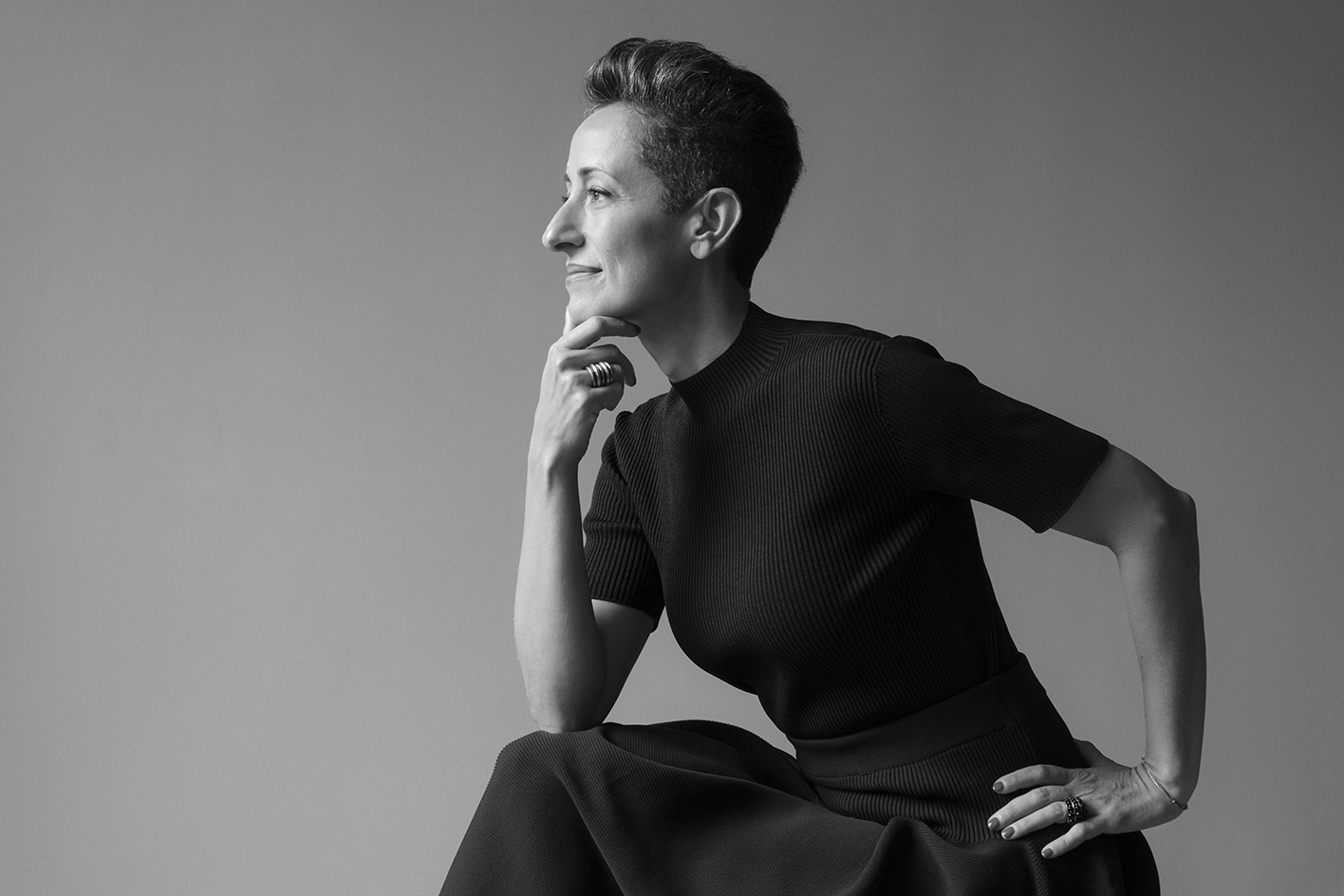
Lina Ghotmeh’s architecture explores memory, material continuity and ecological responsibility. From the Serpentine Pavilion in London to the Estonian National Museum and Stone Garden in Beirut, her work advances an archaeology of the future rooted in craft, context and collective experience.
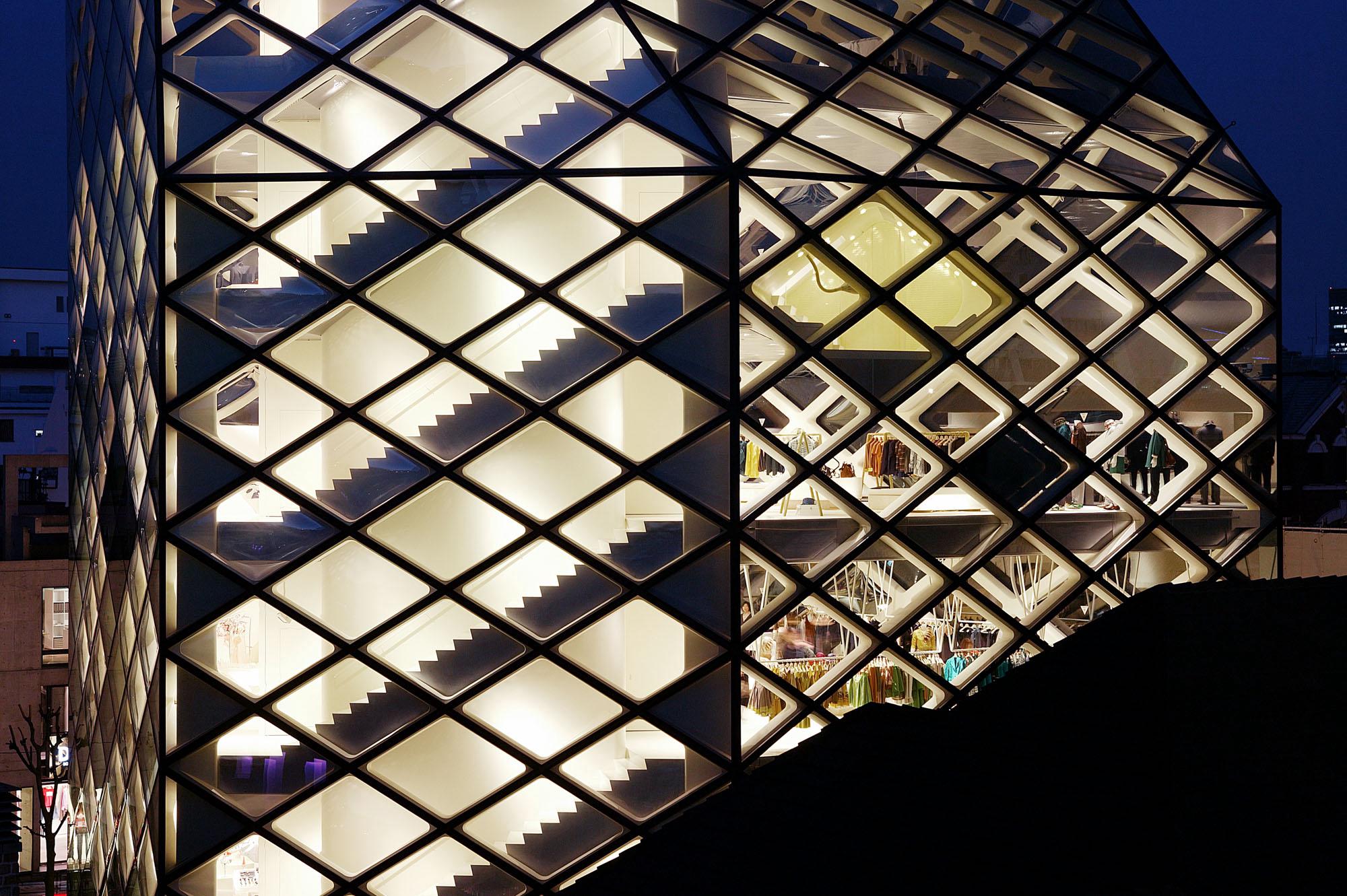
From Prada Aoyama in Tokyo to Tate Modern and Elbphilharmonie, Herzog & de Meuron redefine architecture through material intelligence, structural clarity and contextual precision.