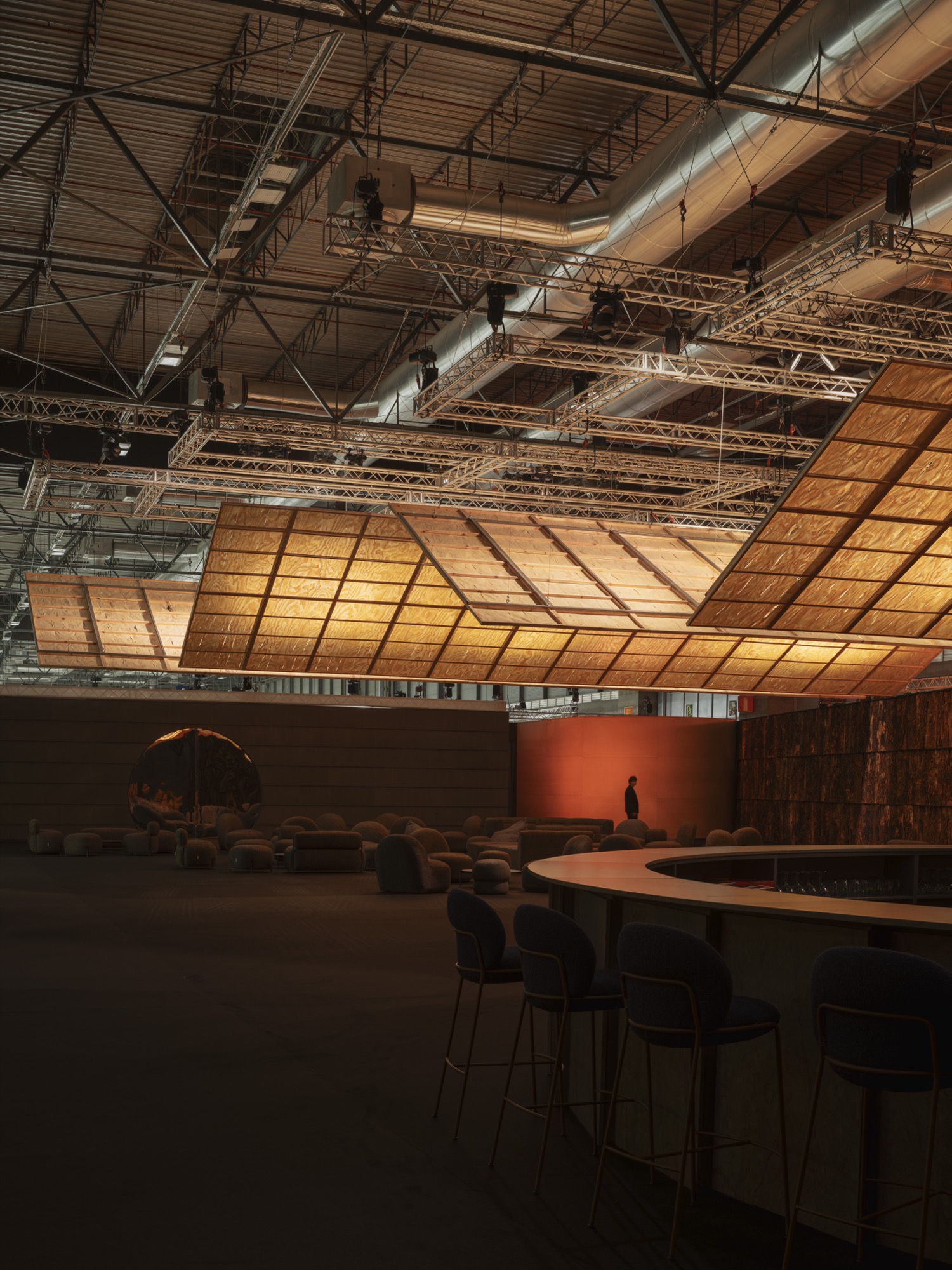
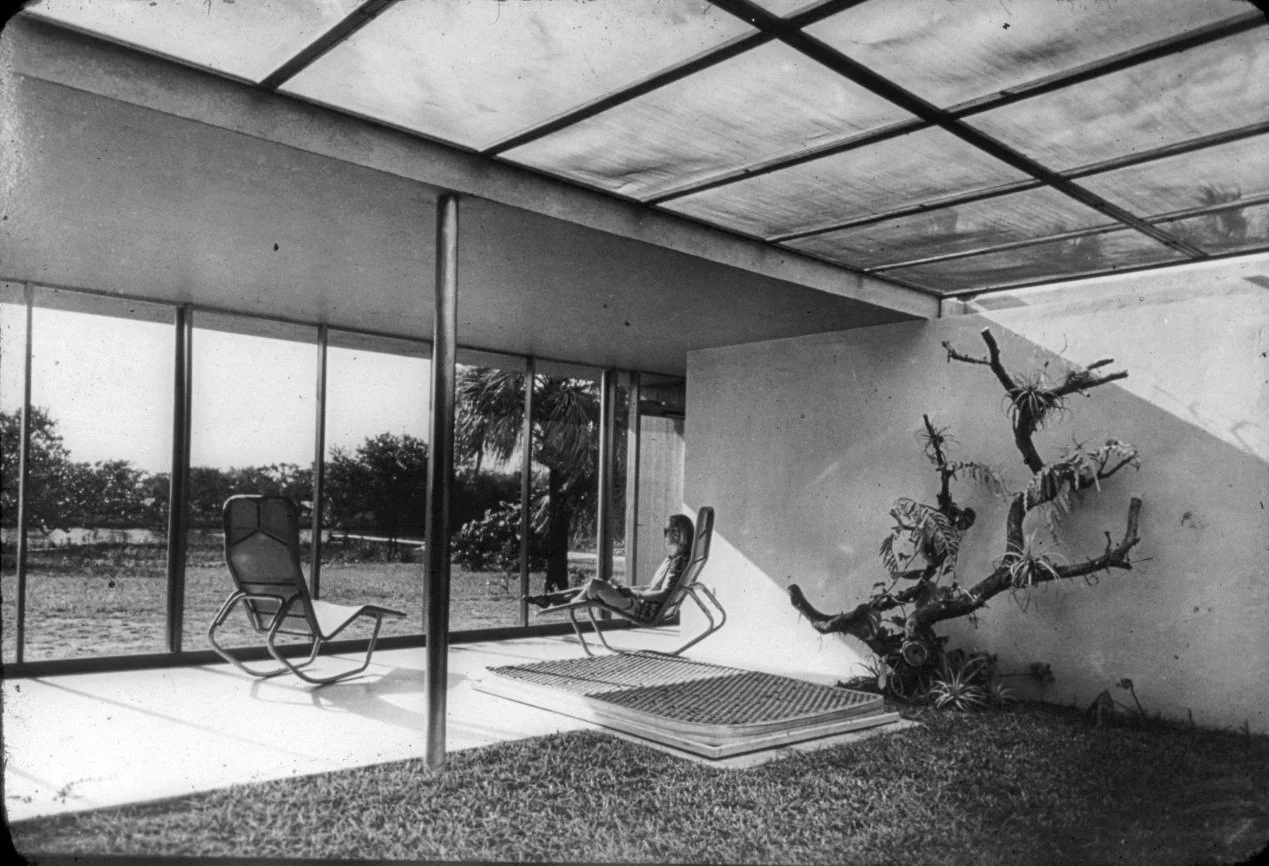
Paul Rudolph’s 1965 Manhattan office used a raised mezzanine, layered section and controlled light to explore his idea of space.


Paul Rudolph’s 1965 Manhattan office used a raised mezzanine, layered section and controlled light to explore his idea of space.
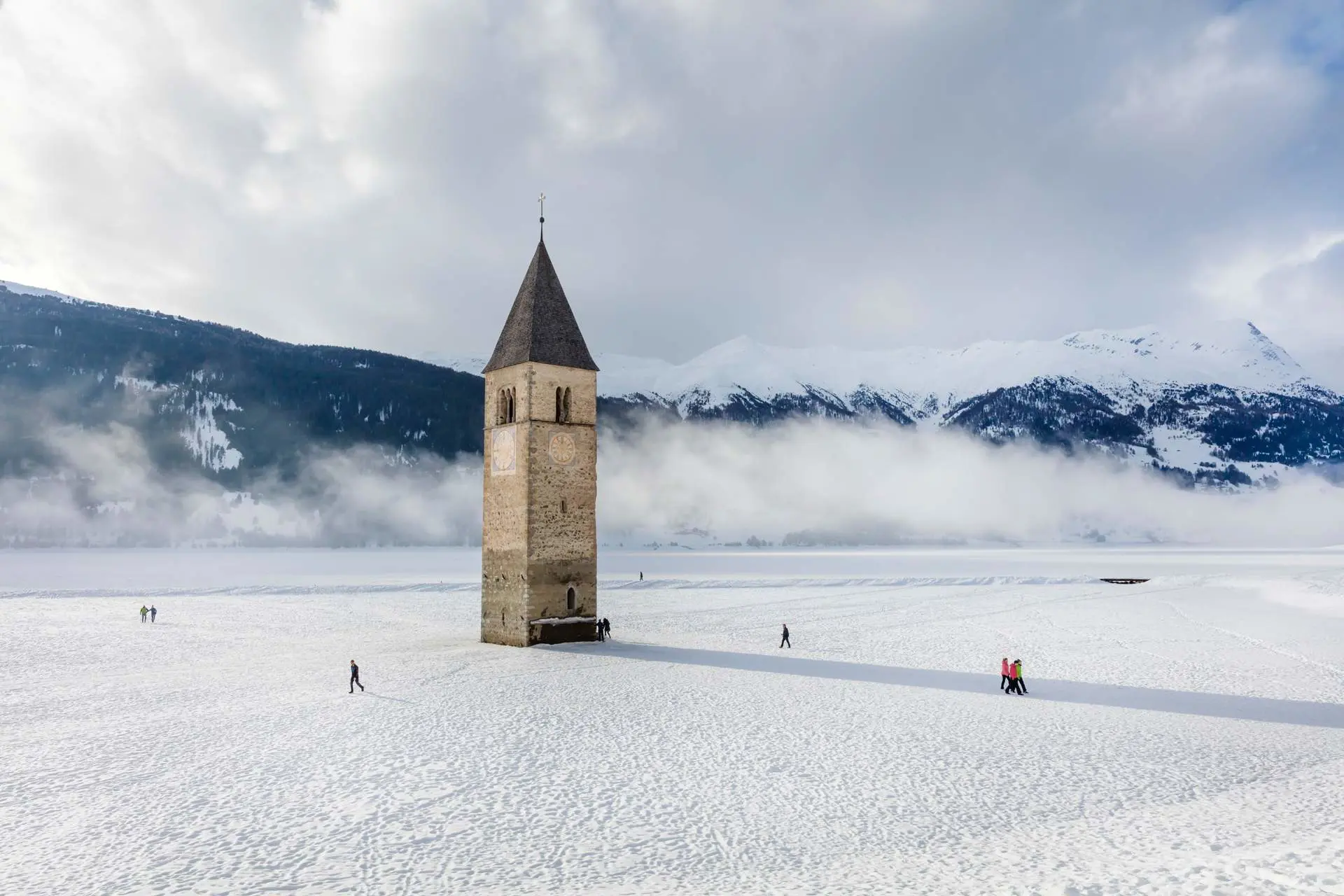
The 14th-century bell tower of Curon rises from Lake Resia in South Tyrol, the only remnant of a village submerged in 1950 for a hydroelectric reservoir.
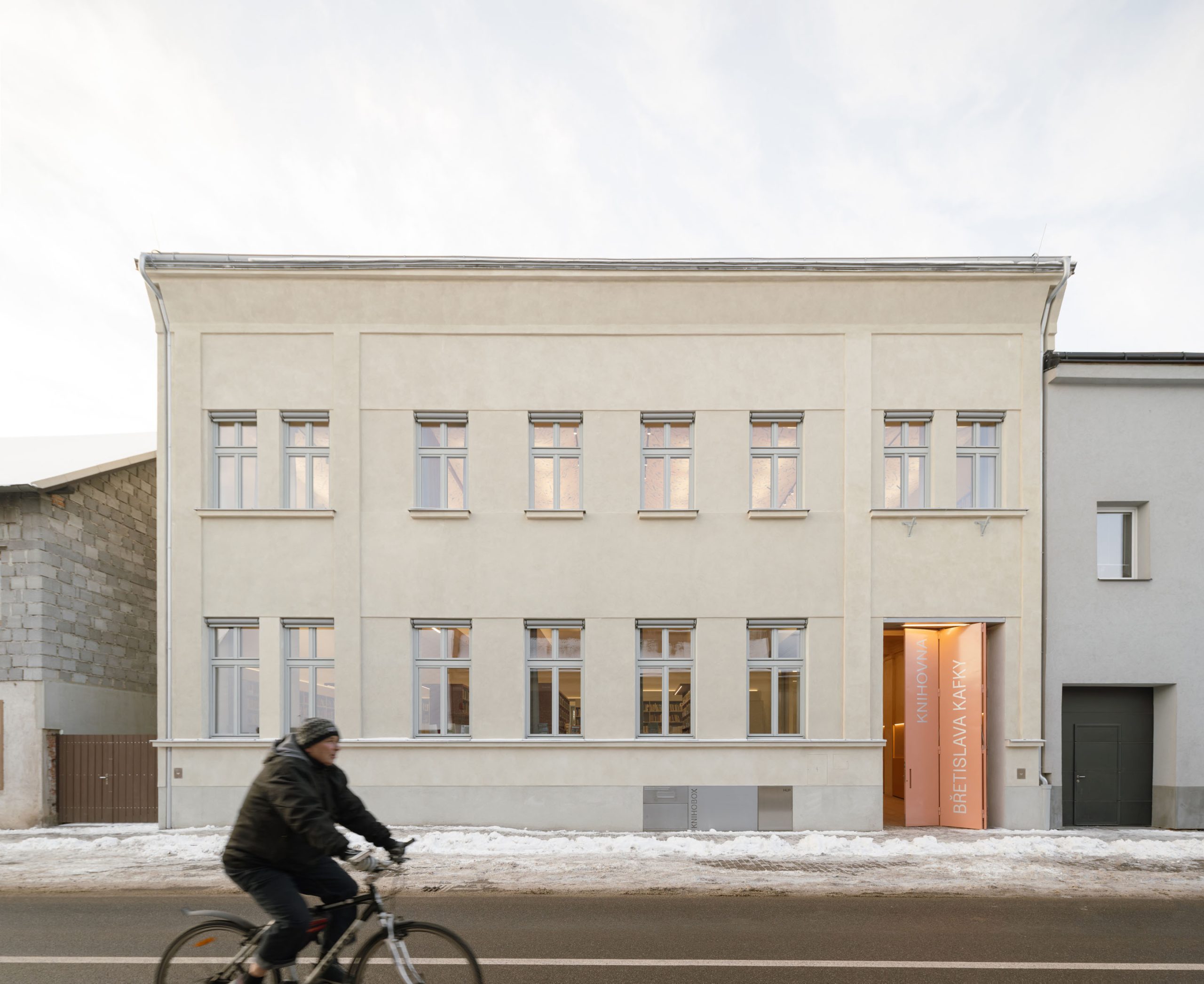
The renovation of Břetislav Kafka Library in Červený Kostelec transforms a historic former inn into a flexible, light filled civic interior defined by red furniture and stainless steel details.
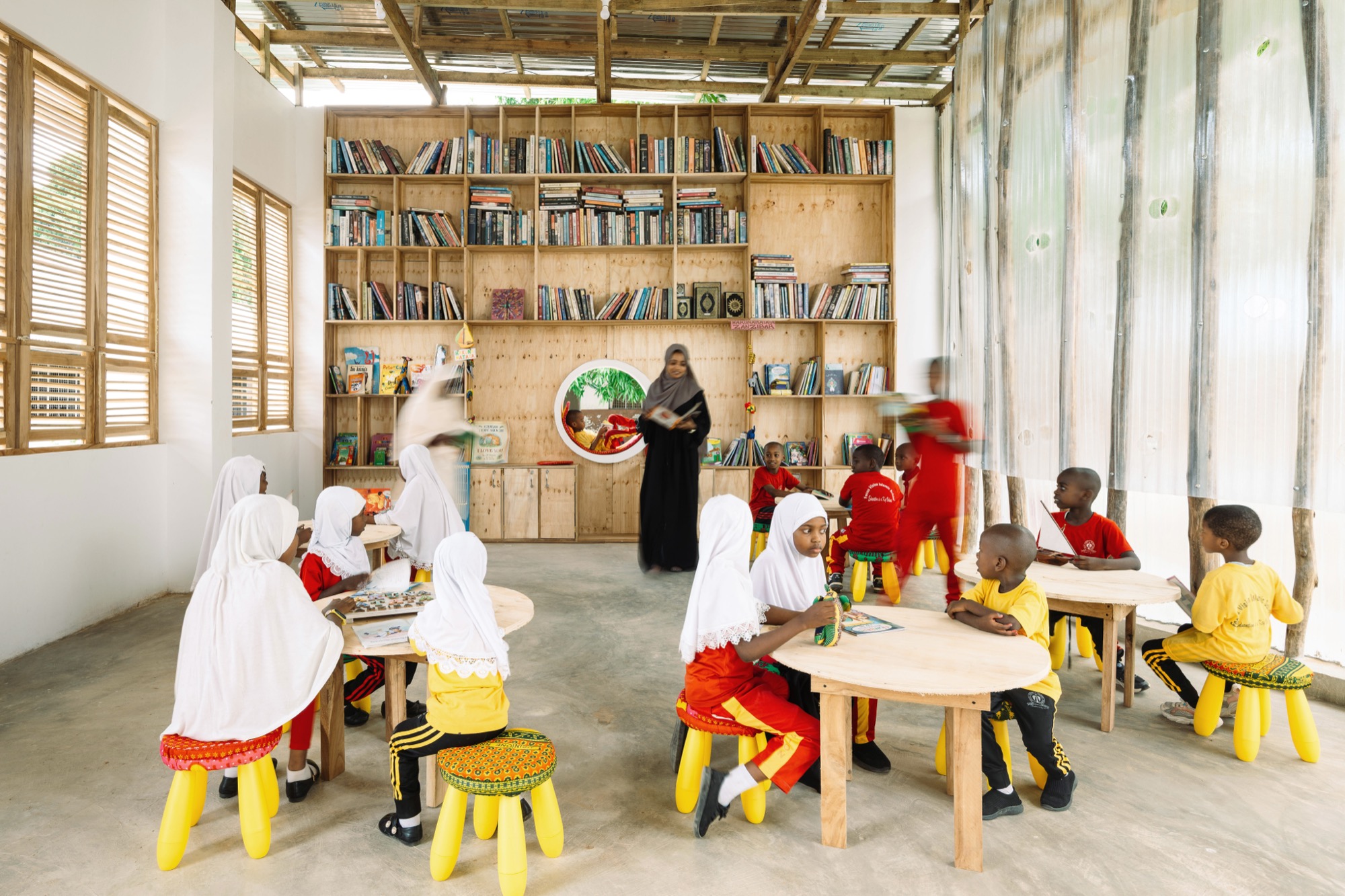
Lei Wa Lakom Library in Zanzibar, designed by Mai Al Busairi under the Parallel Gives program, uses timber structure, perforated panels and passive cooling to create a climate responsive civic space for children and the wider community.
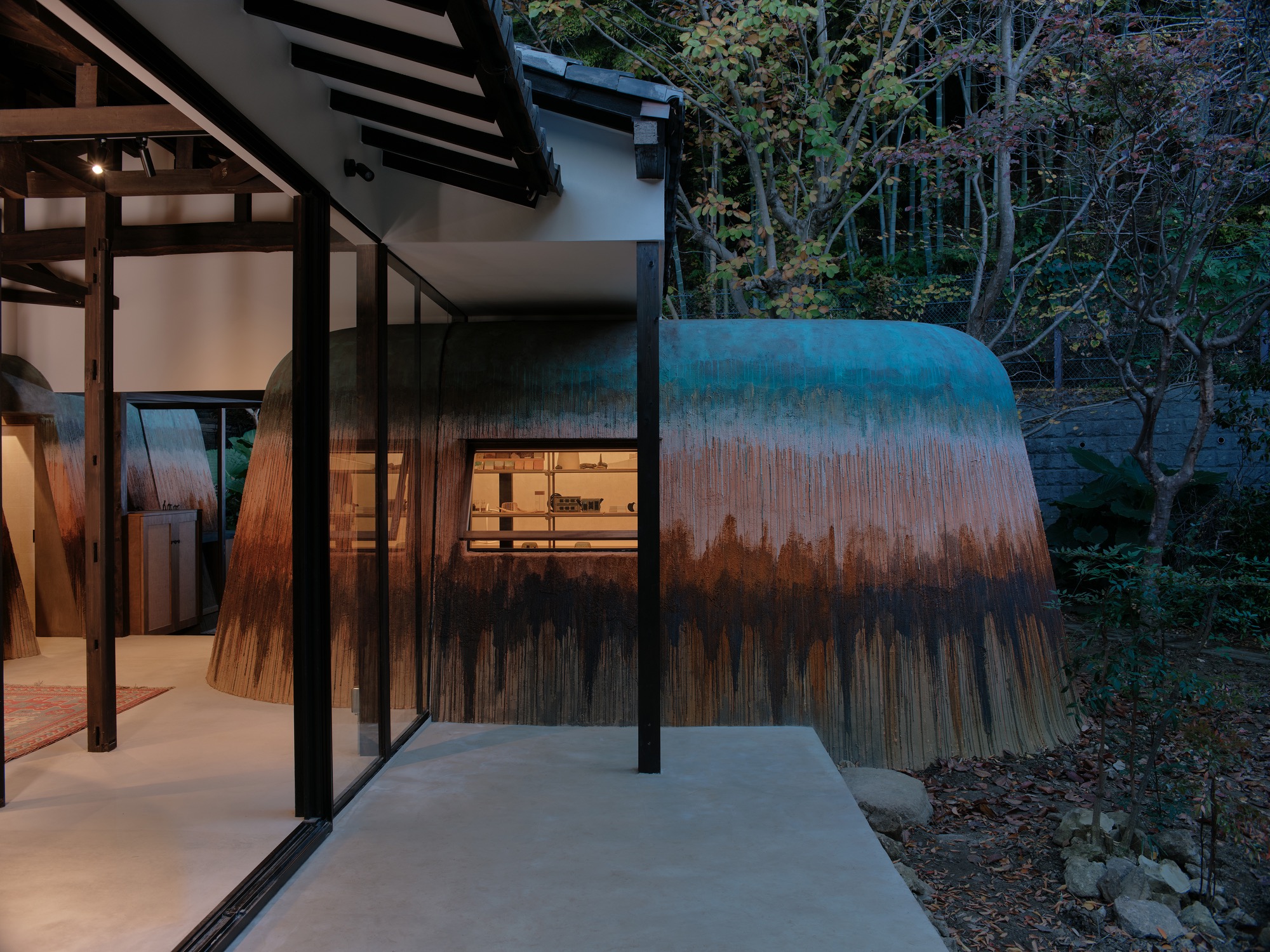
Haniyasu House by AATISMO in Kamakura reimagines a 58 year old wooden house as a two family residence rooted in earth and craft. Using site soil, bisque fired clay and oxidised metal plaster, the project merges architecture, pottery and landscape into a contemporary settlement.
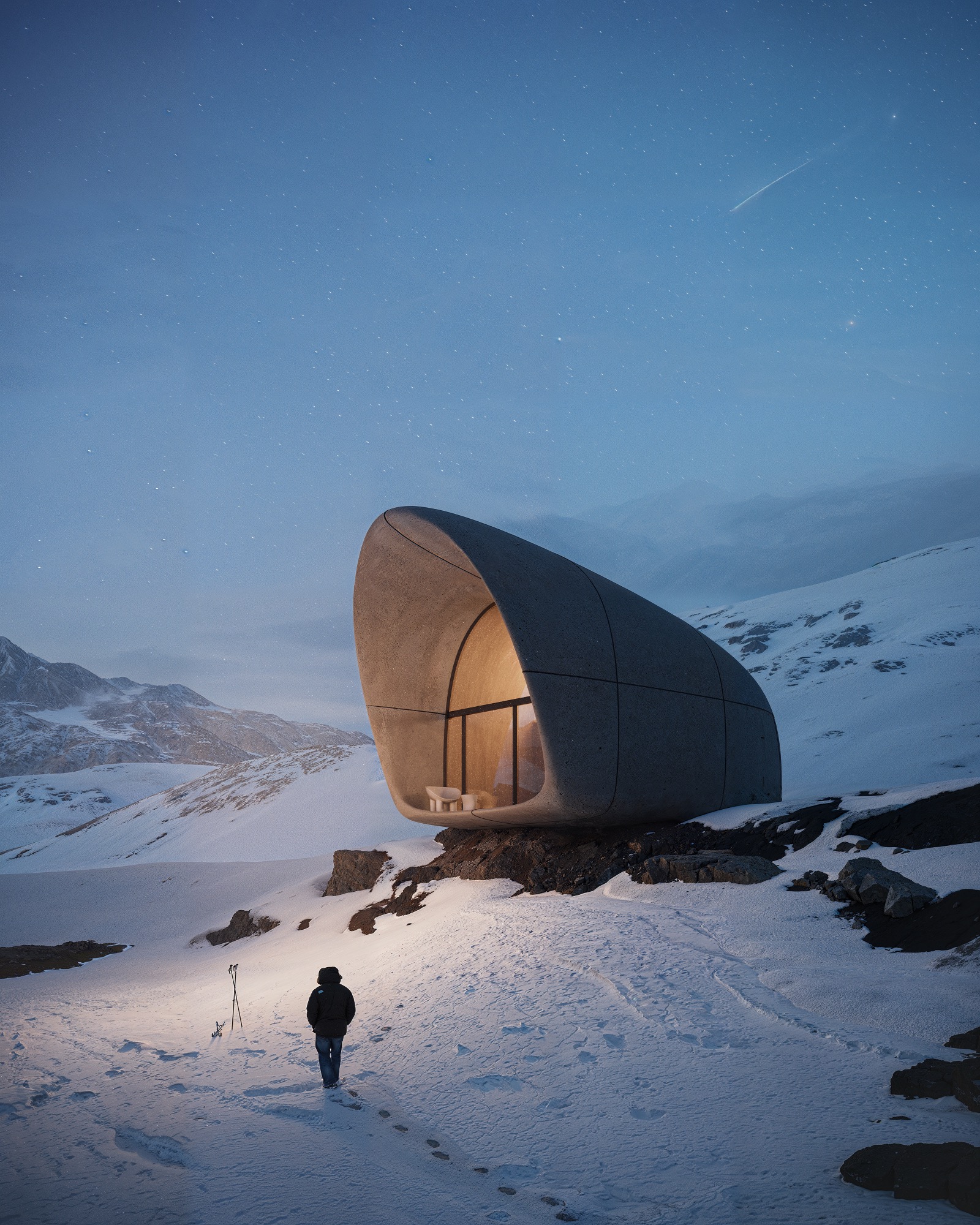
STIPFOLD designs fiber concrete cottages for AltiHut, a solar powered mountain retreat at 3,014 metres in the Georgian Caucasus.
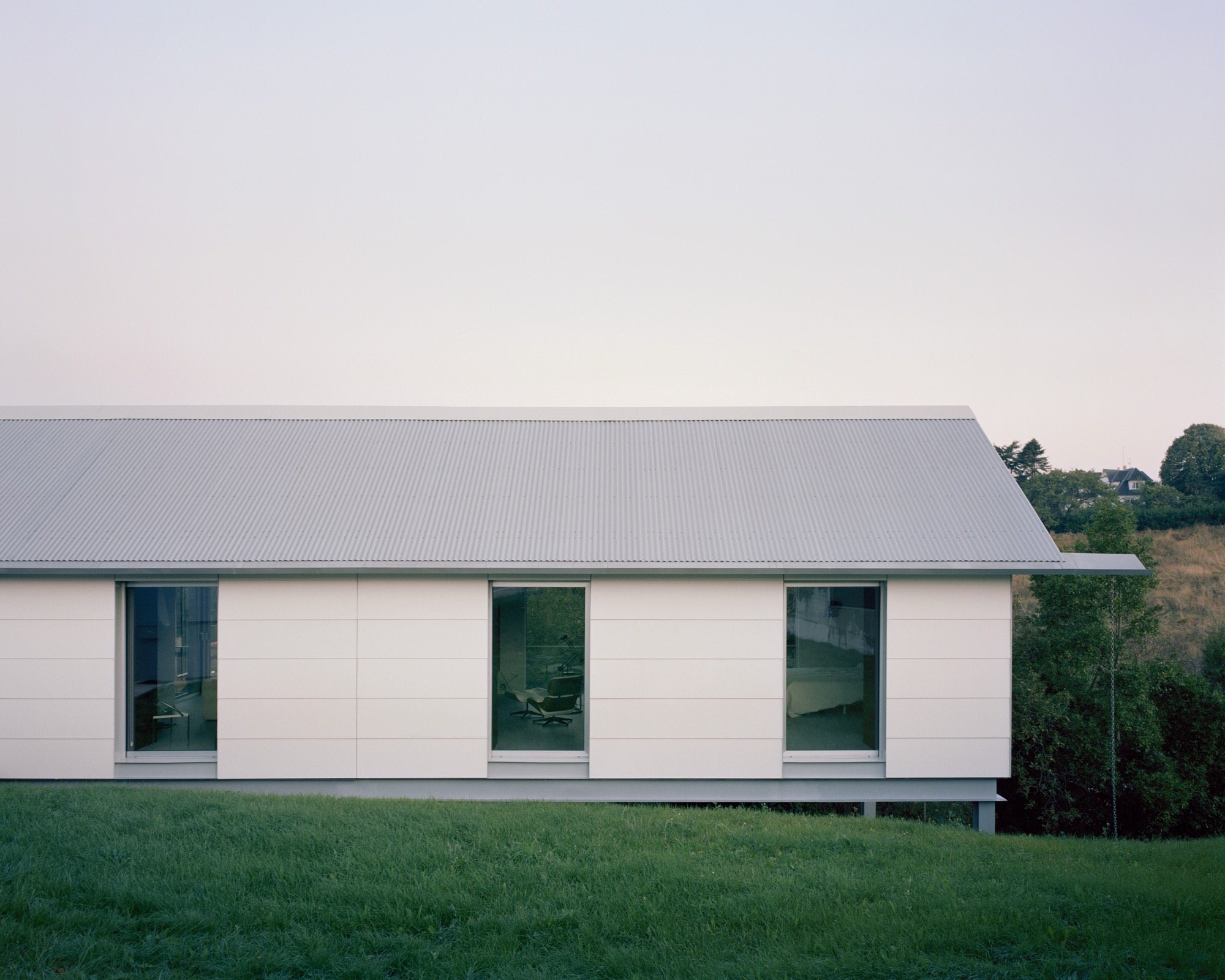
Casa Guadalupe prefabricated housing Asturias offers a fresh perspective on rural architecture, seamlessly integrating with its landscape.
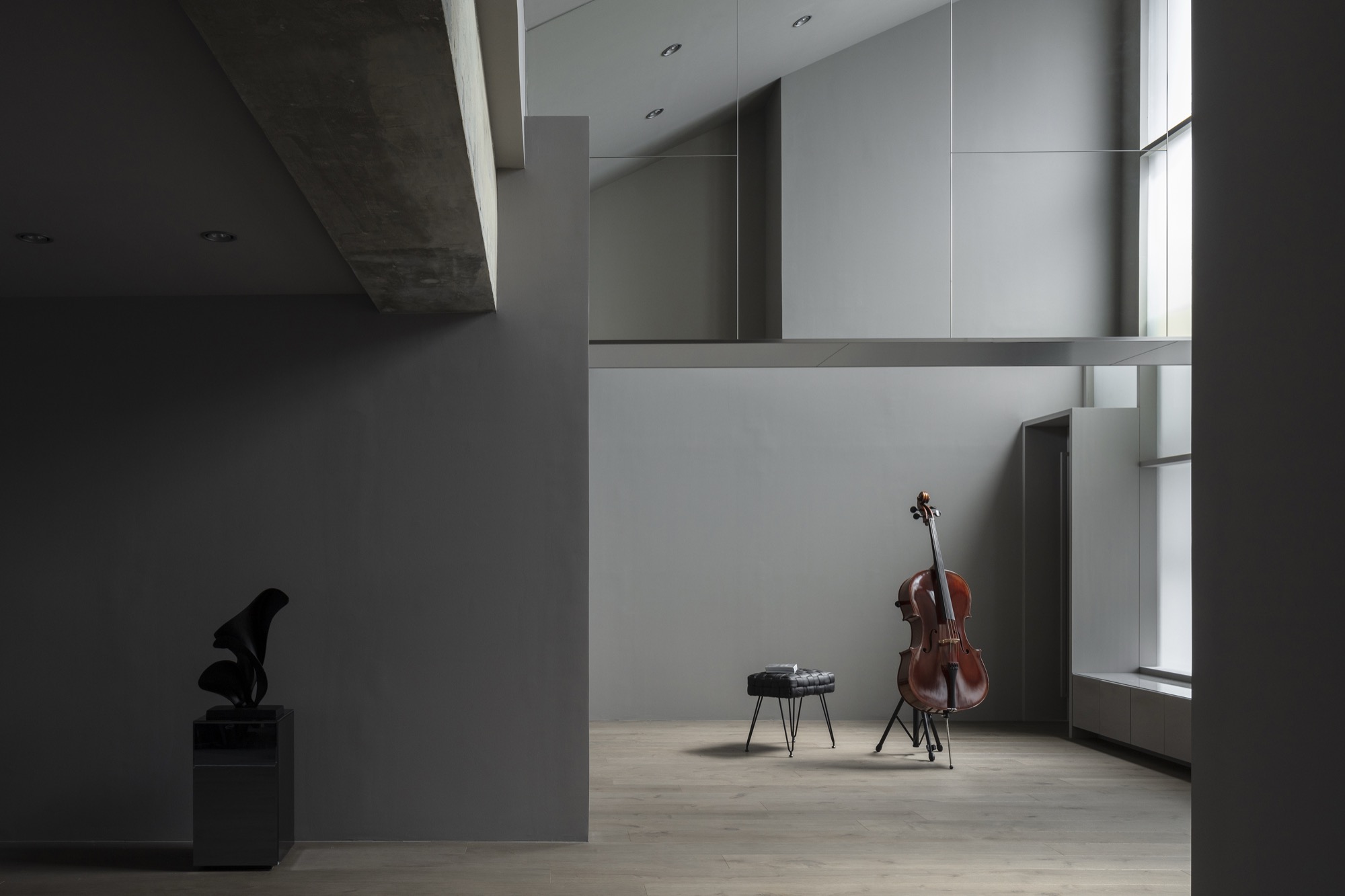
A top-floor Tokyo apartment is reimagined through translucent glass screens, mirrored partitions and exposed concrete, turning a compact studio into a light-filled second home.
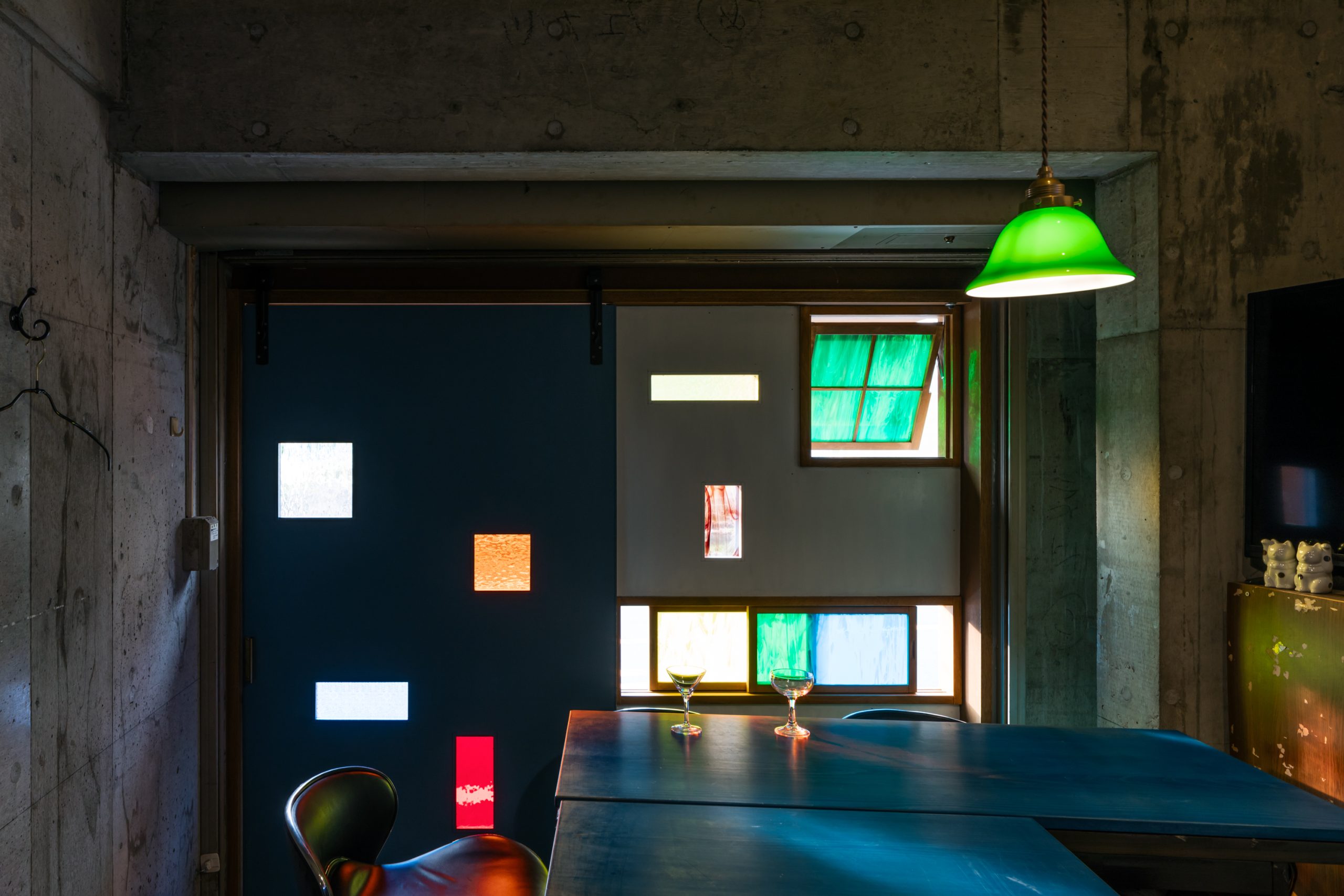
Mumu Tashiro adds a blue stained-glass door with a fold-out bench to Ogikubo Bar in Tokyo, transforming a small renovation into a social gesture.
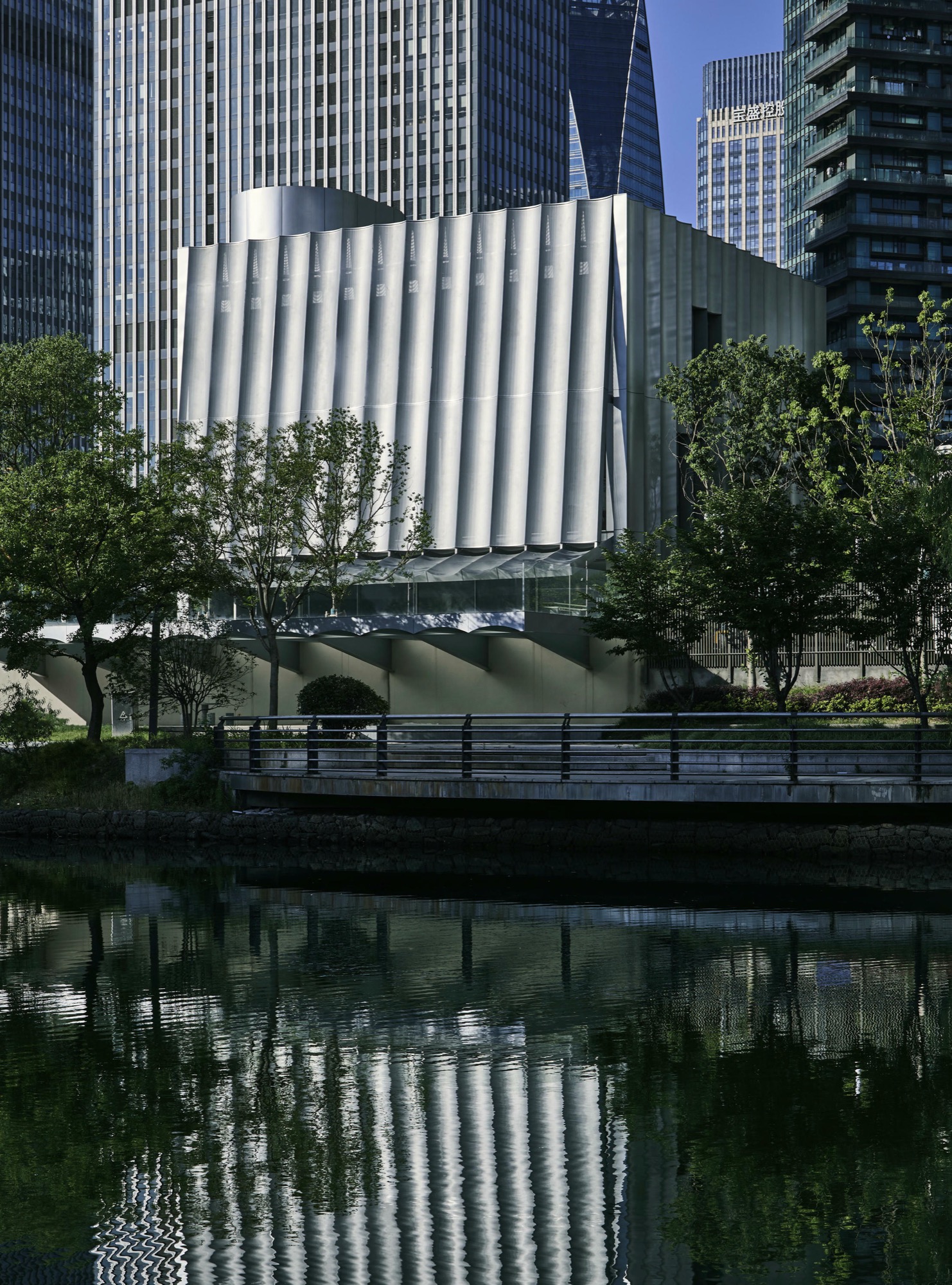
Hangzhou Empathy Museum is a community art museum in Hangzhou, China, created from an unfinished project that included a completed underground garage. The design converts part of the basement into galleries and wraps the above ground structure in curved stainless steel panels, forming a reflective urban shell. With a dramatic three storey spatial canyon, perforated facades and integrated underground exhibition halls, the museum redefines adaptive reuse and positions art as part of everyday city life.