Now Reading: KANAL Brussels transforms the former Citroën Factory into a Third Place Museum
- 01
KANAL Brussels transforms the former Citroën Factory into a Third Place Museum


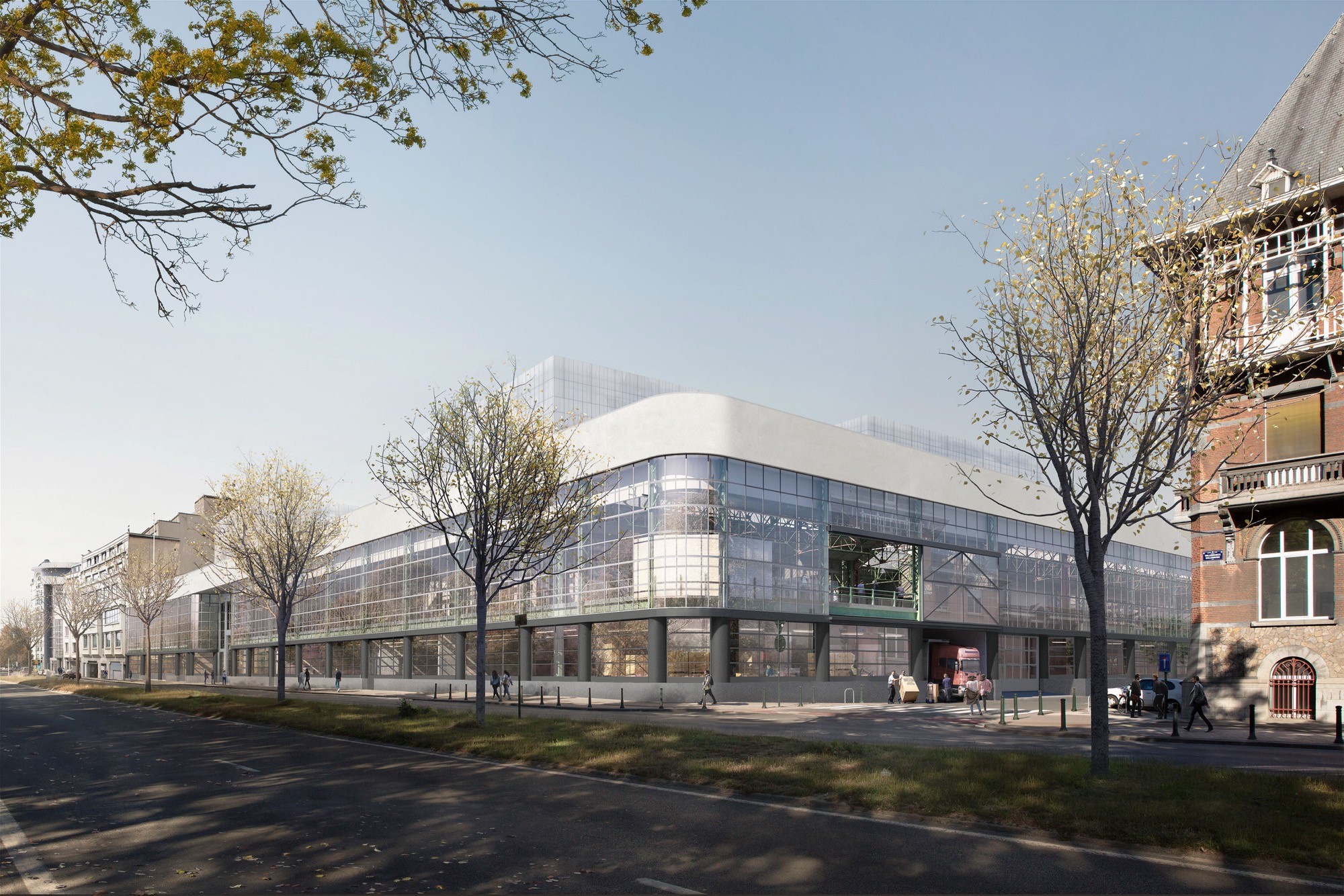
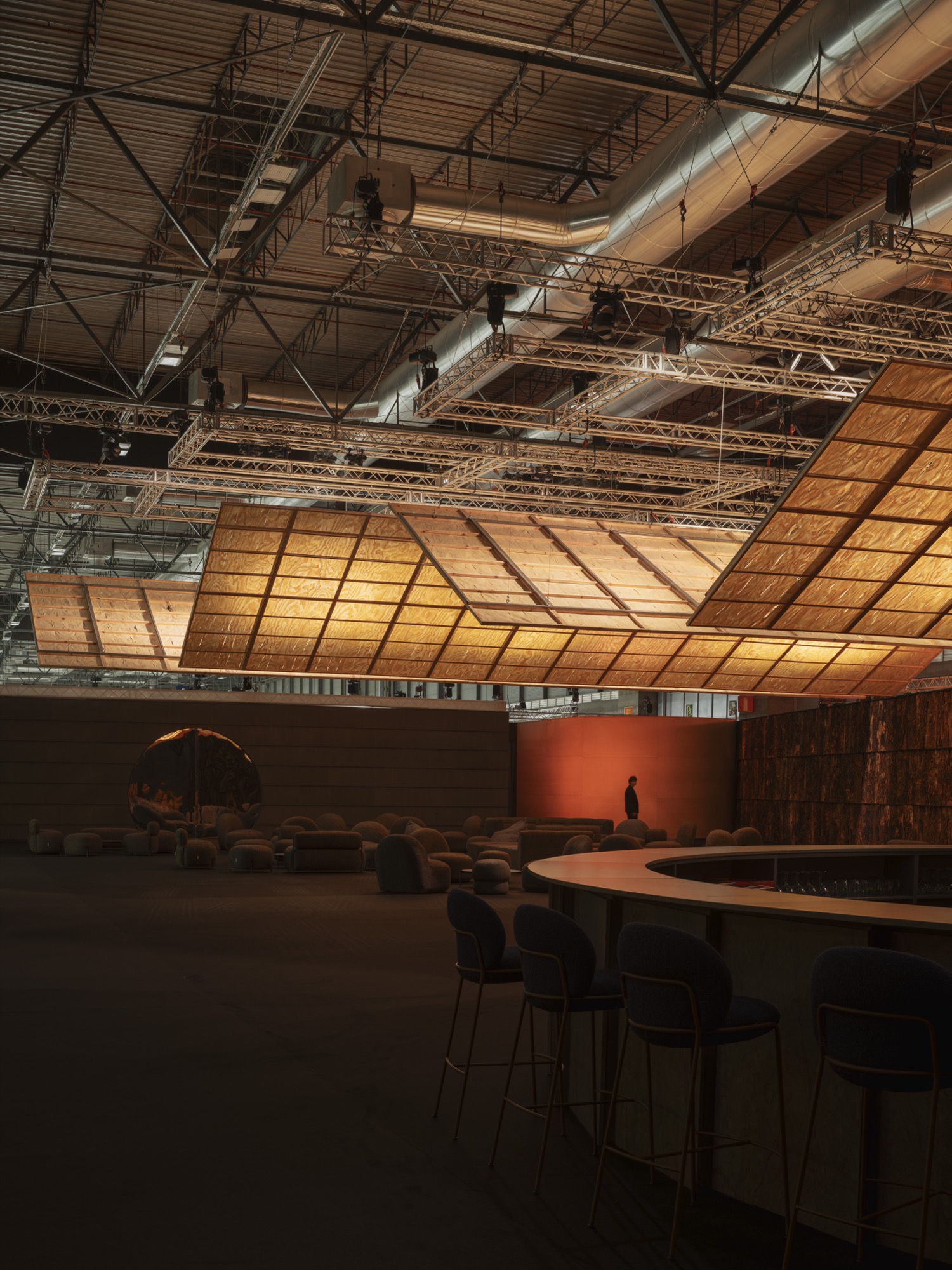
Along the Brussels canal, the vast former Citroën factory built in 1933 and 1934 is being reimagined as KANAL, a new cultural institution that challenges the very definition of the museum. Composed of an iconic glass Showroom facing the city and a monumental industrial hall stretching behind it, the 100 by 200 metre complex once symbolised automotive modernity. Today, it is poised to become one of Europe’s most ambitious adaptive reuse projects.

KANAL positions itself not simply as a museum, but as a civic interior. Borrowing from sociologist Ray Oldenburg’s concept of the Third Place, it proposes a public realm distinct from home and work, a familiar space free from the obligation to consume. In an era marked by the erosion of shared urban spaces, KANAL offers a counterproposal: a cultural platform where visual arts and architecture coexist with dance, drama, film and music, and where citizens, collectives and organisations are invited to inhabit and reprogramme the building.
Here, the museum dissolves into the city. It no longer belongs solely to curated art, but becomes part of Brussels’ social and spatial fabric.


TRUSTING THE EXISTING
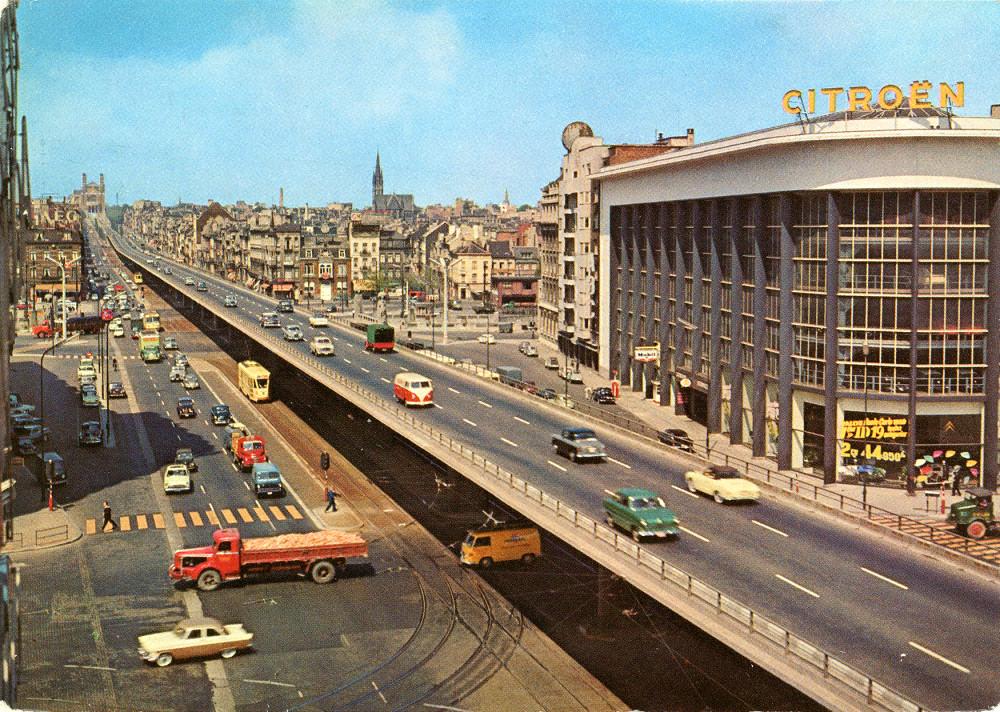
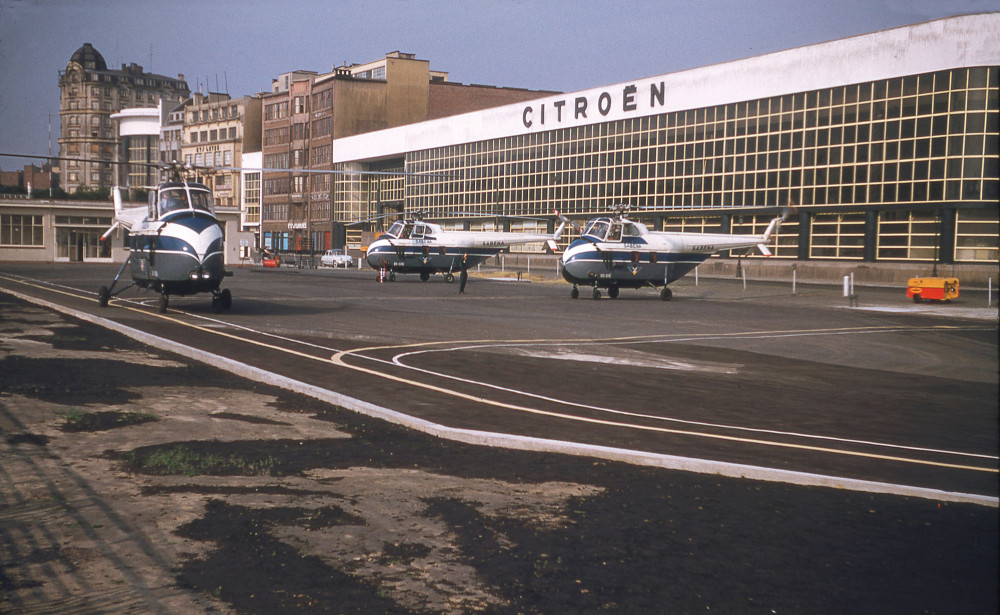


At the heart of KANAL lies a radical confidence in what already stands. Rather than replacing the former Citroën factory with a new icon, the project embraces its industrial shell as both framework and protagonist. Its elegant steel structure and expansive glass façades remain eloquent expressions of early modernism.


The transformation operates with a deliberate economy of means. Industrial character and accumulated layers of use are preserved, while precise insertions recalibrate the building for contemporary performance. This approach, described by the design team as Radical Optimism, favours openness over prescription and spontaneity over spectacle.
The result is neither nostalgic preservation nor architectural bravado. Instead, it is a careful recalibration of scale, light and circulation that allows the original factory to reassert itself as a civic landmark within walking distance of Brussels’ historic centre.
A HORIZONTAL MUSEUM
KANAL overturns the vertical hierarchy of traditional museum architecture. Two 18 metre wide cross streets cut through the complex, each opening to the city at four ends. Together with the piano nobile, a long sequence of first floor spaces, they form an extensive public domain covering nearly half of the building.
This horizontal organisation encourages free movement and continuous discovery. Niches and pockets invite pause, conversation and play. The museum becomes an urban promenade under cover, a climate moderated interior where wandering is as valued as viewing.


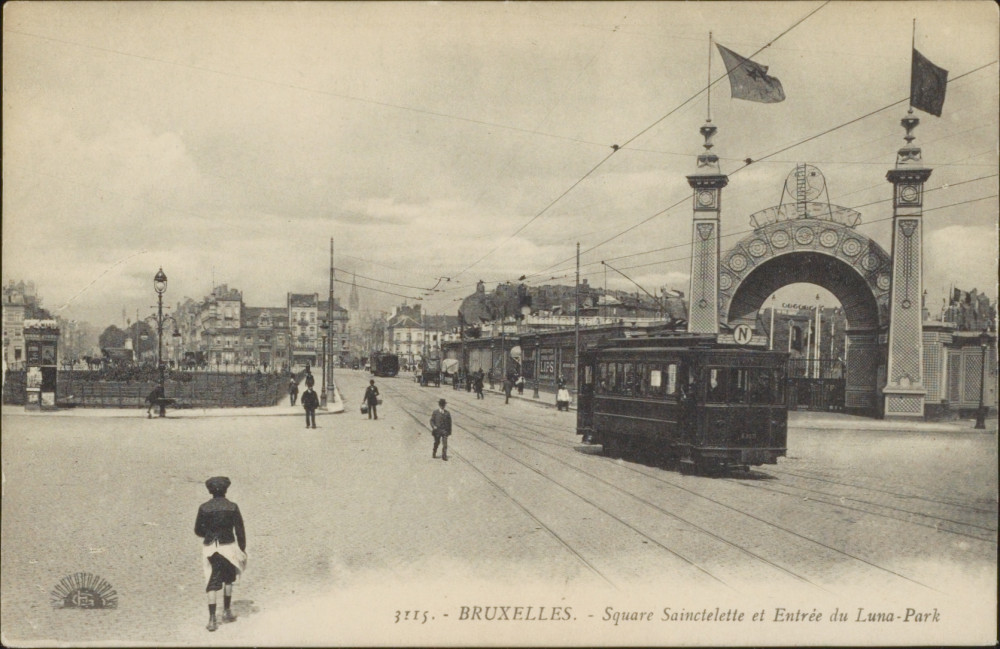
Facing Sainctelette Square, the restored Showroom stands as KANAL’s public image. Its 24 metre high glass and steel volume once showcased automobiles; it now functions as a grand urban stage. Large sections of the façade open onto the square, transforming the hall into a covered civic plaza. Mostly unprogrammed, it accommodates installations, performances and concerts, while upper levels house a restaurant and a freely accessible rooftop terrace overlooking Brussels.


THREE HOUSES WITHIN
While the original factory shell offers extraordinary spatial generosity, it cannot alone meet the structural, acoustic and climatic demands of contemporary exhibition standards. The solution is the insertion of three tailored houses within the larger volume.
These new monolithic structures provide controlled environments for distinct programmes: shared uses such as auditorium and offices, KANAL Architecture, and a museum dedicated to modern and contemporary art.

The art museum unfolds across five column free gallery floors of 725 square metres each, with varying ceiling heights enabling diverse scenographies. A seven metre high basement gallery with independent access can operate as an autonomous venue. Some galleries connect directly to workshops, others remain self contained and benefit from natural light and views toward the canal and city.
KANAL Architecture houses exhibition spaces, archives, a consultation centre, a silent library and a bookshop, consolidating Brussels’ architectural heritage within the larger cultural ecosystem.

A SEASONAL ORGANISM
Energy strategy is integral to the project’s ambition. The restored 425 metre long glass façade is upgraded with vacuum glazing and operable windows to enable natural ventilation. Above, the insulated industrial roof integrates a 4,000 square metre solar array.


Developed in collaboration with engineering partners, the environmental concept establishes three climatic zones. More than half of the building functions as a vast public interior offering seasonal comfort, flooded with daylight and fresh air. Within this temperate field sit the highly controlled exhibition houses, while intermediate glazed galleries operate as thermal buffers.


KANAL thus behaves as a seasonal organism, balancing openness and precision to maximise energy efficiency while preserving spatial generosity.
SHARED AUTHORSHIP
The architectural vision for KANAL is the product of Atelier Kanal, a collaboration between EM2N, noAarchitecten and Sergison Bates architects. Rejecting the mythology of the singular star architect, the project advances a model of collective authorship rooted in Brussels itself.
This collaborative ethos extends beyond architecture. A bespoke furniture system aligned with the Open Structures dimension system was developed alongside a colour concept with artist Sarah Smolders. Curtains, gardens, wayfinding and interior installations were entrusted to a network of designers and artists, from Chevalier Masson to Cartlidge Levene. KANAL is therefore conceived not as a finished object, but as a framework for ongoing participation. Its authorship is deliberately plural, and its future remains open to reinterpretation by artists, curators, citizens and visitors.

A GREAT GOOD PLACE
More than an art and architecture museum, KANAL demonstrates how adaptive reuse can redefine institutional typologies. By transforming the former Citroën factory into a permeable civic landscape, it proposes a new cultural model for Brussels and for Europe.
In reclaiming industrial heritage and reactivating it as shared urban interior, KANAL embodies the promise of the Third Place. It is a stage for the city and its citizens, a generous infrastructure for culture, and a compelling argument that the museum of the twenty first century must first and foremost belong to the public.
Key Milestones
2015: The Urban Development Corporation of the Brussels-Capital Region (SAUMSI) acquires the building from Citroën
March 2017: Launch of international architecture competition for a new cultural centre
March 2018: Atelier Kanal (EM2N + noAarchitecten + Sergison Bates architects) announced as winners of the architecture competition
2018 – 2026: Design development and construction
28 November 2026: Public opening of Kanal