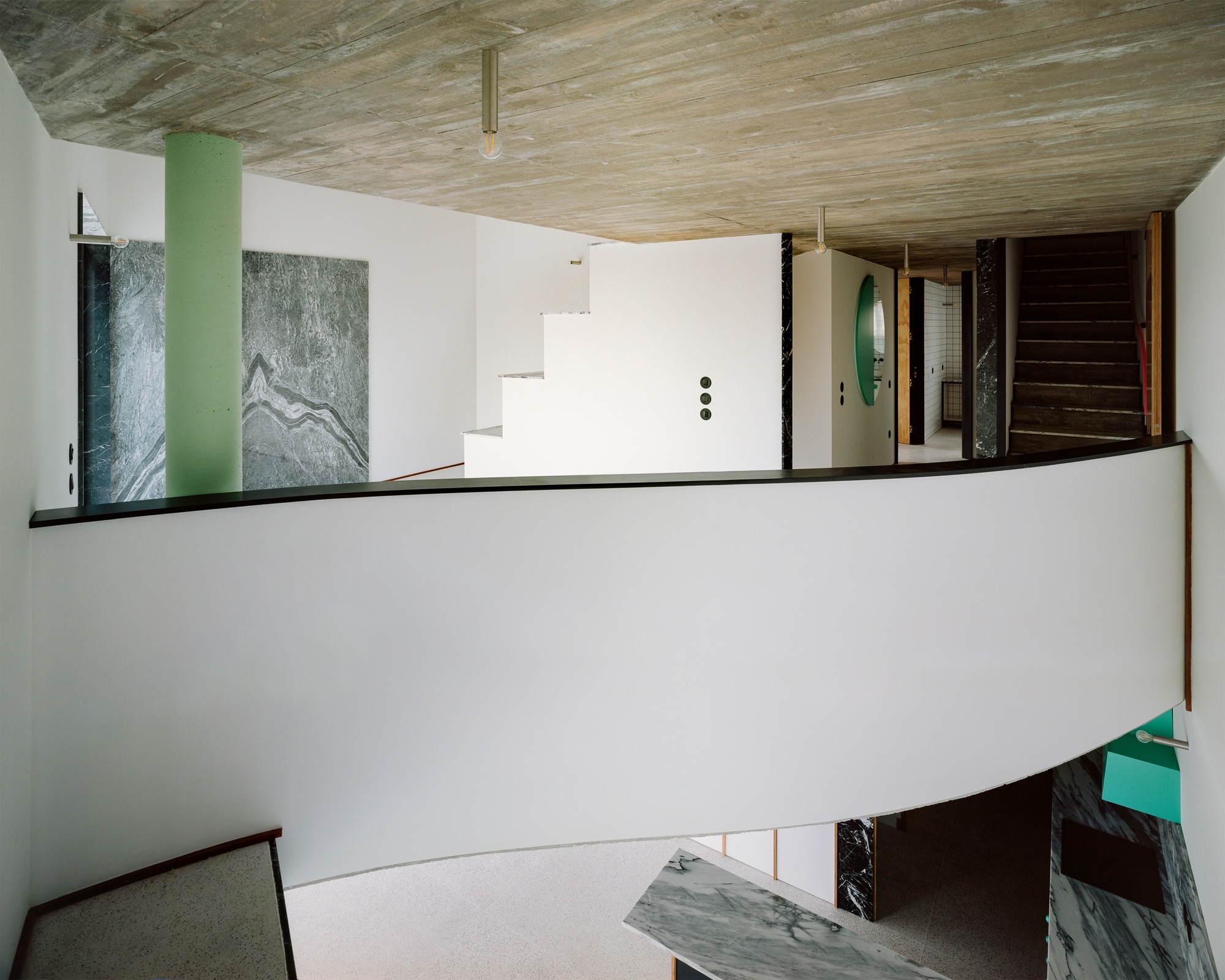

A top-floor Tokyo apartment is reimagined through translucent glass screens, mirrored partitions and exposed concrete, turning a compact studio into a light-filled second home.
Mumu Tashiro adds a blue stained-glass door with a fold-out bench to Ogikubo Bar in Tokyo, transforming a small renovation into a social gesture.
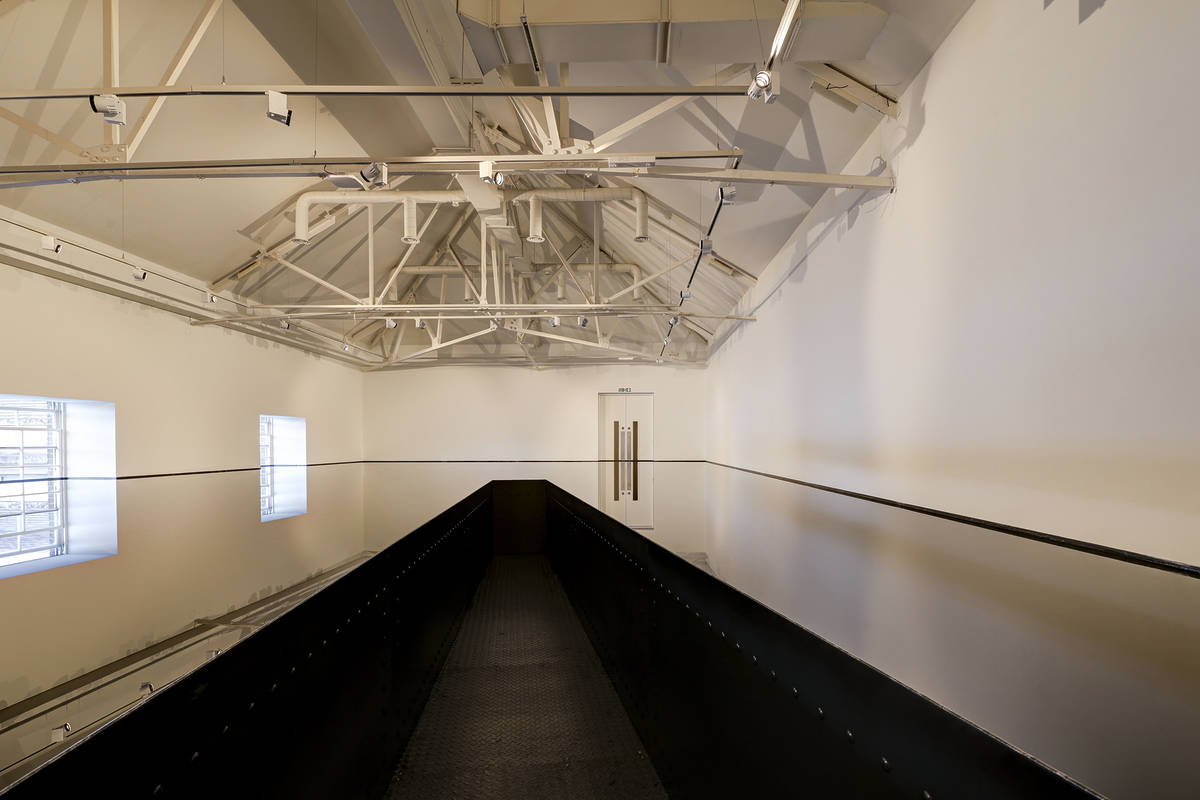
Hangzhou Empathy Museum is a community art museum in Hangzhou, China, created from an unfinished project that included a completed underground garage. The design converts part of the basement into galleries and wraps the above ground structure in curved stainless steel panels, forming a reflective urban shell. With a dramatic three storey spatial canyon, perforated facades and integrated underground exhibition halls, the museum redefines adaptive reuse and positions art as part of everyday city life.
This critical essay examines Swiss artist Zimoun’s large scale sound installations, focusing on the 2017 exhibition Mécaniques remontées in Paris. Through modular repetition of motors and everyday materials, Zimoun constructs immersive acoustic environments where architecture becomes instrument and simplicity generates emergent complexity. The article situates his practice within contemporary sound art while analyzing material clarity, system logic and the poetics of mechanical variation.
A rural hotel in Portugal transforms two traditional schist houses with minimal concrete cantilevers overlooking the Serra da Estrela mountains.
An in depth architectural essay on Oscar Niemeyer, examining Palazzo Mondadori as a refined expression of his curved modernism in Europe.
Soft electronics describe a post war design language that made household technology approachable through rounded forms, warm colours and readable interfaces. Using the Rowenta Filtermatic FK 11 as a point of entry, this essay examines how Dutch designer and collector Jaro Gielens has reframed everyday appliances as cultural evidence rather than disposable tools. It maps the historical shift away from hard modernist severity, outlines a philosophy of tenderness grounded in clarity and repairability, and considers why the soft turn matters now, in an age defined by sealed devices, planned obsolescence and digital opacity. The archive becomes a method of critique, reminding us that the most durable objects are often those designed to be trusted, understood and kept.
Founded in 1846, KRUPS evolved from precision scales to a defining force in domestic appliance design. This long form editorial explores how accuracy, restraint, and user focused detail shaped the brand’s philosophy, language, and cultural relevance across generations.
Experience the profound impact of YokYok immersive installations, inviting you to engage with art in a dynamic landscape.
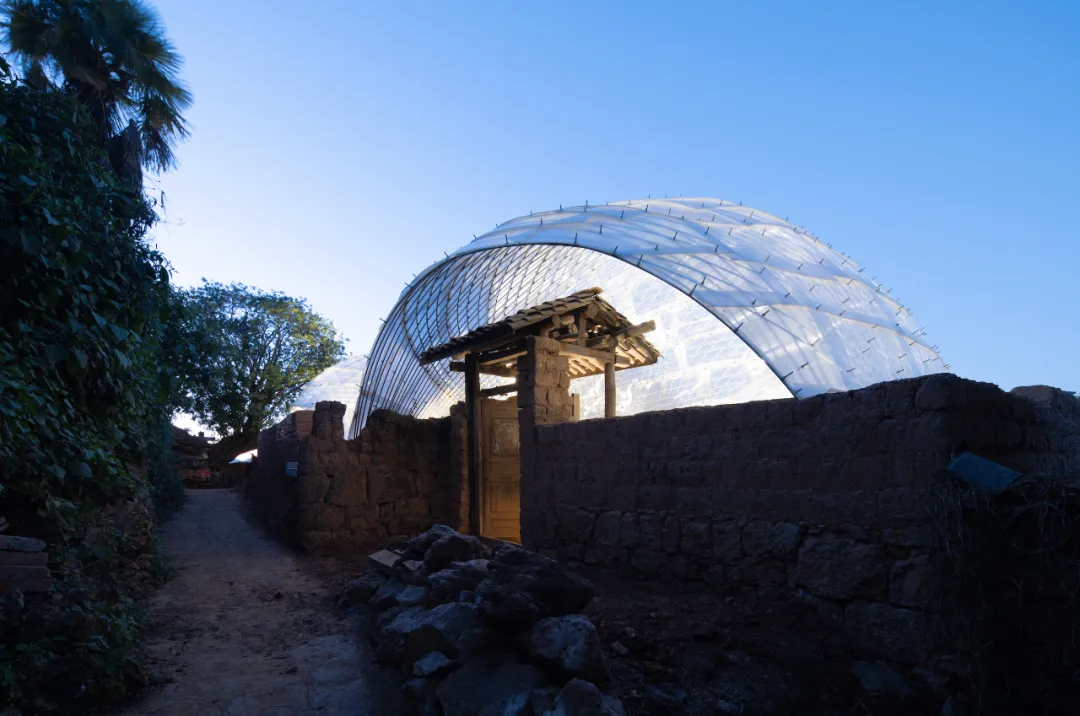
Atelier tao plus c adds a lightweight pavilion to a historic village courtyard in China, creating a shared space between road and river.