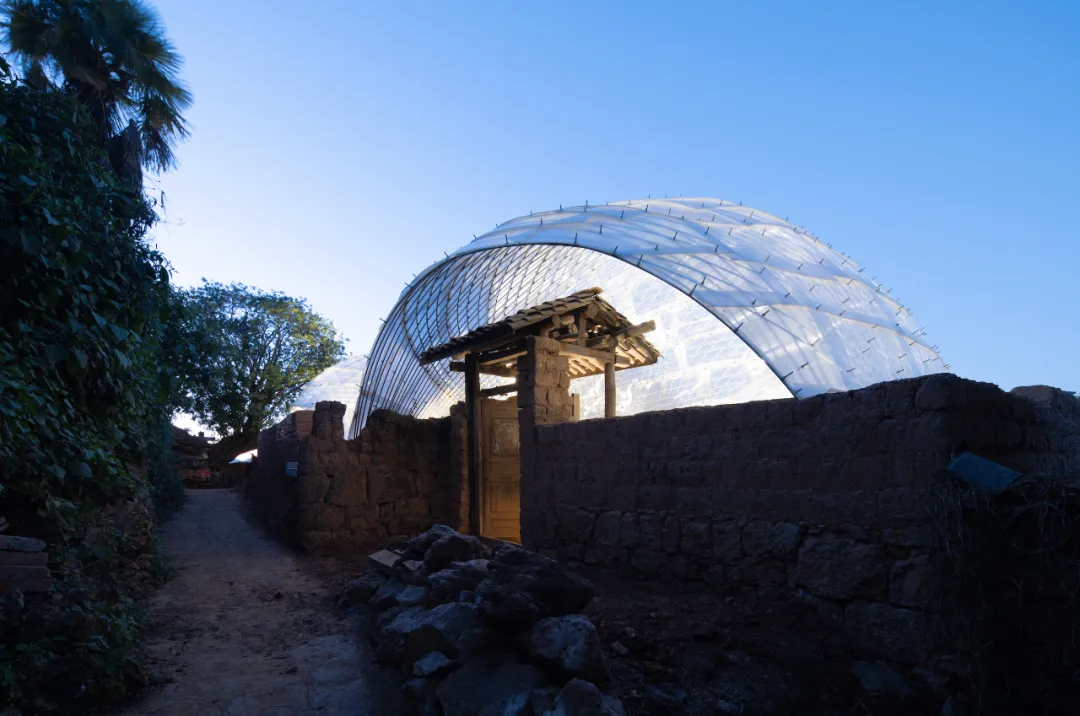
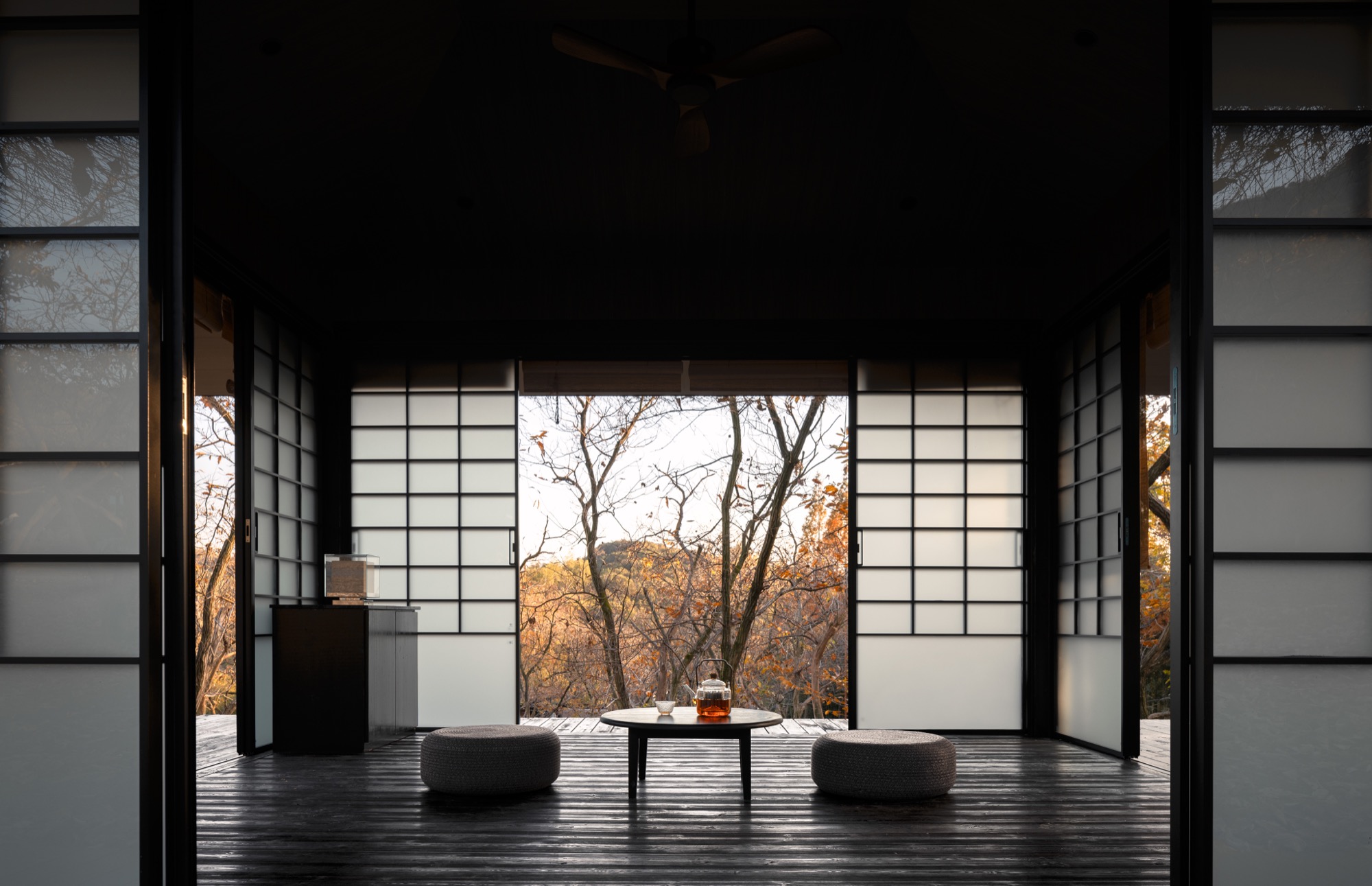
A rural revitalisation project in Moganshan that transforms an abandoned agricultural structure into a contemplative forest retreat


A rural revitalisation project in Moganshan that transforms an abandoned agricultural structure into a contemplative forest retreat
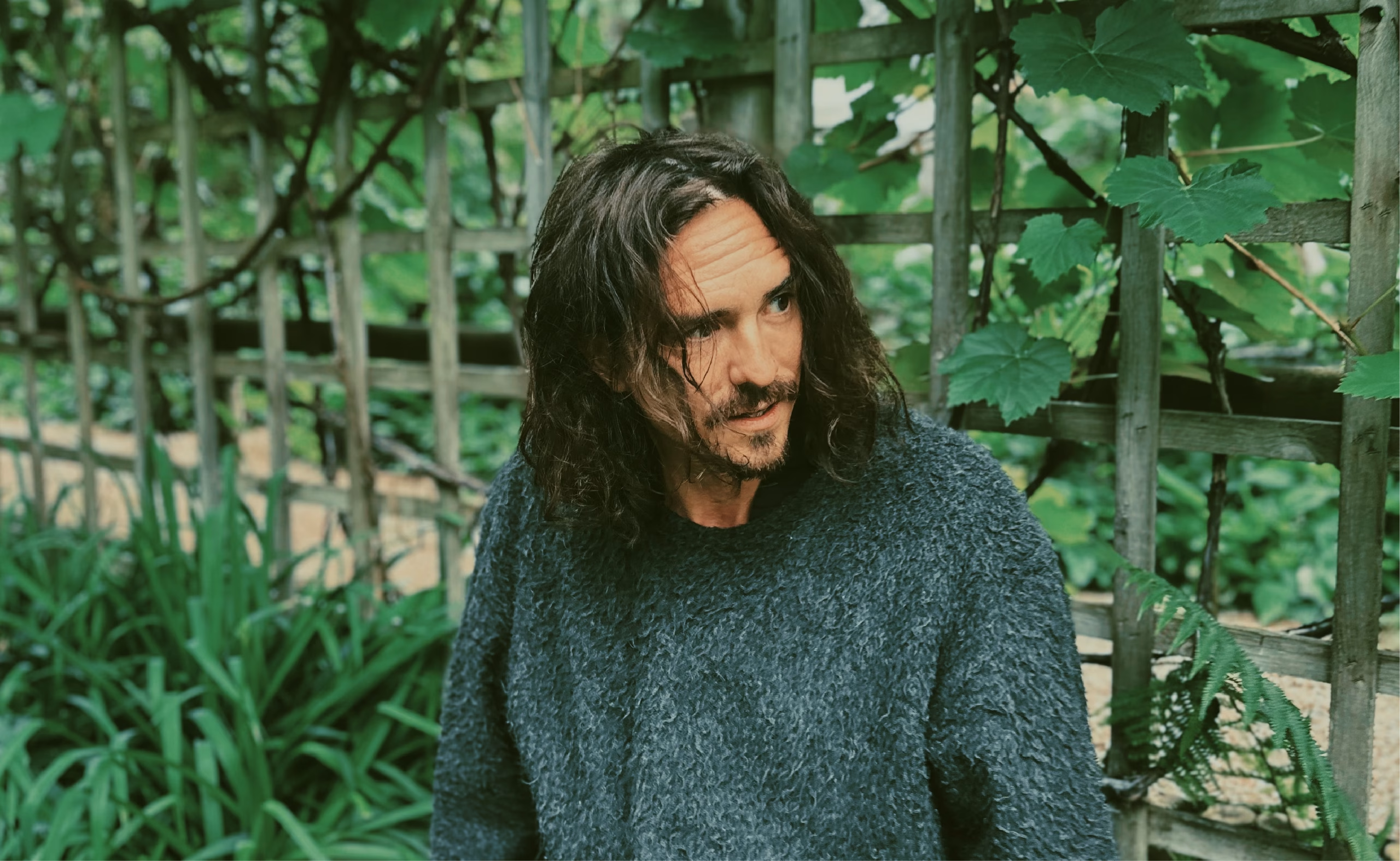
Norwegian artist Marius Troy explores AI art through atmospheric imagery and imagined installations. From Les Perles du Ciel to the Aurum Portals series and immersive environments like HEKA, his work investigates perception, memory and the quiet emotional power of digital space.
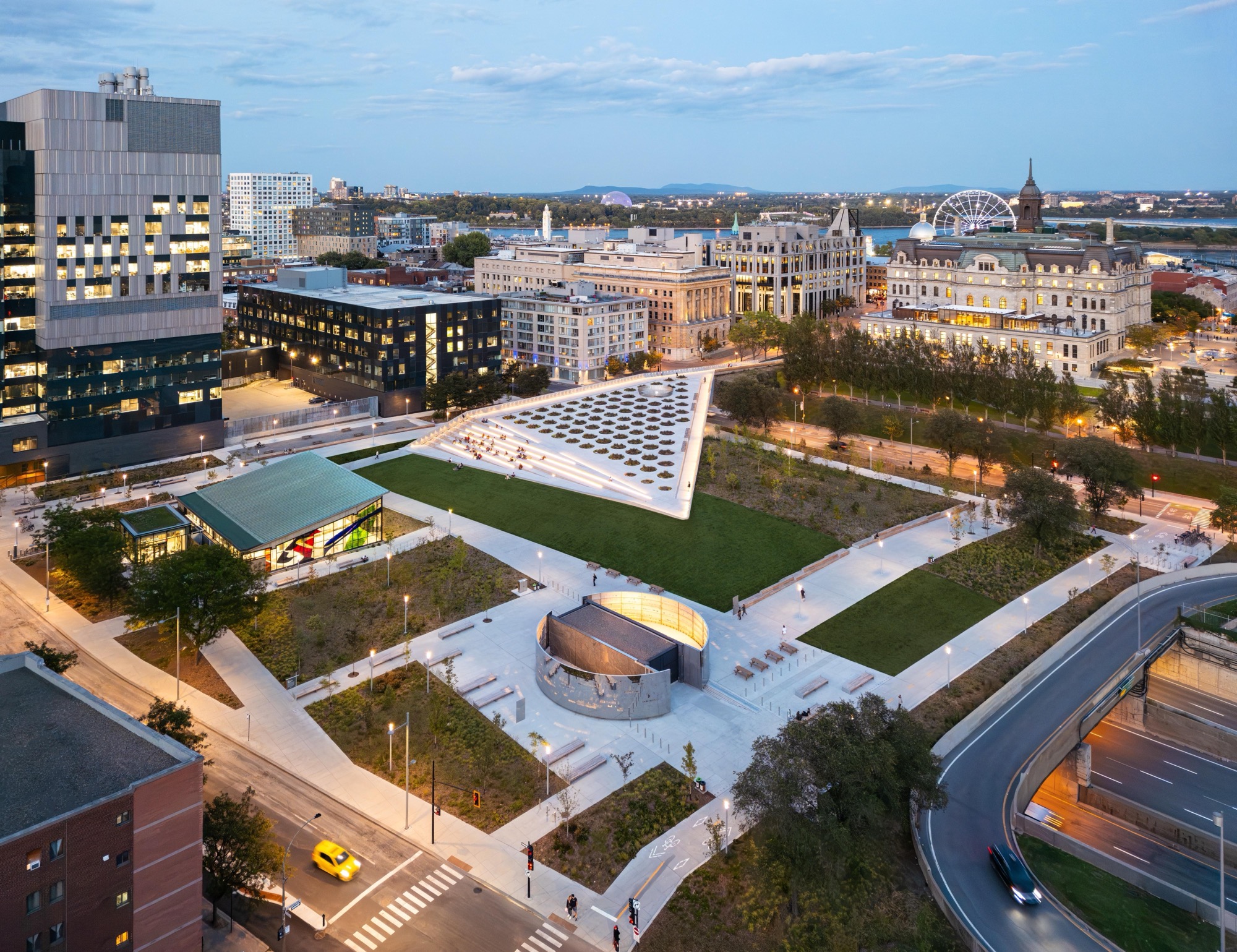
Place des Montréalaises by Lemay transforms a former expressway into a civic plaza honouring women while reconnecting Old Montreal and downtown.
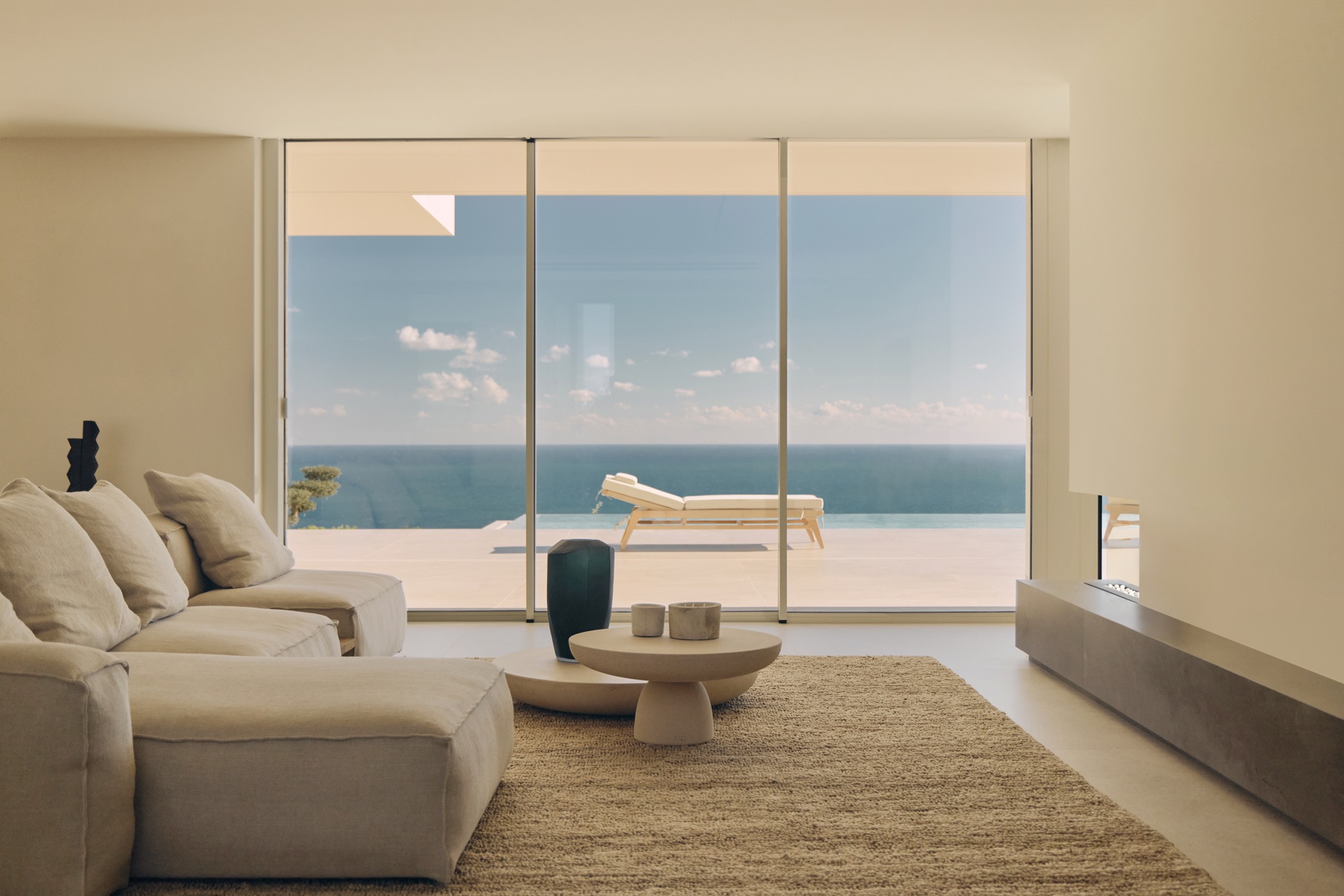
Casa L5 in Poble Nou de Benitatxell, Alicante, designed by Pasqual Giner with Auñón Cabrera, reimagines Mediterranean living through horizontal white volumes, natural stone plinths and panoramic sea views. The residence blurs the boundary between interior and landscape, using floor to ceiling glazing, an infinity pool and a restrained palette of stone, wood and continuous flooring to create a calm architectural dialogue with the surrounding coastline.
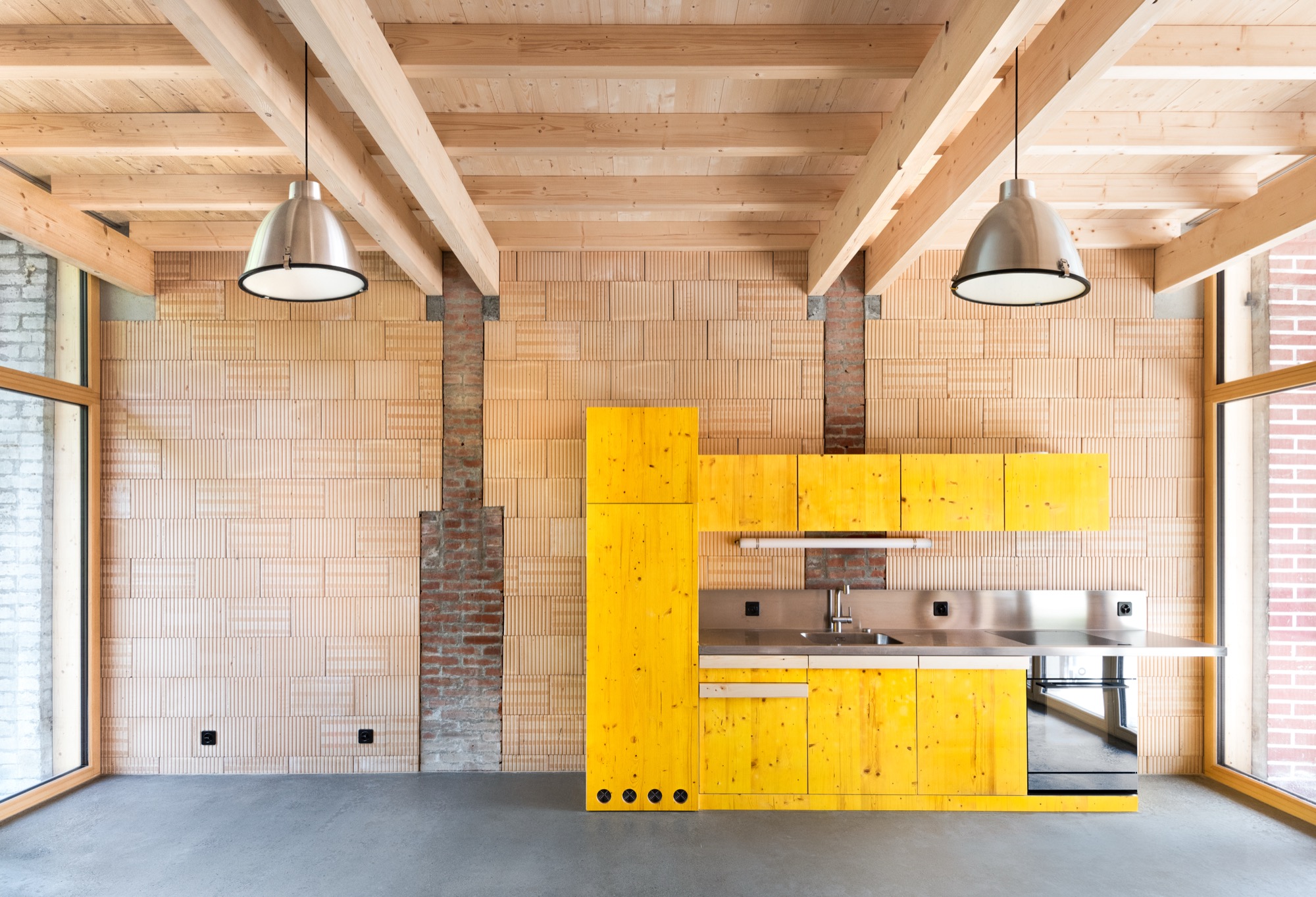
A carefully considered intervention transforms the rural wing of a 1930s farmhouse in Praz-Pury into a contemporary apartment while preserving the spatial logic of its original stables and fourragère.
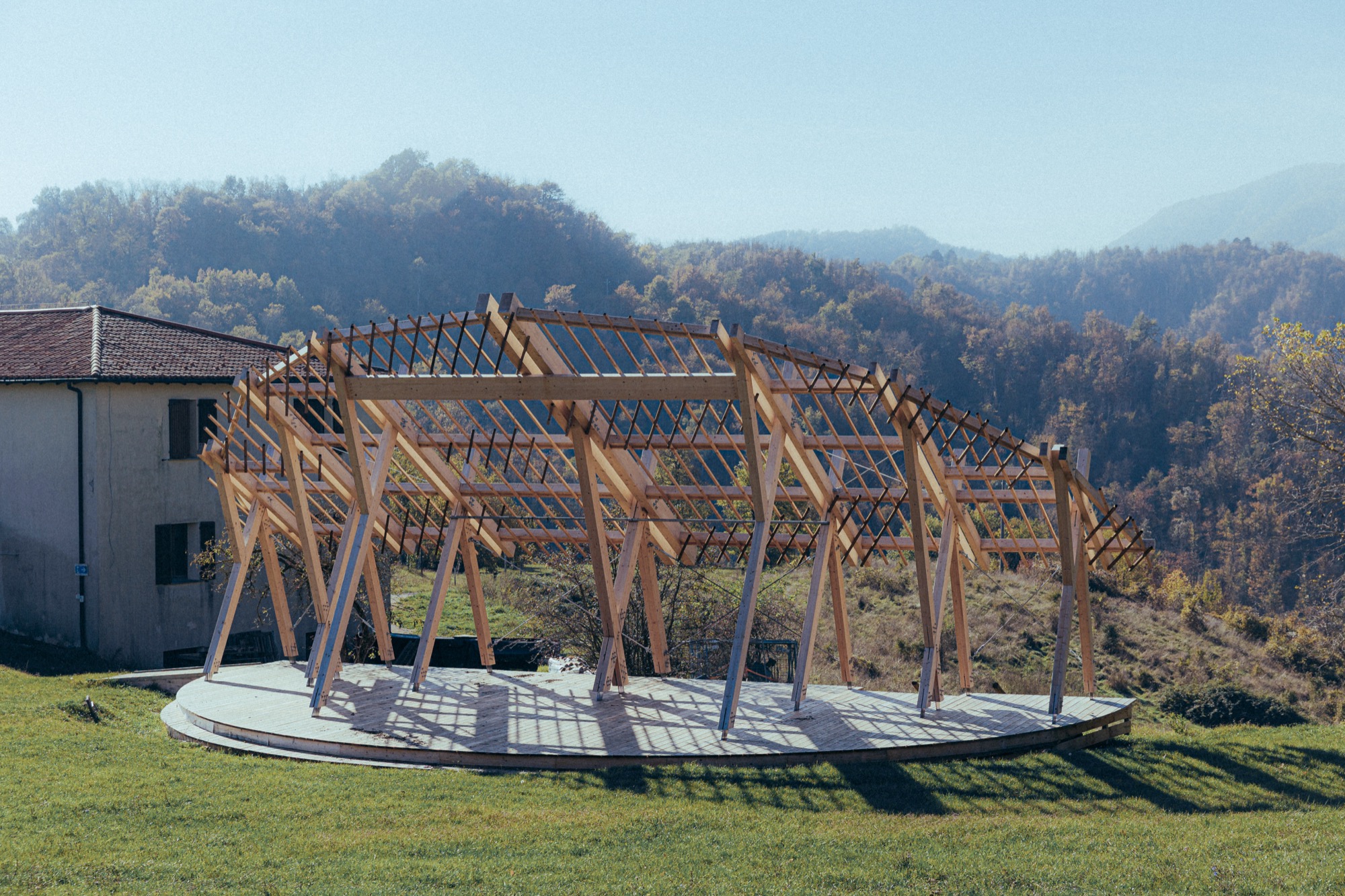
Italian studio GRRIZ has completed Palcosole, a minimal wooden stage located in the Poggiolo clearing of Monte Sole Park in Marzabotto. Designed as a semi circular structure with an inclined canopy referencing a half sun, the project provides a dedicated space for performances, gatherings and public events. Built from laminated spruce and larch wood and assembled using reversible dry connections, the architecture integrates lightly with the historic landscape of the northern Apennines while promoting collective cultural activities.
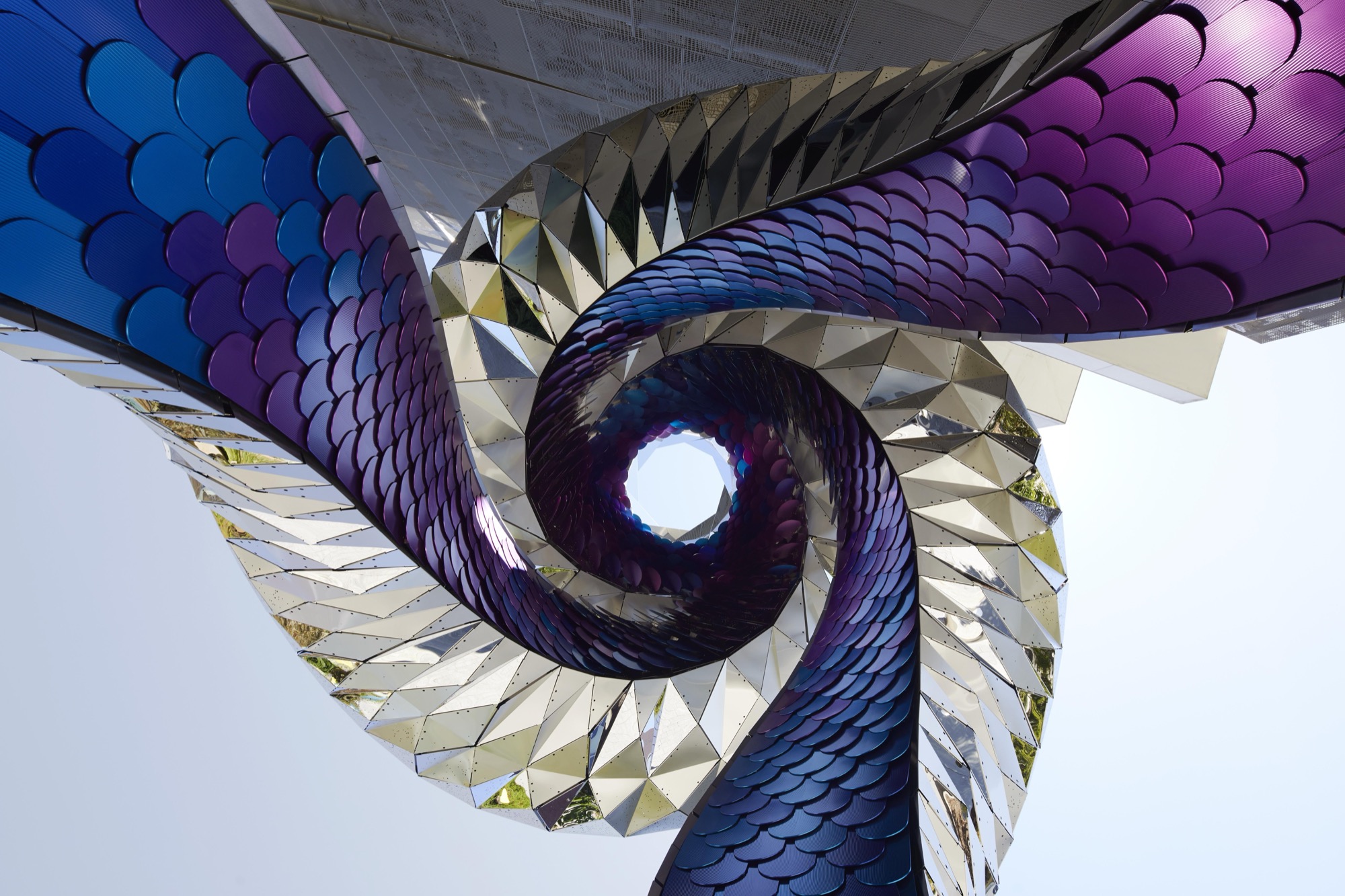
San Francisco-based studio FUTUREFORMS explores the concept of digital craft through computational design, transforming algorithms into immersive public art installations. Projects such as Orbital in San Francisco and Weatherscape in El Paso demonstrate how digital fabrication, environmental forces and interactive design can redefine contemporary public space.
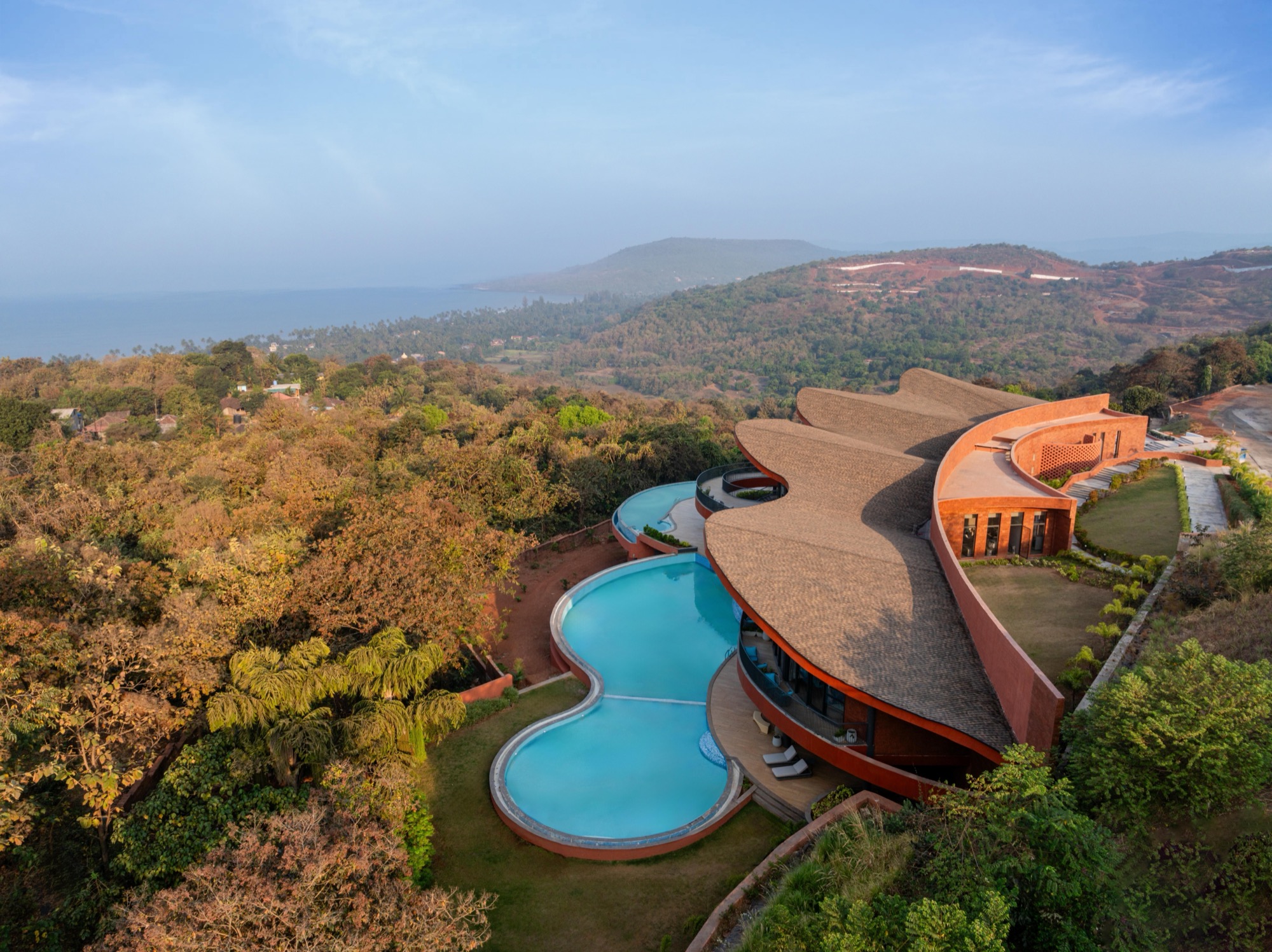
Crest Nine by Sanjay Puri Architects transforms a steep hillside in Anjarle into a curving community centre shaped by courtyards, ocean views and passive climate design.
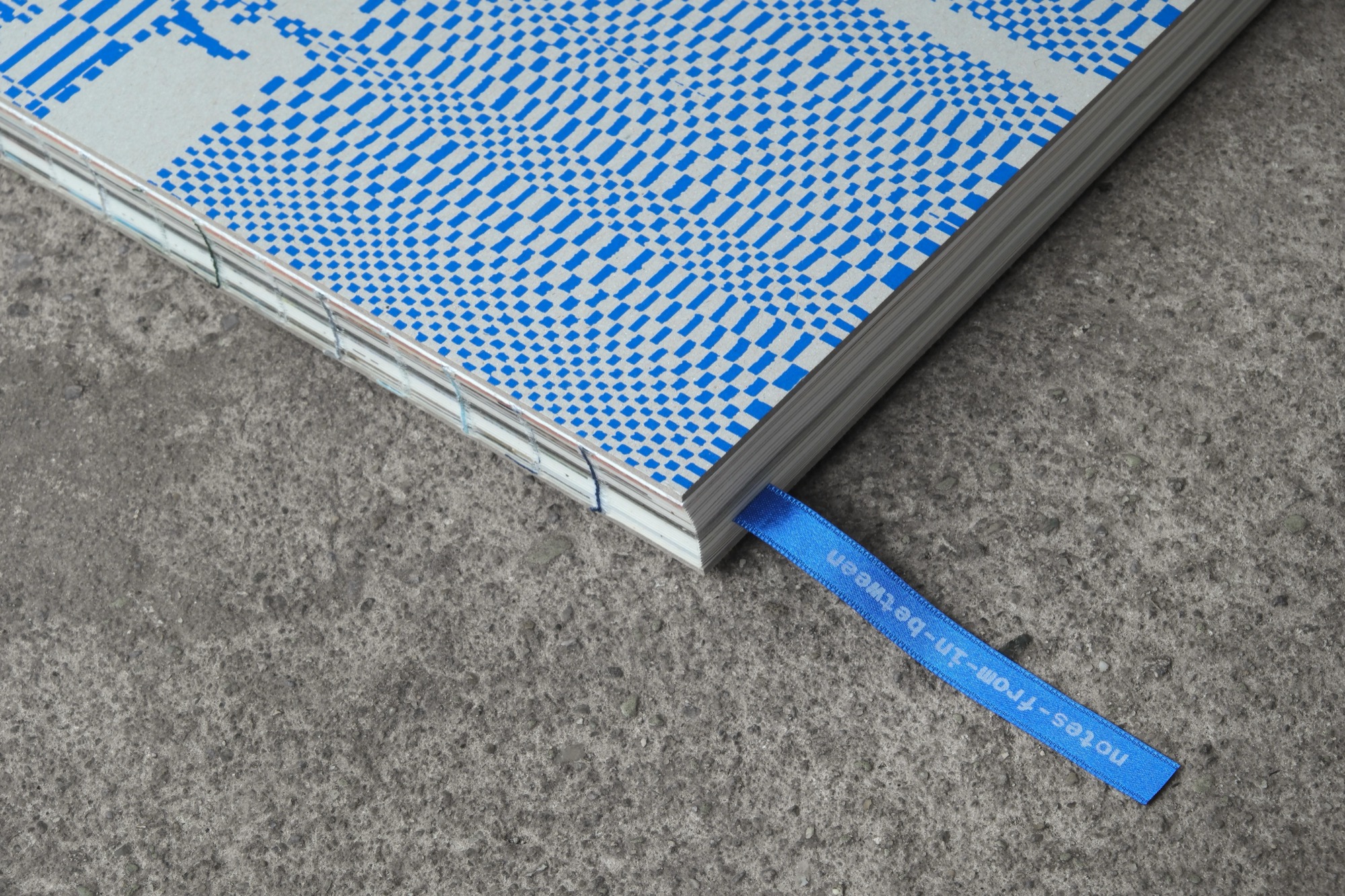
Dream in Progress by Urlaubsarchitektur explores how hotels and holiday houses across Europe evolve through architectural transformation and creative process.
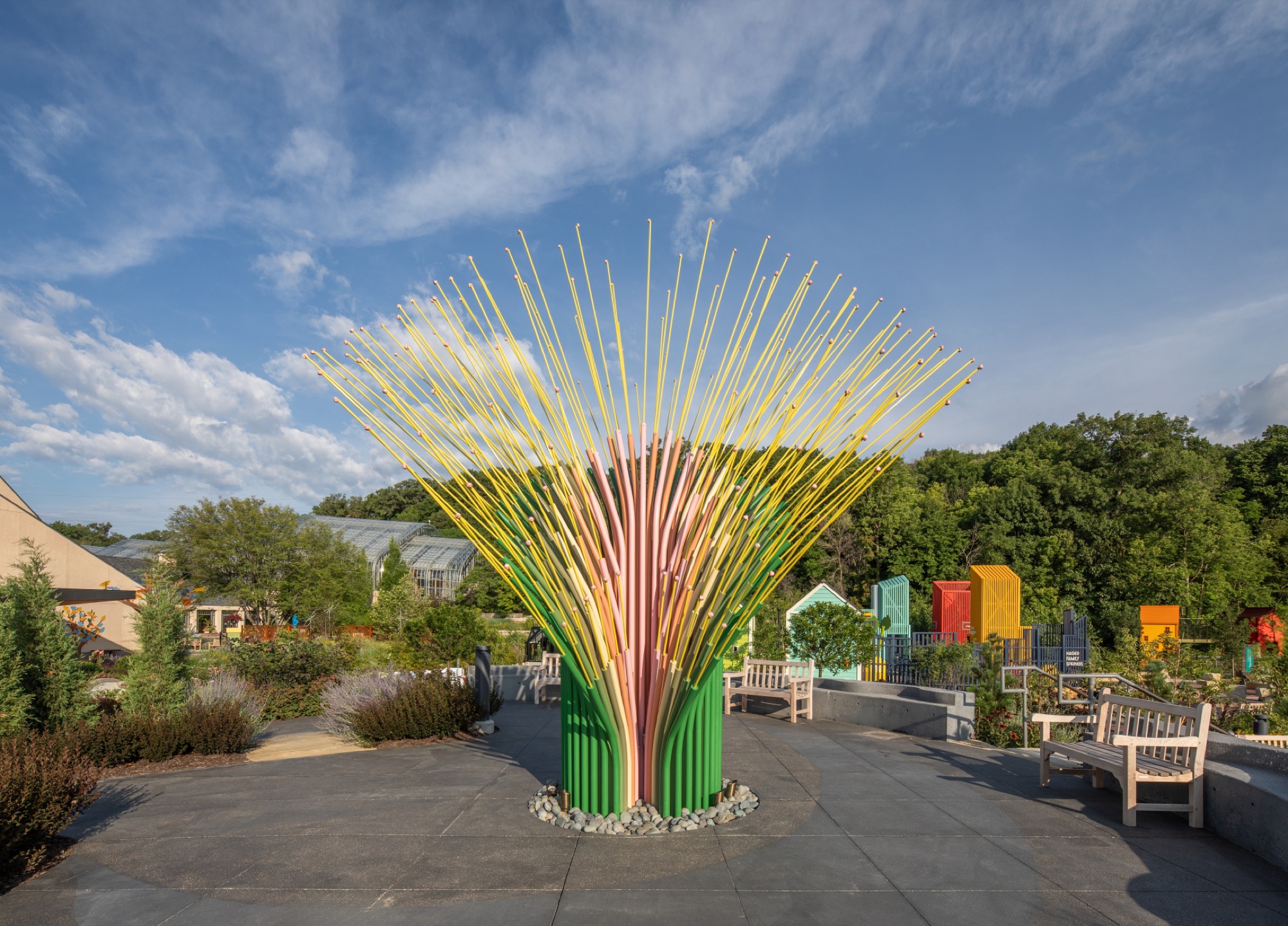
Installed at the highest point of Lauritzen Gardens’ renewed Children’s Garden, Chorus Ventus by NEON is a kinetic sculpture inspired by the tallgrass prairie of North America. Composed of 151 curved steel tubes and flexible rods tipped with coloured bells, the installation responds to wind and human interaction to create a subtle choreography of movement and sound. The artwork merges ecological storytelling, durable engineering and landscape design to form a playful landmark visible from afar while offering visitors a contemplative viewpoint above the gardens.