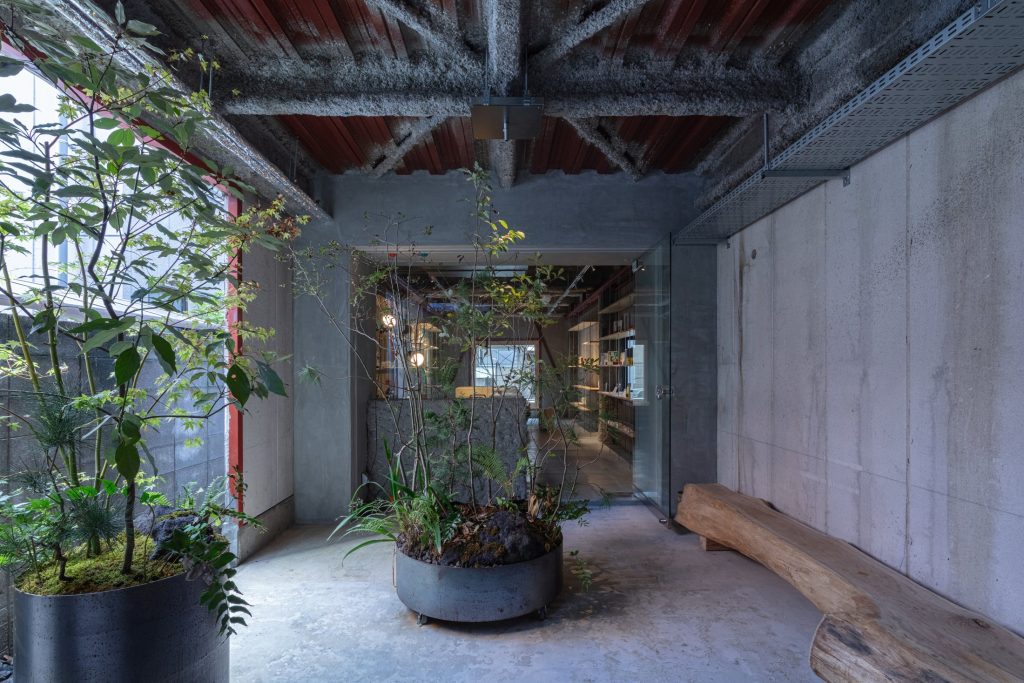
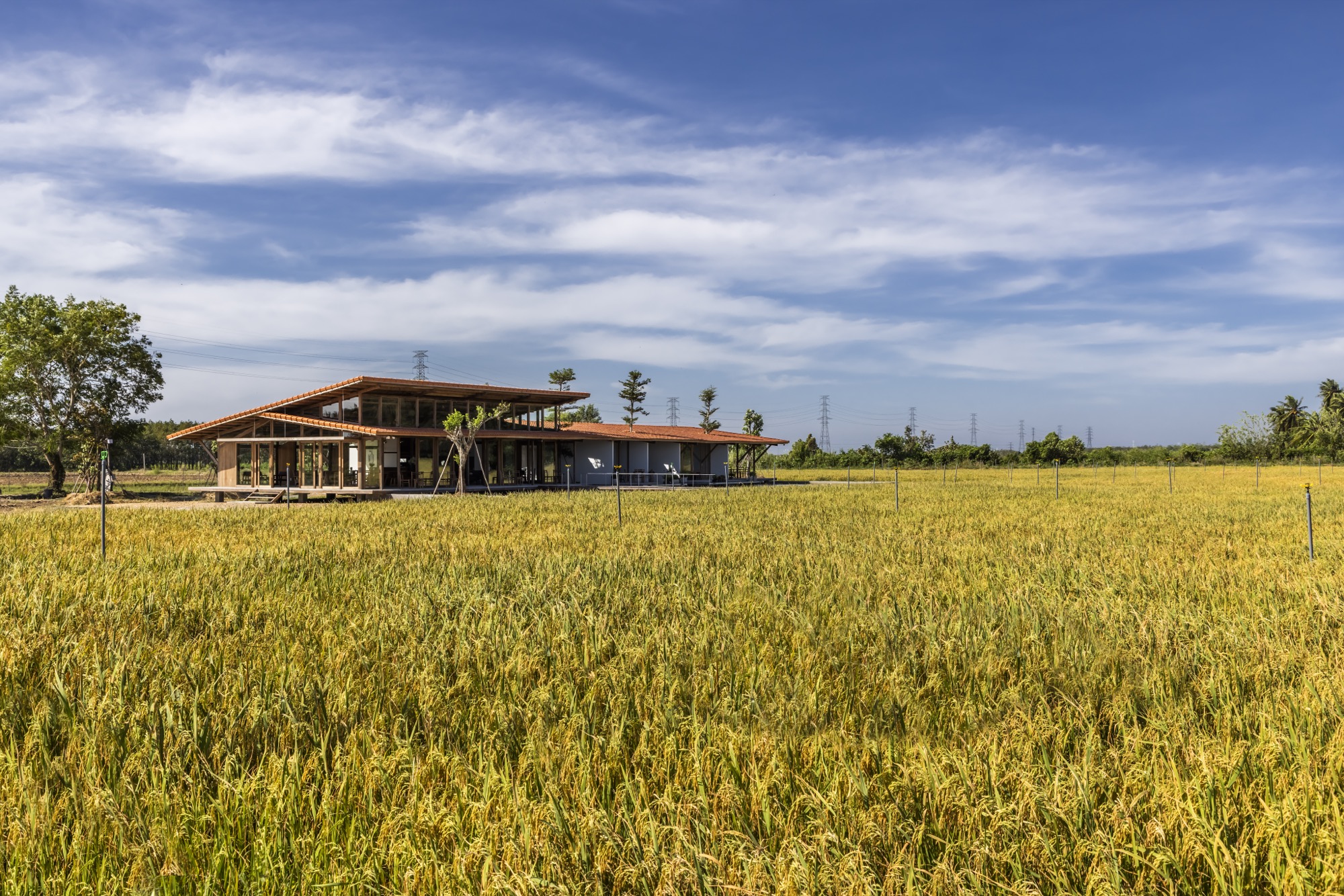
Located at the foot of Ba Den Mountain in Tay Ninh, south-east Vietnam, SILAA’s rural café occupies a 70,000-square-metre agricultural plot bordered by rubber trees and rice paddies. As the

Located at the foot of Ba Den Mountain in Tay Ninh, south-east Vietnam, SILAA’s rural café occupies a 70,000-square-metre agricultural plot bordered by rubber trees and rice paddies. As the
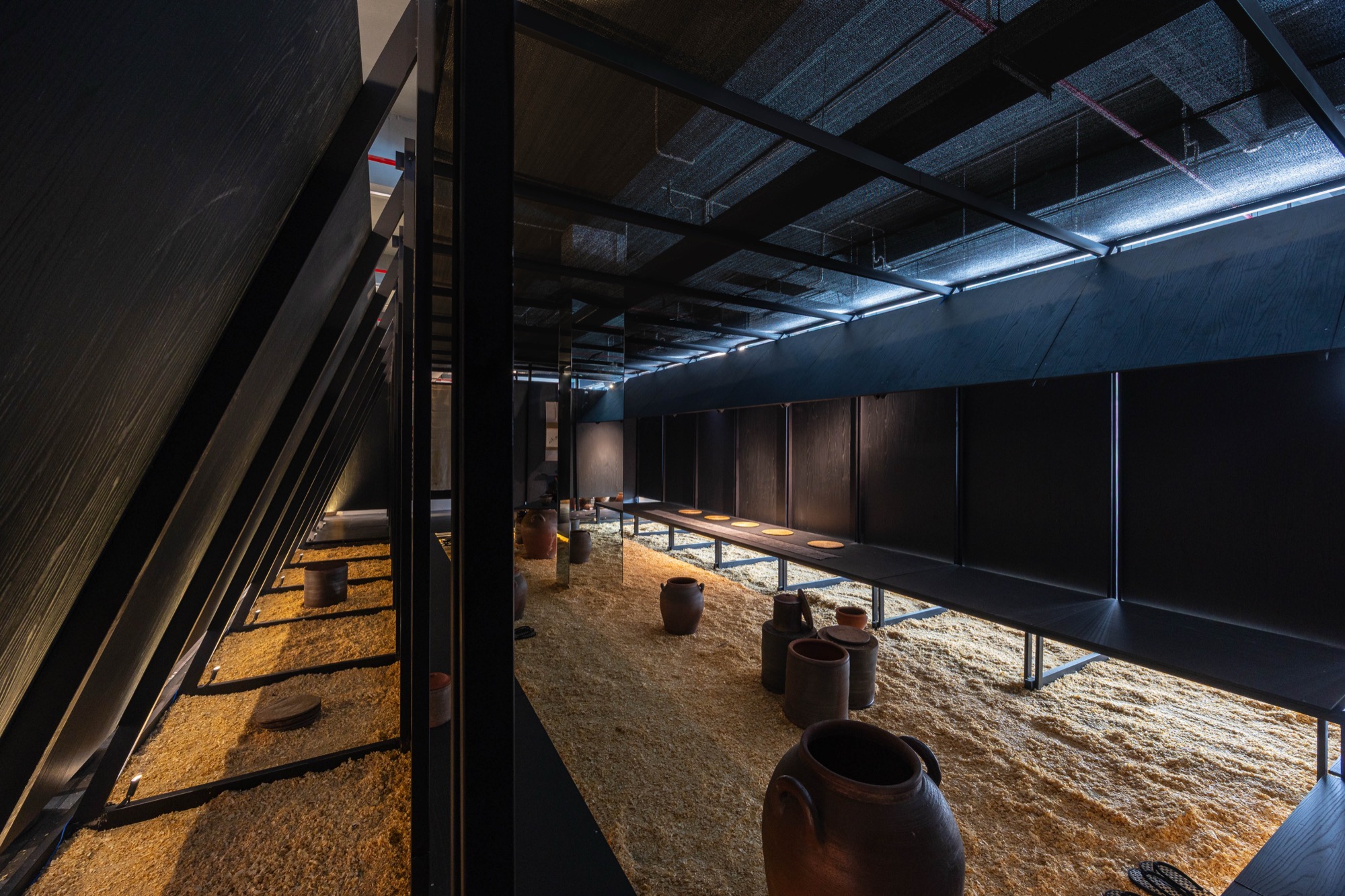
Conceived as a compact 70 square metre pavilion, this space brings together two cultural lineages through the shared material language of fired earth. Dedicated to the display of ancient Vietnamese
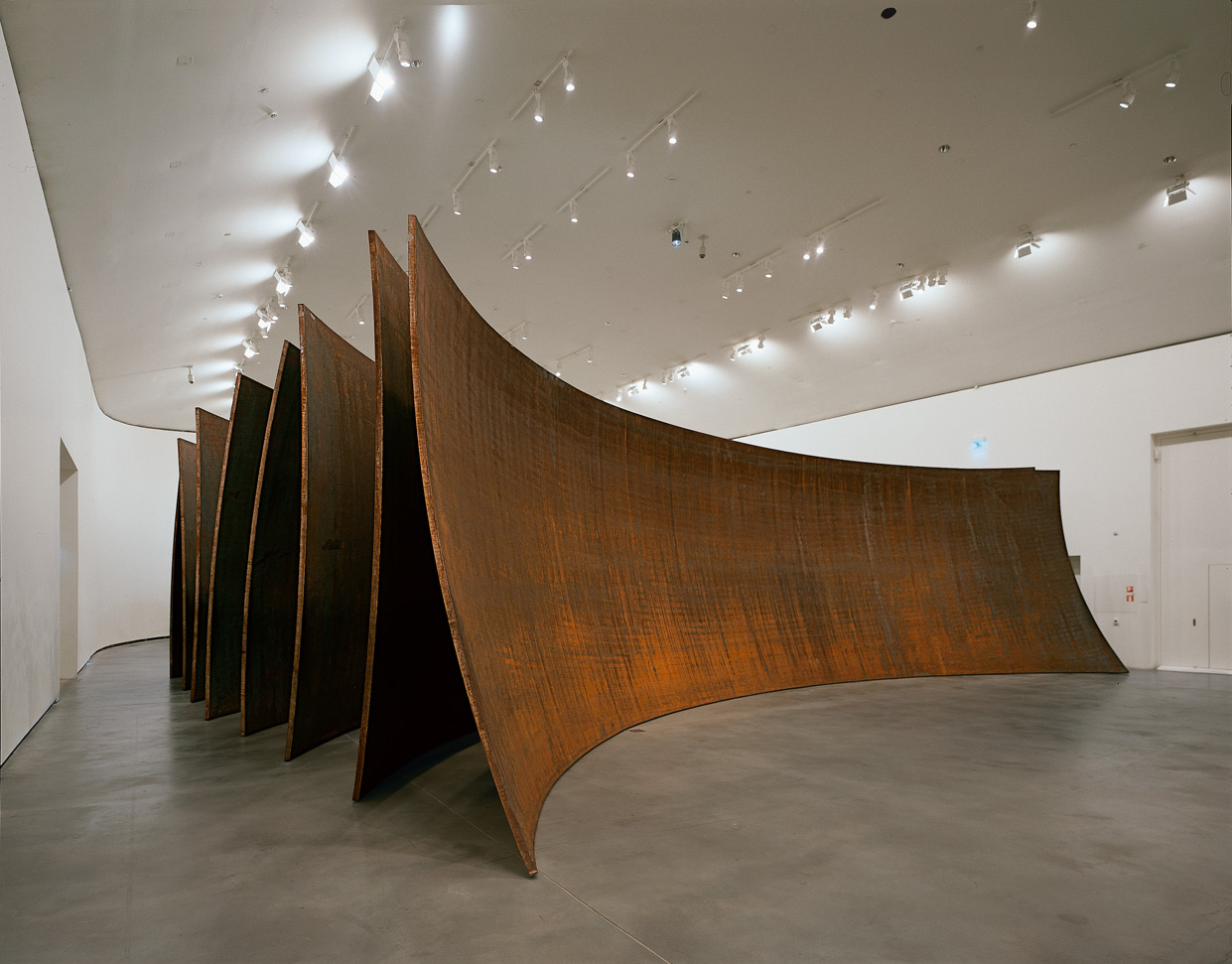
ENTERING THE LABYRINTH Imagine standing inside a colossal labyrinth of weathering steel, its plates rising like the eroded walls of an ancient citadel. The space does not merely surround you;
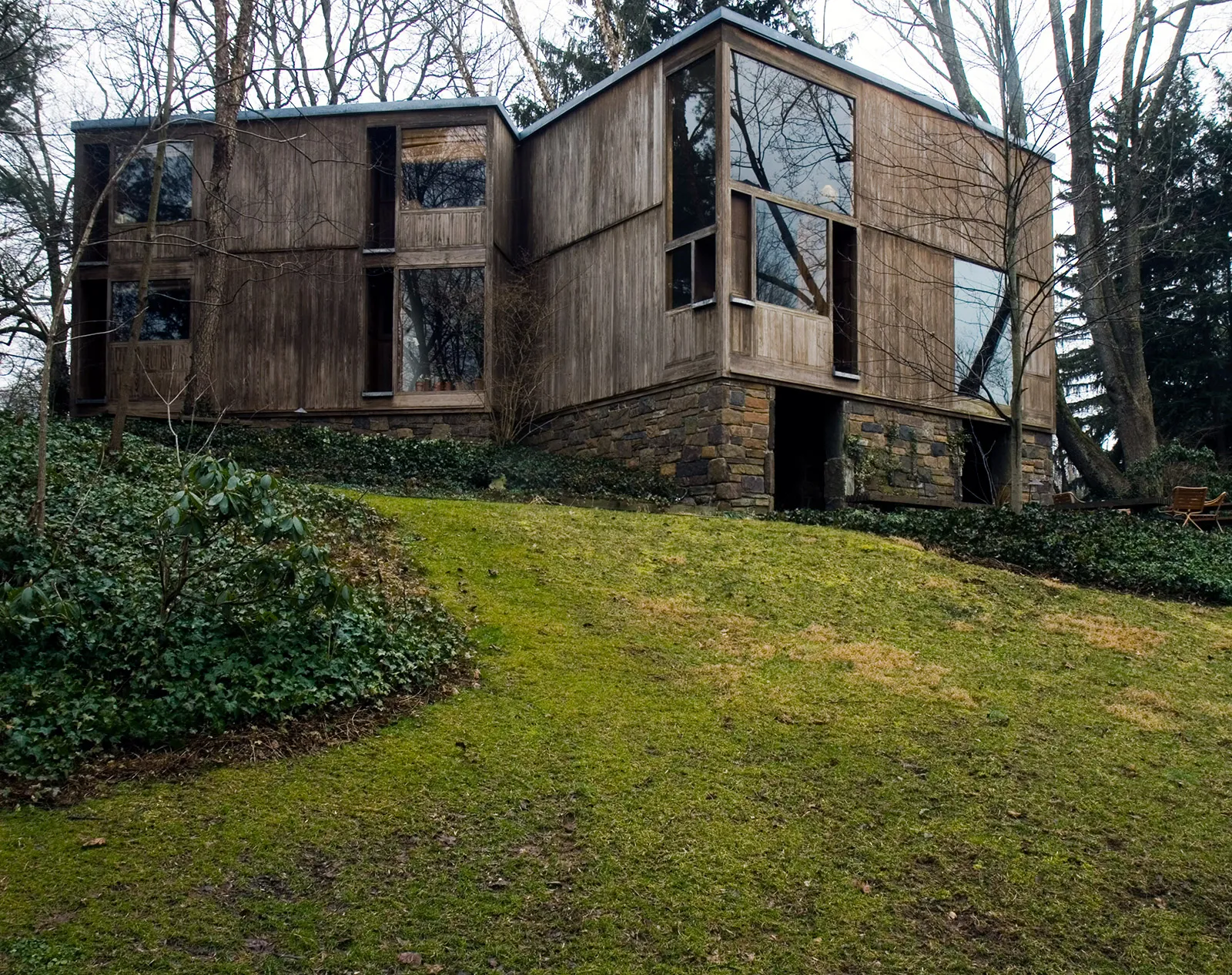
Kahn never treated the house as minor work. In the house he kept architecture close to its beginning, in the room he clarified its limits, and in the window he tested whether those limits could meet the world.
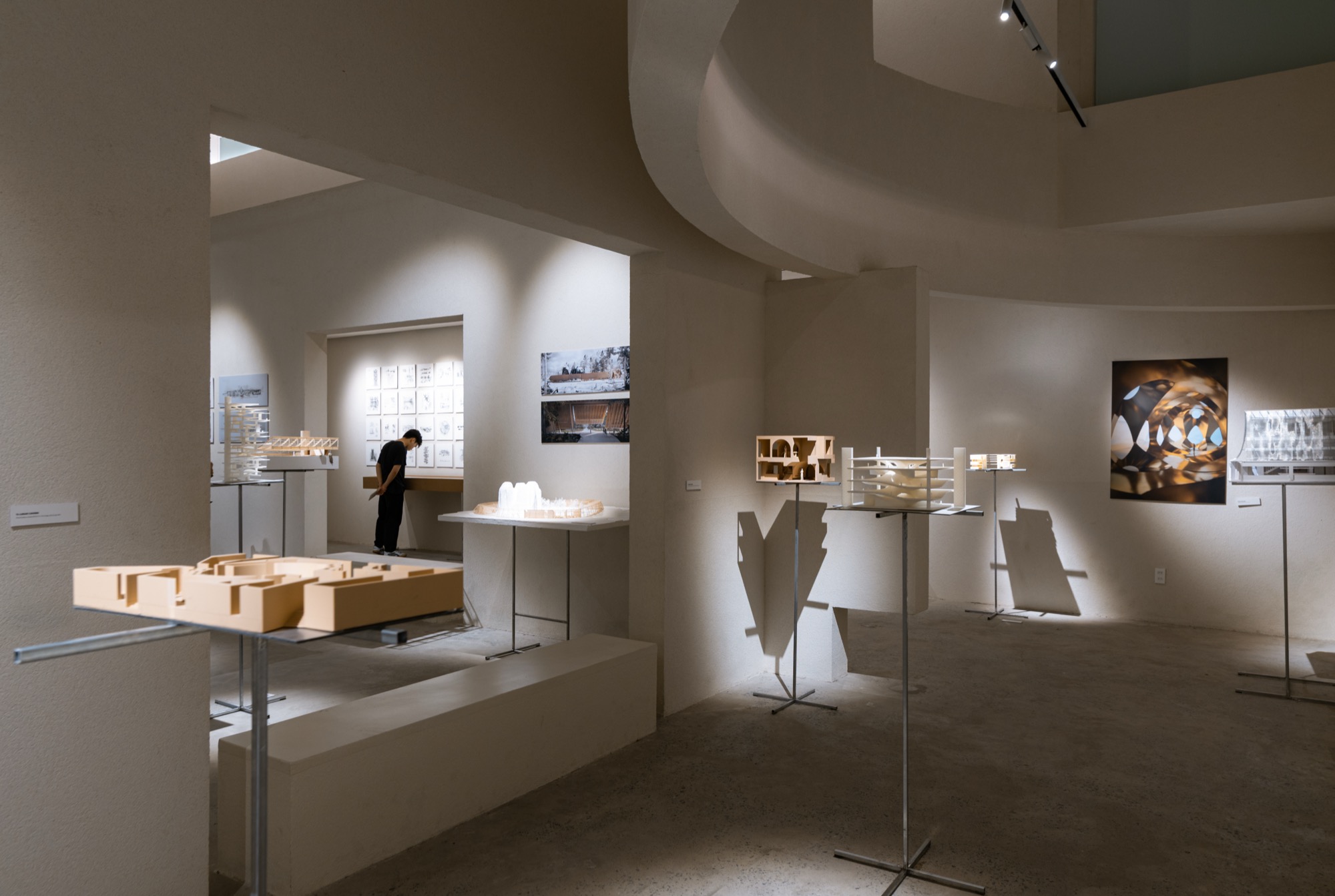
This multifunctional exhibition space redefines the gallery as an active spatial framework rather than a neutral container for art. Interwoven geometric volumes establish visual depth and multiple paths of movement, allowing visitors to construct individual spatial narratives. Natural and artificial light are treated as structural components, shaping atmosphere and perception throughout the day. By integrating form, light and circulation, the project positions architecture as a dynamic ecosystem where art and space continuously interact.

See how an old aqueduct is being revitalized, merging new architecture with collective memory and community engagement.
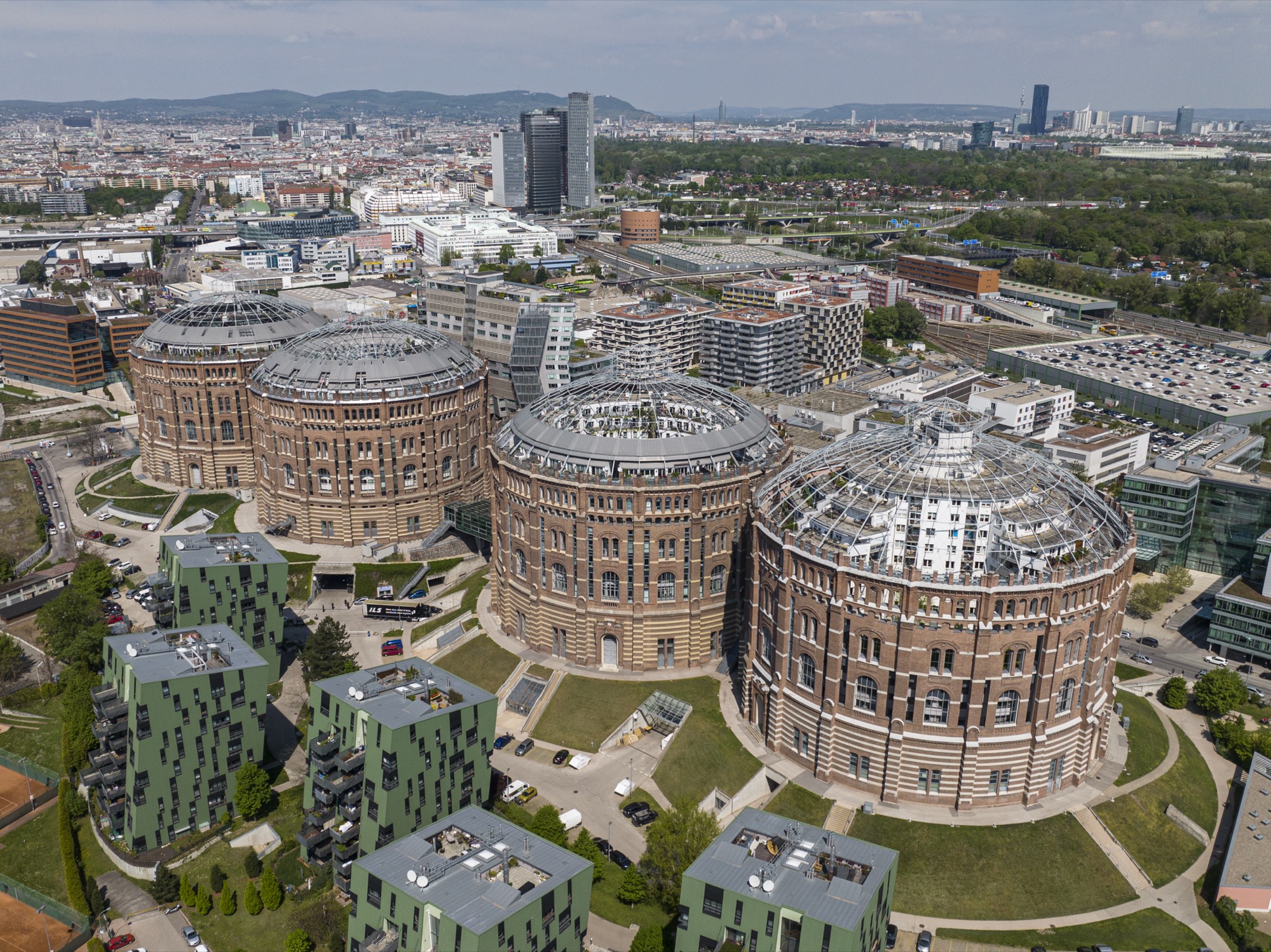
An in depth look at Gasometer Wien, the landmark adaptive reuse project in Vienna that transformed four nineteenth century gas holders into a mixed use urban district designed by Jean Nouvel, Coop Himmelb(l)au, Manfred Wehdorn, and Wilhelm Holzbauer.

In Hanoi, Vietnam, a former industrial printing plant once sat at the center of the city’s 20th-century media infrastructure. For decades, its presses produced newspapers, books, and documents that shaped
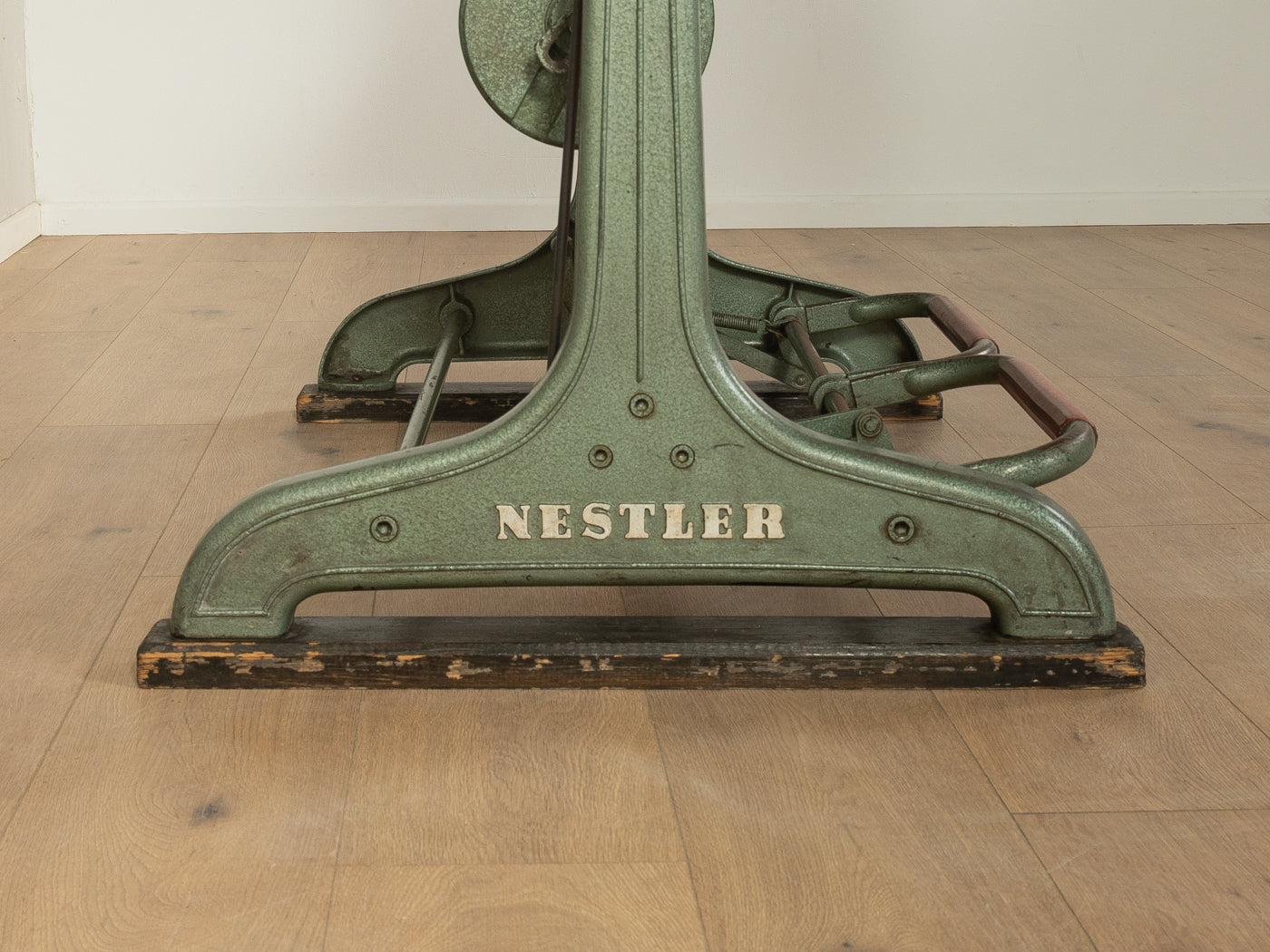
An in depth look at Nestler drafting tables and their role in shaping a culture of precision within twentieth century German industrial design. From early slide rules to large scale drafting systems, the company developed tools that supported the daily work of architects and engineers. This article examines Nestler’s material language, production philosophy, and lasting relevance in the context of contemporary design discourse.
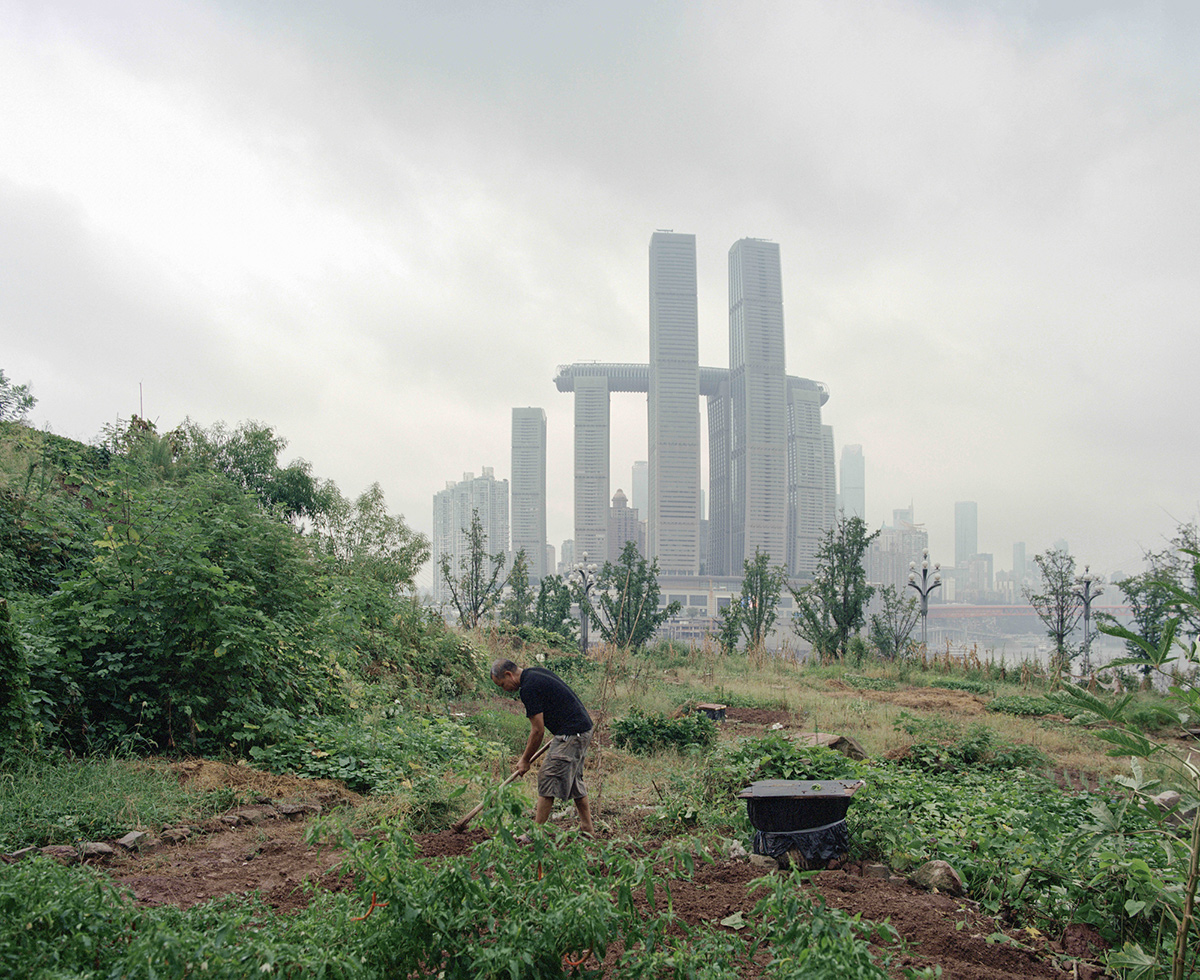
Ximeng Tu is a Chongqing-born photographer whose images return, again and again, to the city’s river edge – not as scenery, but as an index of change. He recalls growing