
Now Reading: From infrastructure to social anchor: Reanimating a forgotten aqueduct
- 01
From infrastructure to social anchor: Reanimating a forgotten aqueduct


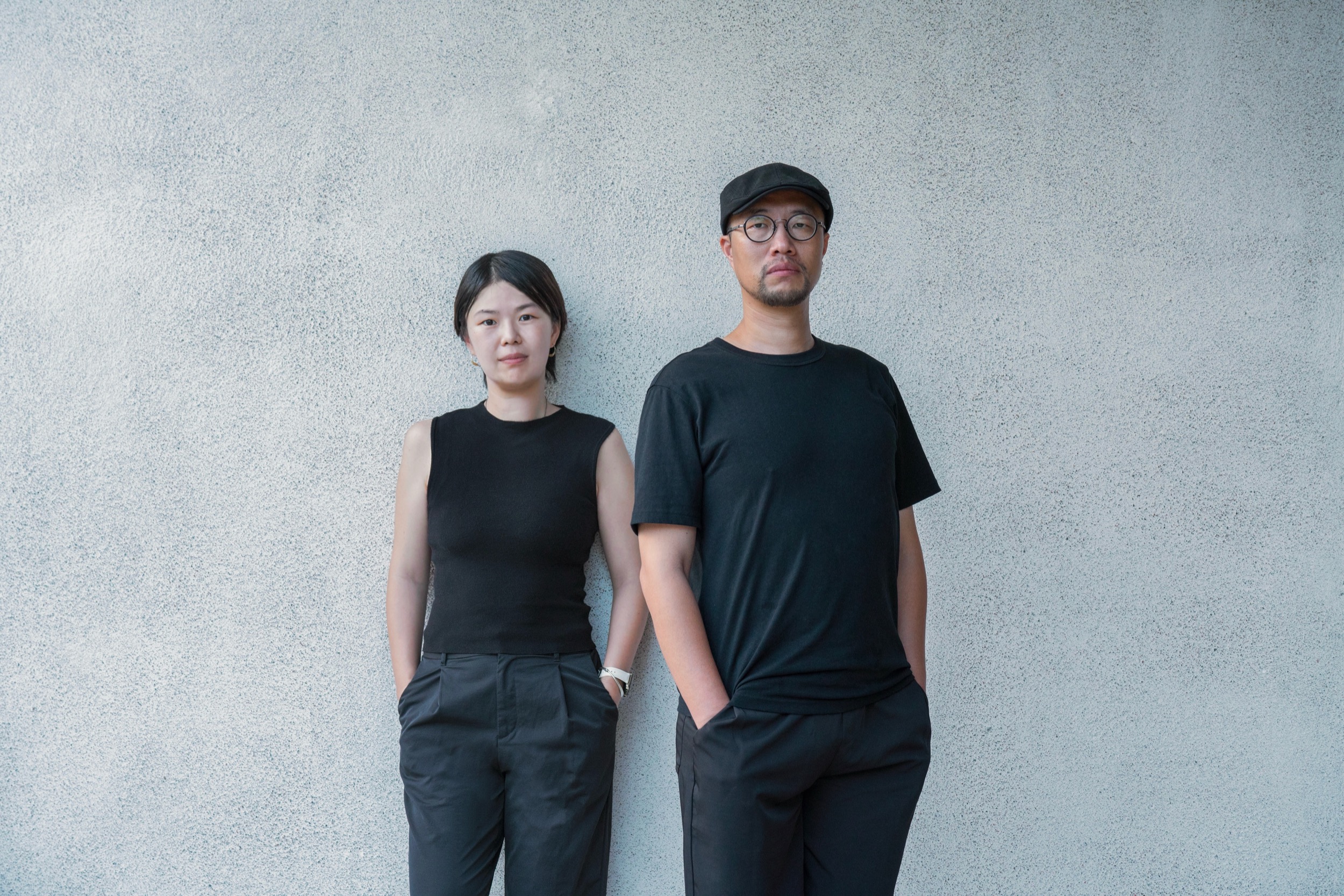
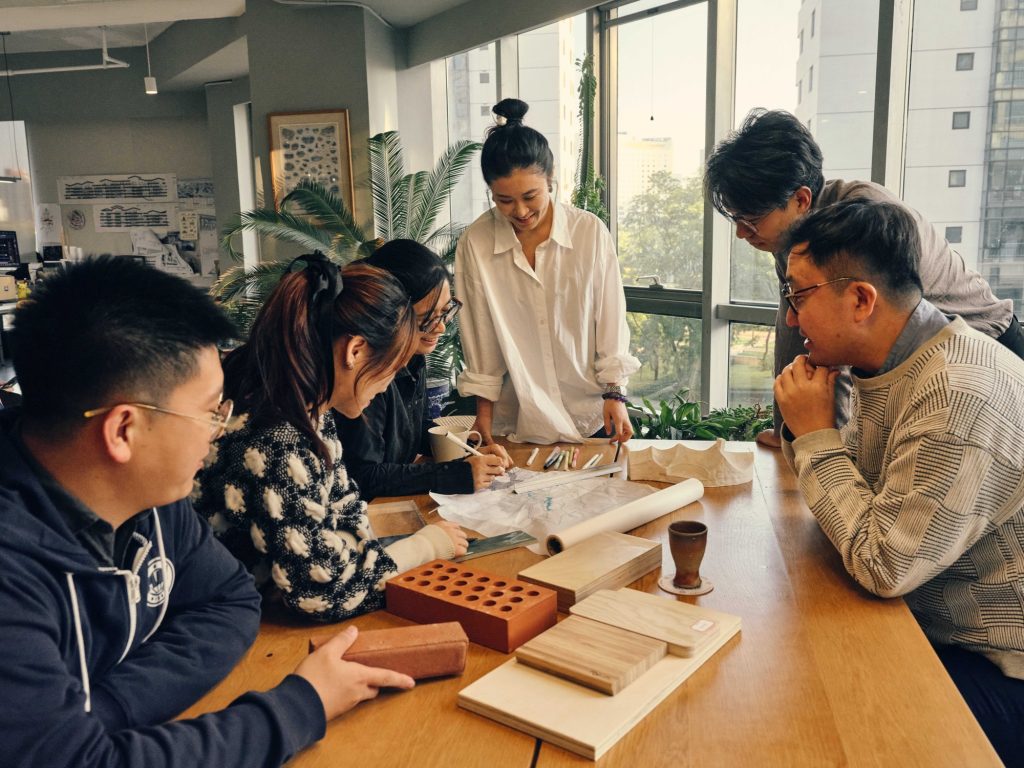
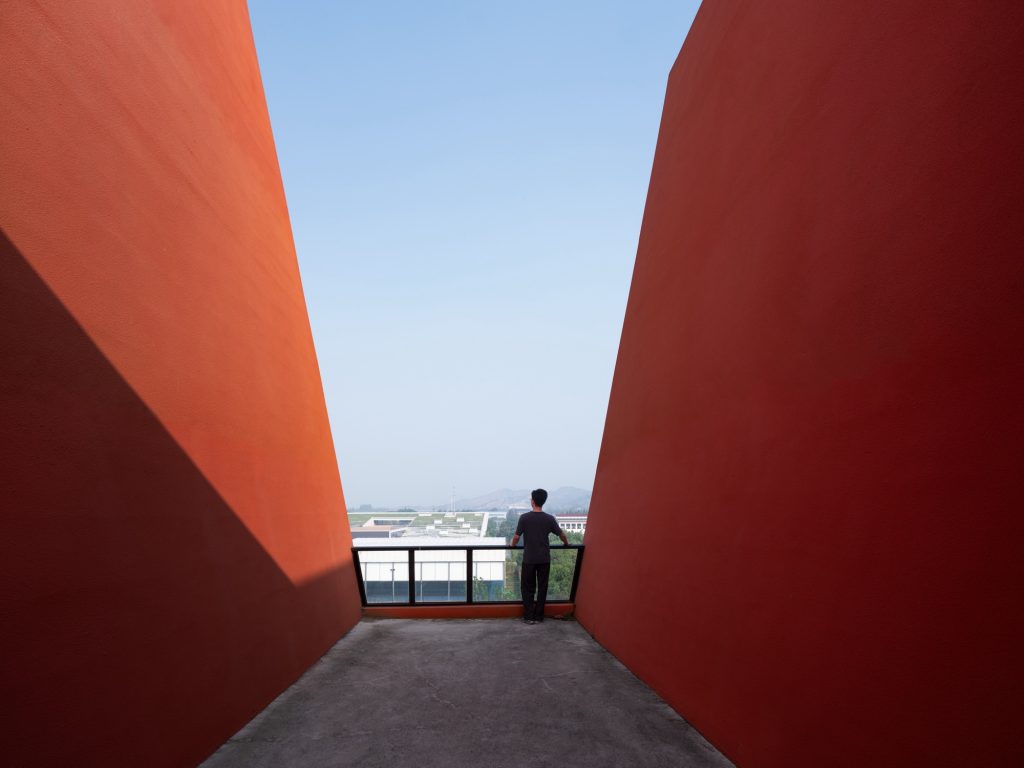
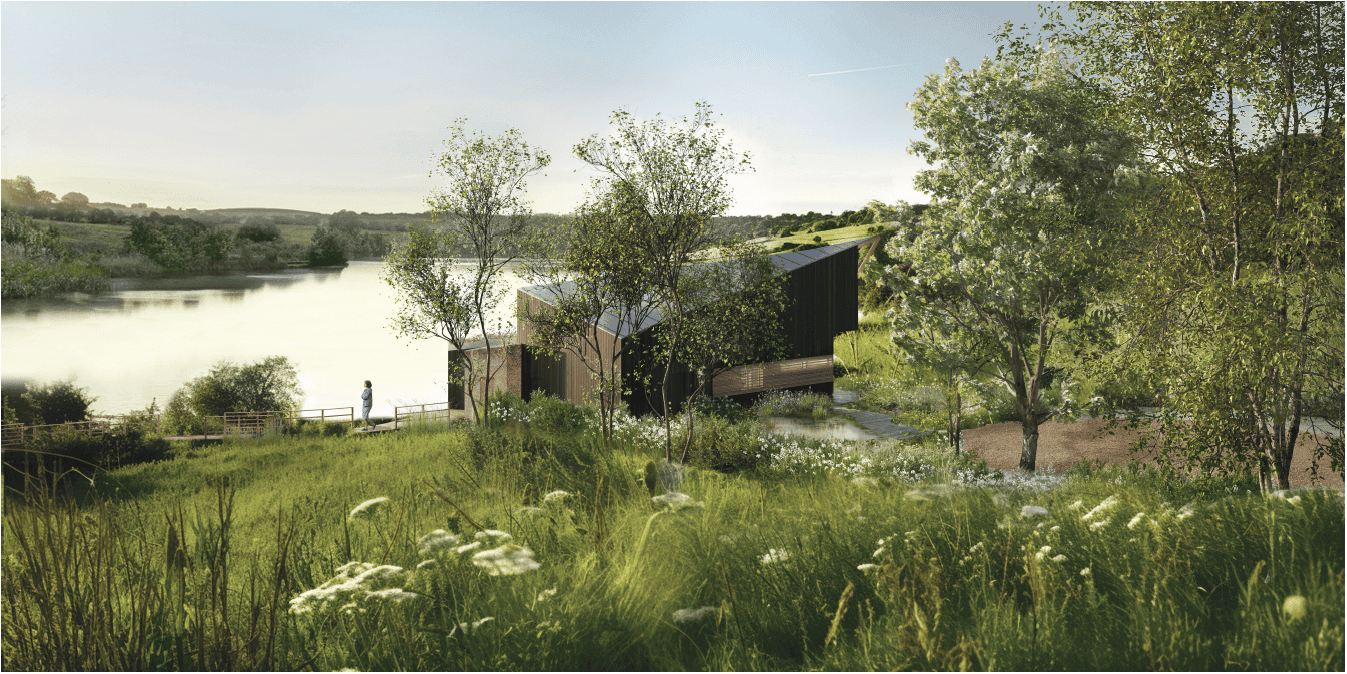
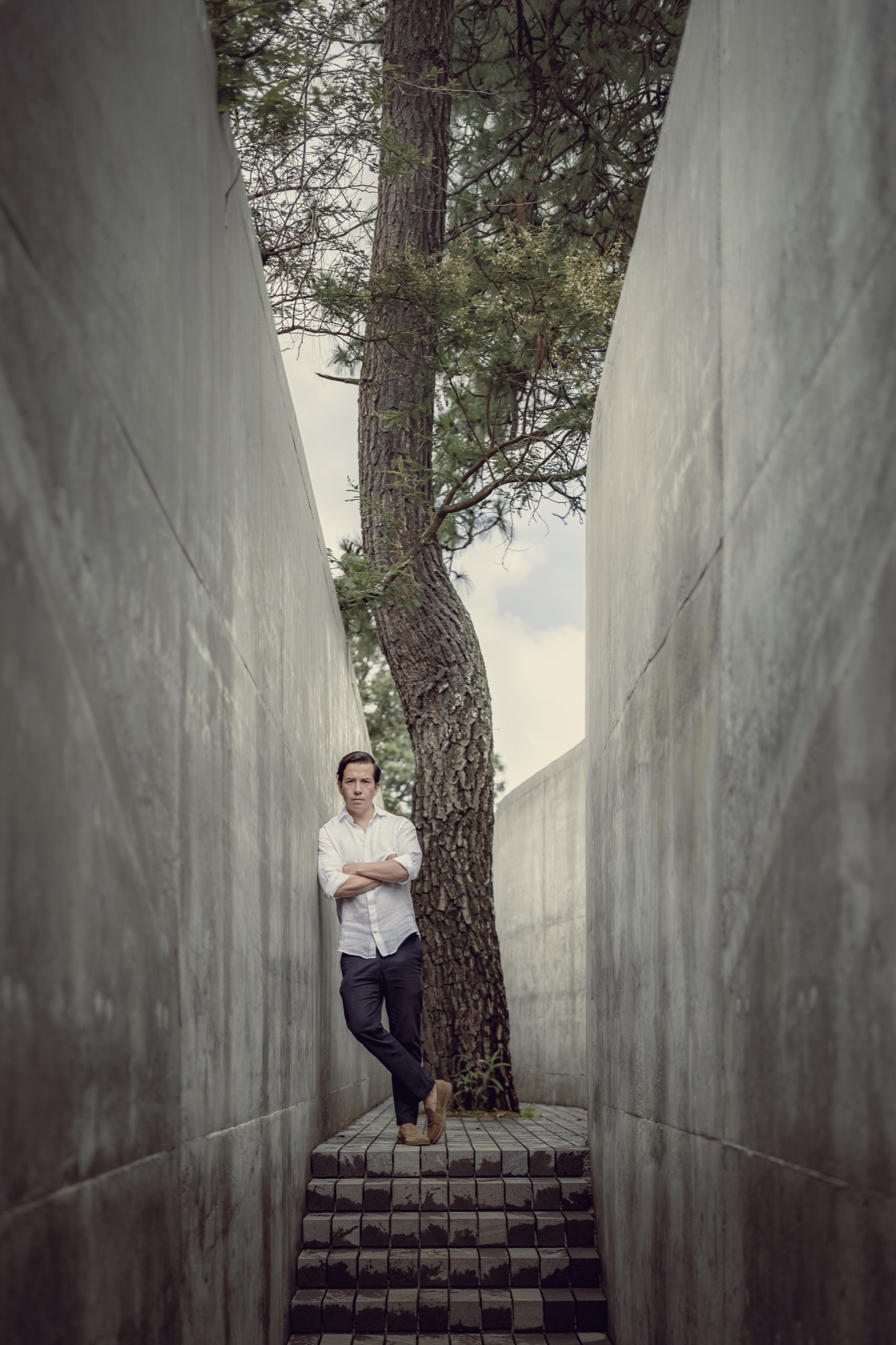
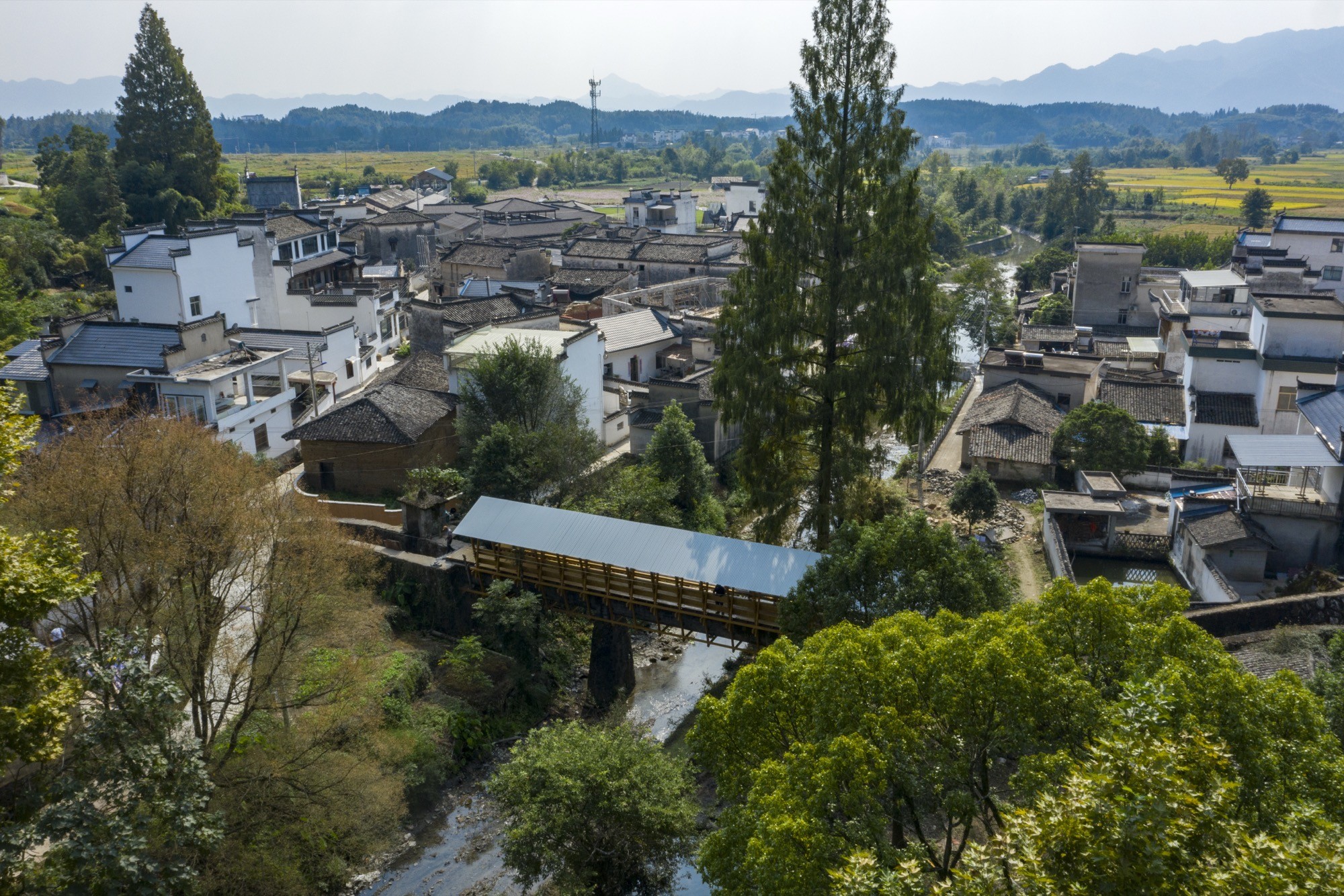
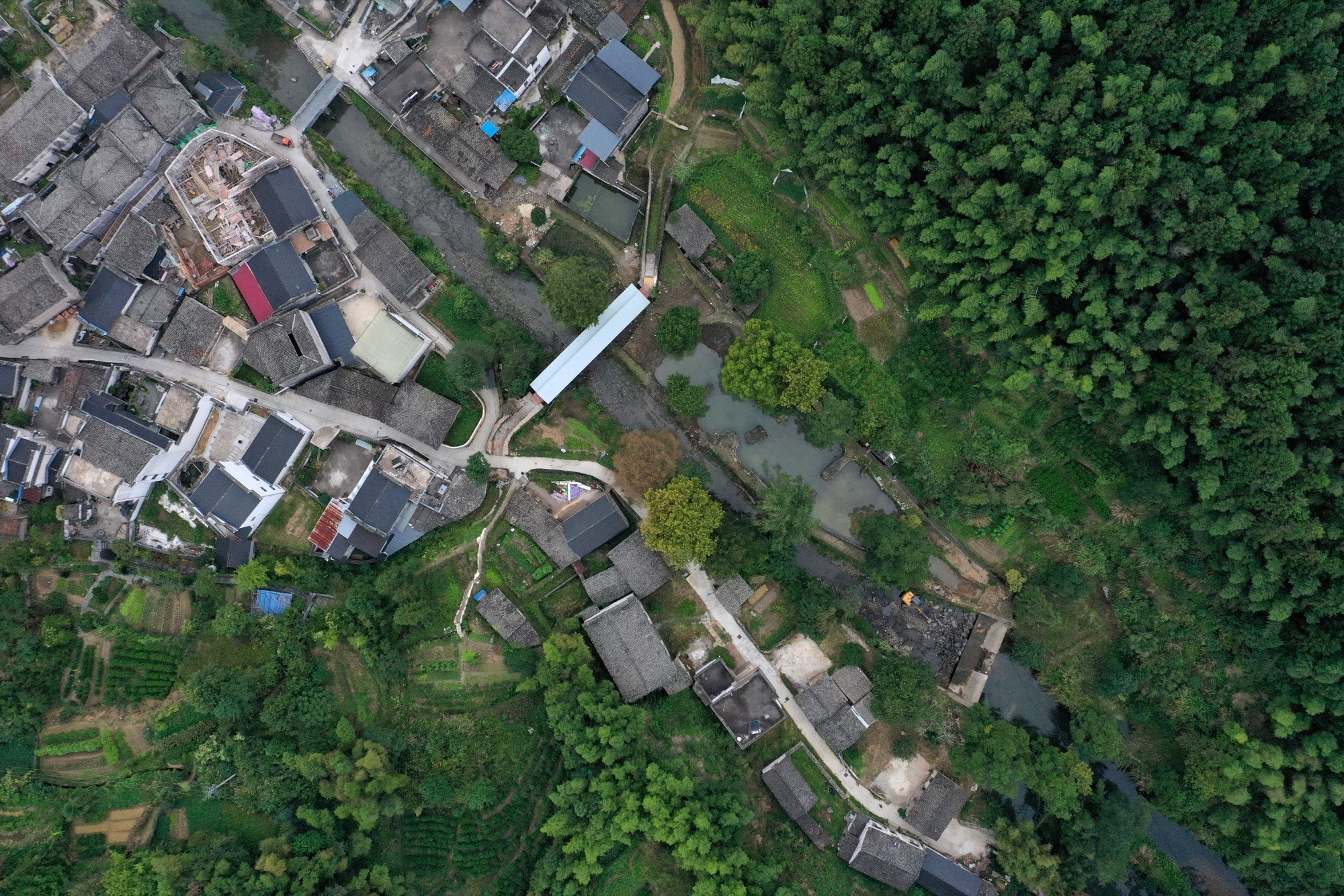
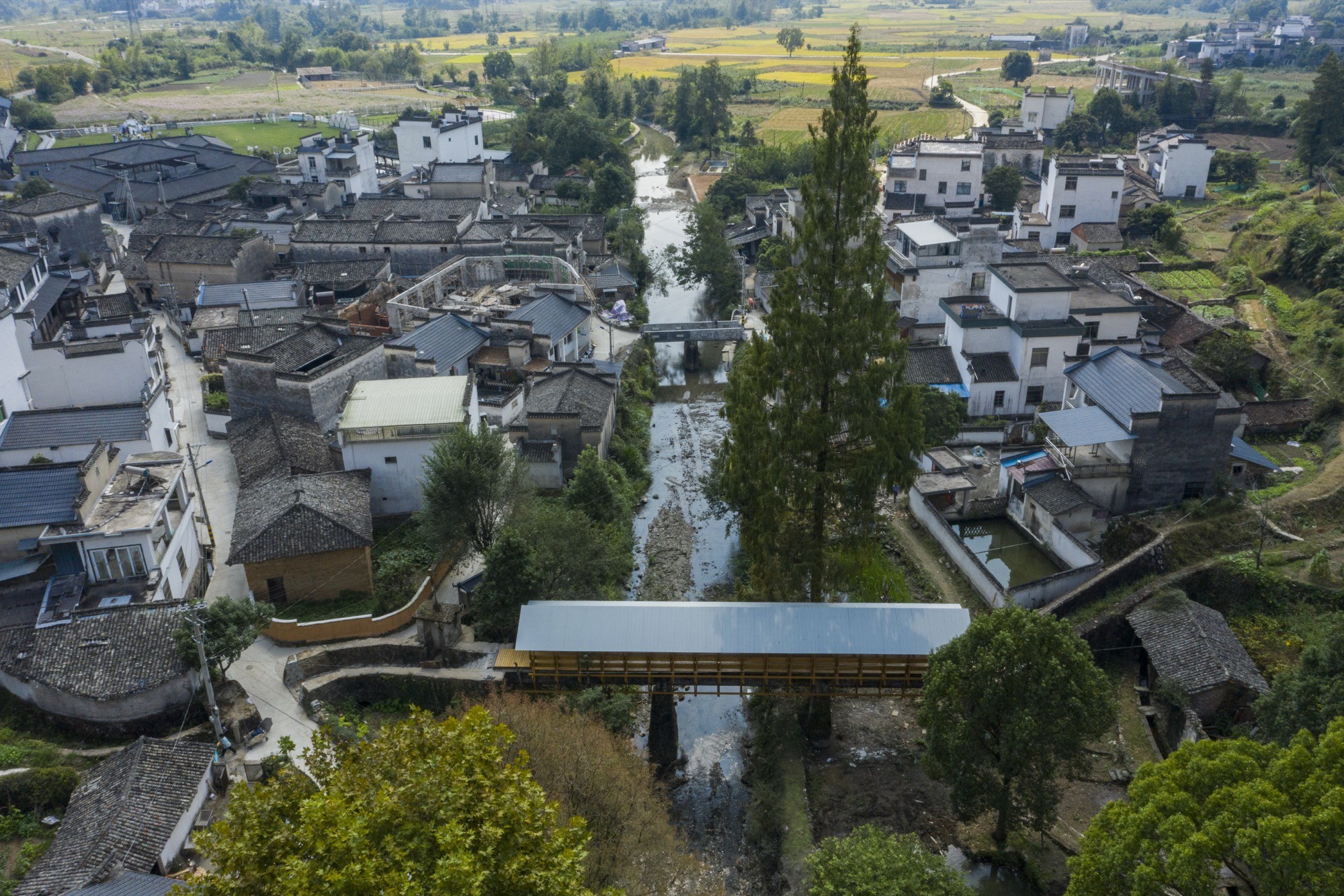
Set above Fengxi River in Fengwu Village, an old concrete aqueduct has been given a second life not through erasure, but through overlay. Jingqiu Zhang and Lubin Liu (principal architects of IARA) treat the weathered structure as a social artifact: a carrier of collective memory, seasonal traces, and everyday habits that once gathered villagers along the water after hours in the fields. Their intervention, a lightweight timber “second skin” assembled with prefabricated CLT and bolted joints, keeps moss, patina, and time in view while reinstating the aqueduct as a place to sit, pause, and talk.
In this interview, the duo speaks in the language of social realism, arguing for preservation as a cultural choice, for rural renewal as a long conversation, and for architecture as a mediator between temporal layers where a bridge is measured less by iconography than by the way it quietly invites life back in.
What was the core philosophy behind preserving and “overlaying” the old aqueduct rather than demolishing or fully rebuilding it?
Jingqiu Zhang: The project is grounded in social realism, which for us begins with a dual respect for lived reality and collective memory. Through field investigation and dialogue with villagers, we understood that the aqueduct was not simply abandoned infrastructure, but a social artifact deeply embedded in everyday life.
Our understanding of “reality” therefore does not support the idea of erasing the past in order to construct something new. Instead, we believe that reality emerges through the coexistence of different temporal layers. Preserving the aqueduct was not a technical constraint, but a cultural and social choice: to allow memory to remain present, accessible, and integrated into daily life, rather than being erased or turned into a distant monument.
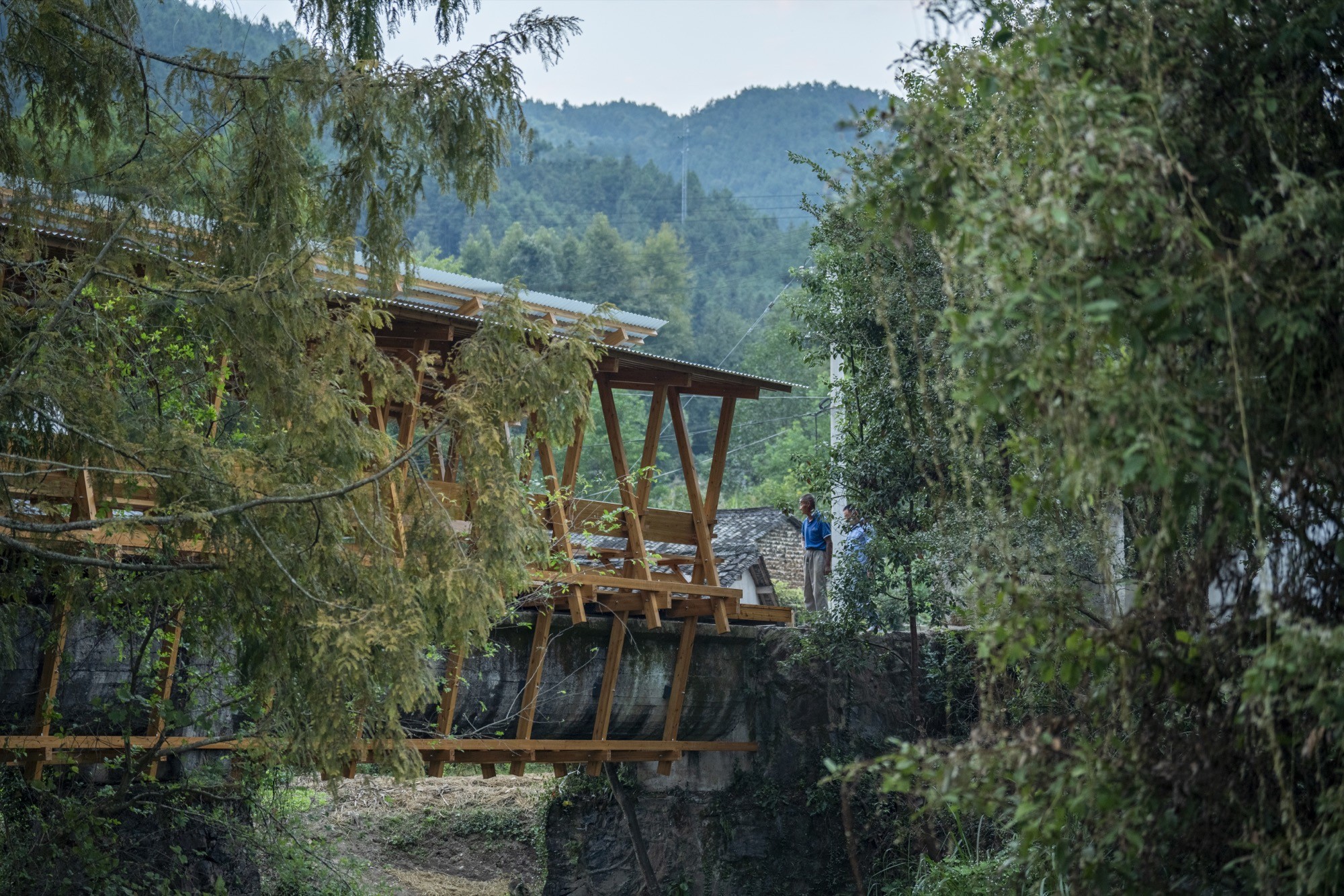
By introducing a lightweight new structure that overlays the existing aqueduct, the project allows past and present to remain visible together. The old structure continues to carry material traces of time, while the new intervention creates conditions for contemporary use and gathering.
In this way, memory is not something to be observed from a distance; it is reintegrated into everyday experience. Architecture becomes an act of continuation rather than replacement, where history is extended into the present instead of being rewritten.
How did villagers’ stories about memory, farming, and childhood play directly influence the bridge’s form and function?
Jingqiu Zhang: Through interviews with local residents, we learned that the riverside had long functioned as an informal social space. Especially in summer, villagers would gather there after farm work, each carrying their own bowls, eating while chatting and enjoying the cooler air by the water. These everyday practices revealed the site’s importance beyond its original infrastructural role.
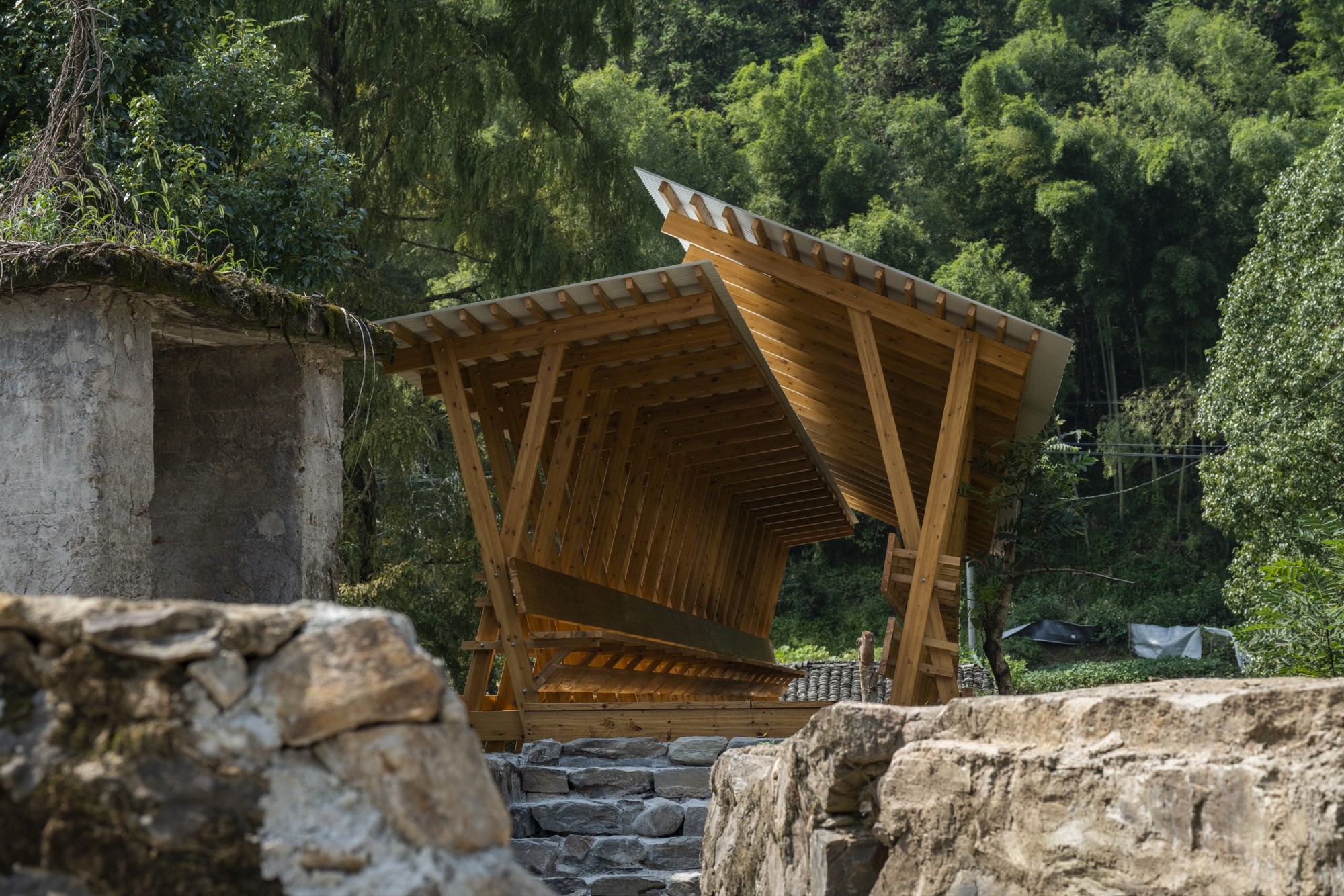
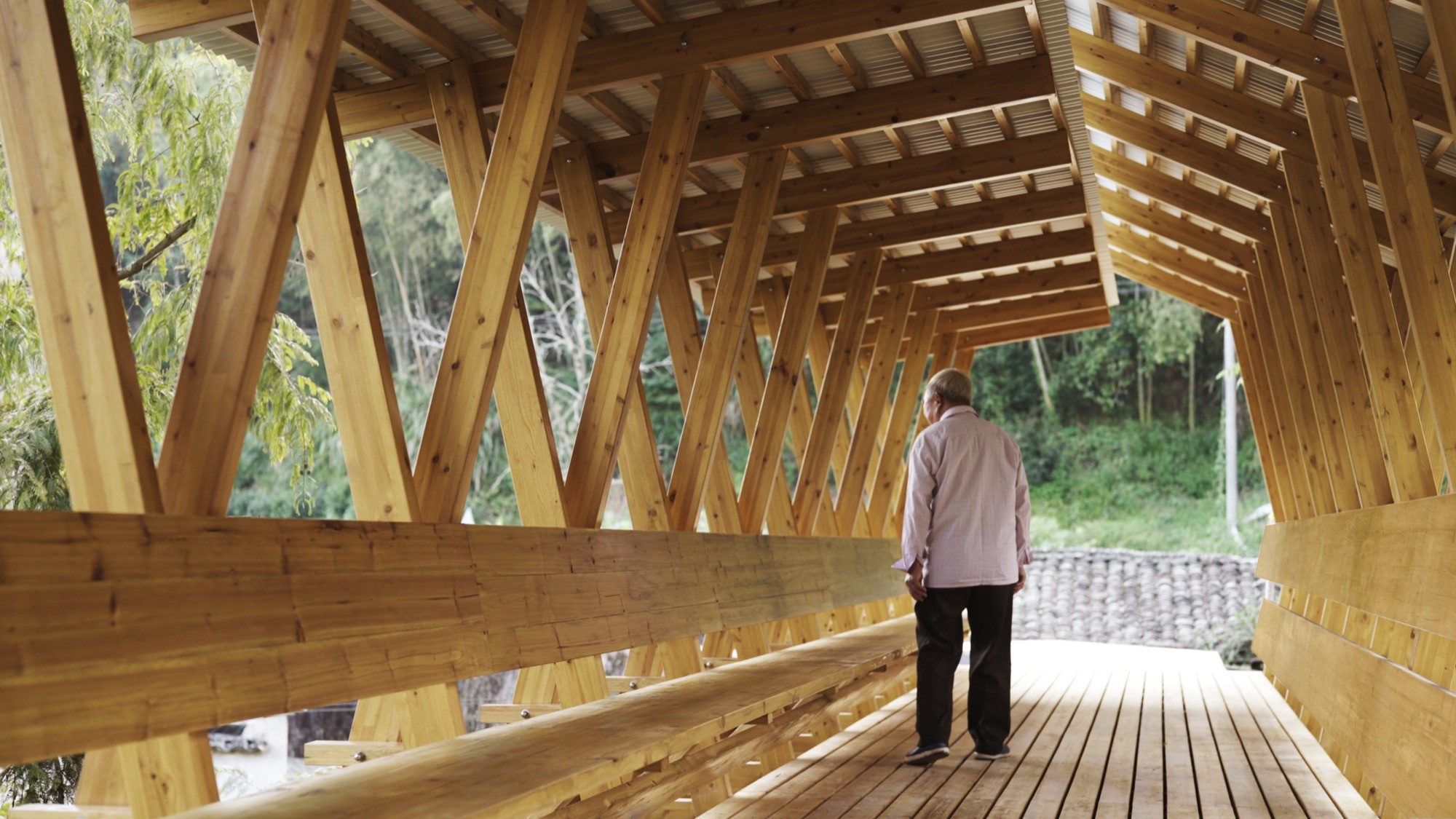
These stories led us to rethink the bridge not as a purely traffic-oriented structure, but as a semi-public social space embedded with memory. Environmental comfort therefore became a key driver of the design. The covered bridge provides shade and protection from rain, while its open and permeable structure allows air to move freely. Two separated roof planes, offset in height, create a continuous gap that enhances natural ventilation and cooling within the bridge.
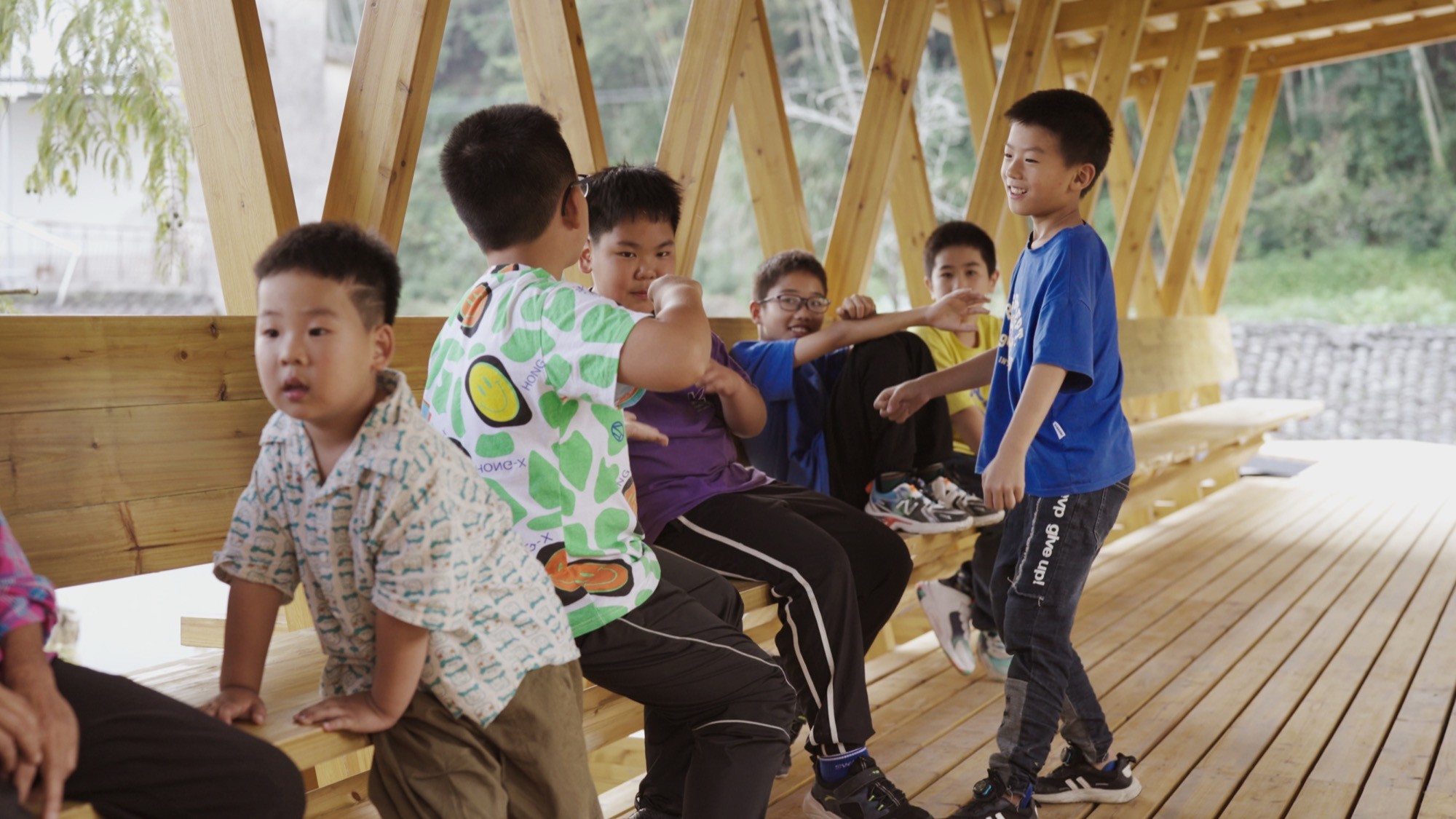
Inside, a combination of benches and reclining seats accommodates different social situations, from brief pauses to longer moments of rest and conversation. Rather than prescribing specific functions, the bridge offers flexible spatial conditions that invite everyday use. In this way, villagers’ memories of working, resting, and gathering by the riverside were translated directly into architectural form, allowing familiar social rhythms to return organically.
How did you balance traditional Huizhou elements with modern prefabricated CLT to create a timeless yet contemporary design?
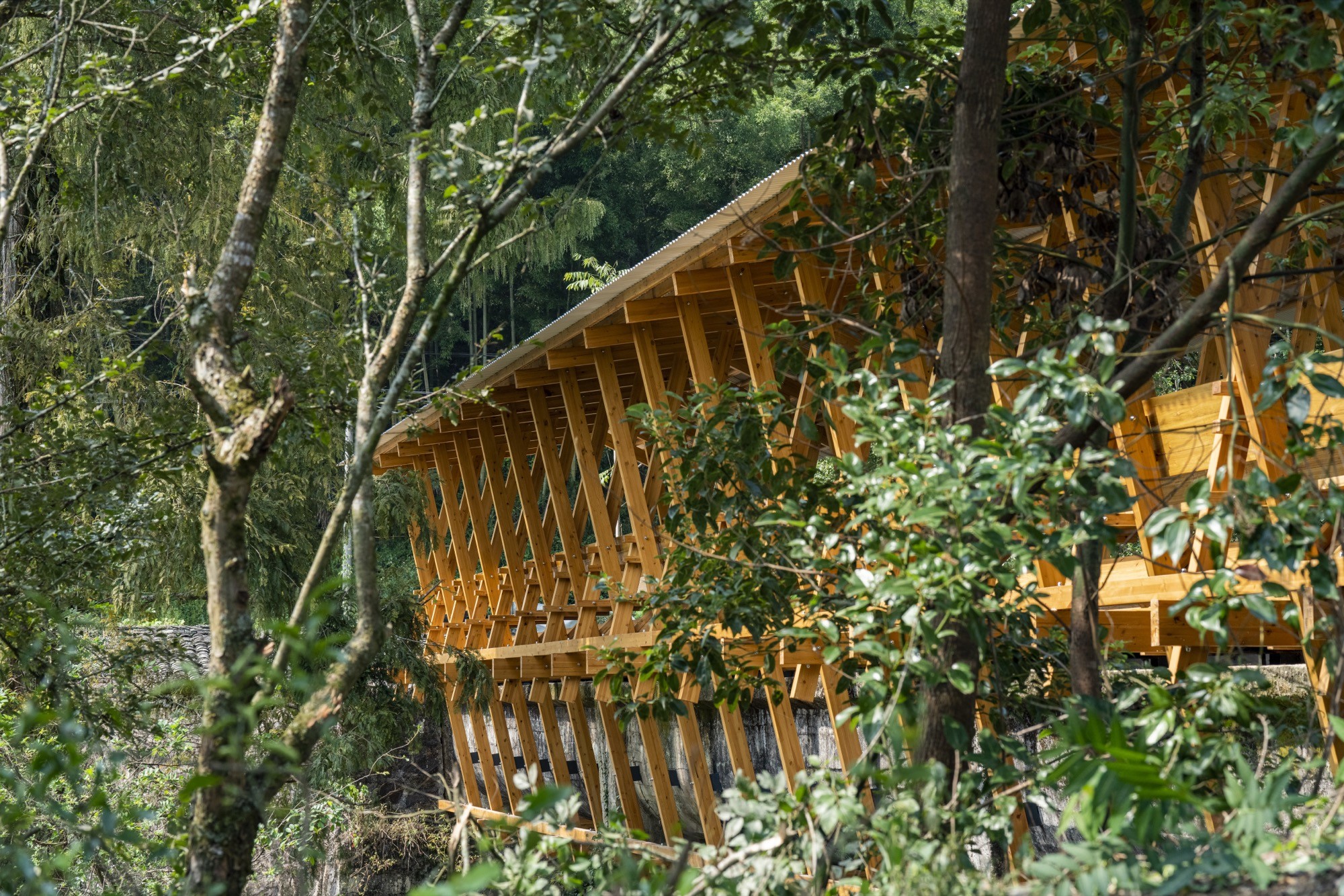
Lubin Liu: Traditional Huizhou bridges are characterized by a sense of lightness and permeability. Among them, the simple bench bridge exemplifies how minimal structural logic can produce an open and elegant spatial quality. Rather than reproducing historical forms, we treated these bridges as a conceptual precedent and extended their underlying principles through contemporary materials and construction methods.
Timber has long been a traditional structural material in local architecture and bridge-building, valued for its warmth, tactility, and closeness to everyday life. We chose to continue this tradition through cross-laminated timber (CLT), which allows precision and clarity while maintaining the familiar character of wood. Structurally, traditional mortise-and-tenon joints were replaced with bolted connections. This shift is not a rejection of tradition, but a reinterpretation and evolution of it under contemporary conditions.
What inspired the idea of a lightweight wooden “second skin” that preserves the concrete’s moss and patina?
Jingqiu Zhang: The idea emerged from our belief that time itself is a material condition. In this project, moss, stains, and patina are not imperfections to be removed, but traces of accumulated use and seasonal change, essential to the site’s memory. From a social realism perspective, reality is understood as the layering of different moments in time rather than a return to a single “original” state.
When working with existing structures, we believe it is important to respect not only values associated with permanence such as strength and durability but also non-permanent qualities, including vegetation, weathering, and surface change. These elements are equally meaningful expressions of time.
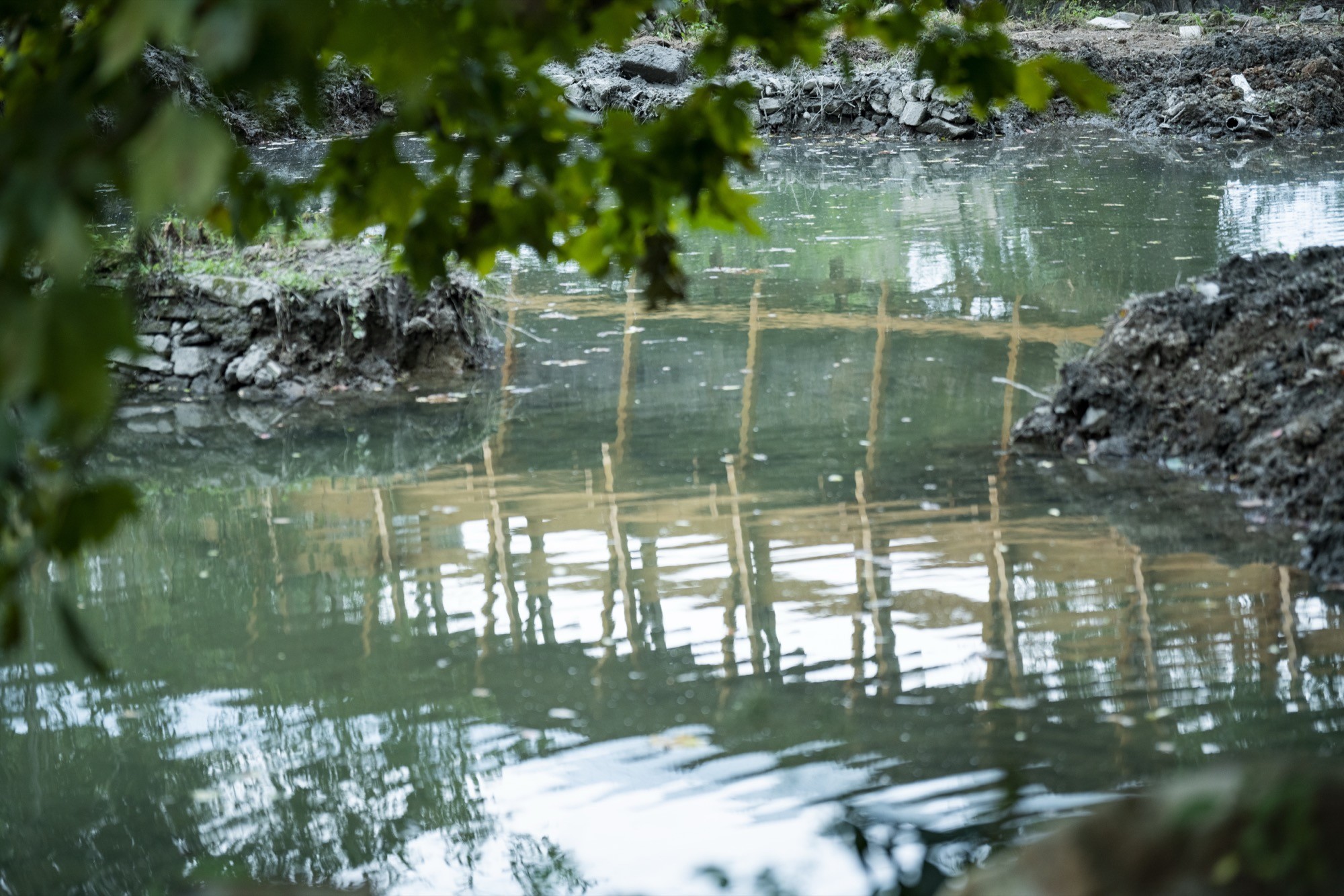
The wooden “second skin” was therefore conceived as a lightweight and reversible layer, gently suspended above the aqueduct. It protects the existing structure without sealing or sanitizing it, allowing it to continue aging naturally. This approach avoids cosmetic renewal and instead keeps the material dialogue between past and present open, adaptable, and future-oriented.
Which feature: reclining benches, asymmetrical roof gap, or stone-lined channels, are you most proud of, and why?
Lubin Liu: The reclining benches.
They embody how memory is translated directly into use. Today, villagers naturally stop here to rest, chat, or simply spend time, allowing the bridge to function as an everyday social anchor rather than a formal landmark. What began as a simple architectural element has gradually become the most actively used part of the project, turning the bridge into a shared space of pause and encounter.
This outcome confirms the project’s core intention: architecture should not draw attention to itself as an object, but quietly support life as it unfolds. Through the benches, the bridge has moved beyond its infrastructural role and become a genuine social hub within the village.
Since completion, how has the bridge affected daily life and social interactions in Fengwu Village?
Lubin Liu: Since its completion, the bridge has become an active part of everyday village life. Many villagers now come here simply to rest, talk, or spend time, and it has gradually evolved into a central social hub. These activities emerged naturally, without formal programming, through repeated daily use.
Before the intervention, the aqueduct, once an essential part of collective agricultural irrigation, had largely been forgotten following changes in irrigation practices, was often used as a dumping place, along with much of the history associated with it. The new bridge does not replace this history of collective life, but allows it to revive. By making the structure usable again, the project reconnects collective memory with daily life.
As a result, the aqueduct is now cared for rather than ignored, and villagers have developed a renewed sense of pride in their shared past. History is no longer buried or distant; it has been quietly reintegrated into contemporary village life through everyday social interaction.
What were the main construction challenges, and how did sustainable choices like prefabrication and local materials shape the result?
Jingqiu Zhang: One of the primary challenges was working with the existing aqueduct. Although it remains structurally sound, it required careful protection throughout construction to avoid damage to both the structure itself and the material traces of time embedded in its surface. The intervention needed to be precise and restrained rather than invasive.
At the same time, the project sought to engage the local community, many of whom had no professional construction experience. This led us to adopt a lightweight prefabrication strategy using prefabricated CLT components, which enabled construction that could be handled manually and assembled without heavy machinery. This approach significantly minimized physical impact on the aqueduct itself and reduced the risk of damage during construction.
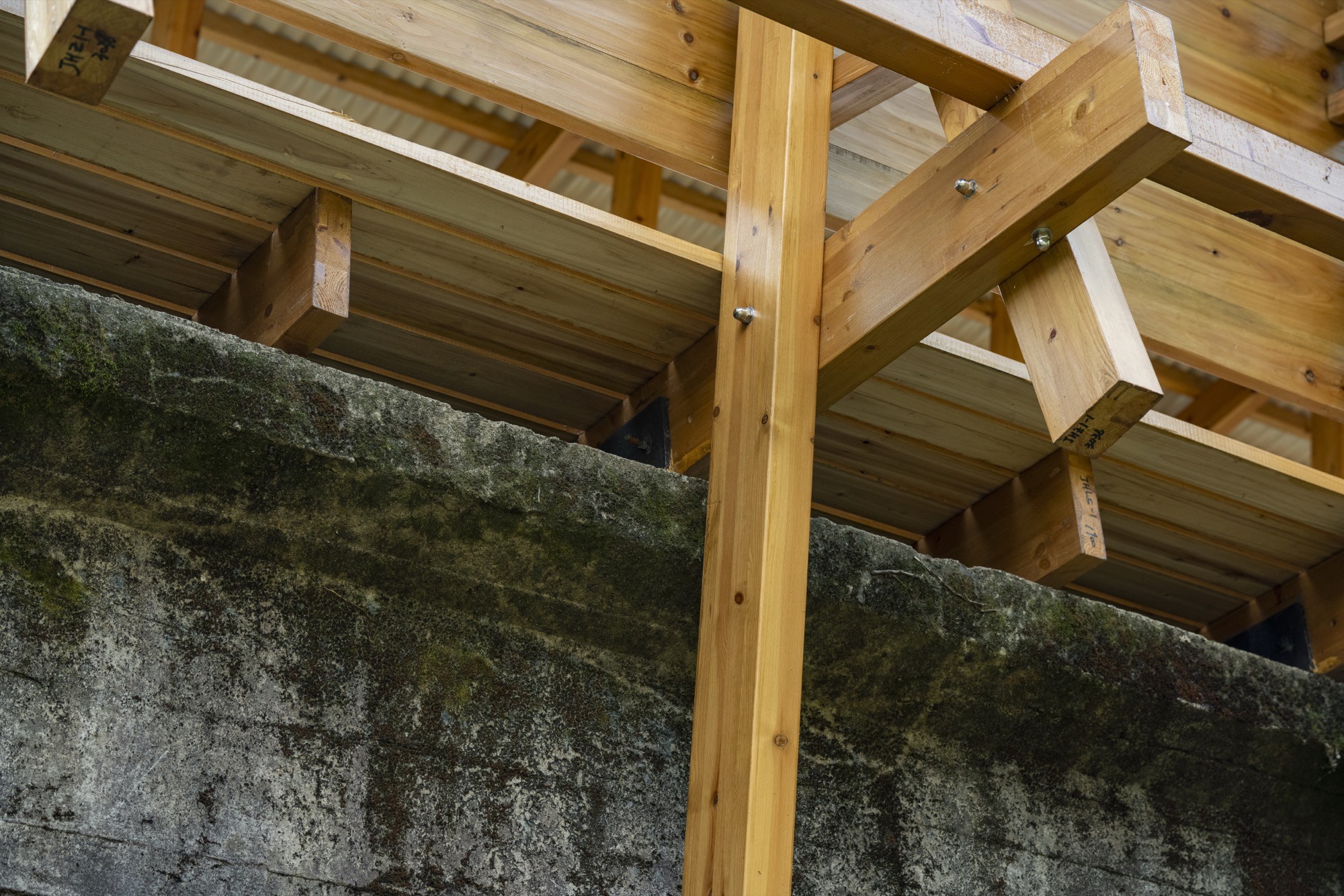
A simplified bolted joint system was used throughout the structure, allowing components to be clearly understood and easily assembled on site. As a result, villagers were able to participate directly in the construction process, transforming it into a collaborative act rather than a closed technical operation. In this way, sustainability was addressed both environmentally and socially, protecting the existing structure while embedding collective participation into the making of the bridge.
How does this project relate to or differ from traditional Chinese covered bridges (langqiao) in the context of rural revitalization?
Jingqiu Zhang: Functionally, the project shares a strong continuity with traditional Chinese covered bridges, or langqiao. Historically, these bridges were never designed solely for movement; they also served as places for rest, encounter, and social exchange. This social role is essential in rural contexts, where shared everyday spaces support community cohesion and collective life.
The difference lies in the project’s material and temporal logic. Rather than reproducing historical forms or construction methods, the bridge combines an existing concrete aqueduct with contemporary timber construction. This approach reflects current rural conditions shaped by modern infrastructure, resource constraints, and changing patterns of life.
By merging old and new, the project does not look backward nostalgically, nor does it erase the past. Instead, it reinterprets the social essence of the langqiao through contemporary materials and construction, allowing traditional spatial values to remain active within today’s rural revitalization process.
Can you explain the material choices (CLT, cedar, corrugated panels, river stones) and their connection to the site’s context?
Lubin Liu: Each material was selected in direct response to the site’s physical and cultural conditions. Cross-laminated timber (CLT) was chosen to address the constraints of building over an existing aqueduct, allowing a lightweight structural system that could be precisely assembled with minimal impact on the original structure.

The roof uses corrugated metal panels instead of traditional tiles. Their light weight and durability reduce structural load on the aqueduct while giving the bridge a lighter overall appearance. Treated with restraint, the grey surface blends softly with the sky, minimizing visual mass and helping control costs without sacrificing architectural quality.
River stones were sourced from the upper reaches of Fengxi River, the same material historically used in constructing the canal and ground layers of the aqueduct. Reintroducing these stones connects the project directly to local building traditions and landscape memory. Together, these materials form a contemporary structure that remains firmly rooted in its site and history.
As part of the IARA Urban-Rural Revitalization – Fengwu JI initiative, what key lessons about architecture’s role in rural revival would you share with other designers?
Lubin Liu: One key lesson is the need to reframe the social role of the architect. In rural contexts, architects are not only responsible for aesthetics or formal decisions; they must also act as mediators, creating a continuous process of dialogue. collaboration, and co-building with local communities. Architecture becomes a means to engage with the social issues left behind by decades of rapid development, rather than a standalone object imposed from the outside.
This requires a fundamental shift in design objectives: from form-making and service providing toward research, listening, exchange, and the presentation of lived phenomena. In rural revival, attention should be placed first on people, everyday life, and cultural practices. Material, form, and space should function as tools to support these dynamics, not as ends in themselves.
Fengwu JI operates as such a working platform. It builds long-term relationships between architects and Fengwu Village, allowing architecture to emerge through sustained engagement. In this process, architecture becomes not only a physical bridge, but a social one – connecting designers, villagers, memory, and contemporary life.
Thanks Lubin Liu and Jingqiu Zhang for your time!
Article Credit
Text: Mateo Vargas
Photography: Huien Song
Portrait: IARA
Date: January 2026