Now Reading: Where ice meets industry, landscape learns to recover
- 01
Where ice meets industry, landscape learns to recover

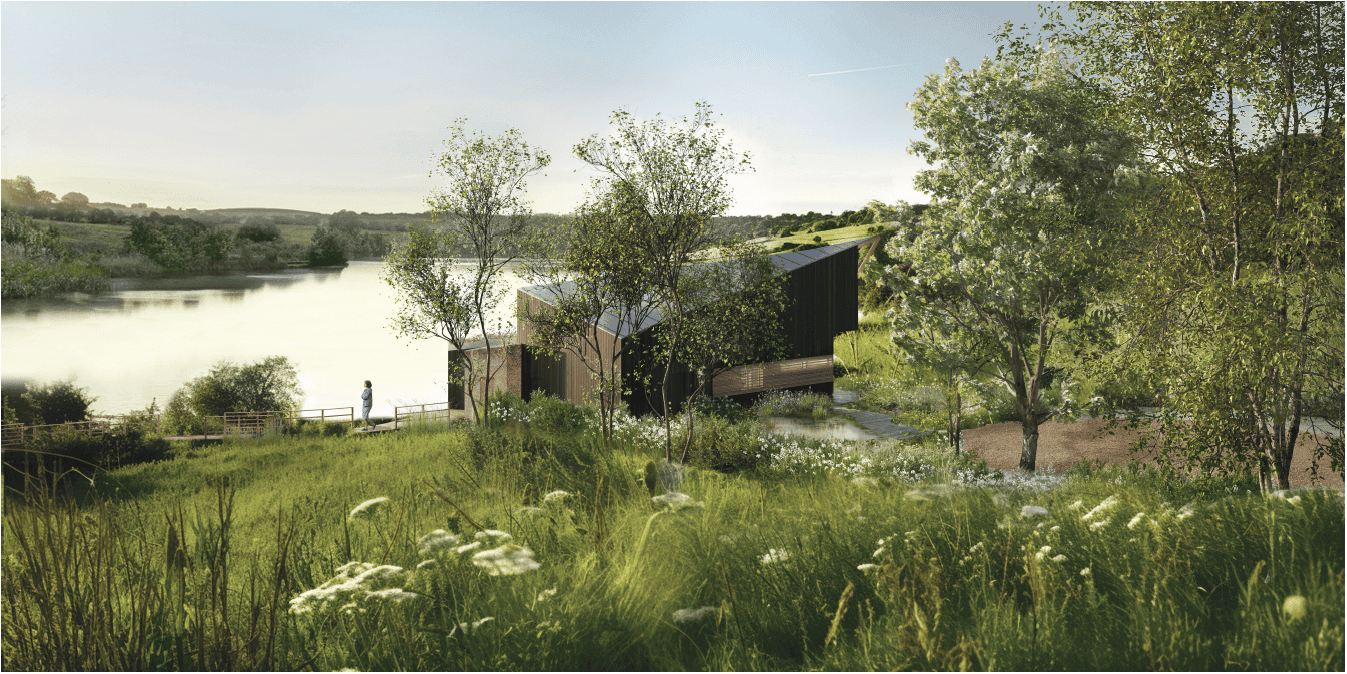

Set on the edge of the Pennine moorland in South Lancashire, Pilsworth Lake occupies ground first modelled by glacial melt at the end of the last ice age, where retreating ice carved valleys and channels that carried soft water across the land. Centuries later, those same watercourses powered the early cotton mills that defined the region’s industrial identity. The lake itself was excavated in the early nineteenth century to serve Pilsworth Clough Mill, then gradually infilled and abandoned as the mill fell into disuse, before nature quietly returned with a slow moving stream, grasses, and woodland.
This short conversation with Stephen Melvin (Principal Director of Atelier Architecture & Design) follows that layered condition, reading the site as a recovering landscape and asking what it means to design with stewardship rather than overwrite.

When you began shaping the concept for Pilsworth Lake, what drew you to the site’s layers of ice, water, and industry?
Stephen Melvin: I was intrigued that there was a connection between the last ice age and the start of the industrial revolution. We now face an environmental imperative to make conscious decisions that respect co creation with the land.
You foreground recovery rather than replacement here. How does that reflect your wider approach to post industrial landscapes?
Stephen Melvin: Nature is resilient, we should be looking for regeneration from source, rather than introducing replacements.
The site began rewilding after the mill was abandoned. How did that process shape your ecological interventions, especially the rain gardens?
Stephen Melvin: Natural reclamation is possible on any site if you listen to biological process. In this case the rain gardens draw on a vegetation type that has been present in the stream habitats that flowed from the ancient Pennine moorland for 1000s of years.

How did you design those lightweight elements, balconies and outdoor classrooms, to help people connect with the terrain and water?
Stephen Melvin: The site lends itself to exploration by foot and wheelchair, with accessible platforms and sheltered places that provide views supporting a range of outdoor activities. These elements highlight the surrounding terrain, water features and heritage, inviting users into a closer relationship with the landscape, enabling greater exposure to the site’s micro habitats and its evolution.
When you talk about stewardship, what did that mean in practice, especially in balancing public access with biodiversity and the site’s memory?
Stephen Melvin: As with all sensitive ecological site there needs to be a balance between public access and conservation, this is about recognising the limit to traffic intensity and footfall and designing accordingly.
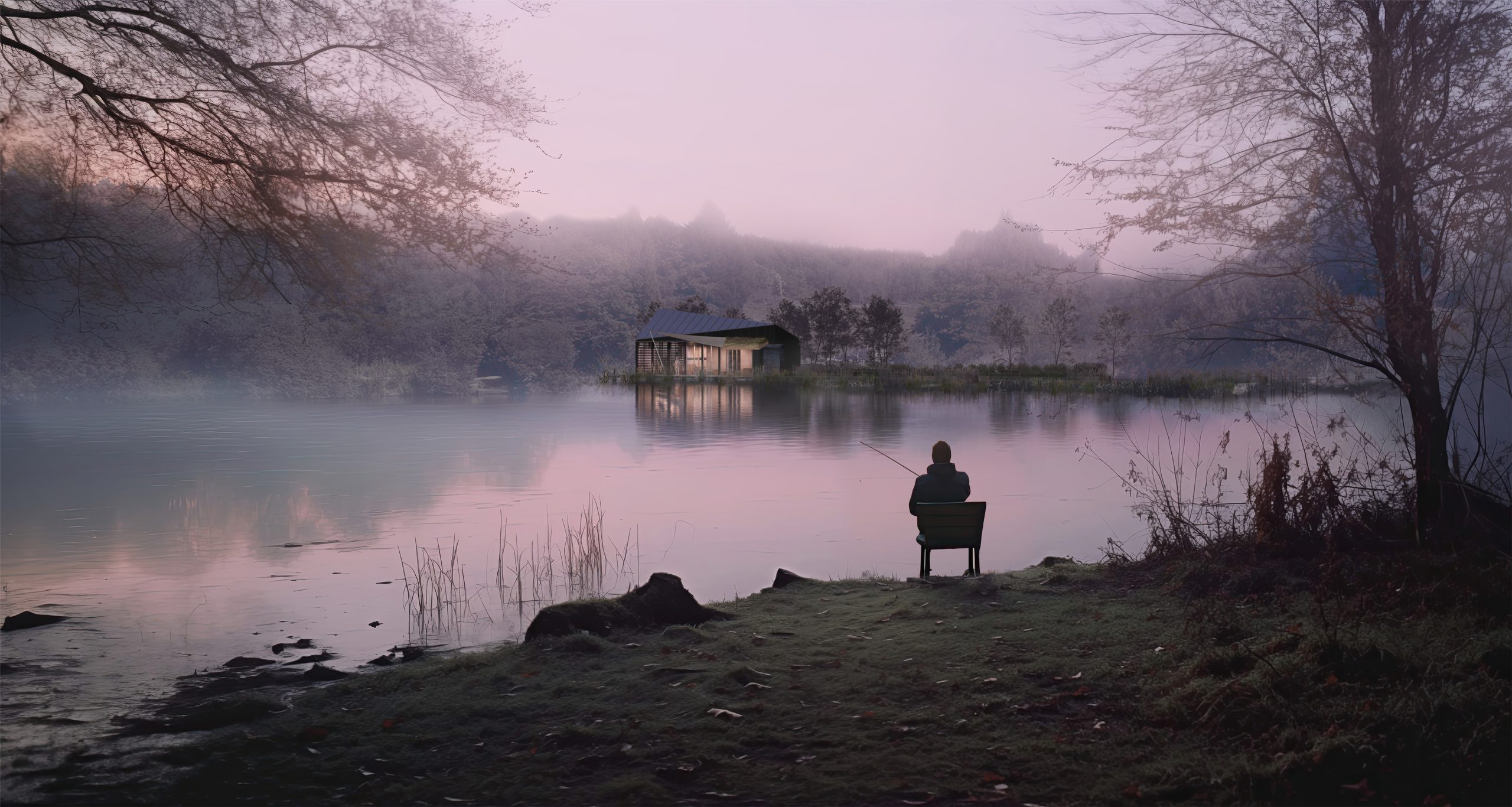
What guided your low carbon material and construction choices for the smaller buildings, and how did you keep them in dialogue with the site’s industrial heritage?
Stephen Melvin: The availability and ease of transport of lightweight low carbon materials to the site, makes it straightforward and a natural choice! It’s important to acknowledge that this method ‘feels’ respectful to the land.
There are similarities and differences between the modern installation and the industrial heritage. The mill was designed to use water flow from the stream, while the Visitor’s Centre is designed to explain the site history. They both depend on topography and comparable environmental conditions, and both are buildings designed near water. We have developed the form of the Visitor’s Centre to ‘mould’ and transform the classic industrial portal frame, paying homage through modern technology and interpretation.
The project targets a 10 percent plus biodiversity uplift. What were the key strategies, and how do they connect back to the site’s glacial valleys and watercourses?
Stephen Melvin: It’s important to acknowledge that the site had been used as a Coarse fishery for 50yrs and as such had relatively low biodiversity; nonetheless, we saw a rich potential to restore it. To achieve over a 10% increase in biodiversity, the proposal adopts a landscape led approach that reflects the site’s designation within the Greater Manchester Green Belt and its role as a Special Landscape Area and wildlife corridor.

Strategies include extensive native woodland planting, sections of hedgerow and wildflower meadow, and the introduction of larger stock native trees in key public areas such as the access hub, plaza, and main car park. A sedum roof for the visitor café adds ecological value at building level, while raingardens and bio swales integrated into the sustainable drainage system create new habitats and manage surface water.
At a broader scale, water conservation measures, efficient fittings, drought resistant planting, and metering, deliver a 40% reduction in consumption.
Flood risk is addressed through nature based solutions that maximise infiltration to ground and discharge to the main lake, utilising its large storage volume to regulate flows to the wider downstream catchment. Together, these strategies echo the inspiration of glacial valleys and watercourses, re establishing ecological flows of vegetation, water, and wildlife. The result is a resilient landscape where biodiversity uplift, water stewardship, and user experience are interwoven into a coherent narrative of place.
You’ve described the interventions as modest and dispersed. How do they work as a connected network of experiences, rather than a single destination, and why does that suit Pilsworth Lake?
Stephen Melvin: The topography of the river valley is fresh in its descent from the moorland. As it steps down it creates a series of intimate spaces that open towards the lake and a fine southerly view. The land calls for a network of dispersed interventions that celebrate these locations with a focal point where the brook meets the head of the lake and the view.

What challenges came up in setting a regeneration led landscape alongside the surrounding contemporary industrial context, and how did you respond?
Stephen Melvin: The existing contemporary industrial buildings while close to the lake are hidden due to the unique topography. There is however a more large scale plan for industry housing adjoining the site that is challenging and will have visual impact. The key is to encourage a light touch preserving the special topography rather than levelling the ground (and pouring excessive concrete etc), preserving the natural watercourses and encouraging the planting of native species such as fern and birch.

Looking ahead, what do you hope Pilsworth Lake can offer as a lesson for other landscapes shaped by the same layers of ice, water, and industry?
Stephen Melvin: To dispel the notion that industry and natural process are mutually exclusive. To re learn how to co create with the land.
In the Designarcus story, Pilsworth Lake is framed not as a blank canvas for redevelopment, but as a place where geological time, industrial history, and ecological recovery sit side by side. Read through Melvin’s answers, that same premise holds: the light touch is not aesthetic restraint, it is an ethic. A network of small moves, tuned to water, topography, and habitat, becomes a way of making public access feel earned, and care feel legible, across the long life of the valley.
Interview & Text: Valeria Moreau
Photo: AA+D
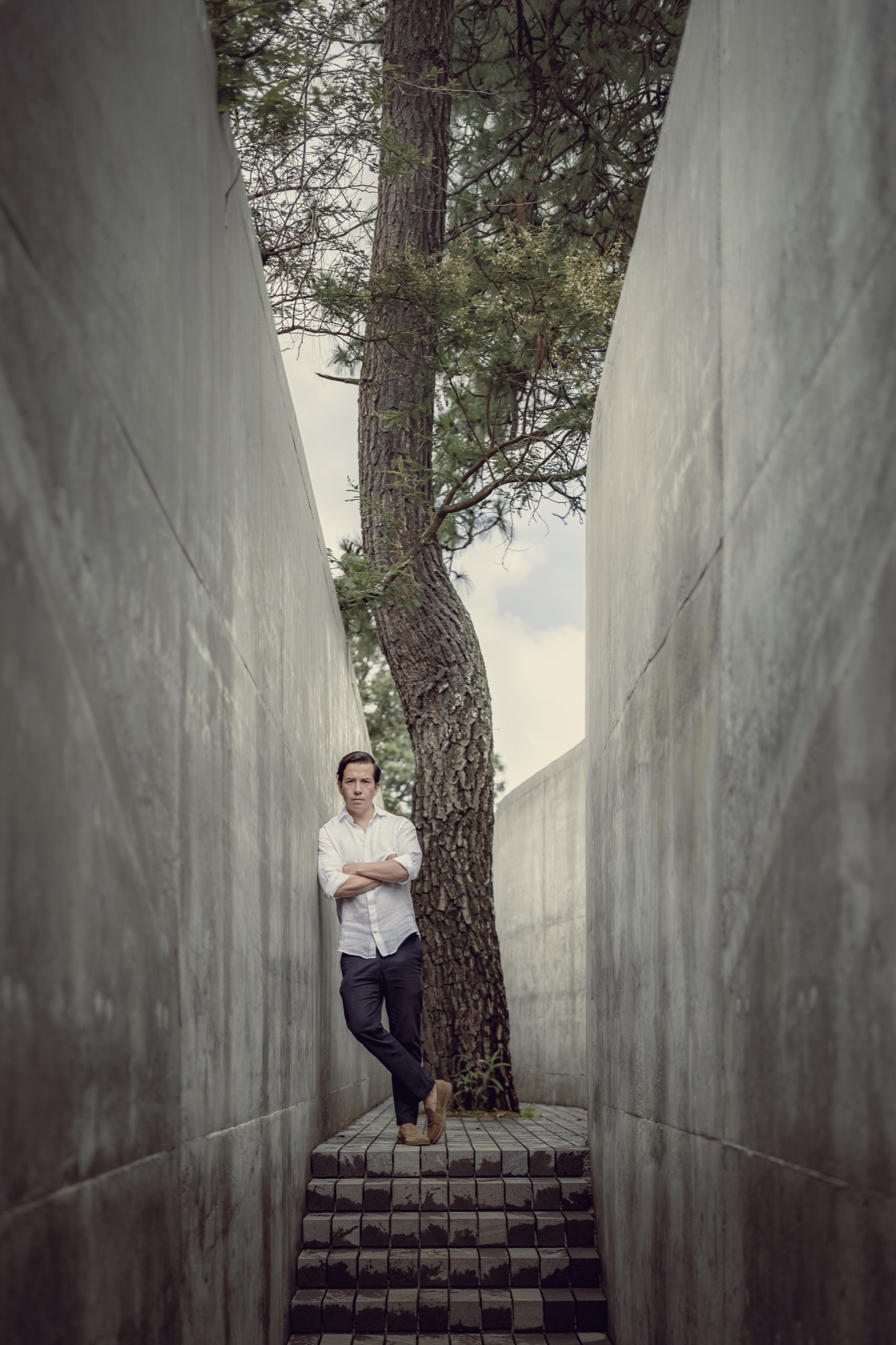
Portrait: IARA
Date: January 2026