Now Reading: Rosa María House in Madrid explores patios, light and measured domestic space
- 01
Rosa María House in Madrid explores patios, light and measured domestic space

Rosa María House in Madrid explores patios, light and measured domestic space

In Madrid, delaVegaCanolasso, led by Ignacio de la Vega and Pilar Cano-Lasso, designs Rosa María House as a residential project structured by light, proportion, and controlled integration with the landscape. The spatial organization prioritizes continuity between interior and garden through a sequence of calibrated relationships rather than formal expression.

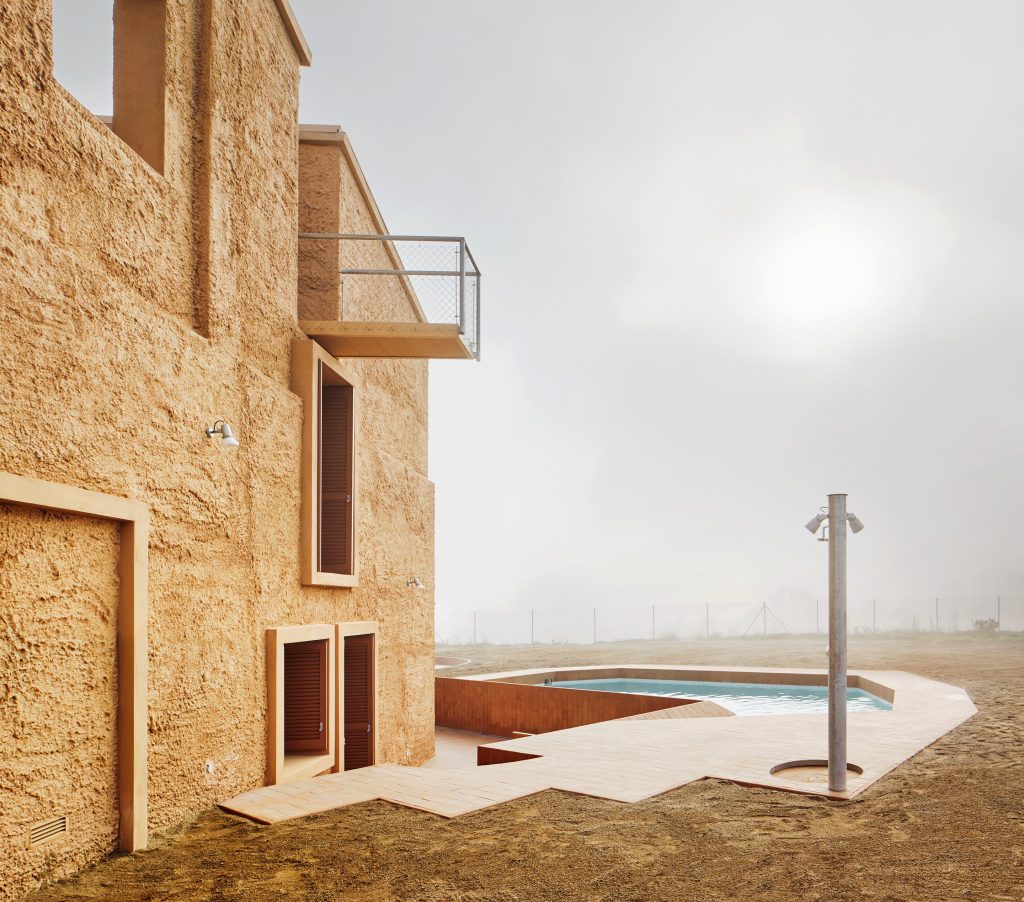
The project is organized around two patios that function as primary spatial devices. They introduce light, ventilation, and visual continuity, extending the garden into the interior. Seasonal performance is embedded in their design, with winter light penetration and summer cooling supported by a reflecting pool that contributes to microclimatic regulation.


The approach to the house is structured as a controlled spatial sequence. A continuous white wall defines the entry axis, leading to a shaded porch and a gently rising ramp. The transition compresses space and reduces light intensity, preparing the shift from exterior to interior.

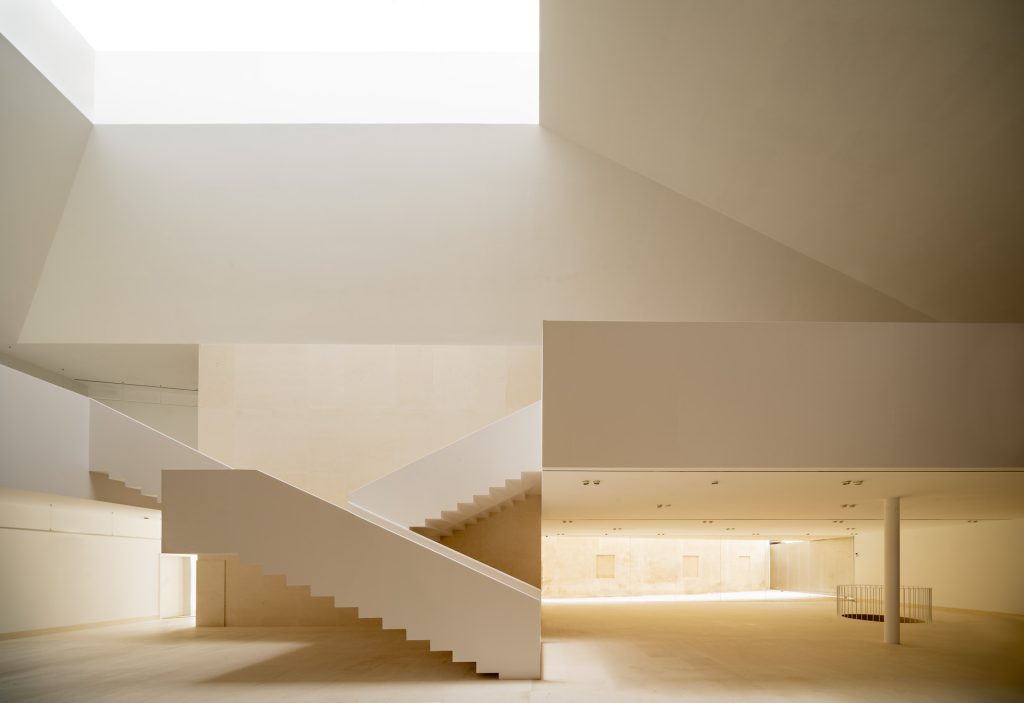
The entrance hall maintains a low height and indirect illumination. Light is introduced through the patios, which organize circulation and establish spatial hierarchy. These courtyards function as primary ordering devices, guiding movement toward the main living area, where the volume expands and daylight is fully distributed.


The layout is defined by orientation and sectional variation. Bedrooms are positioned to the east to receive morning light and are set slightly below the main level. This level difference strengthens the visual and thermal relationship with the garden.


The central patio acts as the core of daily activity. Living and dining spaces open directly onto it and extend toward a south facing porch that controls solar exposure while maintaining continuity between interior and exterior. The house operates as an intermediate condition between enclosure and openness.
The roof is conceived as a geometric surface that modulates light. Its folded configuration defines the overall form while maintaining a restrained expression. Above the main volume, a study is positioned as an elevated space with visual connections to the surrounding landscape.


A suspended staircase defines the vertical axis of the house. Constructed in metal with wooden treads, it is fixed from above without visible supports, allowing it to function as both circulation and spatial marker.


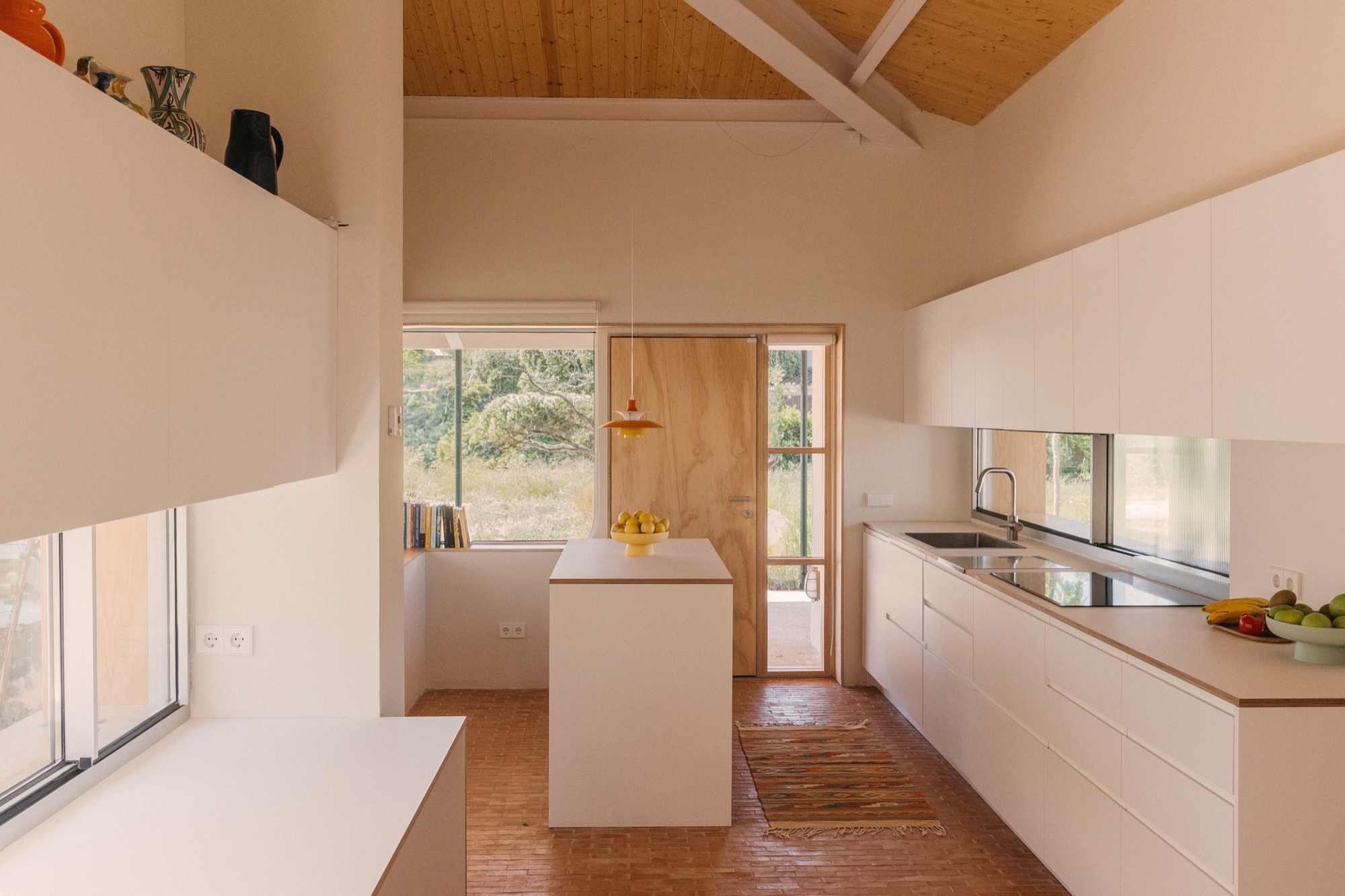
Material selection prioritizes continuity and durability. White rendered walls are combined with pine wood to form a consistent palette. The flooring consists of hand fired clay tiles produced in Morocco, installed over several weeks by artisans. In contrast, the metal roof structure was prefabricated and assembled on site with precision, establishing a balance between craft and industrial processes.


The project is defined by restraint, using proportion, light, and material consistency to organize space and support everyday inhabitation.
Project Credit
Design firm: delaVegaCanolasso / @delavegacanolasso
Location: Madrid, España.
Area: 320m2
Project year : 2024
Photo: Paco Marín / @pacomarinphoto
Aereal photos: Studio cafecito / @studio.cafecito
More Photos