
Designed by Atelier Andy Carson, G code is a bespoke stainless steel cutlery collection that reframes industrial precision as a form of quiet elegance. Conceived at the intersection of architecture,

Designed by Atelier Andy Carson, G code is a bespoke stainless steel cutlery collection that reframes industrial precision as a form of quiet elegance. Conceived at the intersection of architecture,
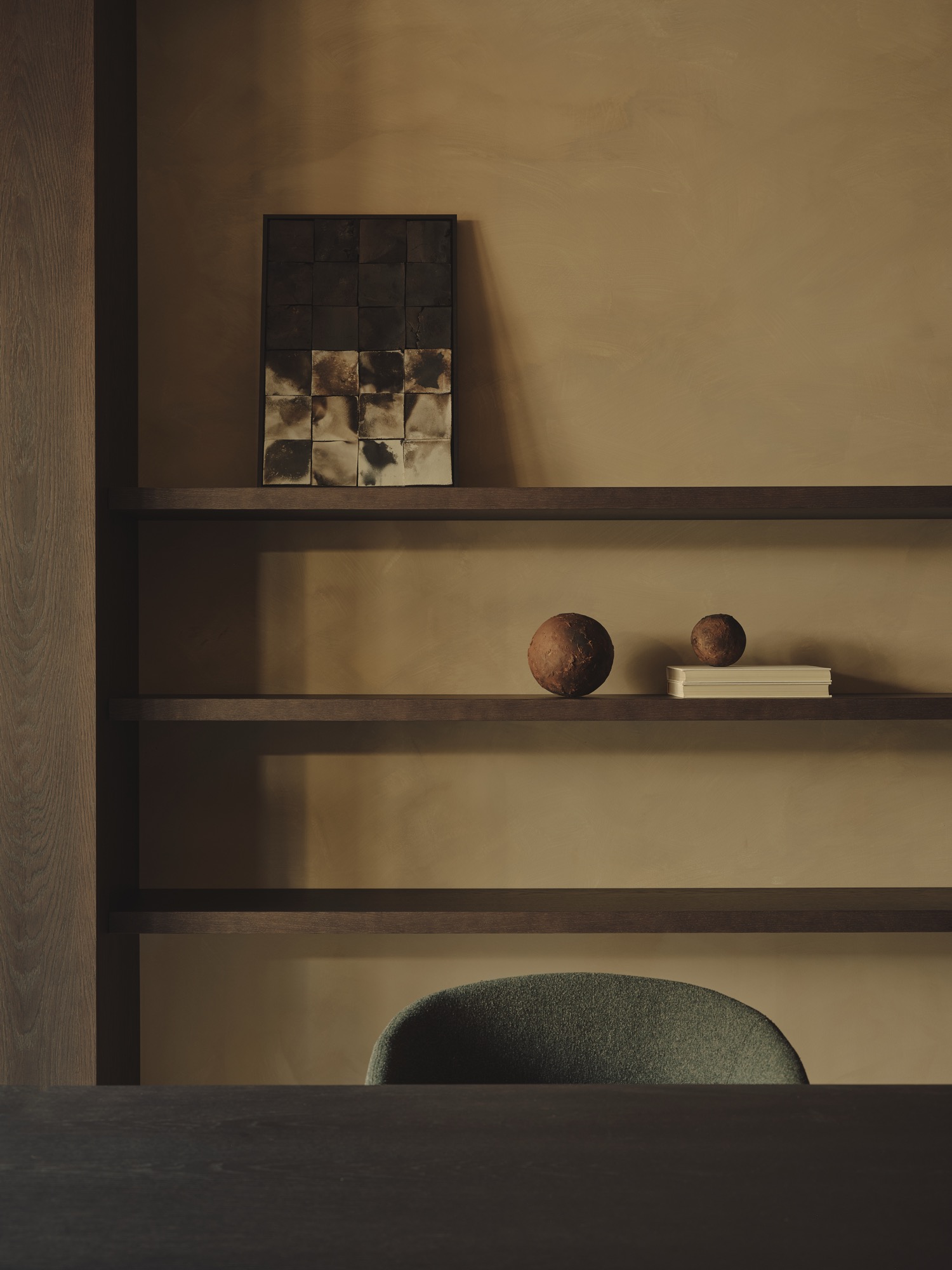
Step into a workspace that celebrates a material dialogue with Mediterranean light, enhancing both comfort and creativity in Valencia.
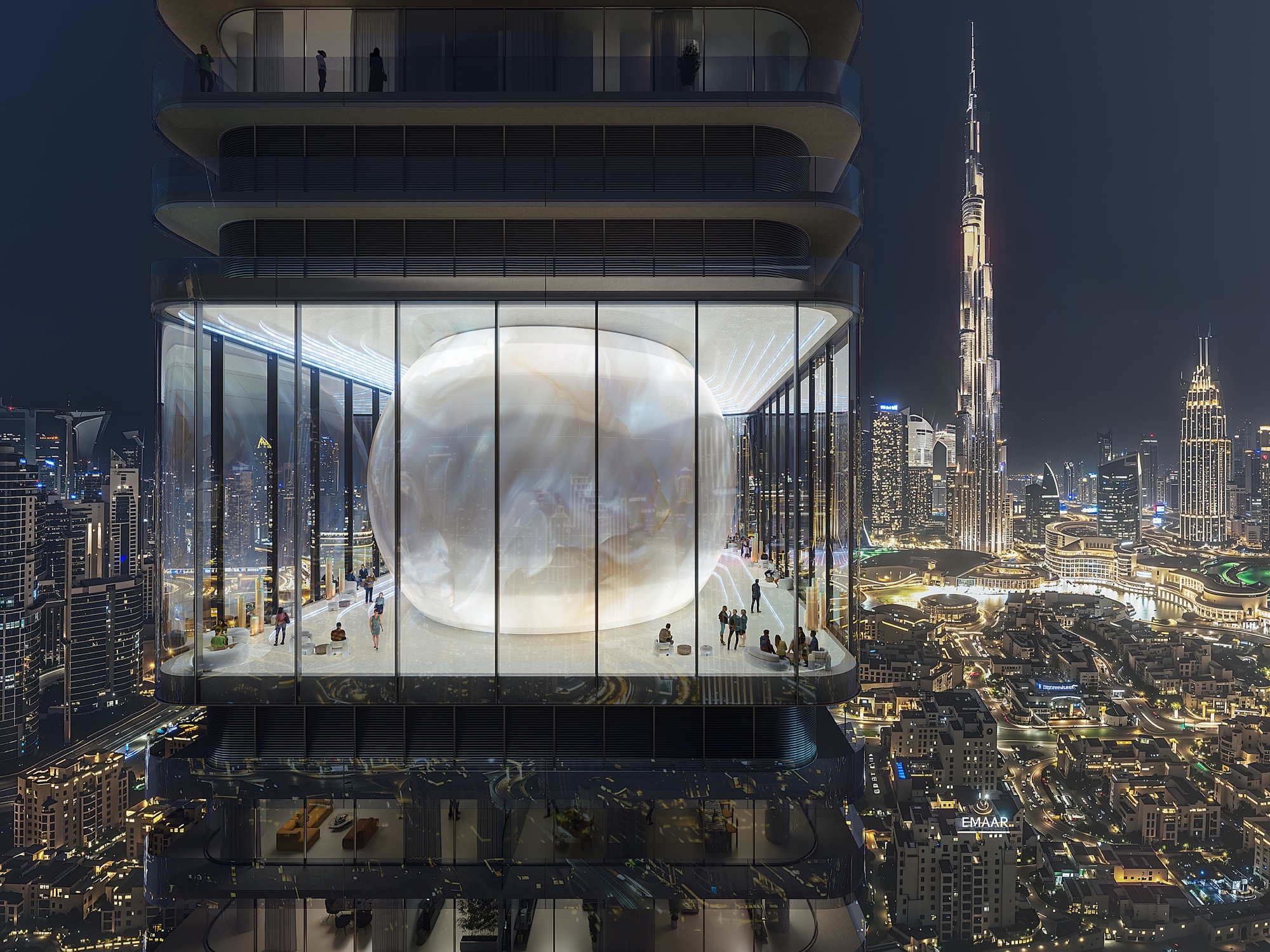
MVRDV wins Dubai competition with Inaura, a luxury tower defined by a glowing Sky Lounge and restrained architectural clarity.
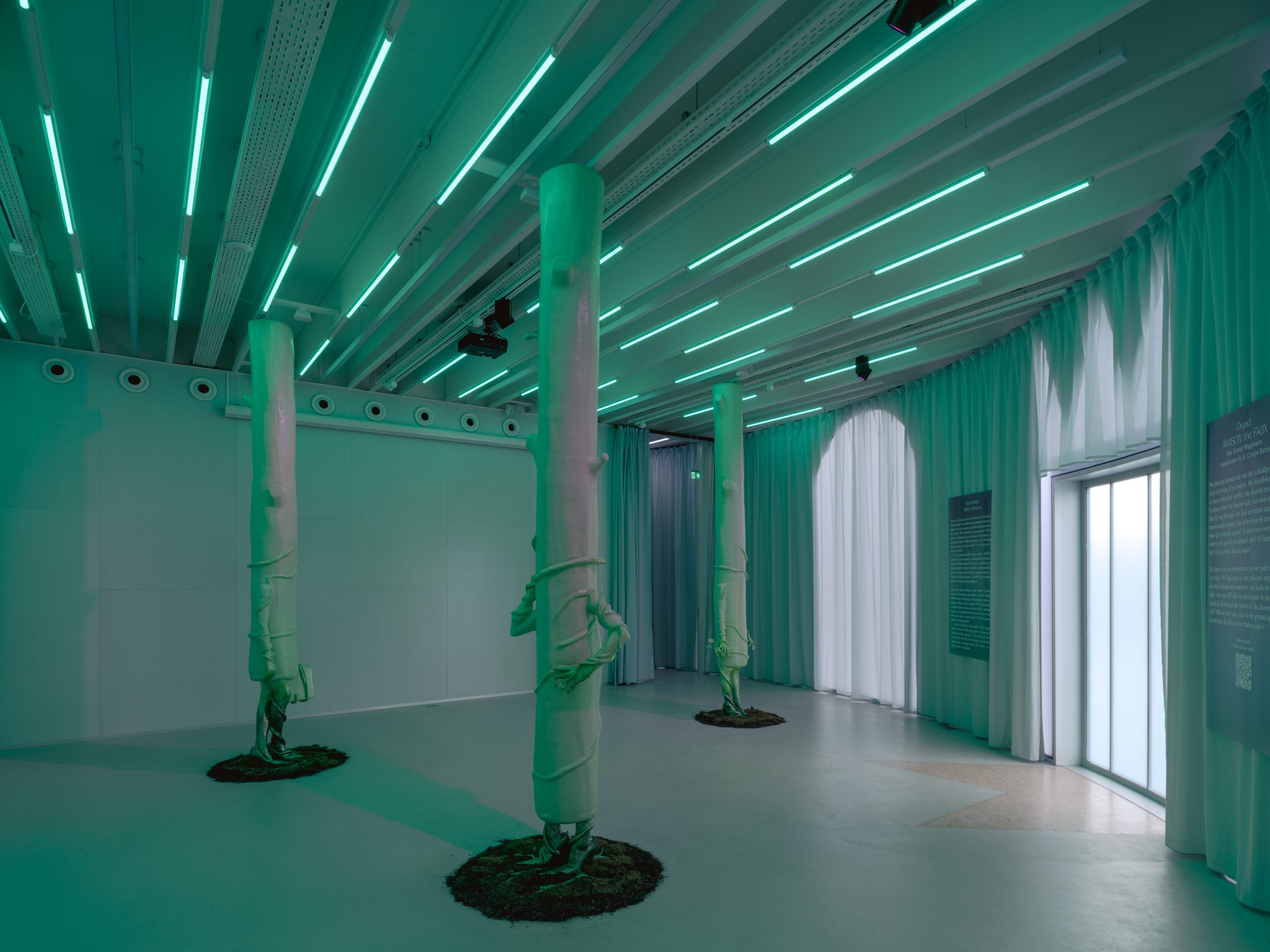
Art Pavilion M by Studio Ossidiana floats on Weerwater in Almere as a museum, public space and ecological landscape formed by three connected rings.
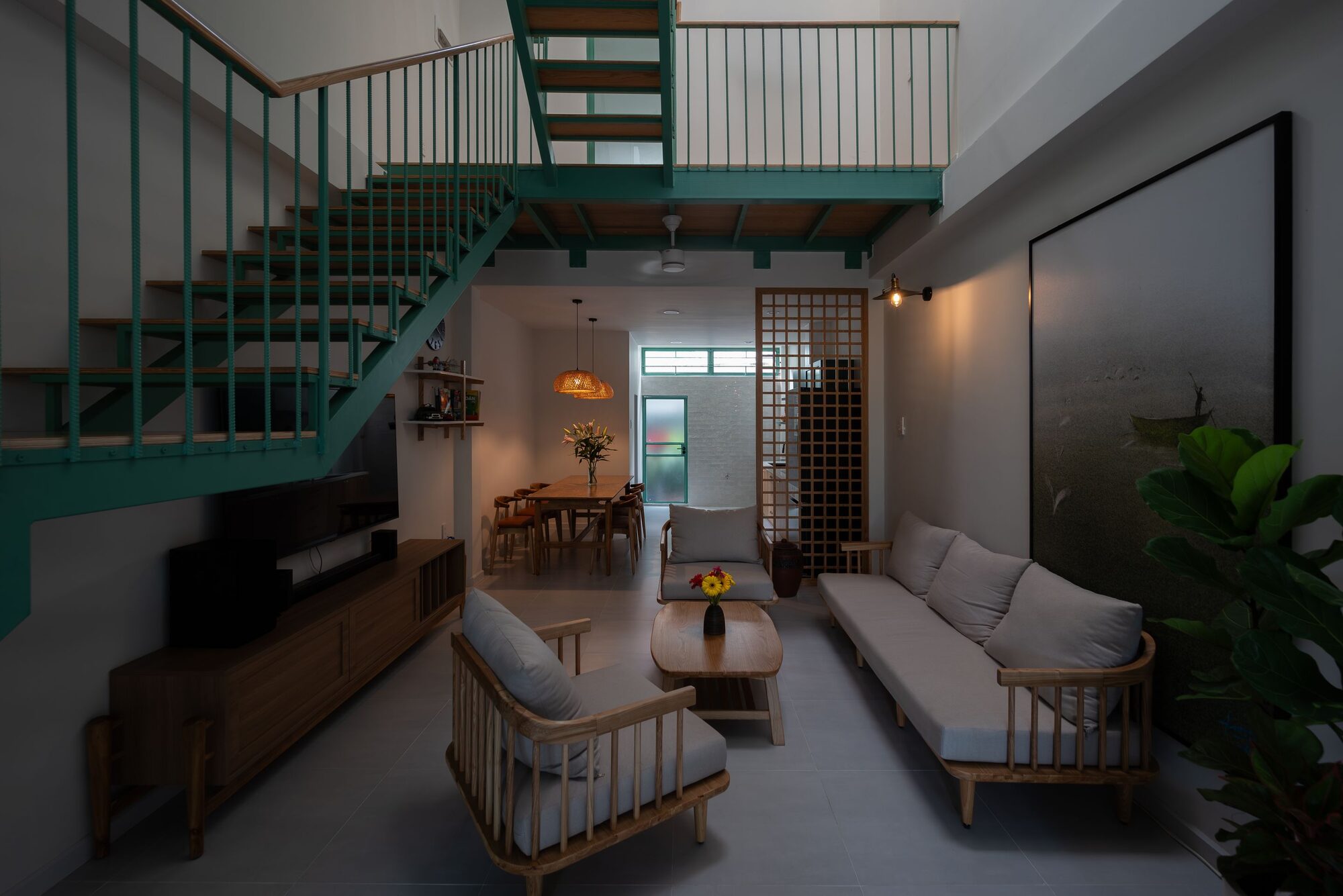
Designed by SPACE+ Architecture, Hau Giang House combines tropical passive design with contemporary living inspired by the Mekong Delta.
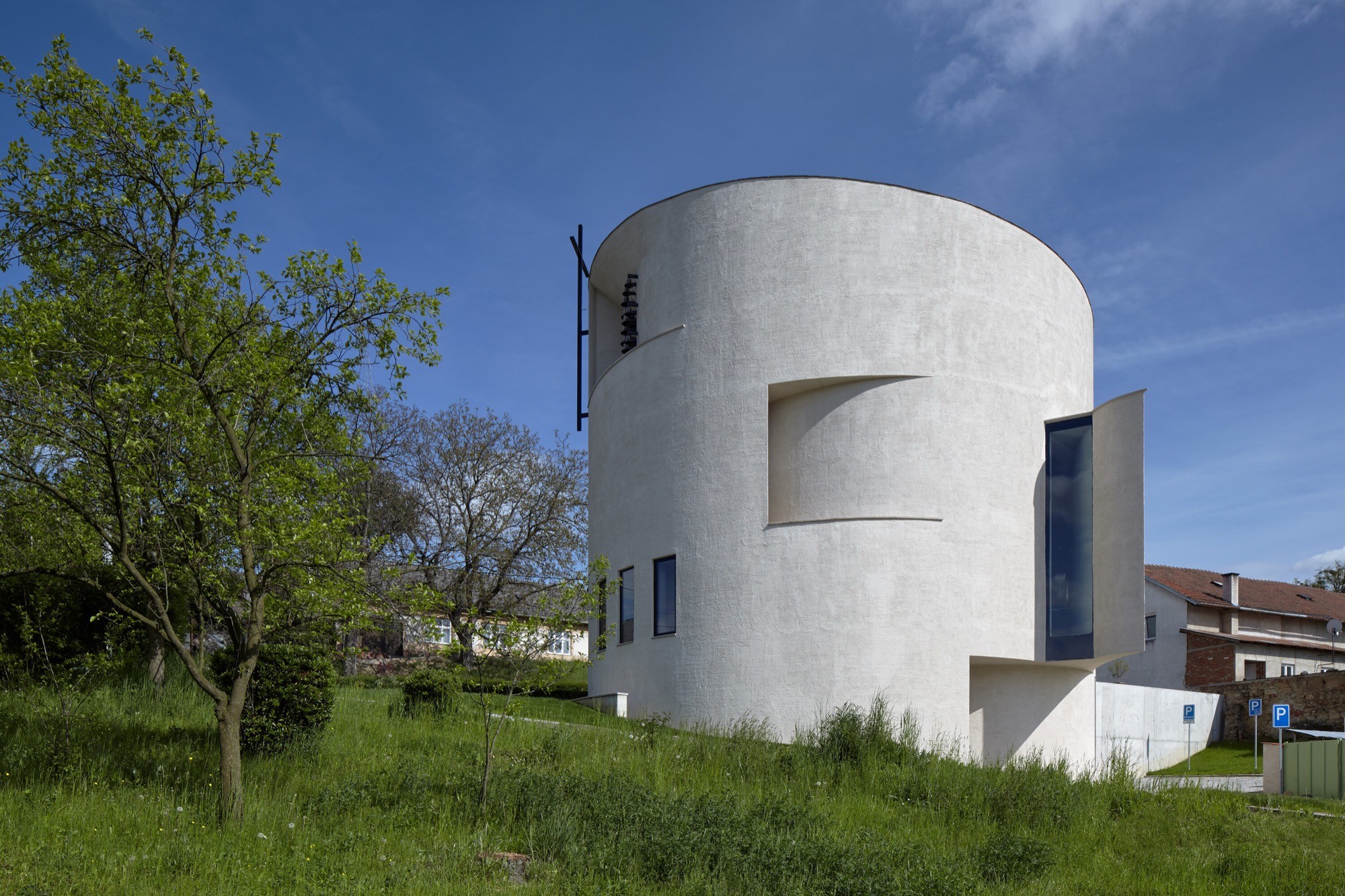
In the Moravian village of Sazovice, the Church of St. Wenceslas stands as a calm, contemporary answer to a long held desire. The ambition to build a local church first
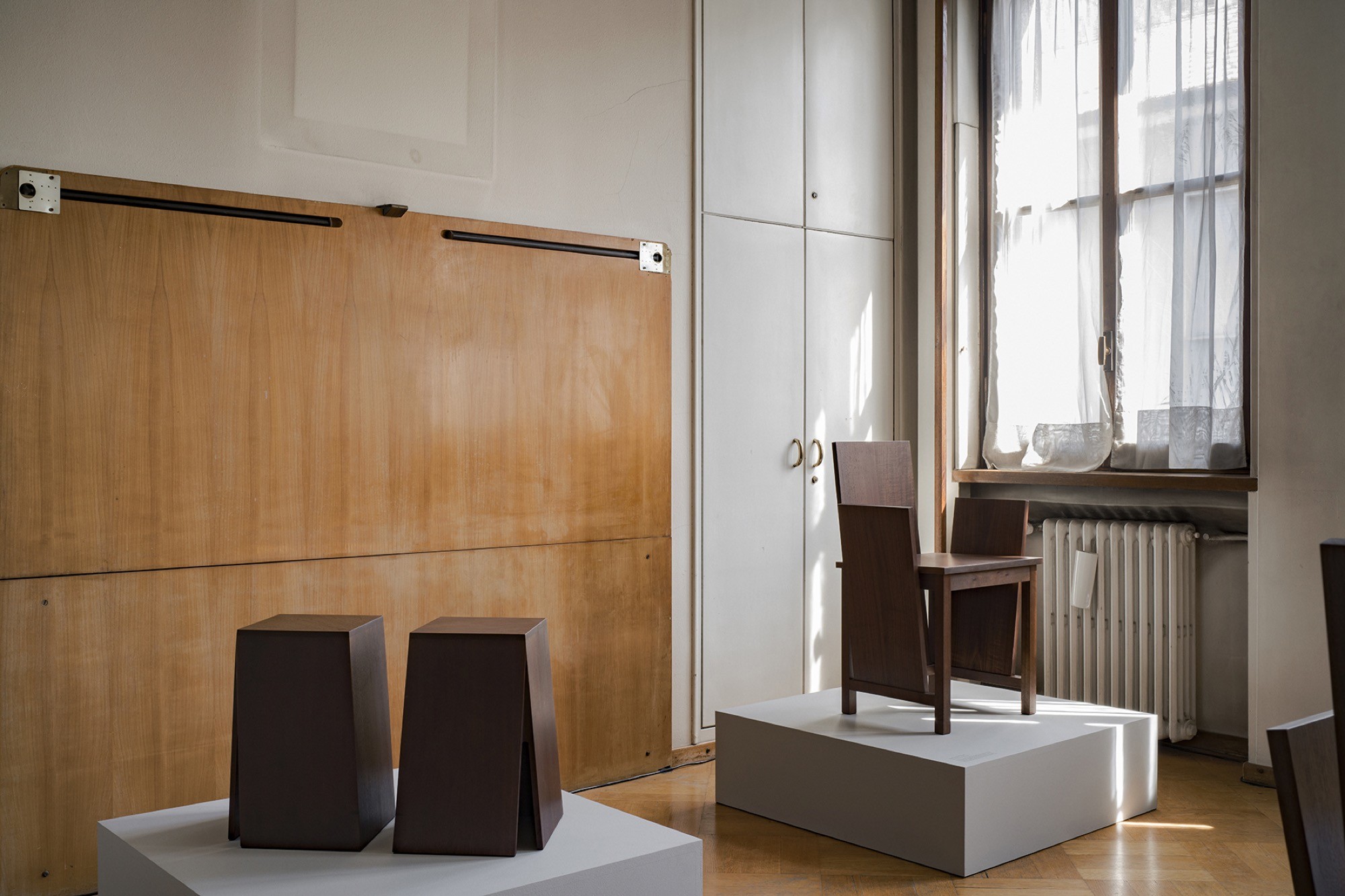
Minimalism has long been framed as an ethic of subtraction, a refusal of excess in favour of clarity, restraint, and quiet utility. Deconstructed Minimalism proposes a different kind of discipline:
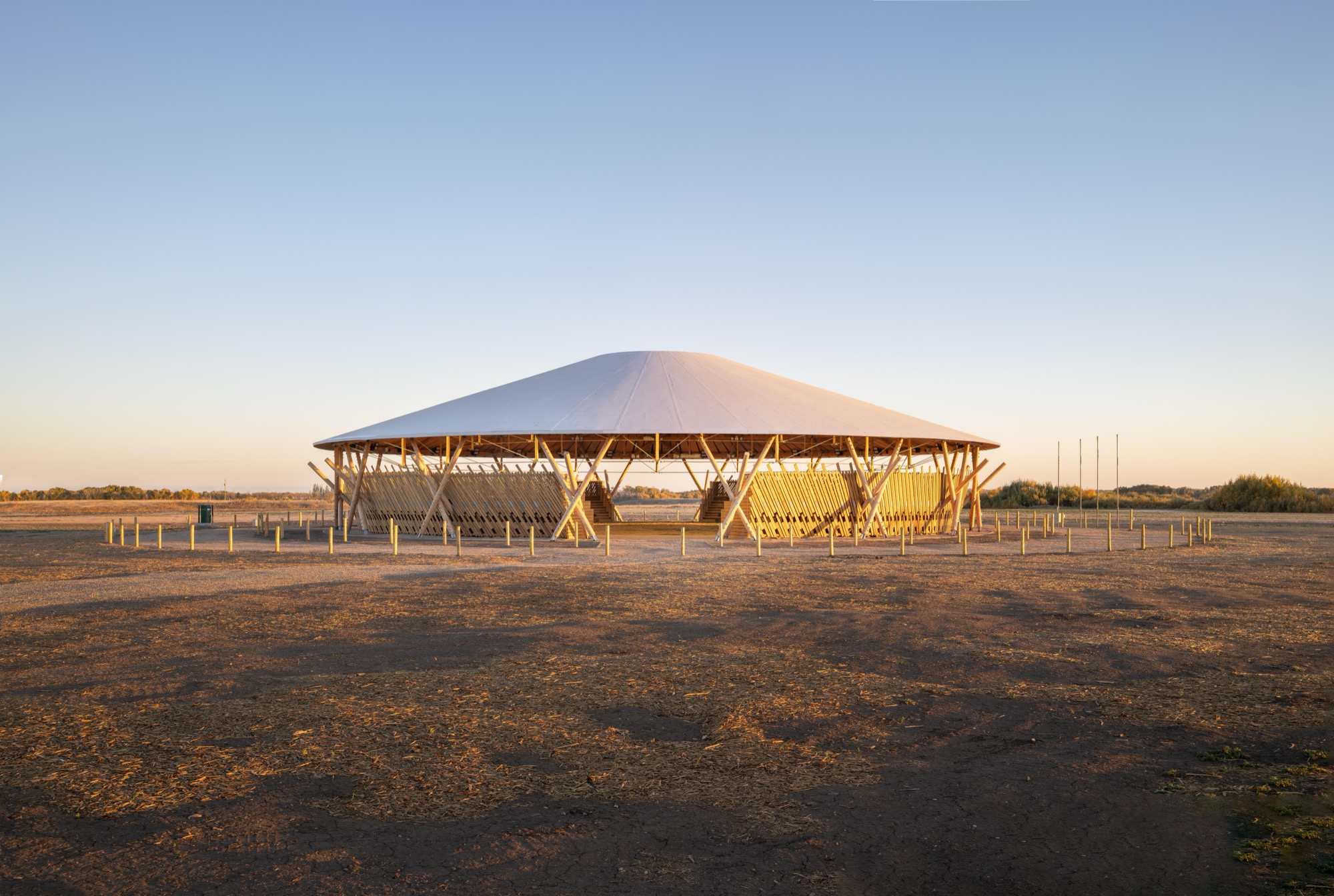
Oxbow Architecture and Richard Kroeker’s Muscowpetung Powwow Arbour in Saskatchewan is a circular timber structure rooted in Saulteaux culture.
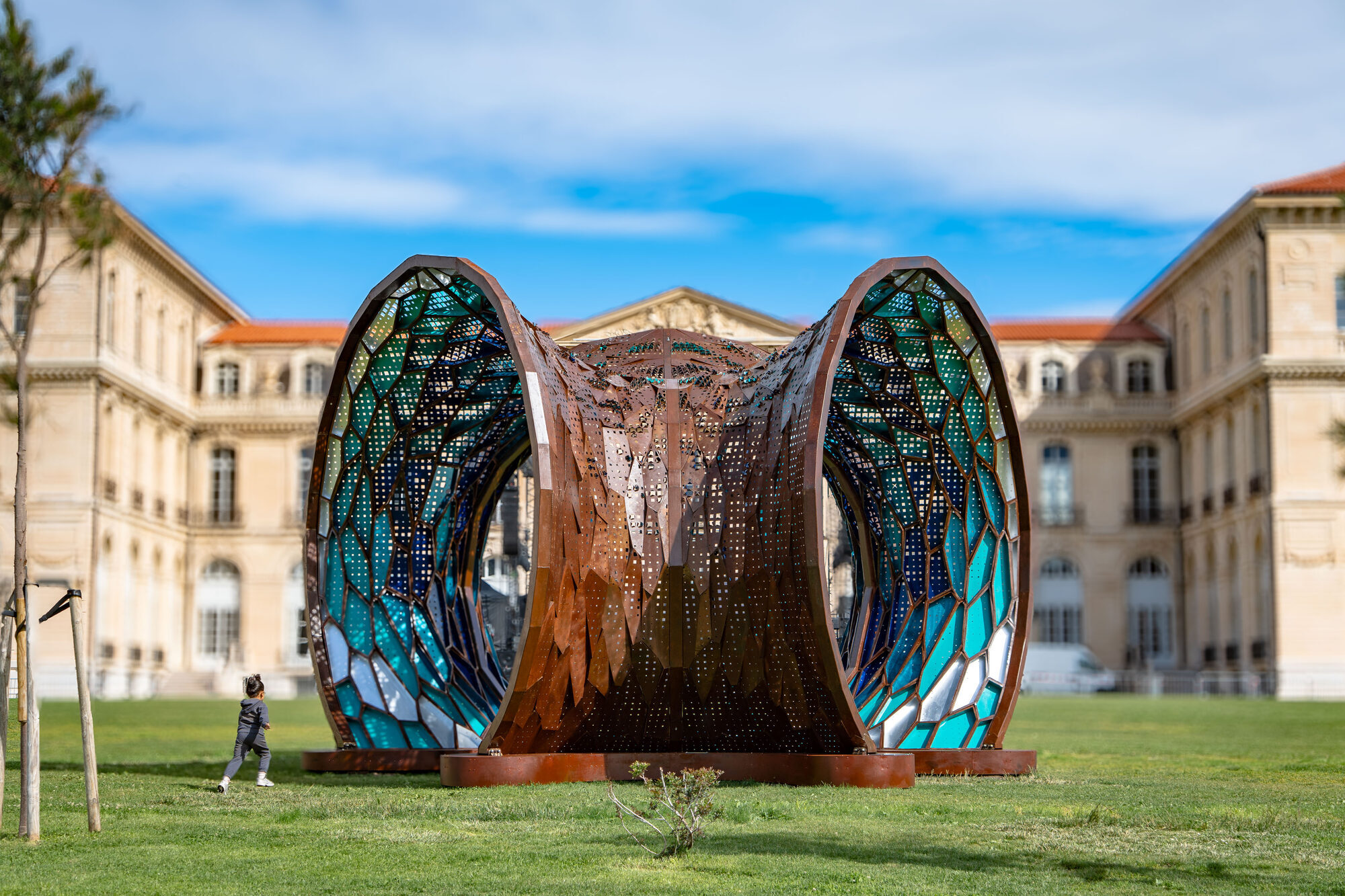
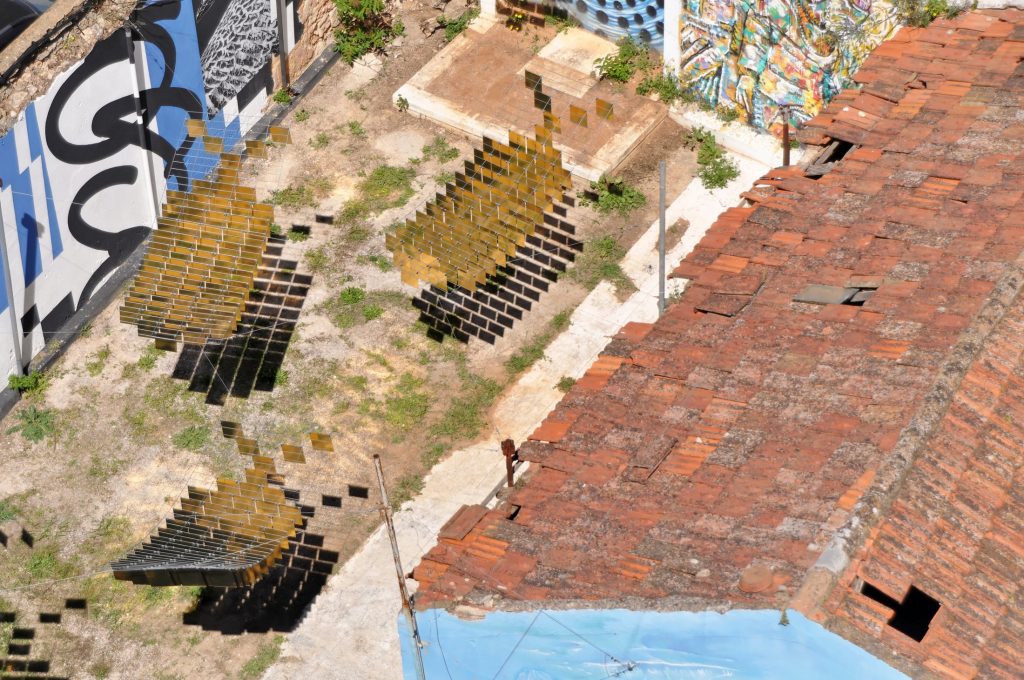
Created for the 2026 Mediterranean Season, Mar Nostro transforms architecture into a space of remembrance, reflecting on migration, belonging, and the shared cultural heritage of the Mediterranean.
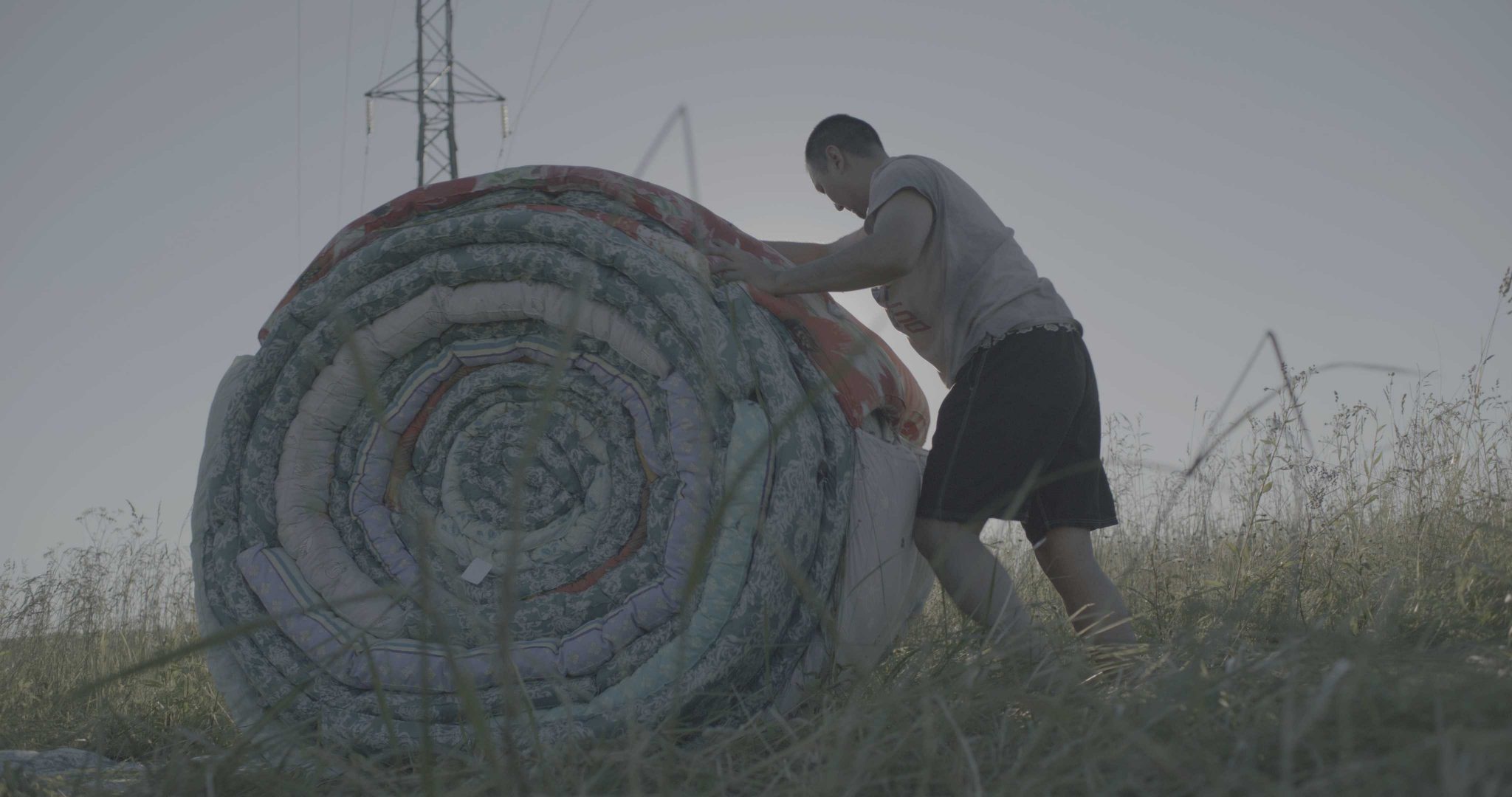
The Kyrgyz artist Chingiz Aidarov died on December 15. The Central Asian art community is deeply saddened by his passing.Born in Bishkek, Kygyzstan in 1984, Chingiz Aidarov studied at ArtEast and became a member of the art groups Zhonele emes, 705, and Zamanbap art. His collective and individual work – spanning performance, painting, illustration, and video – issued biting and satirical takes on the sociopolitical situation in Kygyzstan as well as the experience of migrant workers abroad. He developed a performance practice called ‘nabeg’ comprising incursions or ‘invasions’ in public space.