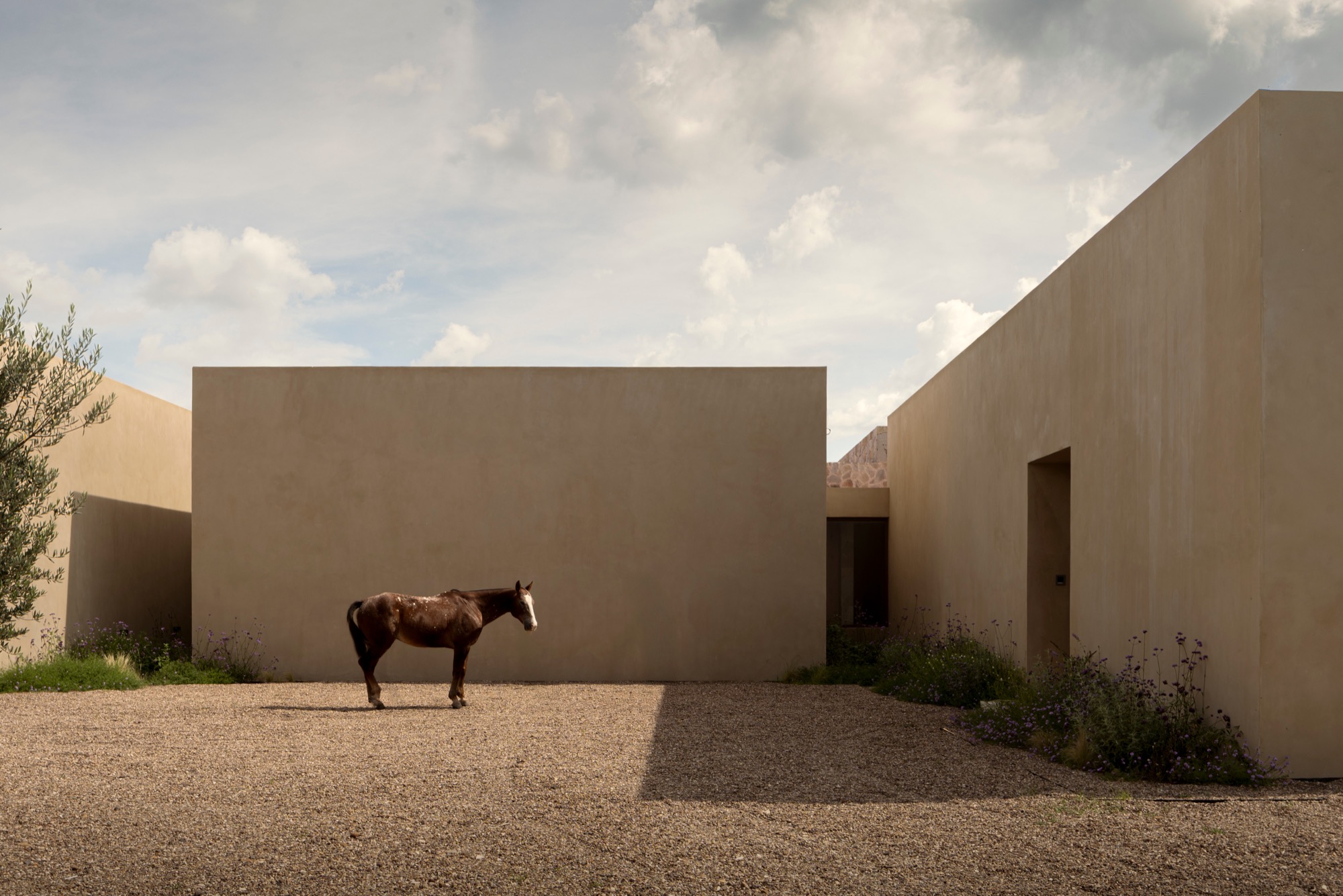
Casa San Francisco blends winemaking heritage, convent architecture, and contemporary Mexican design to create a timeless stone residence in San Miguel de Allende.

Hot Posts21- Page
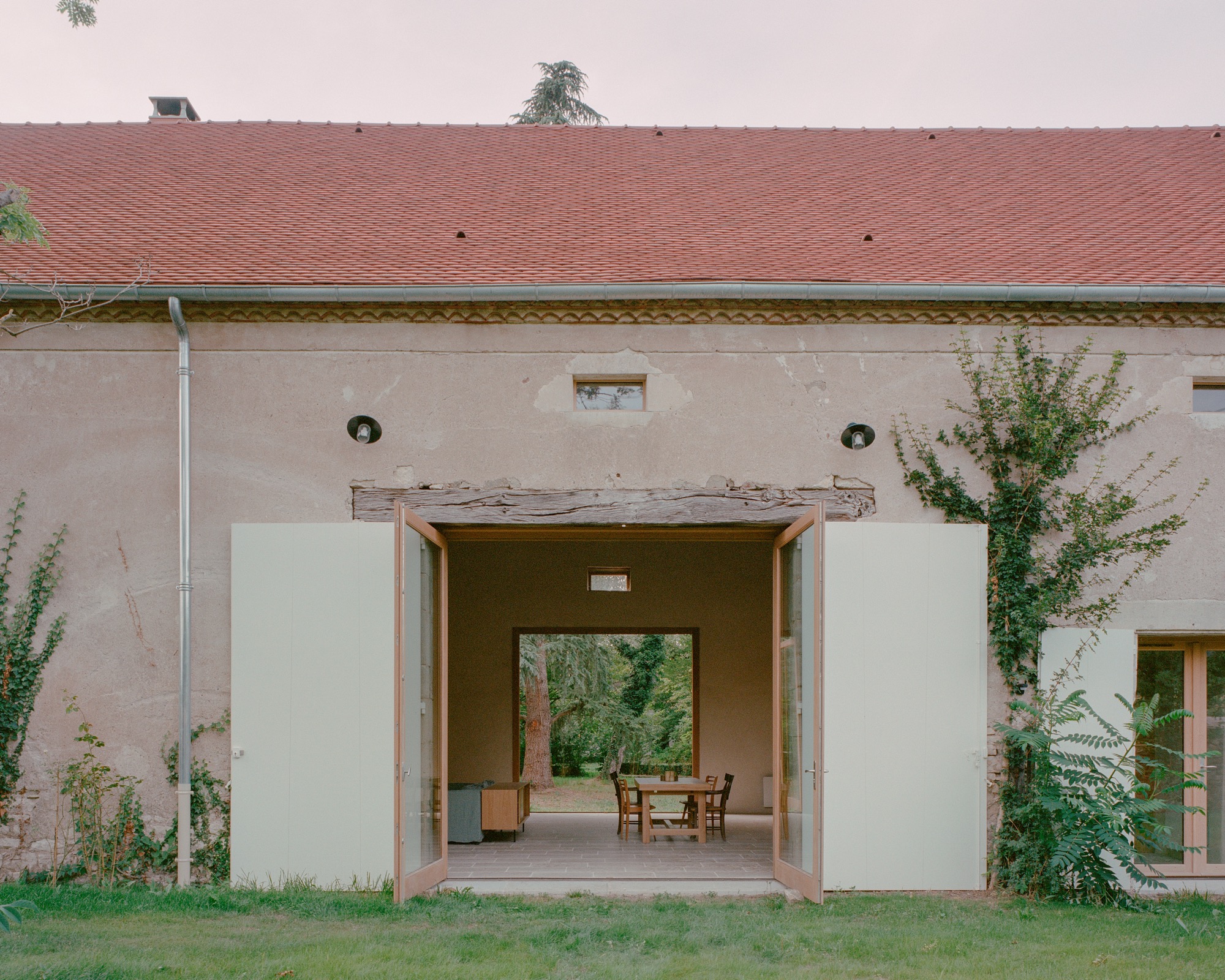
The brief was direct: transform an ancient farmhouse outbuilding into a family home in Chamboirat, a small hamlet in Auvergne’s countryside. From the outside, the structure reads as familiar rural
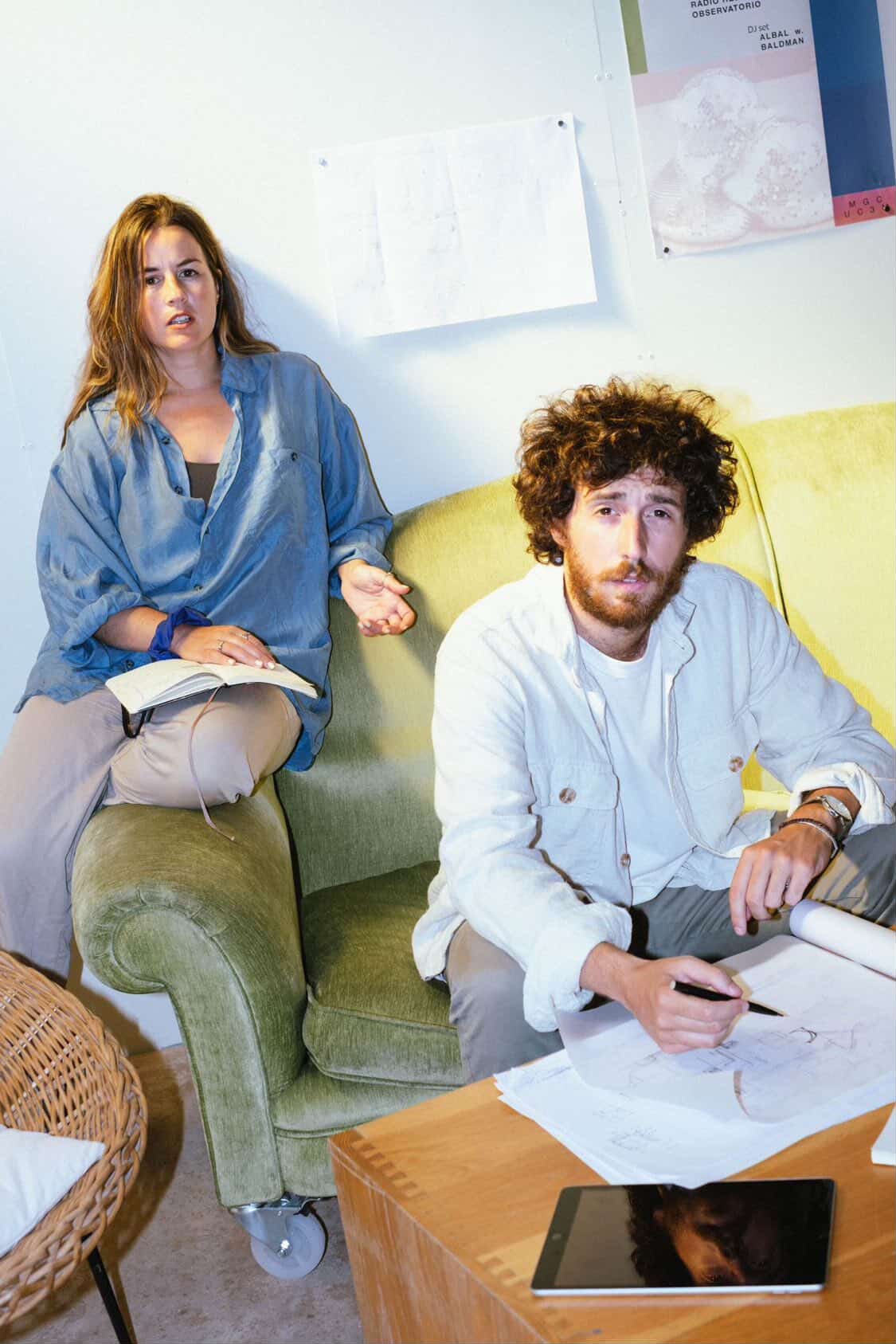
ba-rro reflects on Carabanchel Civic Loft and the evolving relationship between domestic space, production, and the city.

The awards highlight architecture, urbanism, and design as essential drivers of well-being, sustainability, and cultural identity.
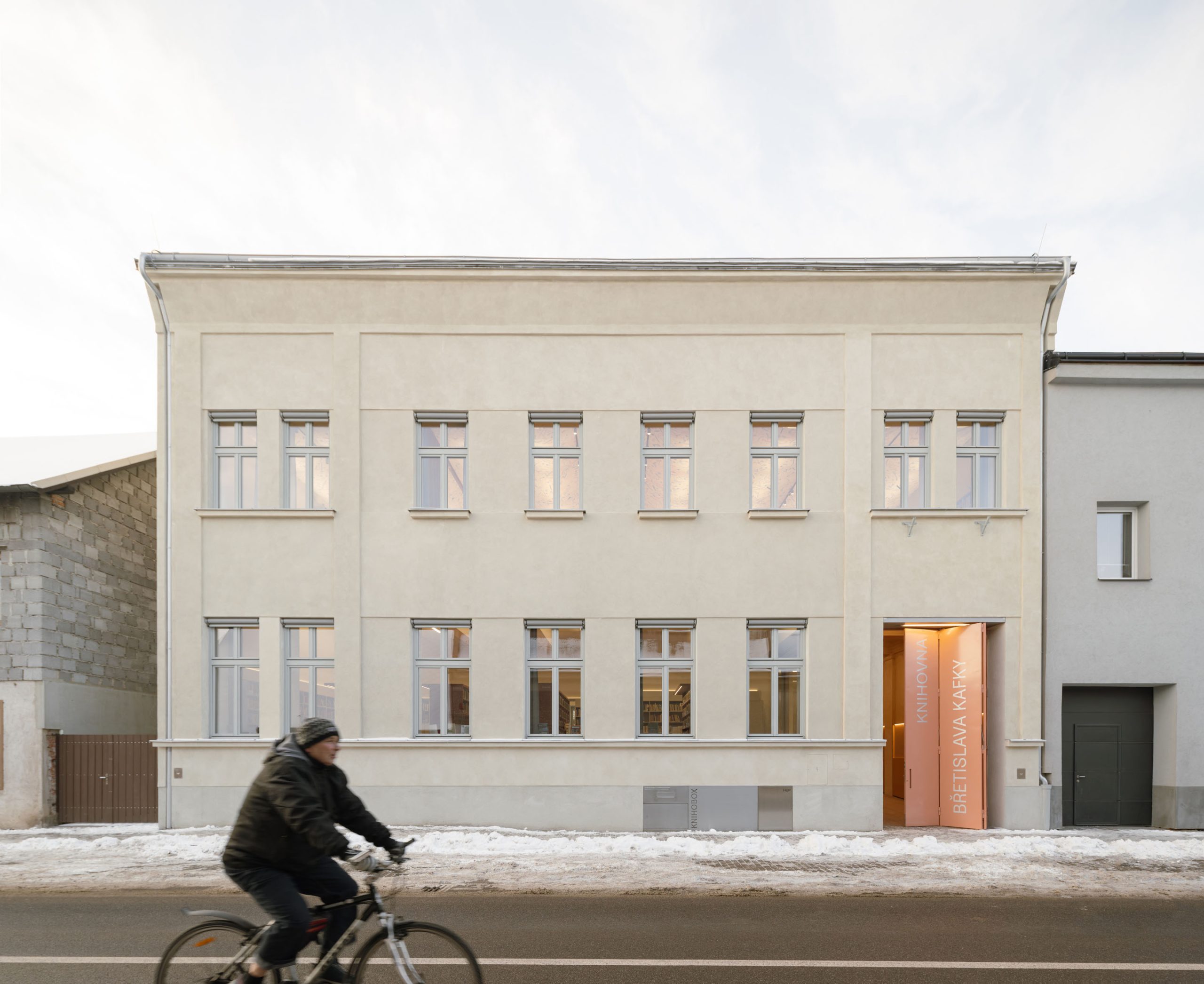
The renovation of Břetislav Kafka Library in Červený Kostelec transforms a historic former inn into a flexible, light filled civic interior defined by red furniture and stainless steel details.
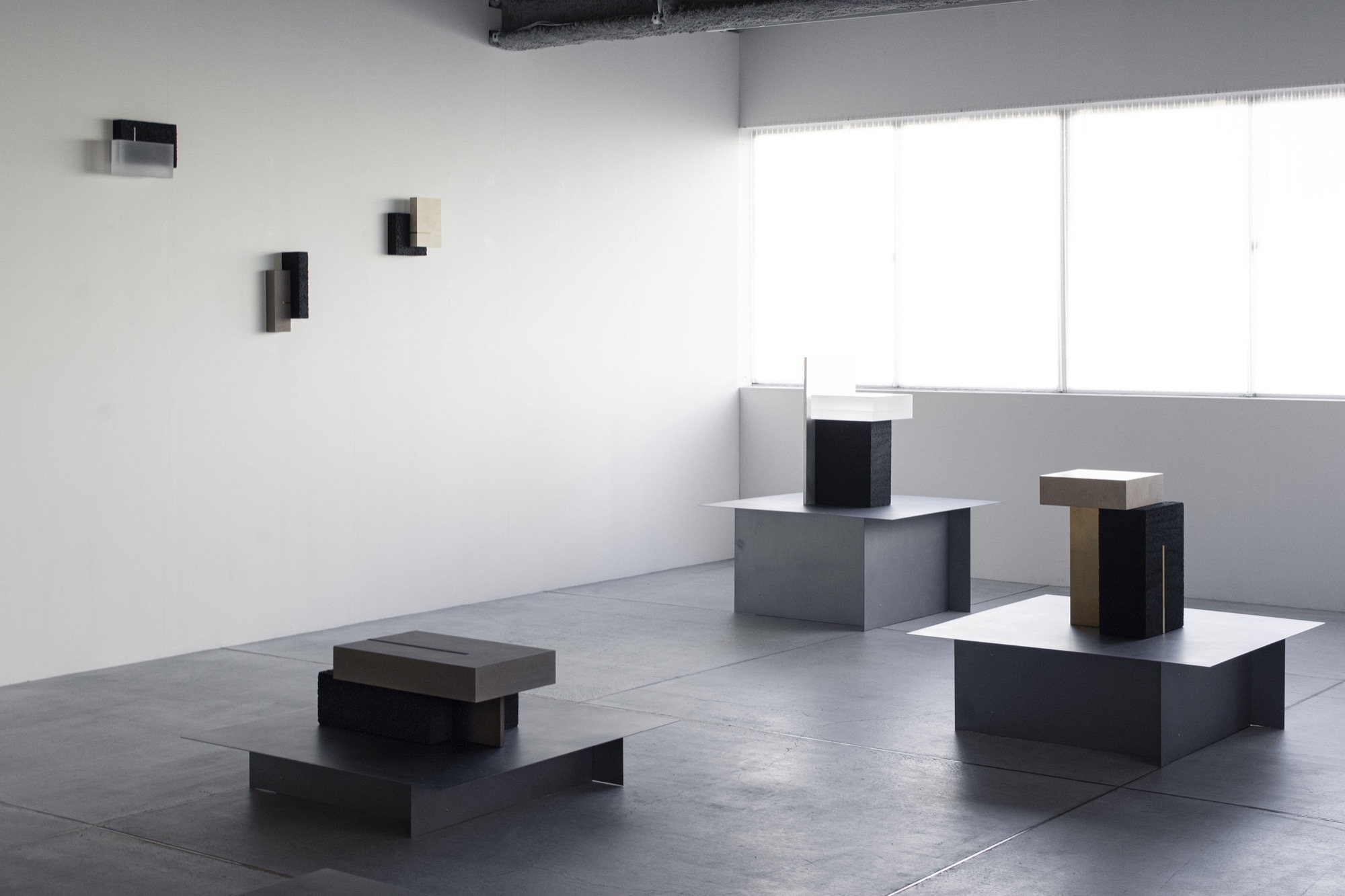
REINTERPRETING AN ANCIENT JAPANESE MATERIAL In Japan, asphalt has been used since the Jomon period, when it served as a binding agent connecting wooden shafts and stone arrowheads for hunting.
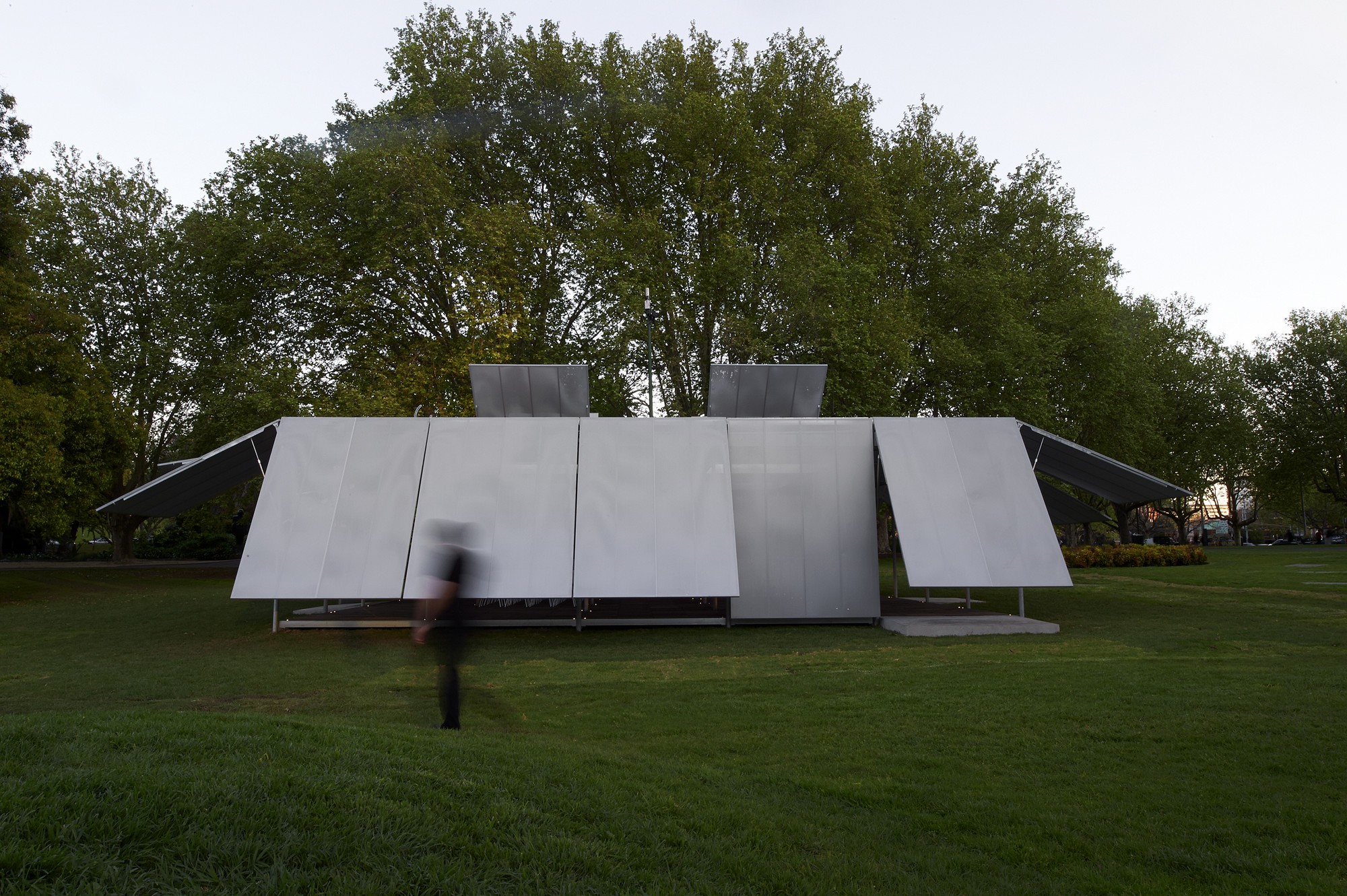
MPavilion 1 reframes Australian outback typologies as a summer cultural venue in Melbourne, pairing a 12m x 12m steel frame with a glazed roof and responsive skin to deliver shade, shelter and civic warmth.
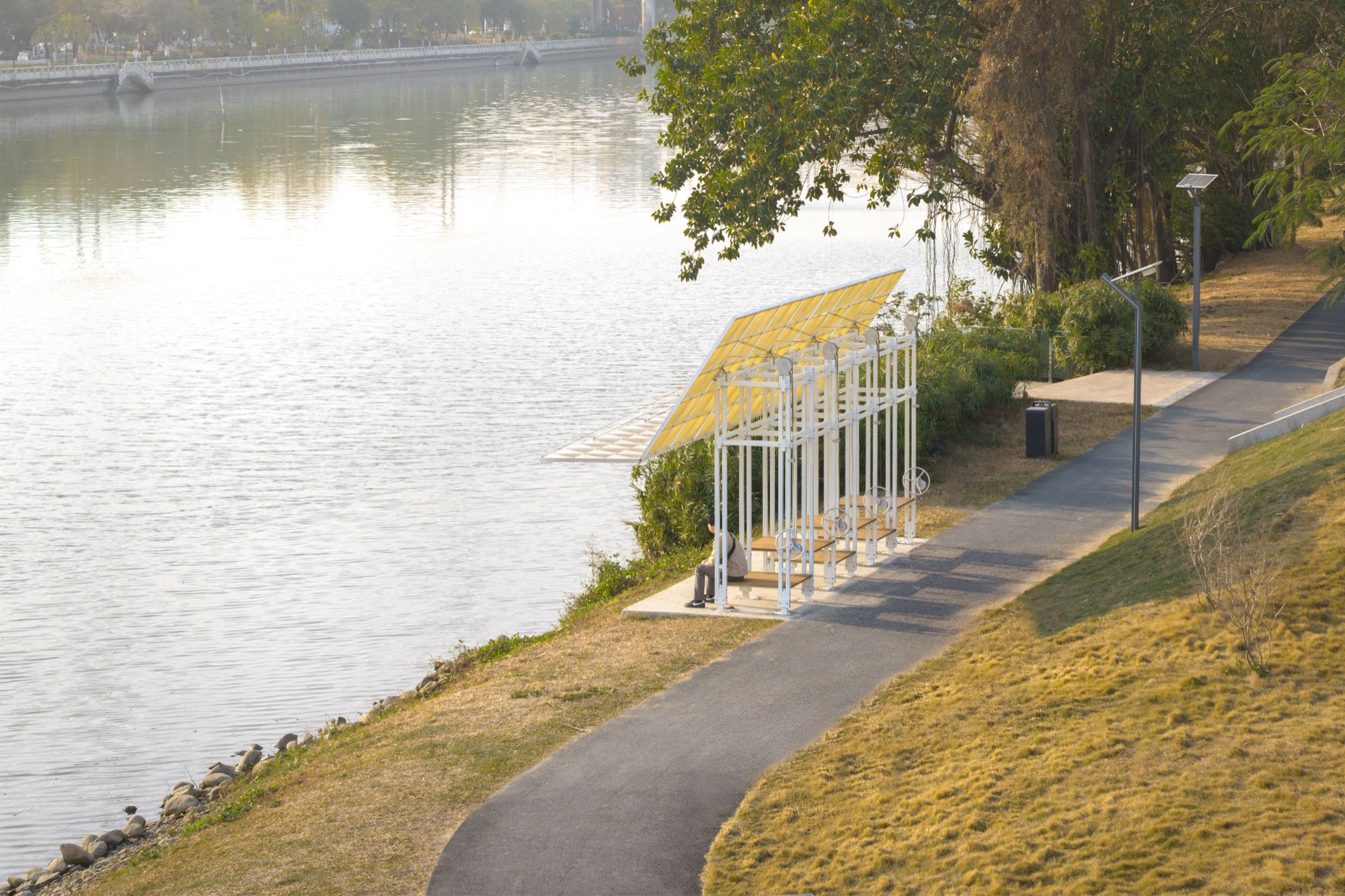
Ambit Narrative Design develops a manually operated modular shading system in Foshan that responds to climate while inviting public participation.
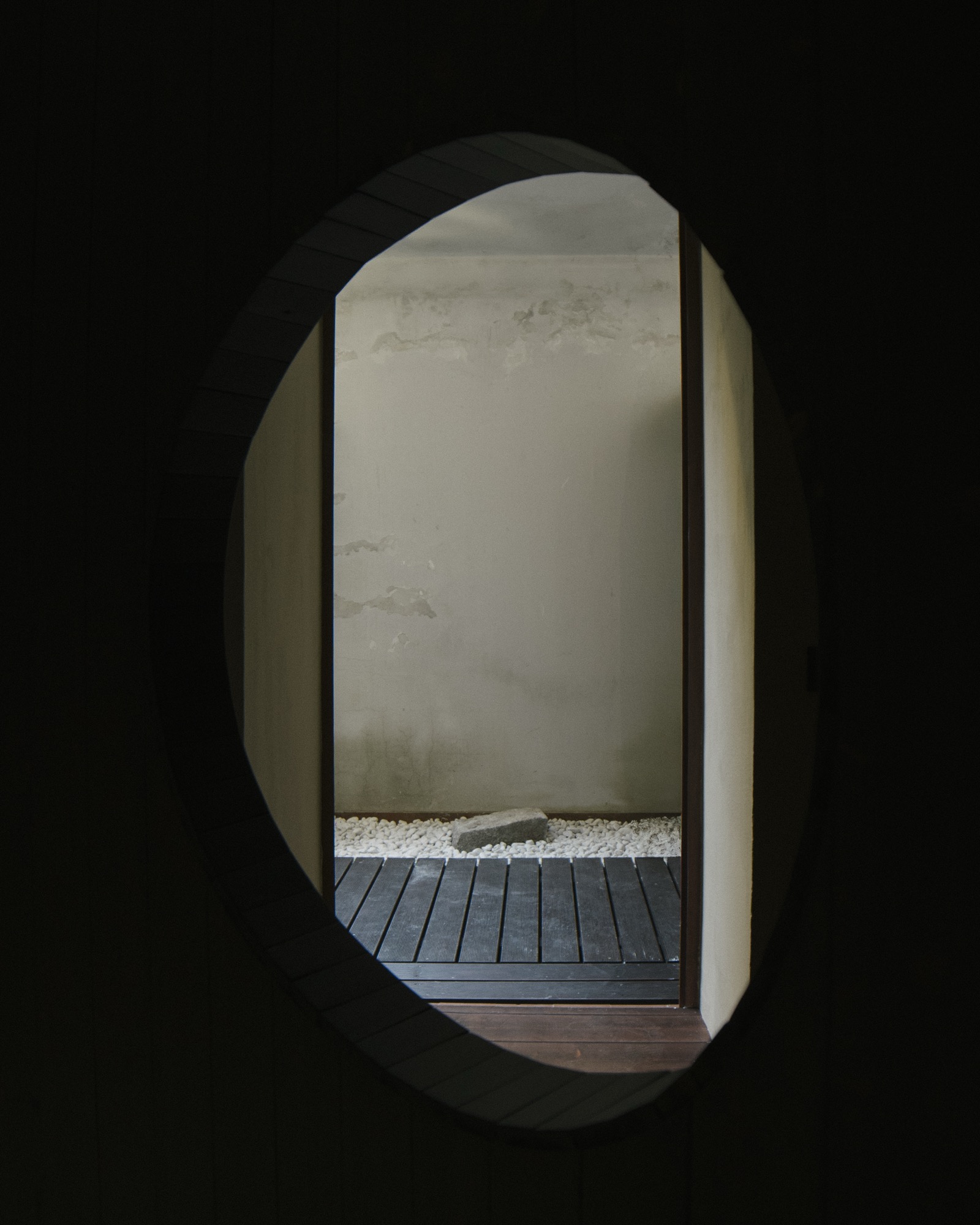
Ekadea Studio in Milan reimagines the ceramic workshop as an immersive architectural environment shaped by curved walls, filtered light and ritual thresholds. The design integrates elements such as okumè plywood worktables, shōji screens and tatami platforms to create a layered spatial experience where craft, material and shadow interact. Through subtle transitions and controlled illumination, the studio offers a quiet refuge from the city while celebrating the gestures of artisanal practice.
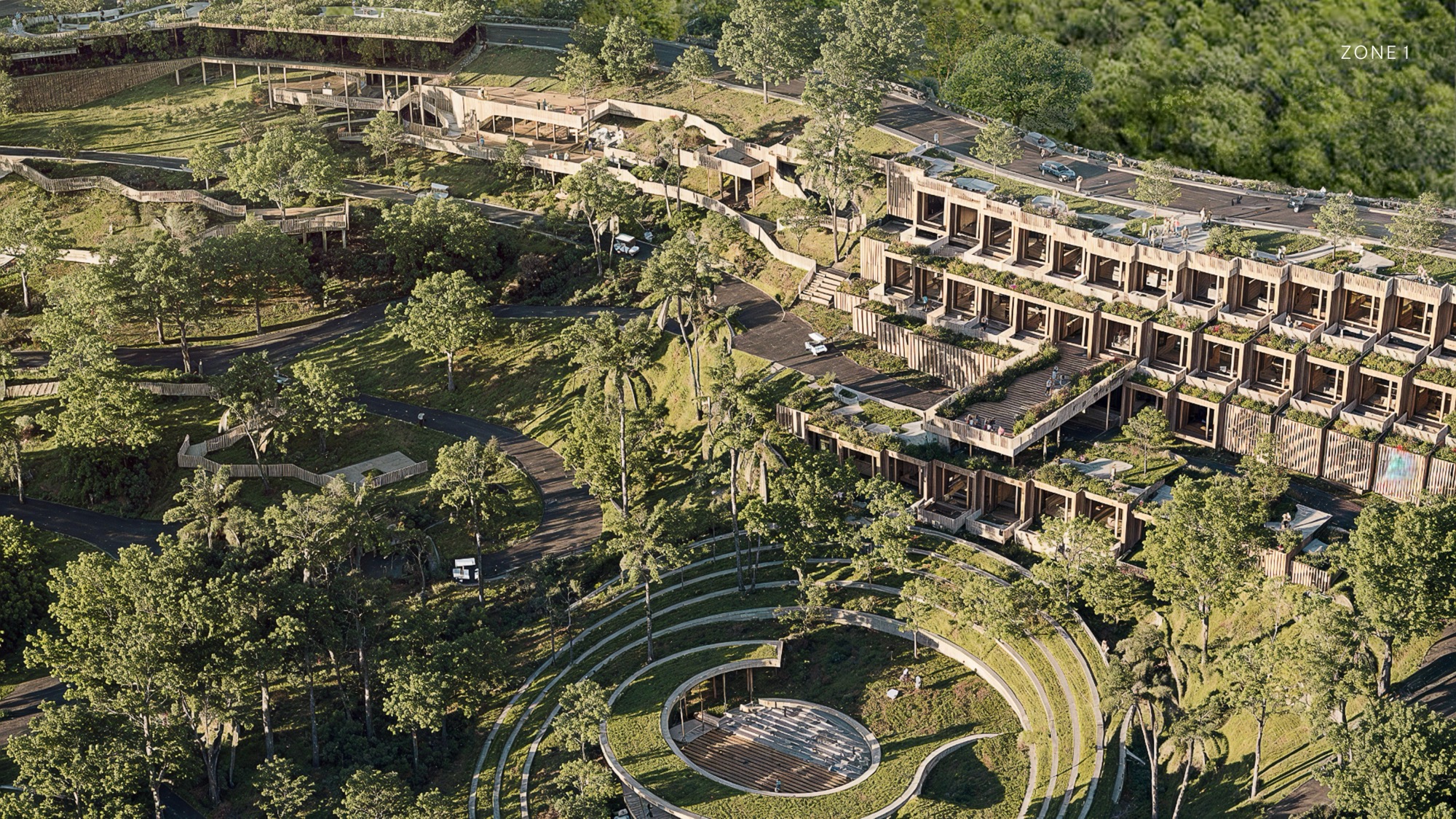
Luana Farms is built on a clear refusal: the site is not a backdrop for architecture. Instead, it becomes the author of the plan. Plontur’s process begins with the land’s
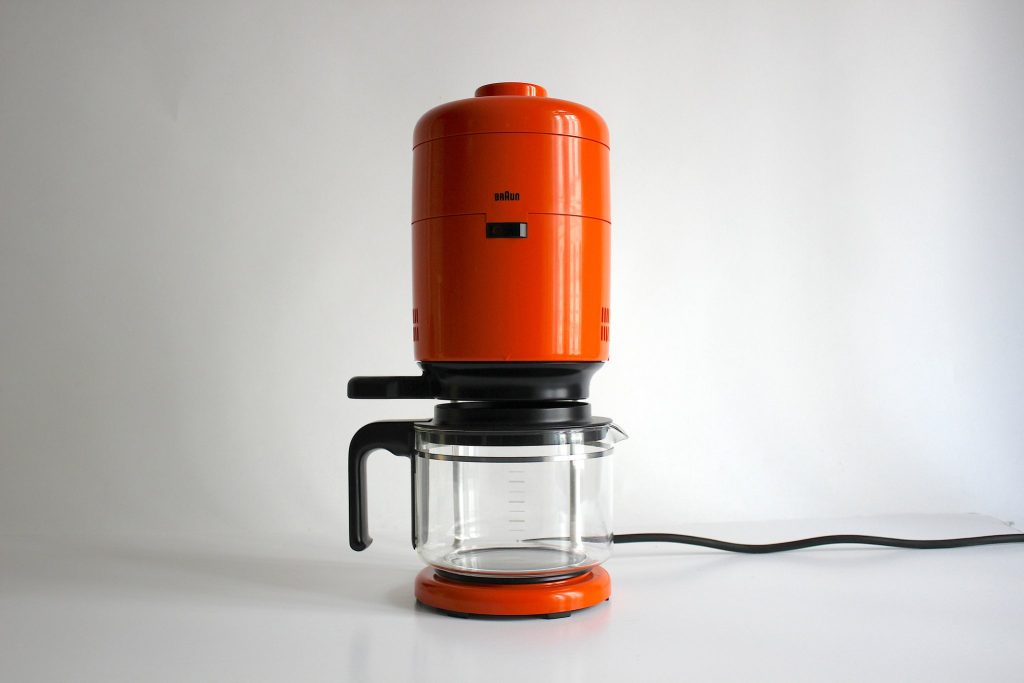
- The timeless elegance of domestic appliances: From the Iconic Braun KF 20 aromaster to the German design ethos

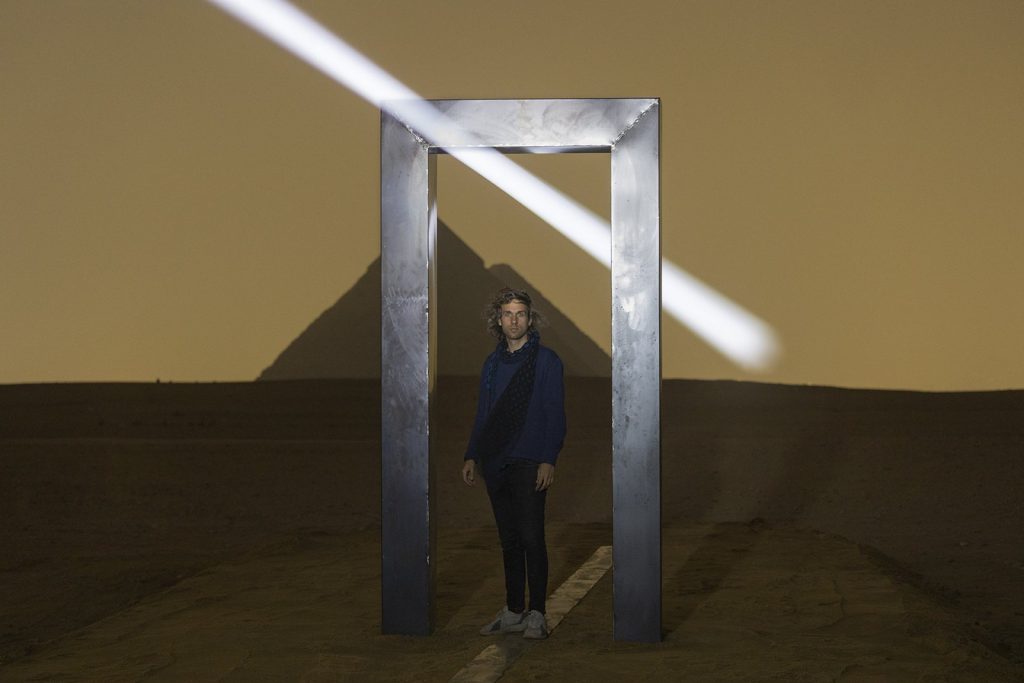
- Emilio Ferro on the light, sound and memory of a place
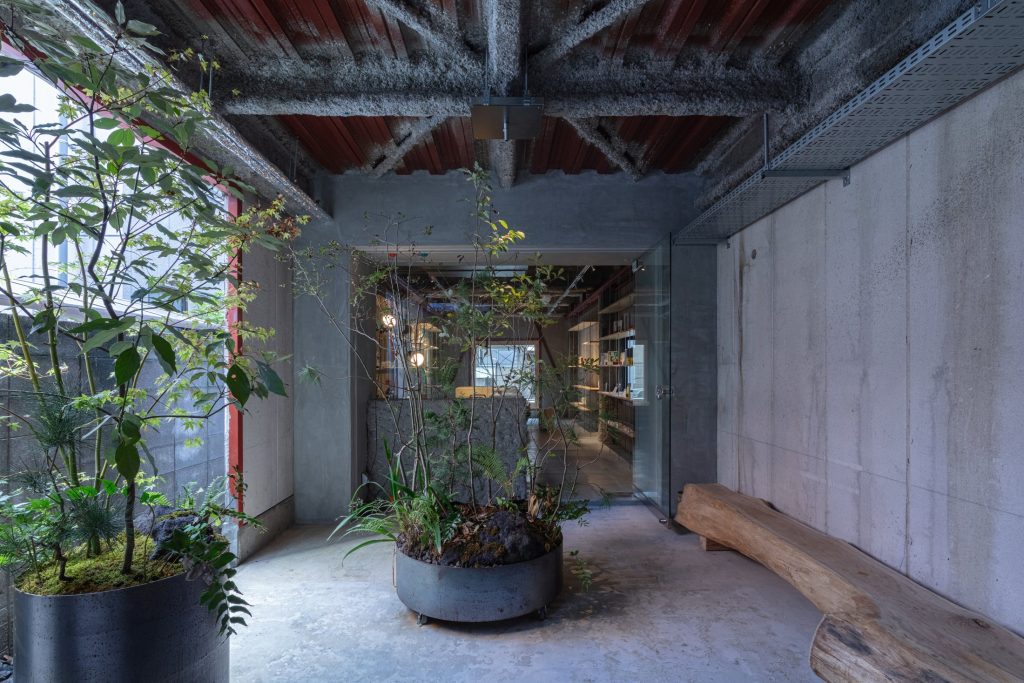
- At Maniwa, an architect’s family home opens to the neighbourhood
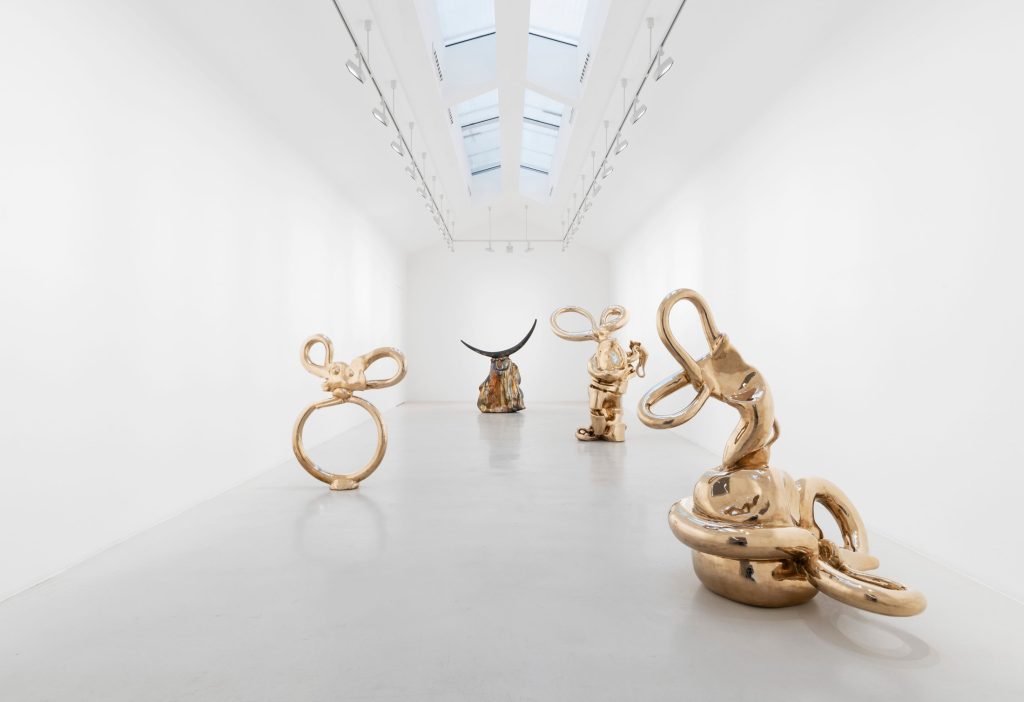
- What bronze remembers of the hand

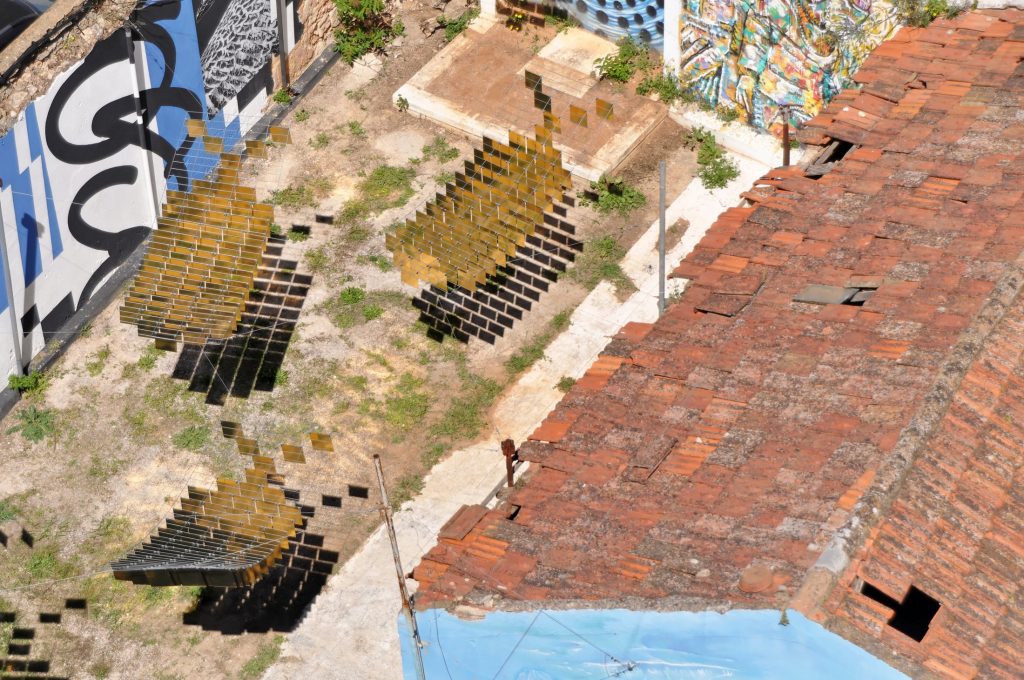
- Caught in light: Moradavaga’s suspended shoal

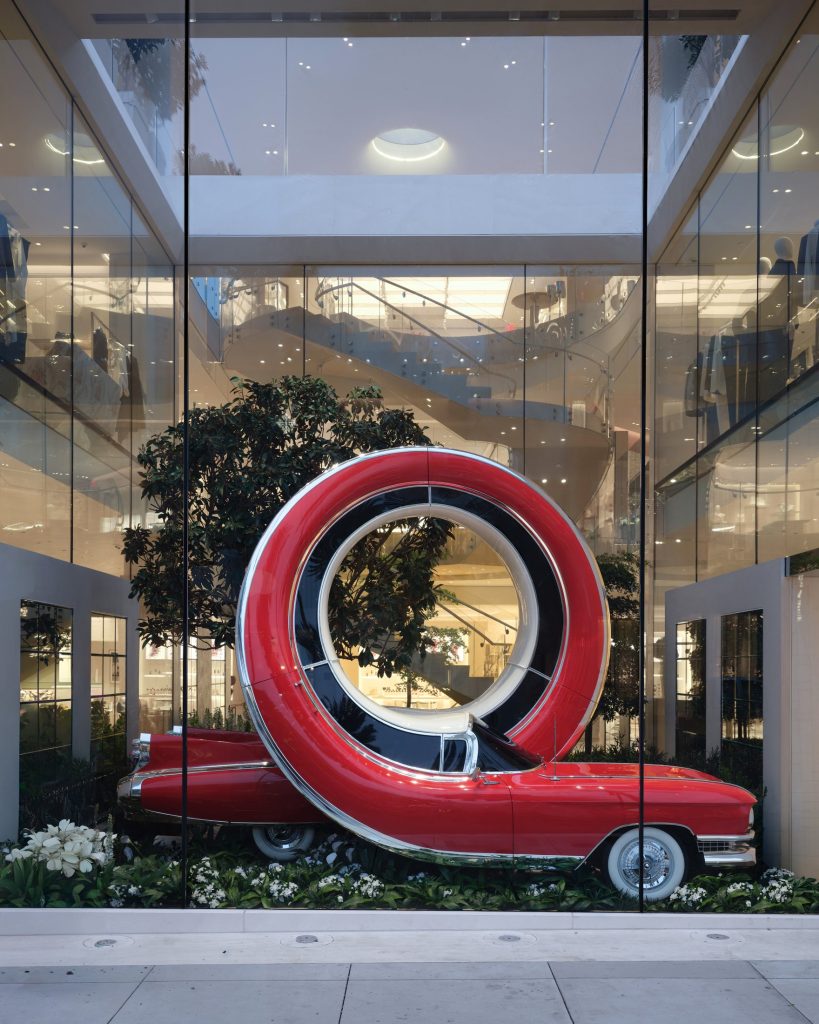
- The making of Alex Chinneck’s impossible Dior windows