Now Reading: Asphalt as Origin: So Koizumi’s Material Experiments for a New Design Language
- 01
Asphalt as Origin: So Koizumi’s Material Experiments for a New Design Language



REINTERPRETING AN ANCIENT JAPANESE MATERIAL
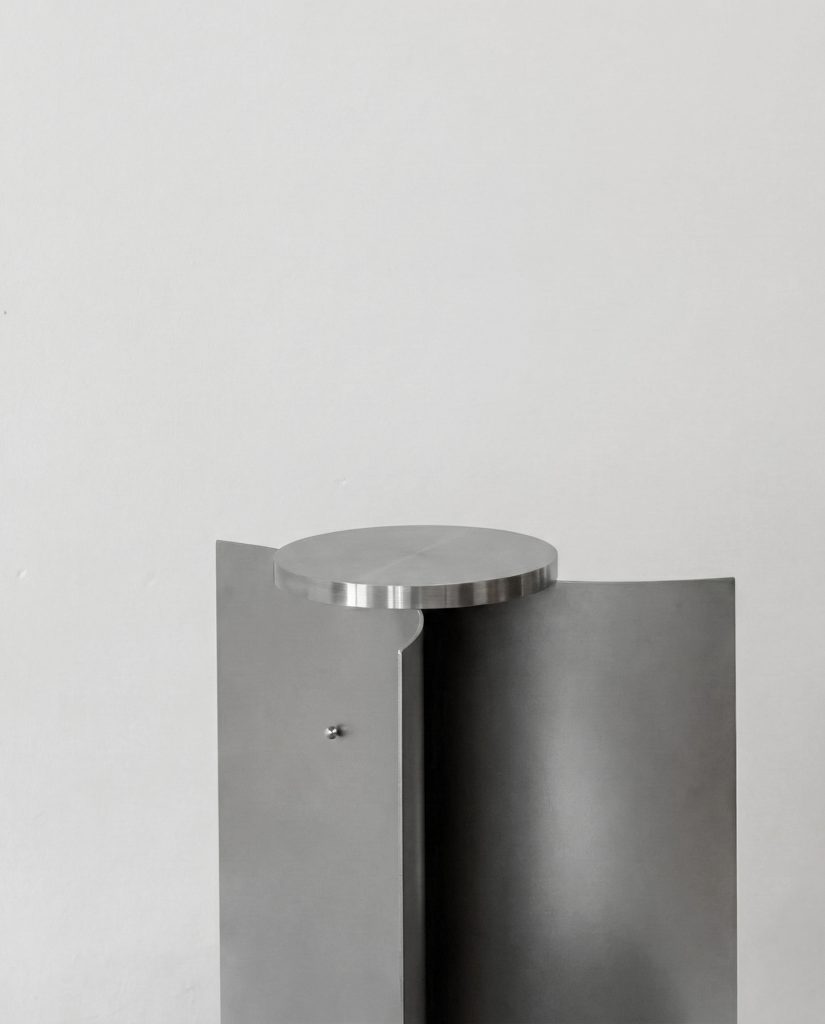
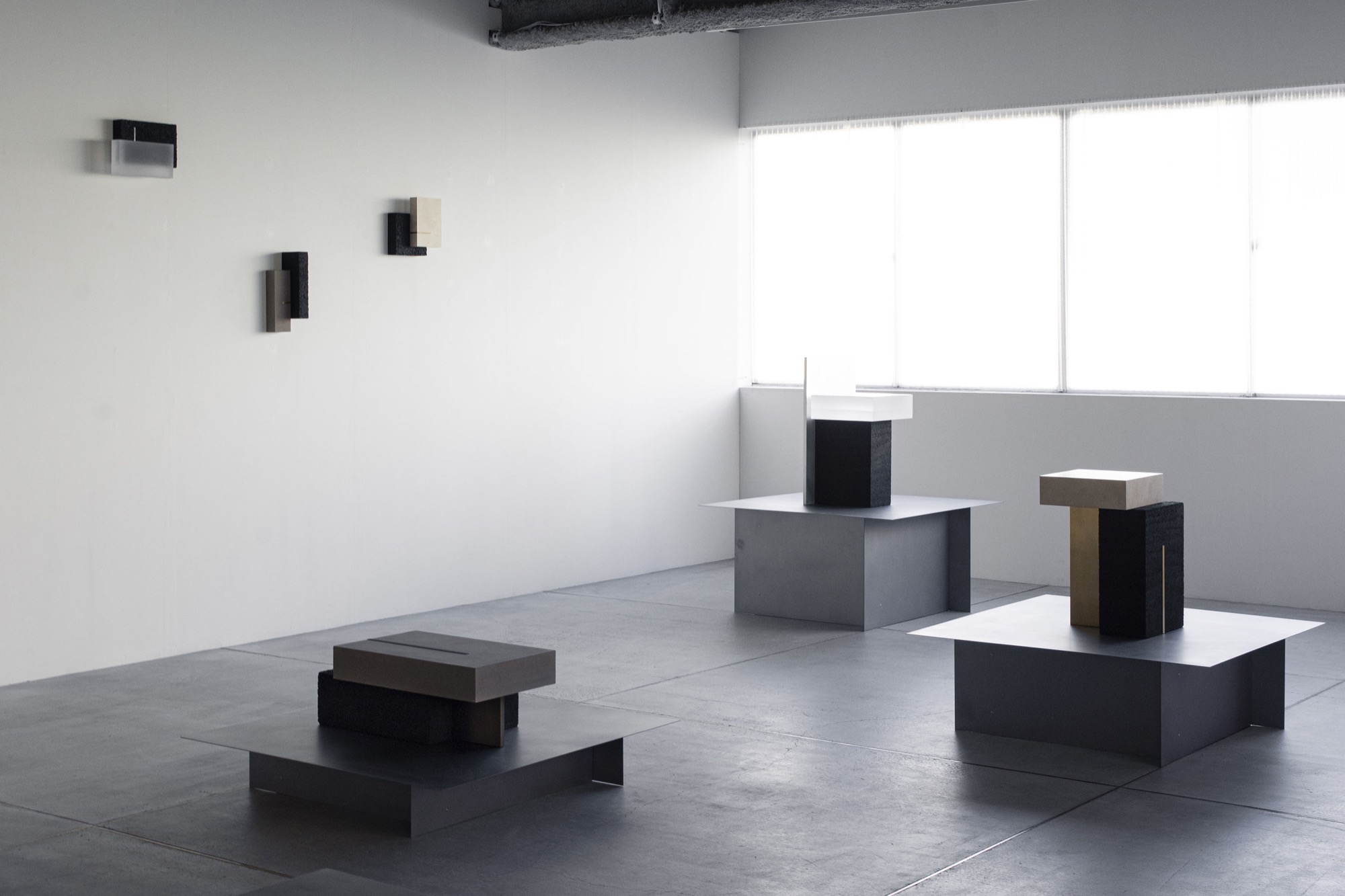
In Japan, asphalt has been used since the Jomon period, when it served as a binding agent connecting wooden shafts and stone arrowheads for hunting. Designer So Koizumi revisits this ancient role, understanding asphalt as a mediator that unites disparate materials. By extending this idea into contemporary design, he brings metal, stone, resin, and other elements together through the transformative power of asphalt, elevating them into a cohesive collection of stools, side tables, and lighting pieces.


CRAFTING MATERIAL AS A CREATIVE ACT
For Koizumi, the making process begins long before shaping an object. Some of the materials, including the asphalt itself, are formed and refined by his own hands. He considers material creation an essential stage of design, continuously adjusting structure, density, and texture through cycles of experimentation. This hands-on process allows him to explore the intrinsic energies embedded within each material and to observe the relationships that emerge when contrasting elements collide or harmonize.


INTRODUCING THE NEW SERIES “AS”
Koizumi will present his latest body of work, titled As, at Gallery Matoya in Aichi, Japan, from November 22 to 30. The exhibition brings together the full “As” series alongside a curated selection of his earlier works, offering viewers a broader understanding of his evolving material investigations and conceptual approach.

Project Credit
Title: As
Use: Chair, Stool、Side Table、Lighting、Wall-mounted Object
Designer: So Koizumi
Studio: SO KOIZUMI DESIGN / @so_koizumi_design
Completion: November 2025
Photo: SO KOIZUMI DESIGN, MATOYA
Exihibition Outline
Exhibition Title: So Koizumi Solo Exhibition
Dates: November 22 (Sat) – November 30 (Sun), 2025
Hours: 11:00 – 18:00
Venue: MATOYA / @mato_ya
Address: Matsumoto Building 2F, 1-107 Matsumoto-cho, Okazaki City, Aichi Prefecture, Japan
Founded in Tokyo in 2021, SO KOIZUMI DESIGN operates across spatial design, furniture, and objects, approaching each discipline with an experimental and reflective mindset. The studio reexamines the inherent functions and meanings embedded in materials and structures, seeking forms that arise from conceptual inquiry rather than conventional typologies. Through this process, it aims to cultivate new relationships between people, objects, and the environments they inhabit.