
Now Reading: Casa San Francisco: A Dialogue Between Winemaking, Convent Architecture, and Landscape
- 01
Casa San Francisco: A Dialogue Between Winemaking, Convent Architecture, and Landscape

Casa San Francisco: A Dialogue Between Winemaking, Convent Architecture, and Landscape

Casa San Francisco emerges from a complex lineage of winemaking, monastic architecture, and the natural rhythms of the Mexican highlands. Located on the outskirts of San Miguel de Allende, the residence is conceived as a contemporary reinterpretation of the cultural and architectural processes that shaped the region beginning in the sixteenth century.

A HISTORICAL FOUNDATION ROOTED IN TERROIR
The project traces its conceptual origins to the founding of San Miguel de Allende, established in the sixteenth century by Franciscan friars who introduced grape cultivation to the area. Their evangelical mission generated a typology of monasteries and convent complexes whose spatial organization, material logic, and contemplative ethos left a lasting imprint on colonial urbanism. As viticulture adapted to the foreign soil, climate, and altitude of the Mexican plateau, its architectural counterparts also underwent transformation, negotiating Mediterranean practices within an unfamiliar territory.


Casa San Francisco draws upon this parallel. Just as terroir shapes a wine’s structure and aroma, the transplantation of convent architecture to the New World gave rise to forms shaped by local climate, material availability, and cultural encounter. The project positions itself within this dual lineage, treating architecture and viticulture as parallel systems shaped by time, craft, and landscape.

ARCHITECTURE AS CONTEMPLATIVE TERRAIN
The surrounding vineyards and the intention for the home to function as a place of rest and reflection motivated a design centered on contemplation. The house is conceived as a sequence of quiet spaces that register seasonal change, natural light, growth, decline, and the slow passage of time. This sensibility informs both its spatial strategy and its material expression.


Five monolithic volumes are arranged around landscaped courtyards and open views toward the vineyards, creating a gentle rhythm of interior and exterior thresholds. A transverse corridor organizes the project from end to end. Its entrance, marked by a double-height space, acts as a moment of transition between the exterior world and the more introspective interior life of the home. Public spaces including the dining room, kitchen, living areas, terrace, garage, and services are located to the west. The private wing, oriented to the east, contains the four bedrooms.


MATERIALITY SHAPED BY TIME
The project advances a material strategy grounded in simplicity and permanence. Architecture becomes a vessel through which time can be felt, recalling the patina and quiet austerity of historic convents. Locally sourced stone defines the exterior, establishing a sober and timeless presence. Floors are finished in unpolished Mexican marble that softens with wear, and a hand-applied lime-based paint creates a unified, monochromatic tonality across all surfaces. These materials, used sparingly yet purposefully, form a set of contemporary monoliths that resonate with the history of the land.


Interior furnishings in oak continue the theme of simplicity and restraint, while the lighting design emulates the warmth of sixteenth-century convent illumination without compromising visibility. Natural light enters generously through framed openings, reinforcing the connection with the surrounding terrain and enhancing the meditative character of the house.


Casa San Francisco aligns with Luis Barragán’s conviction that time itself is a form of decoration and that beauty emerges gradually. The project’s unpretentious character invites a long-term relationship between architecture and inhabitant, allowing age, weather, and use to become part of the design.
Project Credit
architects: Jorge Garibay Architects / @arqjorgegaribay
location: San Miguel de Allende, Mexico
year: 2025
More photos about this project:


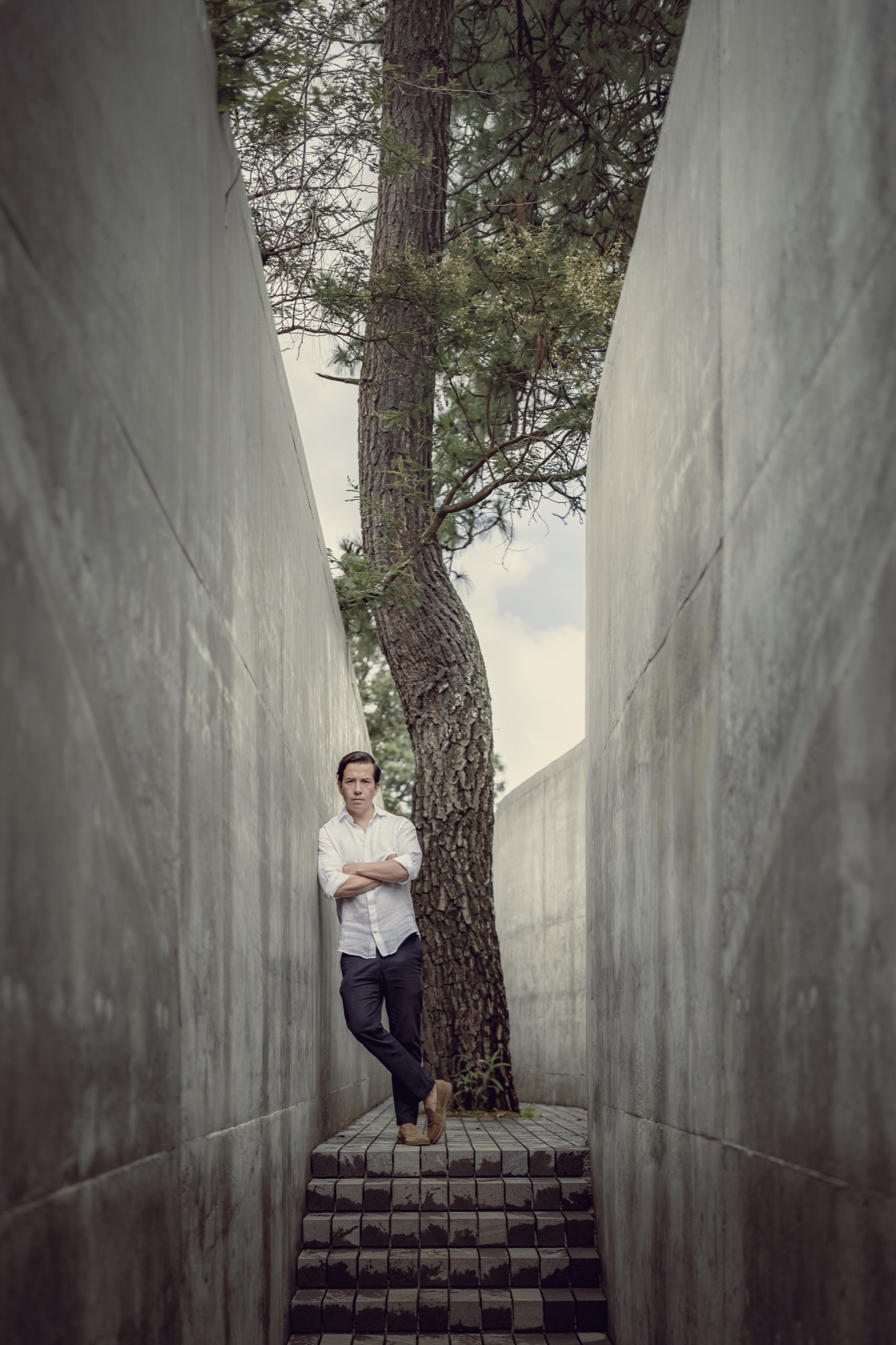
Jorge Garibay Arquitectos is dedicated to creating emotionally resonant spaces rooted in simplicity and human experience. The studio prioritizes strong connections between people, place, identity, and need, seeking outcomes where conceptual clarity and possibility meet. Each project reflects a commitment to authenticity, restraint, and the enduring presence of architecture shaped by time.