
Now Reading: MPavilion 1 and the Australian idea of shelter
- 01
MPavilion 1 and the Australian idea of shelter


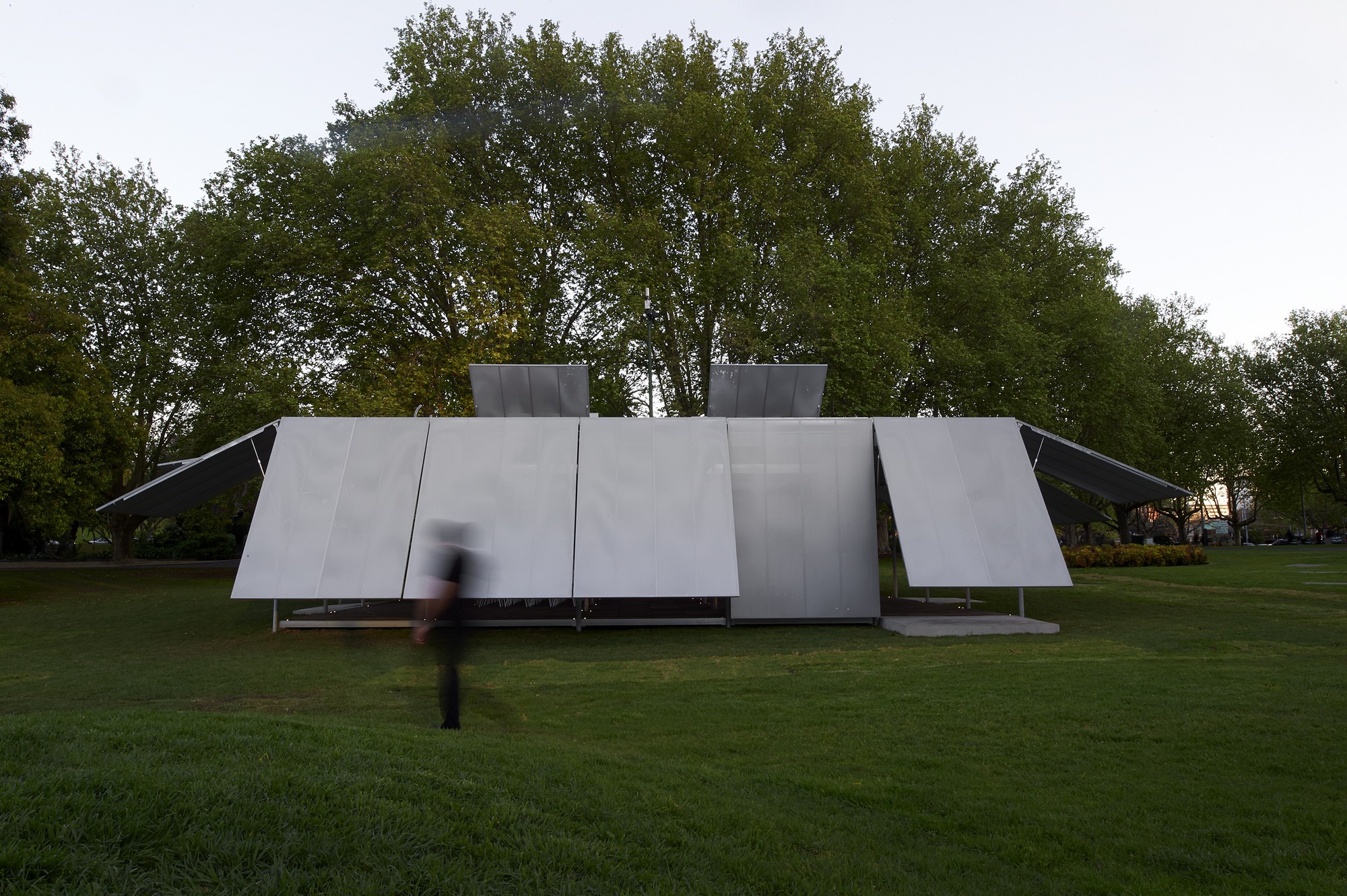
MPavilion 1 reframes the Australian outback’s culture of shelter as a summer gathering space in Melbourne, where shade becomes architecture and gardens act as civic infrastructure.

A CONTINENT SHAPED BY HEAT AND IMPROVISATION
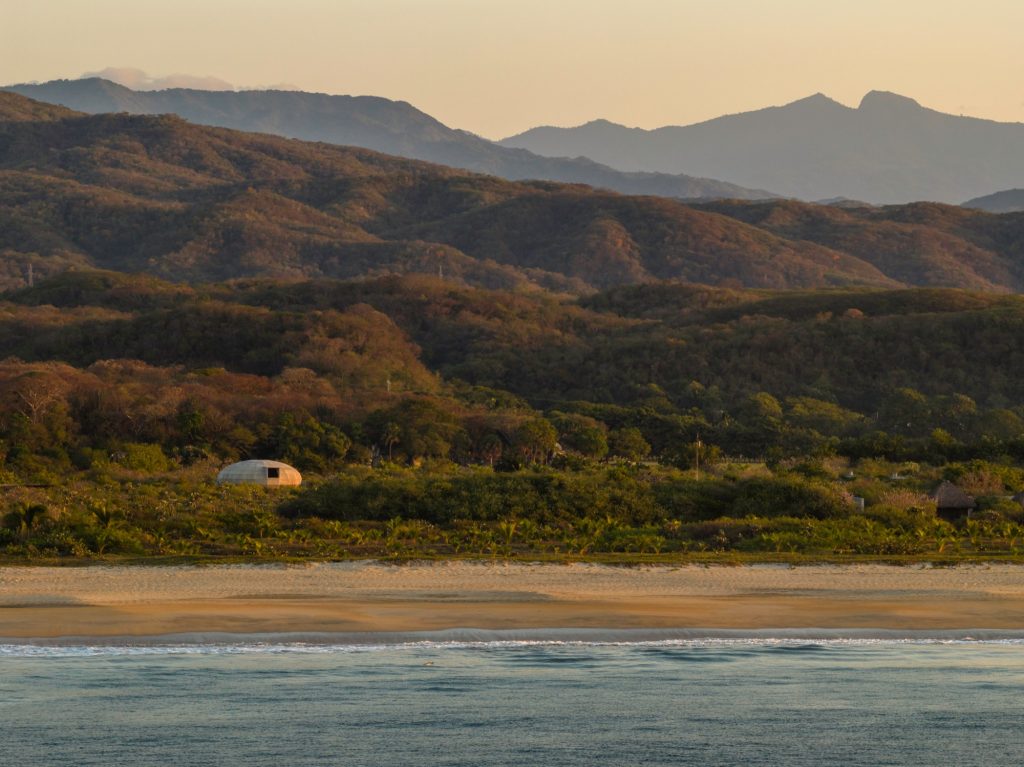
Australia’s landscape is often described through extremes: a terrain of innate brutality, then overlaid with imported ideas of refinement. Early colonial settlement framed the continent as something to be “tamed” a place where unfamiliar flora could harm, where a bite or sting might be decisive, and where the vastness itself tested the body as much as the mind. Yet this is, first and foremost, an ancient Indigenous landscape, and its sunburnt clarity has become inseparable from Australian identity. Out there, any man-made form reads as more than construction. It is shelter, respite, sometimes even salvation. It speaks to a tradition of building that does not romanticise the land so much as negotiate with it.


MELBOURNE’S SOFT COUNTERPOINT
In Melbourne, the country’s dryness is answered with a different atmosphere: shade, autumnal colour, and a cultivated lushness that calms the city’s hard edges. Gardens here operate as civic infrastructure. They hold density at a breathable distance and offer comfort without ceremony, open to locals and visitors alike. A ring of greenery stitches the urban core together, linking Flagstaff, Treasury, Fitzroy and the Royal Botanic Gardens, with Queen Victoria Gardens forming a threshold just across St Kilda Road from the National Gallery of Victoria. The result is a generous green corridor toward the CBD, Fed Square, the MCG, Melbourne Park and the Sidney Myer Music Bowl, an everyday promenade that makes the city feel held rather than merely planned.

MPavilion was conceived as a welcoming venue for recitals, talks, lectures, readings and performances across the summer months. Its logic is unmistakably Australian: the pavilion borrows from the practical typologies of the outback, hay sheds, barns, shearers’ sheds and verandas, where community life gathers under cover. These plain structures become surprisingly potent civic rooms. They host weddings and meetings; they are where people speak frankly about drought and the inevitability of fire. MPavilion translates that ethos into the metropolitan park: a public threshold between culture and climate.

THE ARCHITECTURE OF SHADE
MPavilion 1 takes the idea of shelter and renders it with deliberate restraint. A simple 12m by 12m steel frame is topped by a glazed roof, while an automated outer skin modulates the harsh Australian sun, filtering glare and producing the most valuable commodity in summer: shade. The form carries an echo of the interior’s distant hills and long horizons, as if the pavilion were a small instrument tuned to the continent’s wide frequency. It is architecture as an environmental gesture first, and as an icon only by consequence.


A SMALL BUILDING WITH A BIG AUSTRALIAN INSTINCT
In the end, MPavilion 1 is less about spectacle than about a cultural reflex: to build a place to gather, pause, and endure the season together. In a country where the landscape has always set the terms, the pavilion becomes a contemporary veranda for the city, an invitation to linger beneath a calibrated sky.

Project Credit
Name: MPavilion 1
Location: Australia, Melbourne
Design firm: Sean Godsell Architects / @seangodsellarchitects
Completed: 2014
Photo: Earl Carter