Now Reading: Tennessee Performing Arts Center in Nashville features billowing aluminium facade and cascading public lobbies
- 01
Tennessee Performing Arts Center in Nashville features billowing aluminium facade and cascading public lobbies

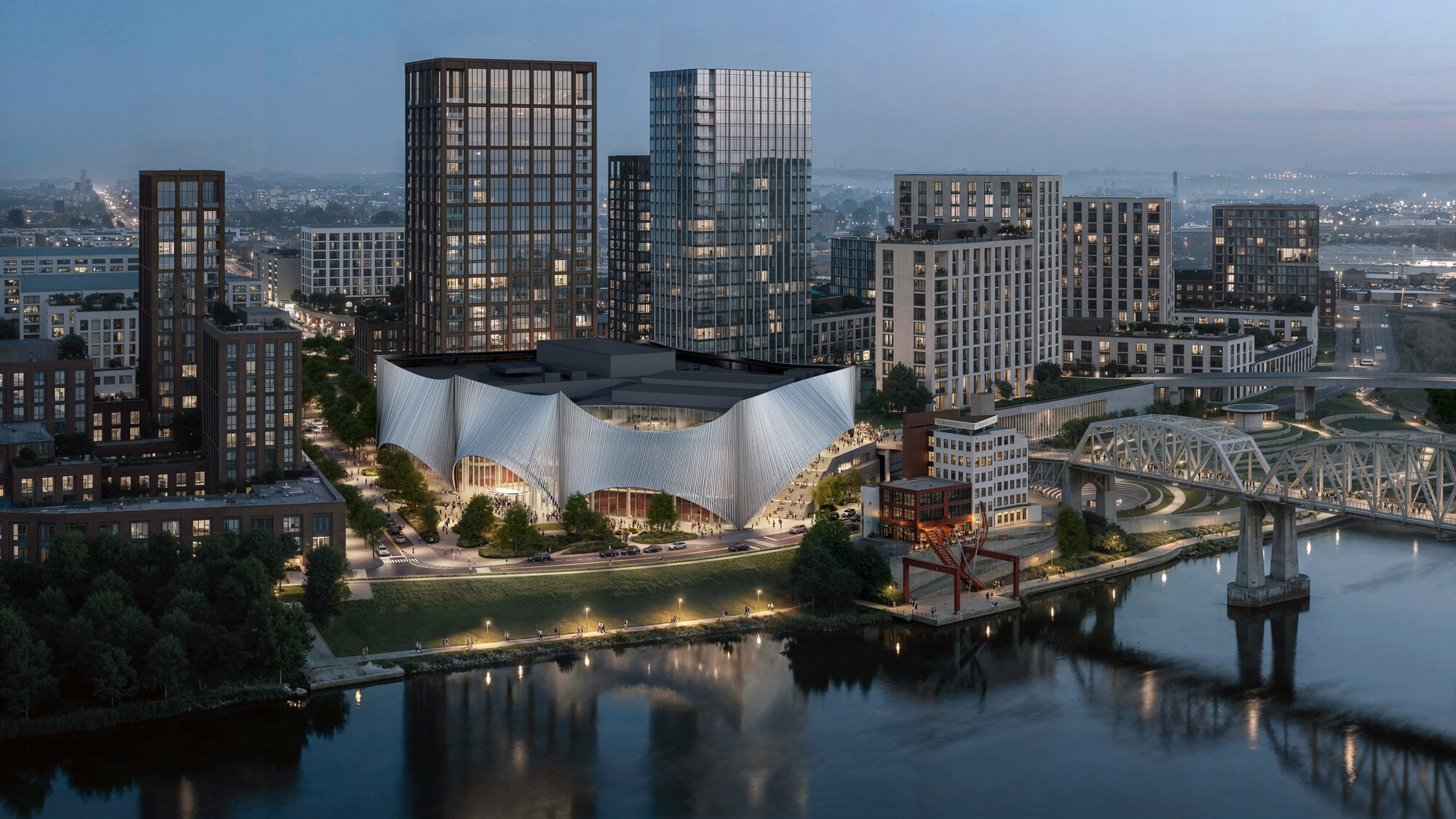
Tennessee Performing Arts Center in Nashville features billowing aluminium facade and cascading public lobbies

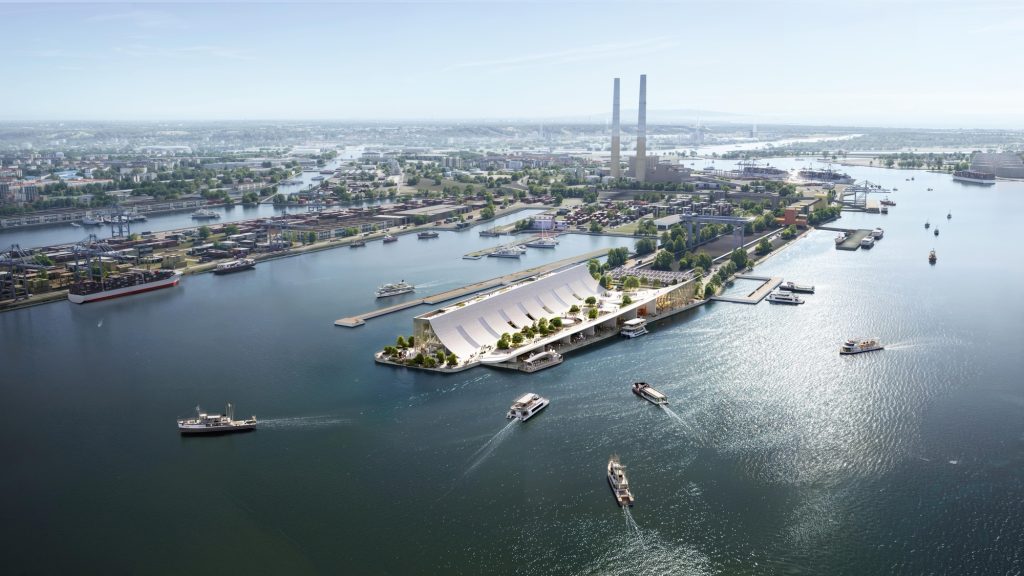
The Tennessee Performing Arts Center (TPAC), designed by BIG–Bjarke Ingels Group in collaboration with William Rawn Associates and HASTINGS Architecture, repositions Nashville’s cultural core along the Cumberland River. Extending the energy of downtown across the water, the project establishes a new civic landmark for the city’s evolving East Bank district.

Conceived as an open and inclusive cultural infrastructure, TPAC is organised around a cluster of performance venues at its heart, allowing the building to remain porous on all sides. The design supports a broad spectrum of artistic programming while reinforcing Nashville’s long-standing identity as a city shaped by performance, music and public gathering.
The 307,000-square-foot complex includes four distinct venues: a flexible Grand Broadway theater, a dedicated dance and opera hall, a black box theater designed for experimental staging, and an intimate cabaret space. These are supported by rehearsal studios, classrooms, and public-facing spaces that extend the building’s role beyond performance into education and community use. The center will become the new home of the Nashville Ballet, Nashville Opera, and Nashville Repertory Theatre, while also hosting touring productions and civic events.


BIG describes the project as a bridge between geographies and identities: between the east and west banks of the Cumberland River, between historic and contemporary Nashville, and between multiple forms of performance. Rather than presenting a single monumental front, the building is designed as an accessible public volume, with lobbies that operate as continuous urban spaces at both street and bridge level.


Its exterior is defined by a reflective aluminum façade composed of bundled tubular elements. These shift in orientation from vertical to horizontal, evoking the rhythm of organ pipes or suspended stage curtains. The surface changes with light and perspective, turning the building into a constantly shifting civic object that reflects its surroundings.


Inside, a sequence of interconnected lobbies creates a layered public interior. A street-level entrance opens toward the river and proposed waterfront park, while an elevated entry aligns with the John Seigenthaler Pedestrian Bridge. Between them, a cascading system of stairs, terraces and lounges forms a social landscape for audiences before and after performances, reinforcing the building’s role as a shared urban room.


Each performance space is designed with a distinct spatial identity. The Broadway Theater arranges seating in floating, wood-clad tiers for intimacy at scale, while the opera and dance hall prioritises vertical sightlines that bring audiences closer to movement. The black box theater removes traditional framing entirely, allowing flexible configurations that place performers and spectators in direct spatial dialogue. The cabaret space extends performance into the audience, creating a more immediate and informal atmosphere.


At the top of the building, a rooftop terrace opens the complex toward the Nashville skyline and riverfront, while landscape design by OLIN integrates the architecture into a wider public terrain of gardens, performance pockets and gathering spaces. Outdoor stairways connect the building directly to the river edge, reinforcing its continuity with the surrounding urban landscape.


Scheduled to begin construction in 2027 and open in 2030, TPAC joins BIG’s growing portfolio of cultural projects, positioning Nashville’s East Bank as a new centre for civic and artistic life.

Project Credit
Project name: Tennessee Performing Arts Center
Size: 307,000 sq ft
Location: Nashville, United States
Design Firm: Bjarke Ingels Group (BIG) / @big_builds
Photography: BIG, bloomimages