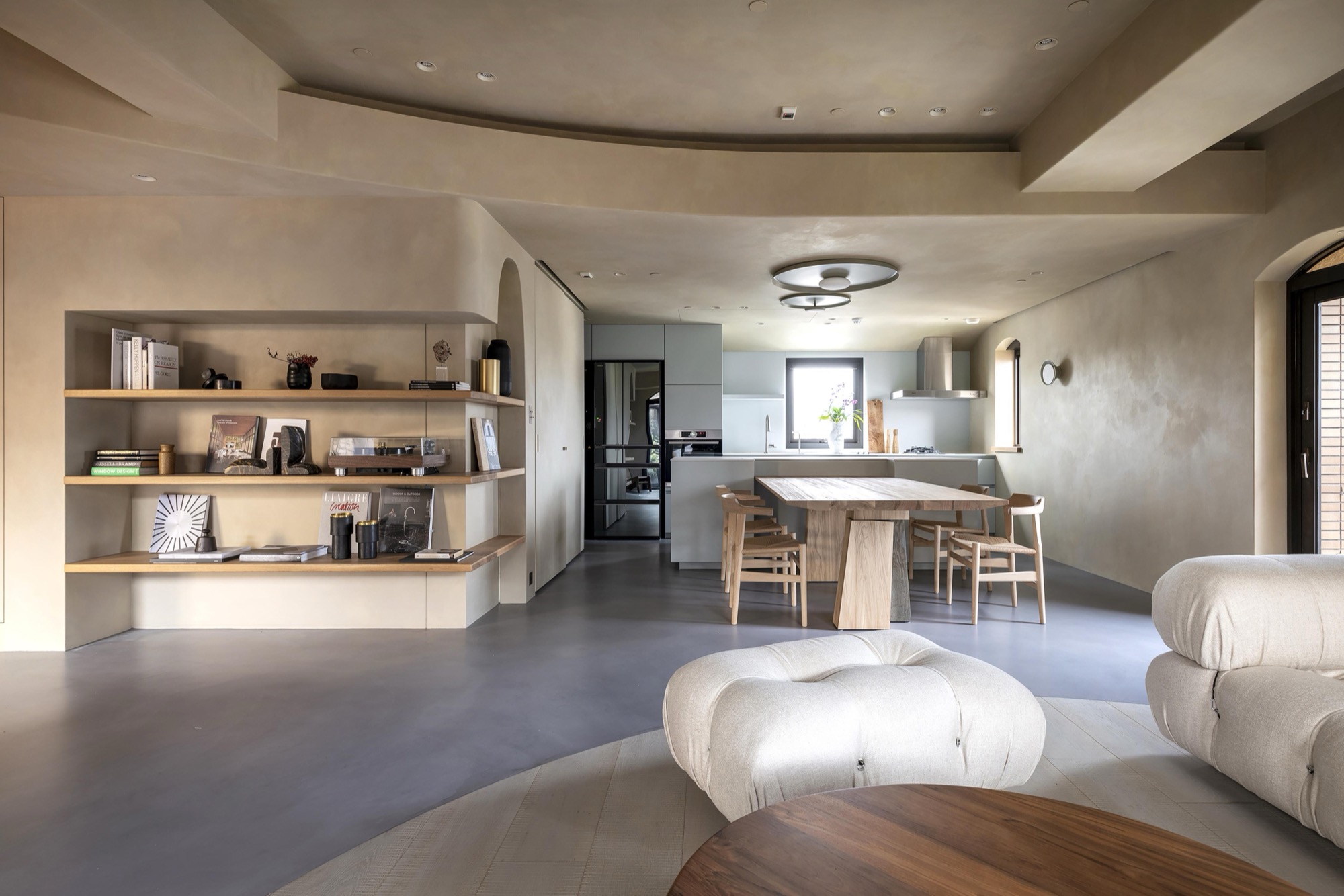
Peny Hsieh Interiors transforms a 230 square metre duplex penthouse in Taipei into a calm residence shaped by daylight, curved circulation and terrace living.


Peny Hsieh Interiors transforms a 230 square metre duplex penthouse in Taipei into a calm residence shaped by daylight, curved circulation and terrace living.
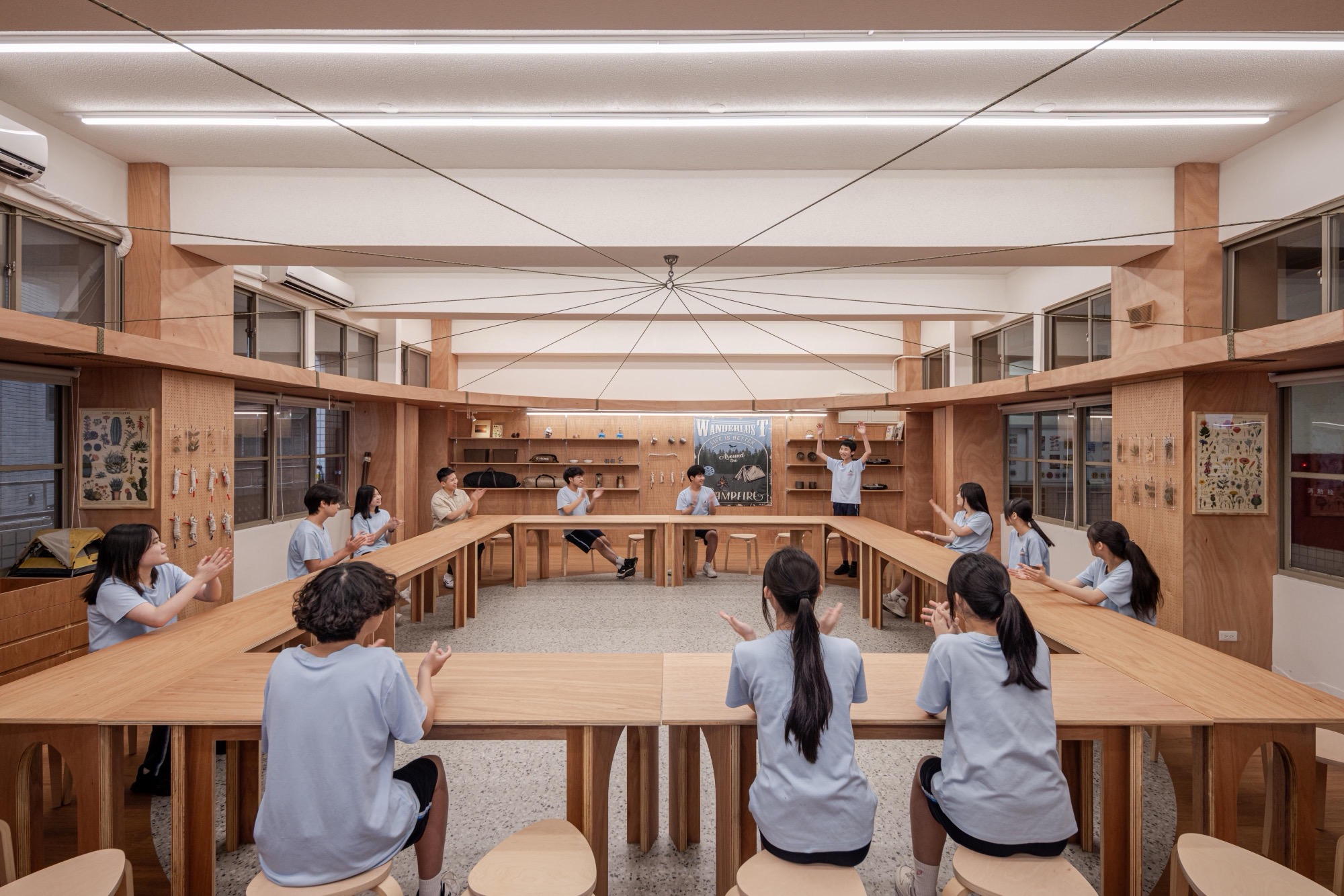
317studio’s Qingshan Forest has been named Jury Winner in the Educational Interiors category at the 14th Annual Architizer A+Awards. Located in New Taipei City, Taiwan, the project reimagines the classroom
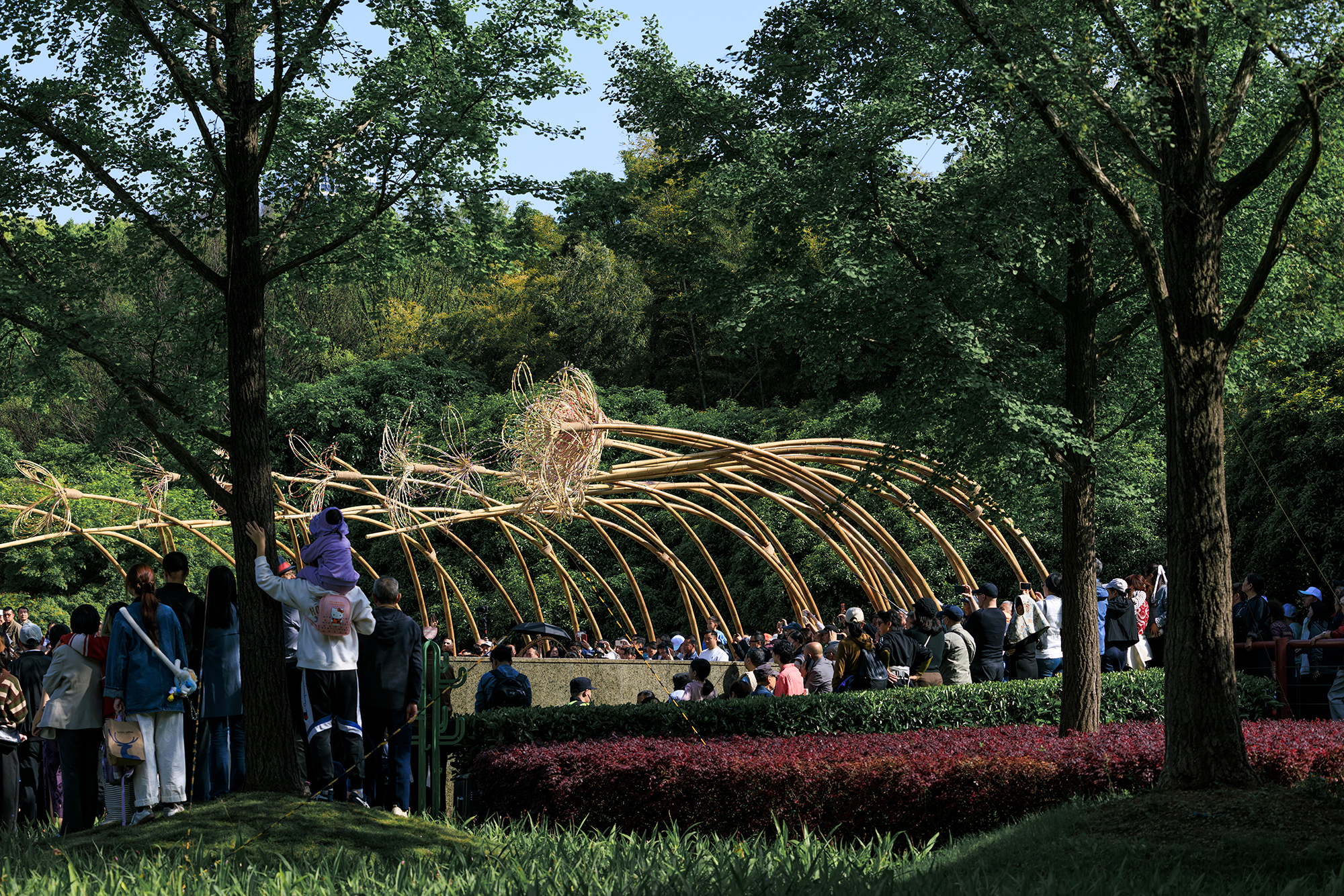
Created for the Shanghai International Flower Show, Bent by Spring uses forty raw bamboo poles to form a suspended public canopy that connects traditional craftsmanship with the city's historic urban landscape.
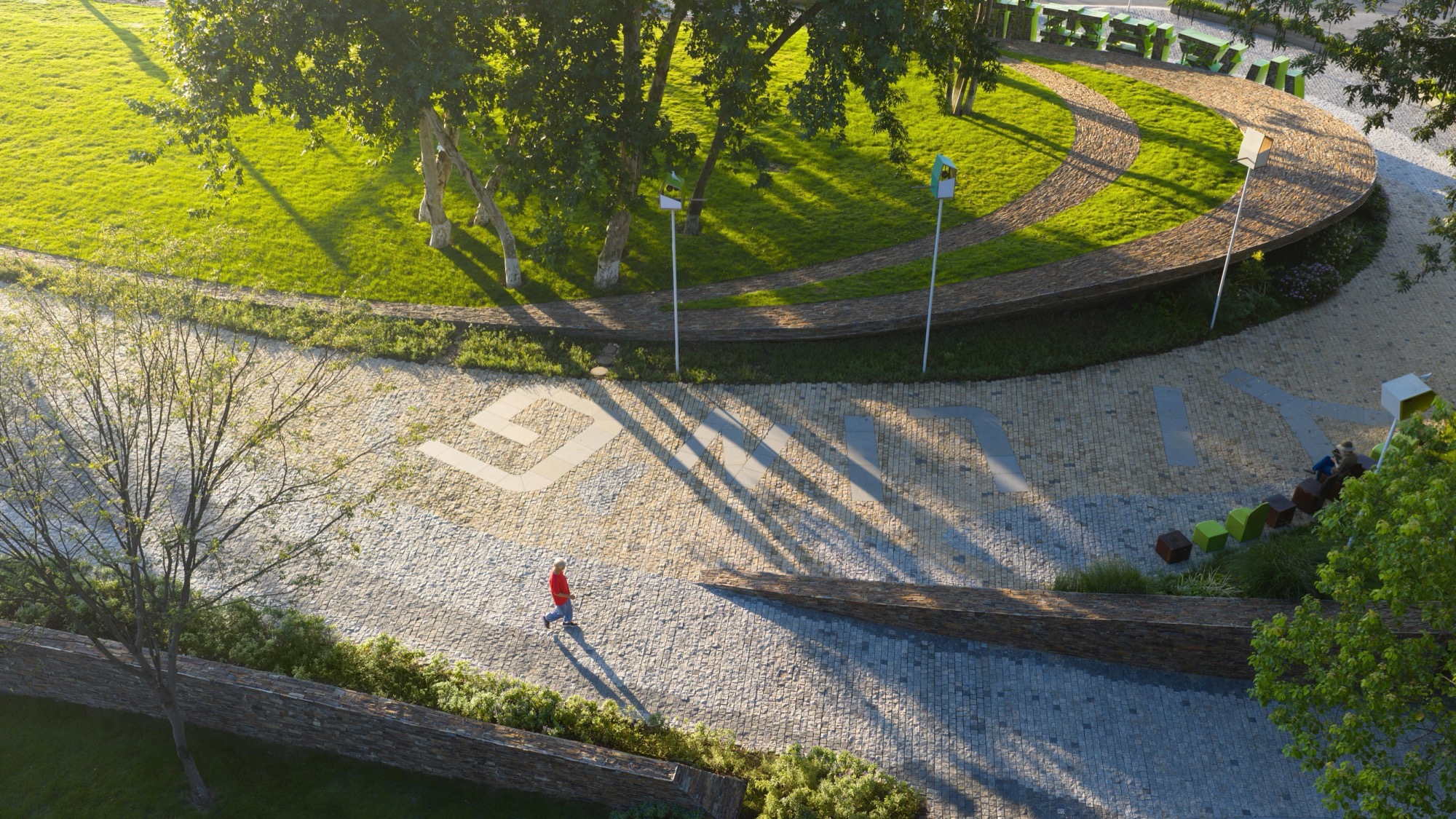
In downtown Yiling, Yichang, Xiaoxita Forest Park occupies 89 hectares along the Huangbai River. Long valued as one of the city’s major green lungs, the forest had gradually become burdened
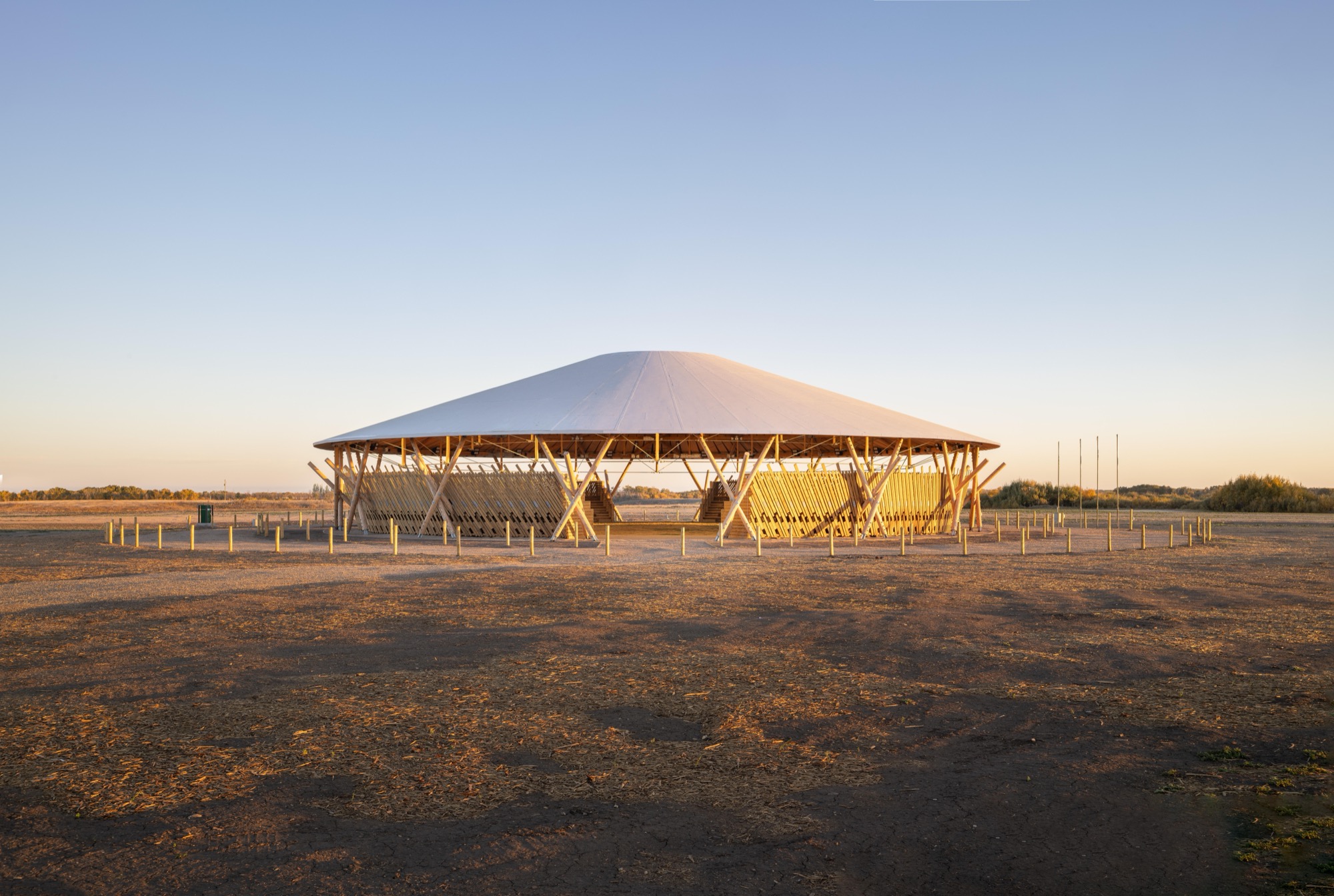
Oxbow Architecture and Richard Kroeker’s Muscowpetung Powwow Arbour in Saskatchewan is a circular timber structure rooted in Saulteaux culture.
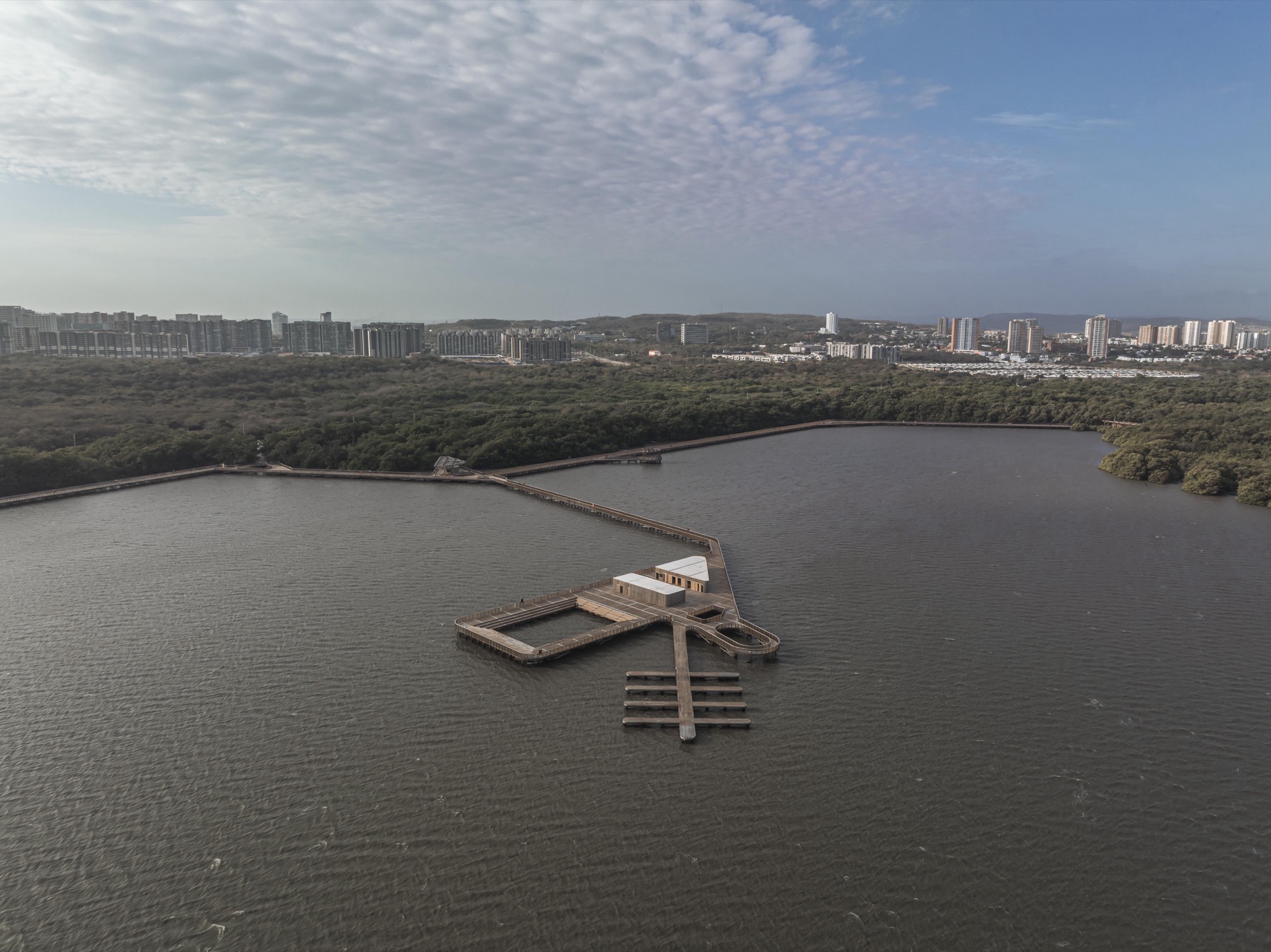
At the edge of Barranquilla, where the Magdalena River meets the Atlantic Ocean, Ciénaga de Mallorquín Ecopark reframes the relationship between urban life and one of the most significant wetland
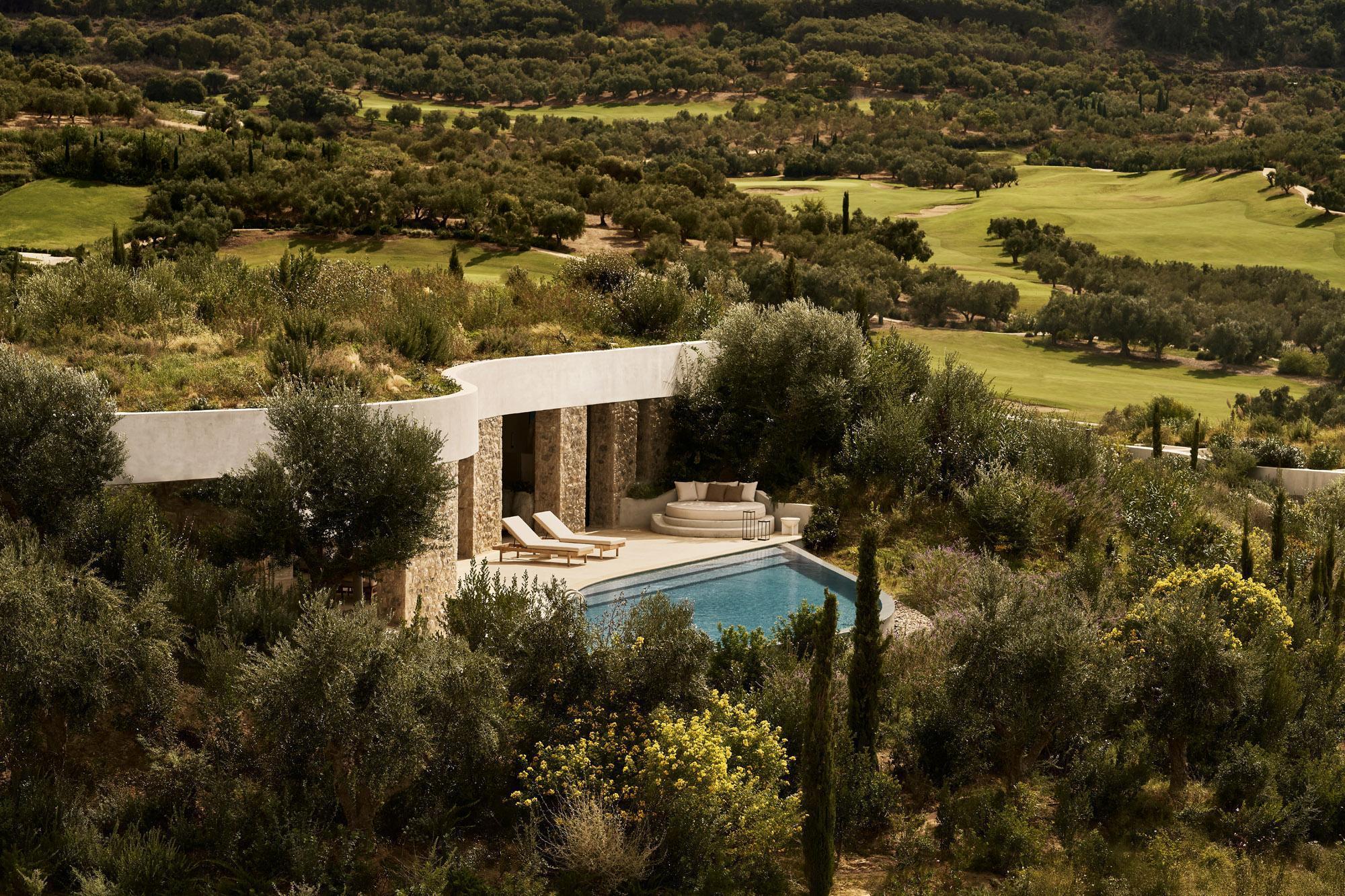
Set above the Bay of Navarino in the Peloponnese, Mandarin Oriental Costa Navarino reinterprets Greek rural typologies through a dispersed resort masterplan of earth sheltered villas, shaded terraces and landscape led hospitality.
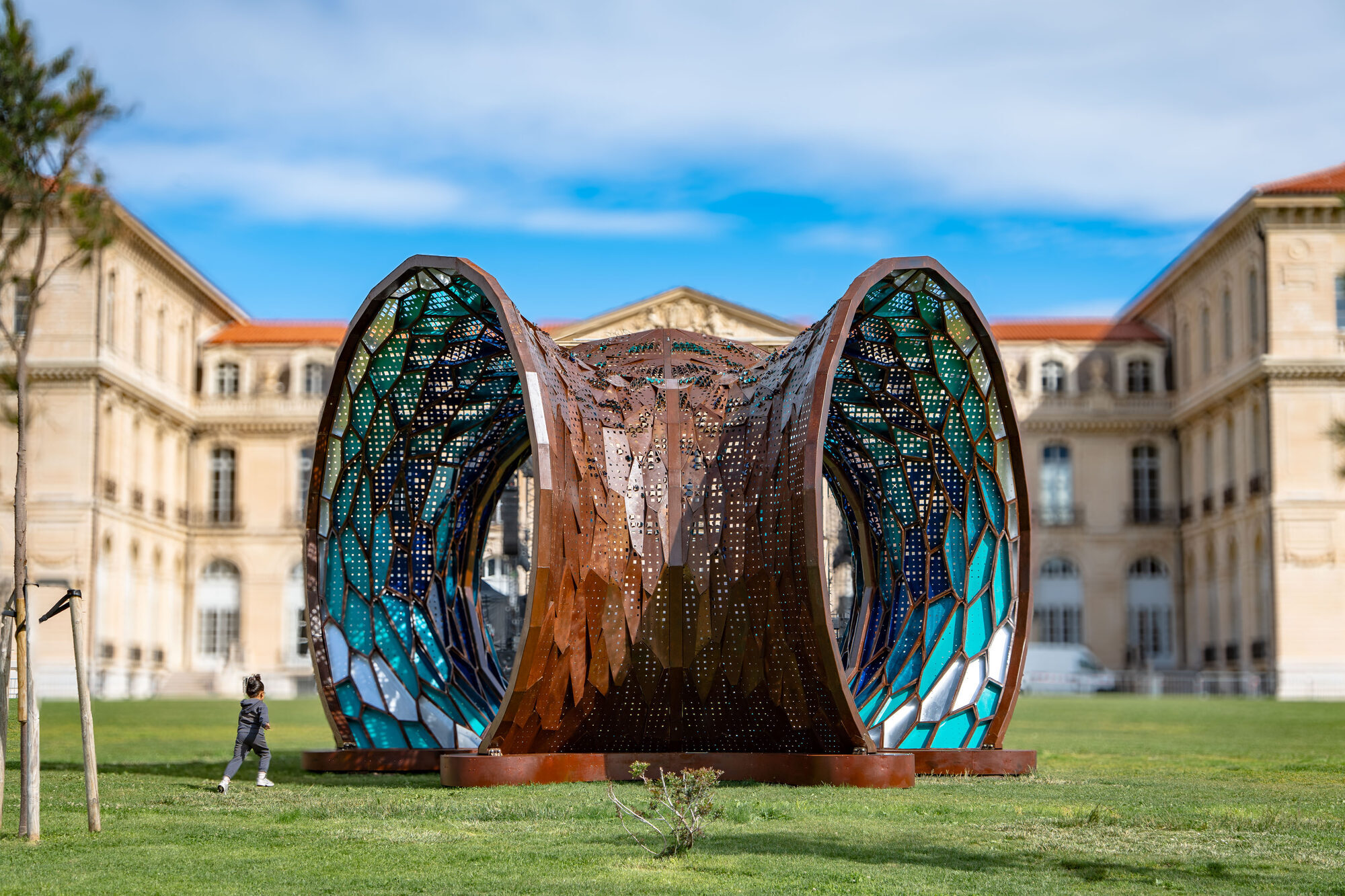
Created for the 2026 Mediterranean Season, Mar Nostro transforms architecture into a space of remembrance, reflecting on migration, belonging, and the shared cultural heritage of the Mediterranean.
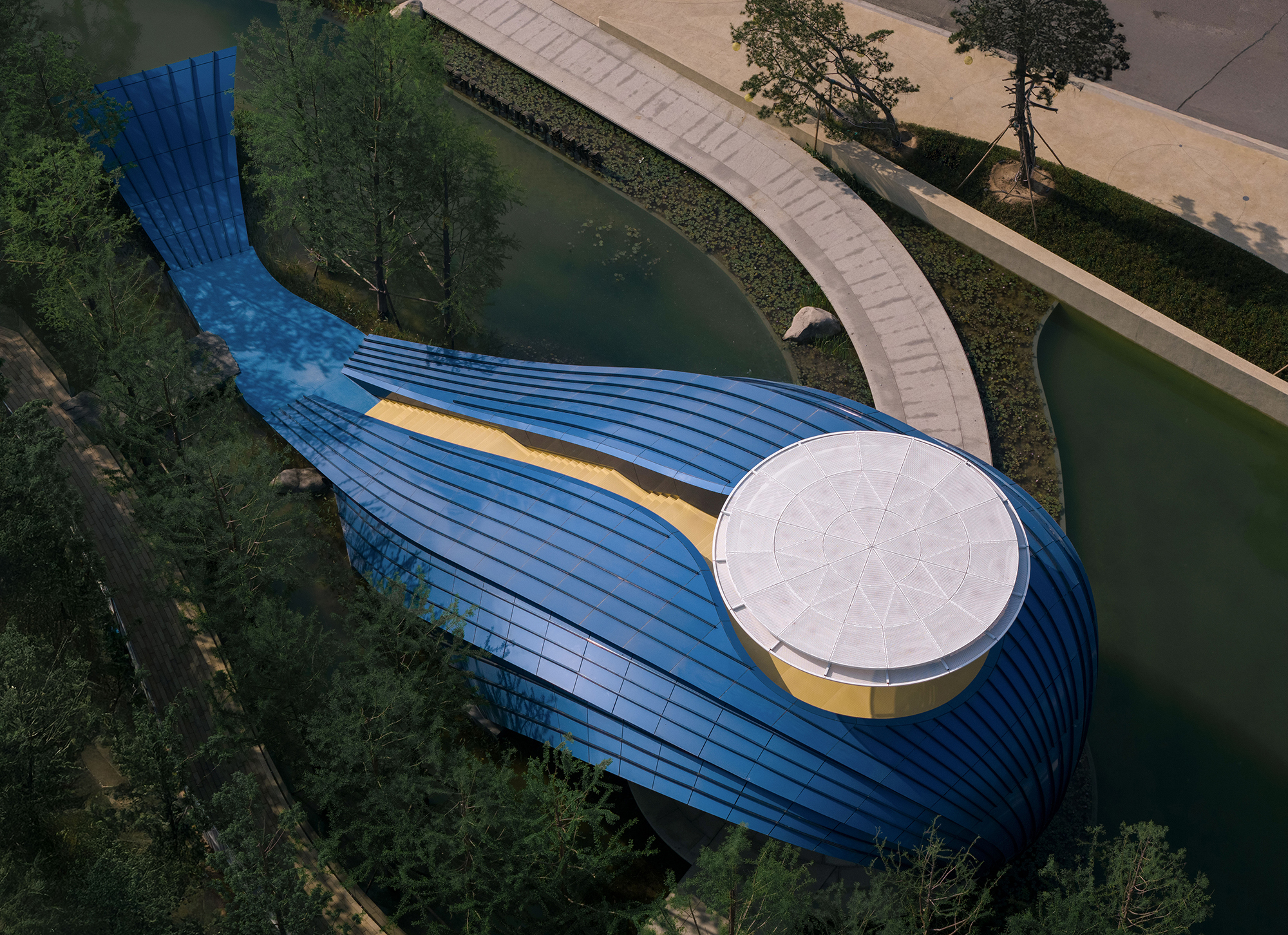
Wutopia Lab has completed Whale Gate in Henan, a blue aluminium gateway for Golden Island that reimagines the residential entrance as a symbolic passage through the body of a whale.
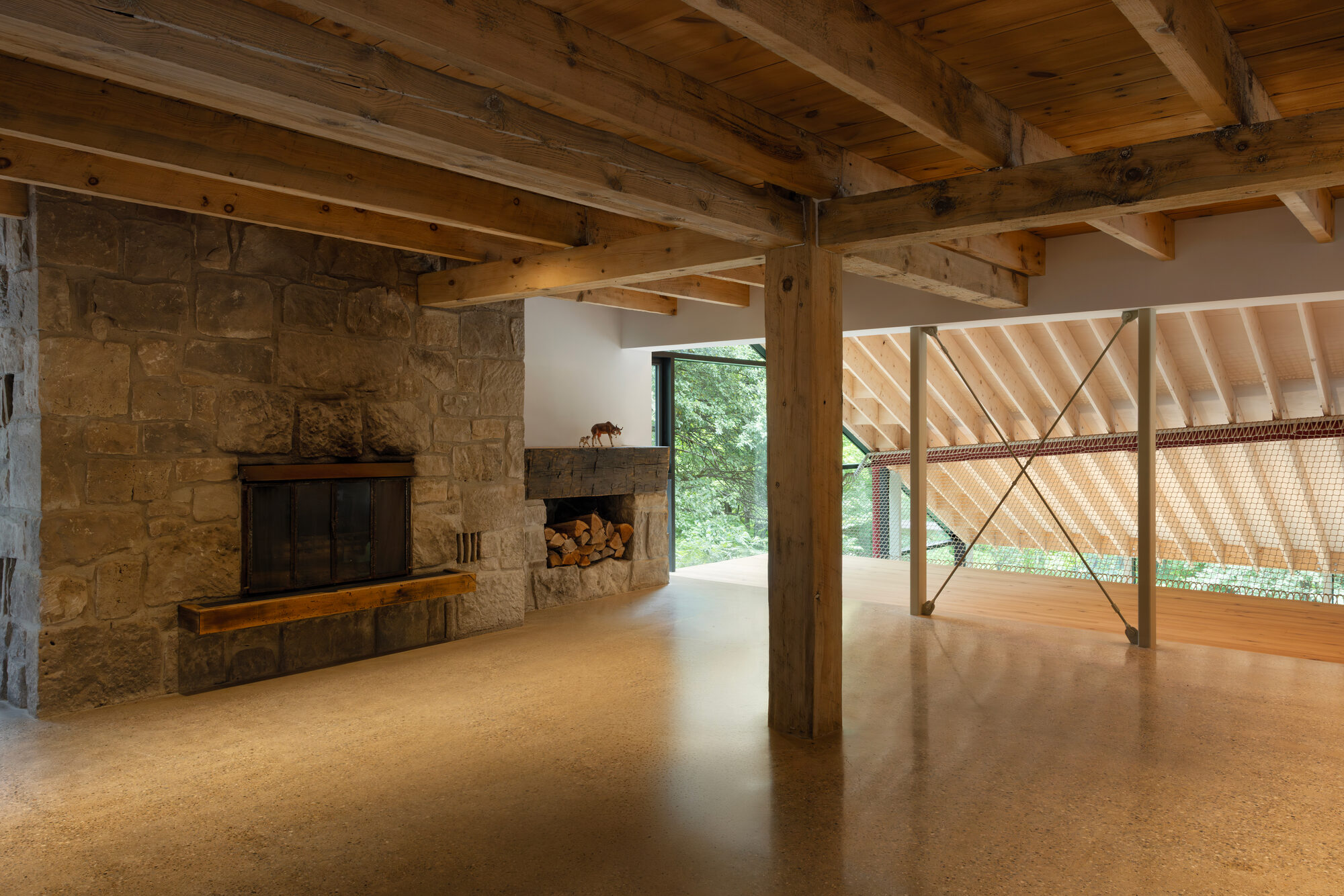
Set within Ontario’s Niagara Escarpment, Belfountain House reimagines a 1970s chalet as a contemporary residence where architecture, landscape, and family life unfold as one continuous experience.