Now Reading: Billboards Design Lab in Chennai blurs boundaries between workspace, exhibition and material experimentation
- 01
Billboards Design Lab in Chennai blurs boundaries between workspace, exhibition and material experimentation

Billboards Design Lab in Chennai blurs boundaries between workspace, exhibition and material experimentation

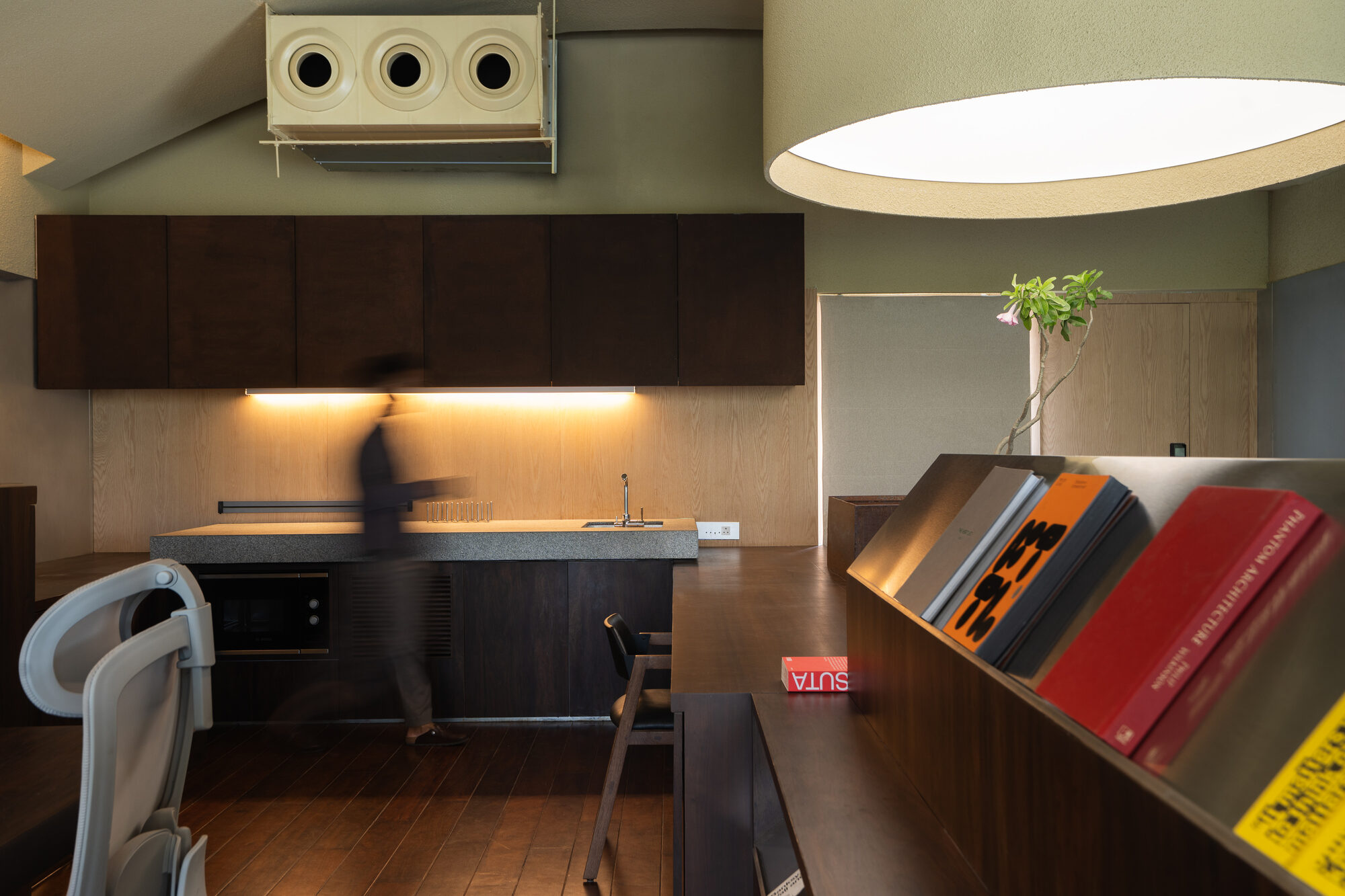
Designed by the team at Billboards, the new R&D Lab in Chennai is conceived as both workspace and instrument for experimentation. Designed by the team at Billboards, the new R&D Lab in Chennai is conceived as both workspace and instrument for experimentation. Developed by architects for their own practice, the project begins with a simple yet demanding premise: to create a space that supports making without interrupting it, framing process while remaining open to constant transformation.

The lab is dedicated to material research, product development, and the incubation of design-led start-ups, positioning itself less as a finished interior and more as an evolving system for collaborative work.

The starting point for the design was not abstraction but existing form. The building’s curved external profile became the structural and spatial reference for the entire interior strategy. Instead of neutralising it, the architects inverted its logic inward, allowing the ceiling to echo the outer shell. The result is a continuous, cave-like volume where architecture feels uncovered rather than imposed.


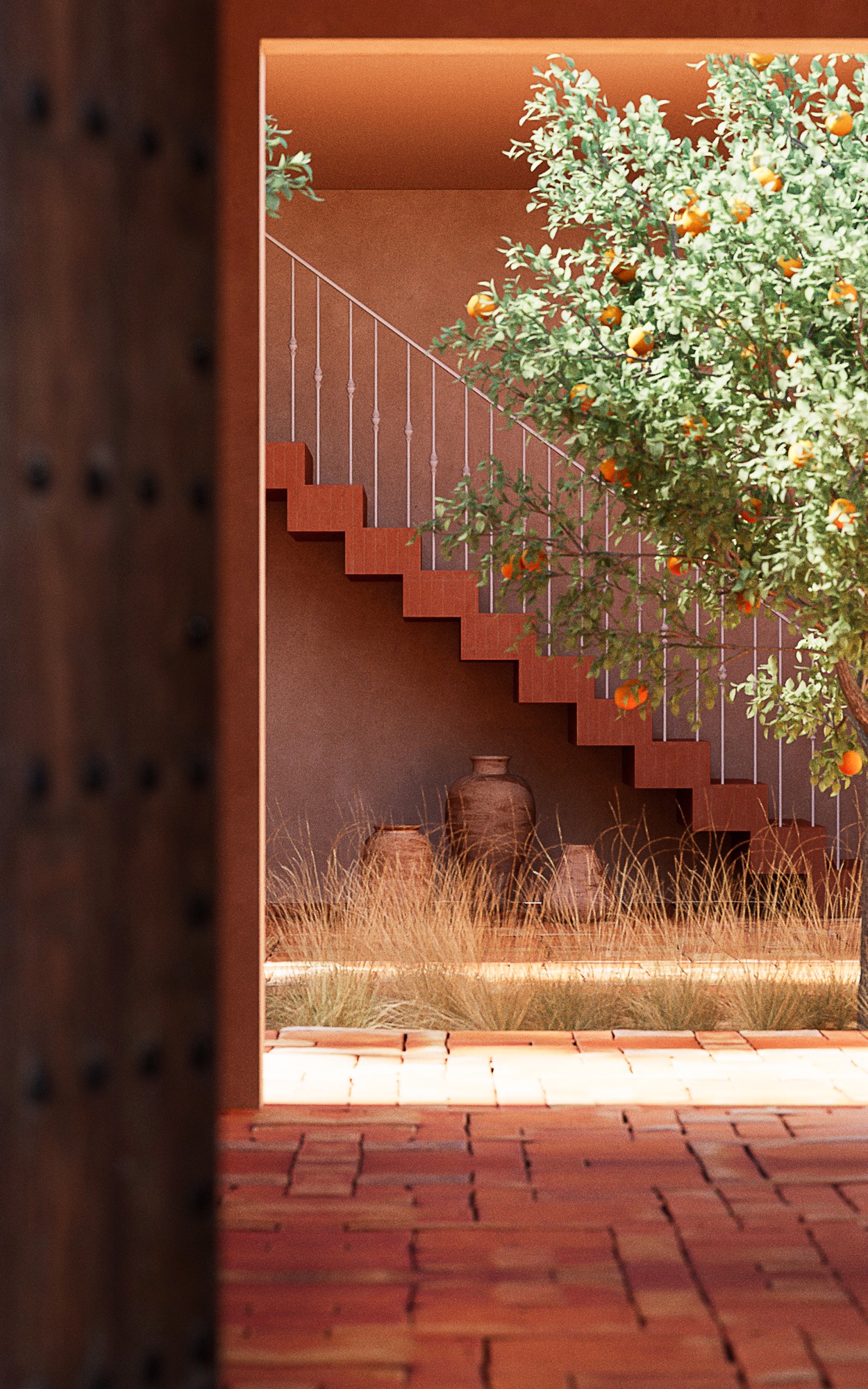
A sculptural staircase in yellow marble anchors the spatial sequence. Carved directly into the plan, it acts simultaneously as circulation, threshold, and pause, marking the transition from the city into the controlled environment of the lab.


The interior is conceived as a continuous field without partitions. There are no fixed rooms, only shifts in volume, platform, and surface that define zones of activity. This open spatial logic allows work, discussion, and material testing to flow freely across the space, echoing a workshop mentality where boundaries remain intentionally fluid.


The atmosphere recalls early forms of human expression, where surfaces carried thought and experimentation. Here, walls and ceilings become active fields rather than passive enclosures.


Every surface in the lab is designed for use. Magnetic cladding lines the walls, allowing drawings, samples, and references to be constantly rearranged. Stainless steel inserts introduce reflective, shifting planes that respond to changing daylight, contrasting with the warmer, textured ceiling above.


At the centre, a dedicated research table integrates sink, work surface, and testing zone into a single functional unit. It acts as the operational core of the space, where material experimentation directly informs the studio’s wider design output.


Light plays a defining role in shaping the interior experience. A west-facing opening introduces a strong directional glow in the evening, washing the space in long gradients of illumination. The colour palette is calibrated in response, moving from deeper tones at lower levels to lighter surfaces above, echoing the transition from butter yellow to caramel tones.


Rather than acting as decoration, colour operates as spatial gradient, reinforcing the continuity between material and light.


An open-access library extends the lab’s function beyond production, welcoming students, collaborators, and visitors. This reinforces the project’s intent as a porous environment, one that encourages exchange rather than enclosure.
Ultimately, the Billboards R&D Lab operates as an adaptable framework. It is a space defined not by completion, but by its capacity to change, supporting ongoing research, collaboration, and the evolving nature of design practice.


Project Credit
Project name: Billboards Design Lab
Design firm: Billboards | @thebillboards.co
Location: Chennai, India
Photo: Walltheatre