
Now Reading: Feng Yue discusses designRESERVE’s 3D printed desert ark in China
- 01
Feng Yue discusses designRESERVE’s 3D printed desert ark in China


In recent years, architectural discourse has increasingly turned toward questions of survival, adaptability, and the ethics of building within fragile landscapes. Rather than treating technology as spectacle, a new generation of architects is exploring how advanced fabrication methods might coexist with ecological sensitivity, local materiality, and human vulnerability. Few recent projects embody this tension as vividly as Desert Ark, a remote desert outpost conceived by Feng Yue and the team at designRESERVE.
Set within the unforgiving terrain of the Tengger Desert, Desert Ark proposes an architecture that is simultaneously futuristic and deeply grounded in place. Developed through robotic 3D concrete printing and assembled as a lightweight, reversible compound, the project explores how architecture might respond to extreme climates without imposing permanence upon them. In this conversation, Feng Yue reflects on the environmental, technological, and philosophical dimensions behind the project, discussing everything from extraterrestrial imaginaries and nomadic construction logic to the role of temporary architecture in an era shaped by climate uncertainty.
What were the primary sources of inspiration for the Desert Ark project, particularly how the harsh beauty of the Tengger Desert intertwined with ideas from extraterrestrial architecture?
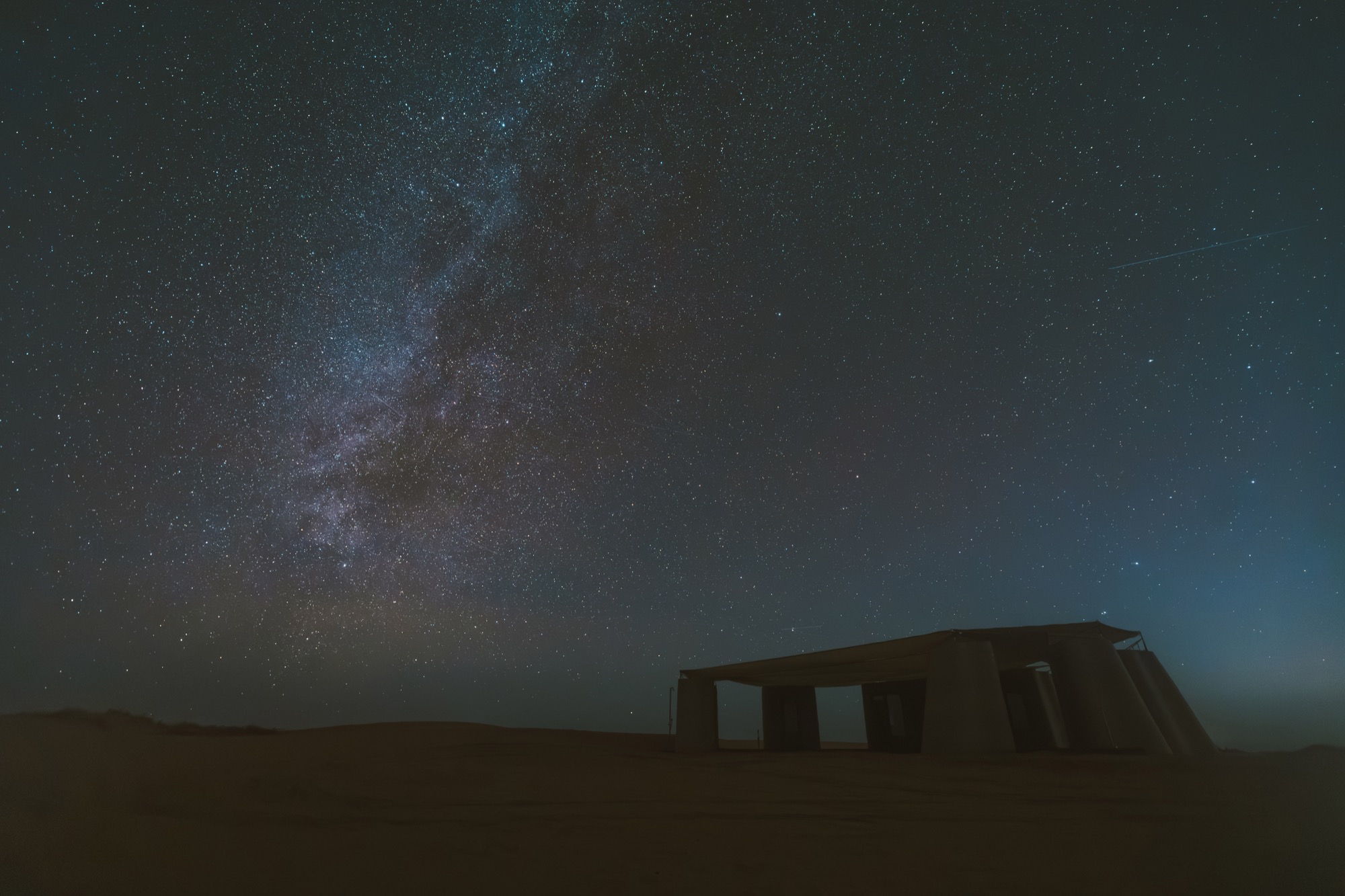
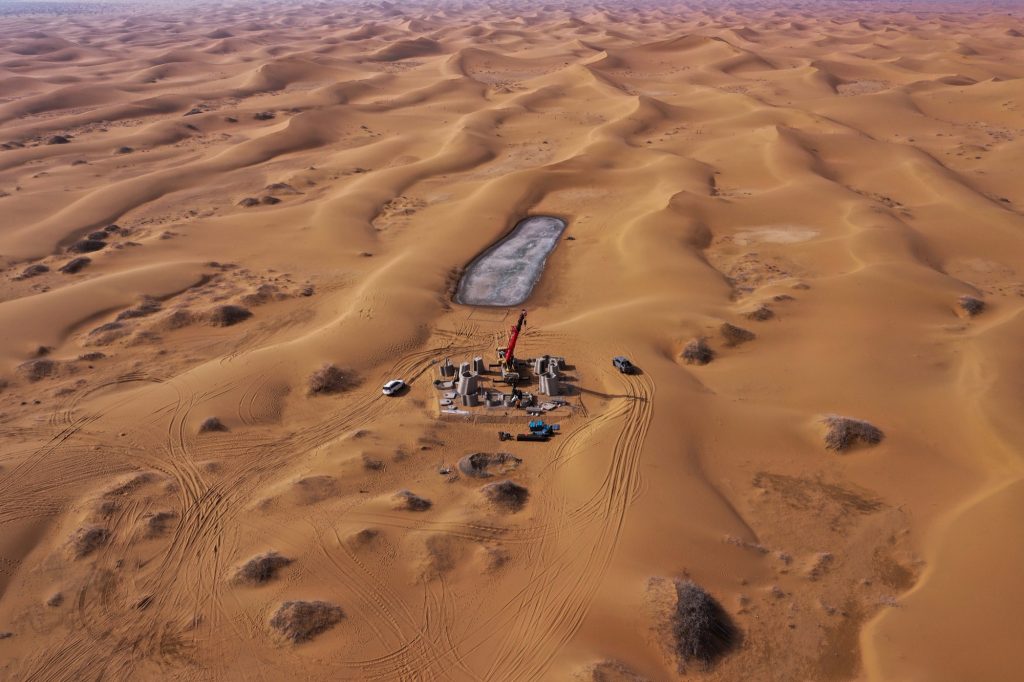
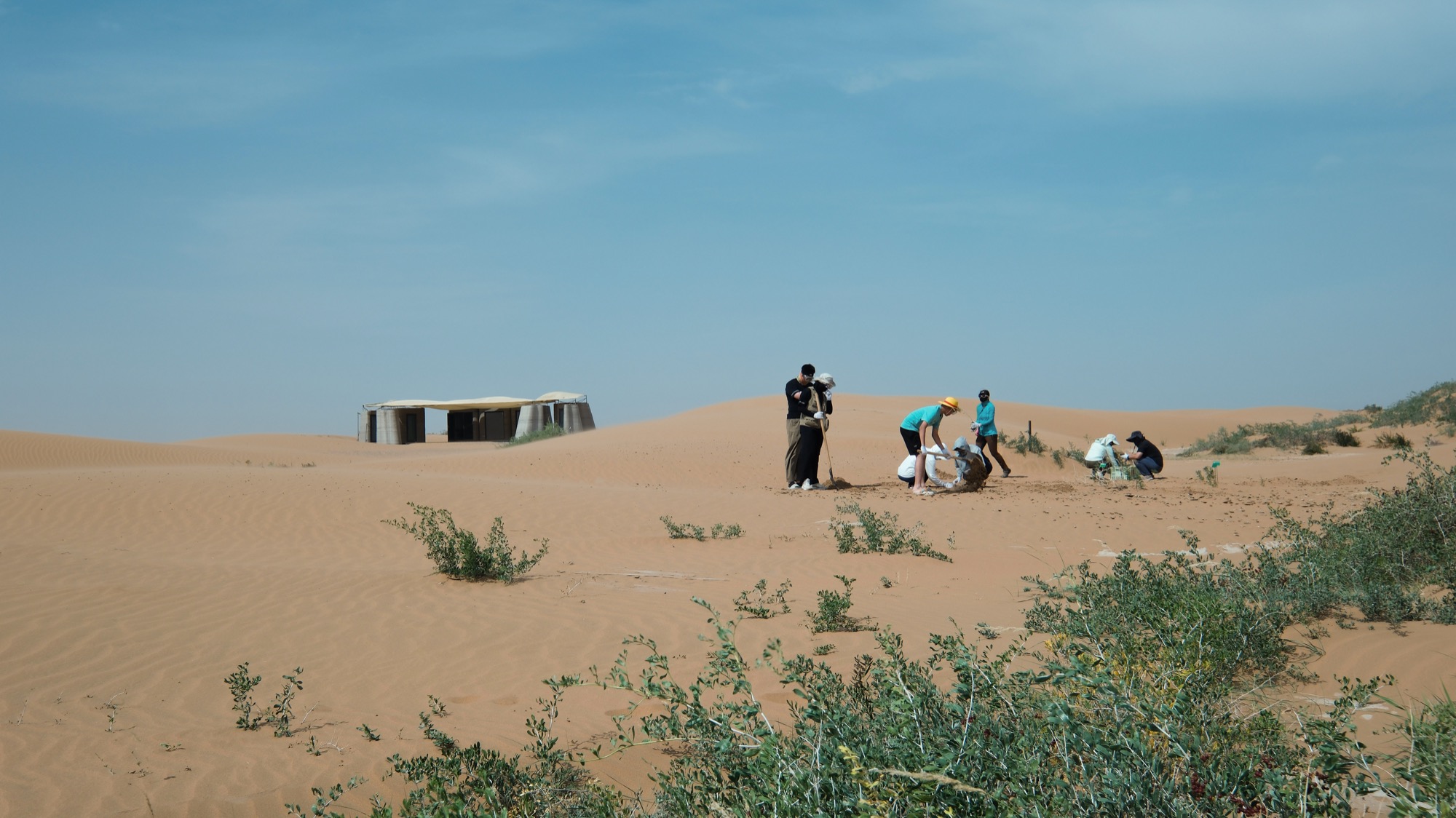
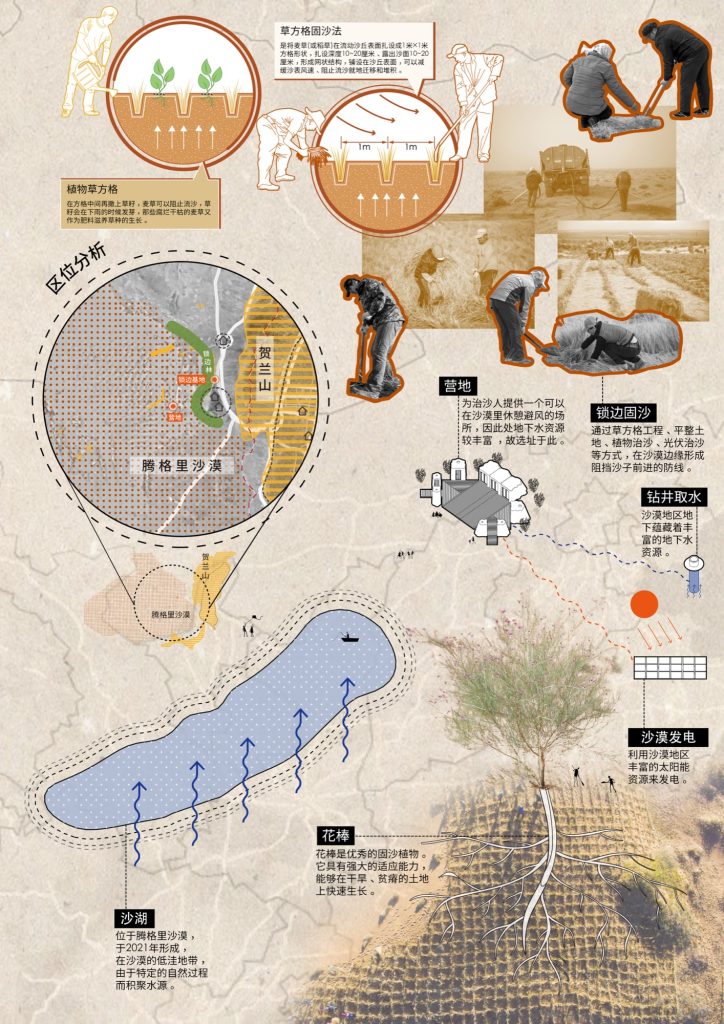
When we first visited the site in 2022, we had no idea how to build in a desert environment. There were no paved roads, and driving across the dunes was so relentlessly bumpy that everyone felt disoriented. The Tengger Desert was beautiful yet hostile, with scorching sun and roaring winds during the day, while temperatures dropped mercilessly at night and logistics became almost impracticable. Under such uninhabitable conditions, we were deeply moved by the enduring spirit of our hosts, a local non profit organization that has been planting trees along the desert’s fringe for more than twenty years.
It brought to mind a similar vision from Denis Villeneuve’s Dune, where civilization struggles to survive on a forbidding planet. For us, the project is not simply about building a temporary campsite, as the brief initially required. More importantly, it became an opportunity to test a resilient architectural solution, one that could help humanity adapt to climate change and perhaps even explore worlds beyond Earth.
Could you elaborate on your overarching design philosophy for this structure, emphasizing how it balances innovation in 3D printing with ecological responsibility?
Our guiding principle for this project was to respect the fragility of both human life and the natural environment. On one hand, the building needed to provide durable, long term protection for its occupants against the harsh desert climate. On the other, its construction had to leave the lightest possible footprint on the site.
We deliberately avoided traditional materials such as brick and cast in place concrete, since both require extensive on site labor and deep foundation excavation. Rapid modular systems, including timber and container structures, are readily available, but they deteriorate too quickly after years of sandstorms. We also wanted to avoid generating industrial waste, especially considering our clients’ ongoing efforts to restore the region’s ecological balance.
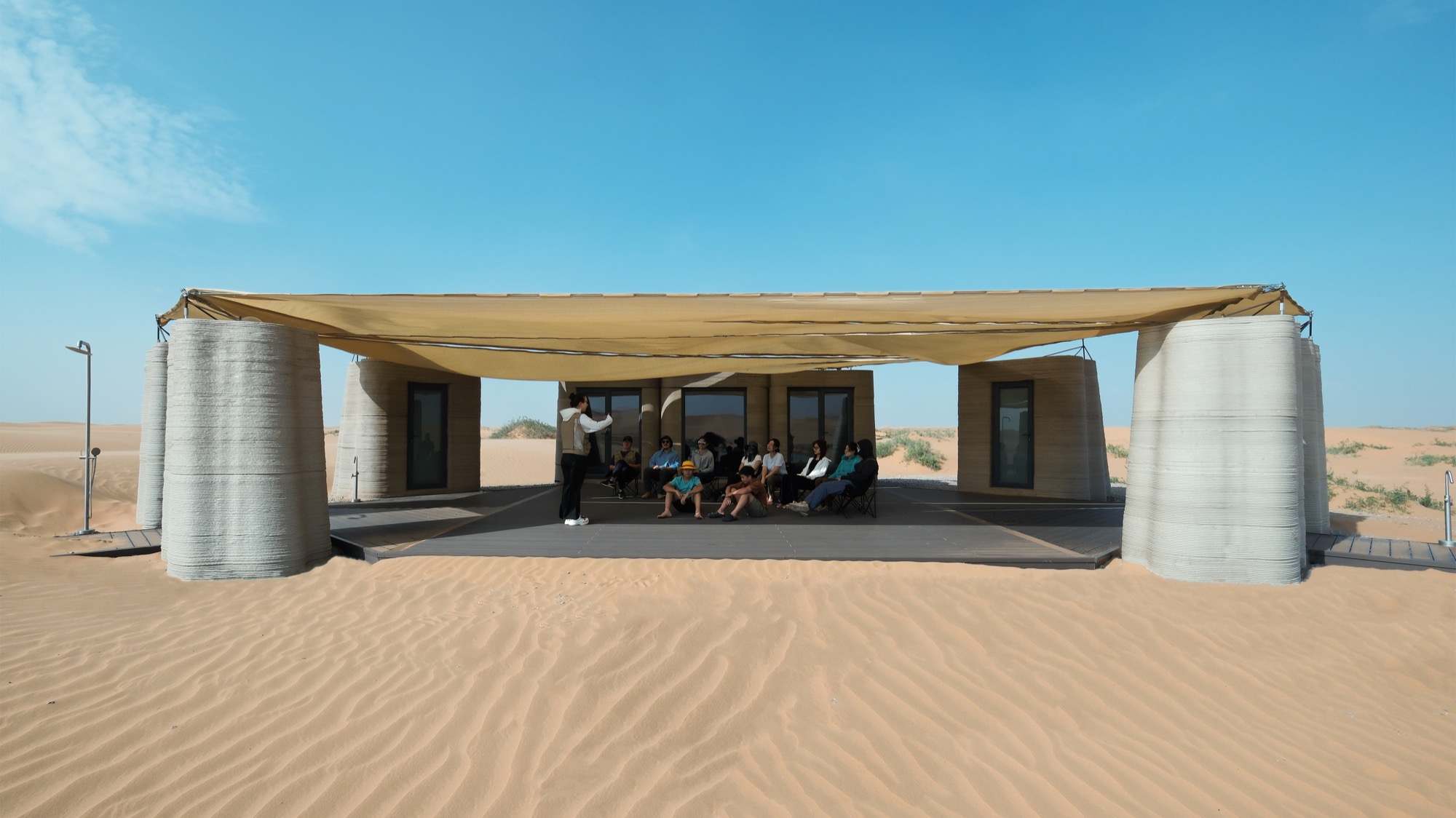
3D printed concrete offered a clear advantage. It minimizes the ecological disturbance caused by field operations to the greatest extent possible. Since the primary ingredient of this 3D printed concrete is accumulated desert sand, we imagined a building that could blend seamlessly into the landscape and eventually return to the earth, becoming part of the local “terroir.”
How did the concept of modularity evolve in your design process, and what role did it play in making the building adaptable for both desert fieldwork and potential future habitats?
Logistics became the key consideration. While 3D printing equipment could theoretically be shipped to the site, it would have required extensive maintenance and supplies, and the robotic system itself was not particularly weatherproof. Above all, our goal was to build intelligently and sensitively within the context.
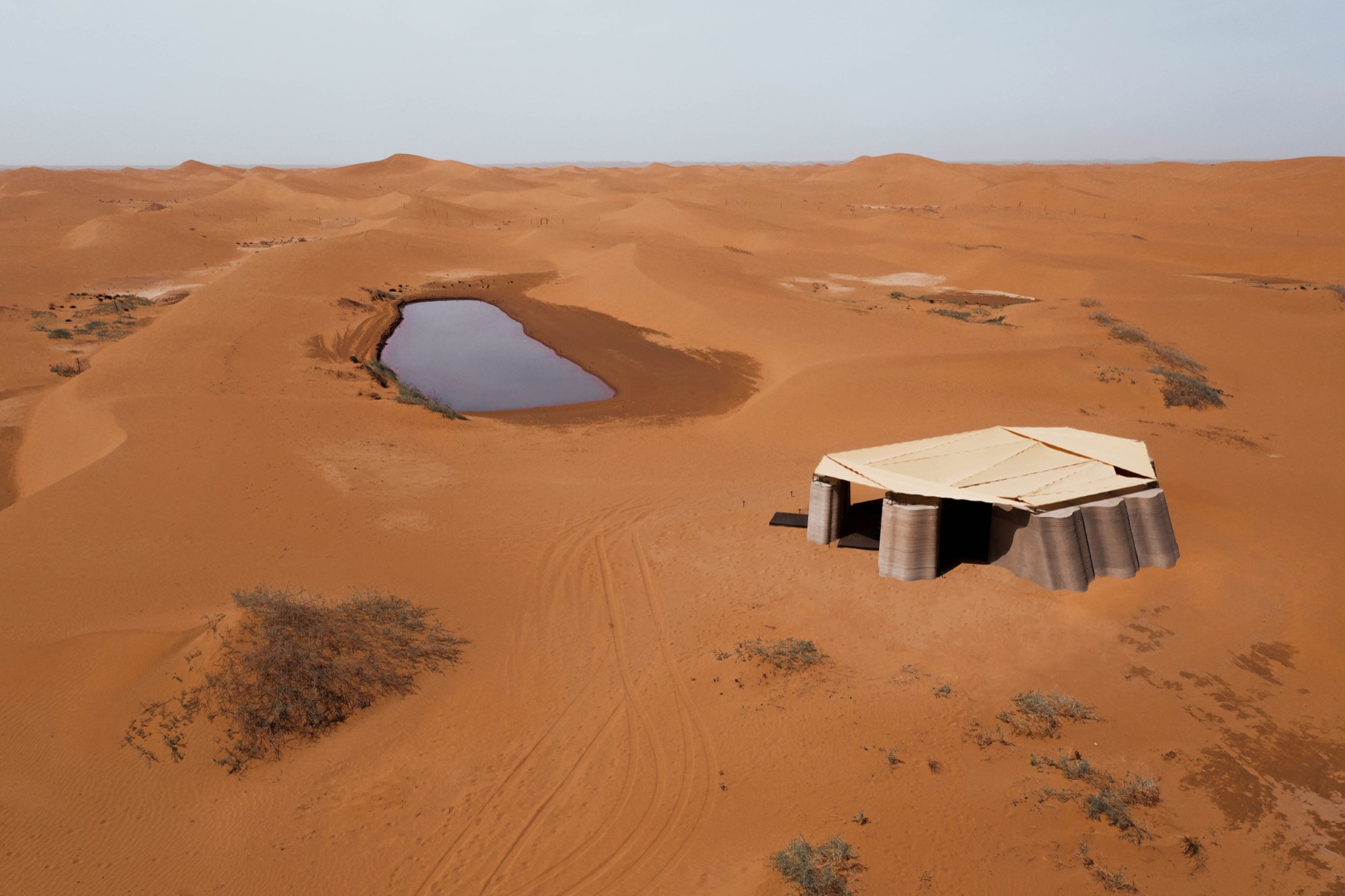
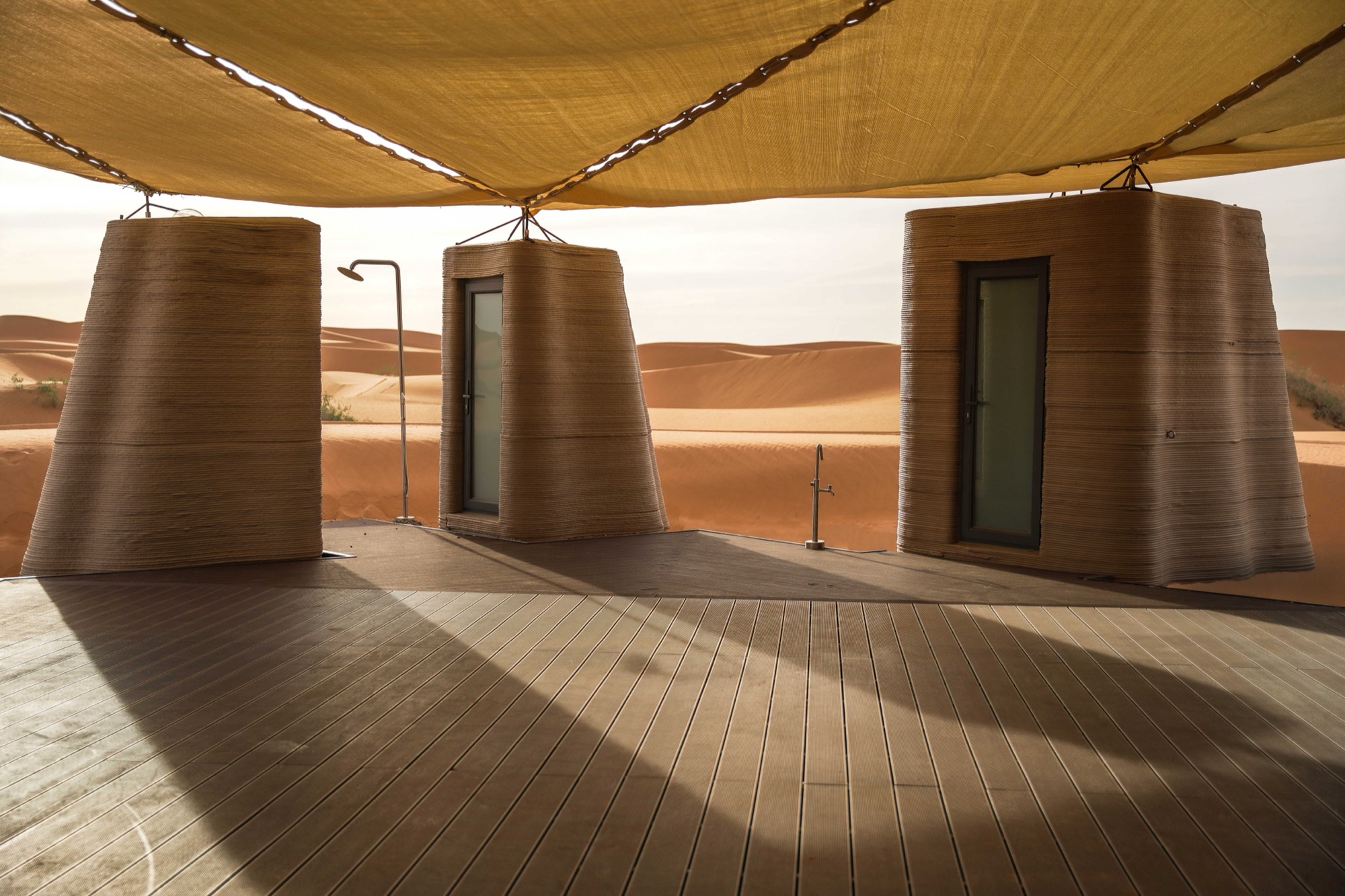
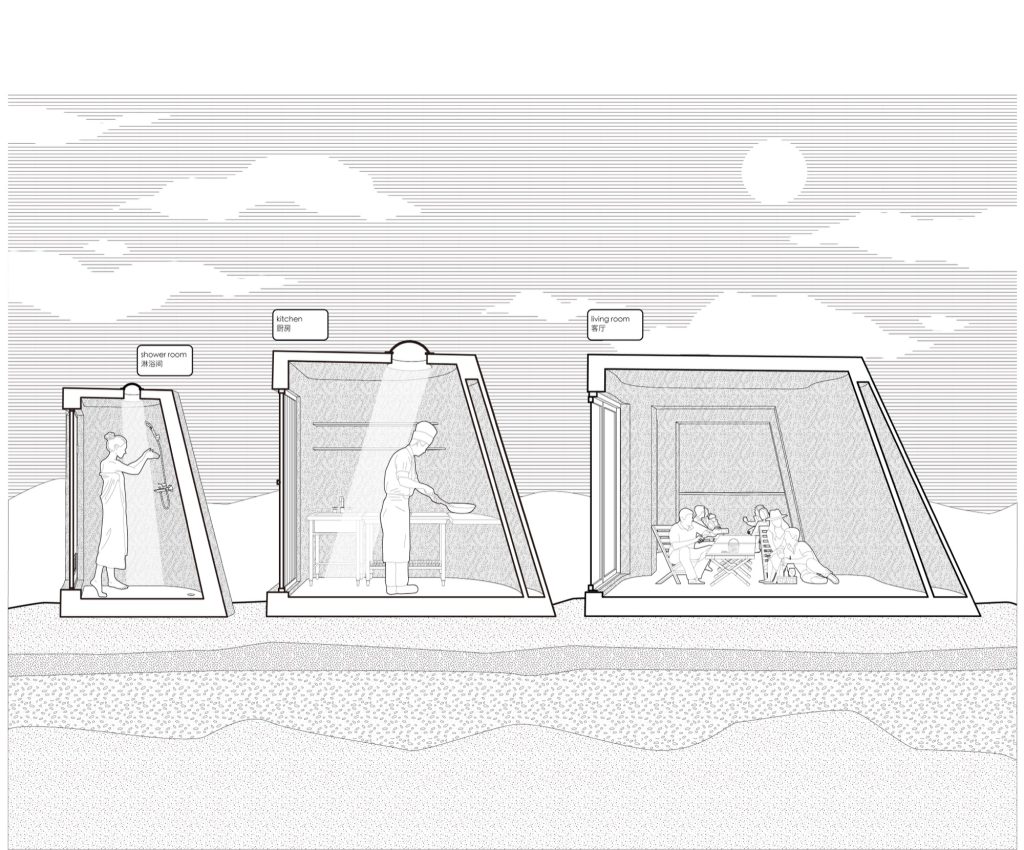
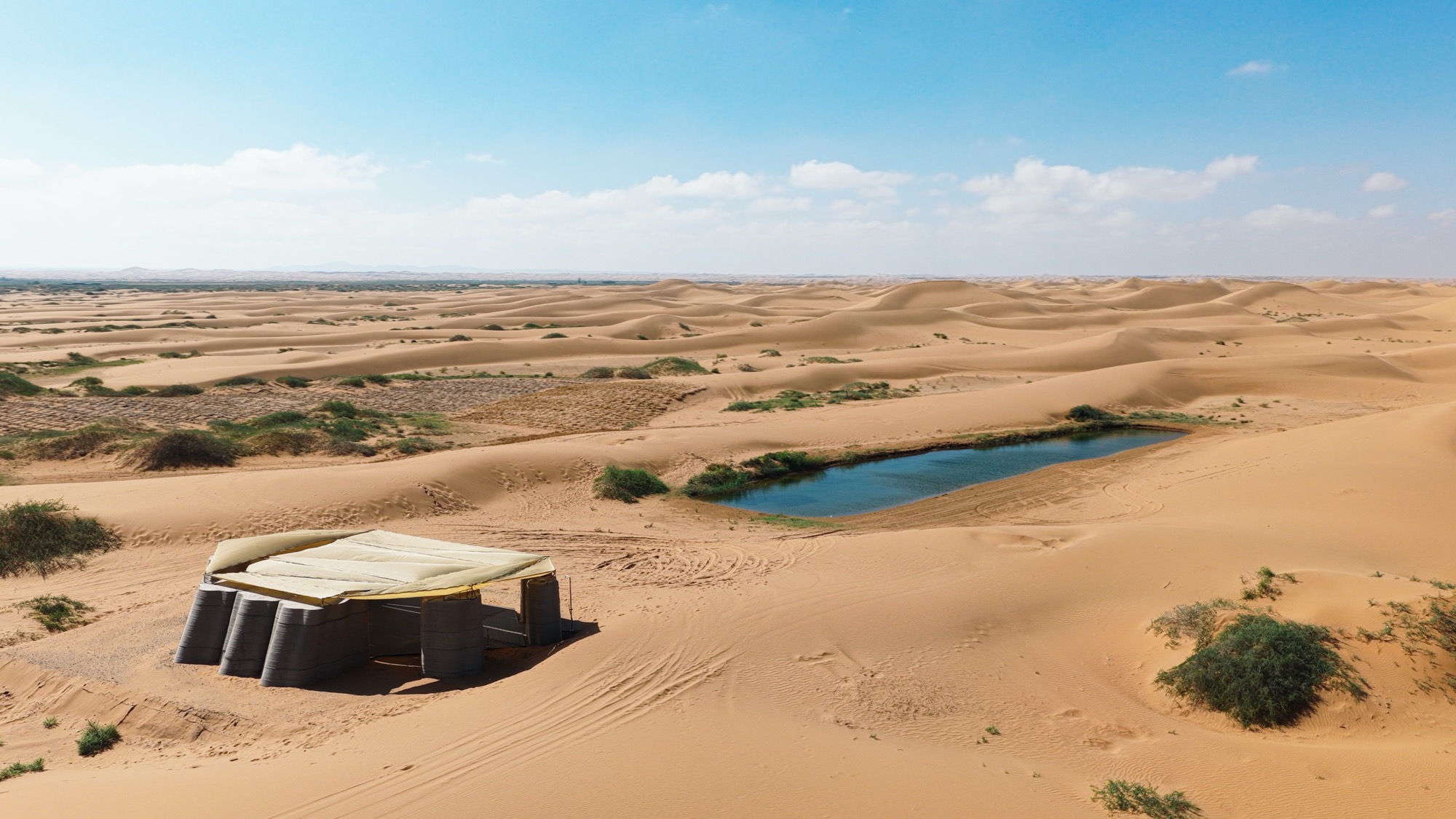
We therefore decided to divide the 150 square meter program into separate volumes arranged around a platform, forming a compound. Each volume accommodates a different life supporting function, including the kitchen, bath, toilet, storage, and living room. This strategy not only reduces the overall massing, but also creates a more intimate sense of place within the vastness of the desert landscape.
In total, there are nine volumes of varying sizes, with the living room spanning three of them. Working with our 3D printing supplier, R3DCP, we designed four custom modules tailored both to functional requirements and to the transportation limitations of highway and desert travel. In the factory, every module was completed with insulation and utilities fully integrated, which meant very little fitting work was required on site.
Although the Desert Ark project is highly site specific, we also see it as an experiment in building for extreme climates, including outer space. Whatever the circumstances, the essential principle remains the same: technology must always be applied at a human scale.
In terms of architectural perspective, how does the aerodynamic form of Desert Ark reflect a dialogue between natural wind patterns and modern construction techniques?
The Tengger Desert is one of the primary sources of the sandstorms that regularly sweep across northern and eastern Chinese cities, causing ecological disruption as far as the Korean Peninsula. Around our site, wind speeds have been recorded at up to 34 meters per second. As prevailing winds shift daily and seasonally, the dune landscape continuously reshapes itself. All forms of life and human activity must adapt to these severe conditions.
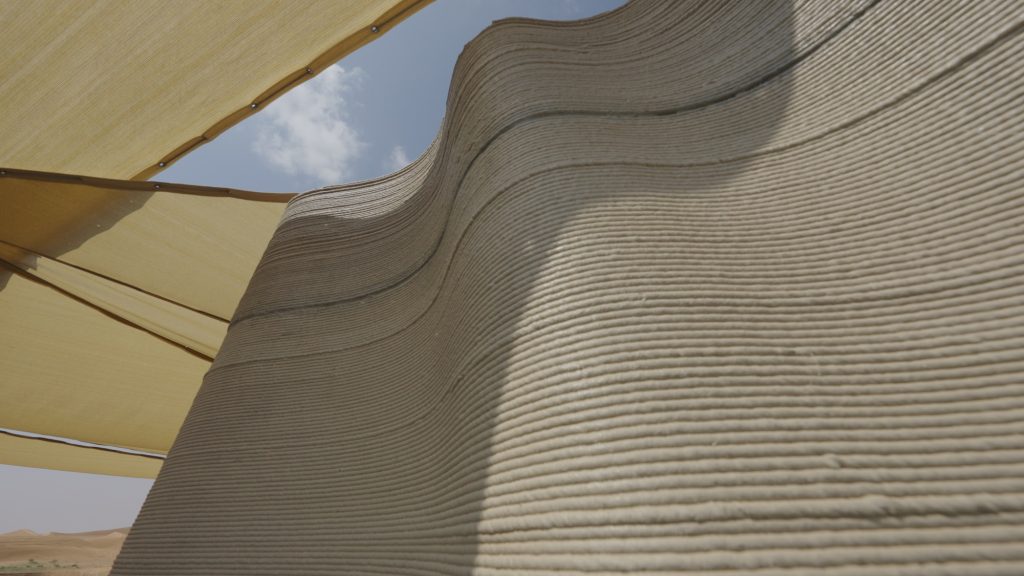
We wanted to create an architecture that could respond to this constantly changing natural environment. The profile of Desert Ark is sculpted with undulating curves that help minimize wind load, while its fluid surface texture echoes the rolling contours of the dunes. This kind of form, a precise balance between aesthetic refinement and structural efficiency, could only be achieved so fluidly through the 3D concrete printing system.
What unique challenges of the desert environment inspired the layered concrete textures, and how do they enhance the building’s integration with its surroundings?
“浮沙筑塔”, a famous phrase from an ancient Buddhist scripture, literally means “to build a tower on shifting sand,” much like the Western expression “building castles in the sand.” Of course, the saying emerged during a time when people did not yet understand that sand itself could become a primary structural material.
In reality, brick, concrete, and glass are all born from sand, yet they take on entirely different appearances. If one were to ask what sand itself wishes to become in architecture, it would probably seek to reveal its own true nature.
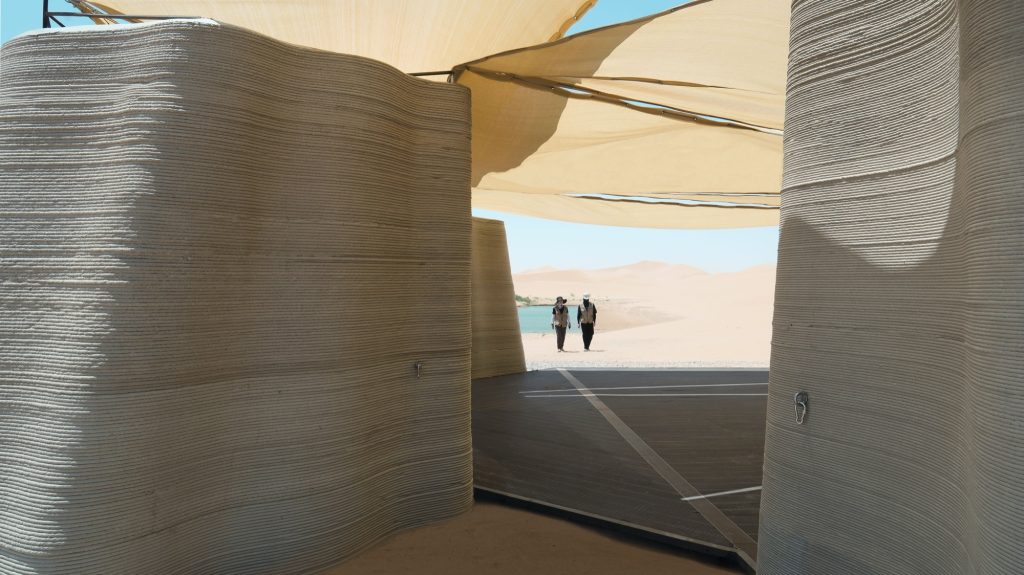
Our goal was never to create something pretentious, alien, or overpowering within the desert. Instead, the building needed to feel humble, native, and seamlessly integrated into the land. Without polishing or veneering, the layered concrete texture remains rough yet fluid, moving quietly in harmony with the ever shifting contours of the dunes.
Can you share insights into the selection of Robotic 3D Concrete Printing (R3DCP), what made it an exciting choice for achieving precision and efficiency in a remote setting?
Before the Desert Ark project, we had long hoped for an opportunity to collaborate with Professor Weiguo Xu from Tsinghua University and his pioneering R3DCP team. Their earlier prototypes had demonstrated remarkable potential, but those projects were almost always printed on site in relatively controlled urban or suburban environments, where access to power, water, and materials was straightforward and where there was ample room for adjustment.
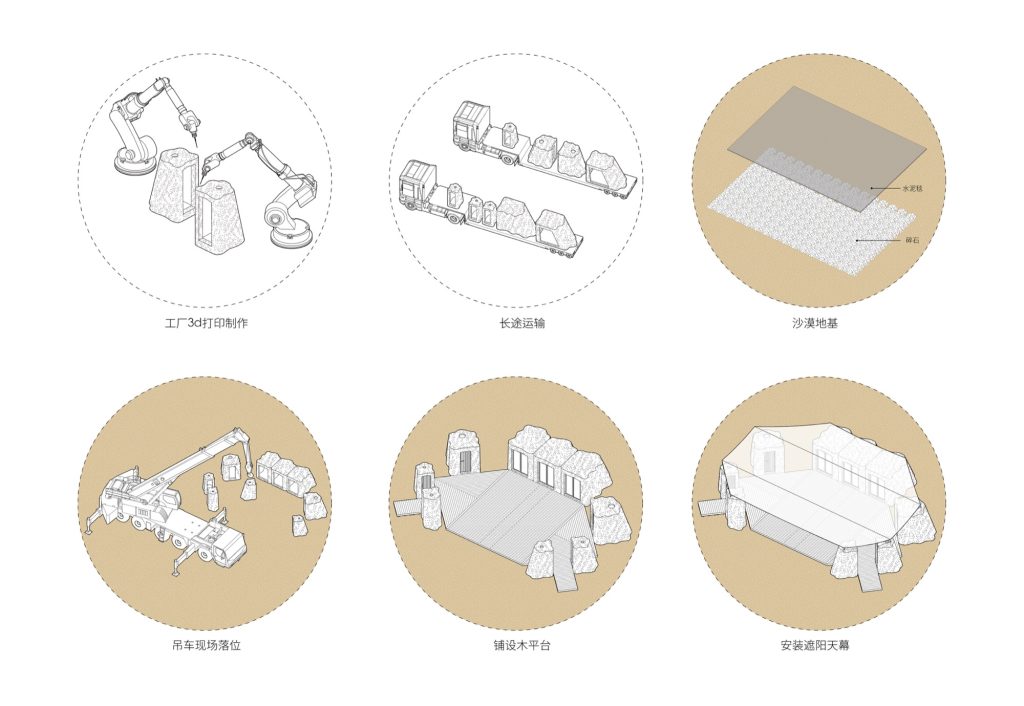
The desert presented an entirely different challenge. With extreme temperatures, unpredictable sandstorms, and the difficulty of transporting and maintaining delicate robotic equipment, we quickly realized that on site printing in the Tengger Desert would be impractical, if not impossible. We therefore made a decisive shift in strategy: every unit would be fully fabricated in a controlled factory environment, then transported across the desert and assembled directly on site.
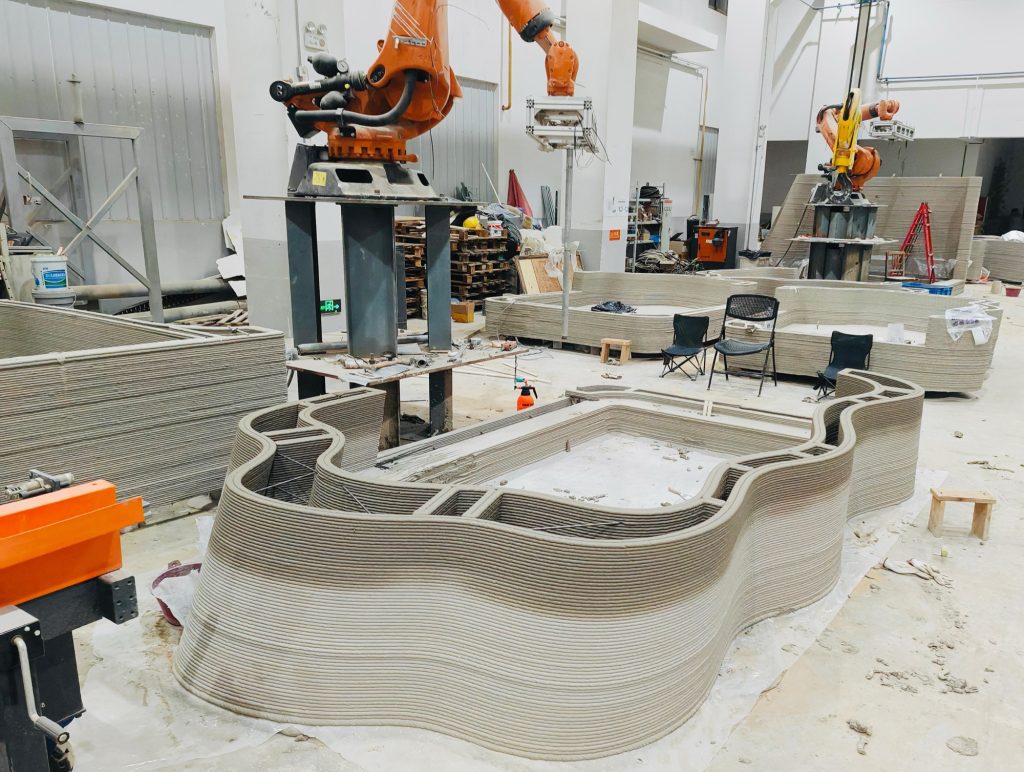
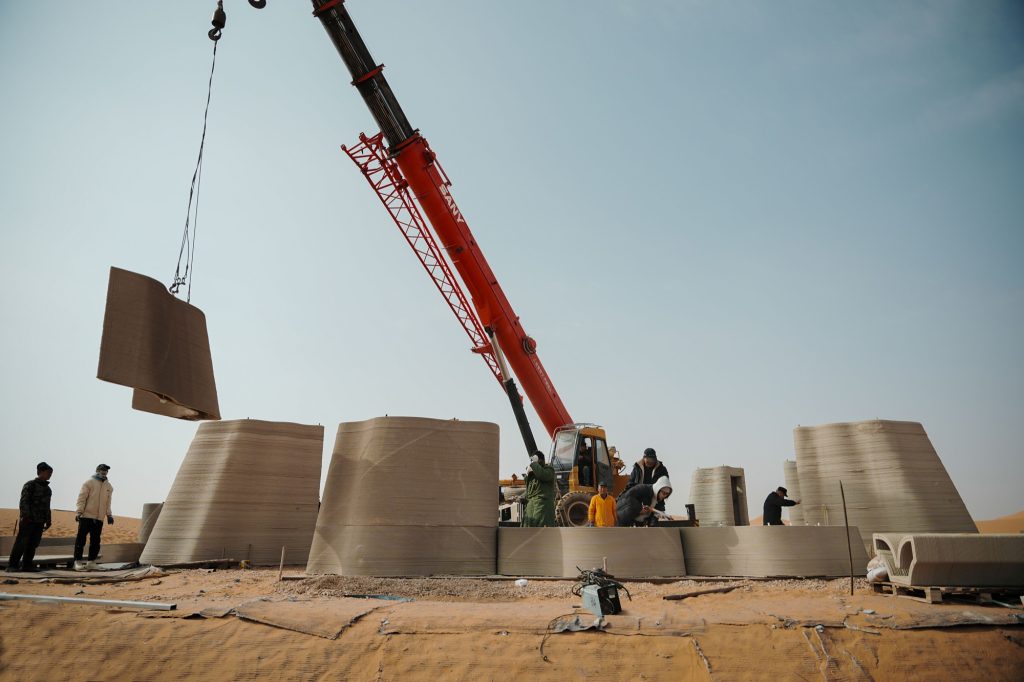
This approach is far less tolerant of error. Once the modules leave the factory floor, there is no room for last minute improvisation or patching. It is almost like delivering a DIY house to the moon, with no customer service available and no second chances. Every bolt hole, conduit, and embedded fixture has to be positioned with absolute precision from the beginning.
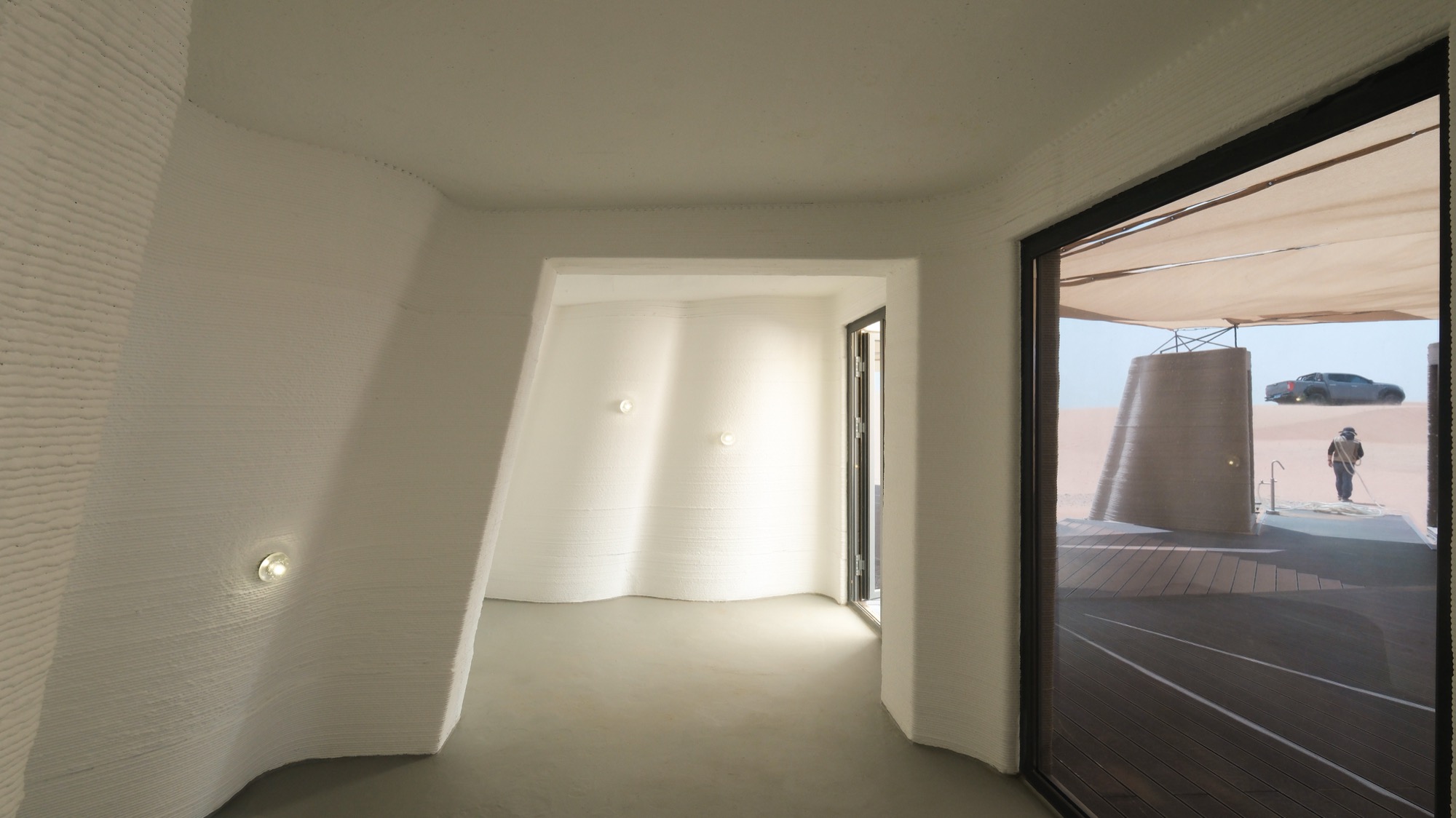
Yet this constraint became the catalyst for a deeper integration between design and fabrication. Through advanced parametric modeling and close collaboration, the R3DCP system was able to merge the structural shell and necessary fittings into a single continuous printing process. Insulation was embedded within the layered concrete walls, conduits for wiring and plumbing were printed directly in place, and assembly connection points were digitally pre coordinated.
As a result, site installation became remarkably efficient. The modules arrived like carefully crafted components of a full scale kit, requiring only minimal joining work beneath the desert sky. Paradoxically, the more complex and organic the building form became, the more this system revealed its strengths, freeing us from the rigid logic of conventional construction and allowing the architecture to flow like the dunes themselves.
From a sustainability angle, how did you approach the off grid systems like solar integration and full wastewater recycling to support the reforestation efforts?
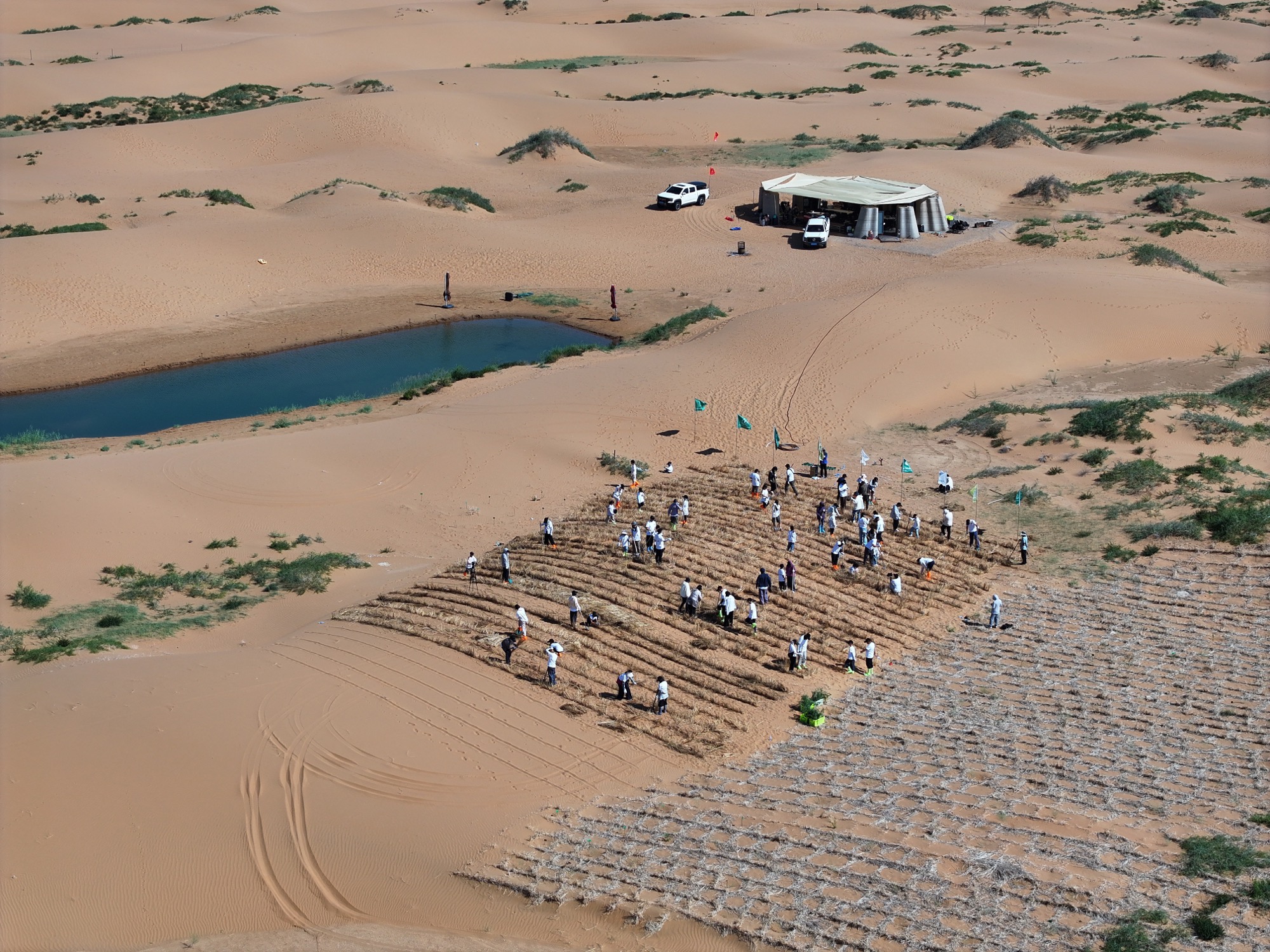
The reforestation effort is part of a larger mission to contain the expansion of the Tengger Desert, and at the center of that mission lies the careful management of energy and water. As a support facility for field operations, Desert Ark needed to align closely with the goals of our client, the Alxa Tengger Desert Ecology Fund.
The site is far from any civil infrastructure, but it is conveniently located near an intermittent lake, which serves as a natural water source for both planting and drinking. We wanted to create a self sustaining project, much like the shrubs the rangers plant across the landscape: powered by sunlight and resistant to drought.
Solar panels installed alongside the building supply most of the electricity demand, including vehicle charging. Although the desert can naturally biodegrade most human waste, we took special care to avoid contaminating the lake. Two of the 3D printed units are designed as toilets and another two as showers. All wastewater is collected in a buried tank and treated into fertilizer for vegetation, particularly plants vulnerable to grazing by local livestock.
How does the use of reusable cargo pallets for the foundation embody your views on reversible architecture, and what makes this feature particularly intriguing for desert projects?
From the beginning, our intention was to create an architecture that could endure without becoming permanent, much like a scientific base on an Antarctic ice shelf. The desert surface is constantly shifting, while the ground below is saturated with underground water. Disturbing it with massive excavations or deep piles would have been both unnecessary and unwise, especially since the tree planters will eventually move on once their work in this area is complete.
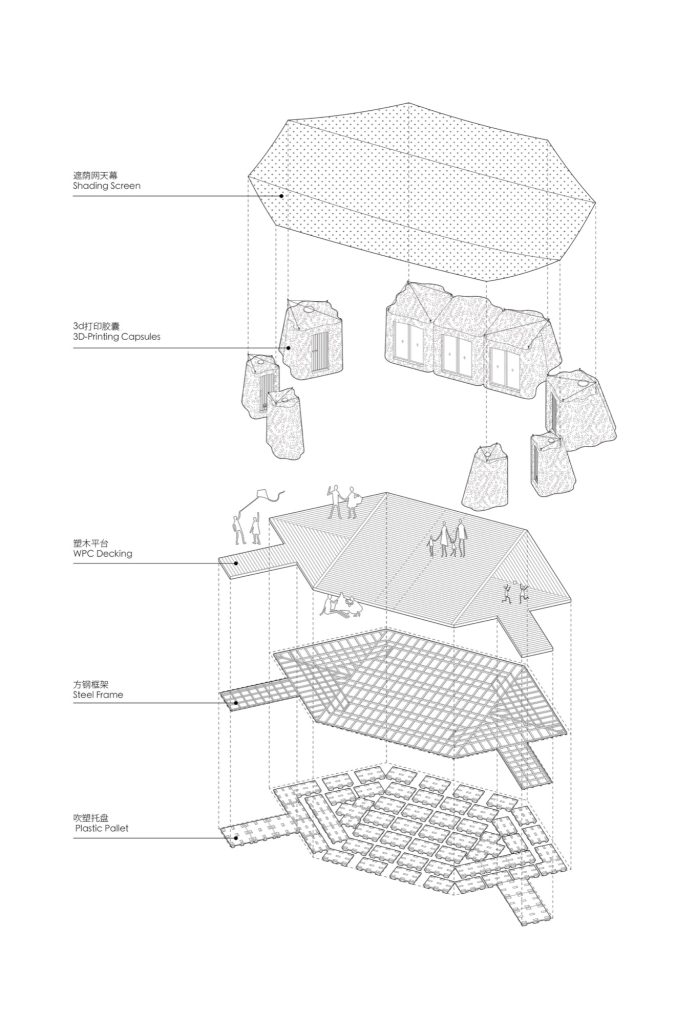
We therefore imagined the entire compound floating like a stable raft upon this ocean of sand. The 3D printed units rest on a bed of crushed pebbles, while the central wooden platform is supported by clusters of reclaimed cargo pallets bound together with steel studs. The solution is affordable, quick to deploy, and entirely removable once the camp needs to relocate.
It was precisely this light footed, nomadic logic that led the planters to give the project its unofficial name: Desert Ark.
What architectural innovations in insulation and thermal control were key to addressing the extreme temperature swings, and how might they influence broader climate adaptive designs?
In practice, 3D printing technology allows for a more integrated approach to insulation within the building envelope, where the voids between concrete layers can be filled with high performance thermal materials. In our case, however, to avoid generating construction waste during future relocation, we left those cavities filled only with air.
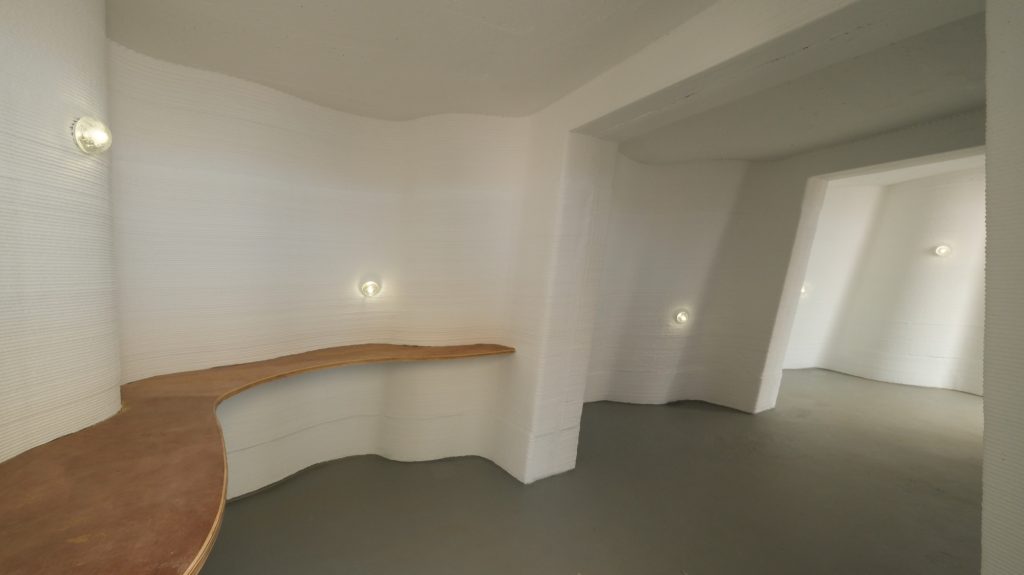
Like the region’s vernacular hollow walls made of earth and brick, the double layered concrete shell of Desert Ark absorbs solar heat during the day and slowly releases it into the rooms at night, providing sufficient comfort for temporary stays. During the hottest summer days, all units and the central platform are shaded by a retractable fabric canopy, creating an additional insulating layer while significantly reducing indoor temperatures without the need for mechanical air conditioning.
We believe that even the most advanced technologies become more humane and cost effective when combined with traditional wisdom.
Looking forward, how do you envision Desert Ark’s design principles evolving for other extreme environments, and what unexpected lessons from this project spark your curiosity for future explorations?
Here is our unfinished checklist, a set of principles for future builders using R3DCP, and perhaps for building in extreme environments more broadly:
• Celebrate temporariness rather than eternity.
• A proper level of comfort and aesthetic care is not a luxury, but essential to the well being of occupants.
• Use local resources wisely, without overexploitation.
• Always consider methods of disposal once a building reaches the end of its lifespan.
We also came away with a sobering lesson. During site installation, one of the units split apart. Fortunately, no one was injured and the damage was repairable, but the incident left us wondering whether a prefabricated structure deployed in the field could behave more like an organic body. Could future 3D printed structures develop the capacity for self repair?
What excites us most, however, is that the development of R3DCP is still in its infancy. There remains so much to experiment with. For our next project, we may attempt on site printing using only materials derived directly from local soil, allowing architecture to become a direct expression of place, much like wine reflects the terroir from which it comes.

Interview Credit
Text by Rafael Cunha
Time 05.2026
Photo: ATDEF team, Huaer Lin, Ziwen Hu, Yong Hu


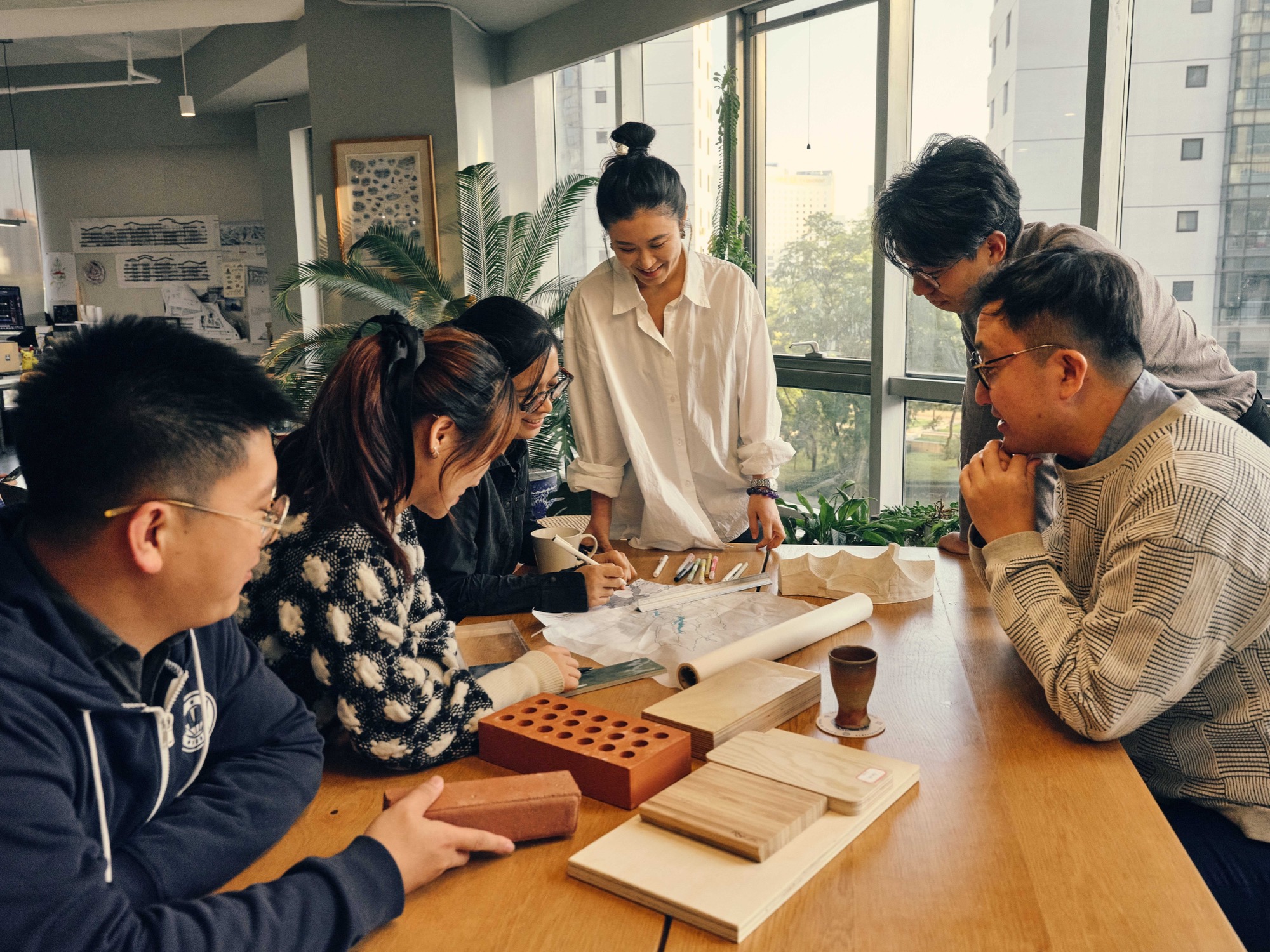
The three images above show designRESERVE’s office in China.