Now Reading: Martín Martín arquitectos turns place into architecture in Granada
- 01
Martín Martín arquitectos turns place into architecture in Granada


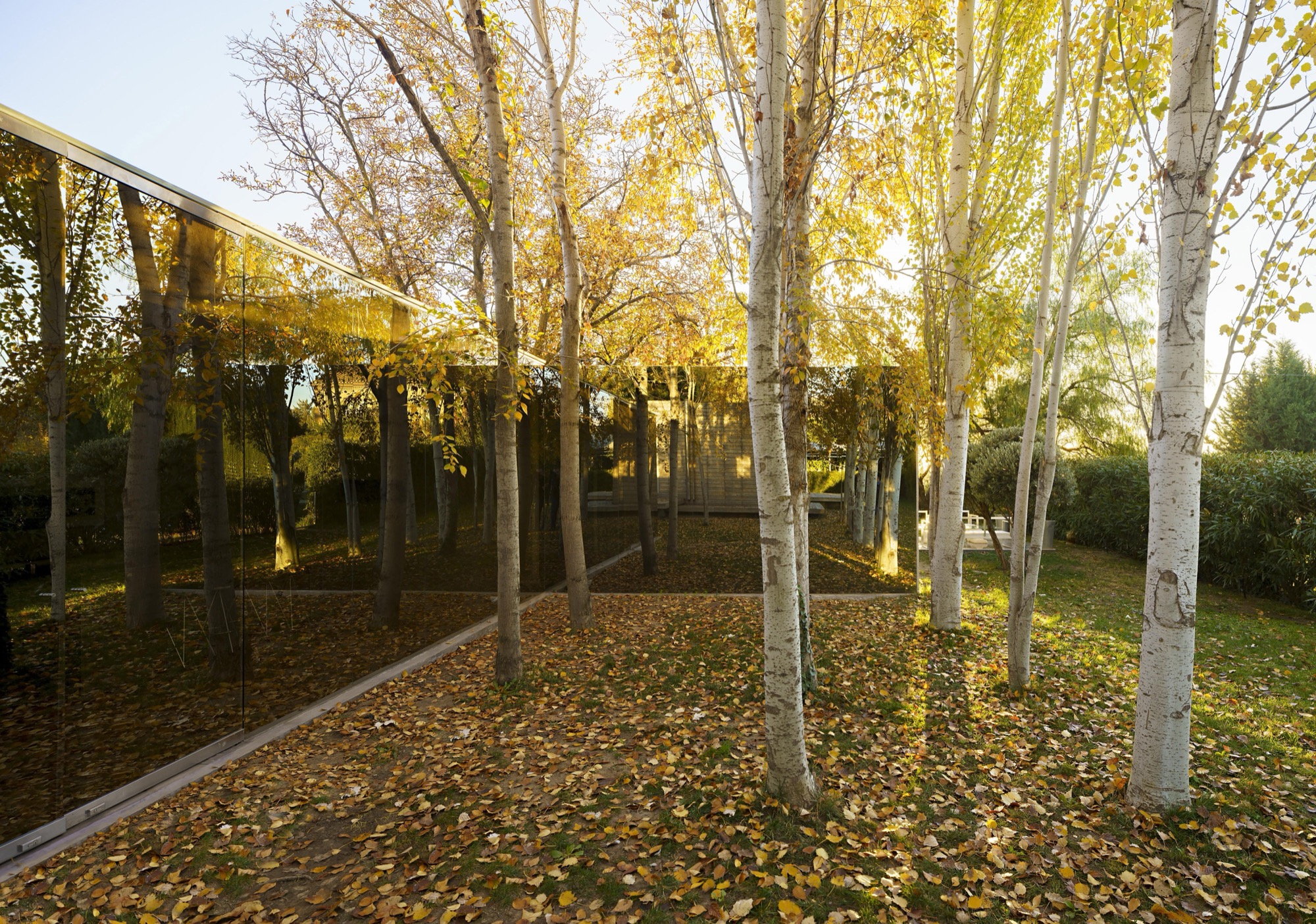
Martín Martín arquitectos presents four projects in Granada that reveal a consistent architectural attitude shaped by landscape, heritage, memory and time. Developed across different programmes, from private houses and social housing to the transformation of a historic building, the works share a common conviction: architecture does not begin with form, but with the careful reading of the place where it is built.
For the Granada based practice, context is not treated as a limit, nor as a picturesque background. It becomes the project’s first material. Topography, vegetation, light, climate, memory and everyday life are understood as active agents in the design process, with the same importance as structure, construction and programme.

This attitude is rooted in the studio’s long engagement with architectural heritage and the historic city. Over time, that understanding of context has expanded in scale, moving from the building to the city, from the city to the landscape, and from the landscape to the territory. What remains constant is a way of working based on listening before intervening, and understanding before building.
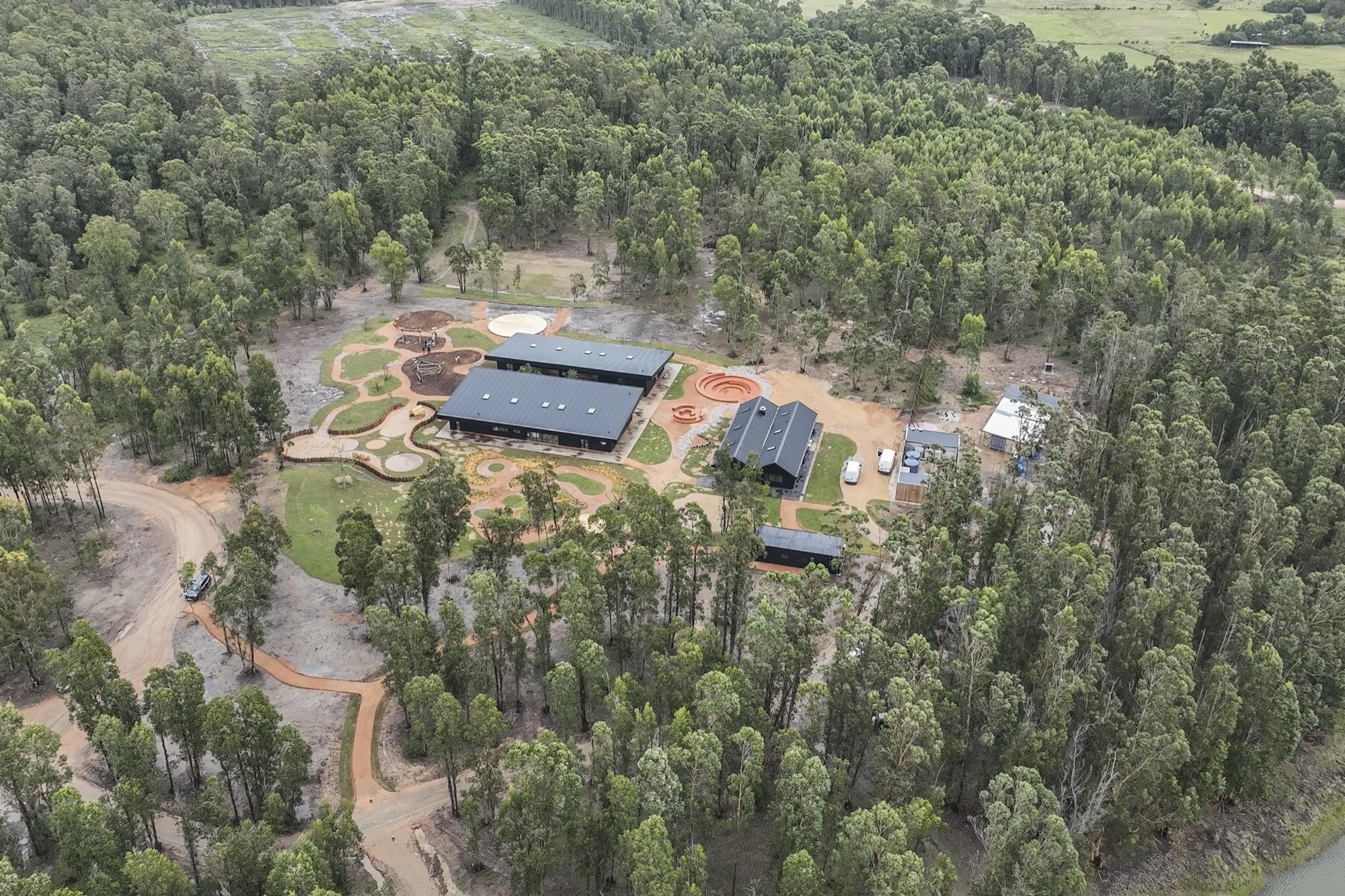
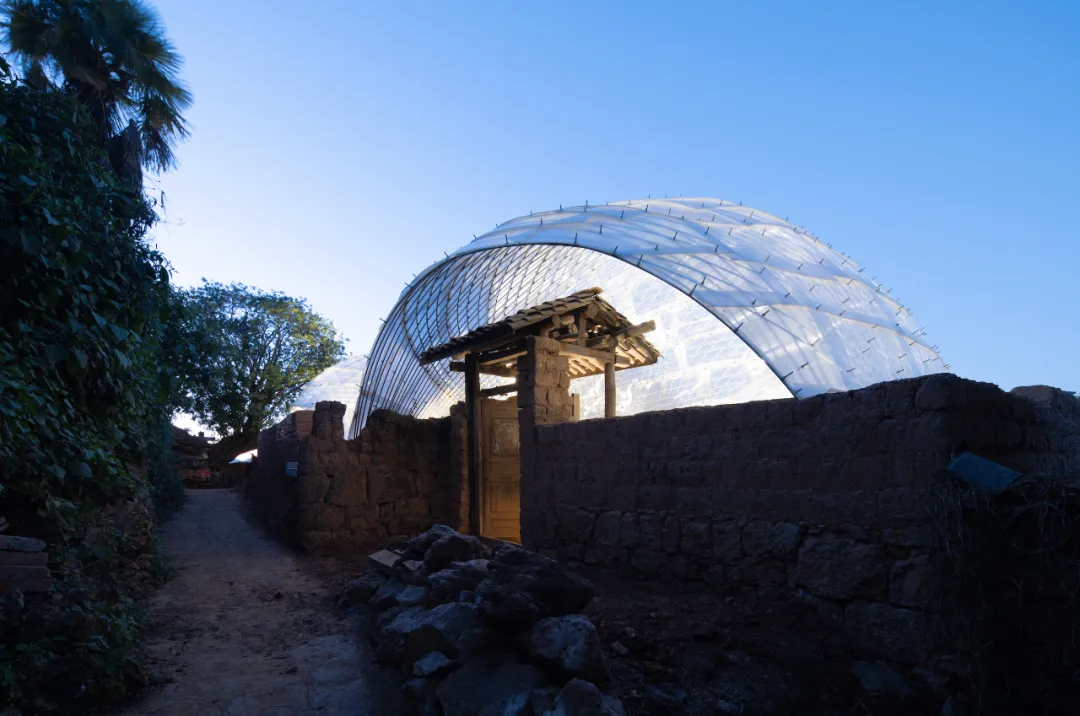
Loé Emotional is perhaps the clearest expression of this research. The project began with the transformation of a small timber shelter, a modest structure whose fragile presence became the starting point for a larger architectural intervention. Rather than replacing it or imposing a new order on the site, Martín Martín arquitectos allowed the original building to guide the project.

Four independent pavilions were gradually placed among the existing trees. Their position, orientation and relationship to one another are shaped by the landscape itself. The trees organise circulation, frame views and define the changing boundary between interior and exterior.
The project does not seek to dominate its setting. Its timber skin was designed to weather naturally, allowing the architecture to age with the surrounding woodland. Over time, the distinction between building and nature becomes increasingly soft. Architecture is not presented as an object in the landscape, but as something that slowly becomes part of it.


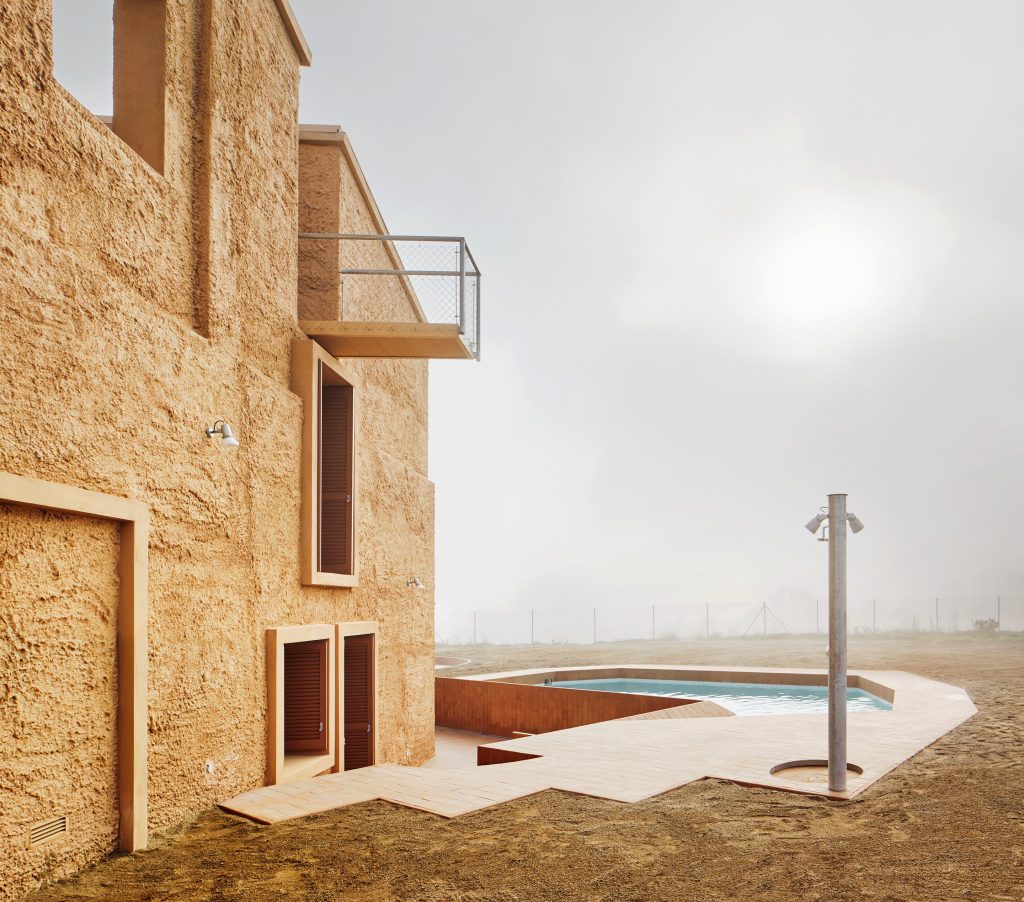
House for a Writer brings the same sensitivity to the historic fabric of Granada. Built on a narrow and difficult site, the project does not treat constraint as an obstacle to overcome. Instead, the limitations of the plot become the basis of the architecture.
The house is organised through section, courtyards, natural light and carefully framed views. Its spaces unfold vertically and inwardly, creating moments of intimacy while maintaining a subtle connection with the city and the surrounding landscape. The result is a dwelling in which place is not simply visible from the interior, but becomes part of daily life.

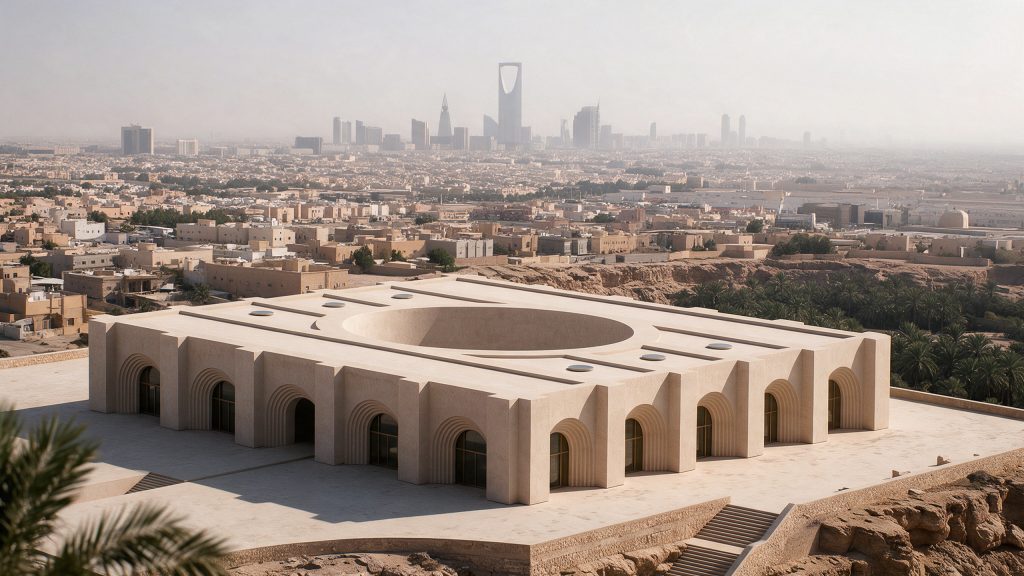
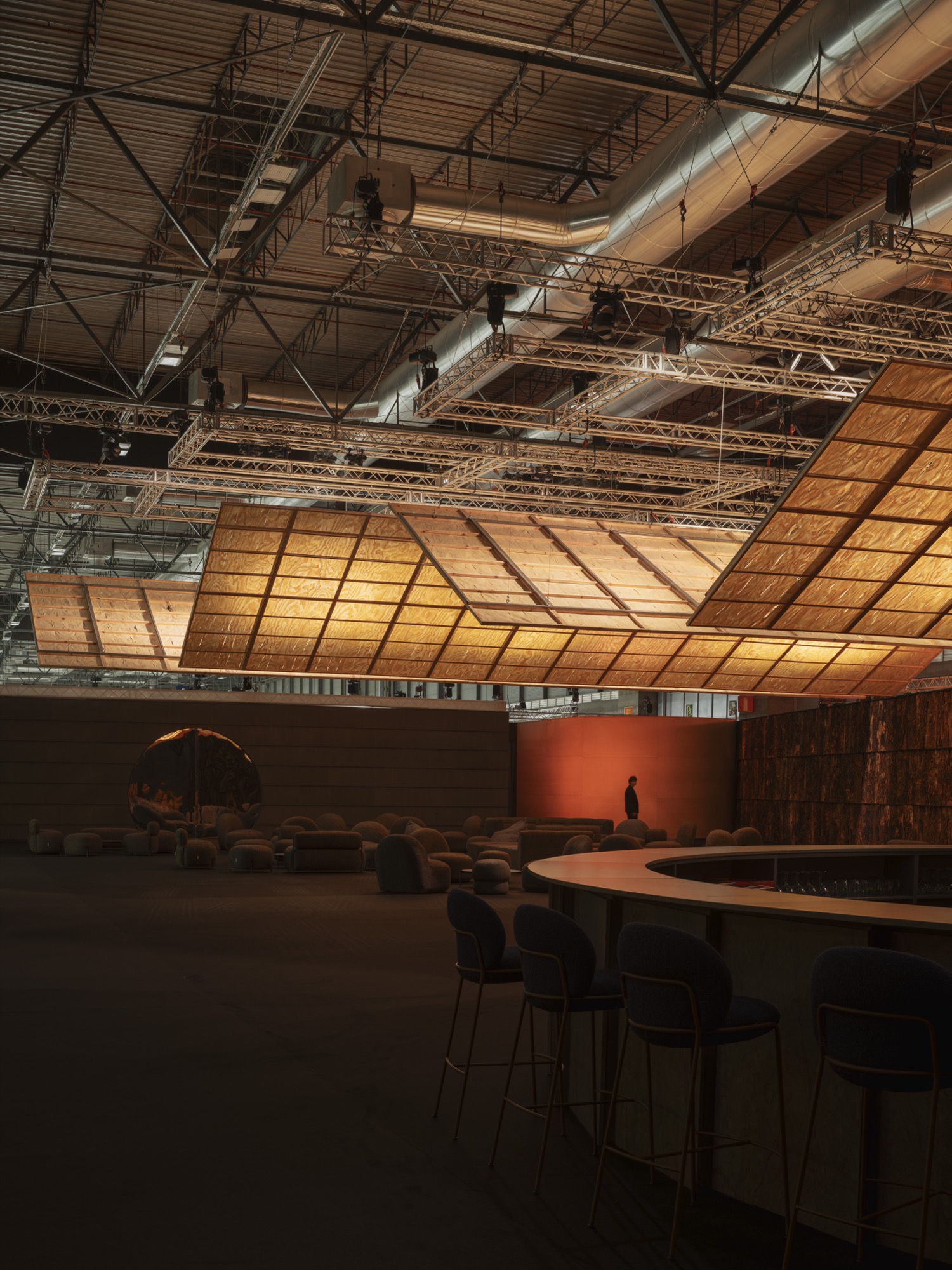
In the Social Housing project, the question of context becomes urban. Here, geometry, proportion and repetition are not only responses to functional or economic demands. They also form a strategy for creating a meaningful piece of the city.
The project understands collective housing as more than the provision of dwellings. It is an opportunity to shape relationships between public space, domestic life and community. Through clarity and restraint, the architecture contributes to the continuity of the urban landscape while offering a dignified framework for everyday living.


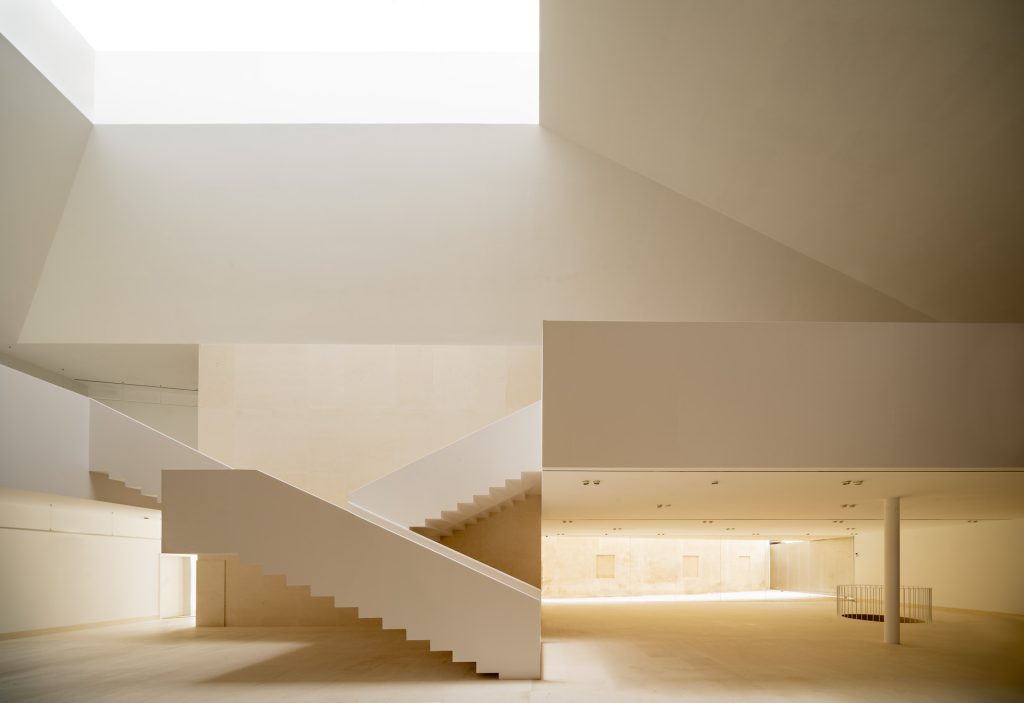
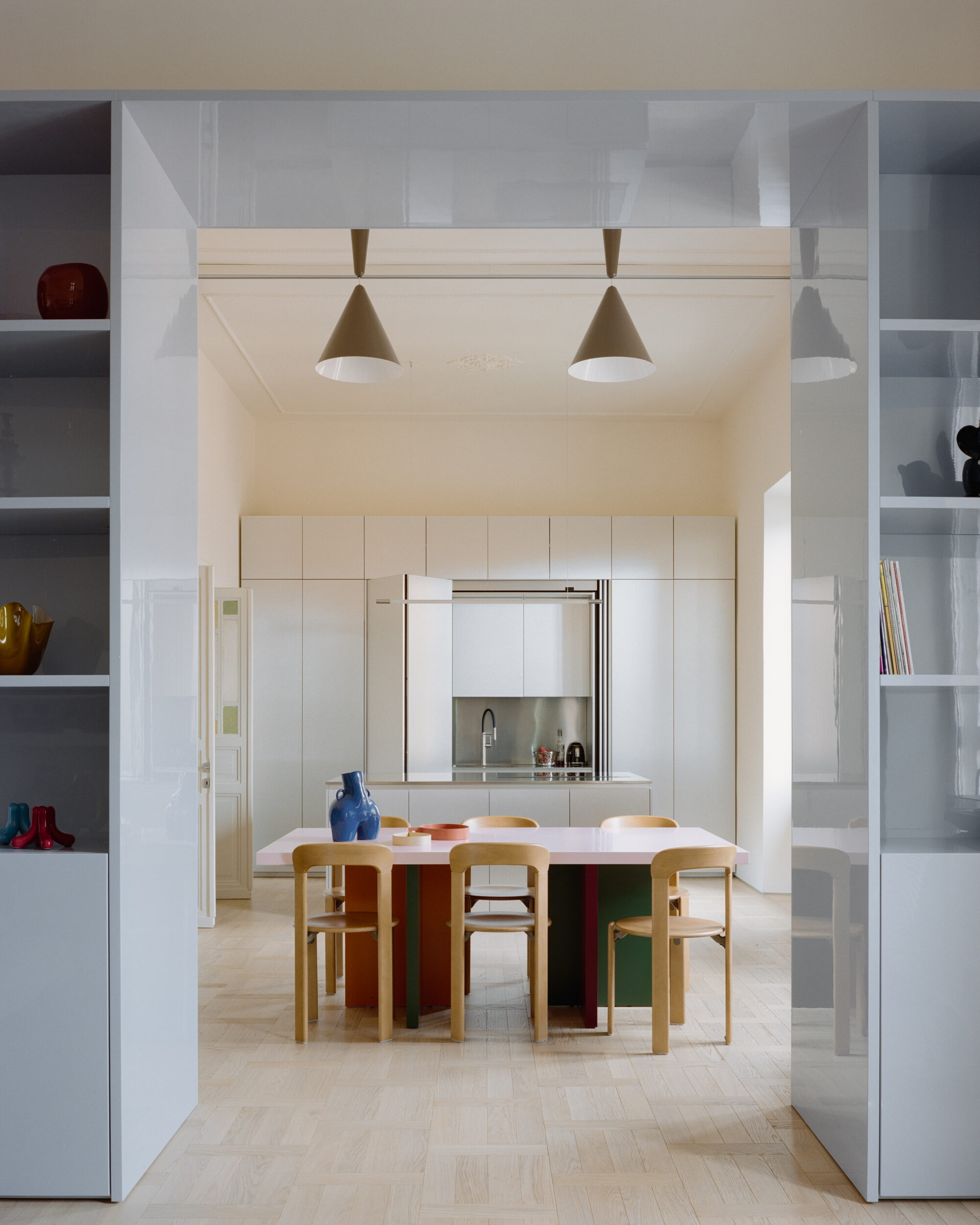
The Comares Cultural Center transforms a historic residence into a cultural institution open to the city. The project preserves the qualities that define the building’s identity while introducing new spatial relationships through light, circulation and programme.
Its dialogue with the historic garden and the landscape of the Mauror hill is central to the intervention. Rather than treating heritage as a fixed image, the project understands it as something capable of receiving new uses and meanings. As with Loé Emotional, the work continues to evolve after completion, shaped by public life, memory and use.


Although these four projects belong to different moments in the studio’s development, they reveal a shared design philosophy. Martín Martín arquitectos does not pursue a recognisable formal language. Its architecture emerges from the specific conditions of each place.


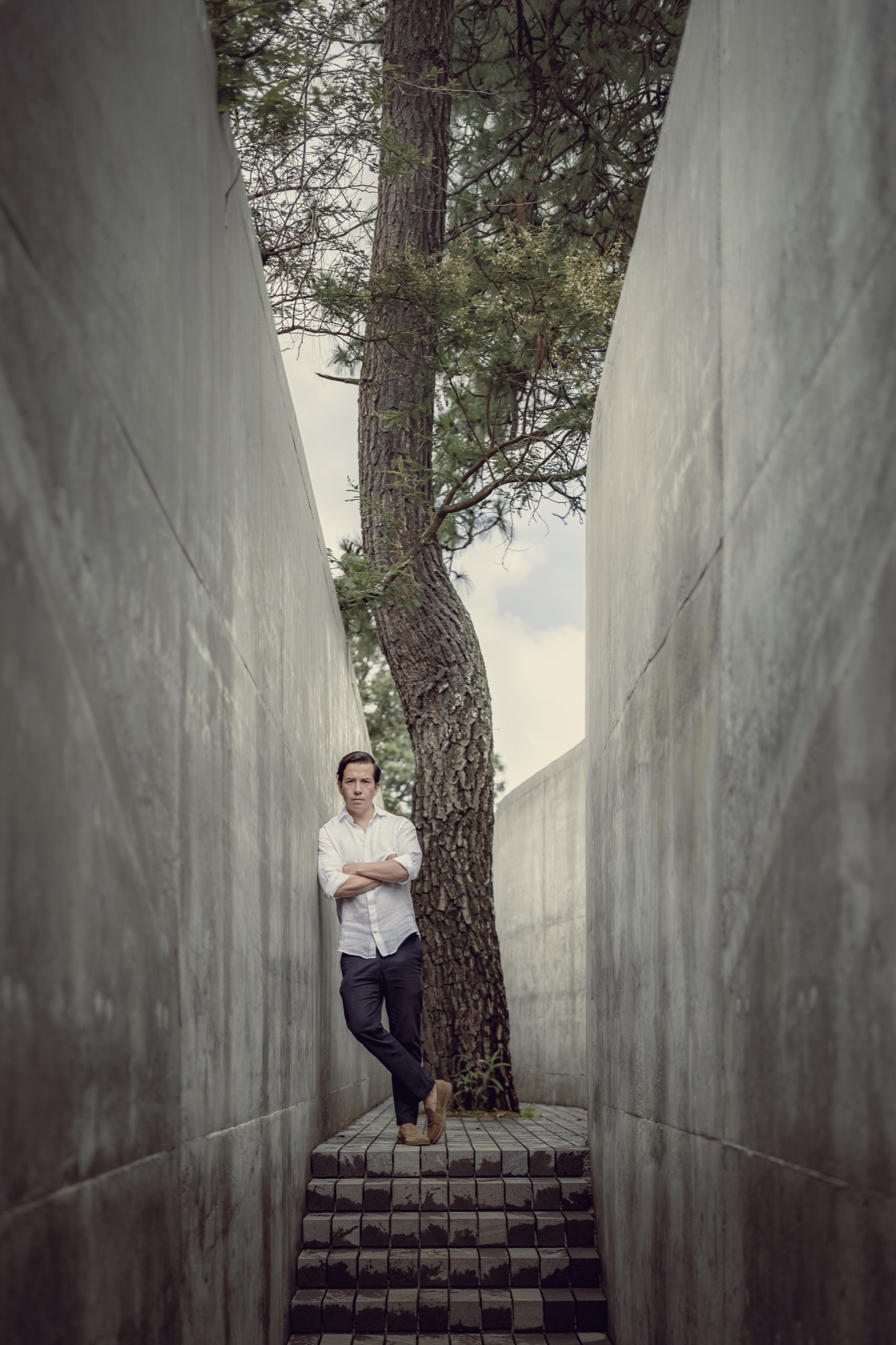
The practice was founded in Granada and has developed over more than three decades through the work of Eduardo Martín Martín and Luis Javier Martín Martín. Today, with the incorporation of architect Olympia Martín Gómez, this research continues through new relationships between architecture, landscape and territory.


The selected works include Loé Emotional, House for a Writer, Social Housing in Granada and Comares Cultural Center. Together, they show an architectural practice in which identity is not imposed from outside, but discovered through the internal logic of each site.
When context becomes the origin of the project, architecture no longer stands apart from the landscape. It becomes a way of revealing what is already there.

Martín Martín arquitectos is an architectural practice based in Granada, Spain. For more than three decades, the studio has developed work across residential architecture, cultural facilities, heritage rehabilitation and urban interventions, with context understood as the origin of design. Today, with the involvement of architect Olympia Martín Gómez, the practice continues to explore new relationships between architecture, landscape and territory.
Project Credit
Practice: Martín Martín arquitectos
Location: Granada, Spain
Photo: Javier Callejas, Martin Martin arquitectos, Vicente del Amo Hernández, Eugeni Pons