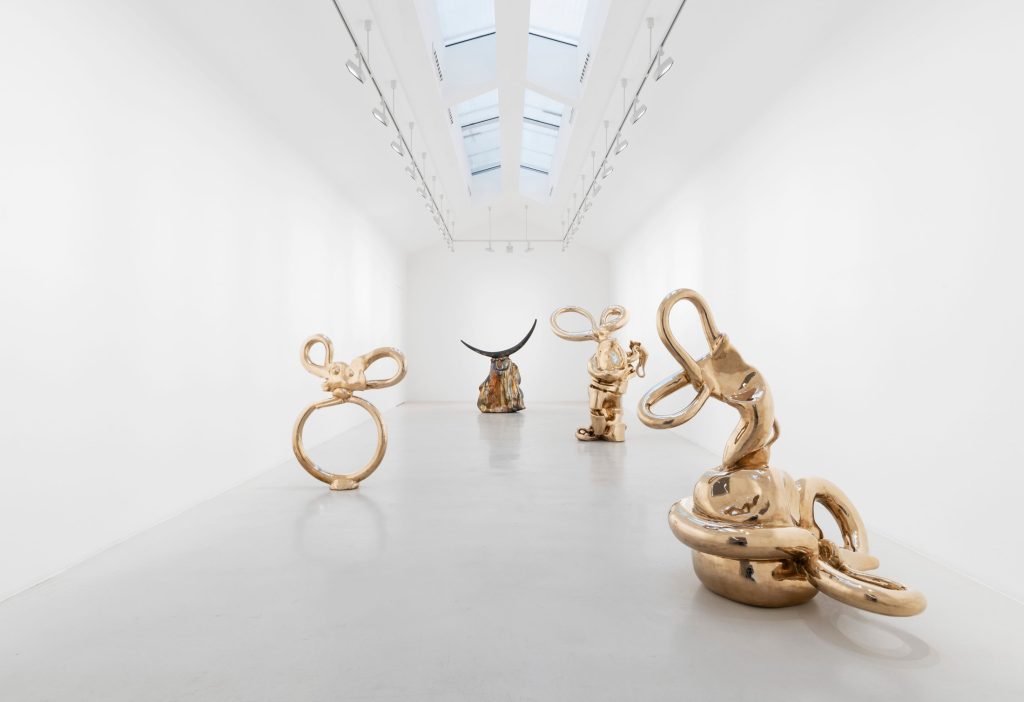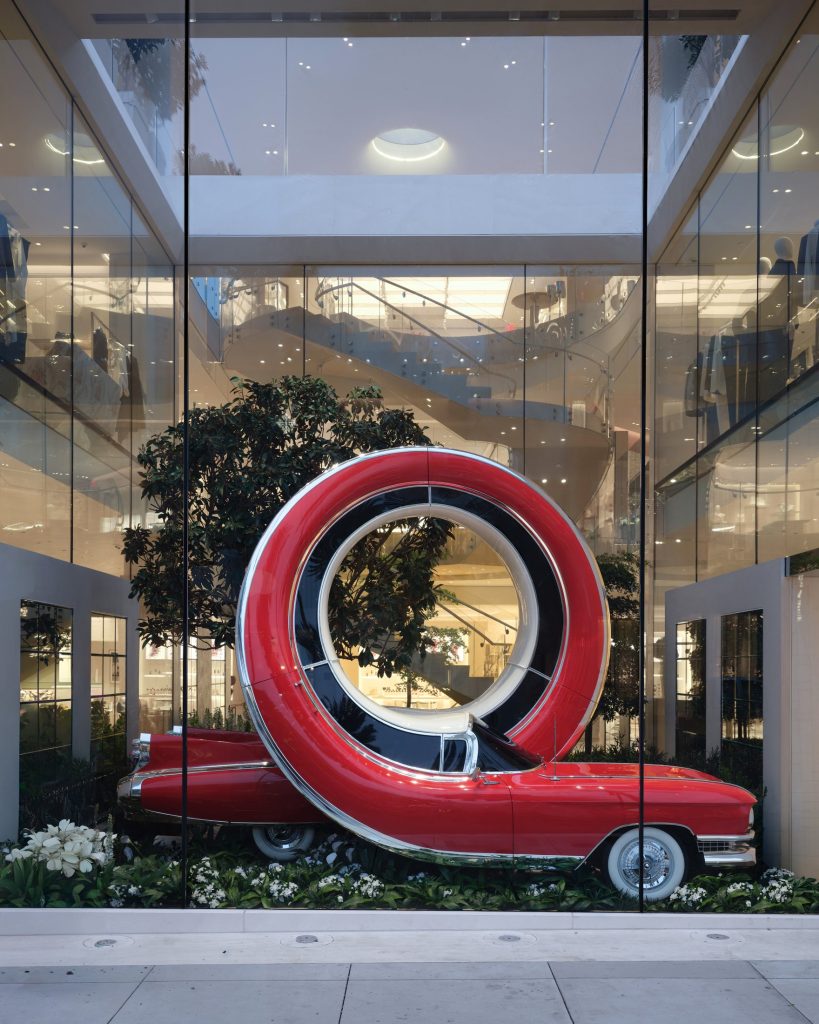
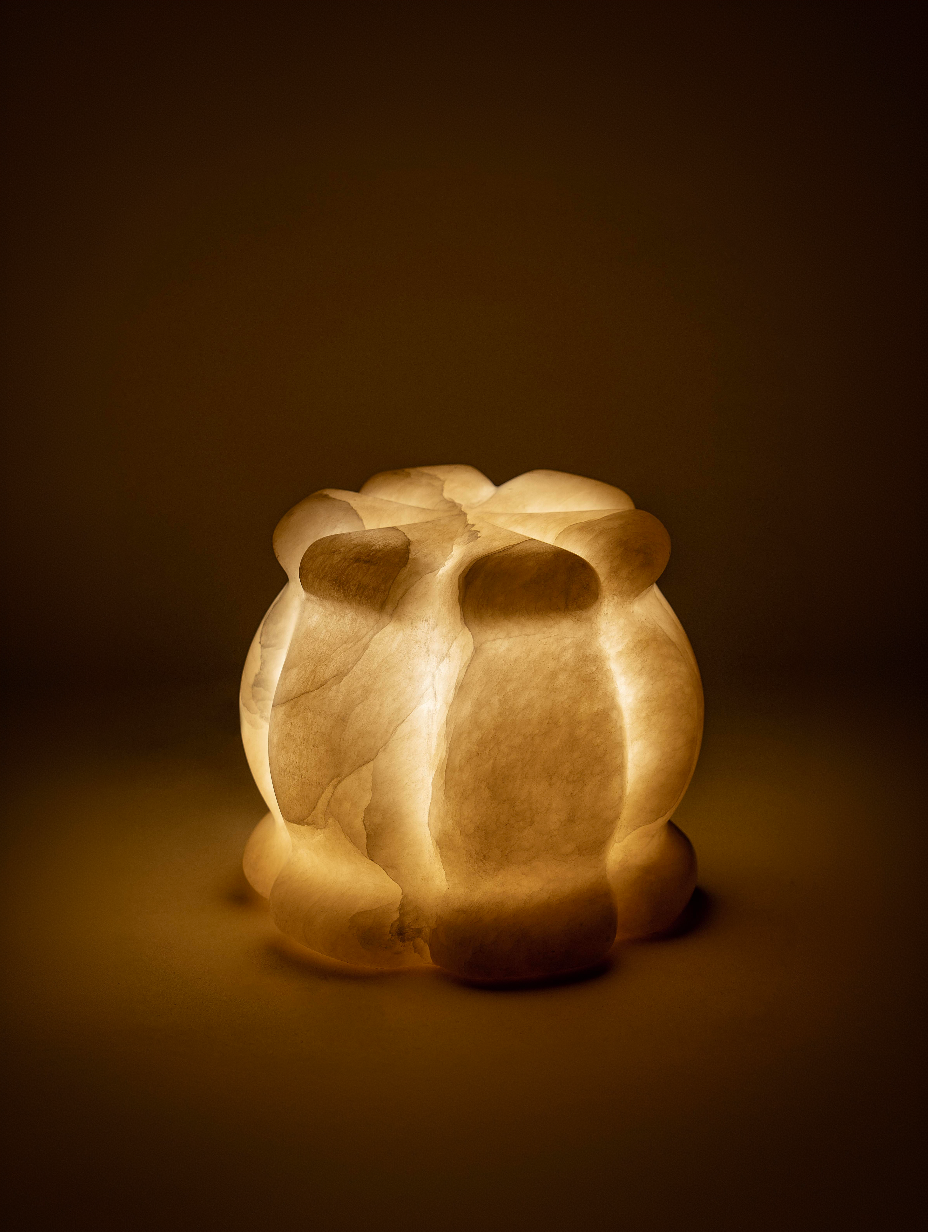
MUGEN’s BARRAQ collection explores the relationship between light, stone, and nature through sculptural alabaster luminaires inspired by volcanic clouds and geological formations.

MUGEN’s BARRAQ collection explores the relationship between light, stone, and nature through sculptural alabaster luminaires inspired by volcanic clouds and geological formations.
i.s.m.architecten transforms a historic farmhouse and barn into a restaurant, exploring material continuity and adaptive reuse.
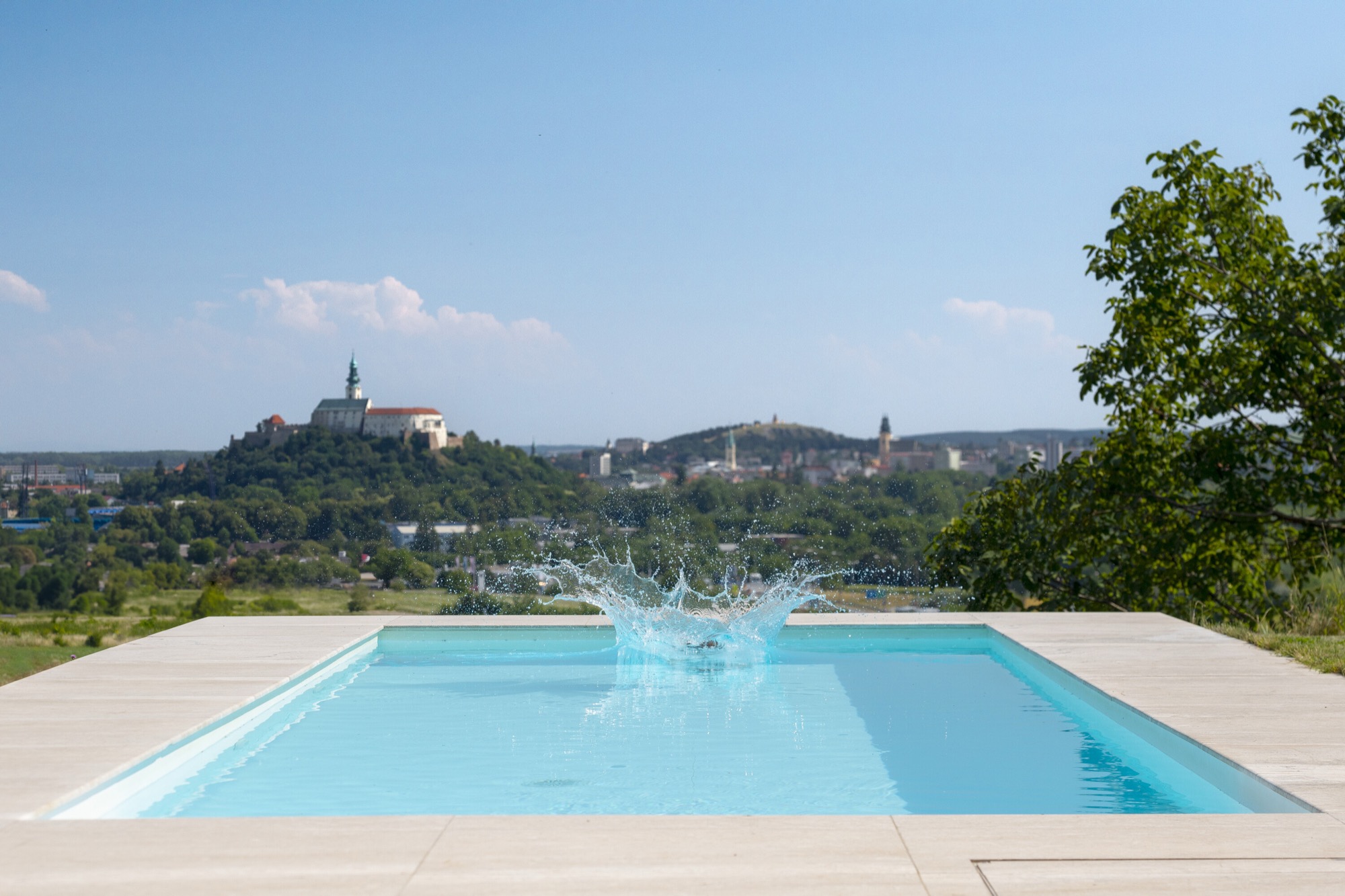
Located below Zobor Hill in Nitra, Villa VICUS is a single storey family house organised around southern views, passive shading and a continuous timber pergola.
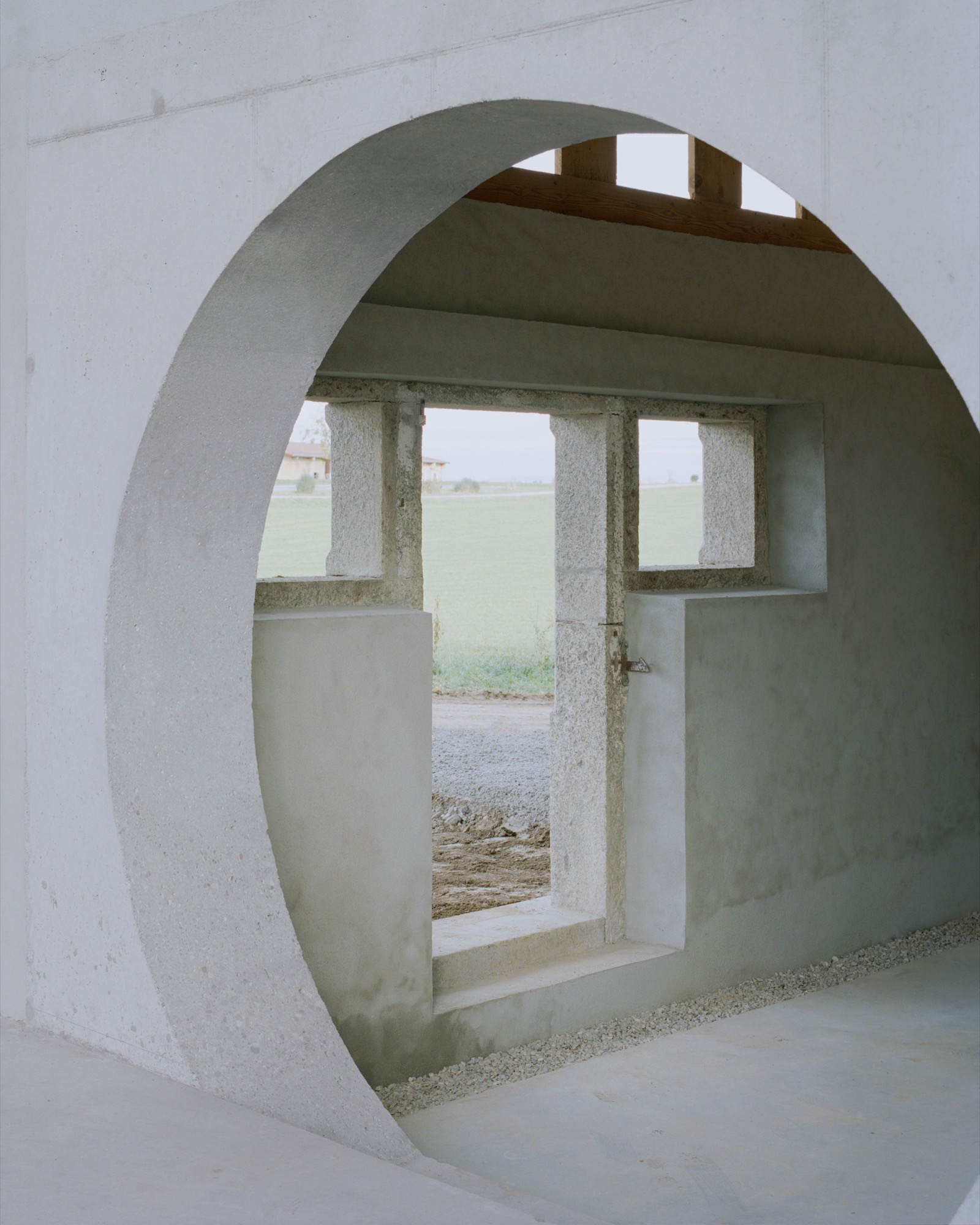
The Inverted Farmhouse is a contemporary architectural intervention that reconsiders the future of rural heritage in Switzerland. By reversing the original domestic and agricultural functions of a 19th century farmhouse, the project transforms the former barn into a new dwelling while converting the original house into a greenhouse dedicated to permaculture. Through a timber structural grid aligned with the existing roof framework, the inserted living volume remains embedded within the logic of the historic structure. Intermediate spaces emerge as productive and social thresholds, redefining the relationship between living, cultivation, and architectural memory.
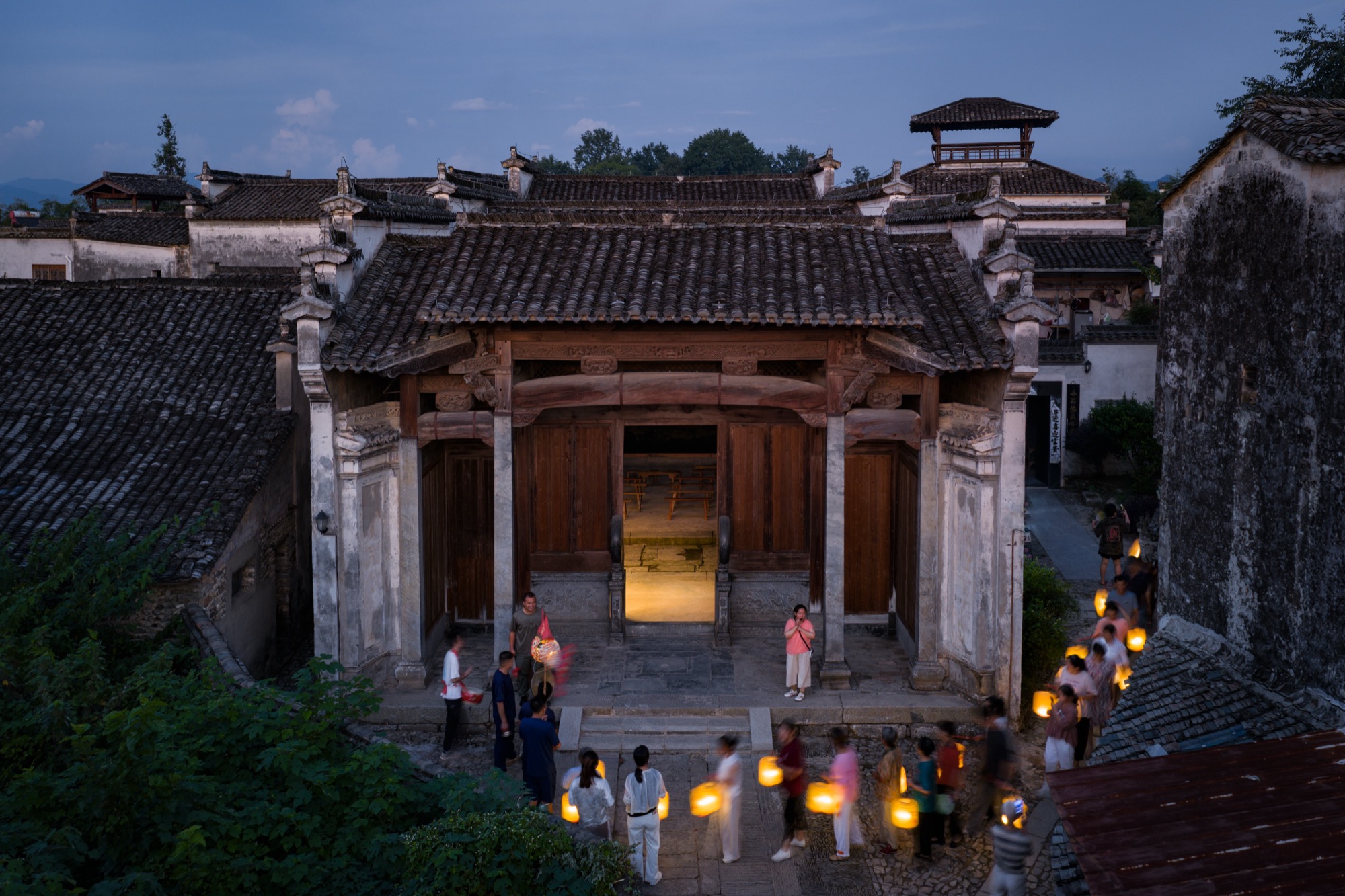
A historic ancestral hall in Huangshan is reimagined as a cinema and library through a flexible, reversible architectural system.
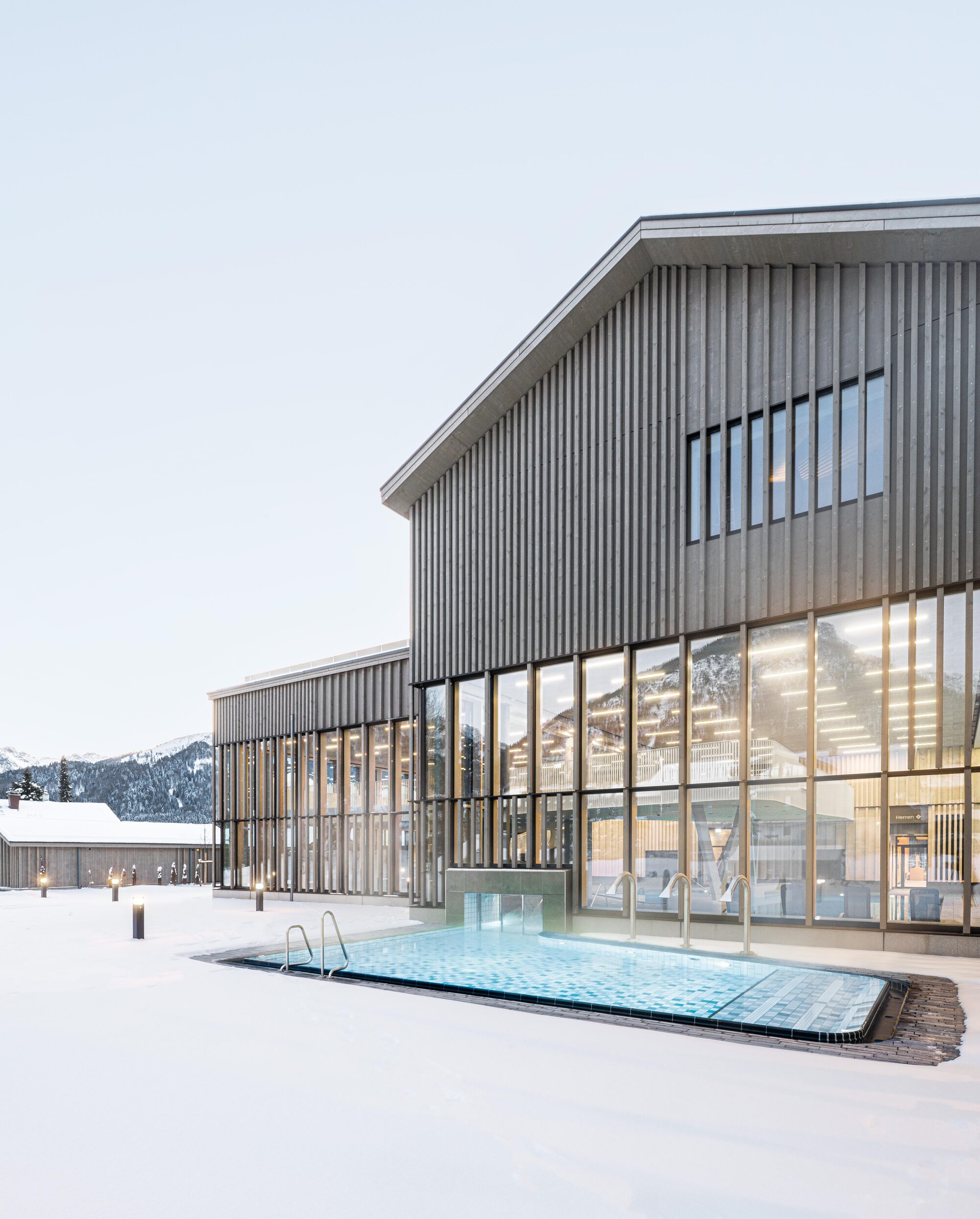
Therme Oberstdorf redefines alpine spa architecture through a landscape-driven design, combining timber, ceramic surfaces, and sustainable systems.

EXPLORING ARCHITECTURE AS AN EMOTIONAL LANGUAGE Architecture is rarely experienced as a neutral backdrop. Long before we consciously analyze a space, it shapes how we feel, move, and respond. Offices
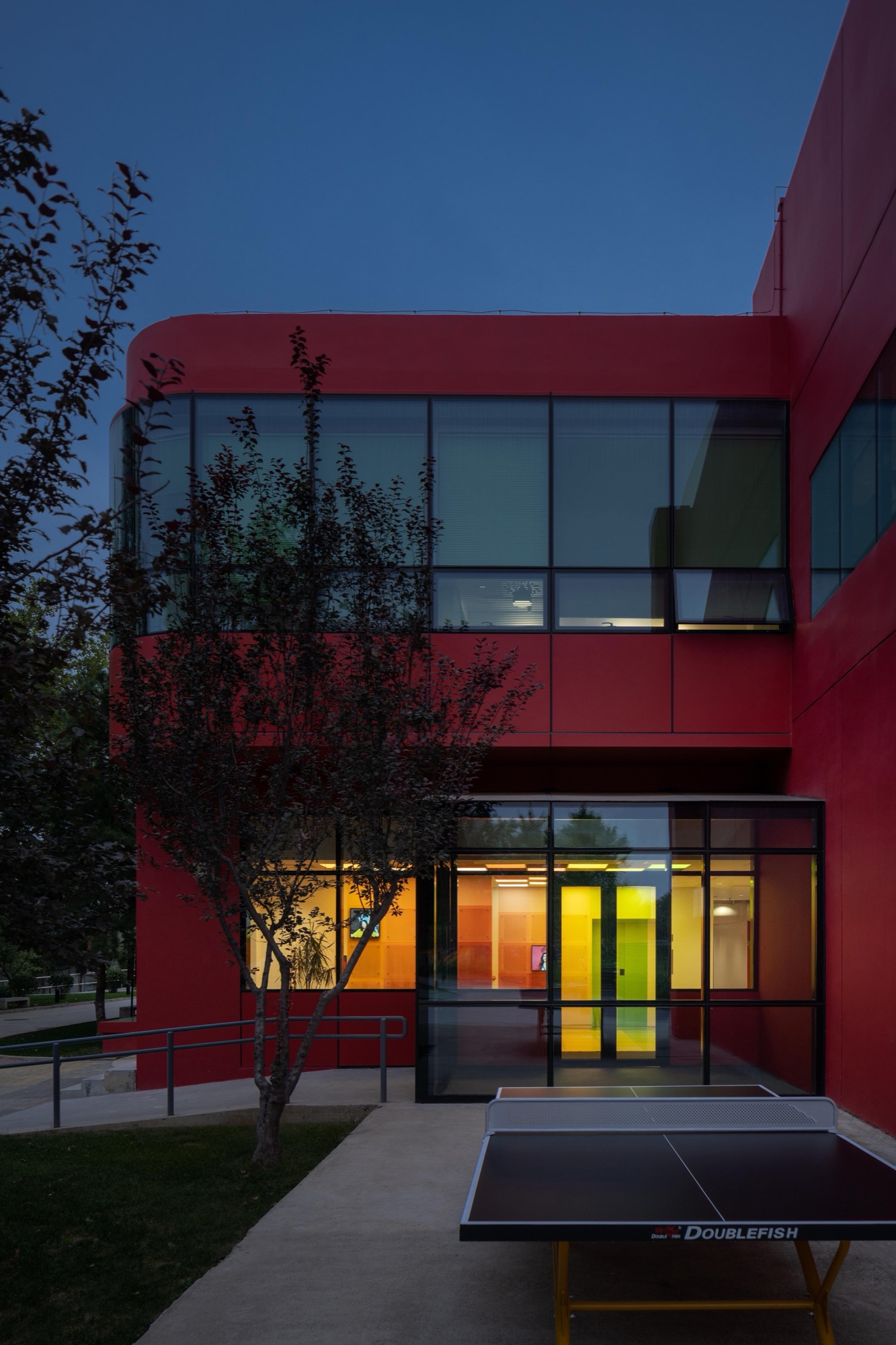
A Beijing school renovation where colour, acoustics and layout redefine how music is taught and experienced.

A Moscow family apartment inside a historic building is redesigned with wood veneer interiors and a calm atmosphere inspired by a summer garden.
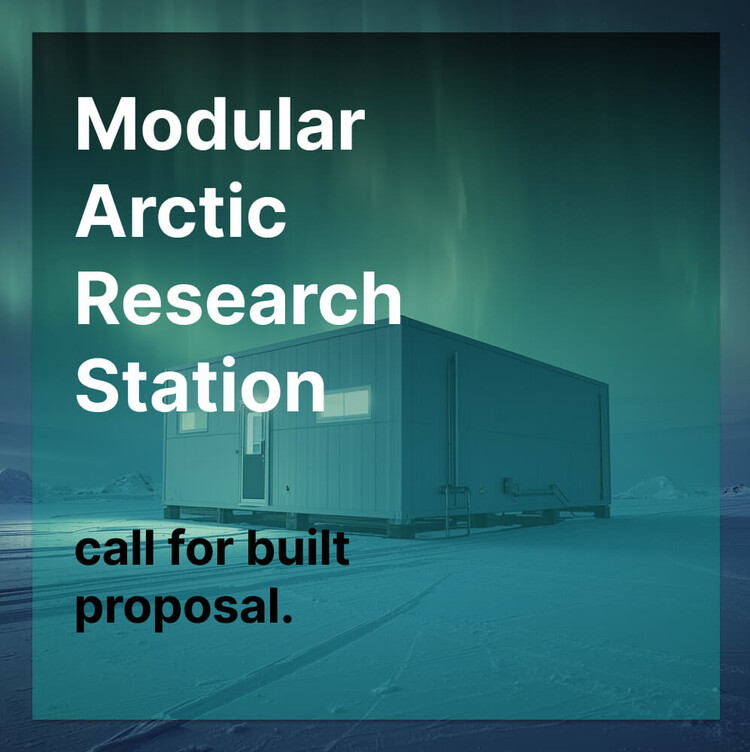
The acceleration of climate change has intensified the scientific need to study Earth’s polar regions. Yet many existing research stations remain permanent, carbon-intensive, and logistically heavy, leaving substantial environmental footprints