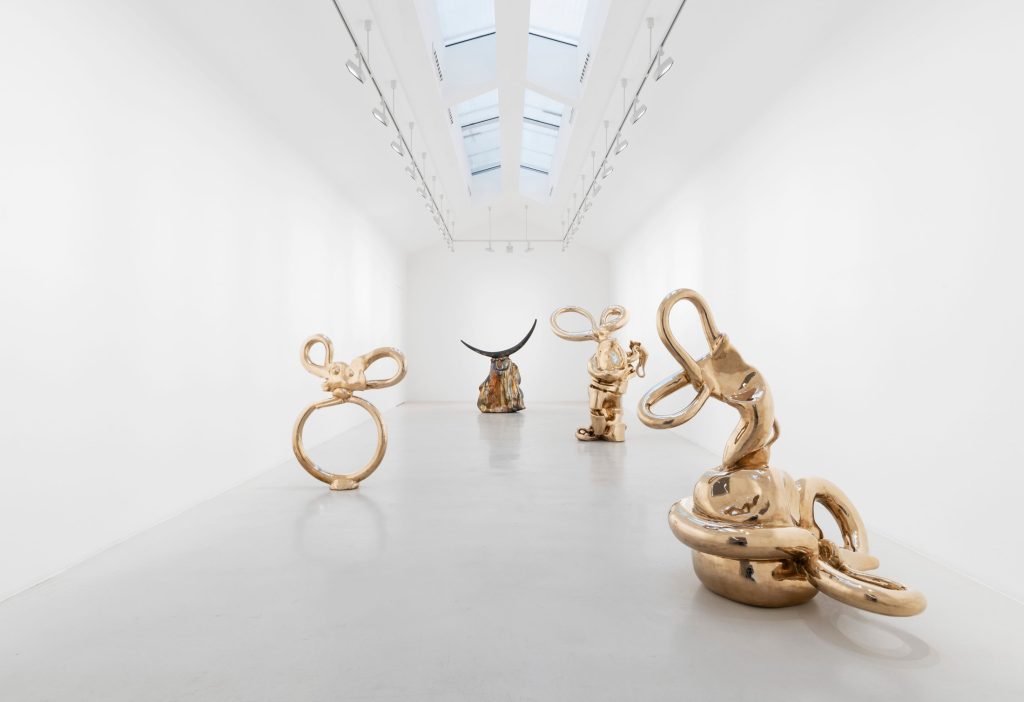
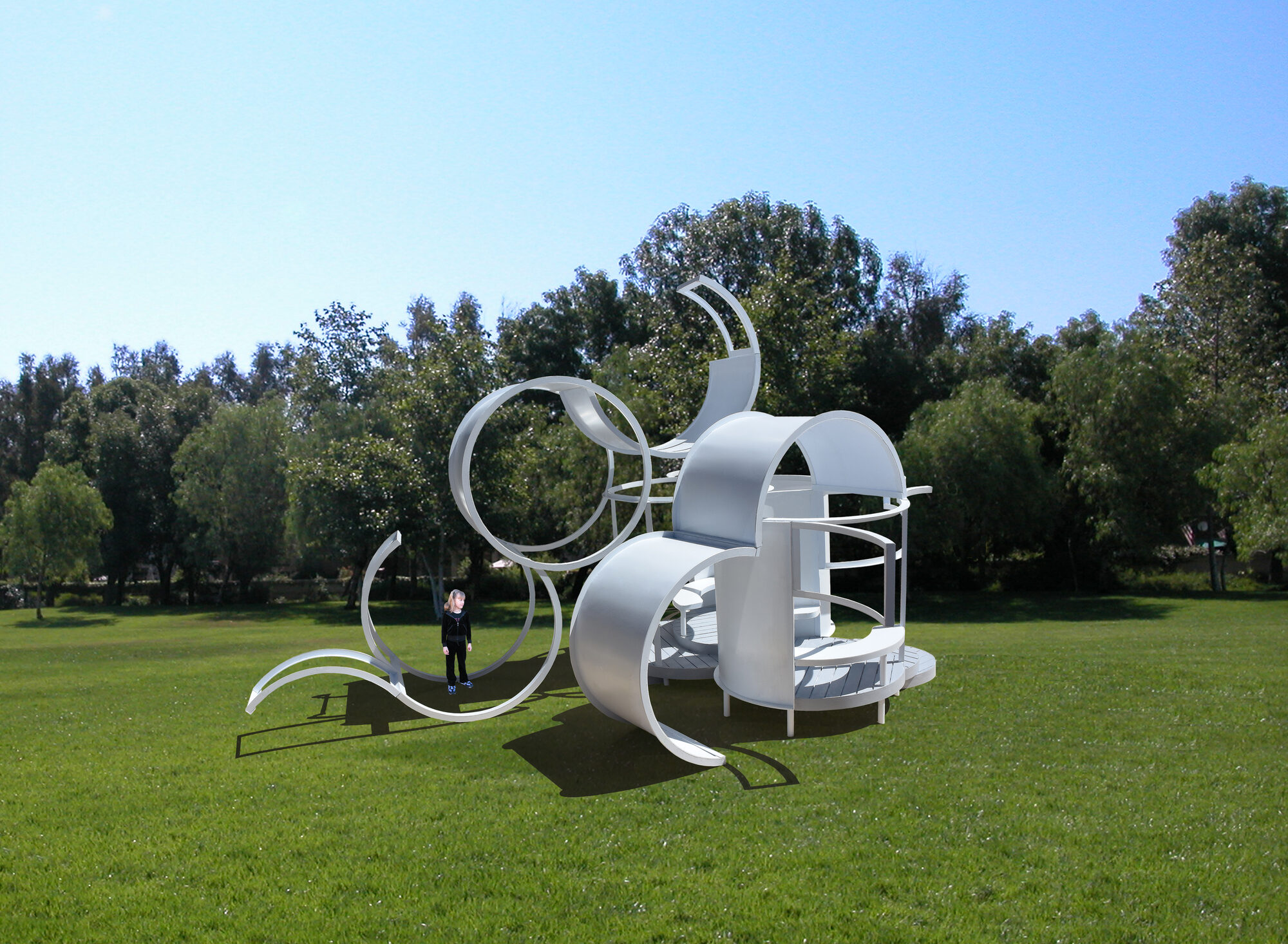
The Circular Formations Pavilions transform curved steel rings and sculptural forms into interactive public spaces for gathering, shade, and spatial exploration.

The Circular Formations Pavilions transform curved steel rings and sculptural forms into interactive public spaces for gathering, shade, and spatial exploration.
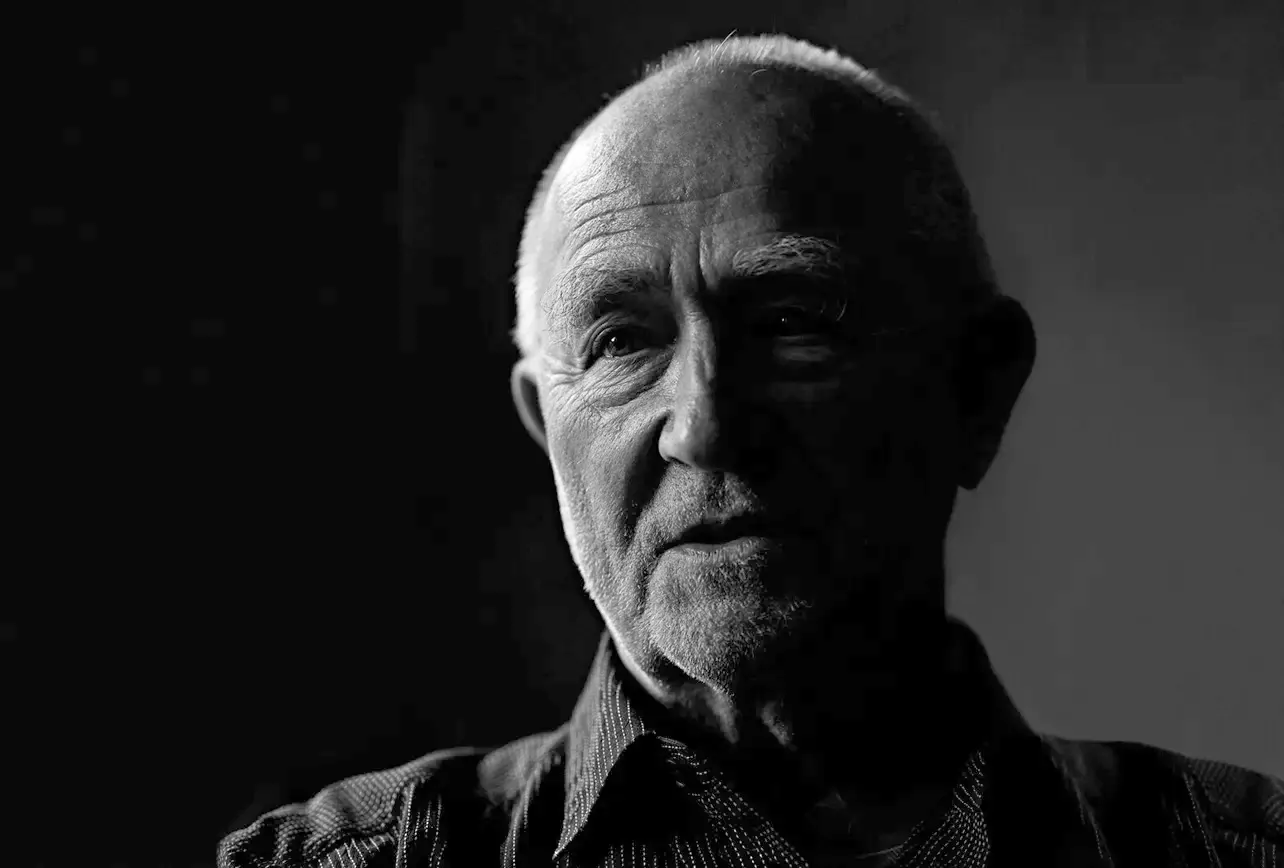
An in depth analysis of Peter Zumthor’s architectural philosophy, from his Wohnhaus und Atelier in Haldenstein to Therme Vals, Kolumba, and LACMA, exploring atmosphere, material precision, and the ethics of silence in contemporary architecture.
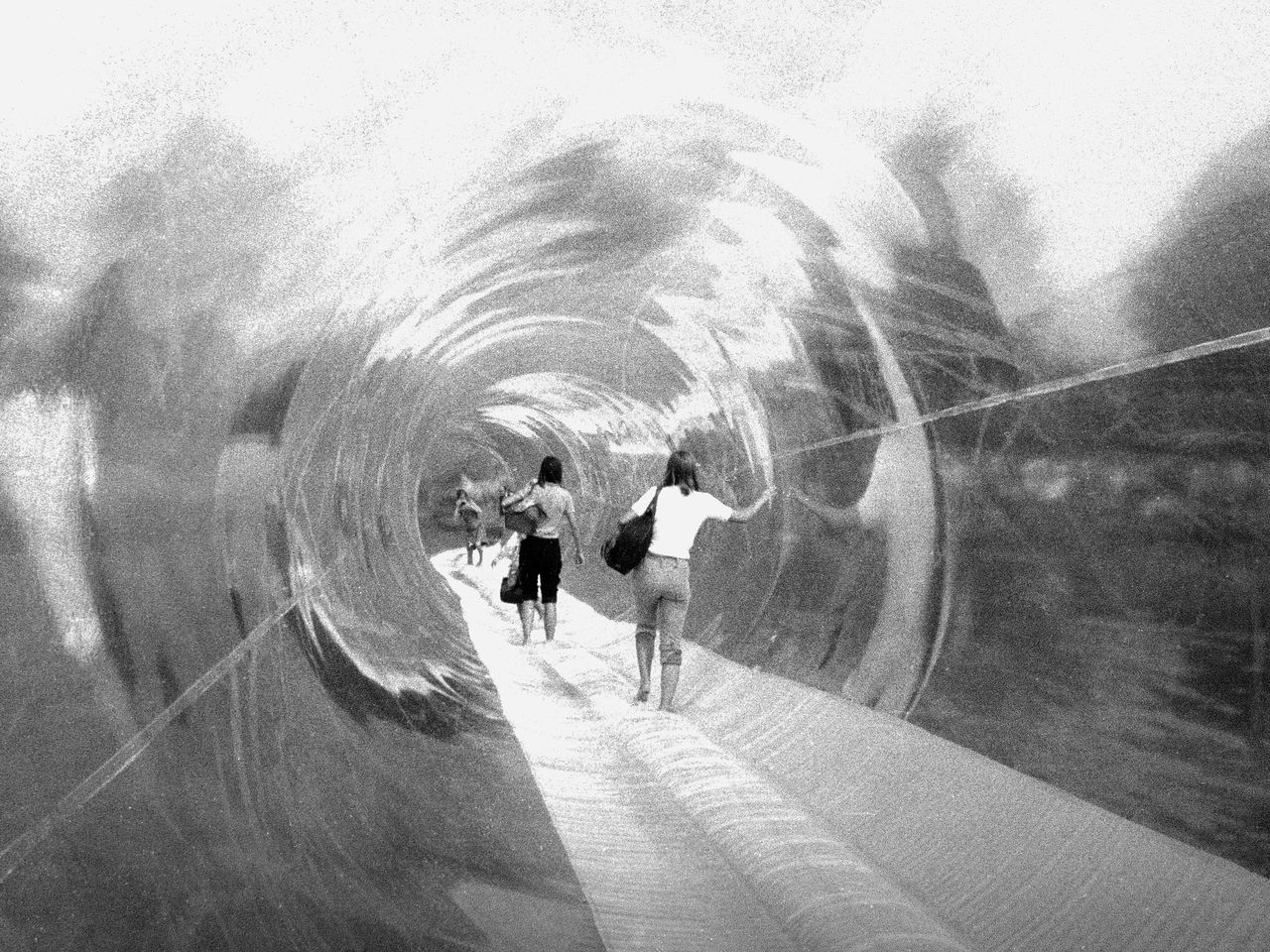
In late-1960s Amsterdam, a city long fluent in improvisation, a small group of artists began treating air as a civic material. Their works arrived lightly, often without warning, and disappeared
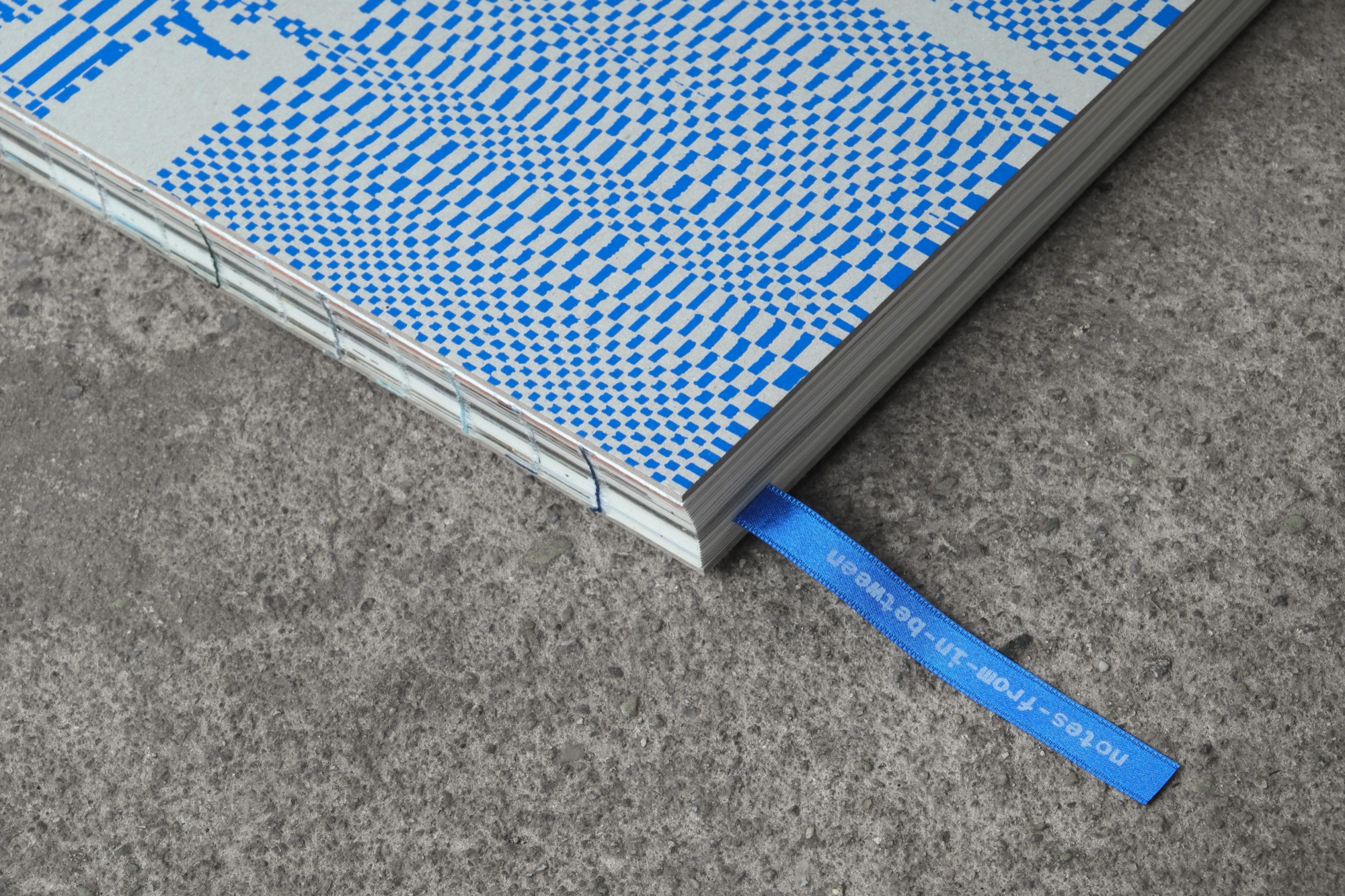
Dream in Progress by Urlaubsarchitektur explores how hotels and holiday houses across Europe evolve through architectural transformation and creative process.
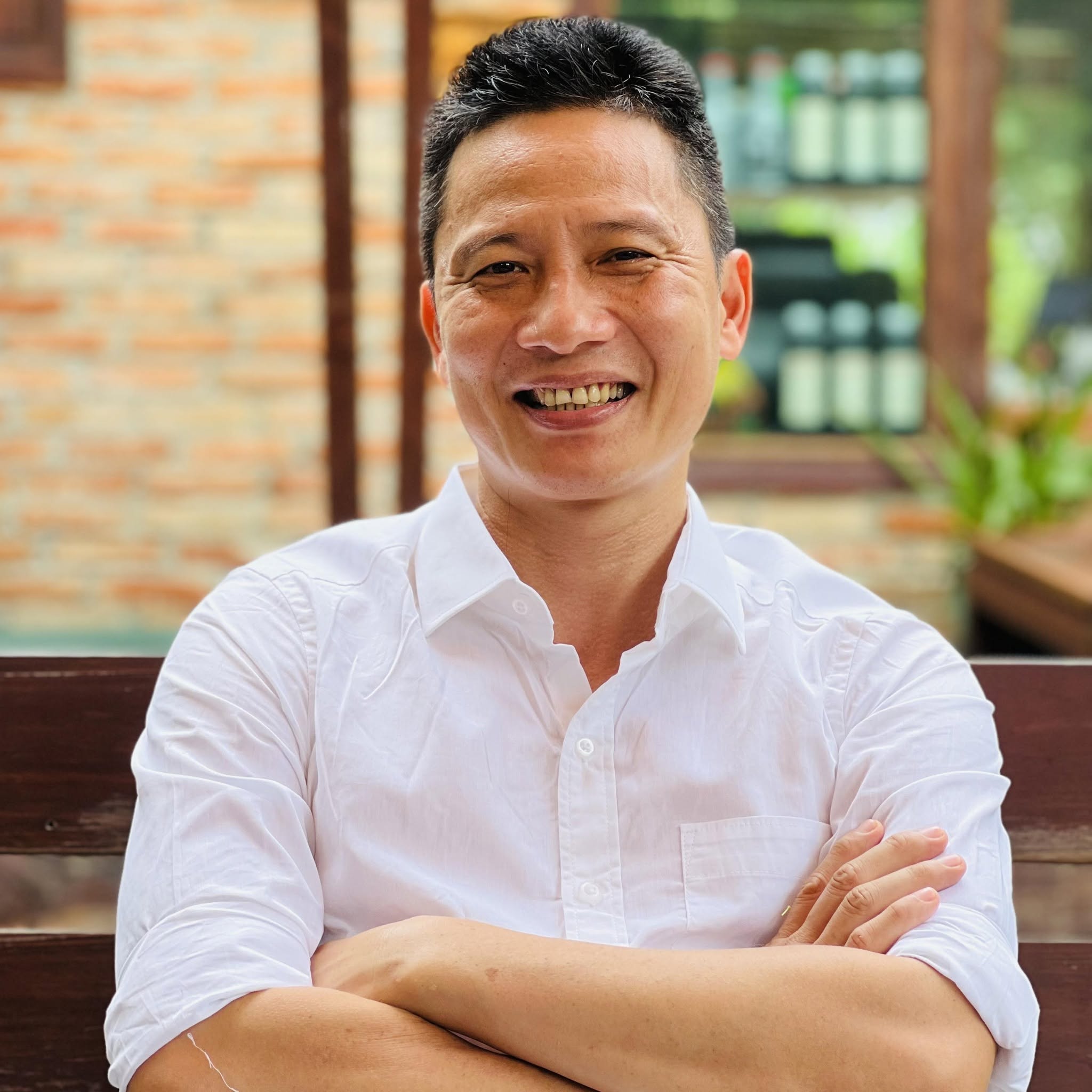
Design Arcus speaks with SILAA Architects about Huong Lua Cafe, a restrained rural project shaped by Tay Ninh’s rice fields, Ba Den Mountain, reclaimed timber and the rhythms of farming life.
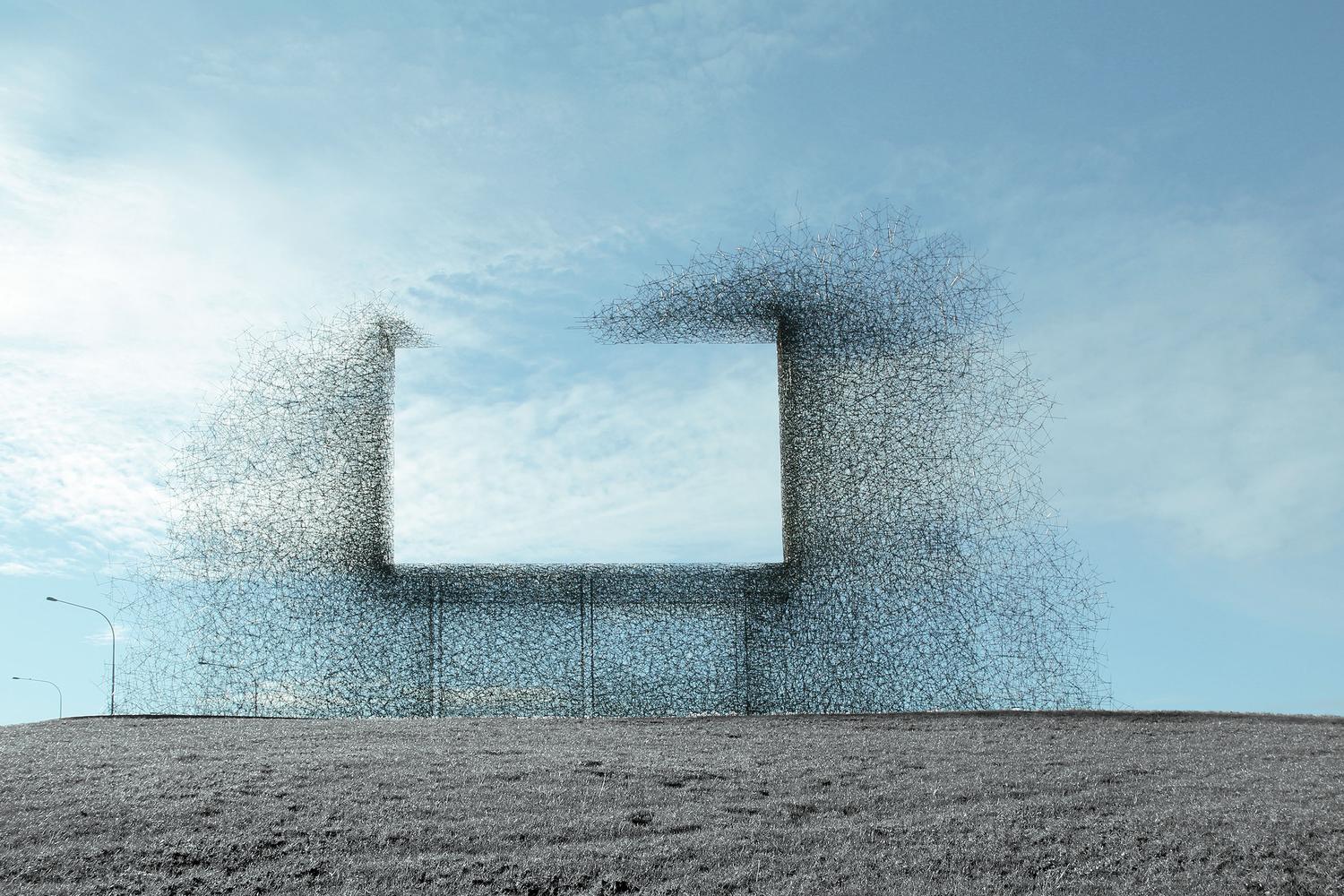
Annie Han and Daniel Mihalyo turn empty space into powerful art. A deep look at Non-Sign II and the poetics of negative space in contemporary installation.
On the lakeside edge of Lushan West Sea Resort in Jiujiang, Jiangxi Province, the Lushan West Sea Art Center reactivates a building that had sat unused for years, turning it
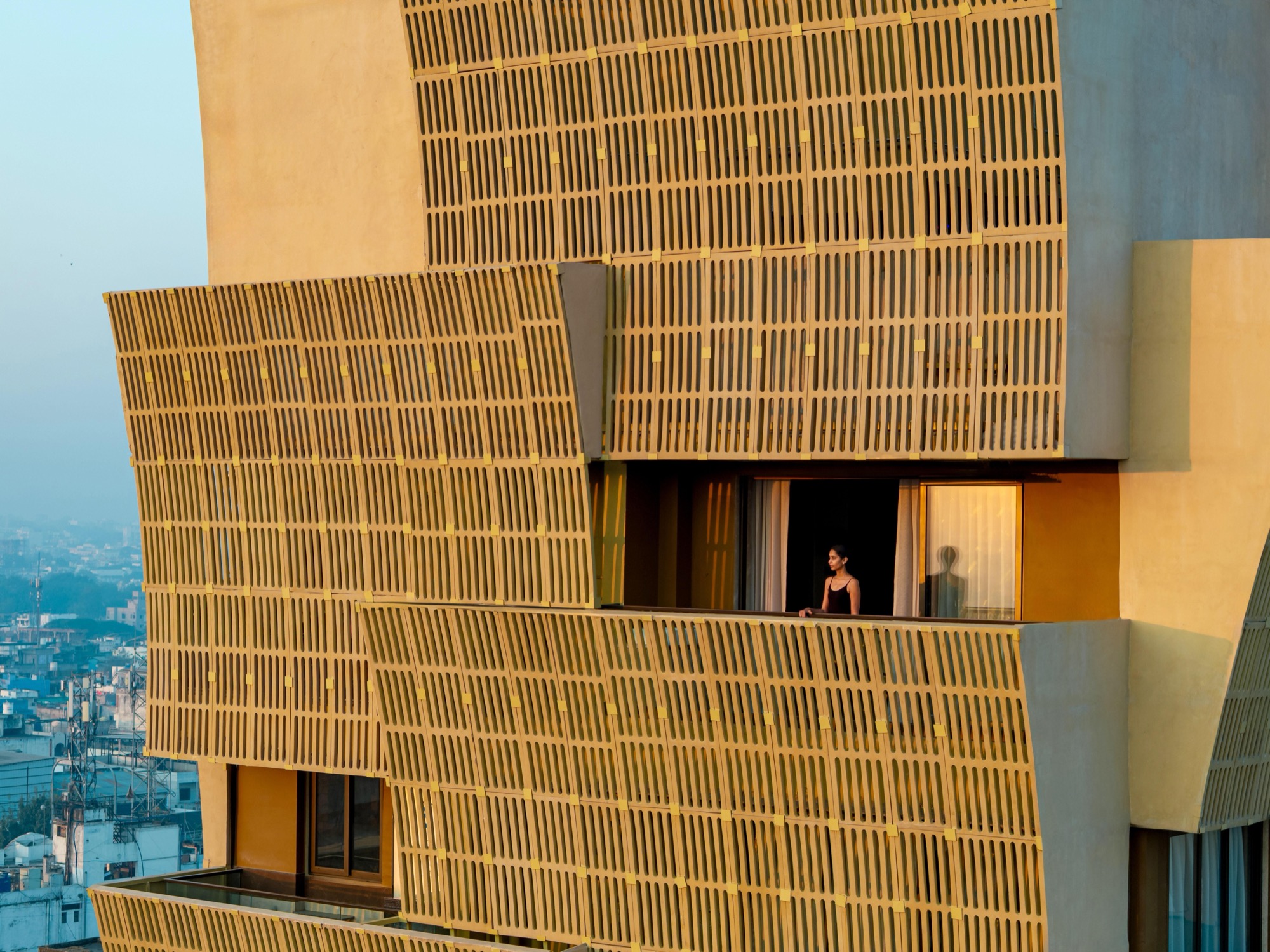
Located in Nagpur, near the geographic centre of India, Cielo is a residential project by Sanjay Puri Architects that translates extreme climatic conditions into architectural form. Conceived as a vertical sequence of single apartments, the building integrates cross ventilation, layered balconies, and curved screening elements to reduce heat gain and enhance passive cooling. The project reflects a contemporary interpretation of regional architectural traditions, embedding environmental performance and spatial clarity within a compact urban footprint.
Parallel Studio founder Mai Al Busairi explains the design of Lei Wa Lakom Library in Kazole Village, Zanzibar. The interview explores passive cooling strategies, perforated façades, timber construction and the influence of Swahili architecture in shaping a contemporary civic building for children and the wider community.
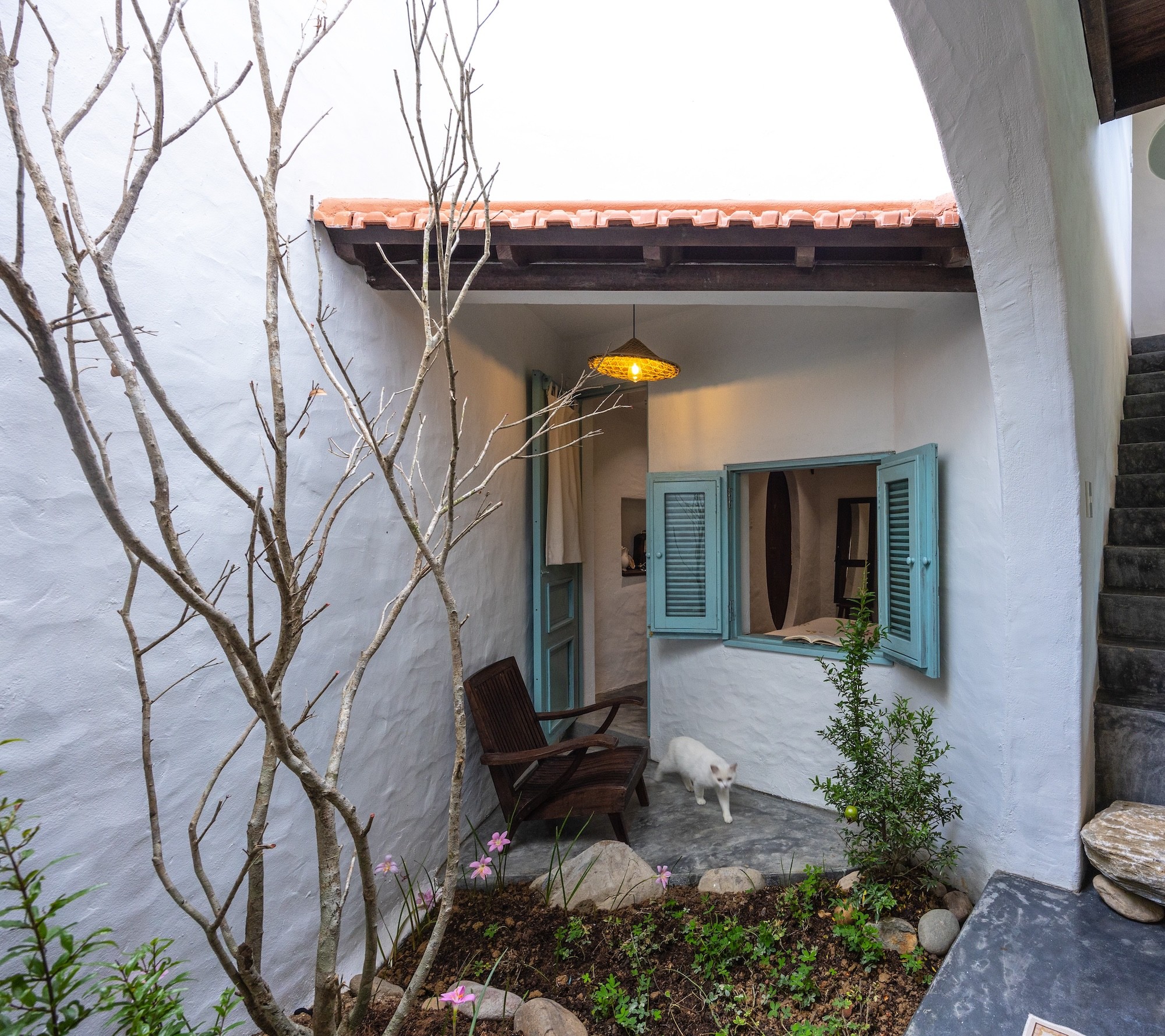
On the outskirts of Huế, central city of Vietnam, this architecture positions itself away from the city’s postcard destinations and toward something more enduring: the cadence of local life. Set