Now Reading: A floating topography: Reworking a compromised house extension
- 01
A floating topography: Reworking a compromised house extension

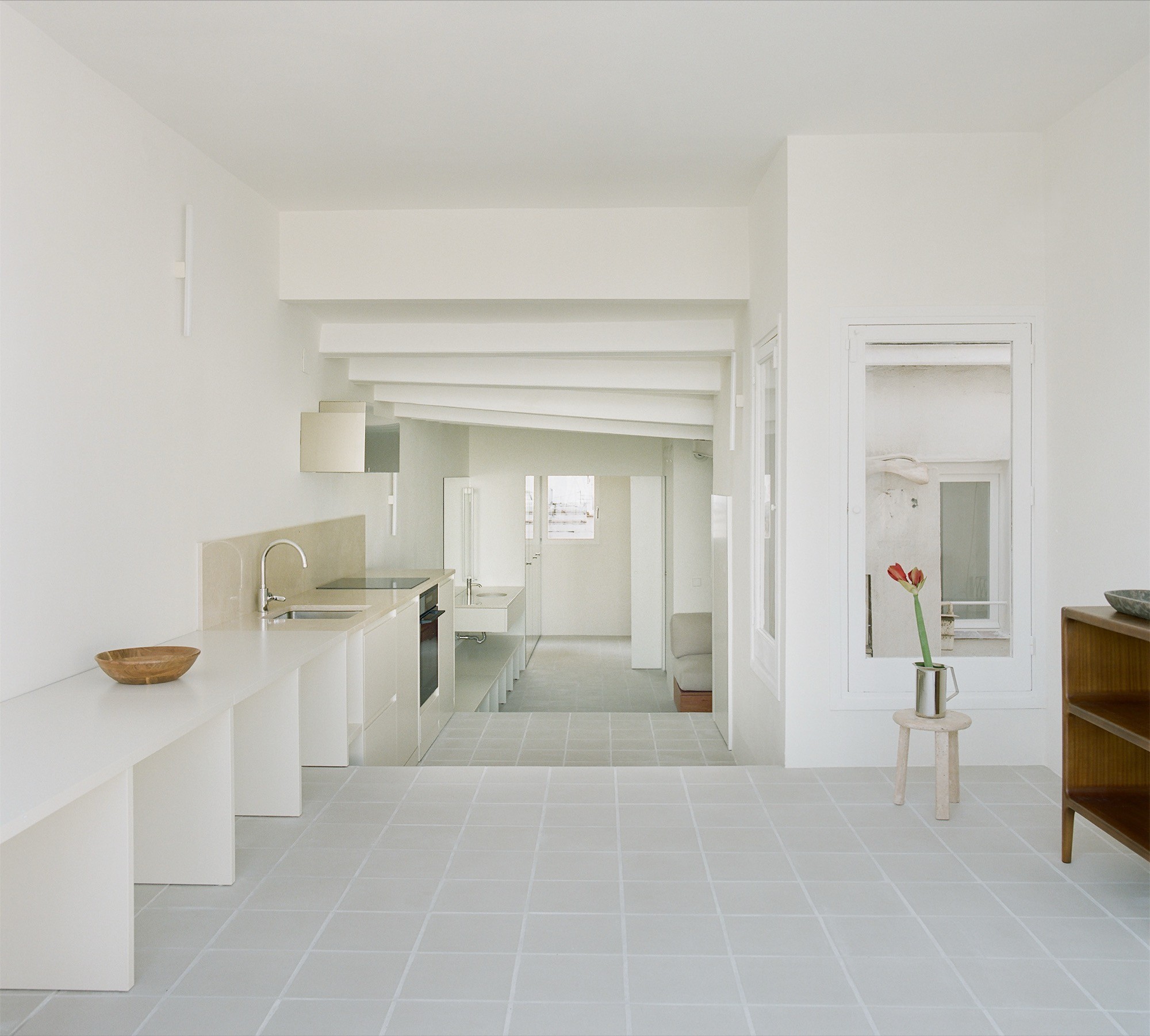

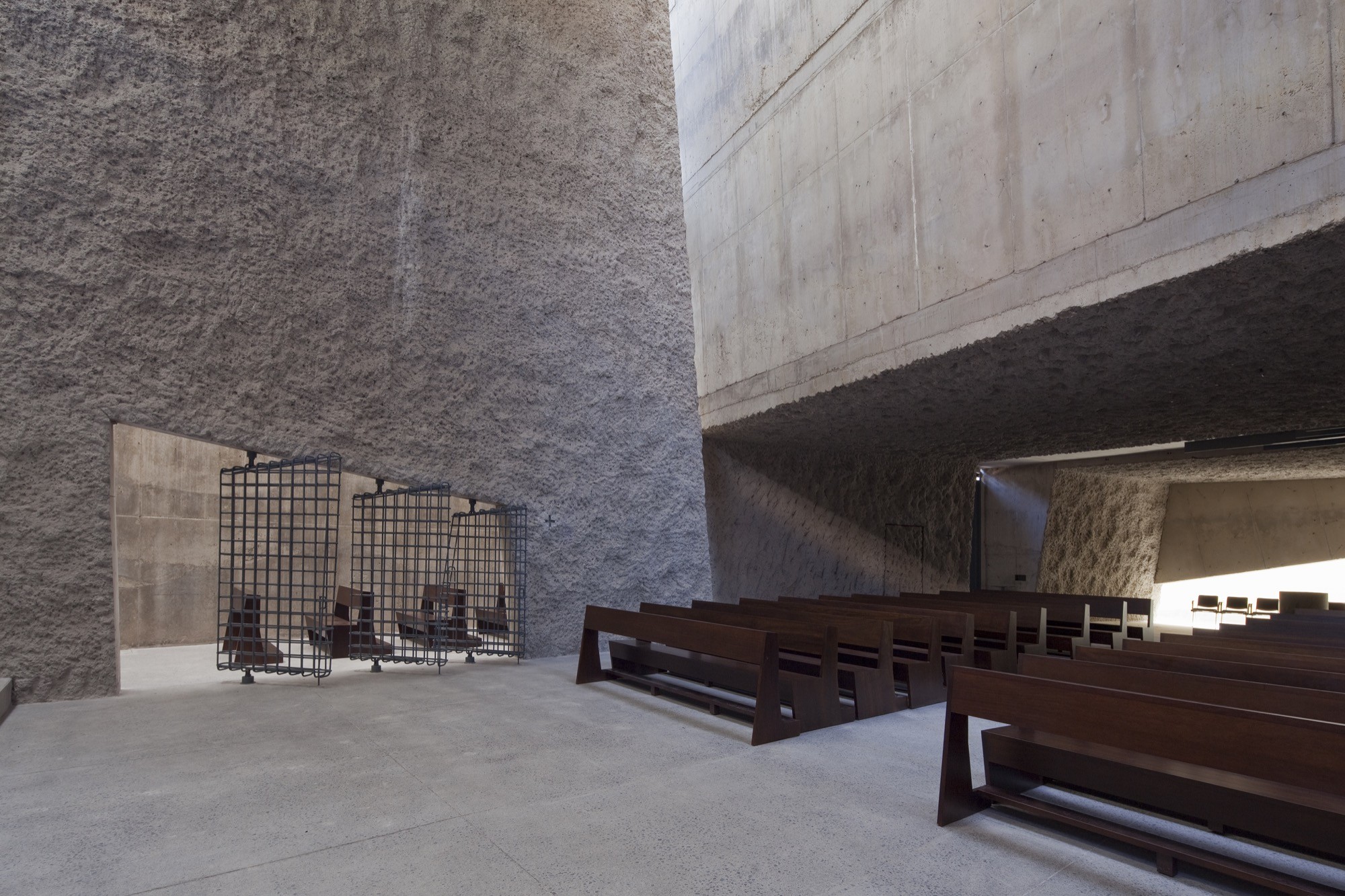
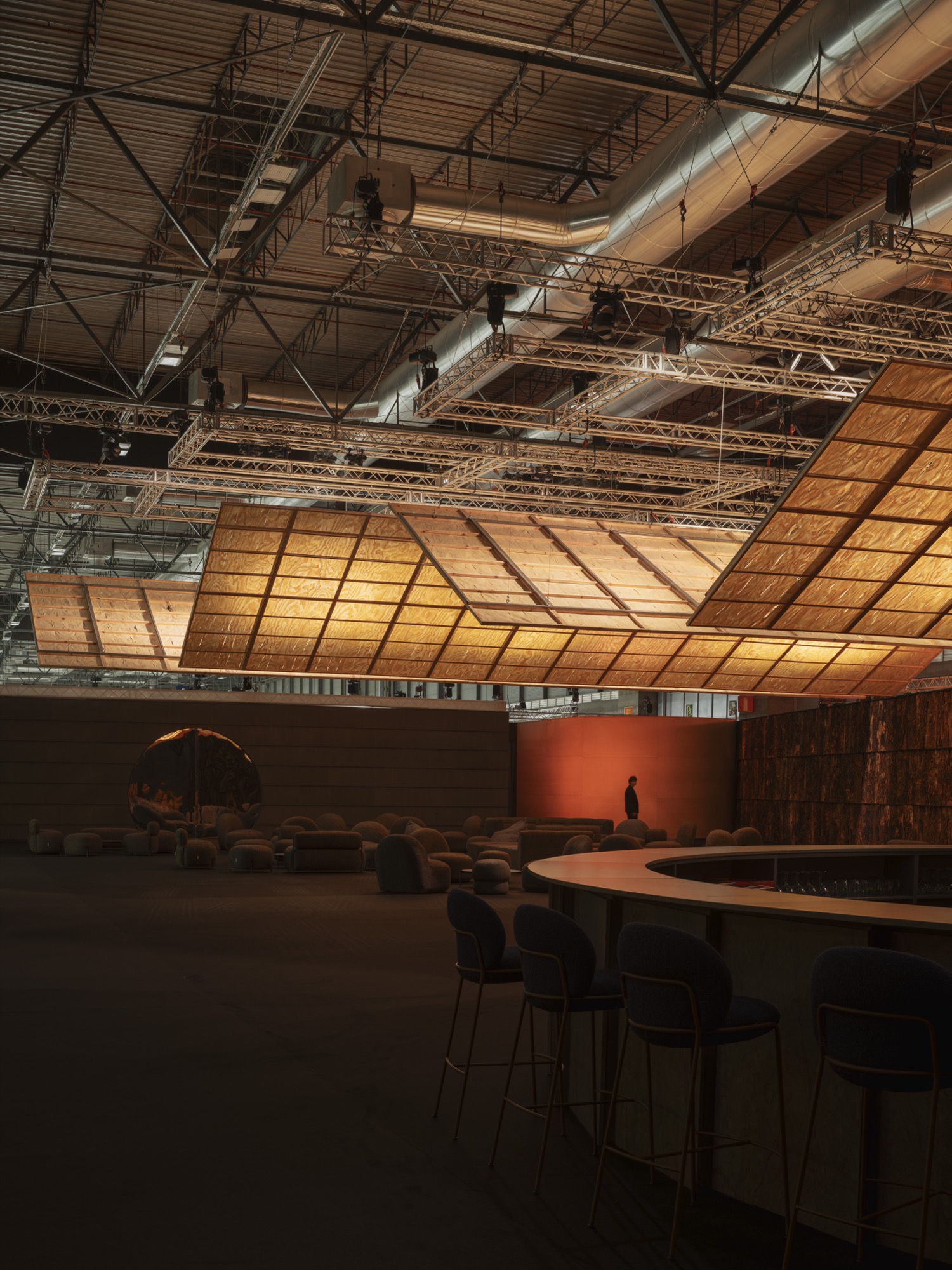
A residential extension reframes an awkward roof-to-attic condition as a hovering landscape, using topographic design to create three platforms and a new gradient of domestic space.

The project begins with a difficult host. An existing residential structure, weakened by poor construction and uncertain spatial logic, tries to resolve a height mismatch between roofline and attic by stepping its mass in increments. The result is neither a clean section nor a coherent interior sequence, but a layered condition where levels collide and rooms struggle to relate.


Instead of correcting the building through conventional renovation, the proposal treats its inconsistencies as raw material. The extension is conceived as a topographic operation: a deliberate re-reading of the staggered geometry as landscape. Elements are displaced, accumulated, and spaced to form a new constructed terrain that hovers above the original shell, less an add-on than a second ground.
This “floating” topography works as an architectural mediator. It absorbs the awkward transitions the house could not resolve, and converts them into purposeful level shifts, thresholds, and pauses.


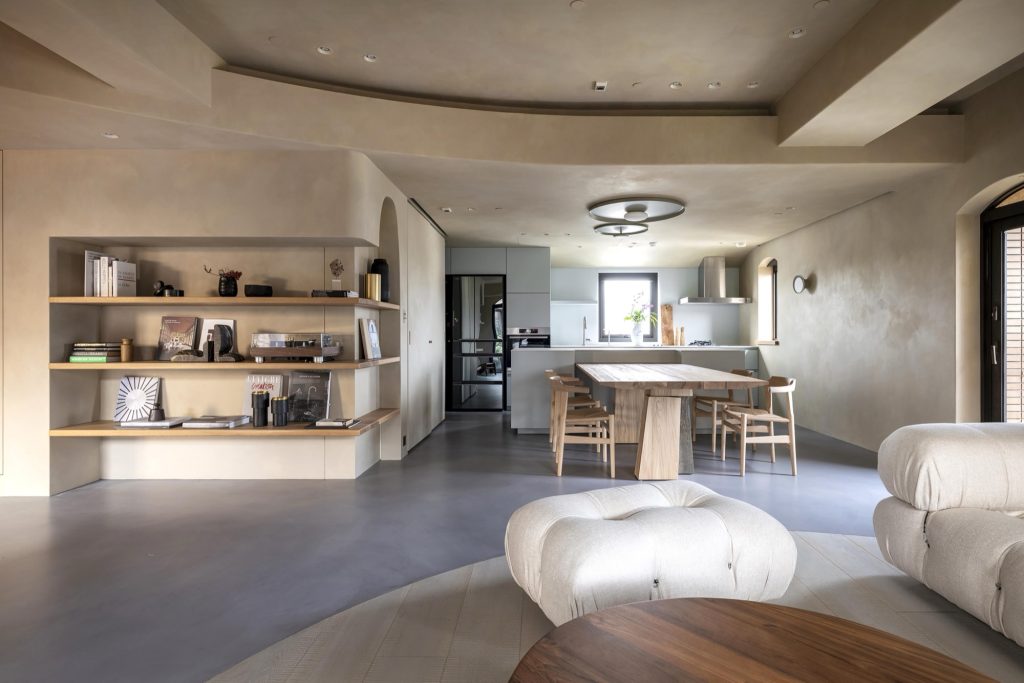
Out of this process emerge three distinct platforms, each calibrated to host a different domestic atmosphere. Together they create a gradient of living, from retreat to gathering, from compressed to expansive, without relying on walls or stylistic gestures. The house becomes a continuous section of inhabitable ground, where the everyday is organised by altitude, orientation, and proximity.


While the language is earthy, the method is precise. Computational and topographic strategies guide the manipulation of levels, enabling the design to work with what is already there rather than against it. The proposal argues for extension as a form of spatial reprogramming: a way to revitalise compromised architecture by rewriting its section into something legible, generous, and newly livable.

Project Credit
Name: Roig Penthouse
Location: Spain, Barcelona
Design: Aramé Studio / @arame.studio
Completed: 2024
Photo: Del Rio Bani