
Now Reading: 1Y Architects turns Zhuzhou factory ruins into a sound museum
- 01
1Y Architects turns Zhuzhou factory ruins into a sound museum

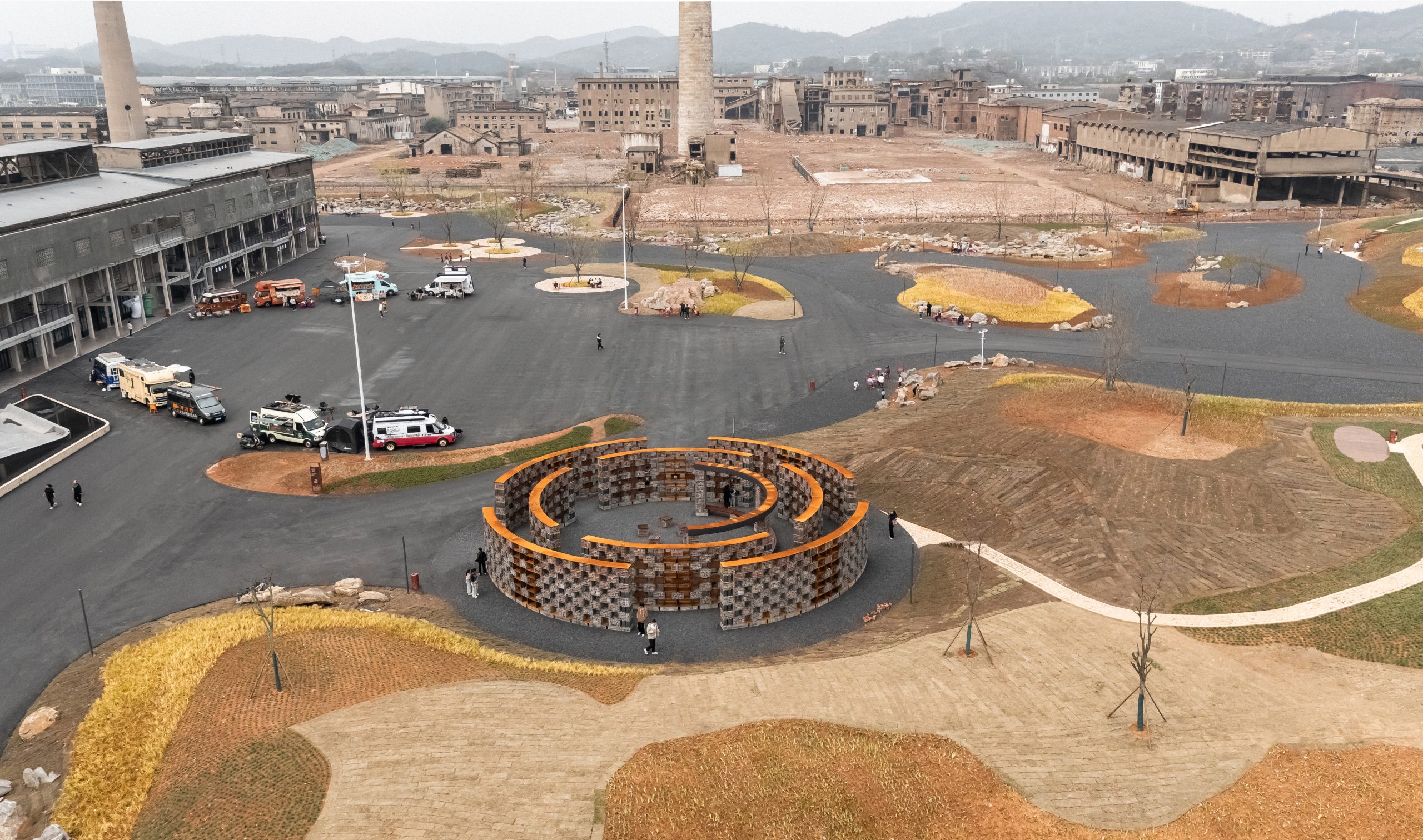

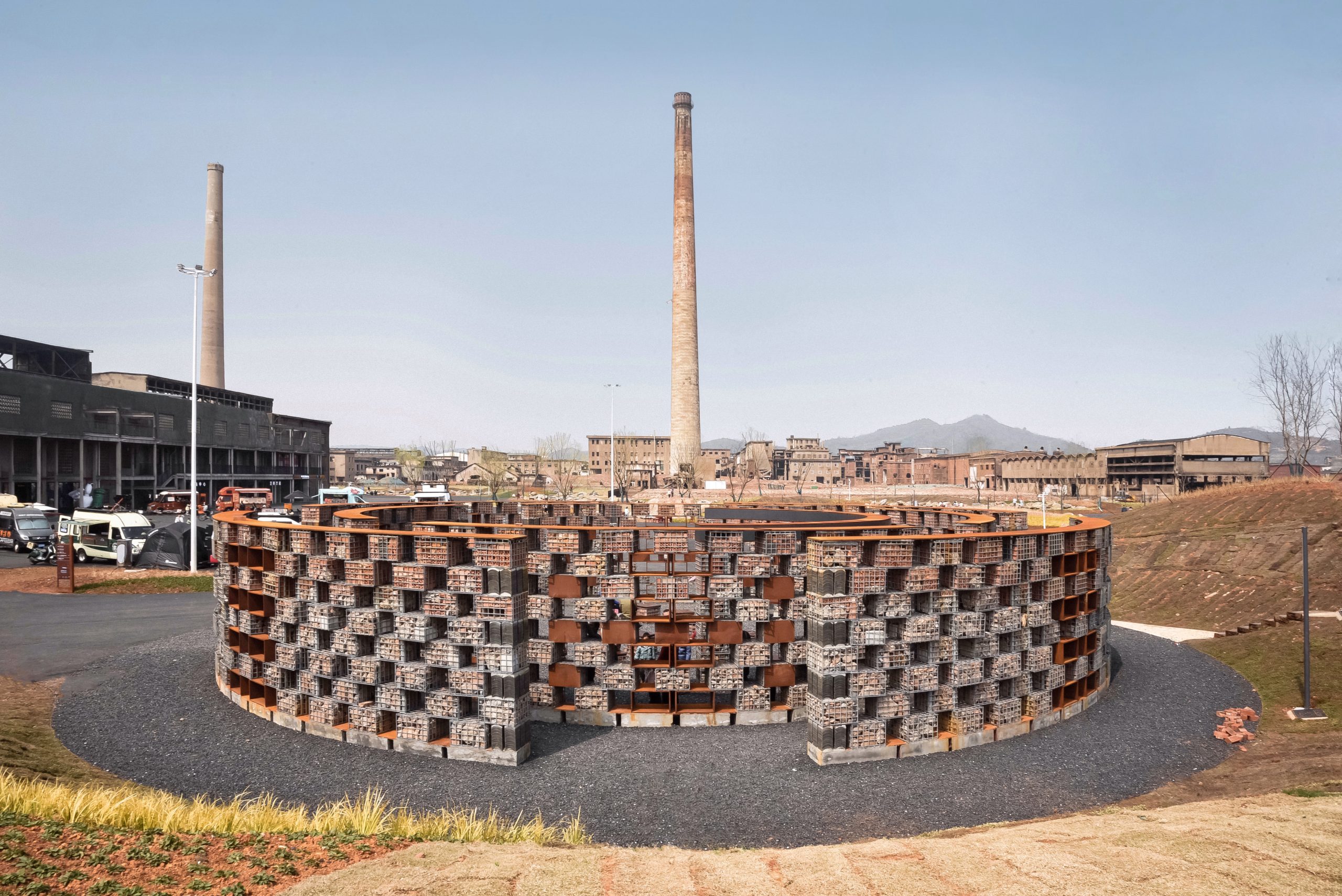
At Zhuzhou’s Qingshuitang 1956 Industrial Heritage Site, Echo of the Ruins turns the remains of a former factory into an open-air museum shaped by sound and shared memory. Designed by 1Y Architects, the 380-square-metre cultural building was completed in February 2026, using the site’s discarded bricks and tiles as part of its structure.
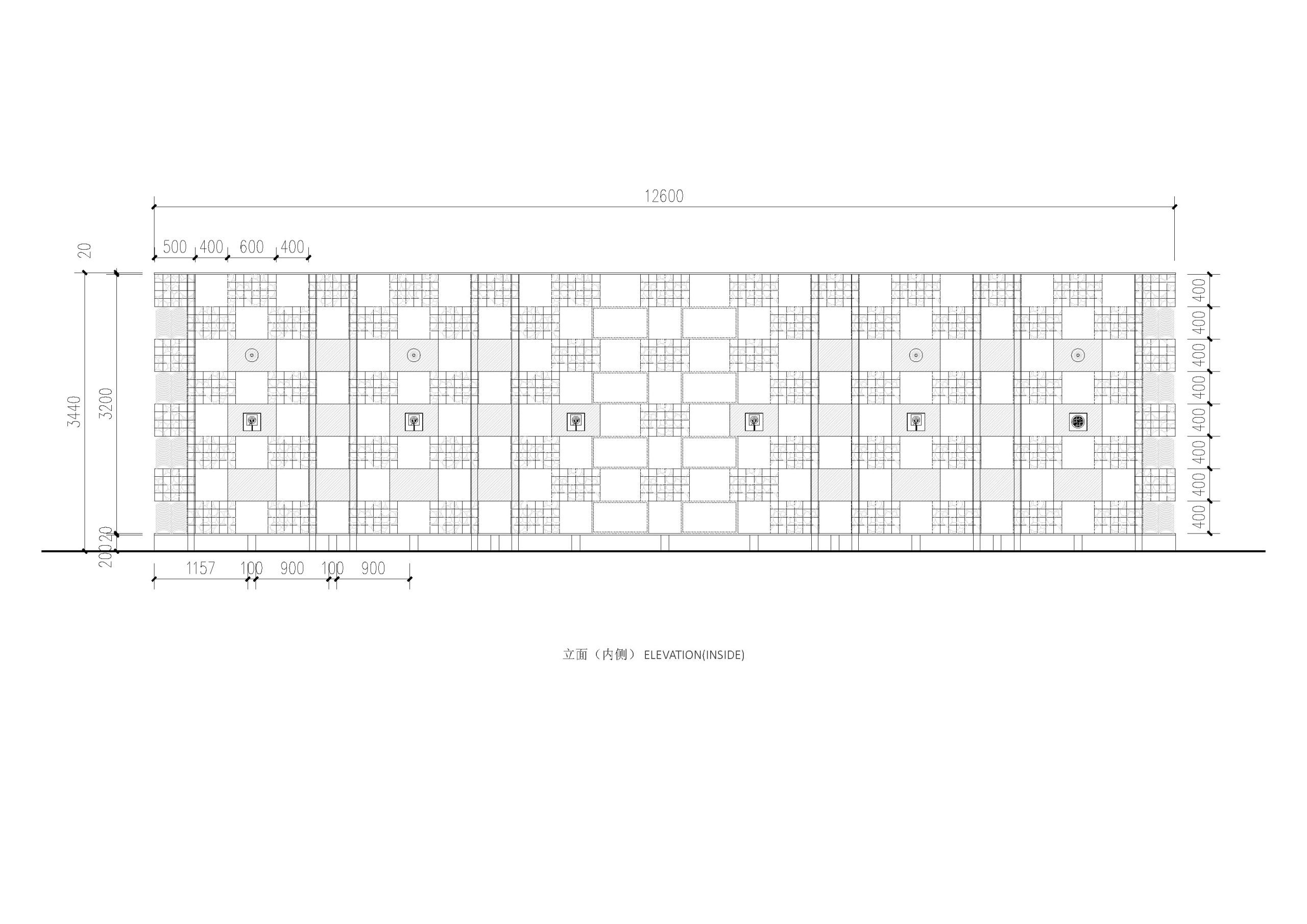
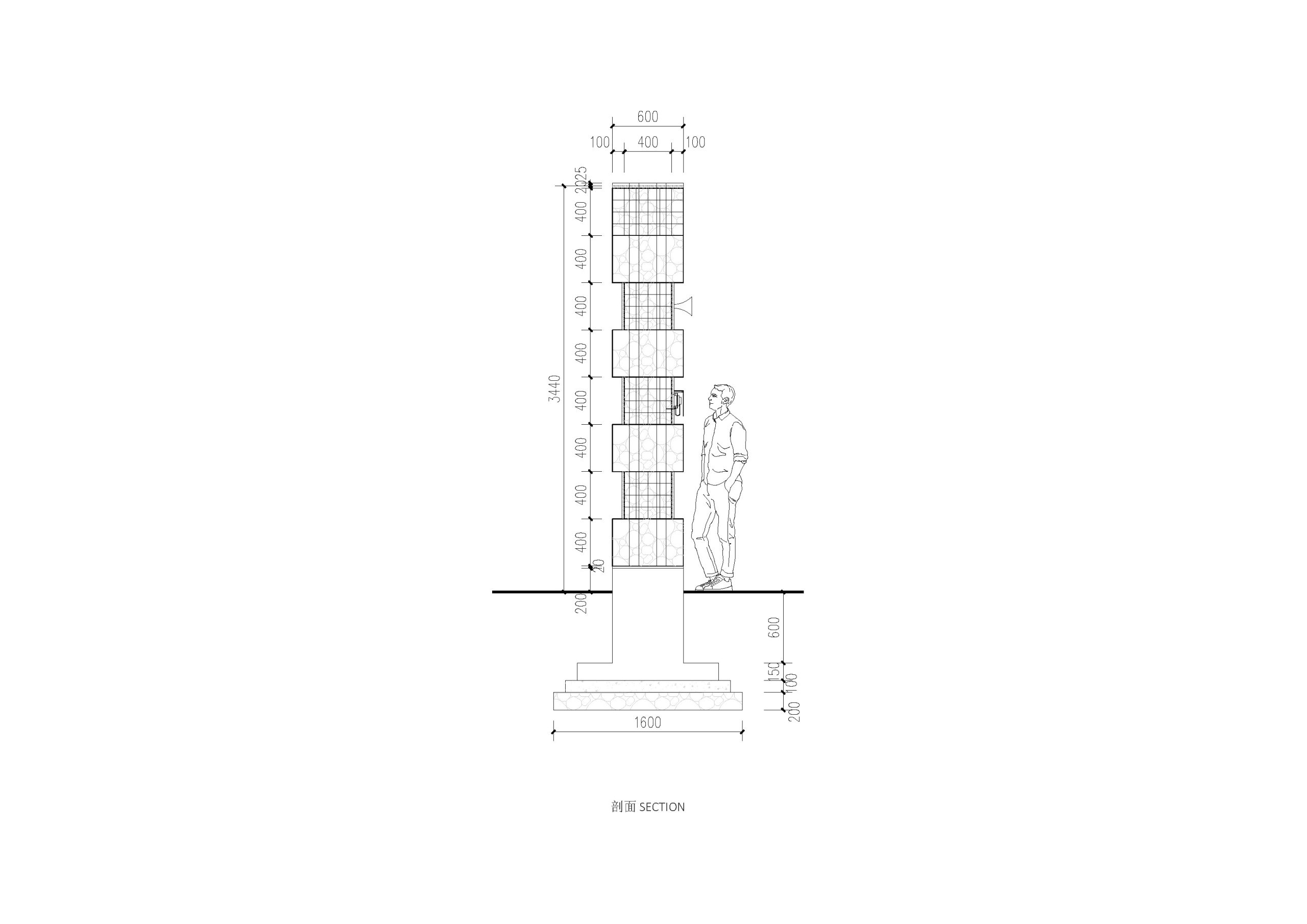
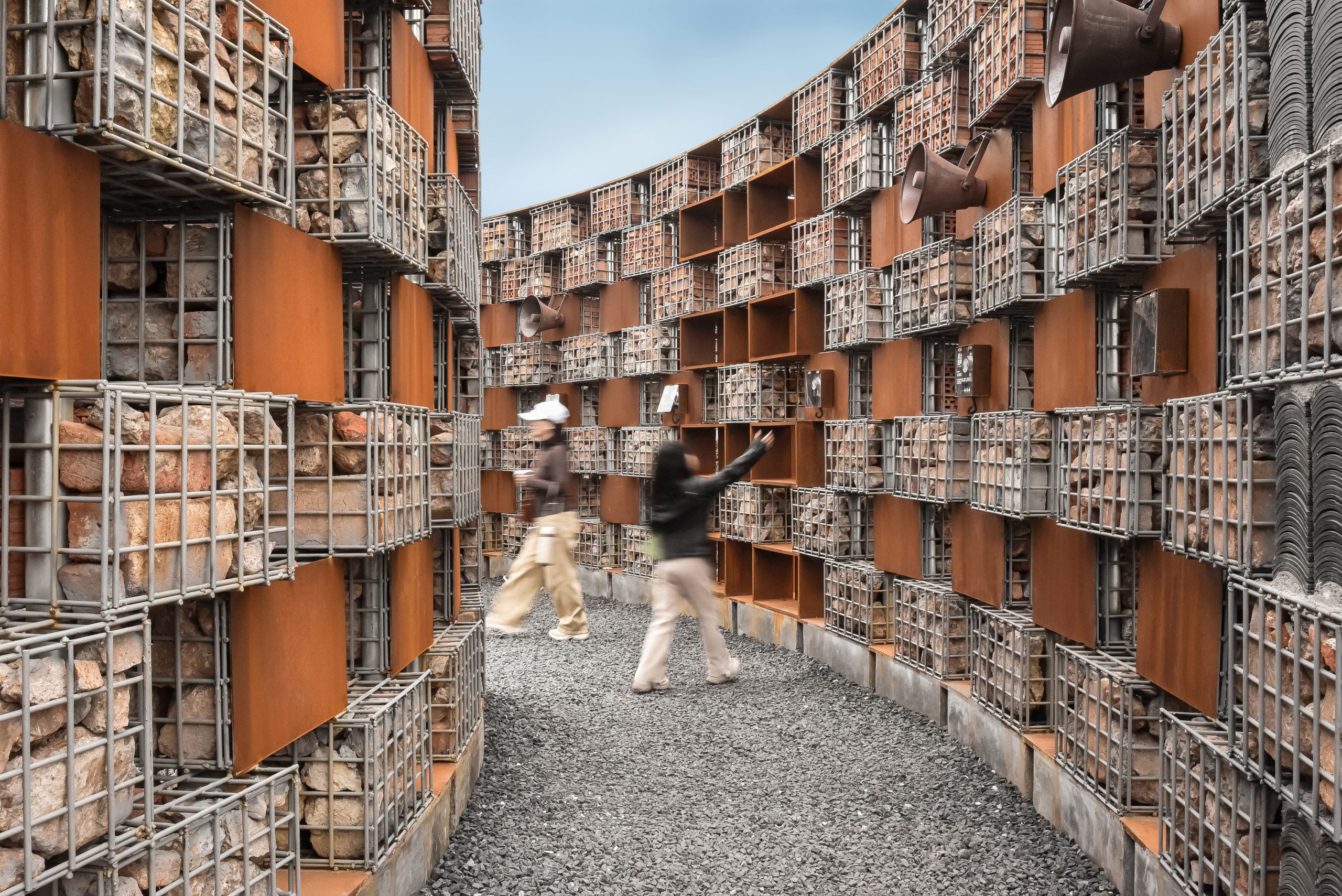
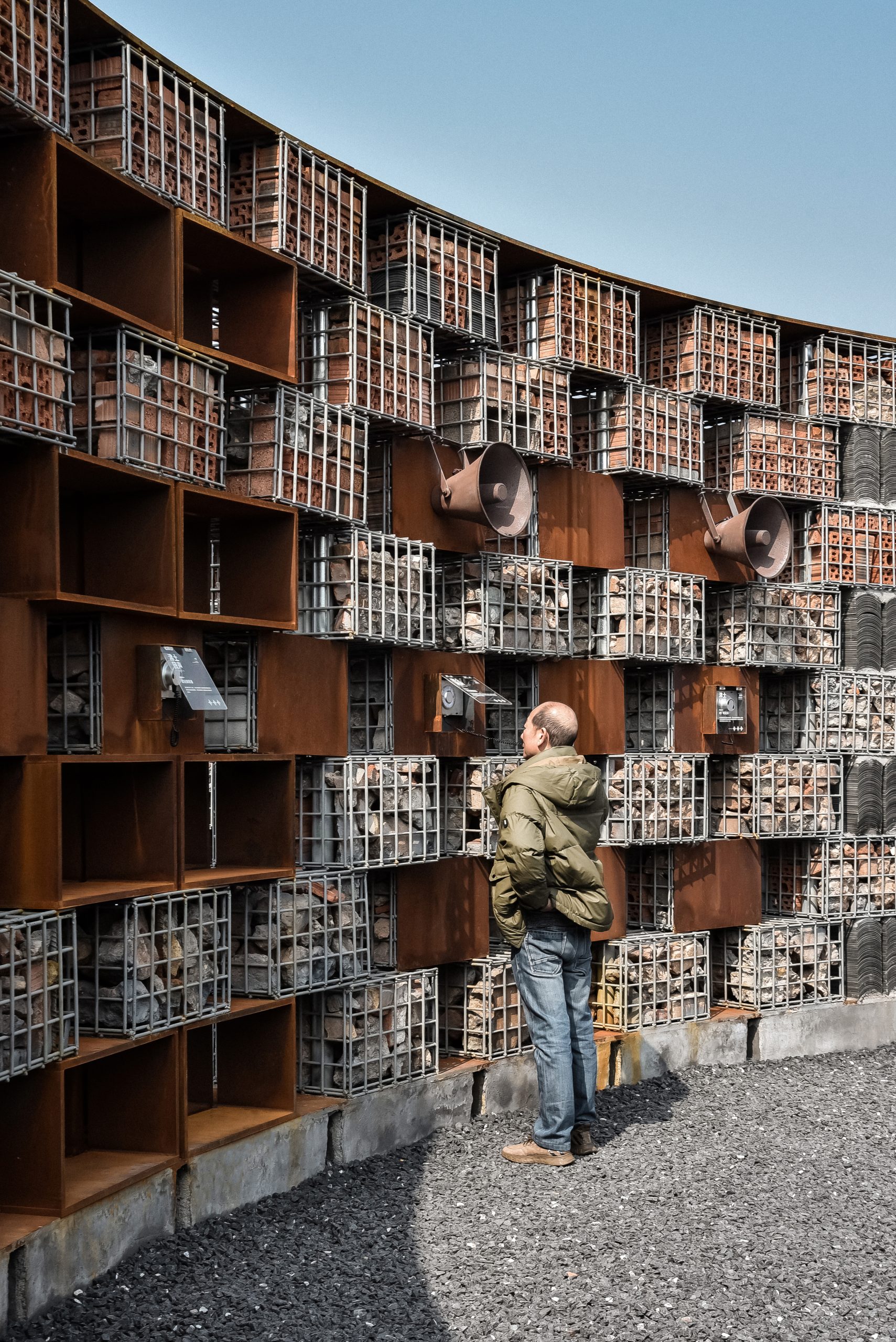
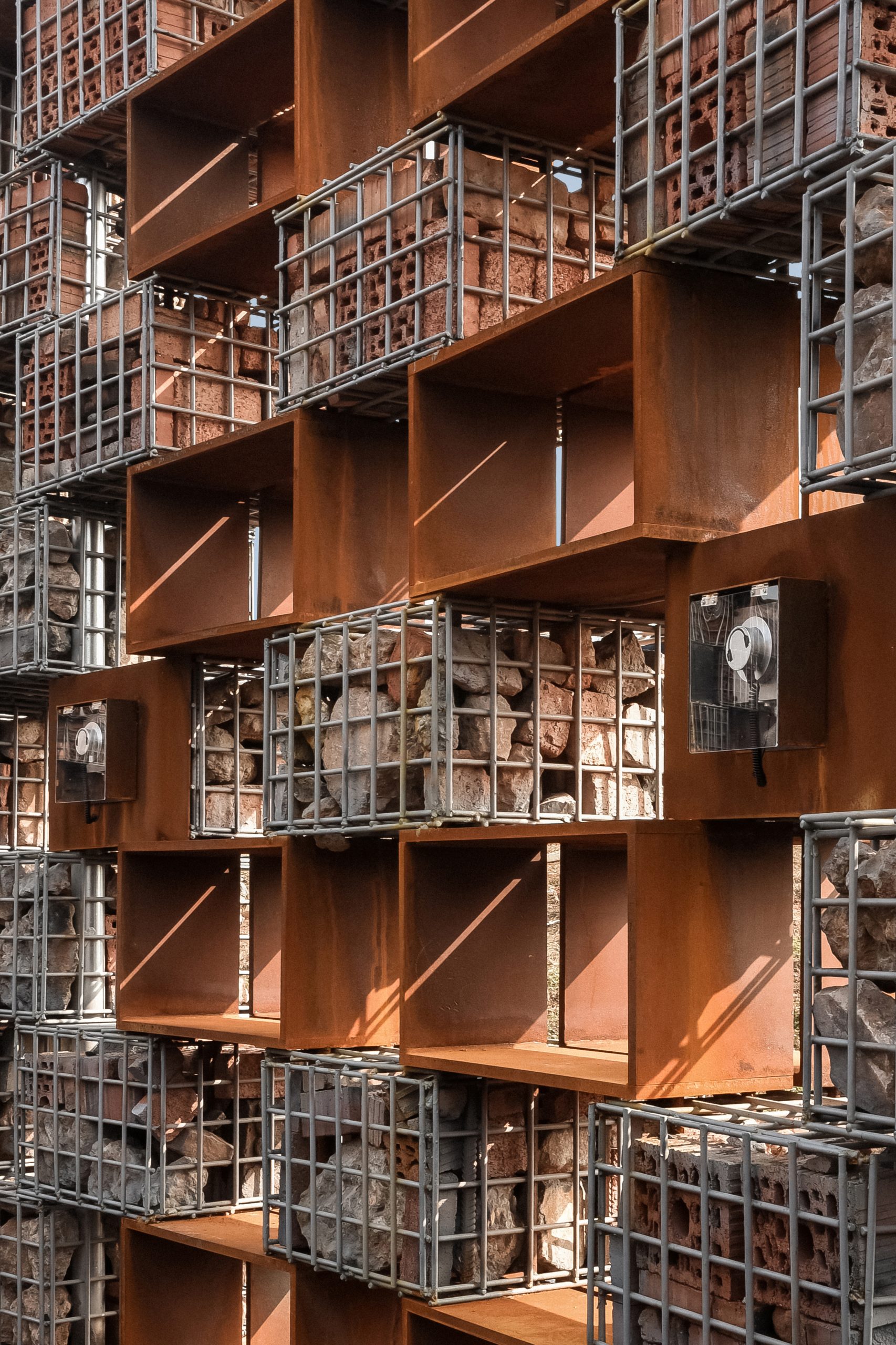
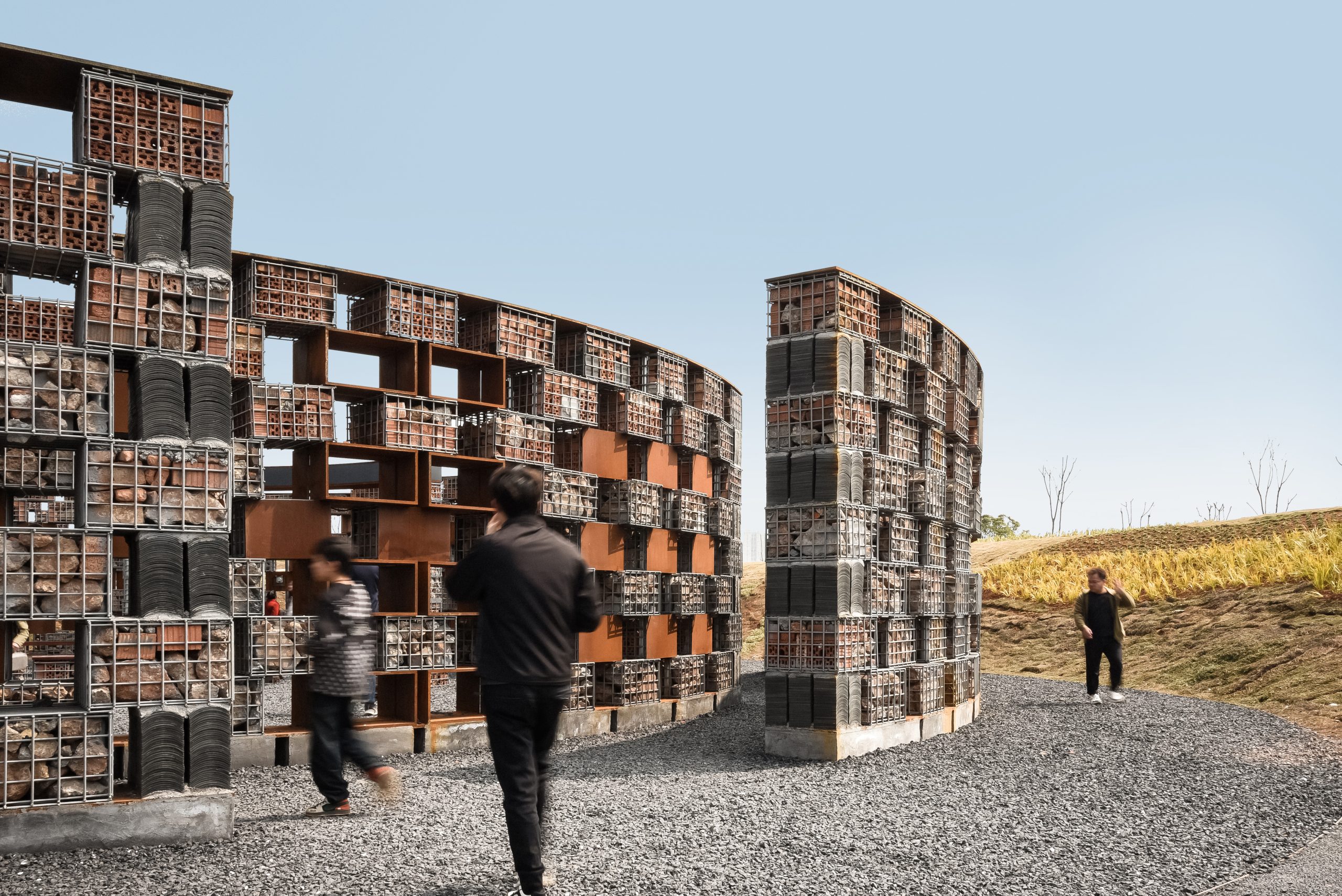
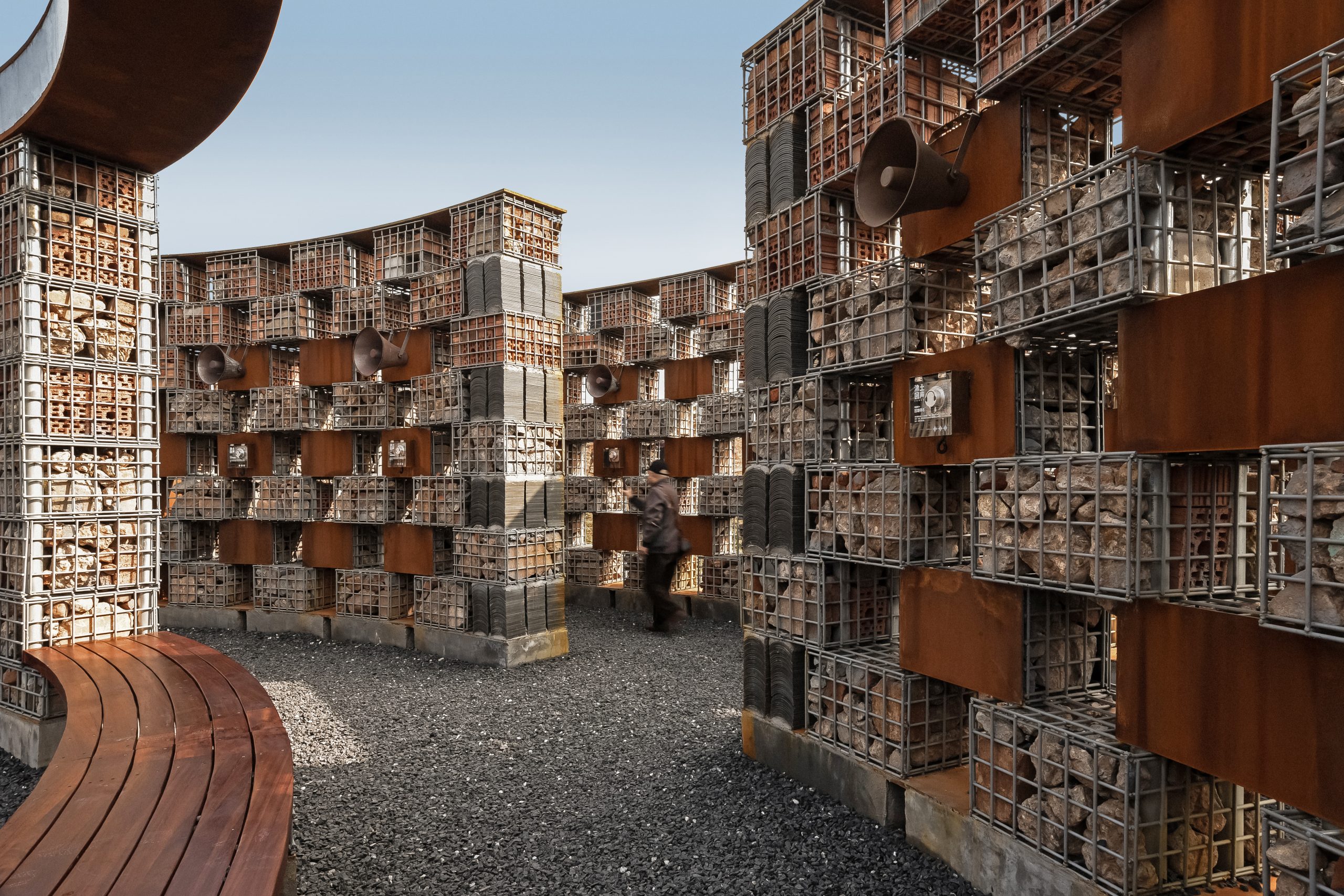
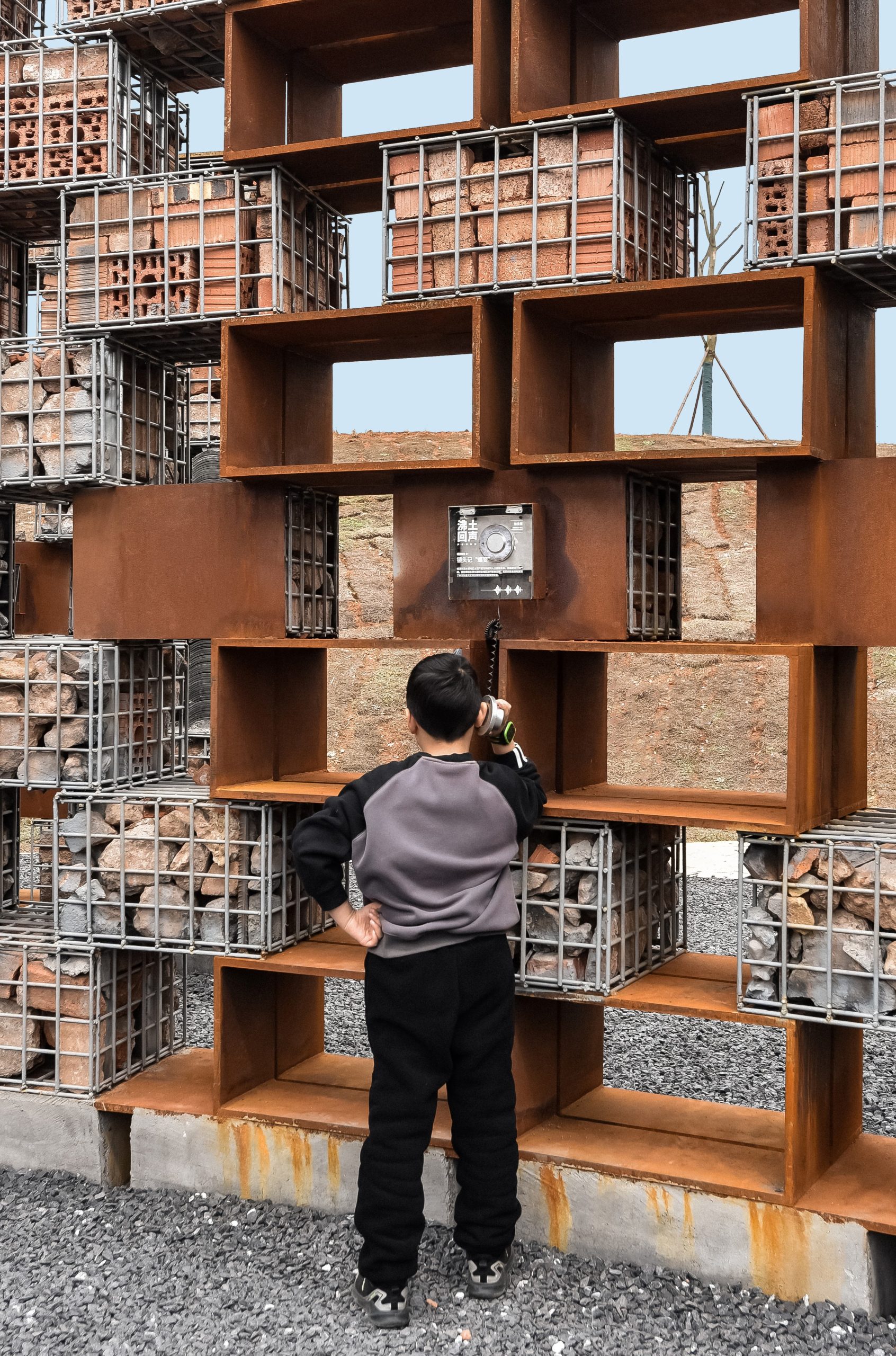
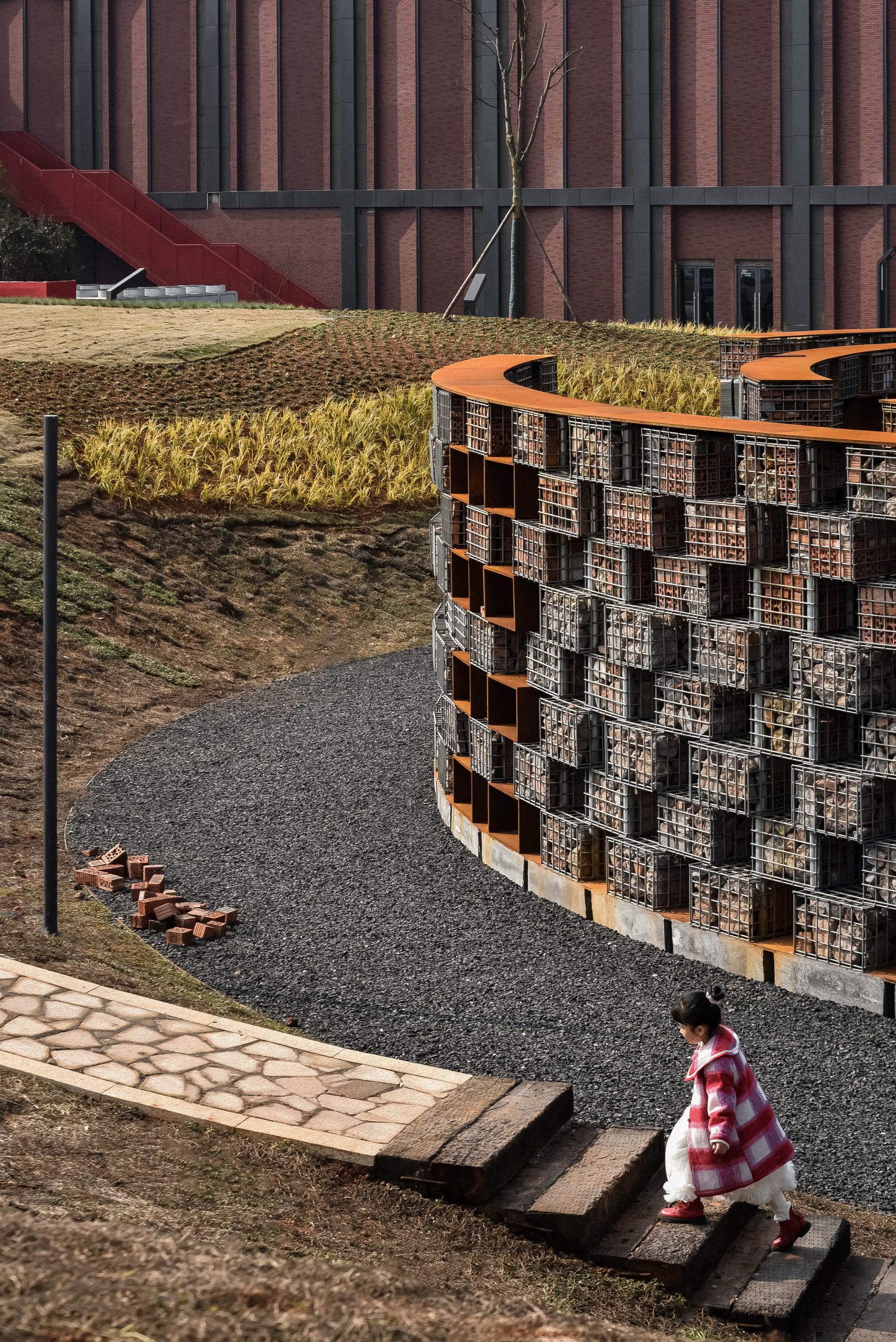
Rather than place industrial history behind glass, the project builds with its fragments. Reclaimed masonry is packed into modular gabion cages, which form a series of circular walls and passages. The result is both a public space and a walk-through archive: visitors move among the material traces of the factory while listening to the voices of people connected to Qingshuitang.
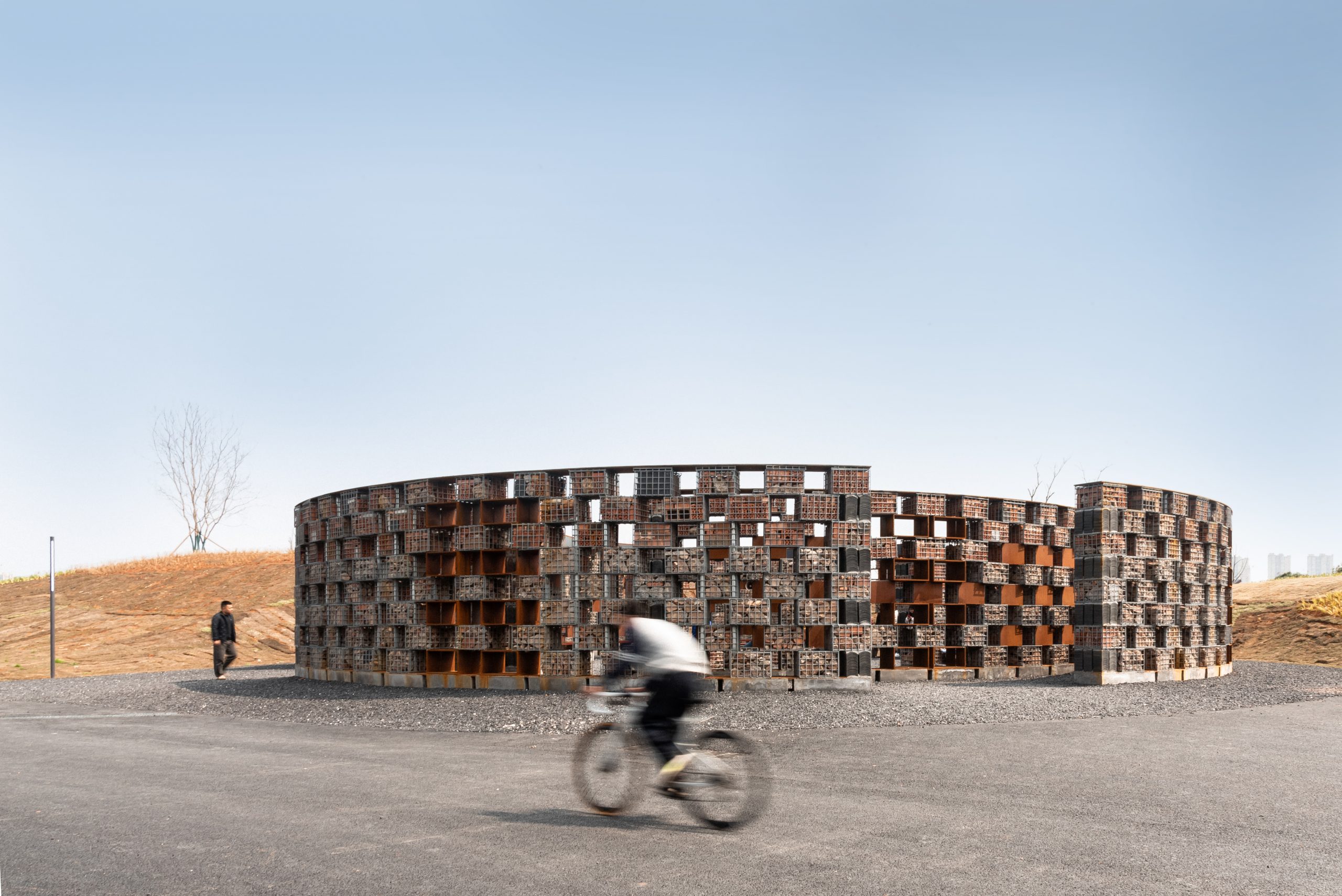
A museum built from the site
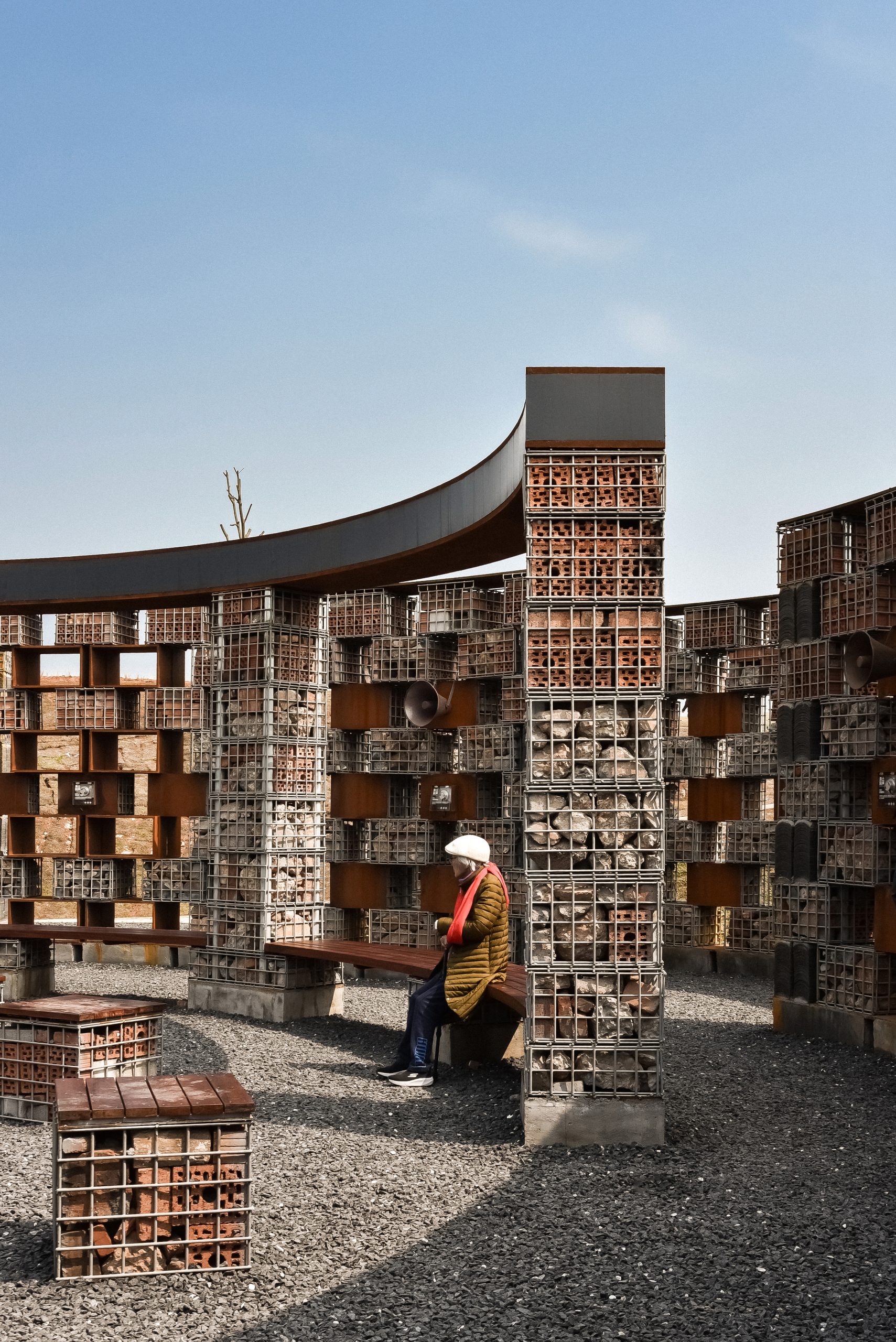
For 1Y Architects, the ruins provide more than a visual reference. Each brick and tile carries the wear of the industrial area, and the gabion walls preserve these pieces as part of the building’s fabric. Their open, layered construction allows the material history to remain visible as visitors pass alongside and through the walls.
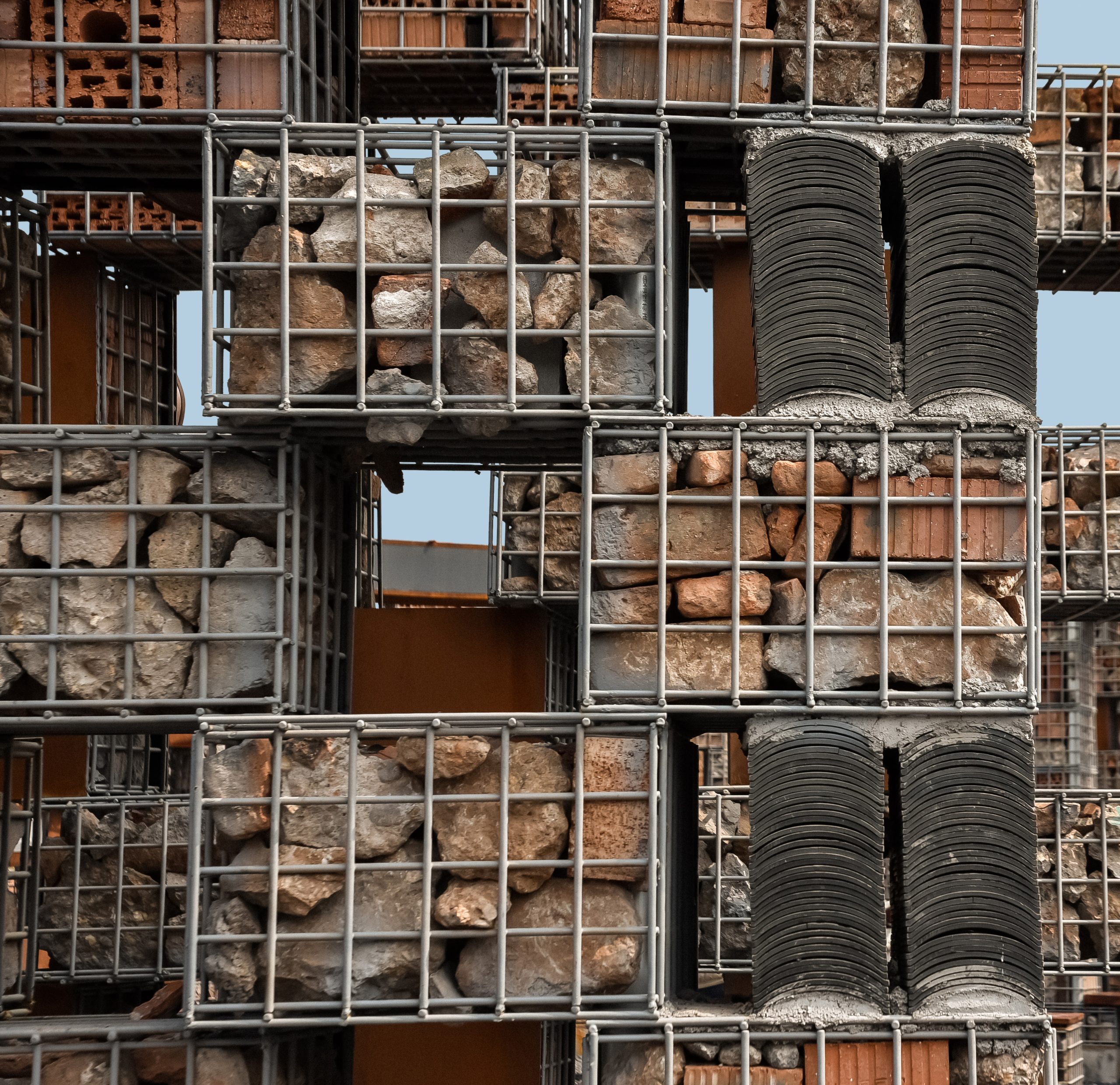
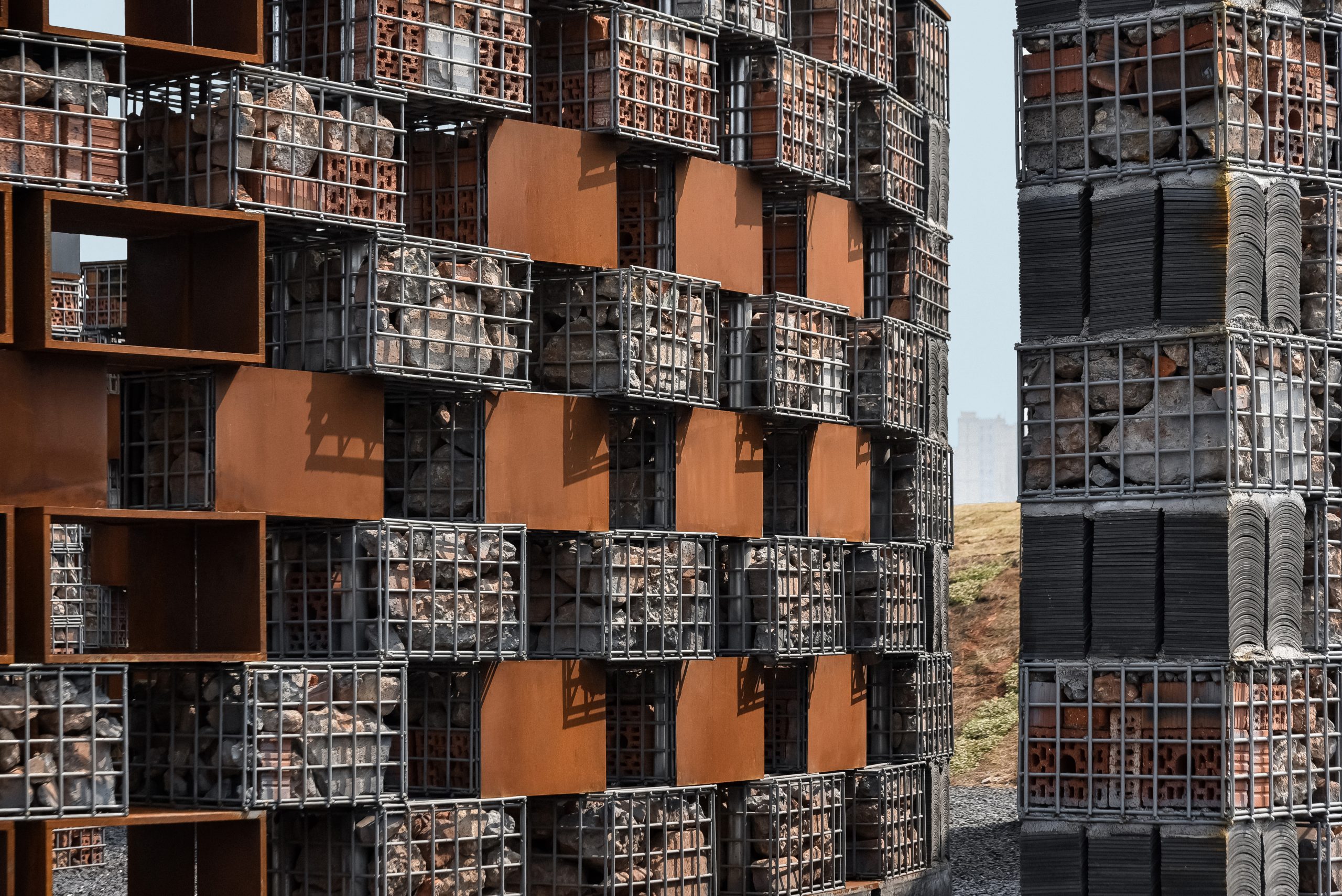
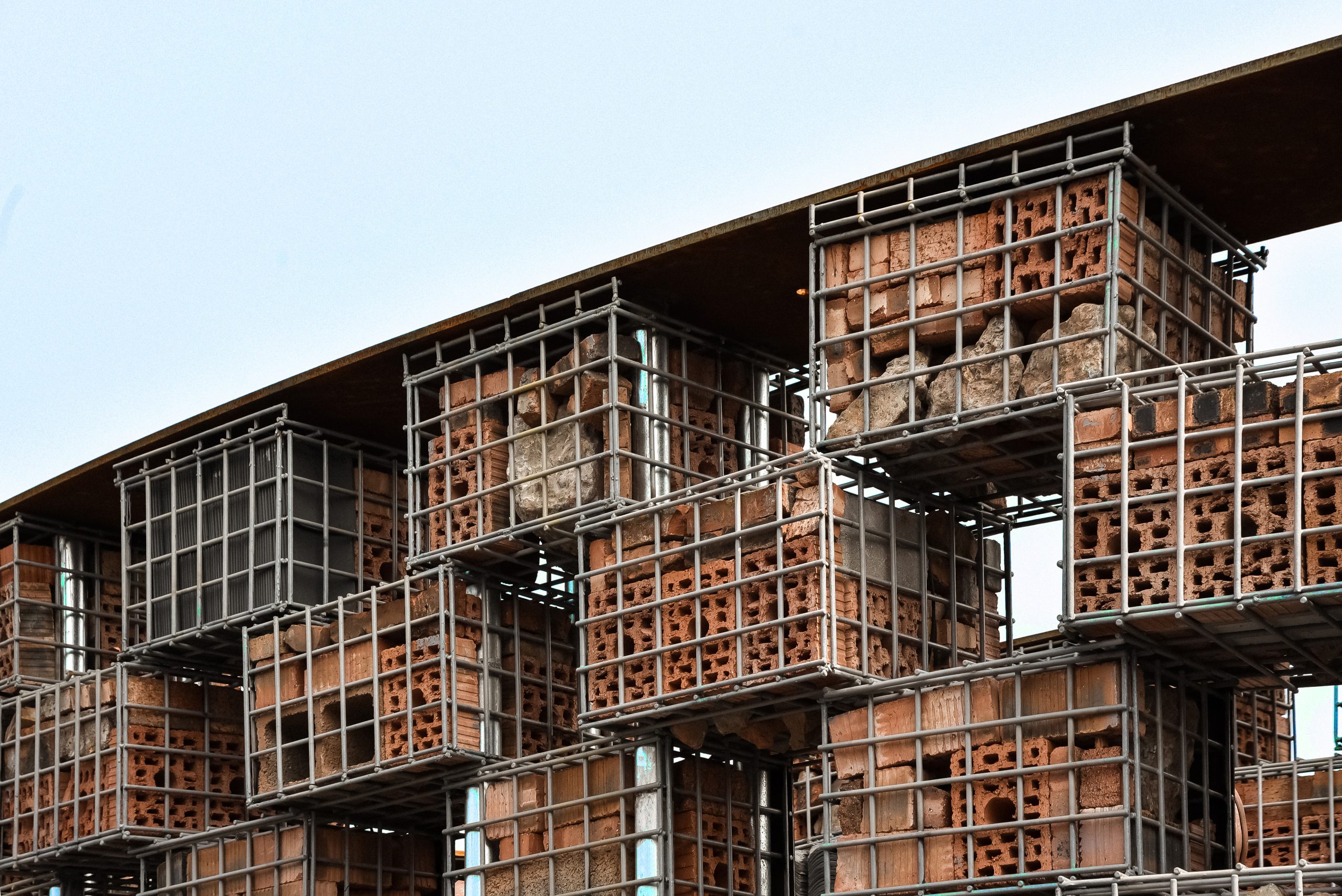
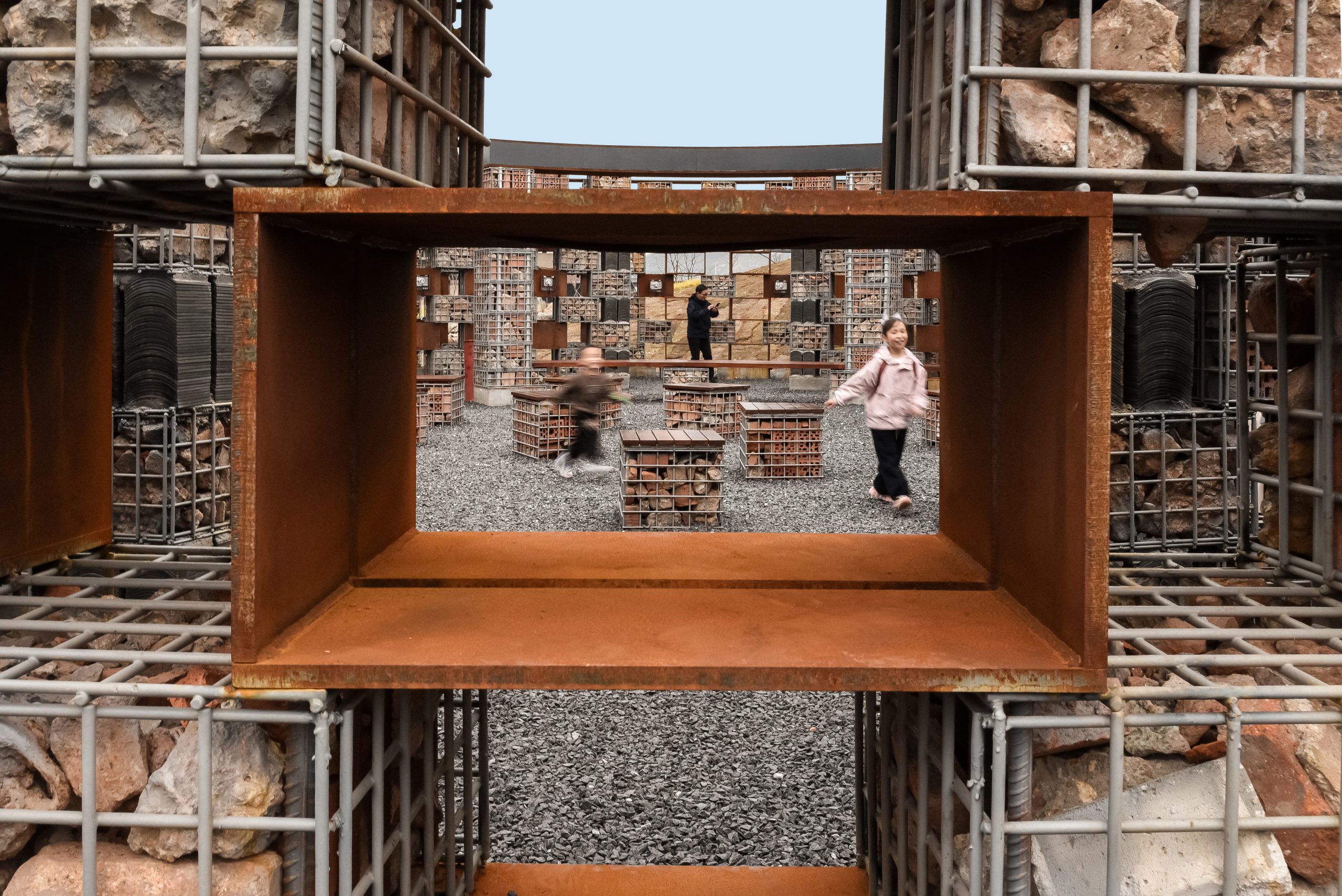
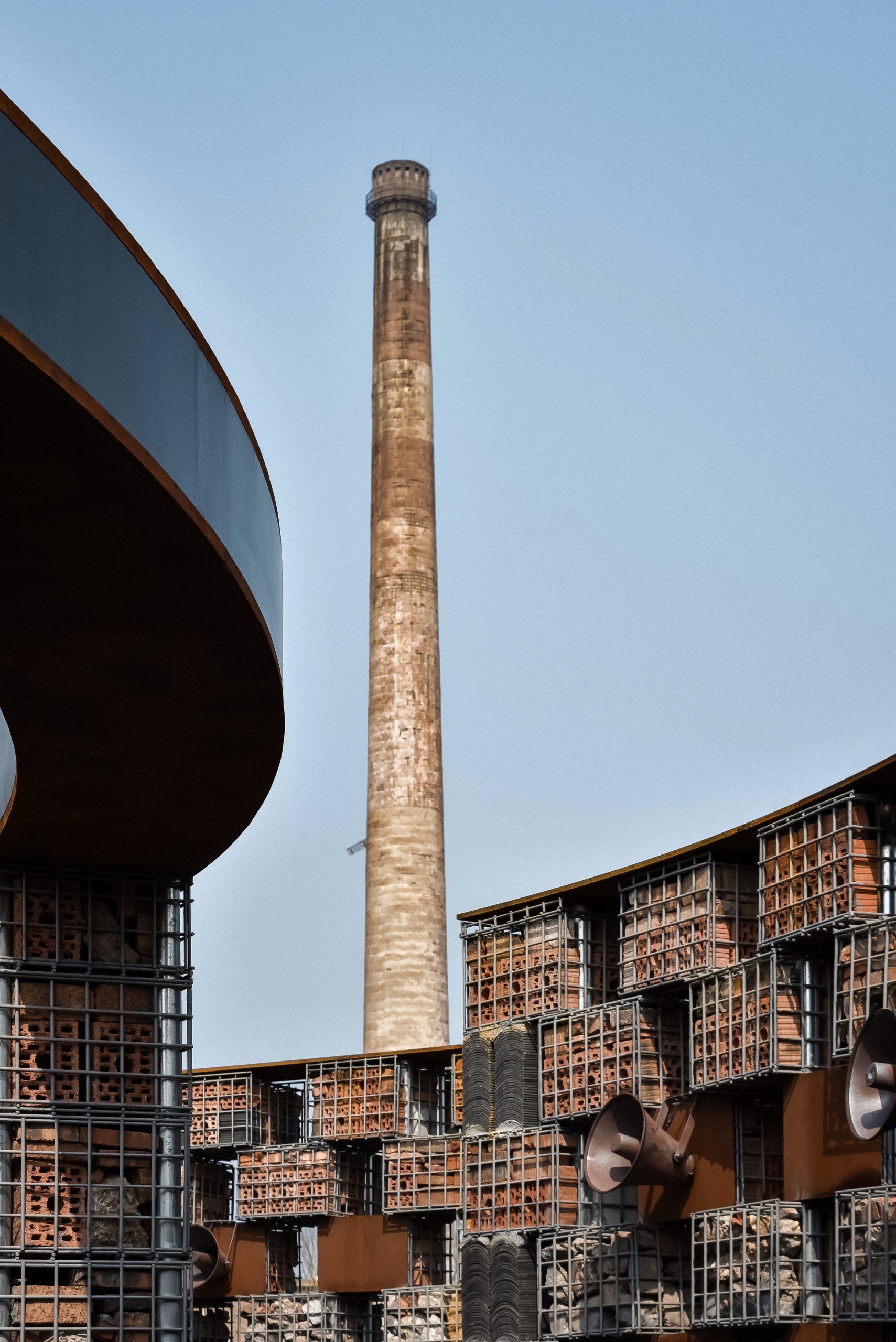
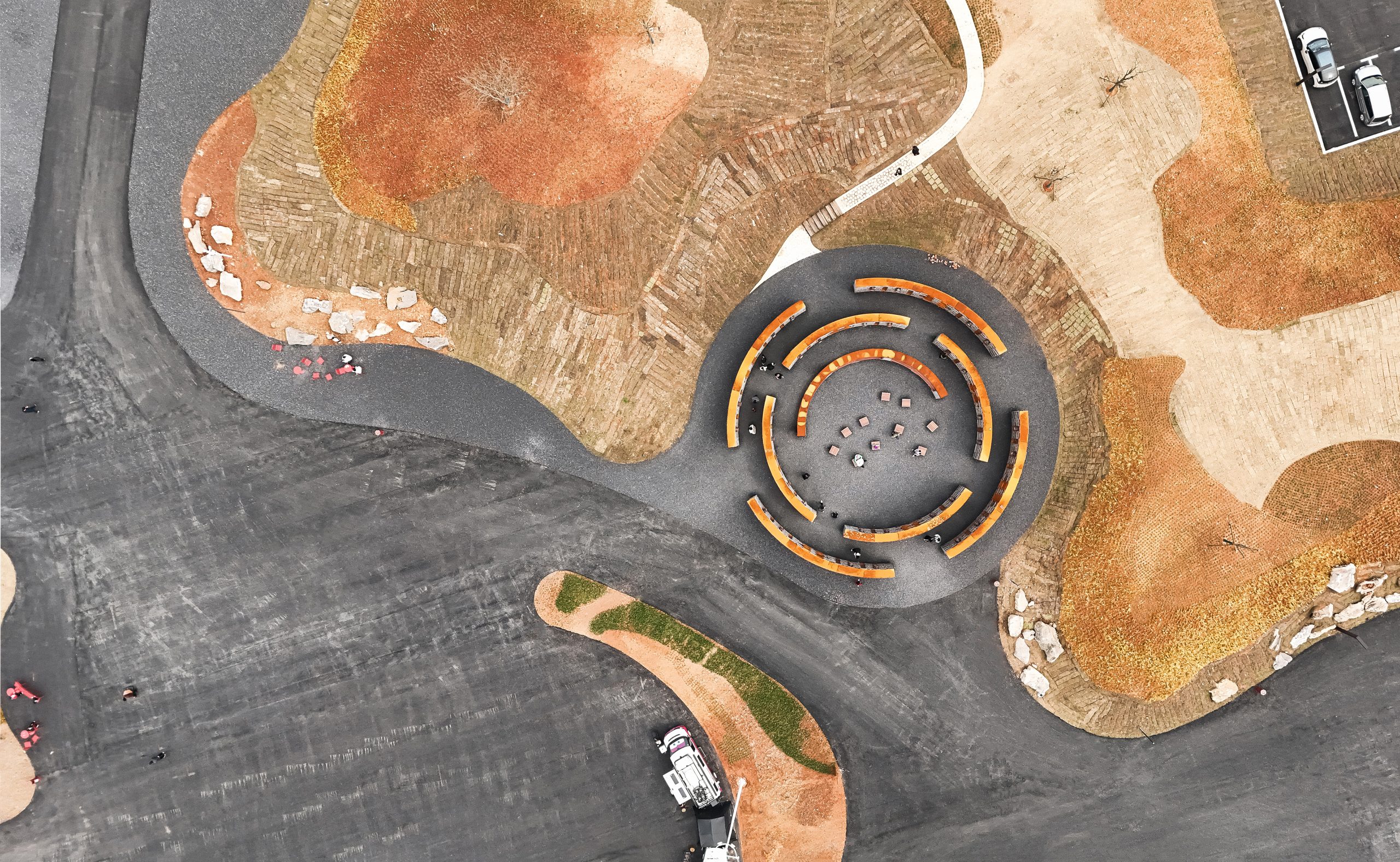
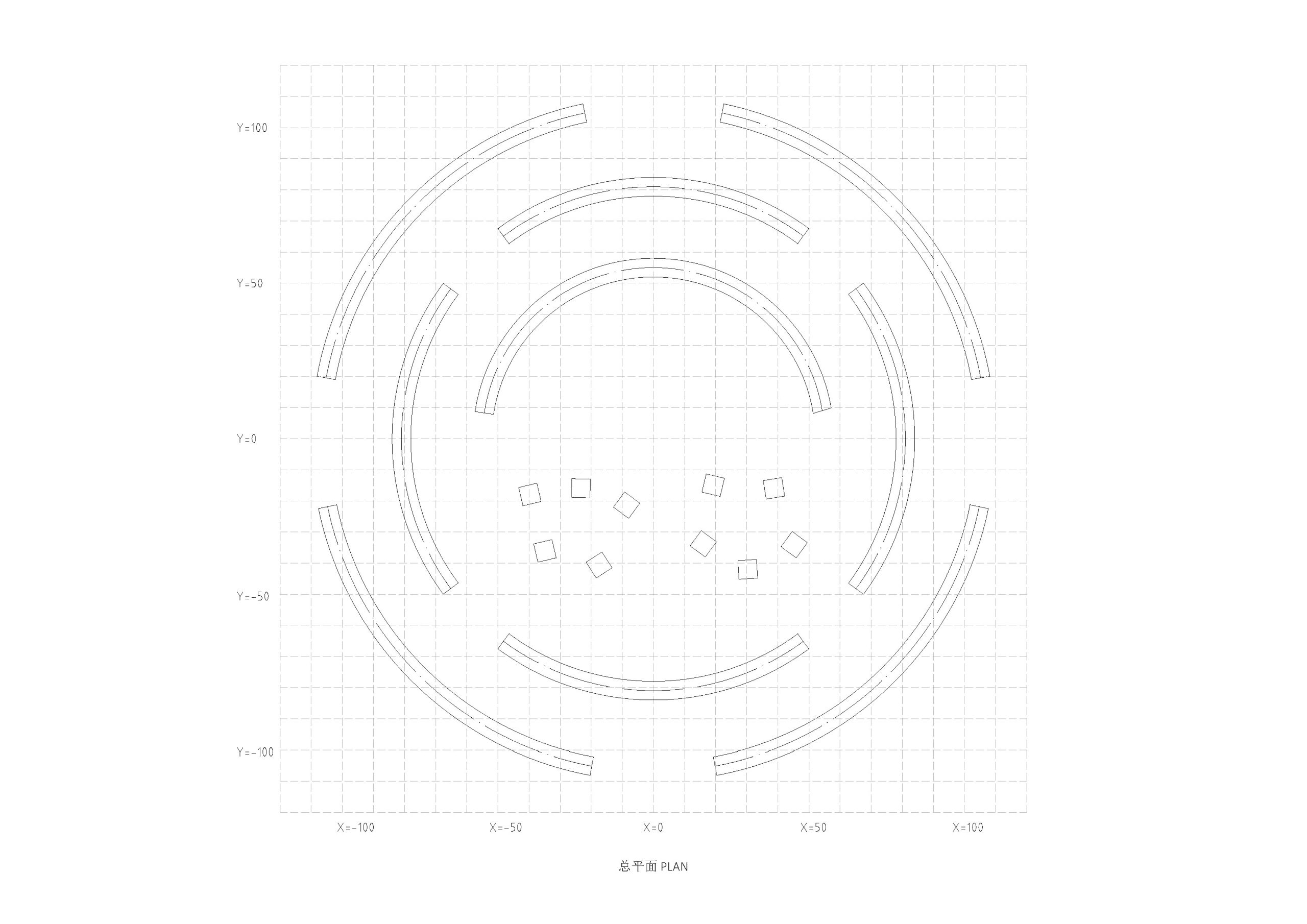
The museum’s circular plan gives this reclaimed material a public role. Concentric routes draw visitors inward from the industrial landscape, creating a sequence of thresholds, corridors and gathering spaces rather than a single enclosed exhibition room.
Listening along the circular paths
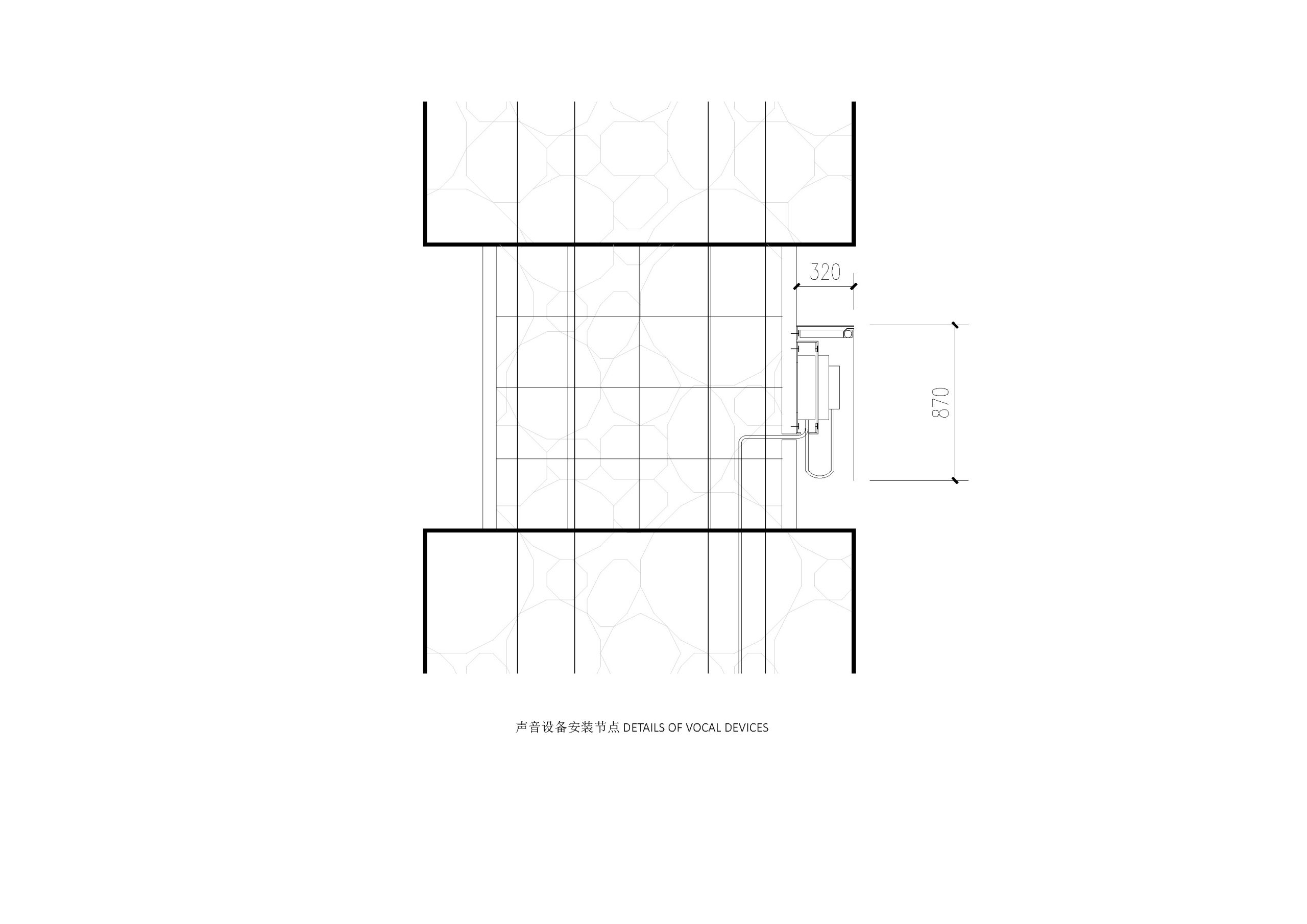
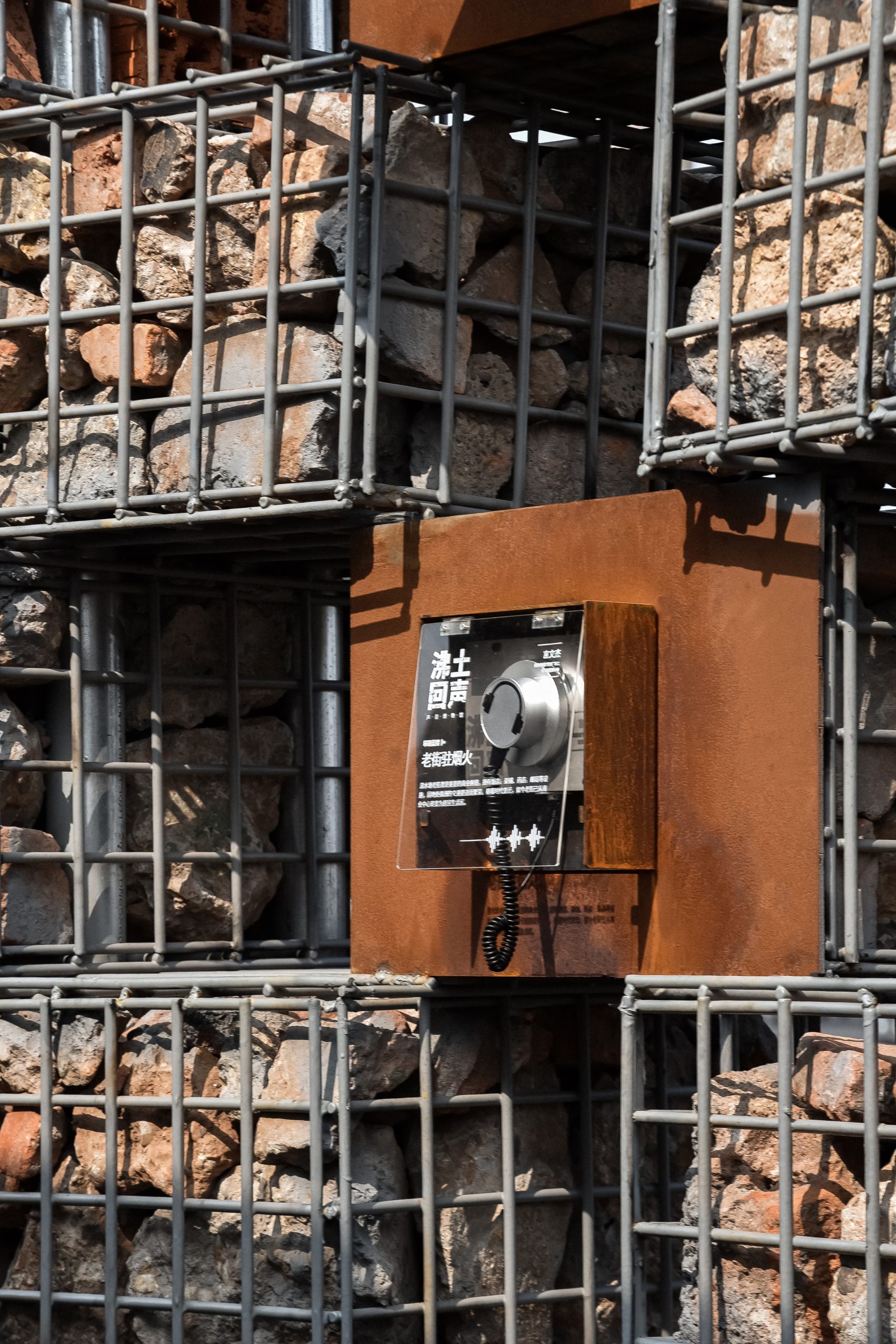
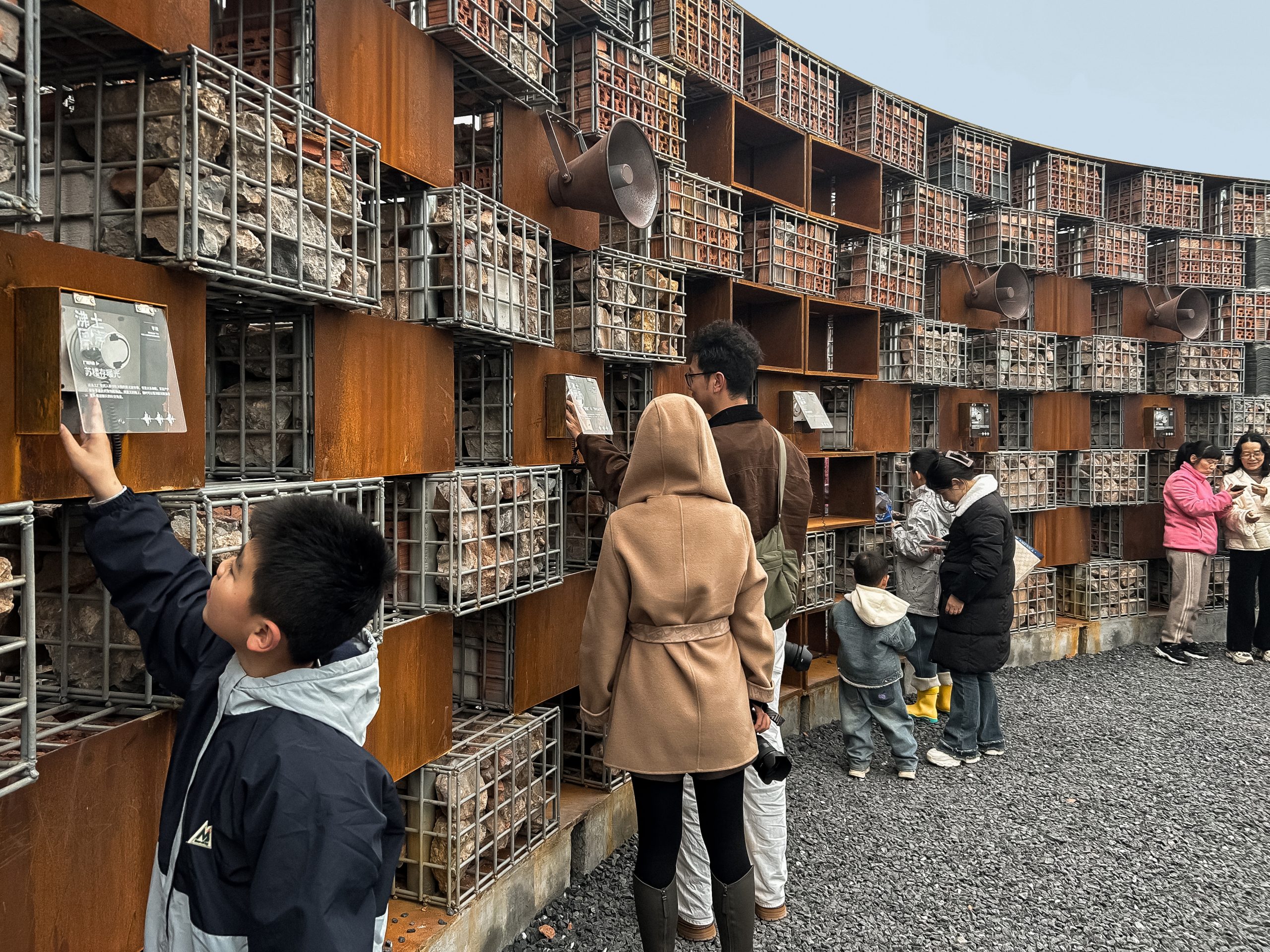
Sound gives the architecture its second register. Twenty groups of speakers are embedded within the circular walls, playing oral records from Qingshuitang residents. Forty sets of magnetic headphones let visitors listen more closely, turning movement through the site into an individual encounter with its stories.
An archive that continues to grow
At the end of each circular passage, recording stations invite visitors to add their own accounts. After processing, the recordings join an oral-history archive, allowing the museum to register the present as well as recall the past. Memory here is not fixed in a display; it accumulates through new voices and encounters.
Echo Plaza at the centre
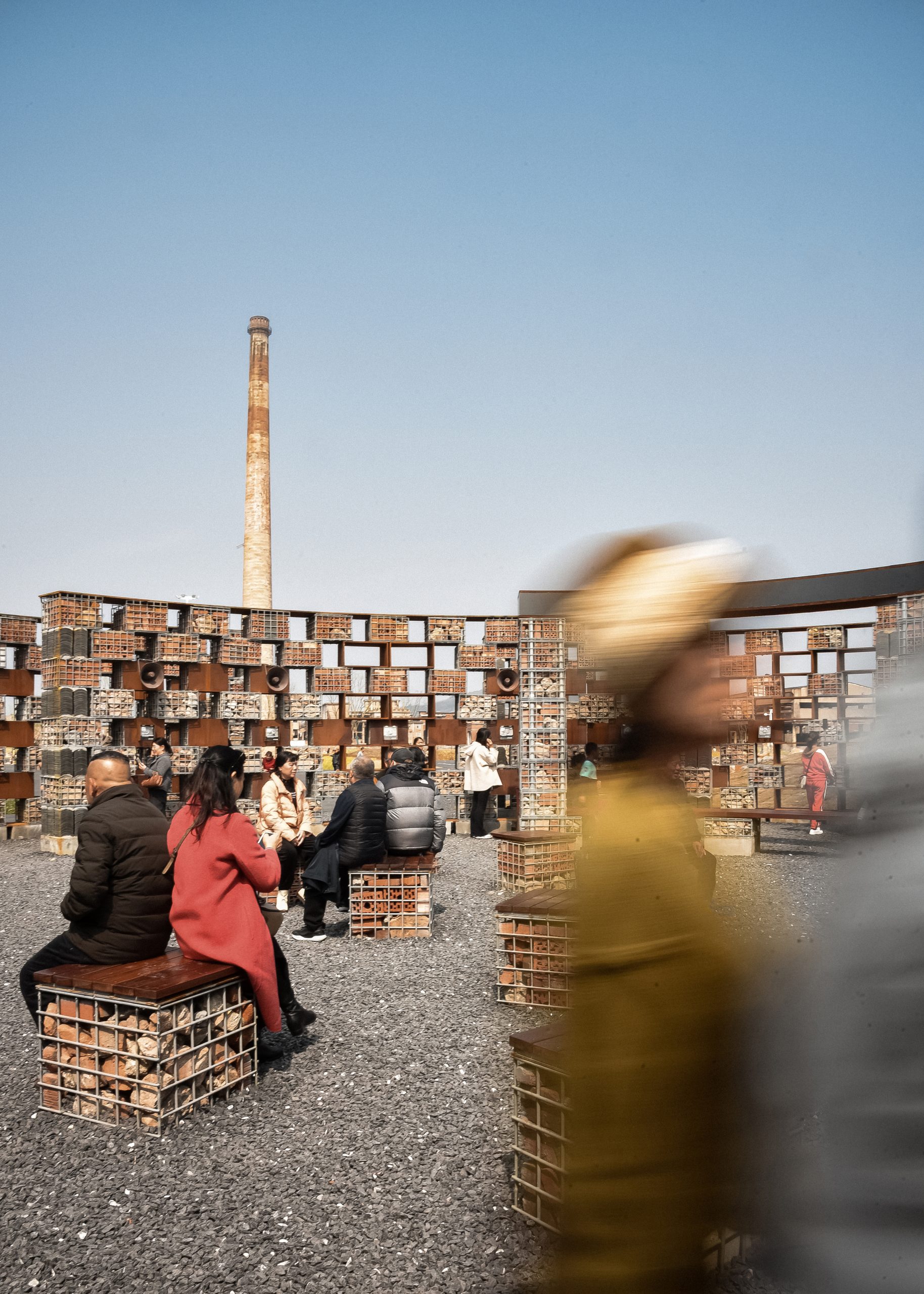
The paths open onto Echo Plaza, an outdoor amphitheatre approximately 16 metres in diameter. It can host informal storytelling, readings and small musical performances, bringing the listening experience into a shared setting. The open-air museum thus works as a place for the older generation to revisit local history, for younger visitors to understand the city’s past, and for children to encounter the site through play.
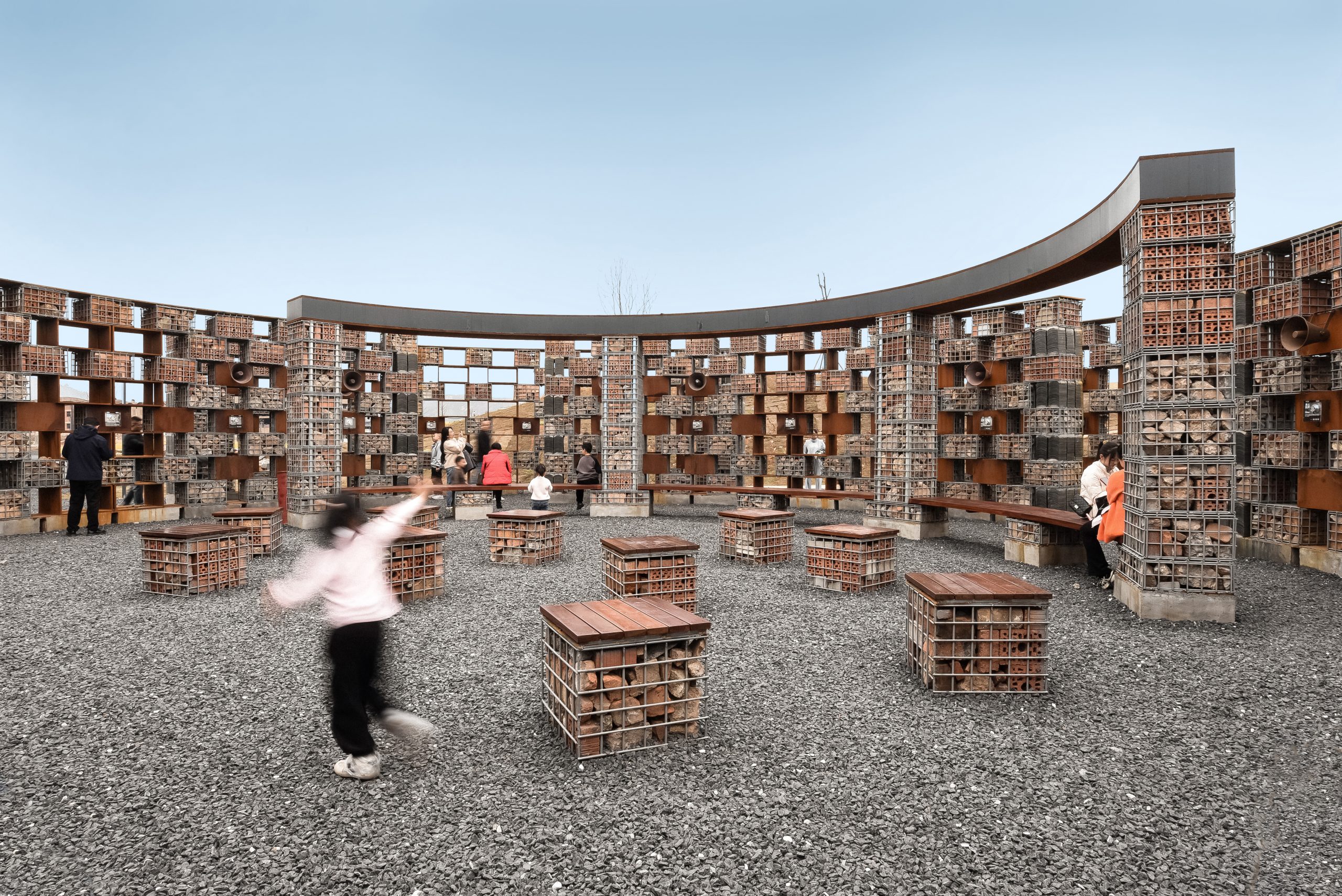
By joining reused industrial material with an evolving sound archive, Echo of the Ruins makes preservation an active civic practice. The factory’s fragments remain in view, while the voices gathered around them keep the site’s memory in circulation.
Project Credits
Architecture firm: 1Y Architects
Photography: Chen Yifan
Location: Qingshuitang 1956 Industrial Heritage Site, Zhuzhou, Hunan, China
Completion: February 2026