Now Reading: ba-rro rethinks carabanchel civic loft through hybrid living and industrial reuse
- 01
ba-rro rethinks carabanchel civic loft through hybrid living and industrial reuse

ba-rro rethinks carabanchel civic loft through hybrid living and industrial reuse

Following the completion of Carabanchel Civic Loft, ba-rro reflects on a series of spatial strategies that challenge conventional distinctions between domestic life, production, and the city. Working within the evolving context of Madrid’s southern districts, the studio approaches existing industrial structures not as fixed heritage objects, but as active frameworks open to reinterpretation.
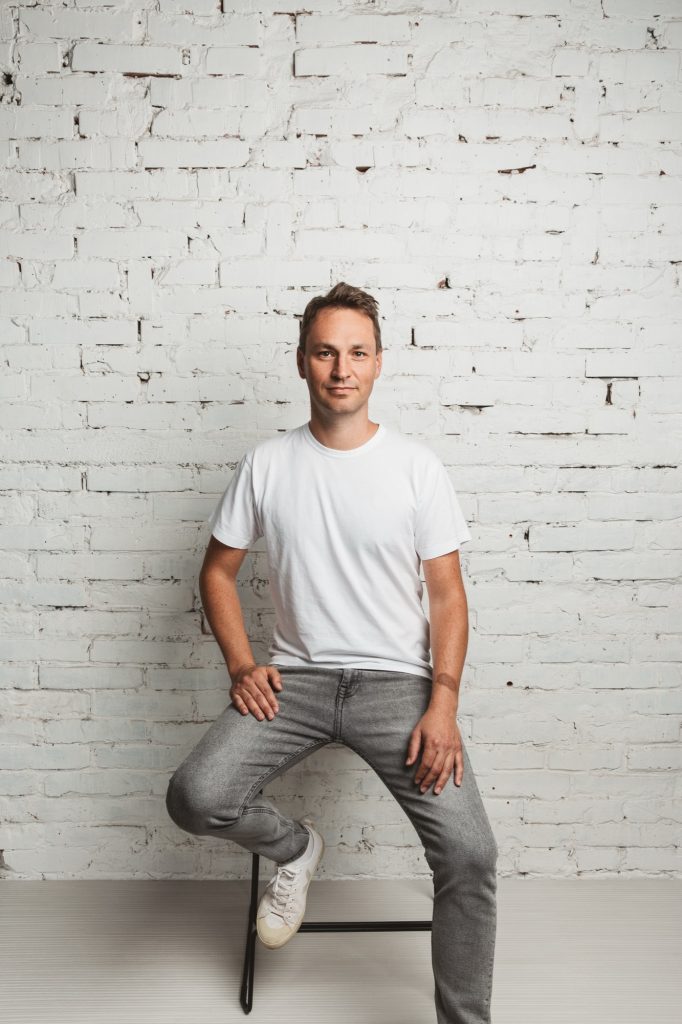
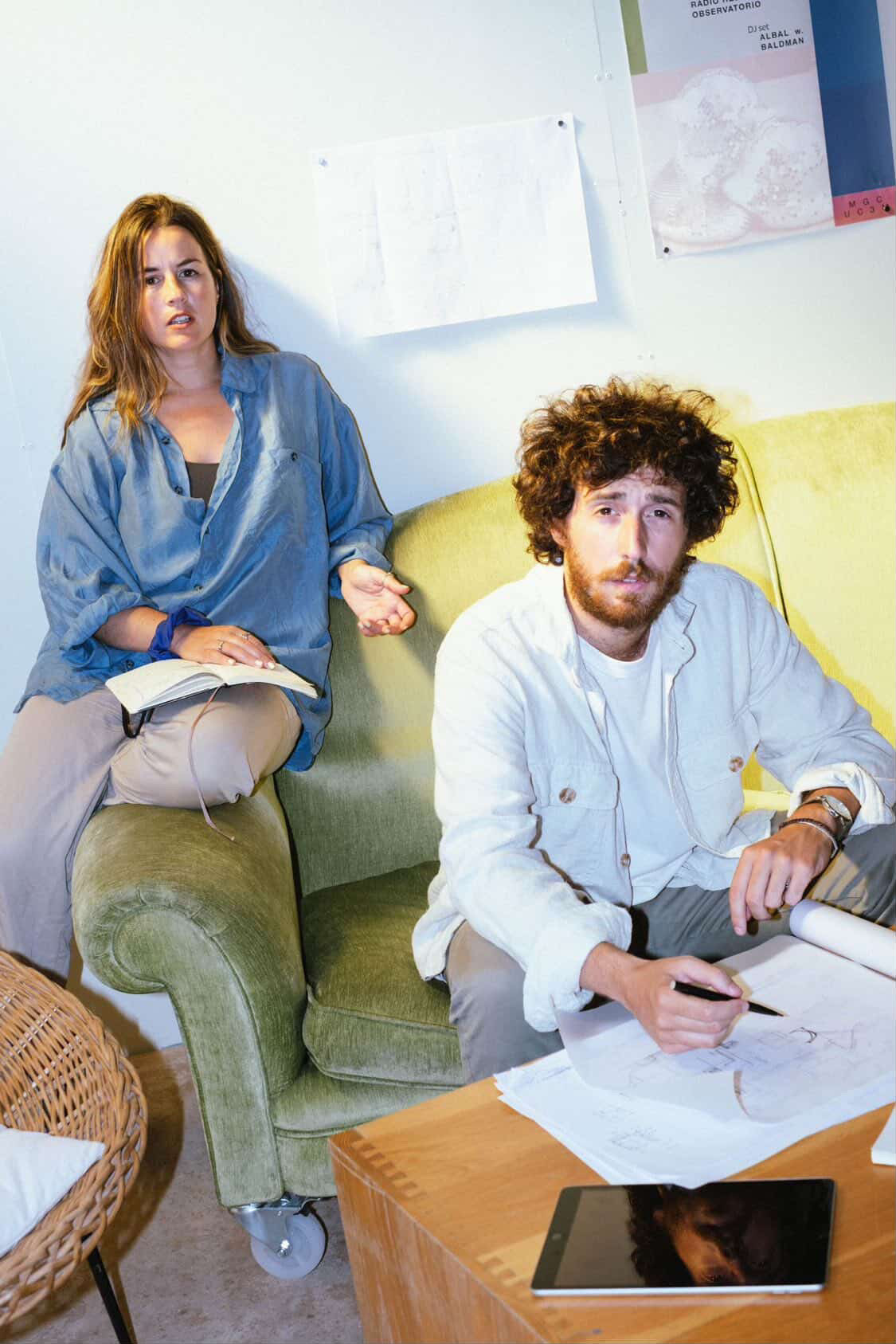
Based in Madrid, the studio was founded in 2021 by architects Marta Badiola and Jorge Pizarro Montalvillo. In this conversation, ba-rro reflects on its position on preservation, the influence of historical loft typologies, and an ongoing interest in spaces that operate between private and collective realms.
What risks did ba-rro take in mixing old industrial spaces with raw domestic atmospheres in Carabanchel, and how might this challenge strict approaches to historical preservation?
More than a risk, we understand it as a position. We are interested in working with what already exists without freezing it, avoiding the idea of heritage as something untouchable. These industrial spaces are not museum pieces, but open structures that have always been linked to production, change, and adaptation.
Introducing a domestic dimension does not aim to dilute their character, but to activate it through a different use. It may indeed unsettle more conservative positions, but we believe that the best way to preserve these spaces is to allow them to continue being inhabited, transformed, and ultimately lived.
Why draw from the 1960s–1970s New York lofts for projects in Madrid? Is there a risk of romanticising decay, and how do you avoid making these references feel outdated?
We consider ourselves modern in a somewhat Baudelairean sense of the term, positioned between the manic glow of the new and the persistence of the past. We do not understand modernity as a break from what came before, but as a way of participating in an ongoing conversation within the discipline.
New York lofts from the 1960s–70s appear as a reference because they represent one of the first domestic appropriations of industrial spaces. Experiences such as Warhol’s Factory reveal a way of inhabiting isotropic spaces where the main quality is volume, and where transformation comes less from architecture, which is already given, and more from use, furniture, and surfaces.
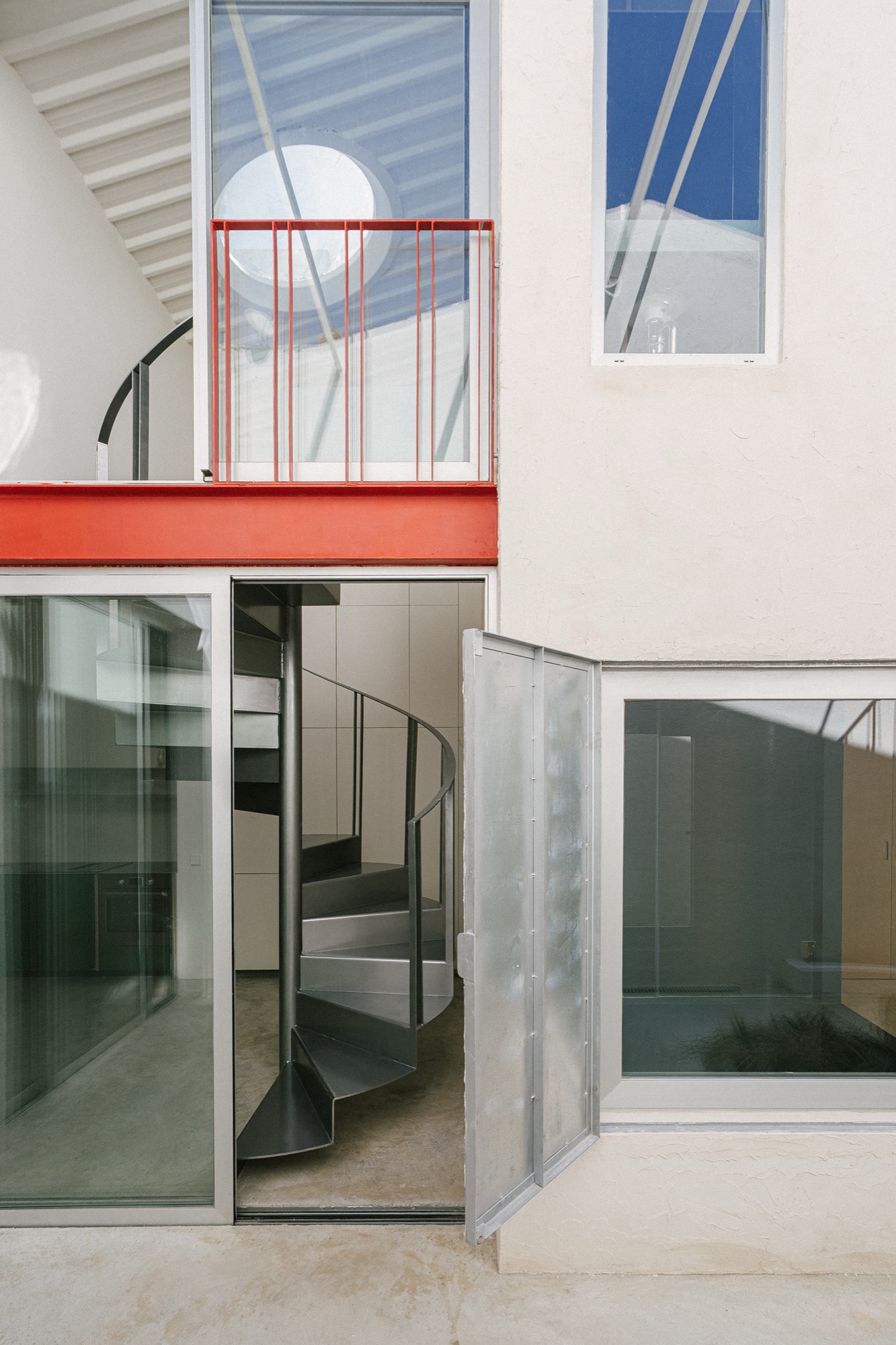
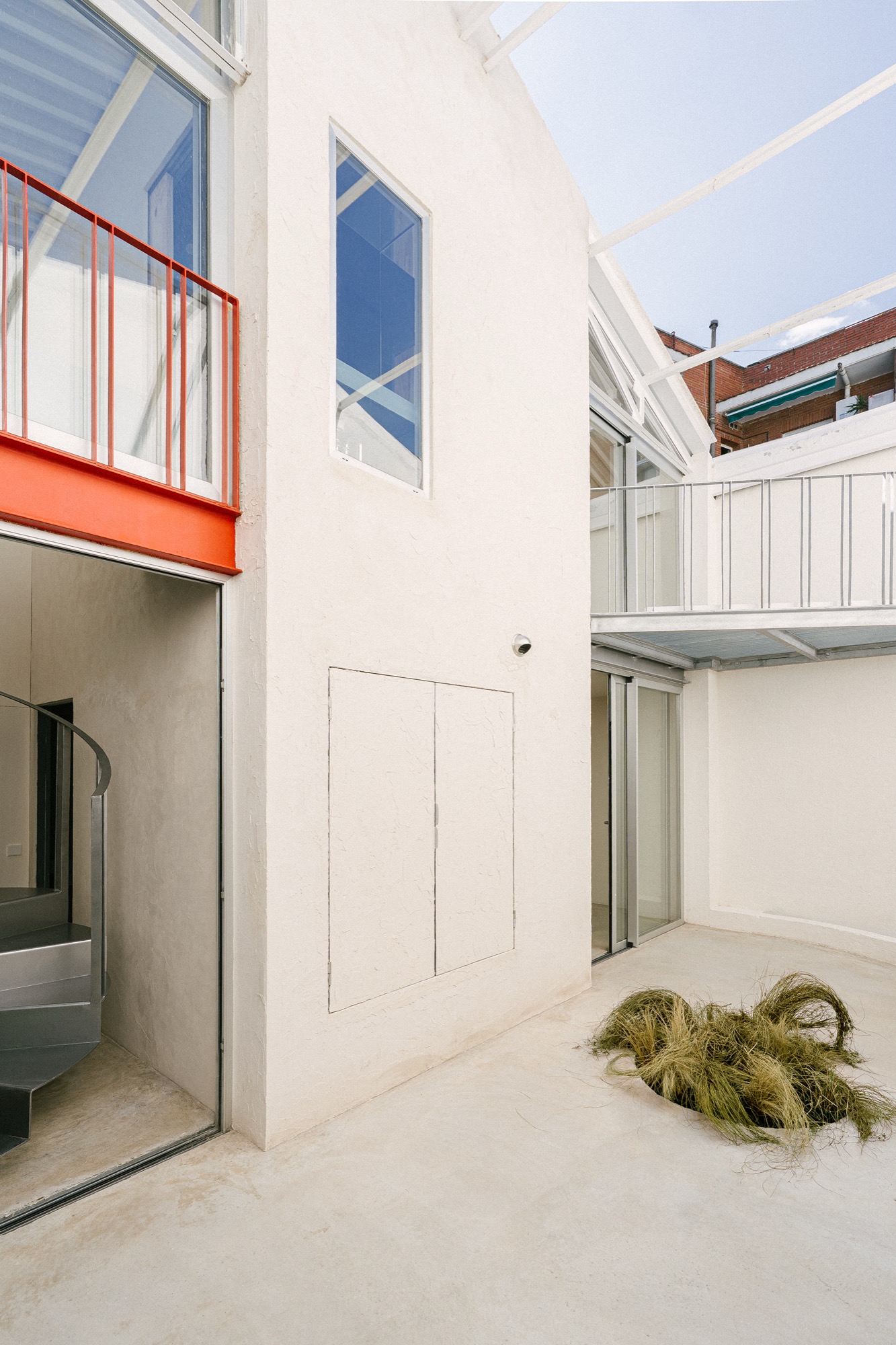
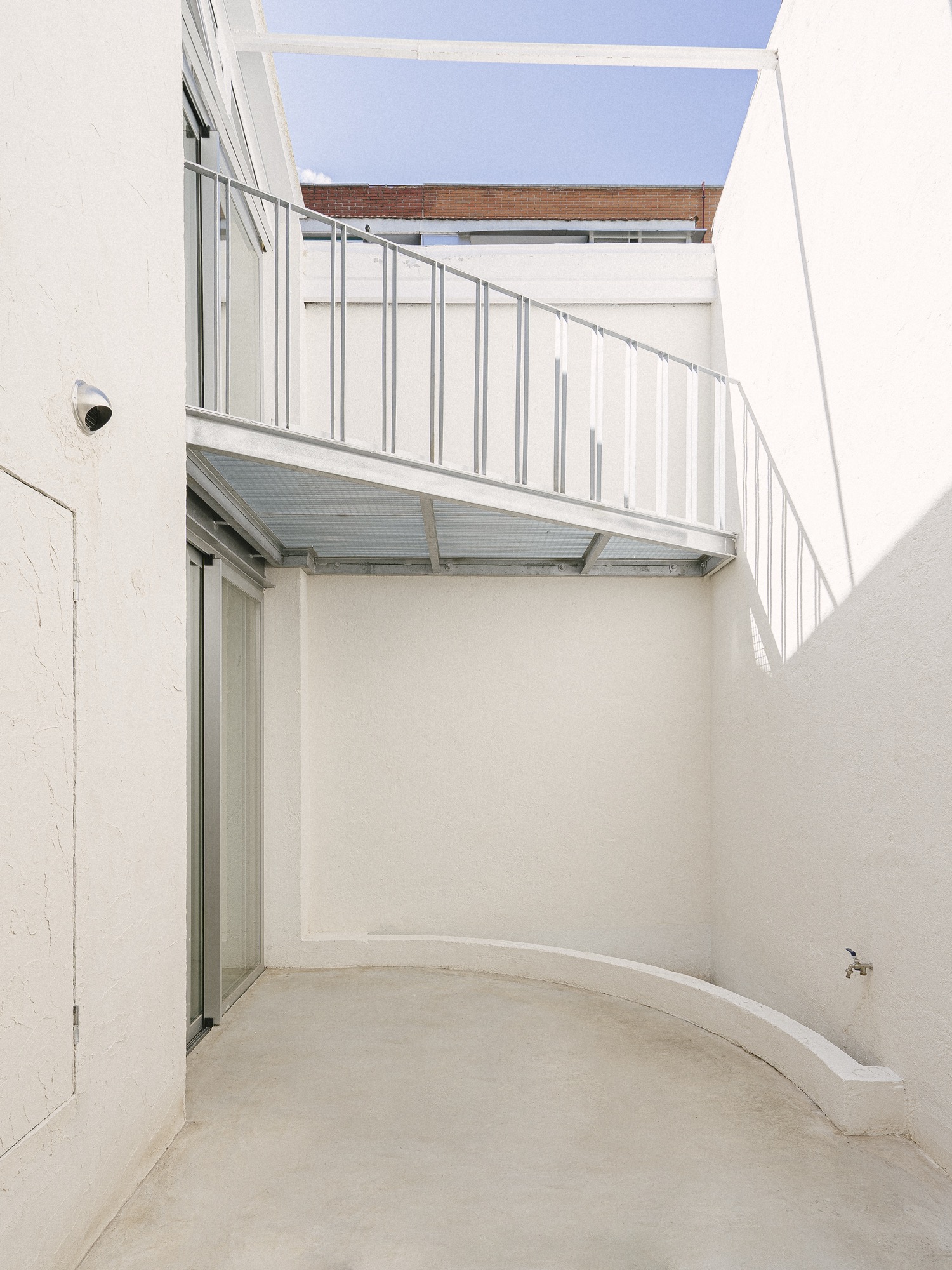
This is precisely what interested us: understanding furnishing and occupation as tools with architectural capacity. In a way, it is a way of building one’s own cubic meters through disparate, almost found elements that activate the space without imposing a closed form.
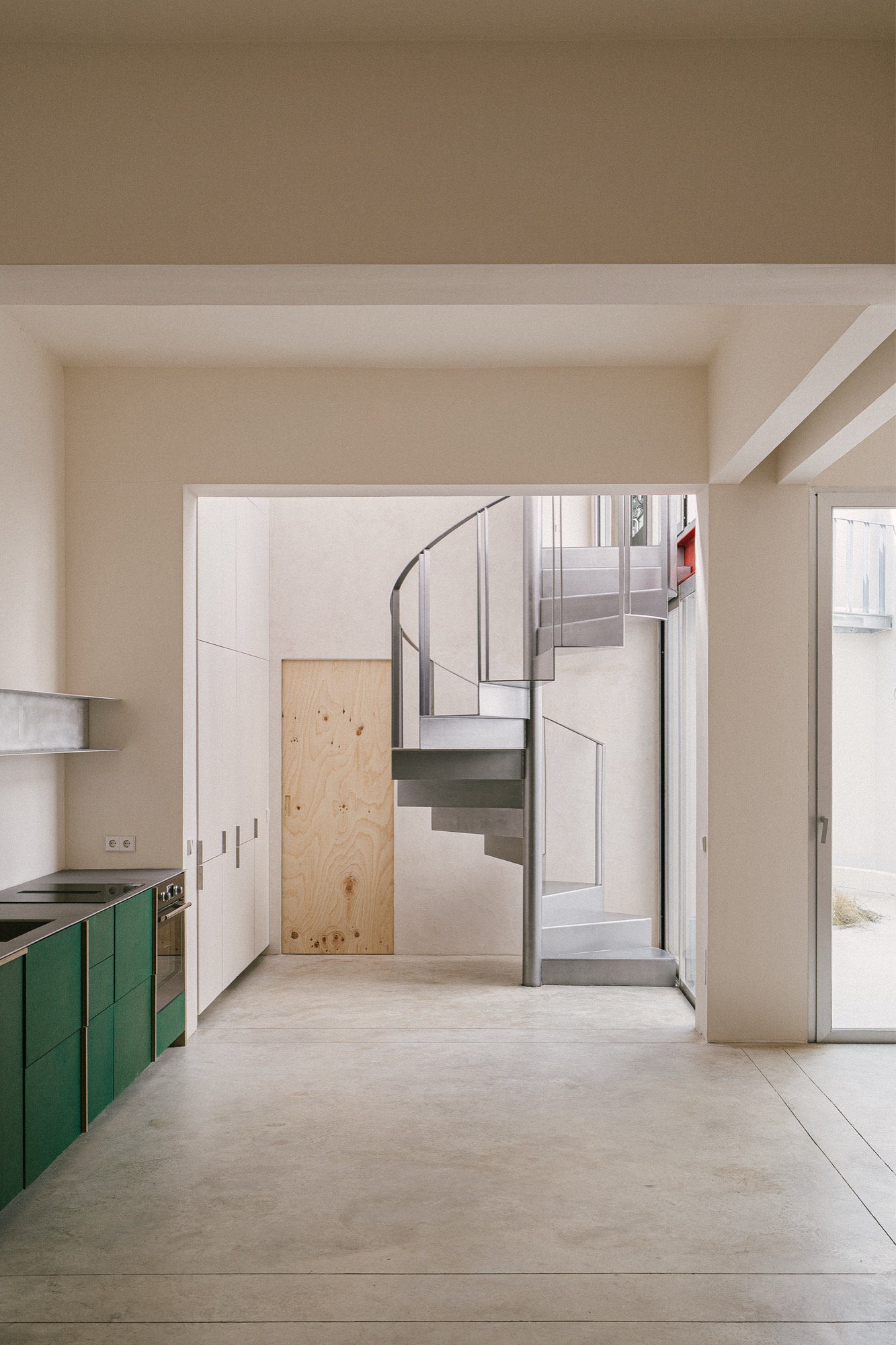
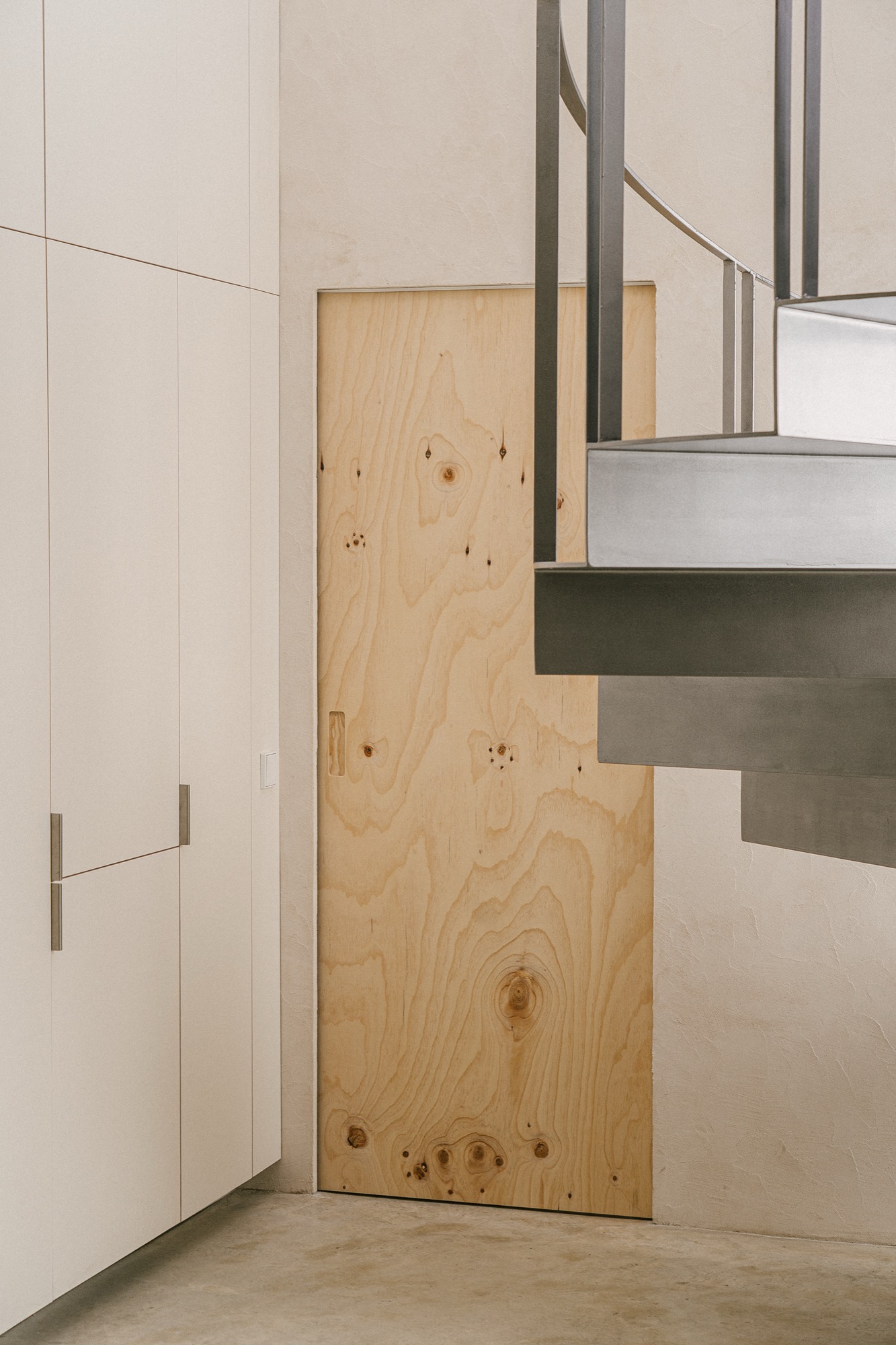
In transforming an old car wash into Carabanchel Civic Loft, what ideas led to a space that merges private life with the street? Does this turn domestic space into a form of display?
In reality, the project intensifies a phenomenon that was already taking place in Carabanchel. In recent years, many artists have moved to the south of Madrid, partly due to rising rents in the city centre and partly because of the availability of large spaces left behind by former industrial uses.
These spaces allow for a dual condition, living and working, and, being located at street level, enable a direct relationship with the city. This causes private life and production to be exposed, to overlap, and to some extent to become public.
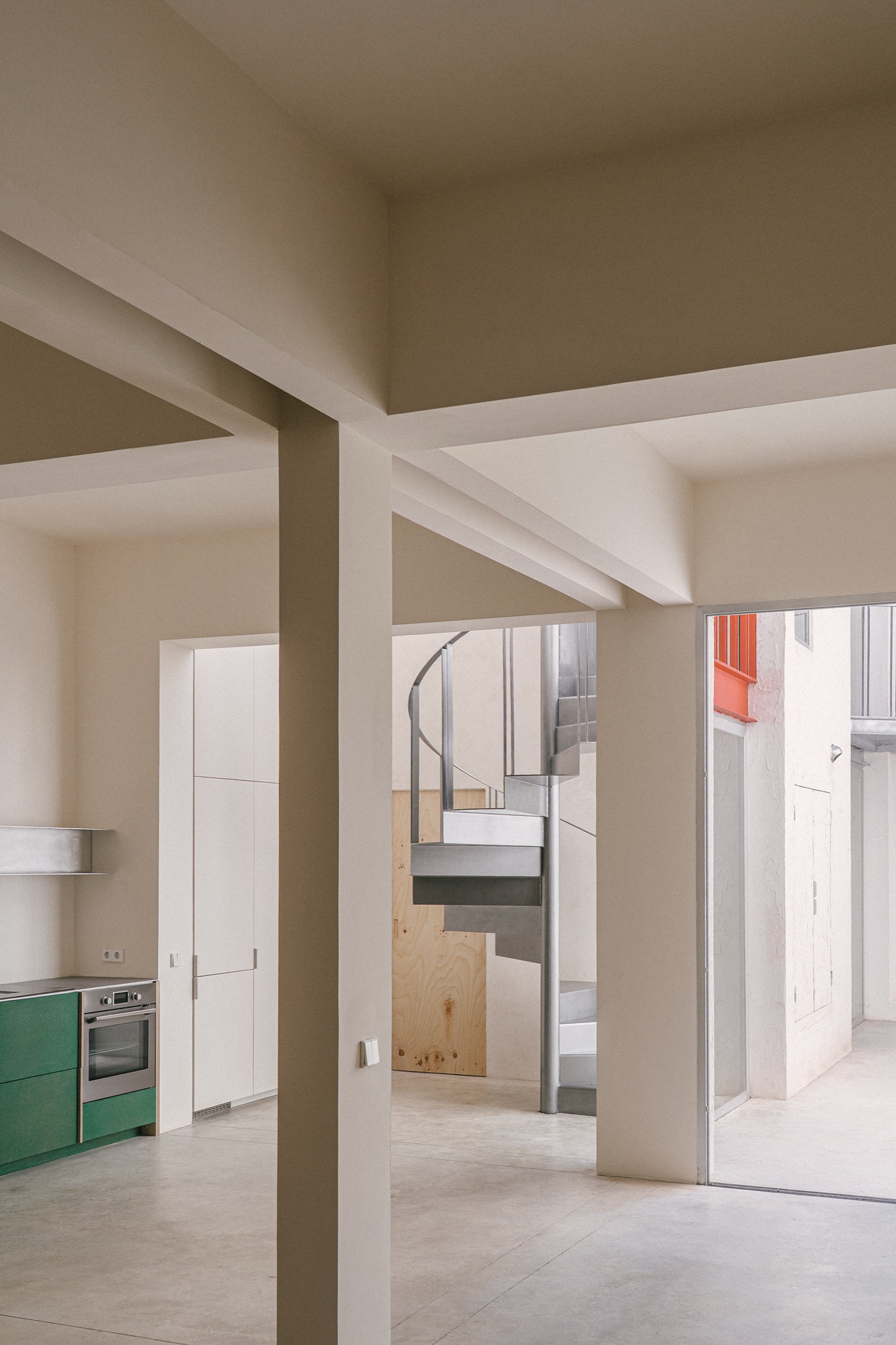
If, in the digital realm, the home had already acquired a certain performative character, here that transformation is brought into physical space. It is not so much about turning the home into a spectacle, but about acknowledging that certain contemporary ways of living already operate within that blurred boundary between the intimate and the collective.
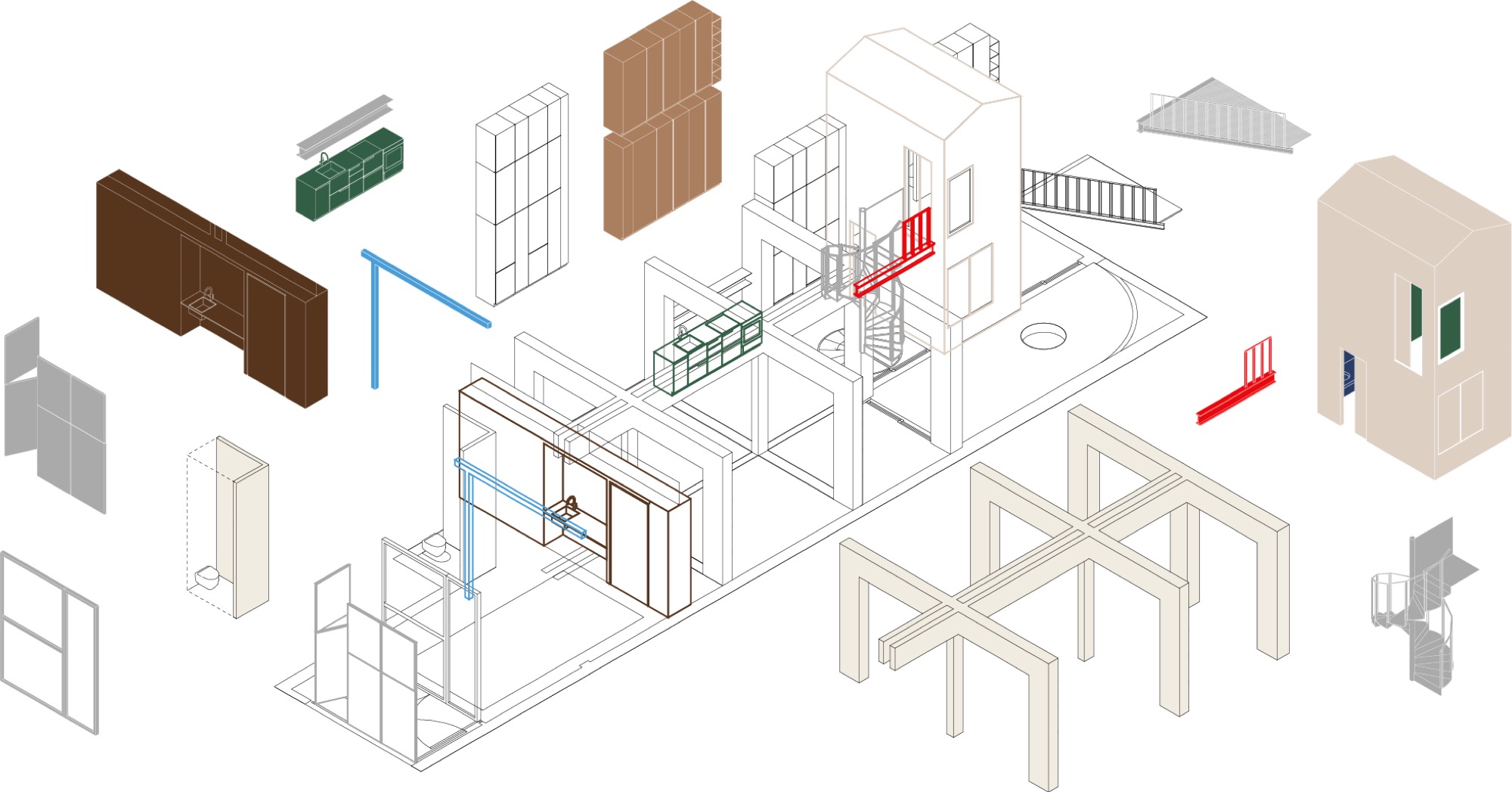
How do movable walls and frame-like structures challenge conventional ideas of privacy in Carabanchel?
The physical qualities of these spaces strongly condition how they can be divided. Their height and reliance on natural light make conventional partitions, full-height walls, inefficient or even counterproductive.
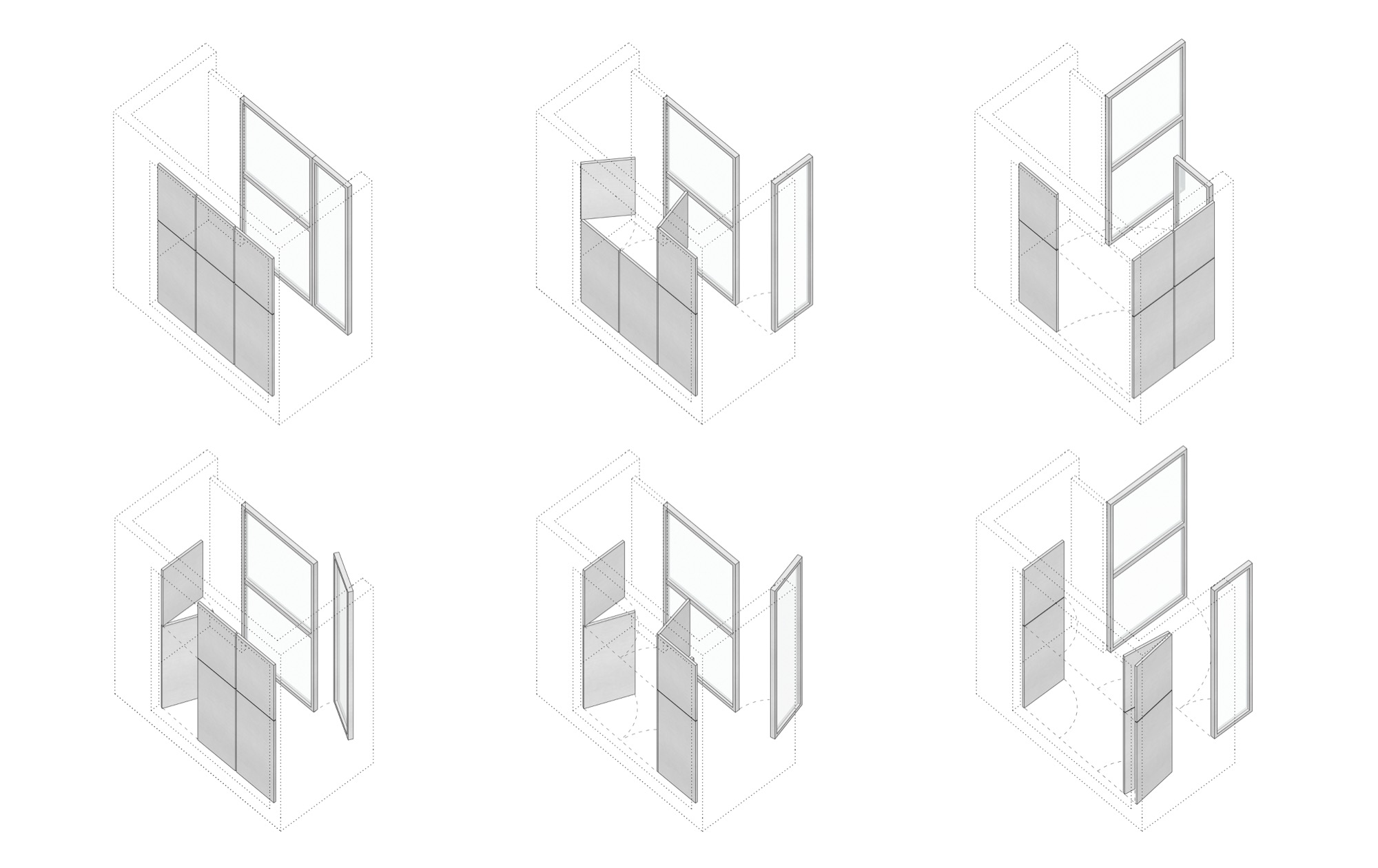
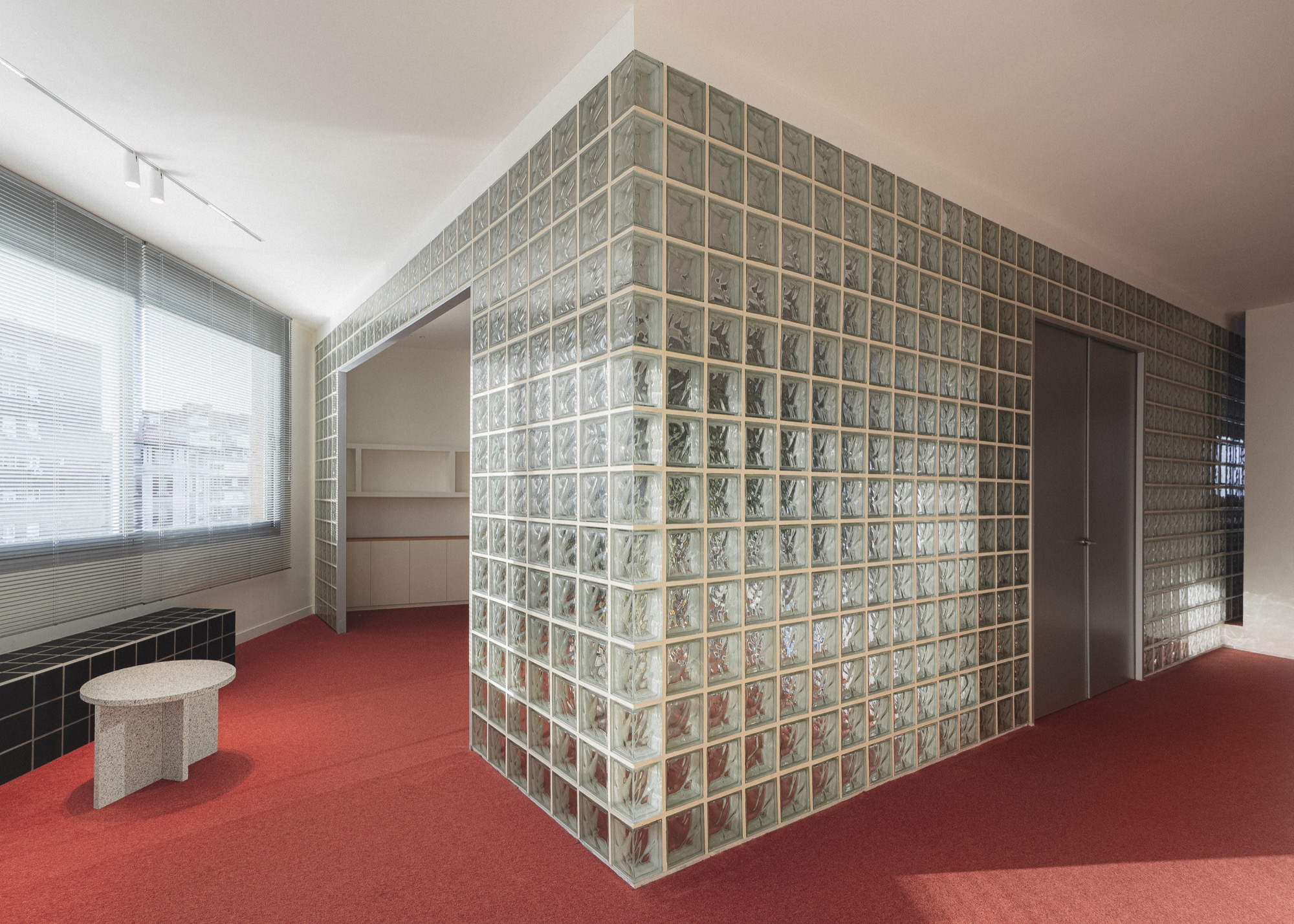
For this reason, we work with more ambiguous systems: walls that do not fully reach the ceiling, reticular structures that define without enclosing, and frames that suggest rooms rather than closing them off. This generates a constant tension between what is visible and what is hidden, between what is shared and what is intimate.
It is not so much a denial of privacy as a redefinition of its gradients, more in tune with both the space and the ways of living it accommodates.
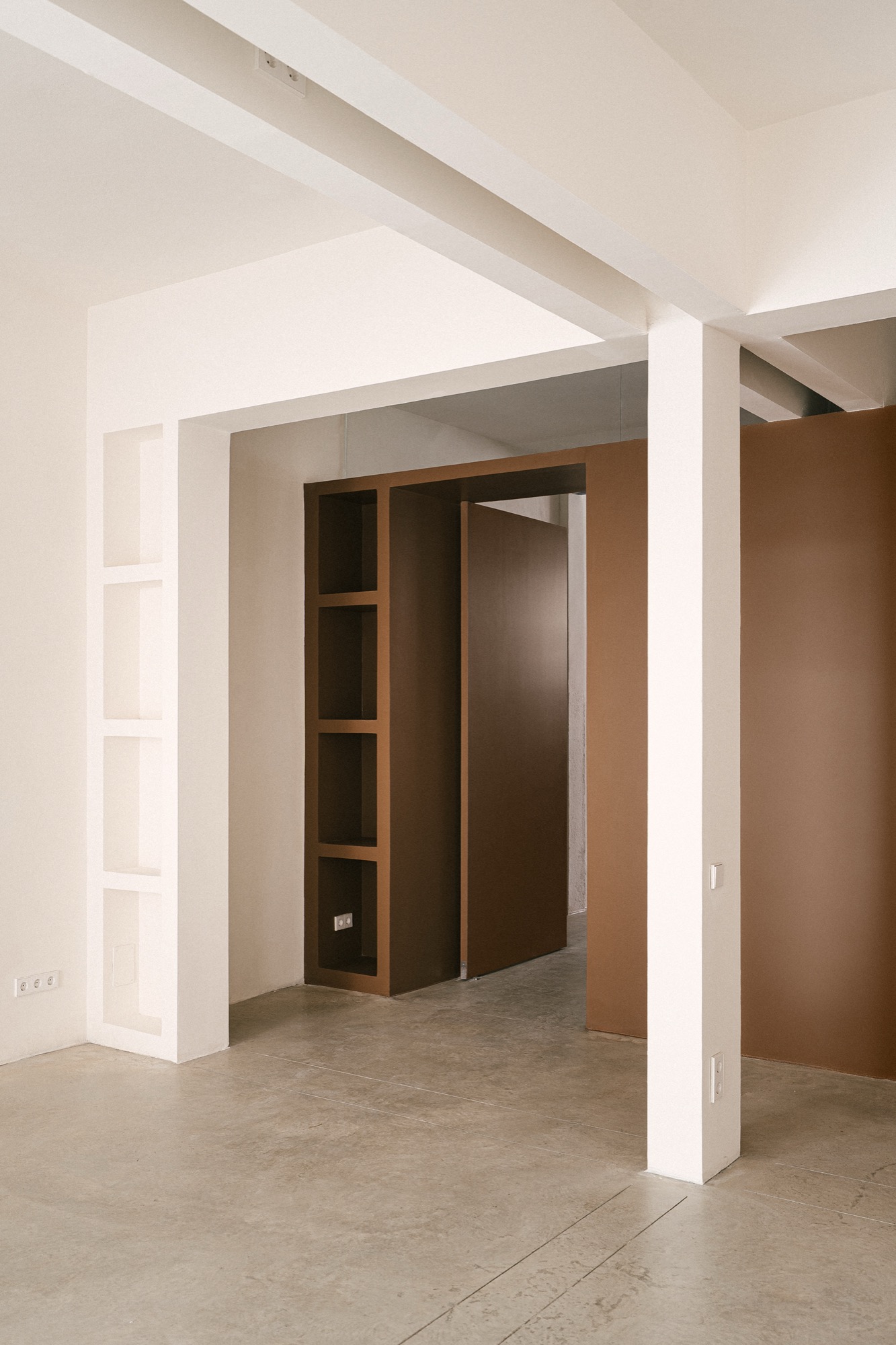
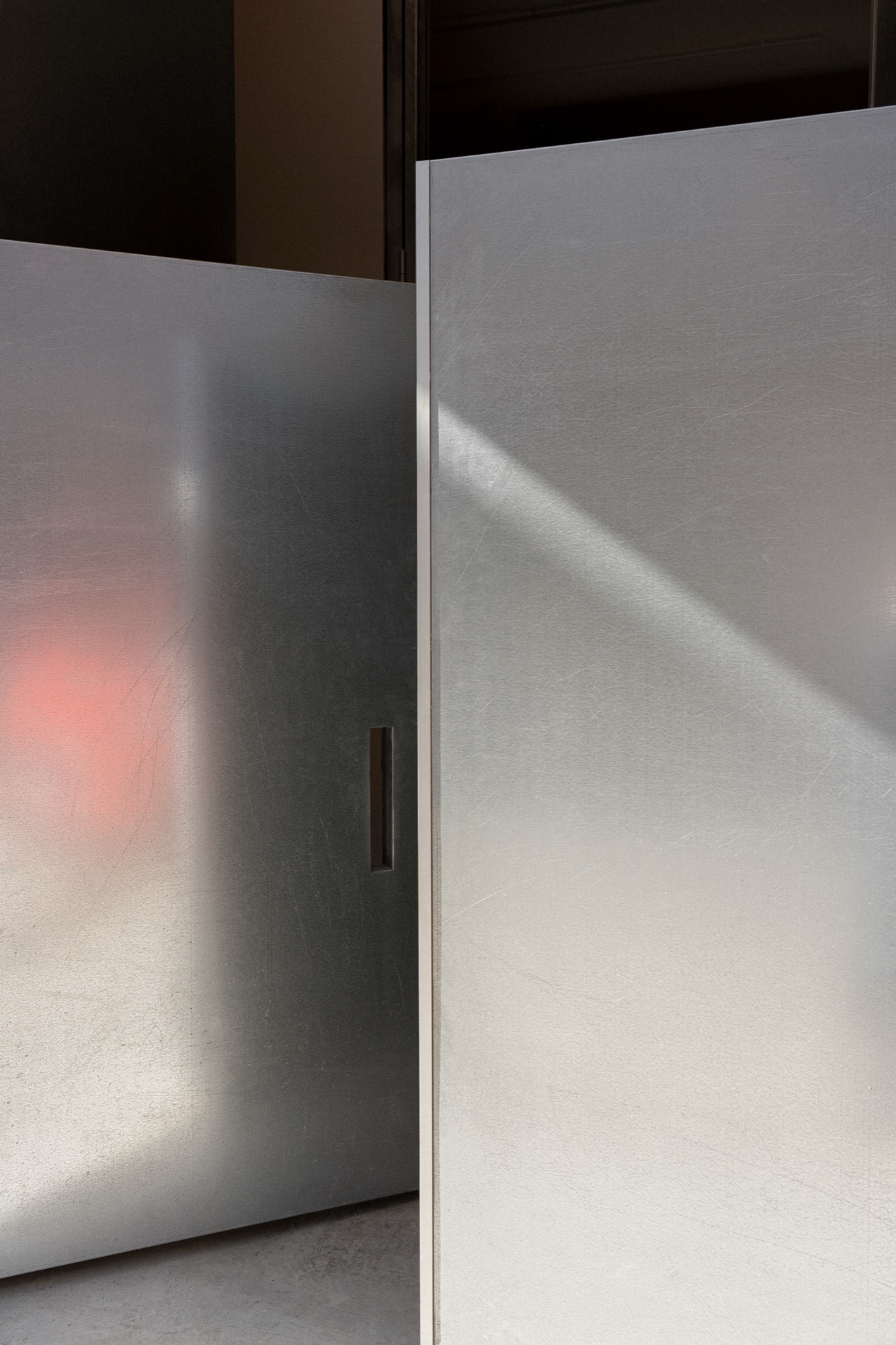
Why incorporate found materials and mixed elements in the interiors? Is this a reaction against controlled modern aesthetics?
There is a certain fatigue with a minimalist aesthetic that has reduced space to a very limited palette, whites and greys, and a highly controlled formal language. These kinds of spaces tend to prescribe a very specific way of living, leaving little room for anything that falls outside the script.
We are instead interested in working with found materials, unexpected combinations, and a sense of improvisation. Not as a formal gesture, but as a way of incorporating layers of reality, time, and use.
Spaces, like cities, are accumulations. It seems more honest, and more fertile, to embrace that multitemporal condition and allow different material and aesthetic logics to coexist.
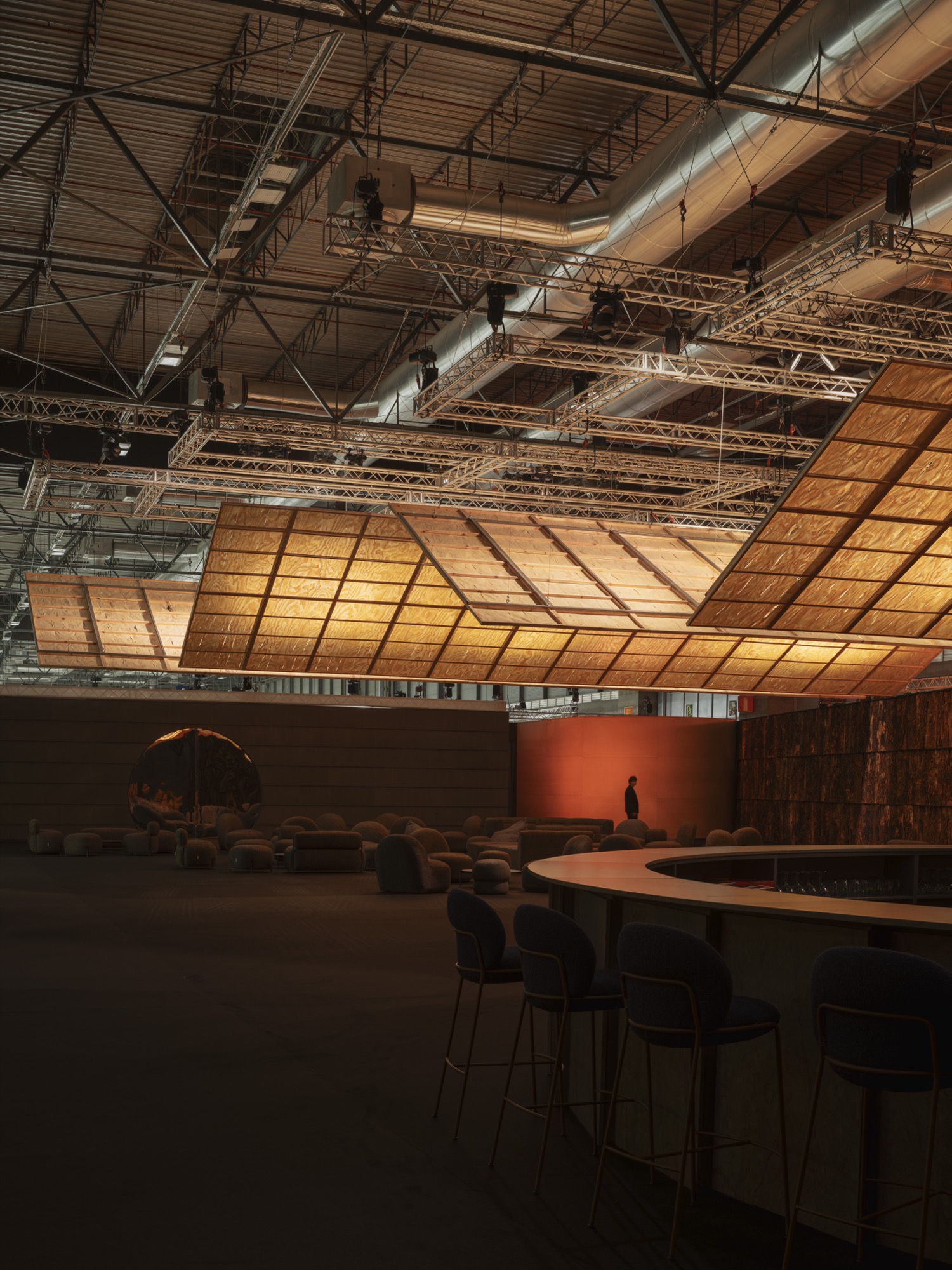
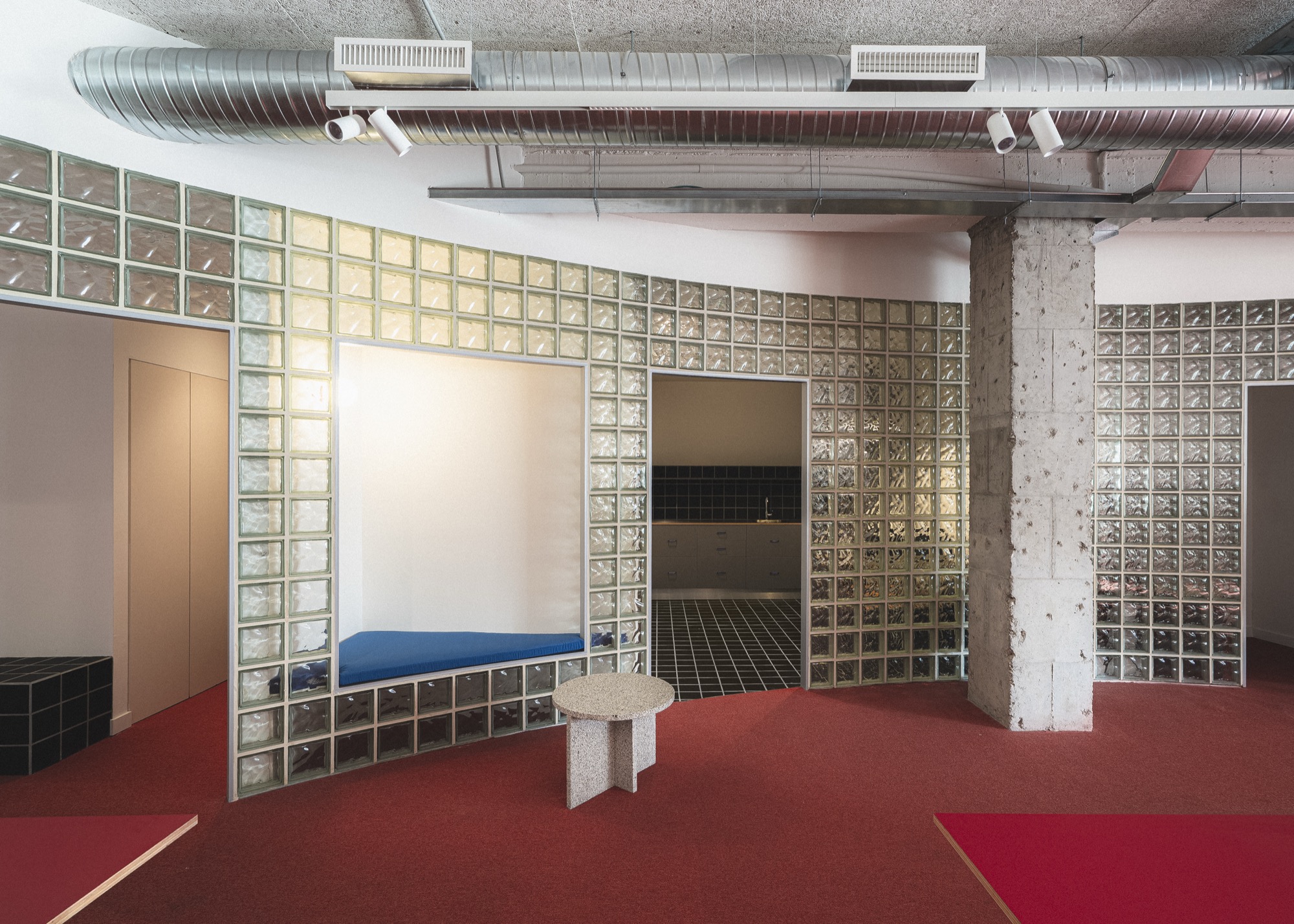
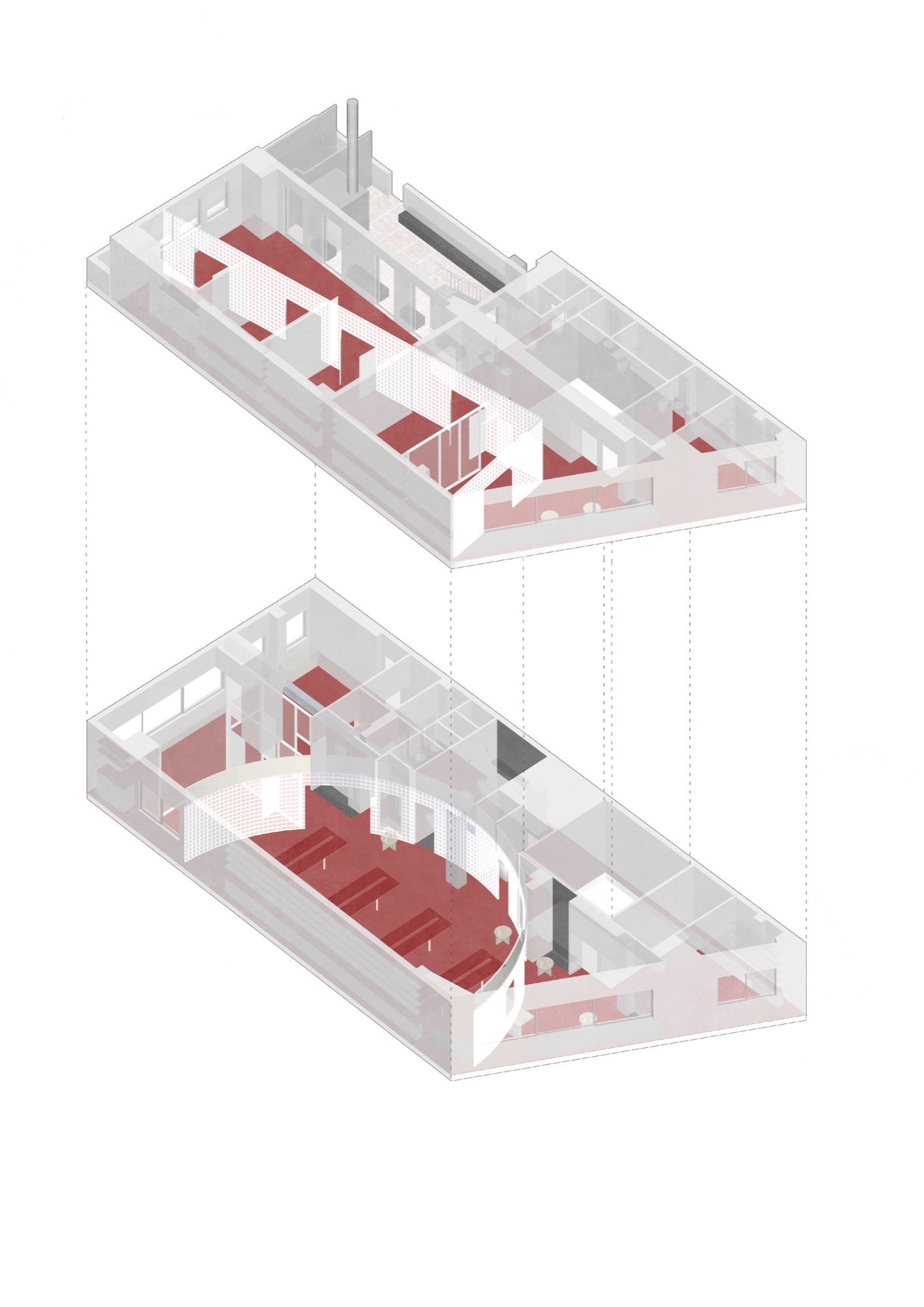
In Museo del Jamón, how do the curved and diagonal geometries reshape conventional office environments?
In this project, we tried to move away from immediate typological solutions and instead work with more primitive spatial archetypes. We were not looking for a specific form, but for a certain type of experience.
We thought of the idea of a plaza, a gathering space defined not so much by its geometry as by the limits that surround it. The large curve below and the sharp diagonal above respond to that logic, generating an interior perceived as collective in one area, almost like an urban space, while in the other they produce a more enclosed condition, forming a private space within the diagonal and leaving more public uses outside of it.
These operations disrupt the usual neutrality of workspaces, introducing direction, intensity, and relationships.
Does the open frontage and raw materiality aim to create a more sensory office environment?
The openness of the space and its material treatment respond more to a desire for continuity than for overstimulation. We were interested in the office not as an isolated, efficiency-driven environment, but as a space capable of accommodating different intensities of use.
The relationship with the street, the rawer materiality, and the absence of rigid partitions allow light, views, and movement to flow, creating an atmosphere closer to a public space than to a conventional office.
It is not about rejecting efficiency, but about expanding what an office can be.
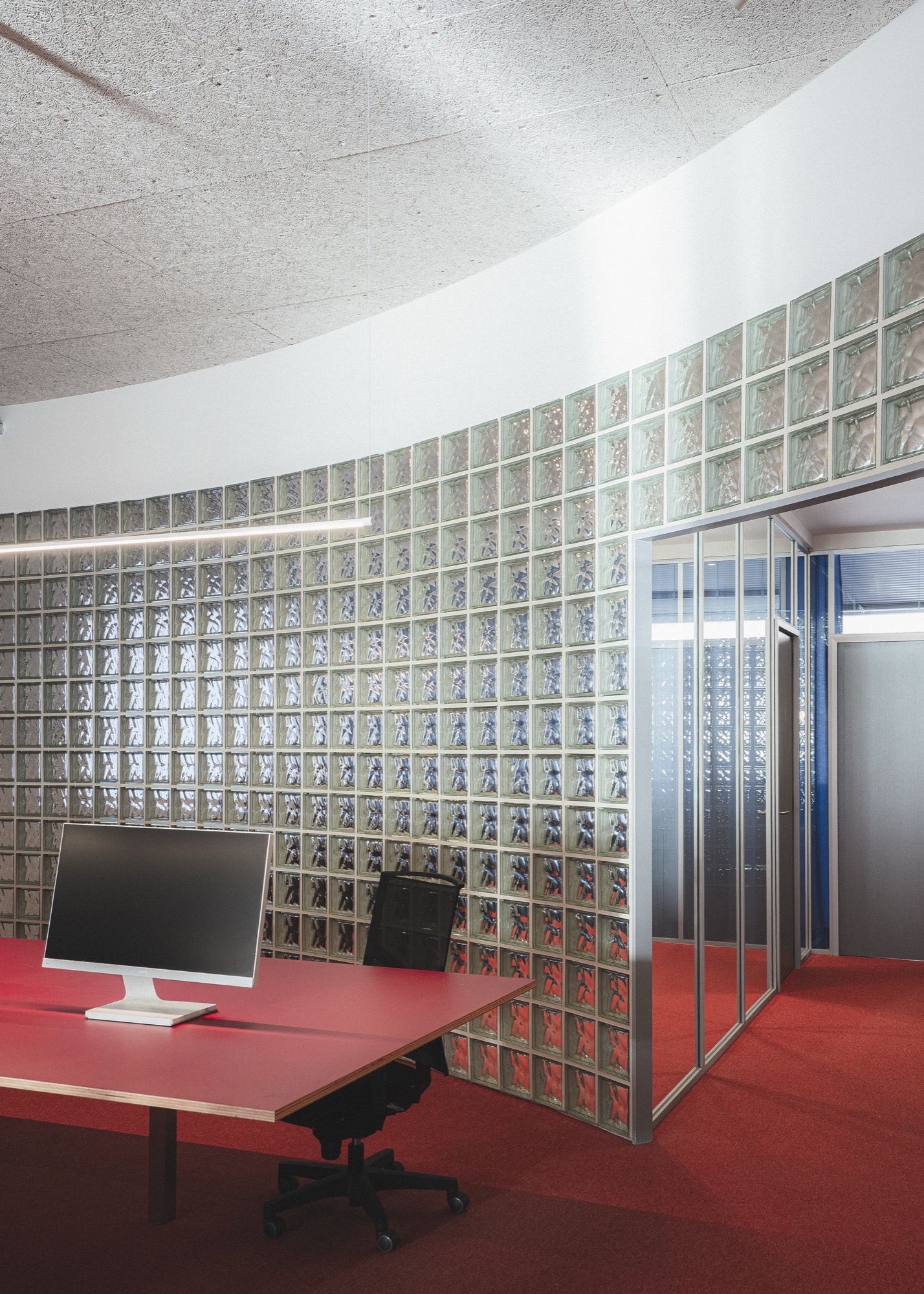
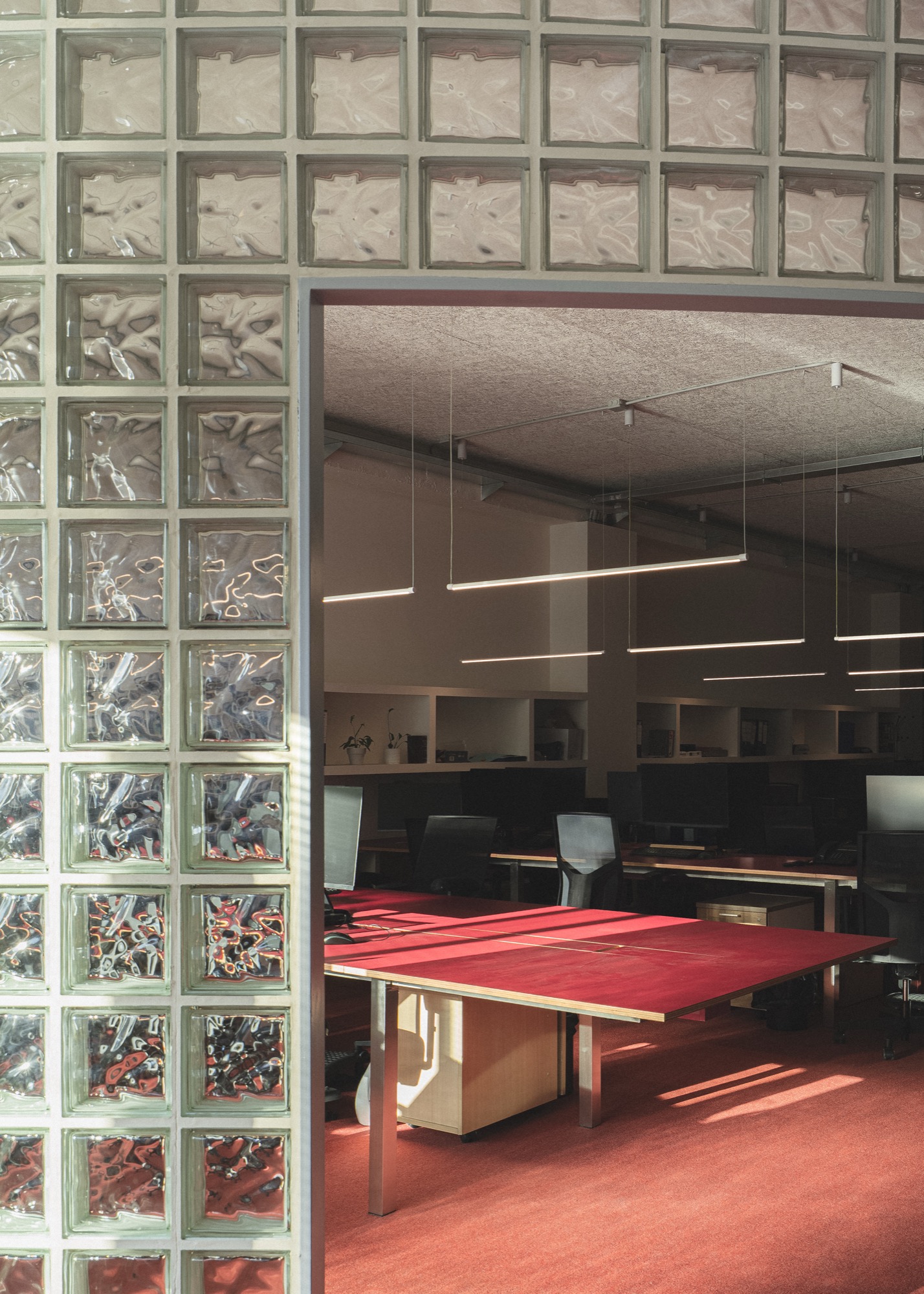
How does the use of red and blue, together with spatial continuity, reshape the atmosphere of the workspace?
The use of red and blue is not so much a provocation as a critical recovery of the brand’s identity. The starting point was an almost forgotten element, the waiters’ vest, where both colours naturally coexisted.
In contrast to the company’s more recent shift toward combinations associated with gourmet aesthetics, reds and blacks, we were interested in recovering this chromatic duality. Red, applied to the carpet, provides a warm and continuous base. Electric blue appears as a counterpoint, introducing tension and energy.
This combination, together with spatial continuity, allows us to move away from the neutrality typical of office environments and construct a more active, personal and relational atmosphere.
How do these projects challenge individualised ways of living?
Both projects, through different strategies, question the idea of strictly individualised living. In Carabanchel, openness and spatial ambiguity enable a way of life where the domestic and the collective intertwine. In Museo del Jamón, formal operations generate spaces that encourage encounter and interaction.
We are interested in exploring how architecture can enable situations of friction, sometimes even uncomfortable encounters, as opposed to more isolated and controlled models. Not as an imposition, but as a possibility.
What lessons from these projects respond to contemporary urban conditions?
One of the clearest lessons is that the contemporary city tends to excessively segregate uses: productive, domestic, and public. This leads to models that are often inefficient and, in many cases, unstimulating.
Our projects attempt to work within those boundaries, questioning these separations and proposing more hybrid spaces, more open to reinterpretation.
It is not so much about eliminating the limits between private and public, but about making them more porous, more negotiable. We believe this is a relevant field of exploration for the future of architecture.
Article Credit
Text: Rafael Cunha
Time: 03.2026
Photo: Maru Serrano