Now Reading: Five worlds of change at the Gwangju Biennale
- 01
Five worlds of change at the Gwangju Biennale


At the 16th Gwangju Biennale, artistic director Ho Tzu Nyen brings 43 artists and groups into five distinct exhibition worlds, tracing change from volcanic matter and bodily routines to collective memory, moving images and the movement of air.
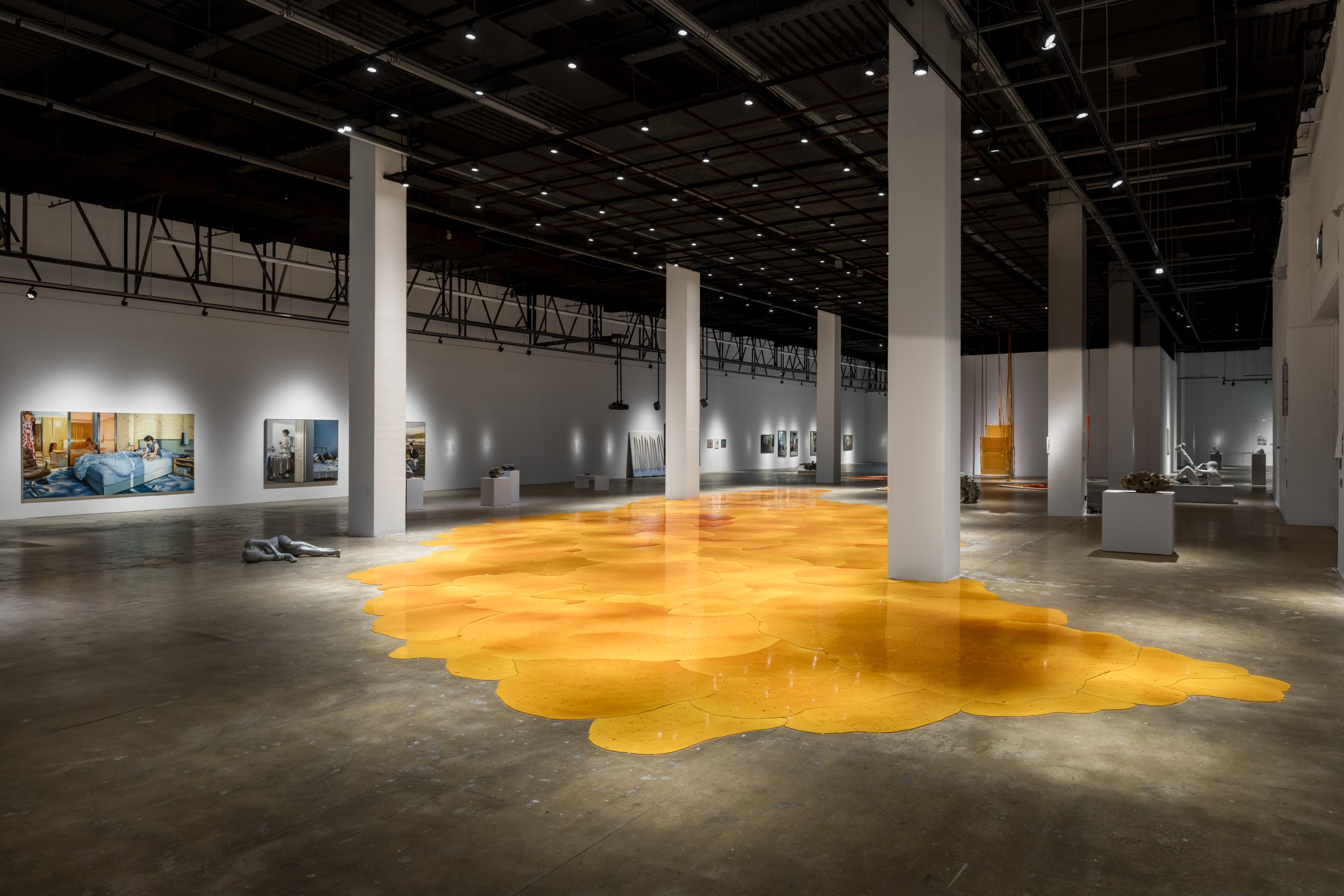
A pool of yellow material spreads across the concrete floor. Further into the exhibition, paintings, documents and screens give way to a darkened landscape of projected images, then to translucent structures that inflate and subside. The 16th Gwangju Biennale builds its argument through these changes in scale and atmosphere. Transformation becomes something to move through, with each gallery offering a different measure of its duration.
Titled You Must Change Your Life, the exhibition runs from 5 September to 15 November 2026 at the Gwangju Biennale Exhibition Hall. Ho Tzu Nyen works with curators Che Kyongfa, Gahee Park and Brian Kuan Wood, concentrating the main exhibition within a single building. Its title takes the final line of Rainer Maria Rilke’s poem Archaic Torso of Apollo, in which an encounter with a fragment of sculpture unsettles the person looking at it. Here, that imperative opens a question about what art might change in a viewer, without prescribing a common destination.
Matter moves at different speeds
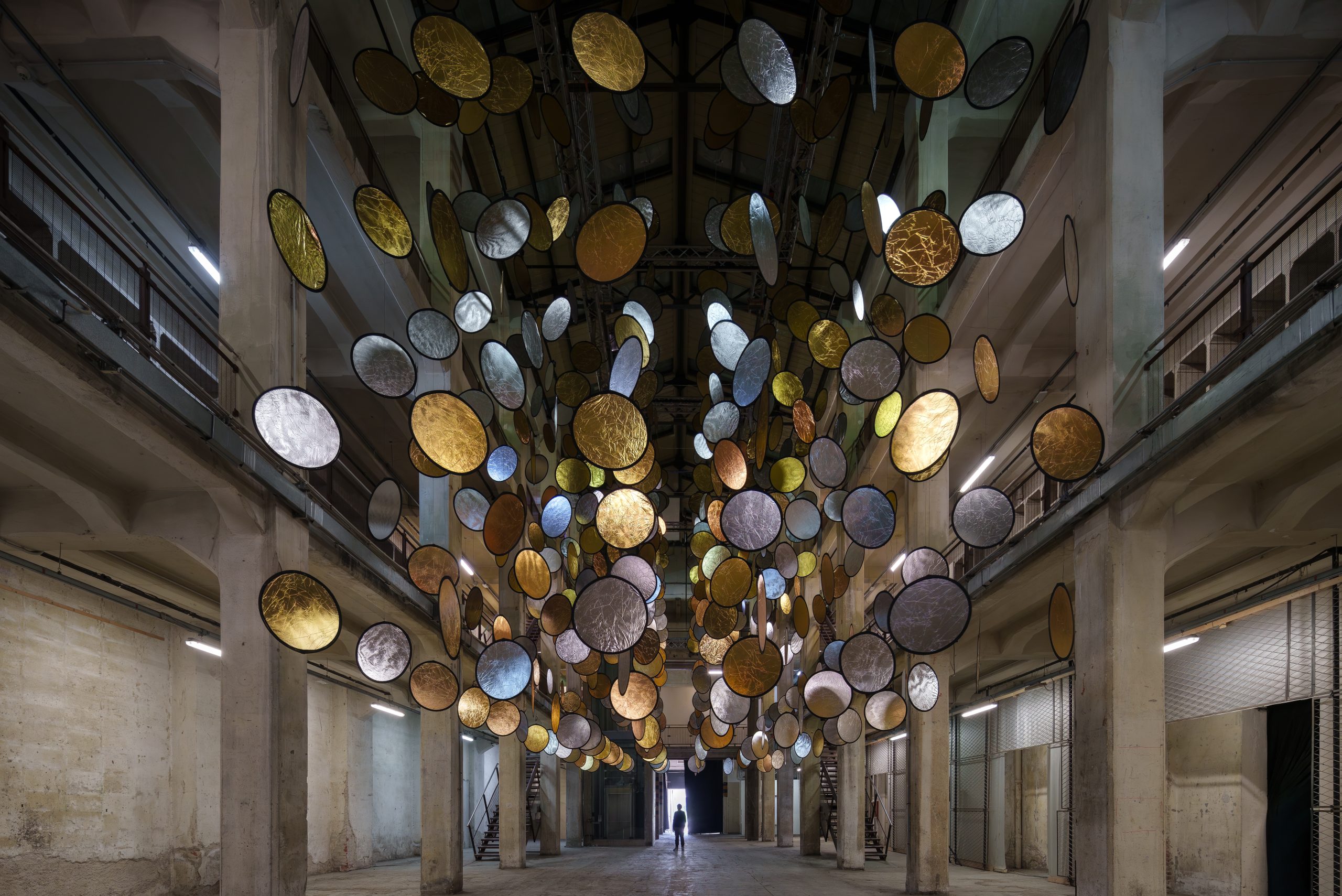
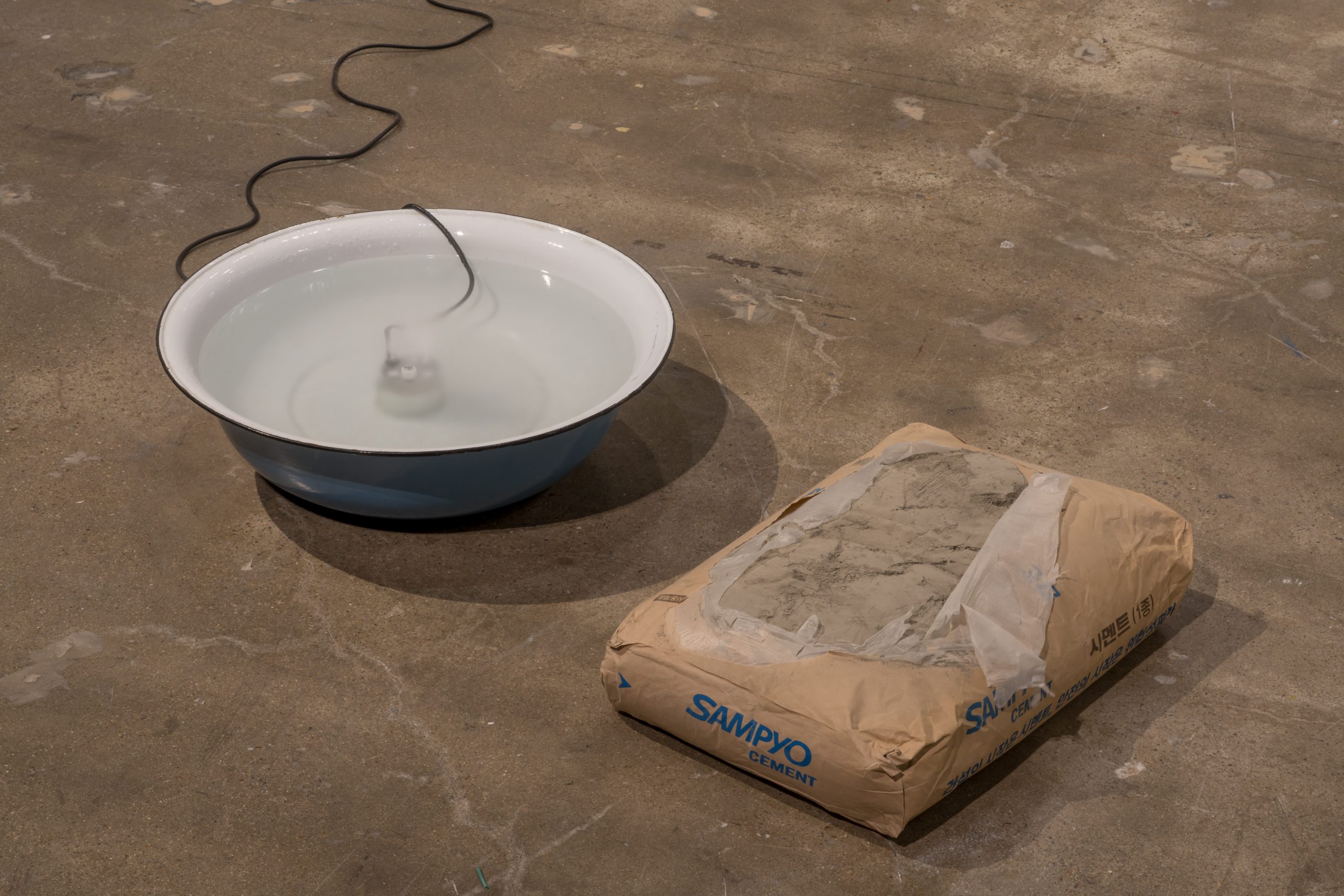
The first gallery, Molecules and Me, introduces a landscape in which matter has its own rhythms. Works by Nina Canell, Goldin+Senneby, Rossella Biscotti, Maya Watanabe and Jean Barth place human perception alongside processes that can be minute, dispersed or difficult to register. The open floor and exposed structure allow individual works to occupy a shared field, rather than resolving the room into a sequence of enclosed displays.
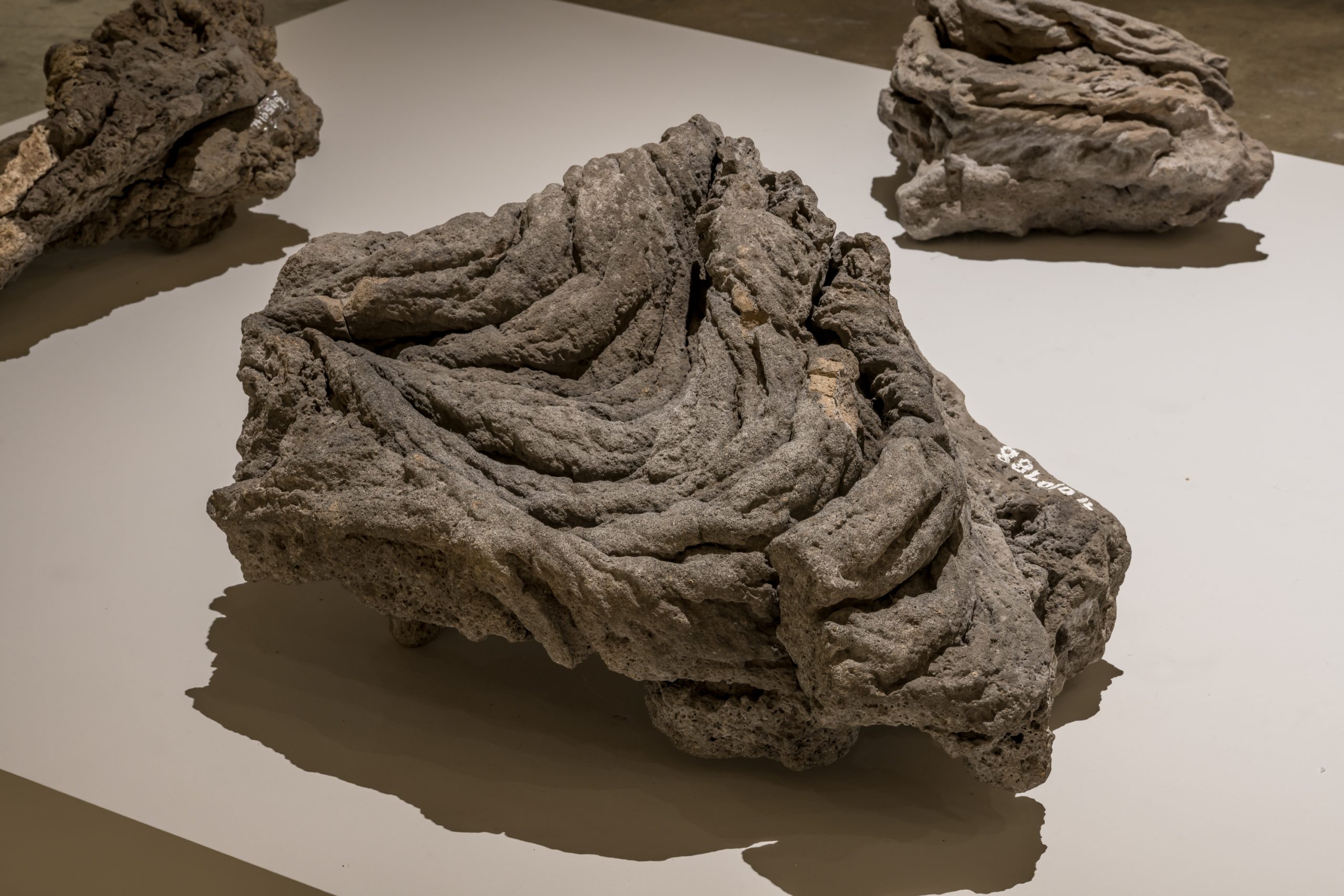
Volcanic specimens from Jeju Stone Park bring a different register of time into the exhibition. Lava casts, volcanic bombs and other formations make visible the relationship between accumulated pressure and sudden release. These objects recur across the galleries, connecting the timescale of an eruption to changes that may take millennia to unfold. Their presence gives the exhibition a material reference that outlasts the distinctions between its five sections.
The body as a record
In Bodies and Bonds, the second gallery, change is considered through discipline, care, intimacy and repetition. Its organising image is a divided playing field, a space in which relations take shape through shared rules and opposing positions. Works by Amanda Heng, Tehching Hsieh, Geumhyung Jeong, A K Dolven and Mona Benyamin bring bodily experience into contact with systems that regulate it.
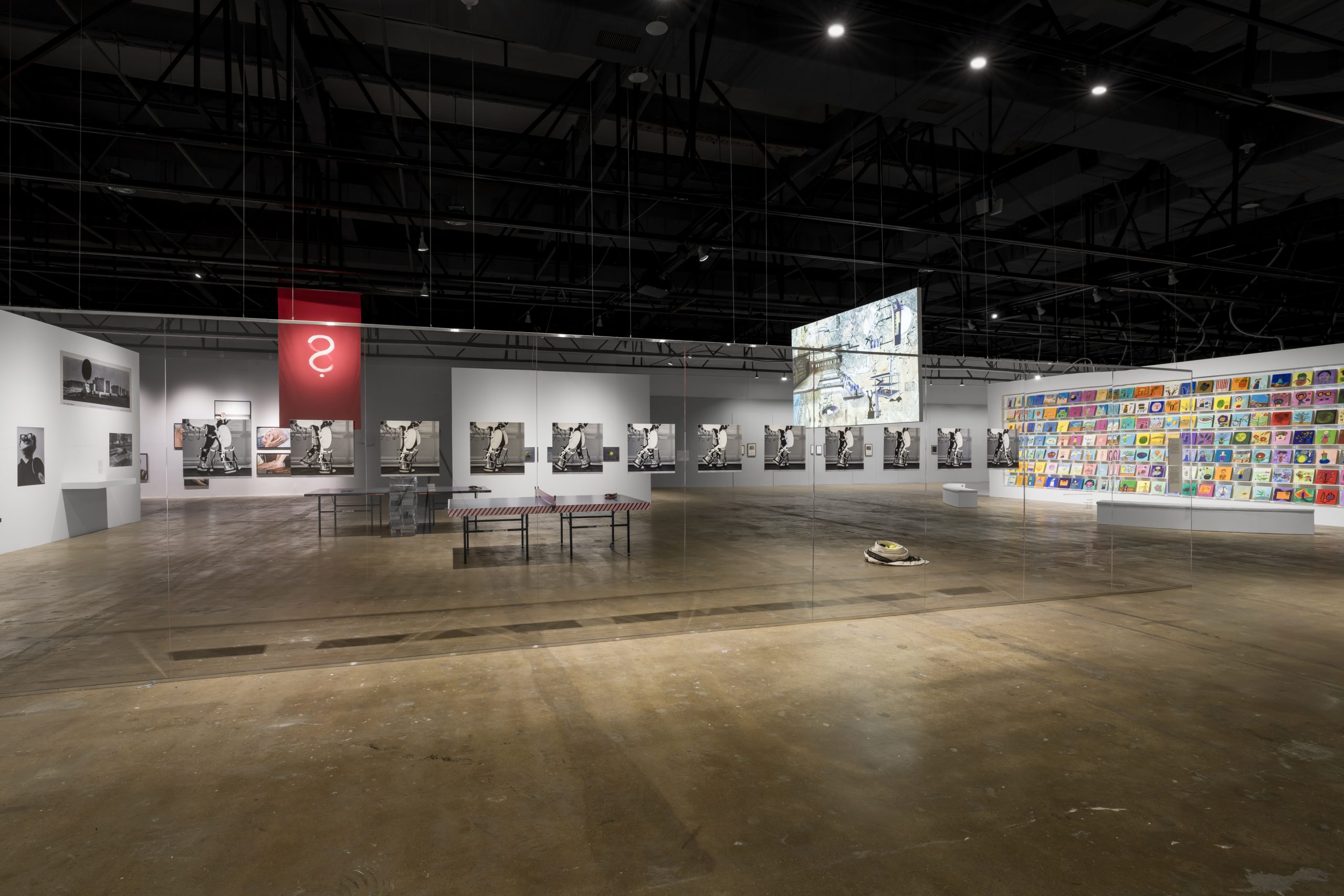
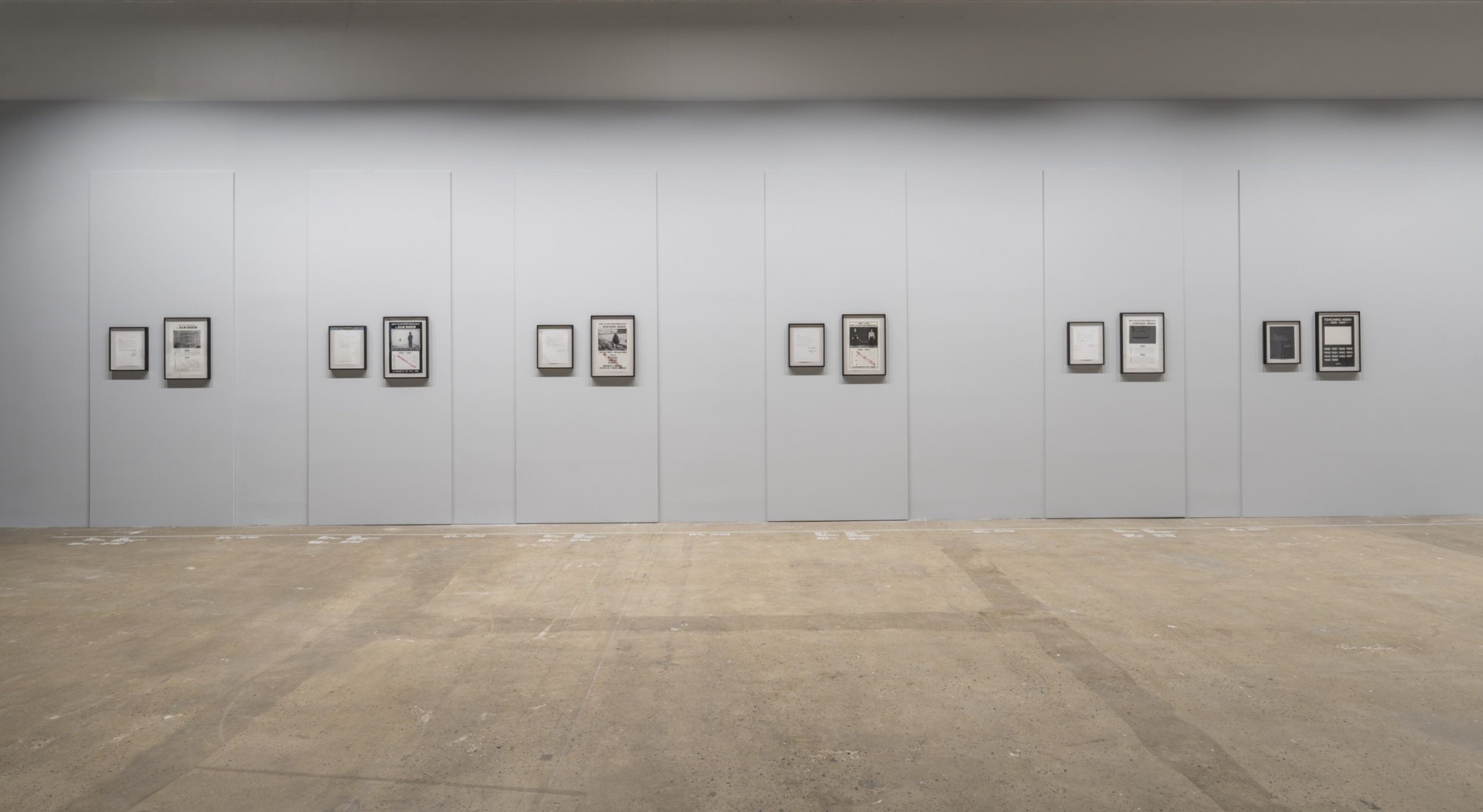
Hsieh’s year-long performances sharpen the question of how a life is measured. His 1980–81 work, structured around an action repeated every hour, placed the organisation of time directly upon the body. The documentation shown here carries the distance between an ordinary unit of measurement and the extraordinary commitment required to live by it.
Painting a shared history
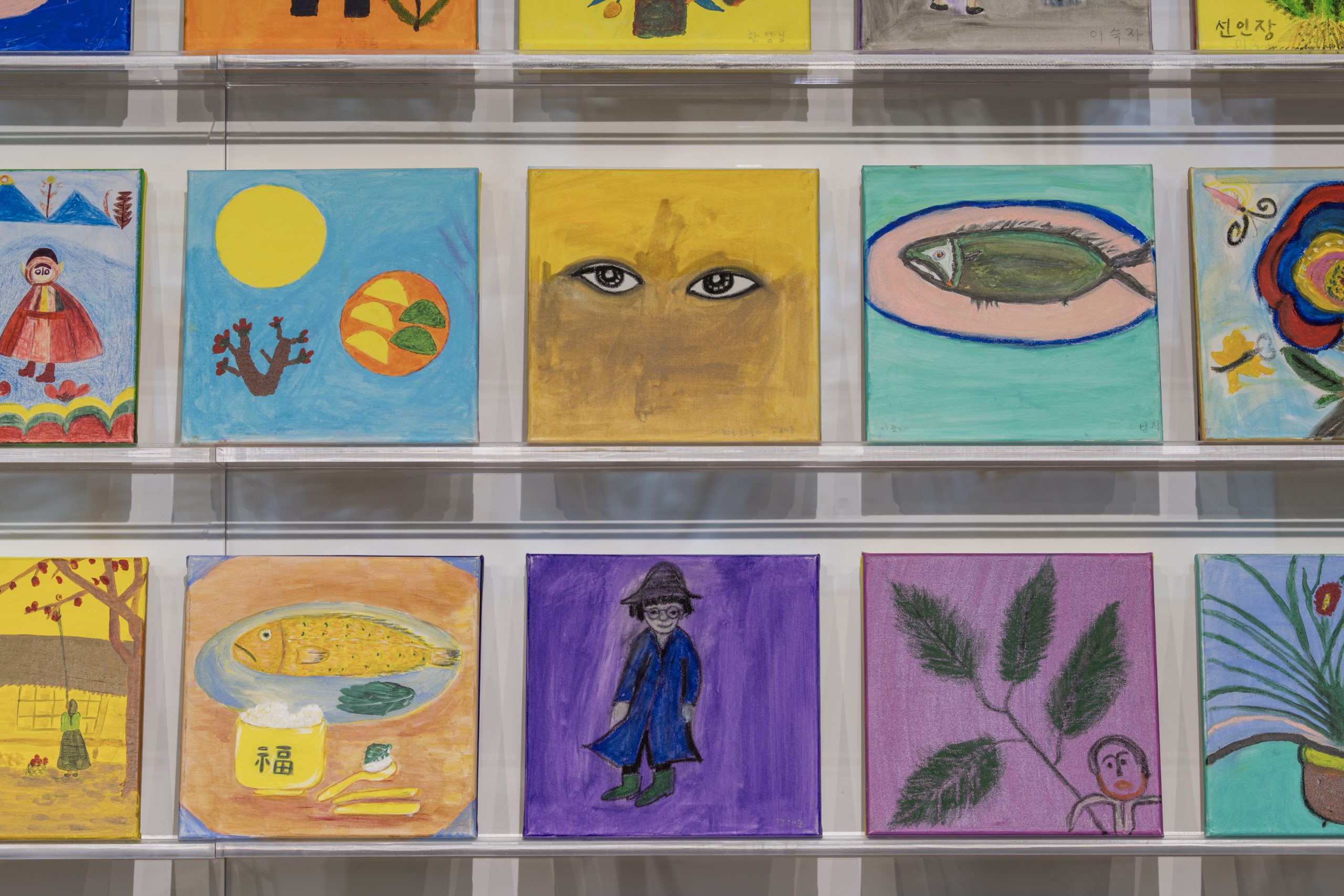
The second gallery also holds 322 paintings made through workshops at May Mothers House with artist Joo Hong, beginning in 2022. The participants are women whose lives were affected by the May 18 Democratic Uprising of 1980. Gathered into a dense field of small images, the paintings bring personal expression into the exhibition’s consideration of collective change.
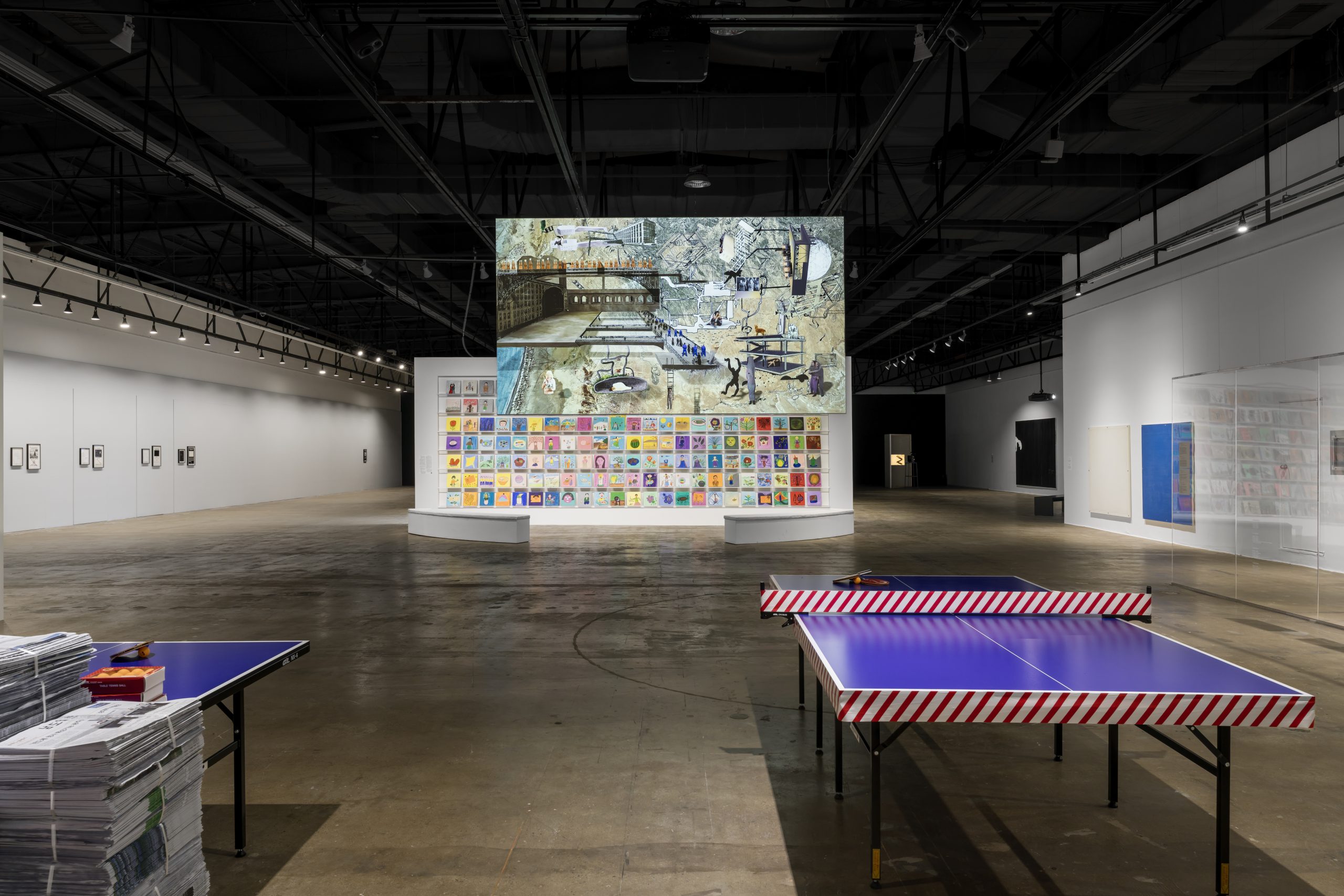
This material gives particular weight to the setting. Gwangju’s history enters through the work of people who continue to live with it, and through the sustained practice of making images together. Positioned among works concerned with bodily limits and relationships, the paintings connect political history to the scale of daily life.
Learning through a landscape
The third gallery, Landscapes and Learning, takes the forest as an organising idea. Cultivation, artistic practice and the transmission of knowledge become interdependent activities. Works by Rim Dong Sik, Nature Artist Woo Pyongnam (Jongsun), CAMP, Christian Nyampeta and Lygia Clark place learning within relationships to land, materials and other people.
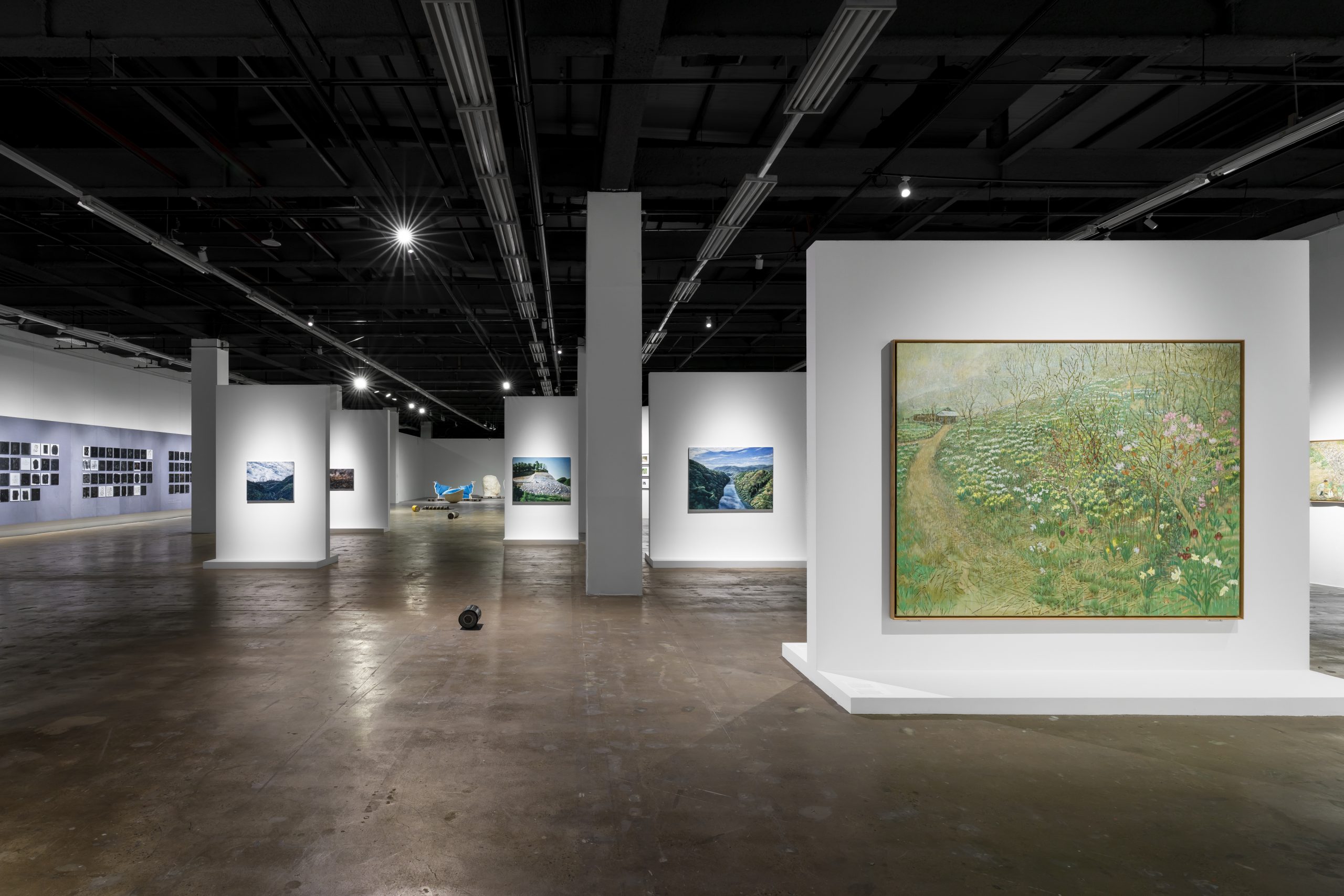
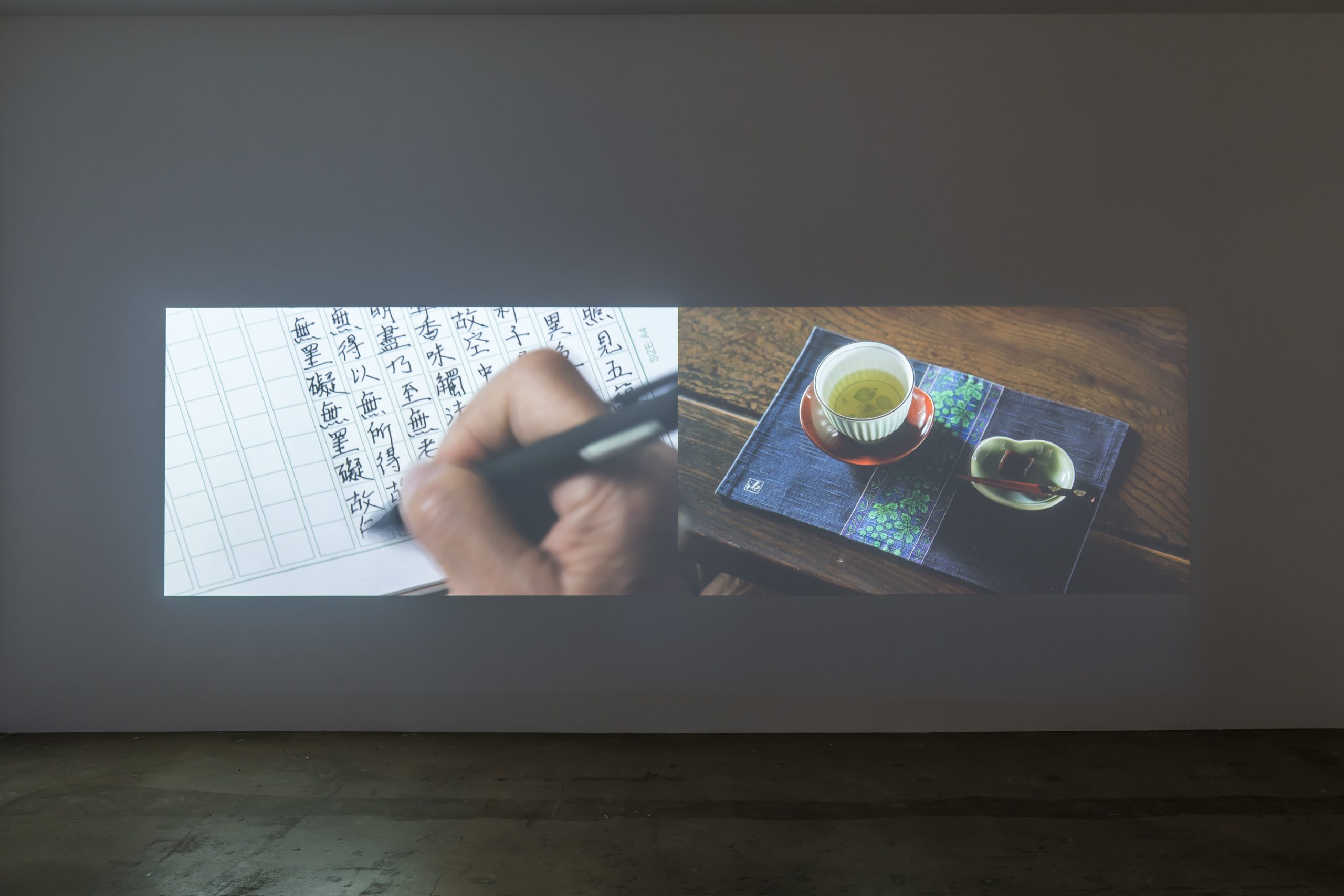
The legacy of painter Huh Baek-ryun gives this section a local educational lineage. In 1947 he co-founded Sam-ae Academy, whose principles joined love of heaven, land and humanity. Paintings, calligraphy and tea-related objects introduce a practice in which cultivation and cultural life were closely connected. Nyampeta’s contribution extends the inquiry through workshops, readings and a library project drawing on the curriculum of the Gwangju Citizens’ Art School.
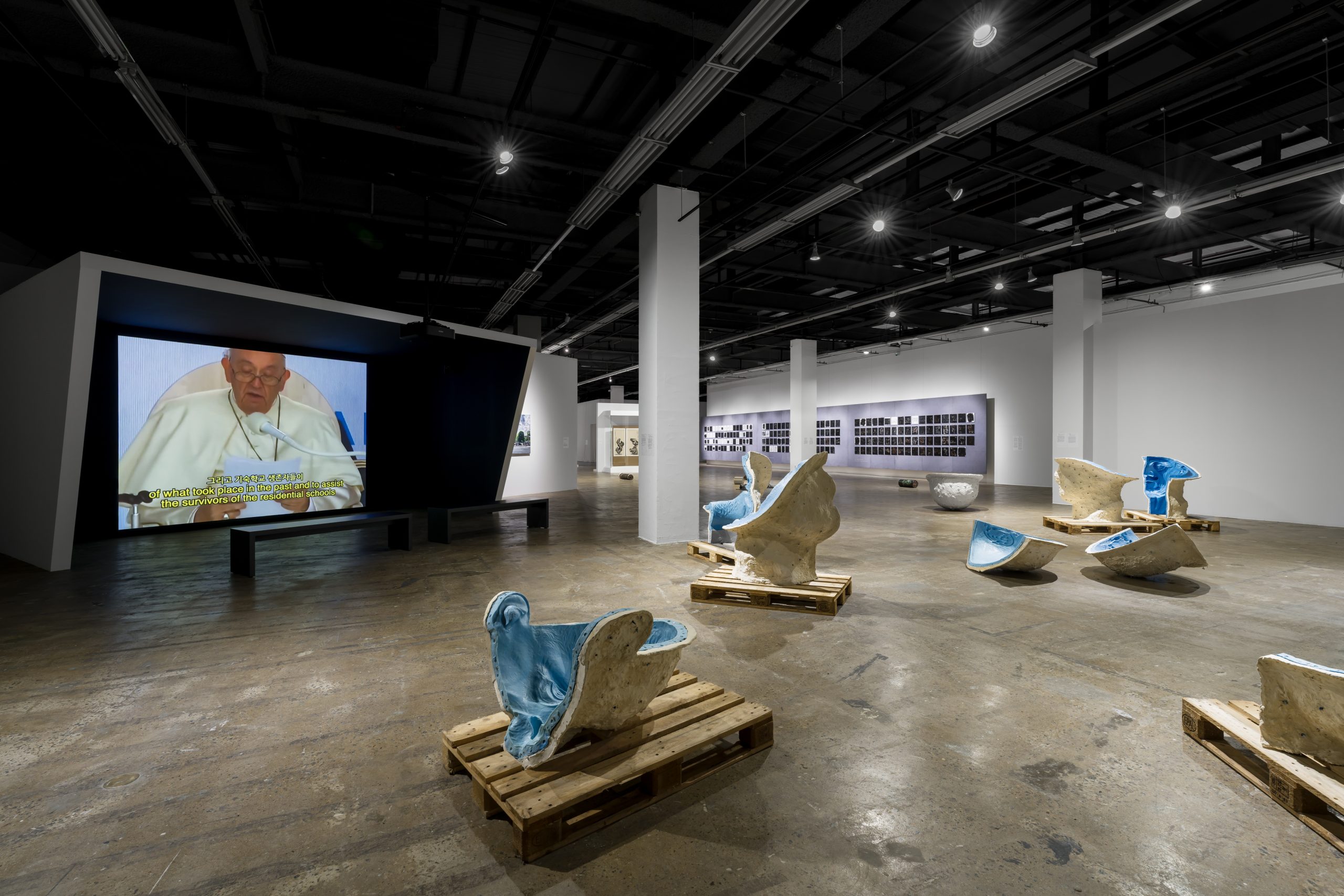
The room’s freestanding walls and long sightlines allow these practices to meet across the exhibition floor. Repeated appearances by several artists throughout the biennale also prevent the five galleries from becoming sealed categories: a work encountered in one setting acquires another relationship when its maker returns elsewhere.
Images after dark
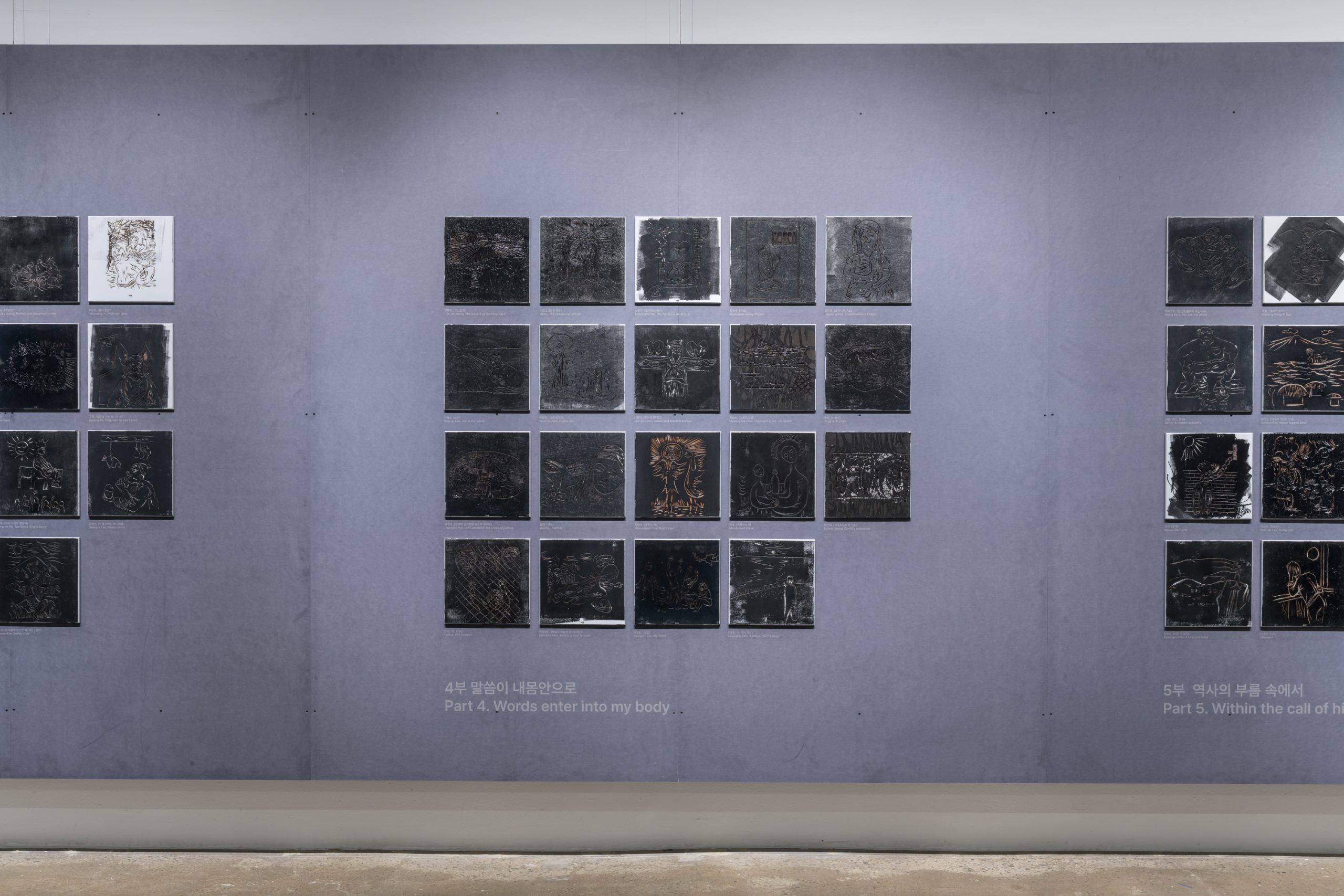
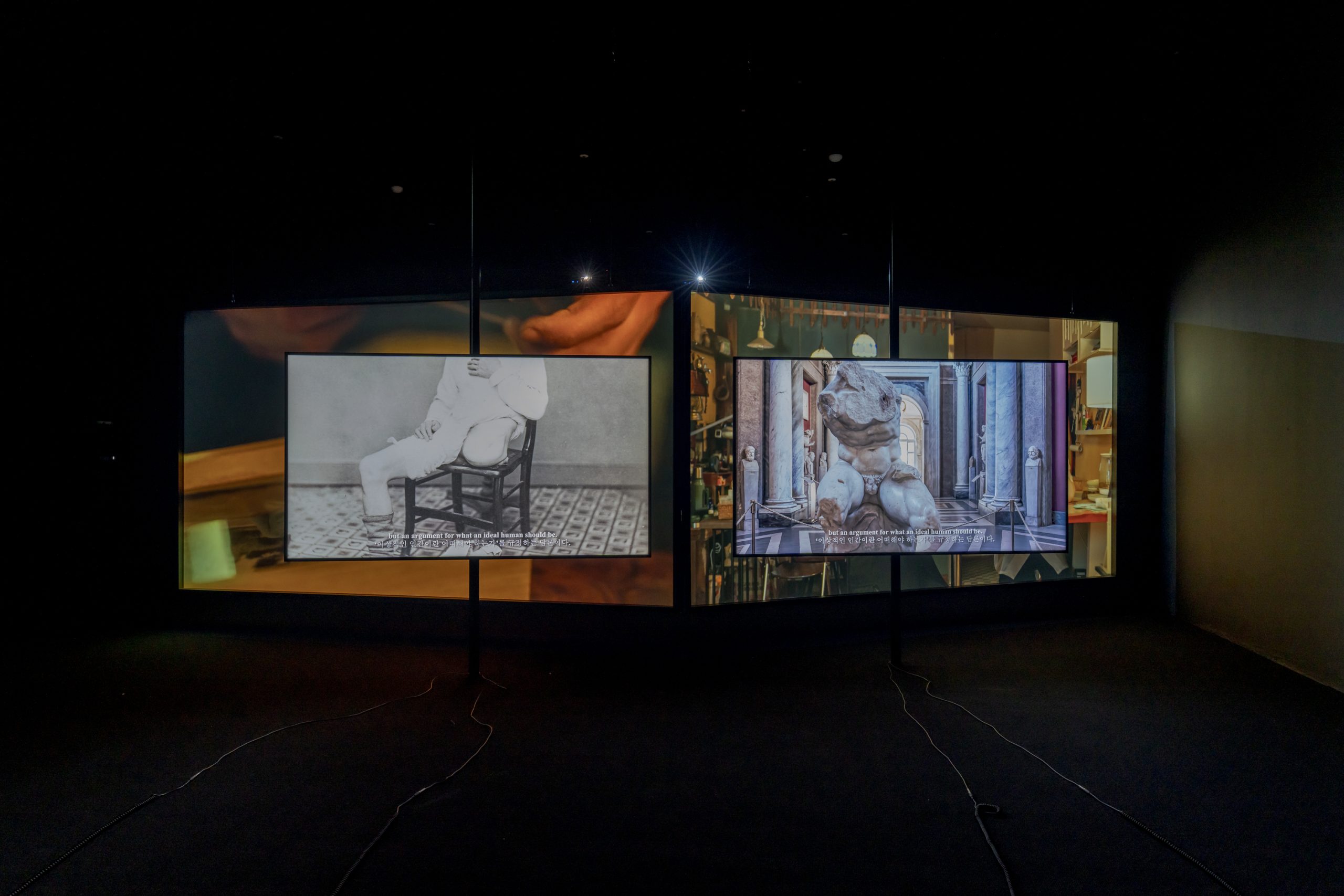
Light levels fall in Cosmos and Change. The fourth gallery gathers moving-image works into a nocturnal environment, bringing sleep, ancestral memory, dreams and planetary time into the exhibition. Screens occupy the darkness at different scales, with works by Saodat Ismailova, Sohrab Hura, Nam Hwayeon, Bhenji Ra, LuYang and Wang Tuo.
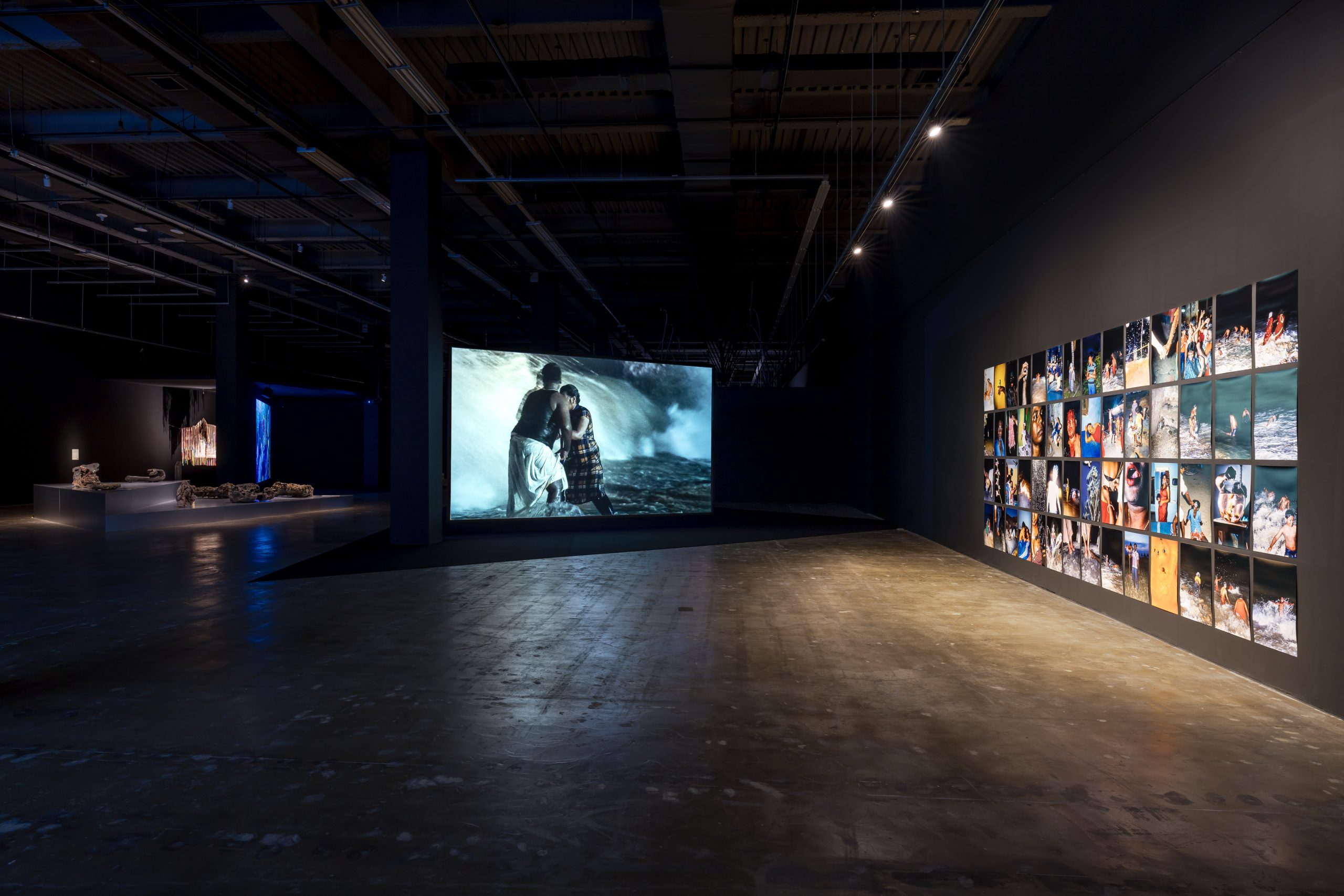
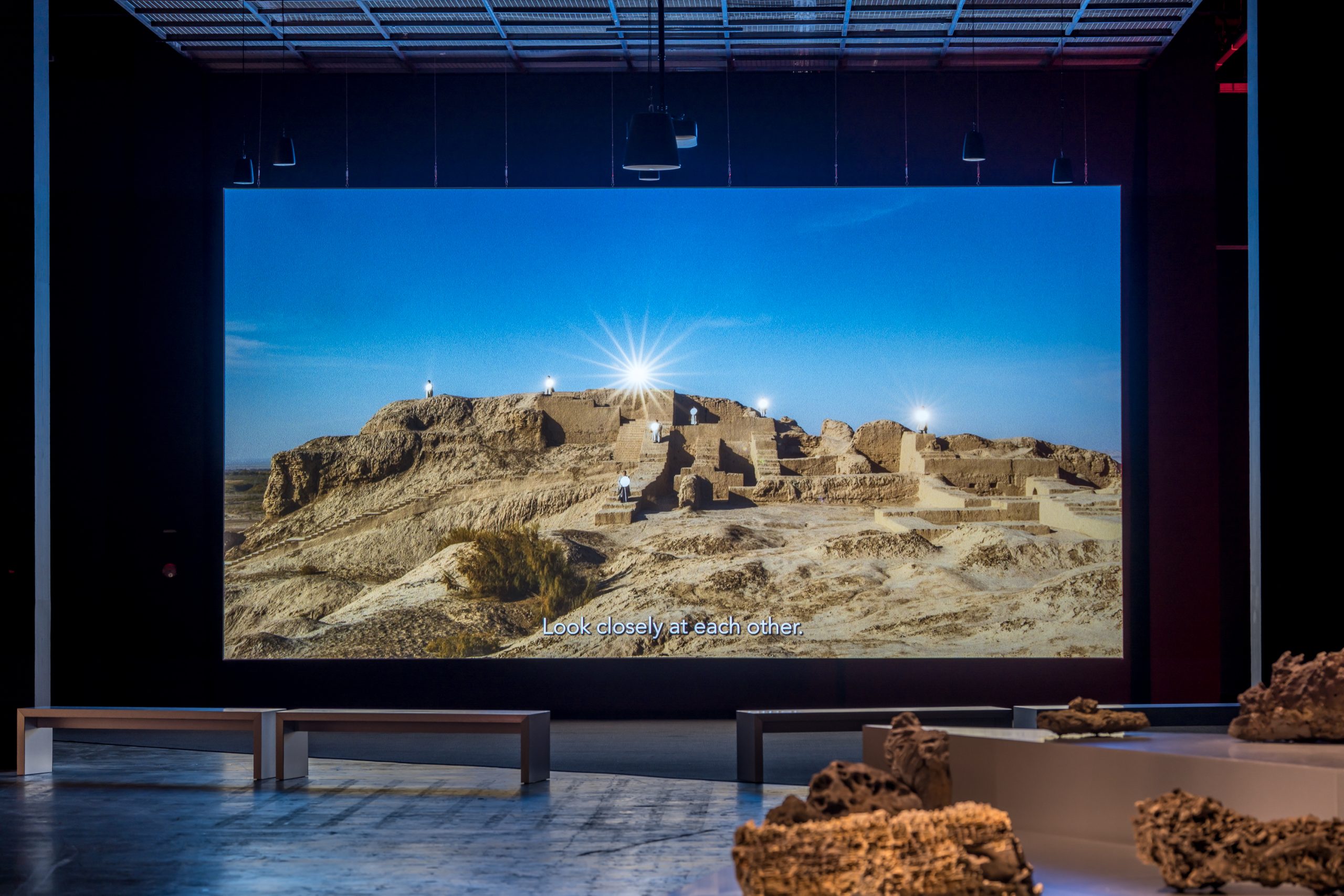
Ismailova’s Melted into the Sun and LuYang’s digitally constructed DOKU universe suggest very different ways of moving beyond the immediate body. Their proximity broadens the exhibition’s account of transformation, allowing historical landscapes and technologically mediated identities to share a room. Wang Tuo’s multi-channel works add further layers of narrative and temporal complexity.
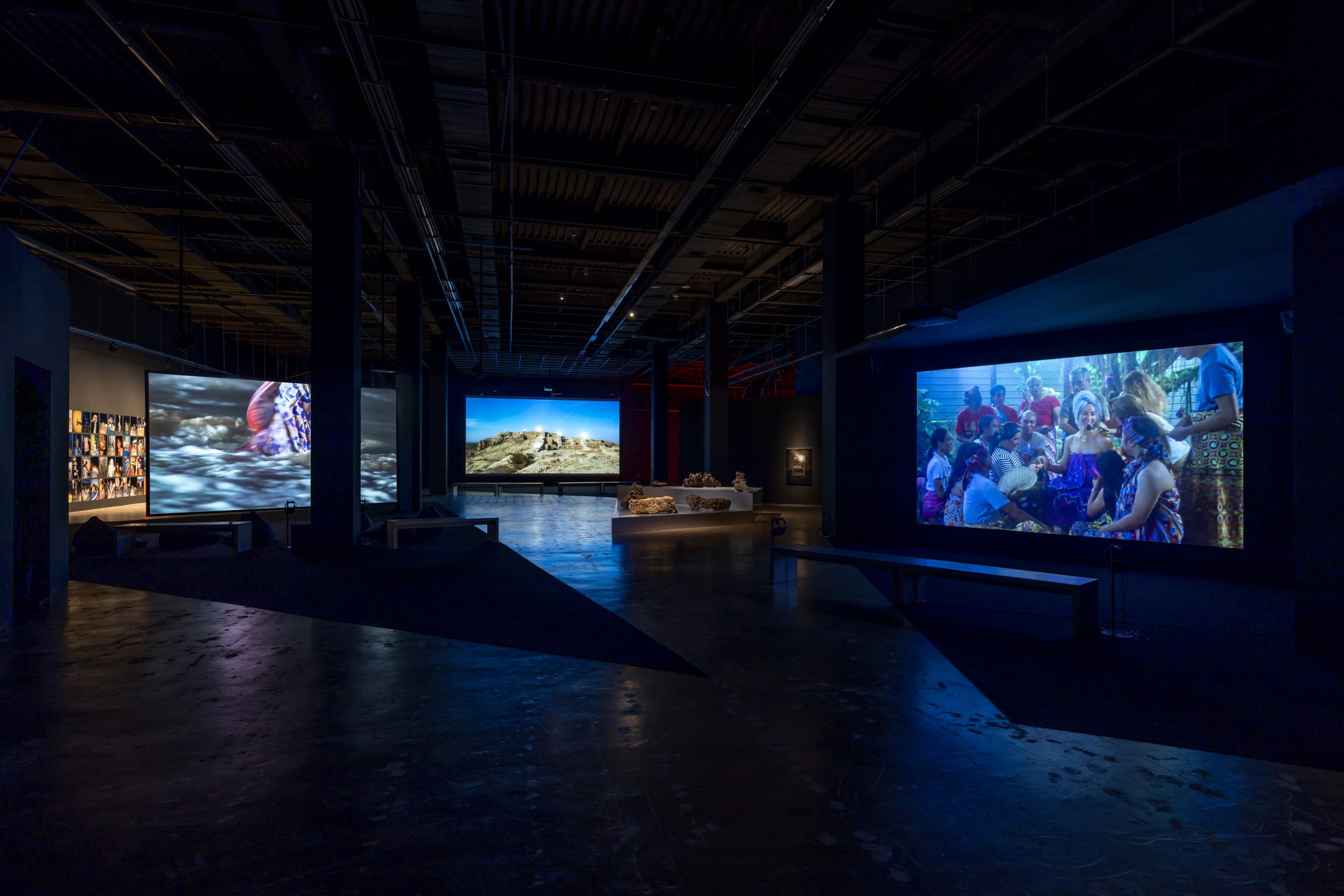
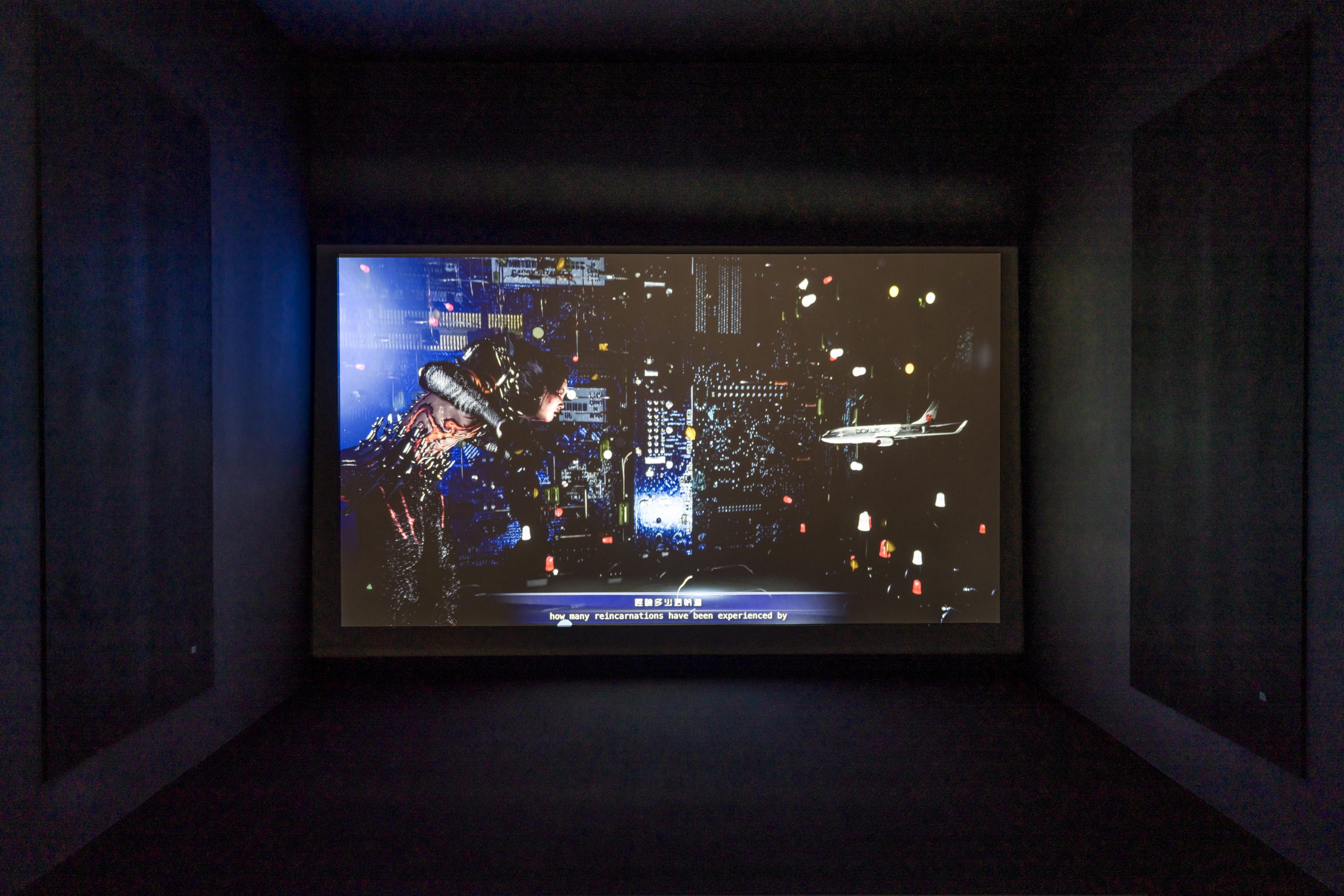
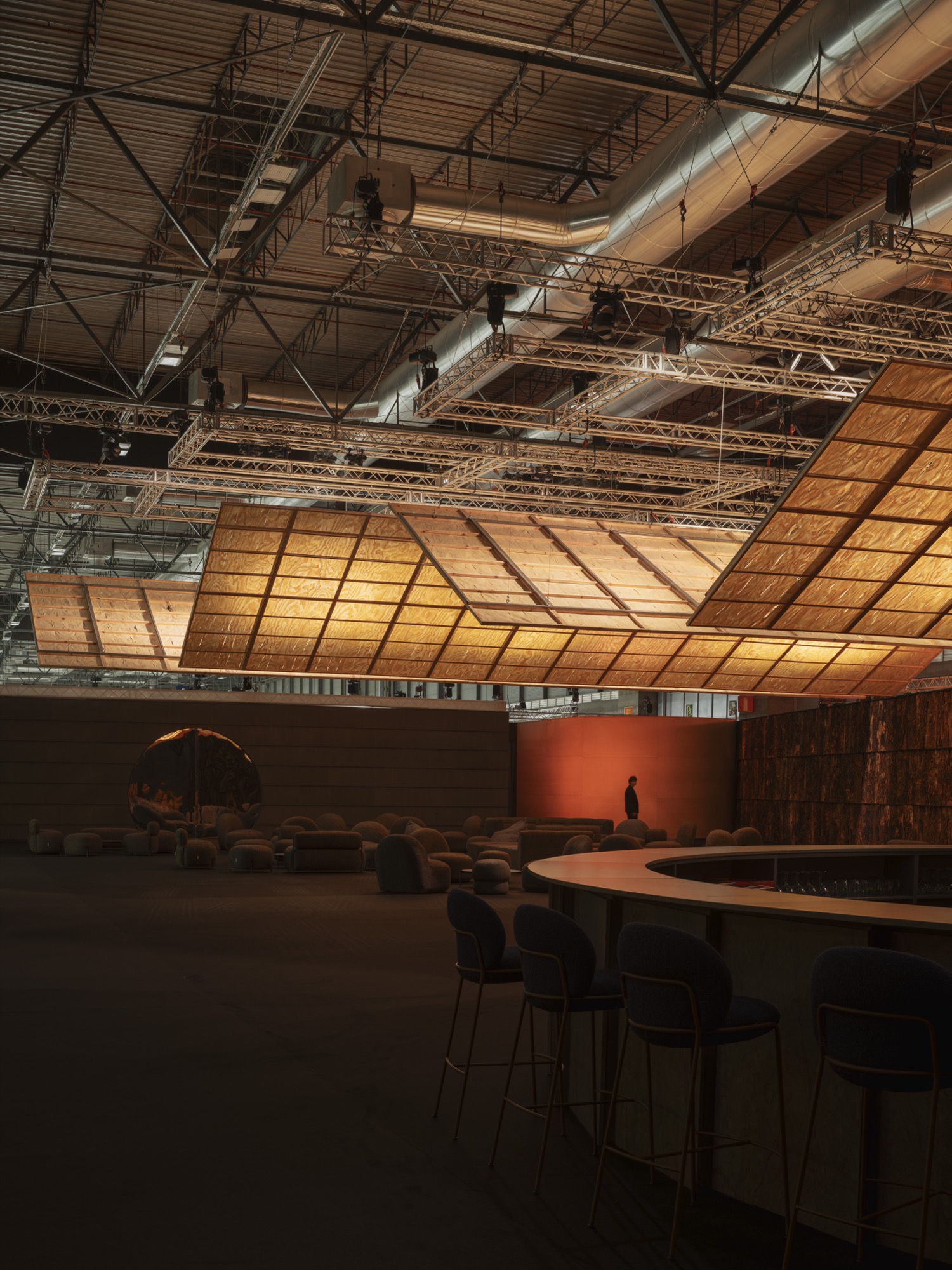
The spatial shift matters as much as the change of medium. After the comparatively open fields of the preceding galleries, the darkened room asks visitors to adjust their attention to the duration and framing of each projected work.
Walls that breathe
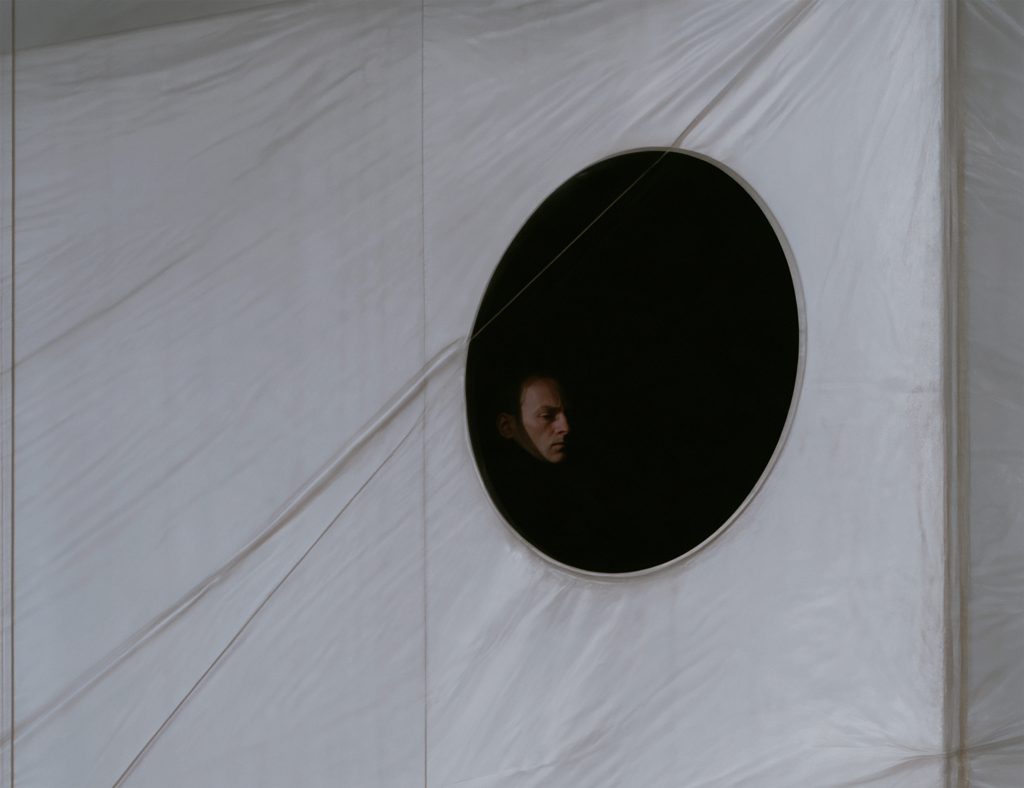
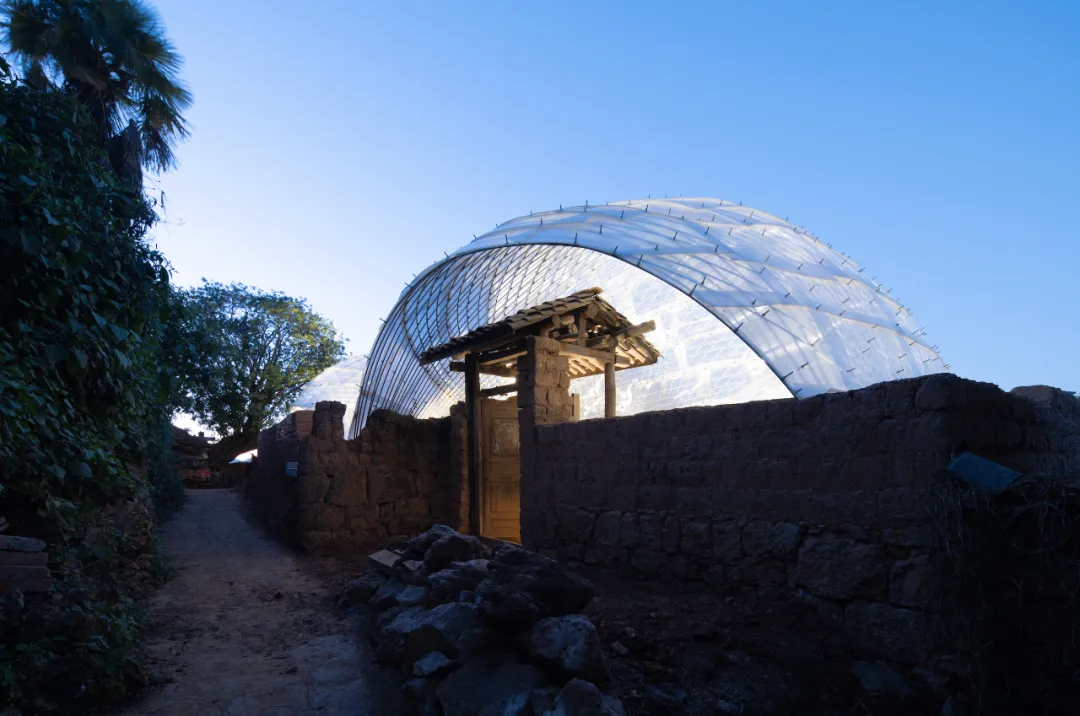
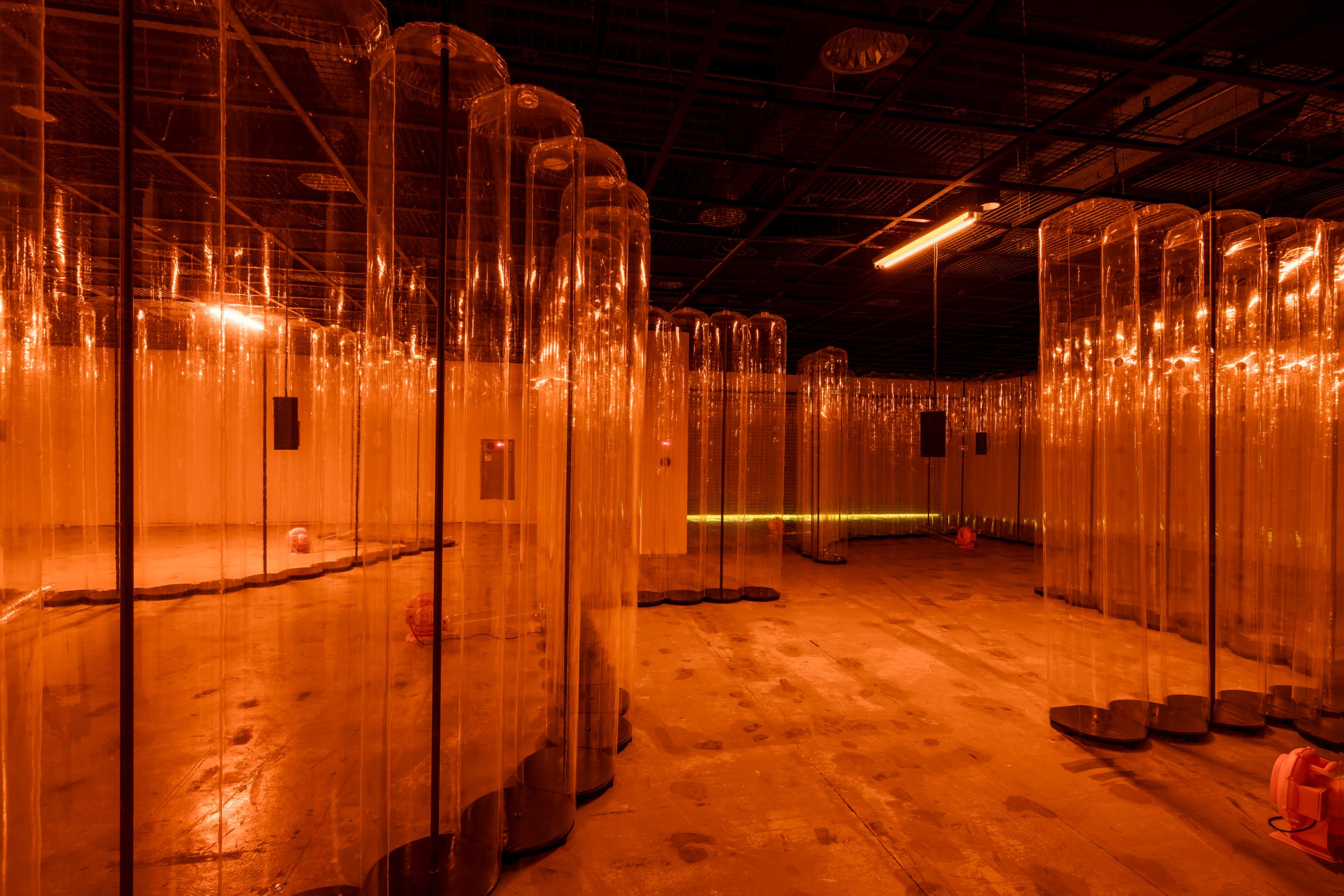
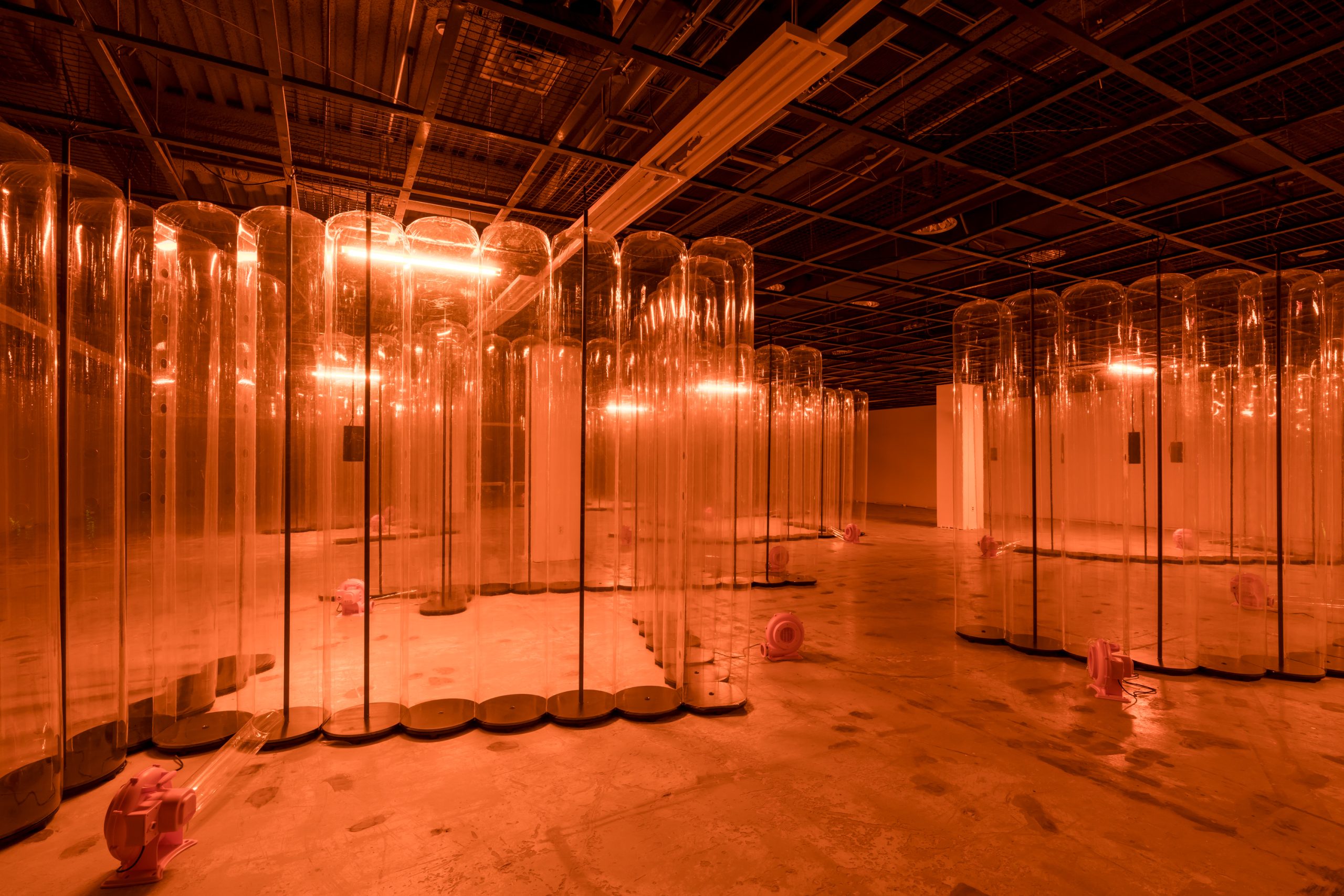
In the final gallery, Air and Articulations, Jacqueline Kiyomi Gork’s Not Exactly BPM (Variation Rrose) turns air into an architectural agent. Transparent vinyl structures rise and fall through a system of blowers and controls, accompanied by an original techno composition by Rrose. The boundaries of the installation are continually being produced and withdrawn.
Visitors’ breathing bodies share the space with these variable enclosures. Sound, pressure and movement take on the work usually assigned to fixed walls. The gallery can also be accessed directly from the plaza during opening hours, giving this final chamber its own relationship to the outside.
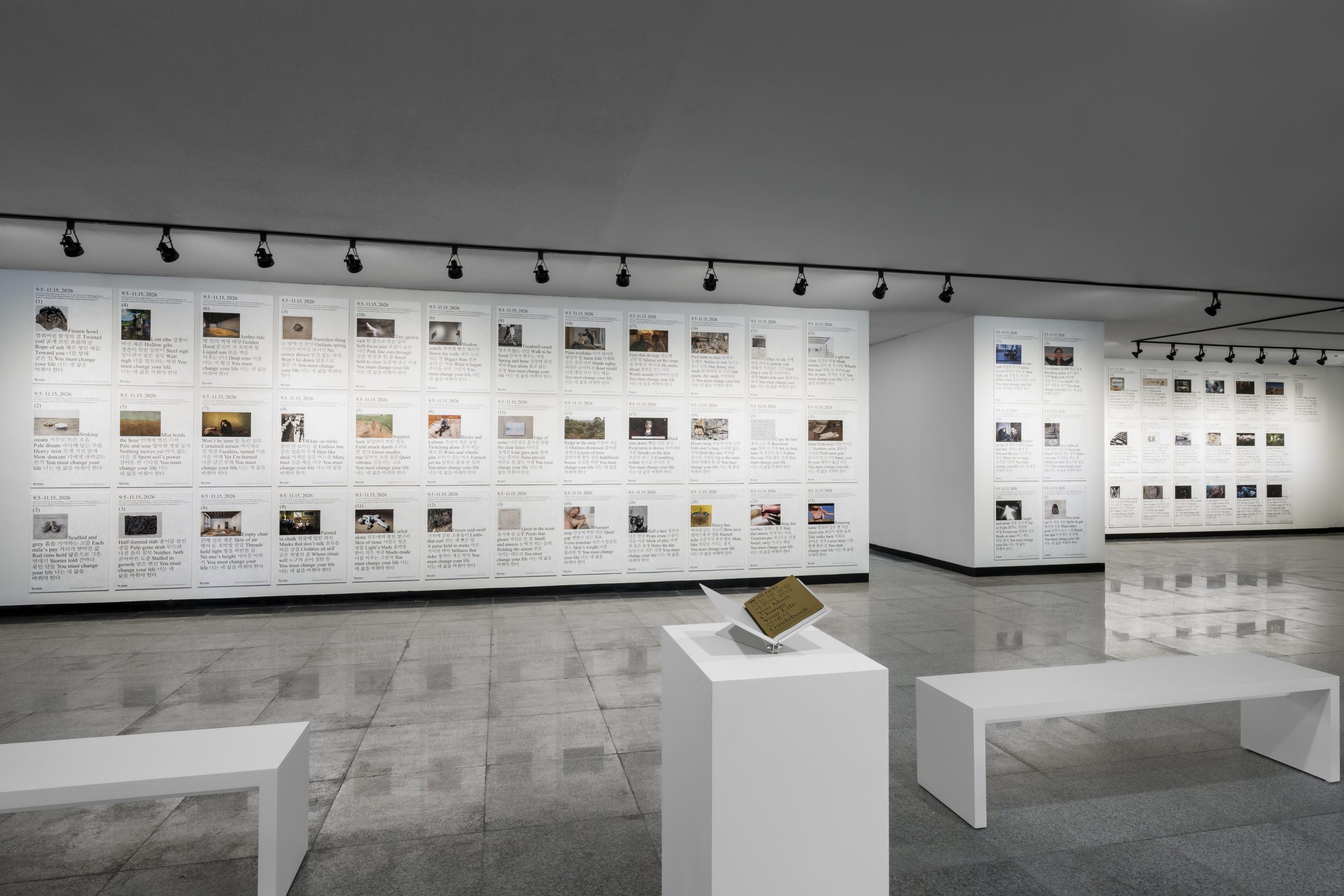
In the lobby beside Gallery 5, E Roon Kang’s Image-Poems, developed with KAIST’s Visual Instruments Lab, extends the exhibition into language and graphic form. AI-generated poems derived from images of the artists’ works circulate through synthetic voices, printed matter and the visual identity. The translation from image to text becomes another instance of the exhibition’s central question: what persists, and what changes, when something passes into a different form?
Beyond the gallery clock
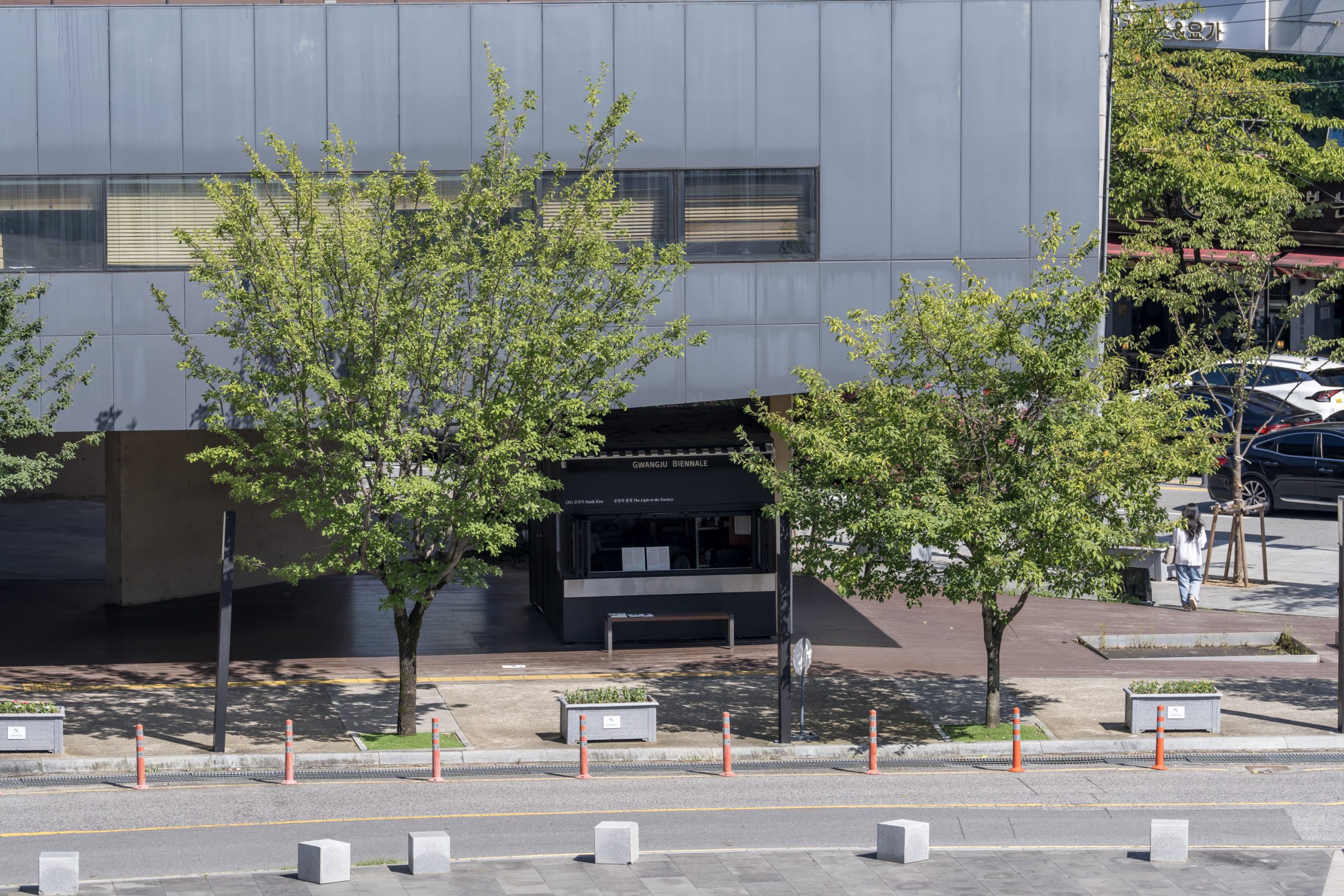
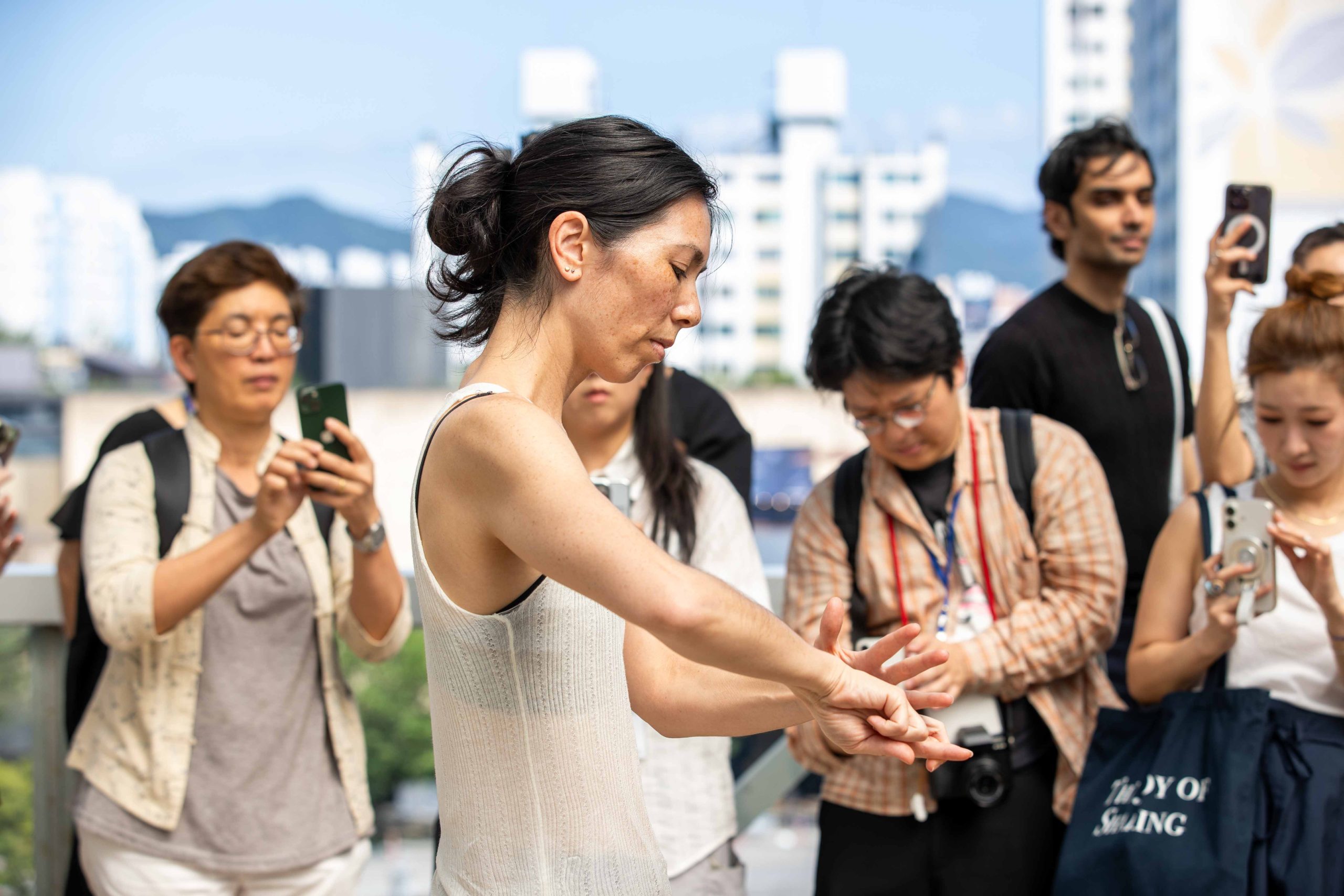
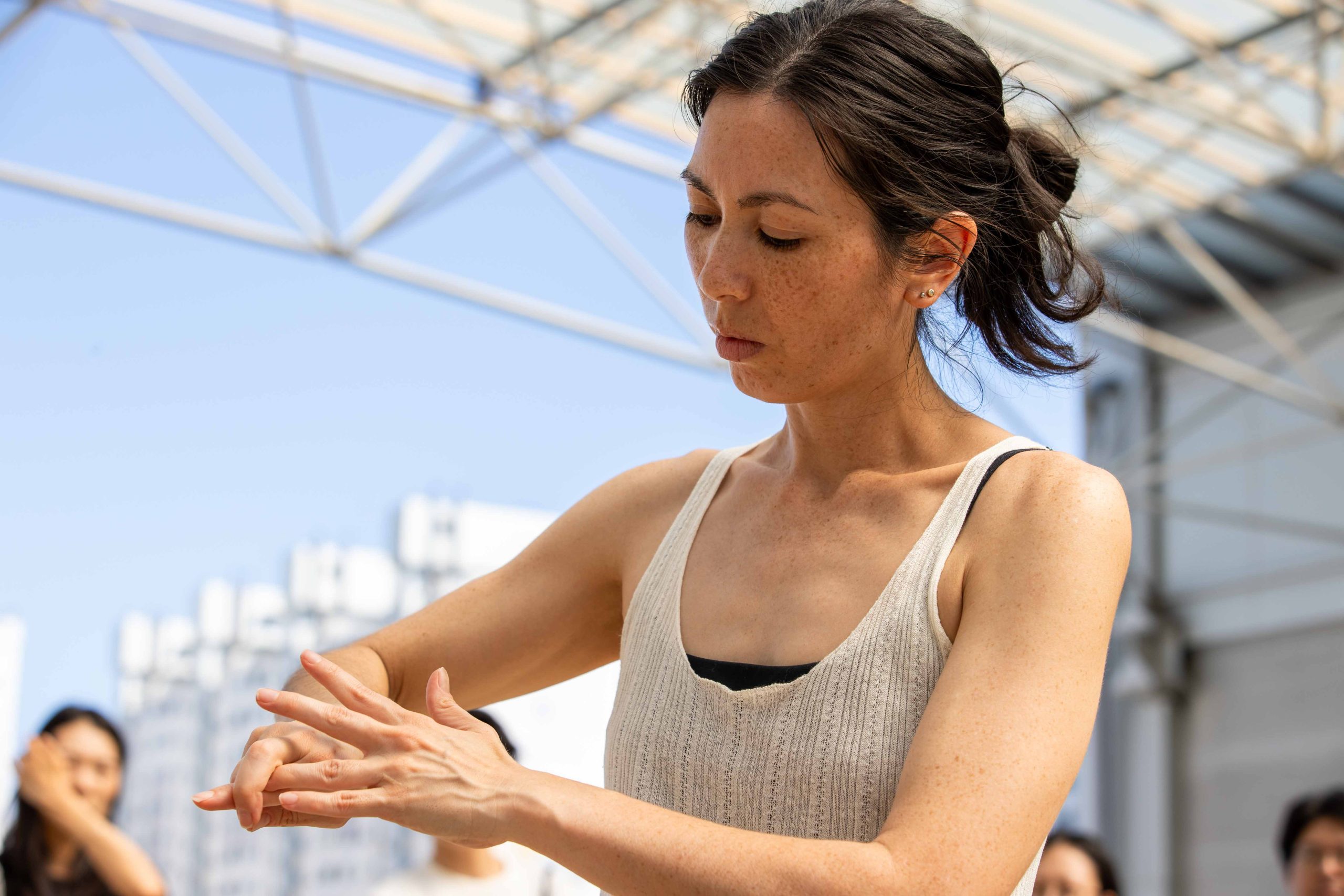
Several works extend these questions beyond a single viewing. Sunik Kim’s The Light in the Factory is a 496-hour, four-channel sound work whose duration corresponds to the biennale’s total opening hours. Angela Goh’s commissioned performance Craft brings precise bodily movement into the exhibition programme, connecting its concerns with bodies, architecture and landscape.
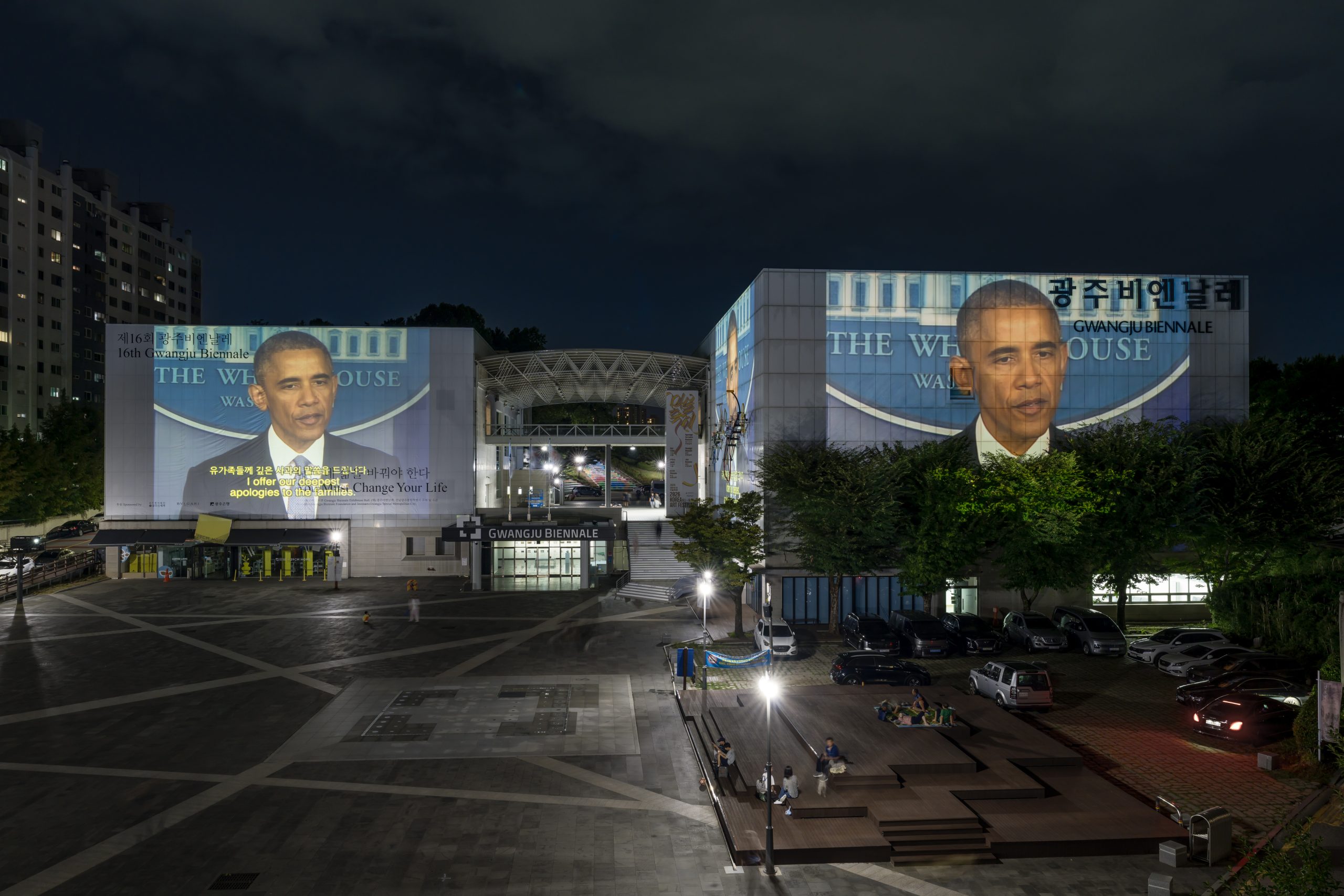
Outside, James T. Hong’s ongoing Apologies assembles public apologies by politicians and other figures of power. Projected onto the building’s façades, excerpts move the exhibition’s concern with change into the public language of responsibility. The institutional exterior becomes a surface on which promises of transformation can be considered.
Across its five worlds, the biennale sets different kinds of change alongside one another without making their tempos equivalent. A volcanic event, an hourly task, a shared painting workshop and an inflatable wall each establish their own conditions of attention. The building provides a framework for these encounters, while the works repeatedly ask how long a visitor needs to stay, look or listen for a change to become perceptible.
Project Credits
Exhibition: 16th Gwangju Biennale: You Must Change Your Life
Organiser: Gwangju Biennale Foundation / @gwangjubiennale
Artistic director: Ho Tzu Nyen
Curators: Che Kyongfa, Gahee Park, Brian Kuan Wood
Venue: Gwangju Biennale Exhibition Hall
Location: Gwangju, South Korea
Dates: 5 September–15 November 2026
Participants: 43 artists and groups
Visual identity: E Roon Kang with KAIST Visual Instruments Lab
Exhibition website: You Must Change Your Life
Photography: Jeon Byung Cheol; STUDIO POSSIBLE ZONE (Angela Goh performance)
Images: Courtesy of Gwangju Biennale Foundation. ©Gwangju Biennale Foundation.