Now Reading: Ekadea studio: Ceramic workshop shaped by shadow and ritual
- 01
Ekadea studio: Ceramic workshop shaped by shadow and ritual

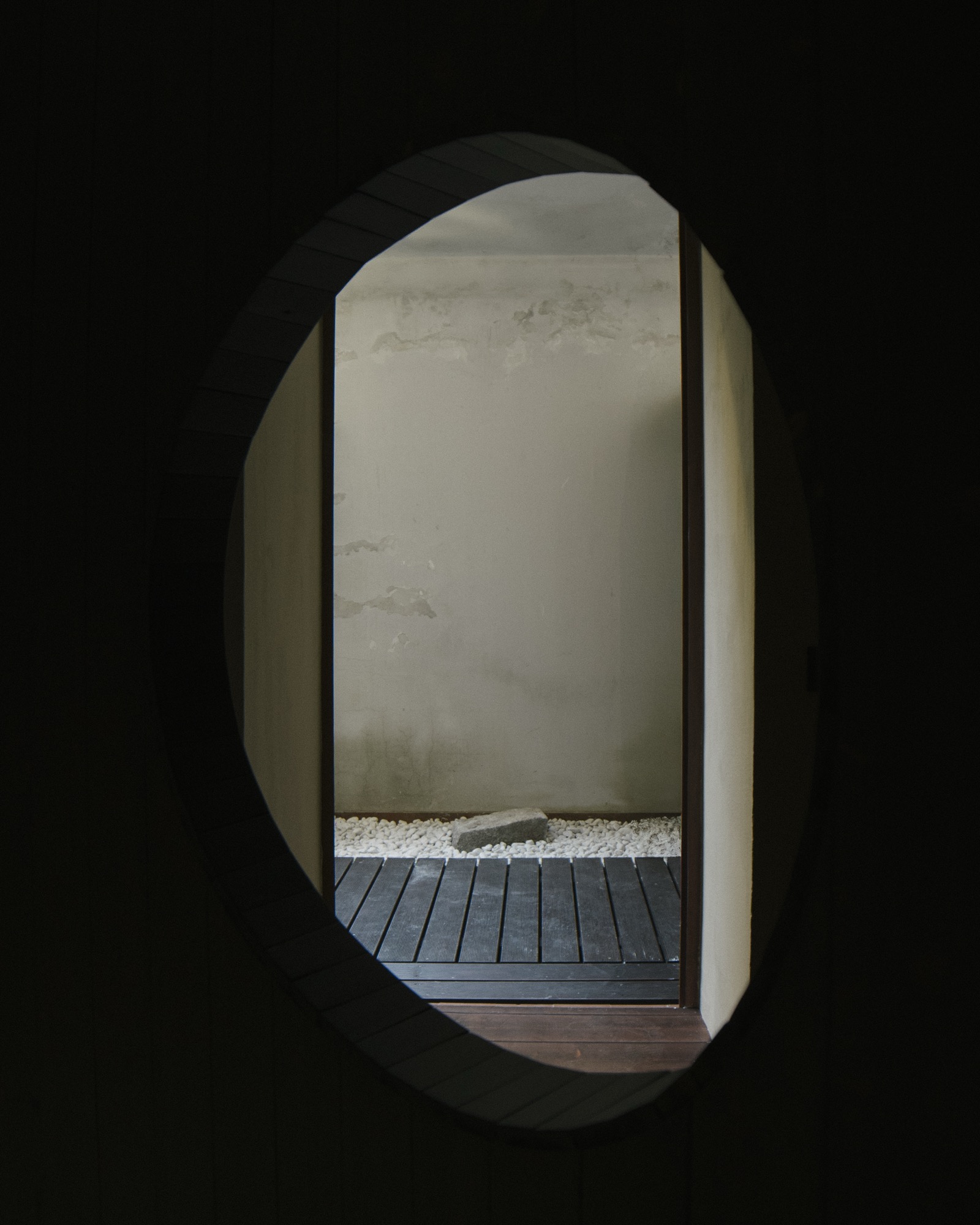

In Milan, where the tempo of the city often unfolds at a relentless pace, Ekadea Studio proposes a different spatial condition. Conceived as a ceramic workshop that envelops rather than simply accommodates, the project creates an atmosphere of quiet concentration where architecture slows the body and recalibrates perception. The studio is shaped not through rigid boundaries but through a continuous interplay of curves, filtered light and layered thresholds.

The architecture emerges from shadow. Curved walls rise gently from the base, shaping functions, guiding movement and establishing subtle boundaries between moments of activity. Rather than imposing fixed partitions, the space unfolds as a sequence of soft enclosures that encourage a gradual transition from the exterior city to the protected interior of craft.


A wooden structure introduces rhythm to this spatial narrative. At times perforated to frame glimpses of adjacent activities, and at other moments solid enough to hold residual spaces, it creates a choreography of thresholds that mediate between openness and shelter. Within this framework, light is carefully modulated, spreading through the studio in a filtered and delicate manner that enhances the tactile presence of materials.


Light in Ekadea Studio is never direct or declarative. Instead it moves across surfaces with restraint, producing fields of shadow that intensify the perception of texture and gesture. The vaulted ceiling plays a crucial role in this atmosphere, softening contrasts and drawing subtle veils of chiaroscuro across the interior. Wood grain, curved geometries and the irregularities of handcrafted surfaces emerge gradually within this penumbra.
Here shadow becomes an architectural material rather than a void. It gathers the space, offering intimacy and protection while directing attention toward the gestures of making. Within this environment, the artisanal act of shaping clay acquires an almost ritual clarity.


The transition from the city to the workshop begins at the entrance. A single stone step slows the movement of arrival, marking the passage from Milan’s urban intensity to the sheltered calm of the studio. From this point, the floor descends gently toward the central space where the main working area unfolds.

At the heart of the studio stands a large worktable crafted from okumè plywood. More than a piece of furniture, it becomes the spatial measure of the room and the focal point around which activity is organized. Around it, the architecture allows glimpses of other practices unfolding quietly in parallel.
A translucent shōji screen subtly conceals and reveals the spaces dedicated to the tea ceremony and the potter’s wheel. These areas appear momentarily through shifting perspectives yet maintain their intimacy. Beneath them, a platform clad in rice straw tatami defines a ritual threshold that distinguishes these activities from the surrounding workspace.

The curved walls guide the gaze through the studio in a fluid sequence. Openings are carefully positioned so that one moment leads visually to the next, maintaining spatial continuity while preserving the privacy of each activity. This delicate balance between exposure and concealment shapes the experiential rhythm of the workshop.


Functional elements are integrated directly into the architecture. Niches carved into the curved surfaces accommodate tools, containers and small objects used in the ceramic process. These recesses contribute to a sense of quiet order while reinforcing the sculptural presence of the walls.


Ekadea Studio emerges from the desire to offer a refuge within the accelerated environment of the city. The project explores a measured equilibrium between shelter and openness, between the influence of traditional spatial rituals and the clarity of contemporary architectural language.

Within the softened penumbra of the studio, time seems to expand. Each surface, tool and gesture gains presence through its simplicity. Rather than imposing spectacle, the architecture cultivates attentiveness. In this carefully modulated environment, craft becomes both practice and contemplation, and the studio transforms into a place where making and stillness coexist.
Project Credit
Design firm: AACM / @aacm_studio
Location: Milano, Italy
Typology: Commercial, Ceramic Workshop and Exhibition Space
Area: 50 m2
Timing: 2025
Photos: Marco Lumini, Catalogo / @catalogo.studio
More Photos