Now Reading: Peter Bohlin: Soft modernism and the harmony between people, place, and time
- 01
Peter Bohlin: Soft modernism and the harmony between people, place, and time

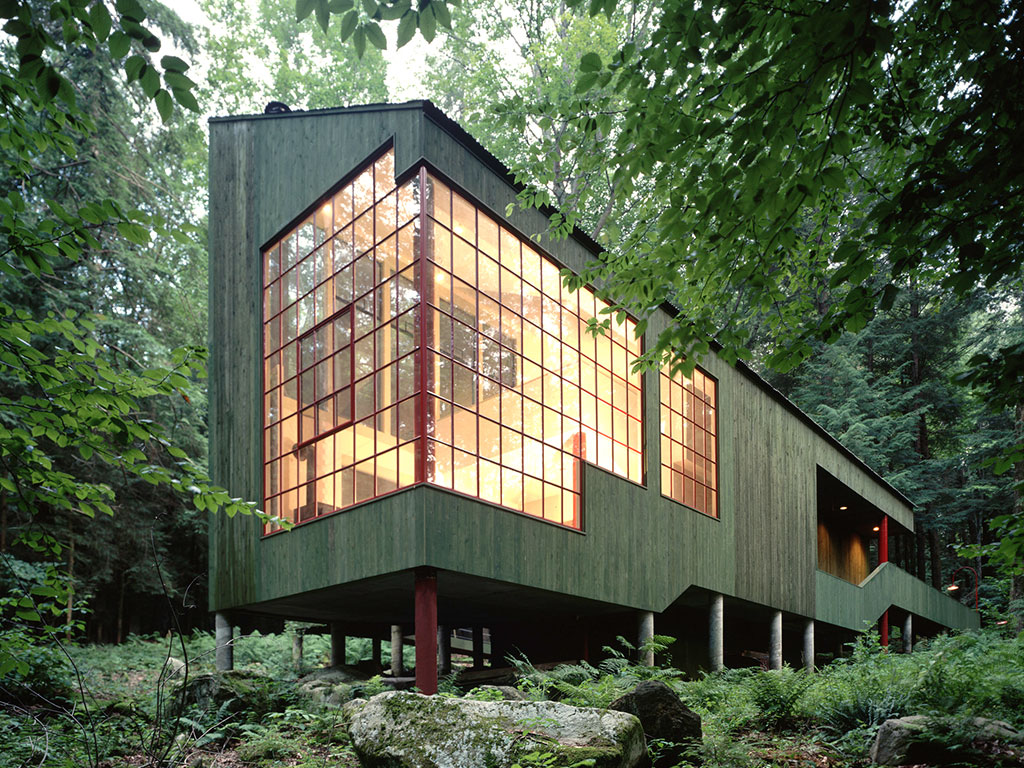

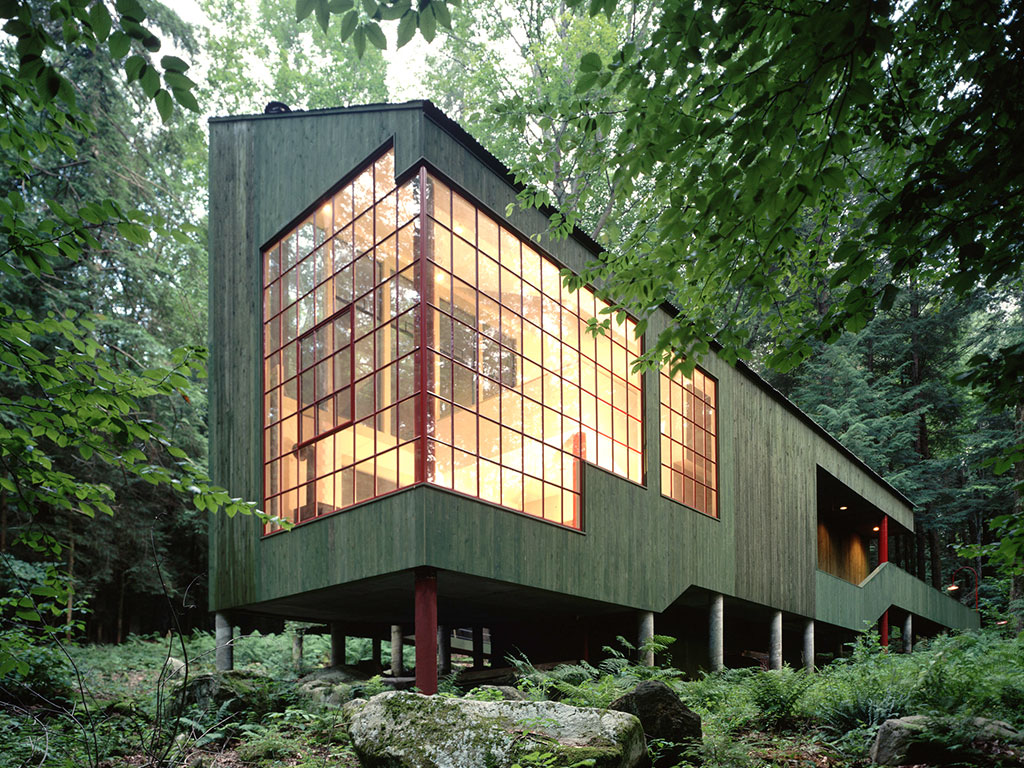
In the early 1970s, when late modern architecture was still burdened by rigidity and a growing distance from everyday human experience, a modest house in West Cornwall, Connecticut quietly suggested another path. Designed between 1973 and 1975, the Eric and Ann Bohlin House was neither manifesto nor icon. It was a private residence, built for the architect’s own brother and sister in law, shaped by family life rather than theoretical ambition.
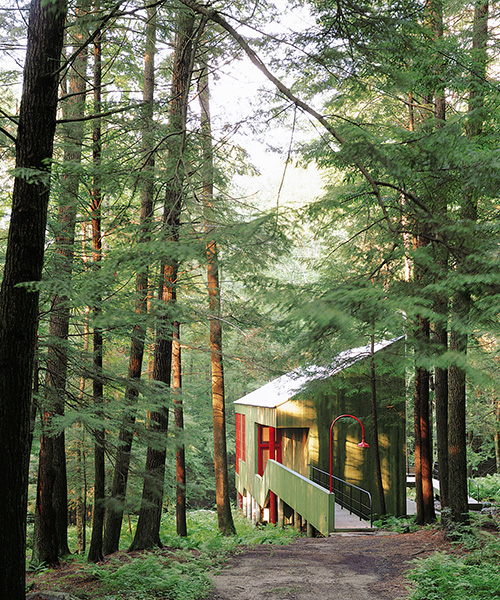

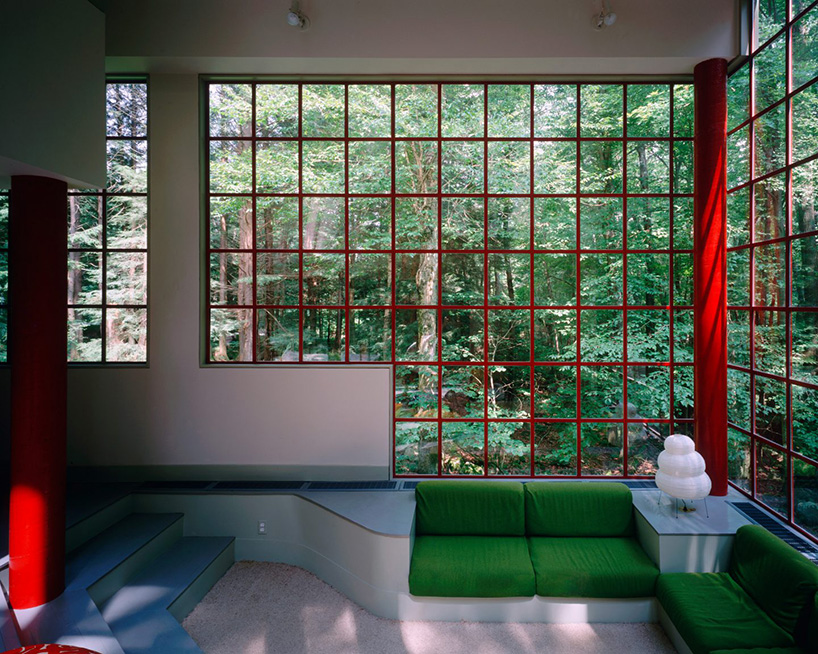
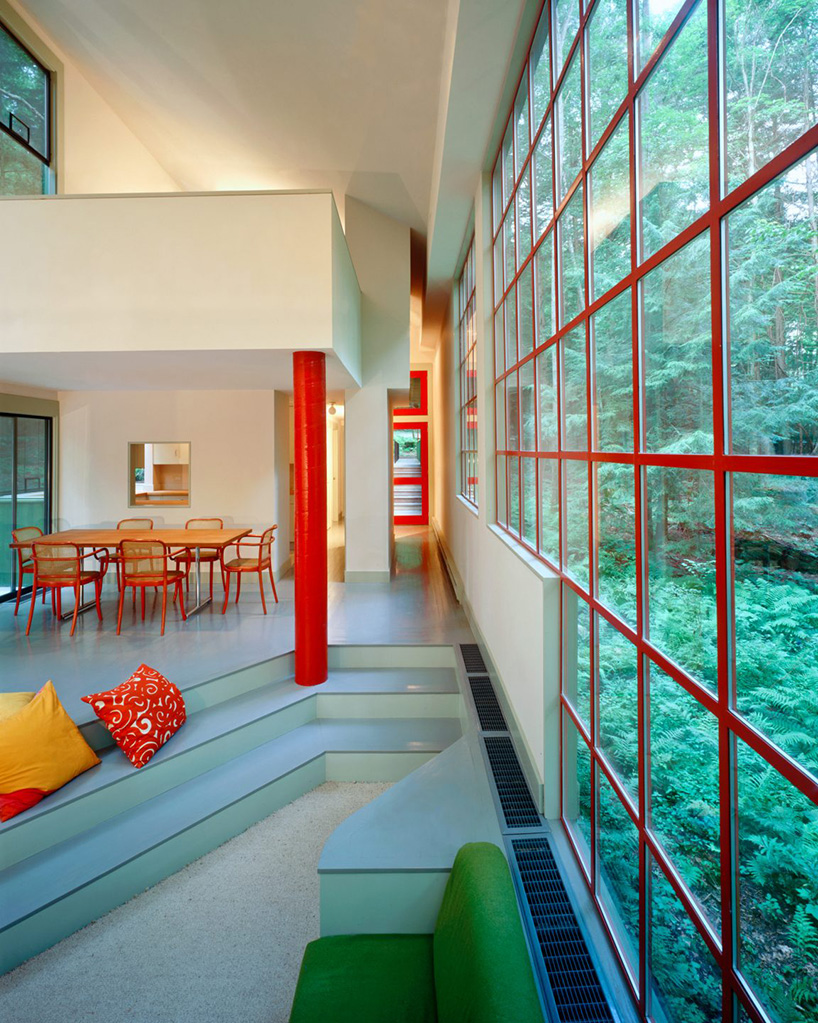
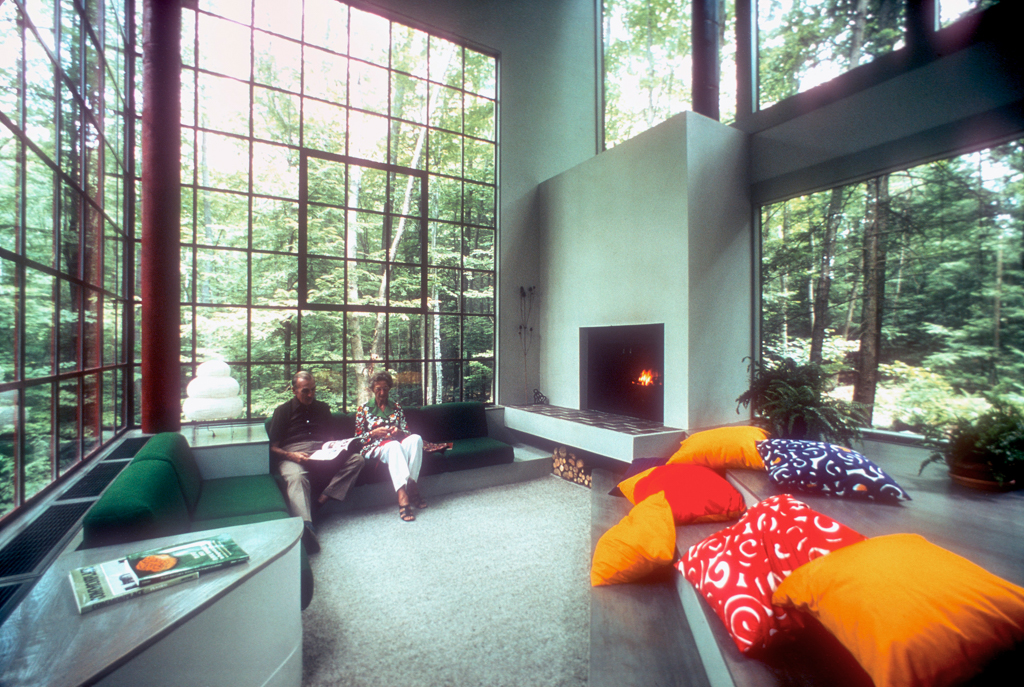
Set among wooded hills, the house relies on local cedar, generous expanses of glass, and a carefully staged sequence of spaces that unfold gradually. Nature is not framed as scenery but allowed to enter, filtering light, shadow, and seasonal change into daily routines. Selected as one of the Houses of the Year in 1976, the project was noted for its restraint. It does not assert itself over the landscape but settles into it. Archival photographs reveal an architecture experienced in motion, from a compressed entry toward increasingly open interiors, where glass and timber soften the boundary between inside and outside.


Peter Bohlin, born in New York in 1937, was educated at Rensselaer Polytechnic Institute and later at the Cranbrook Academy of Art, where exposure to figures such as Eero Saarinen shaped his understanding of architecture as both cultural and experiential. When he founded Bohlin Cywinski Jackson in 1965, recognition and awards were far from certain. Yet the values that would later define his career were already present in early works such as the Eric and Ann Bohlin House. Attention to place, respect for human scale, and an understanding of architecture as something lived over time formed the foundation of his practice.

Decades later, when Bohlin received the AIA Gold Medal, these early concerns remained central. He has often spoken of architecture as an act of listening rather than imposition, rooted in people, landscape, and circumstance. From this small domestic project, a longer trajectory becomes visible, extending from intimate wooden houses to civic buildings and technologically advanced structures, without abandoning the conviction that architecture gains meaning through connection rather than dominance.


Peter Bohlin’s approach to what critics have often described as a softened or humanized modernism did not emerge as an abstract position. It grew from direct experience, beginning with projects designed for people he knew intimately. In the Eric and Ann Bohlin House, space reveals itself slowly, shaped as much by daily rituals as by formal intent. Architecture responds to circumstance, the slope of the land, the presence of trees, the desire for intimacy and retreat.
This sensitivity stands apart from more doctrinaire forms of modernism that privileged form over feeling. While Bohlin absorbed lessons from figures such as Louis Kahn and Frank Lloyd Wright, his work resists monumentality. Instead, it emphasizes adaptability and longevity. Materials weather, spaces change with light and season, and buildings are expected to age rather than remain fixed.
As his practice expanded, the underlying philosophy remained consistent. Early work relied on local materials and modest means, anticipating environmental concerns long before sustainability became a global imperative. Even when working for major institutions and global clients, Bohlin returned to the same questions. How a building meets the ground. How it is entered. How it supports human interaction without overwhelming it.
This continuity is evident across his work, from private residences to large public commissions. In urban contexts, the challenge became one of balance, allowing architecture to express ambition while remaining accessible. Whether designing civic buildings, cultural institutions, or commercial spaces, Bohlin avoids spectacle for its own sake. His work seeks harmony between innovation and restraint, between technological advancement and emotional resonance.


Material, light, and spatial sequence form the quiet language through which Bohlin’s architecture speaks. In the Eric and Ann Bohlin House, cedar was chosen not only for availability but for its tactile and emotional connection to the surrounding forest. Glass is used generously yet without theatrical effect, allowing light to shape the interior throughout the day. Spaces open gradually, encouraging movement rather than visual consumption.
Material honesty recurs throughout Bohlin’s work. Wood, stone, and glass are treated as expressive elements whose aging is anticipated rather than concealed. In later projects, environmental performance becomes more explicit, yet atmosphere is never sacrificed. Light remains a shaping force, defining volume, marking time, and fostering social exchange.
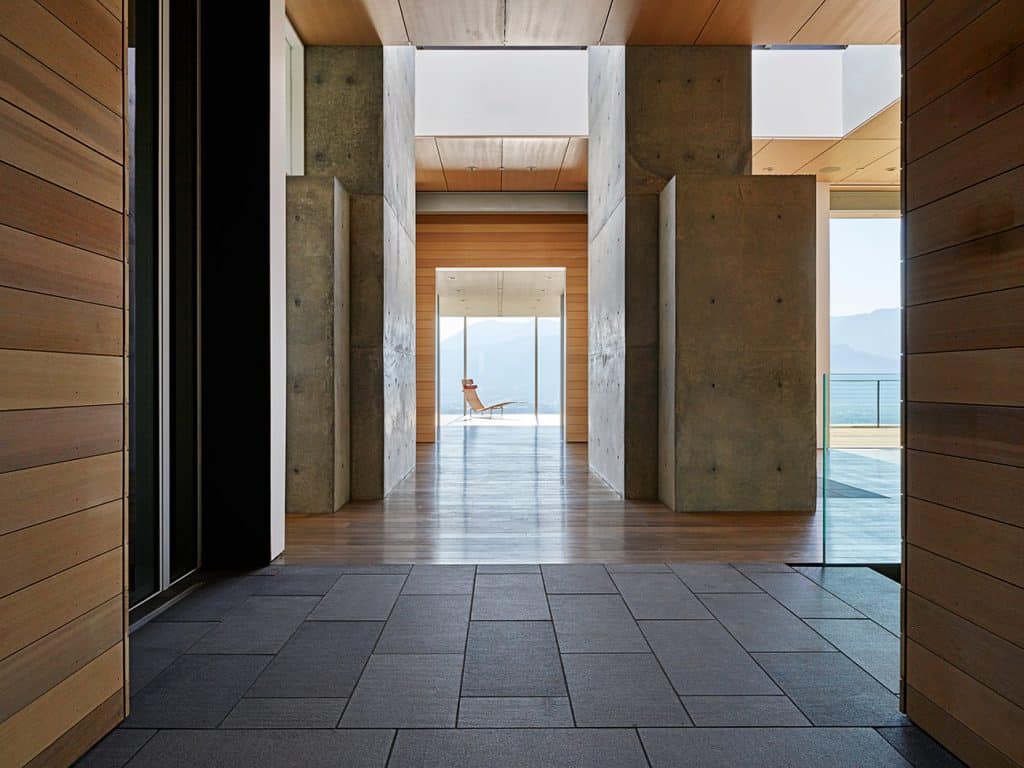
Spatial unfolding remains central. Entrances compress before releasing into larger volumes. Views are revealed incrementally. Circulation becomes a form of storytelling. This approach resists instant legibility and invites occupation rather than spectacle.

Bohlin’s process reflects a balance of intuition and collaboration. Ideas often begin with hand sketches, capturing relationships and atmosphere before technical resolution. From these gestures, projects evolve through close cooperation with engineers and consultants. Innovation is pursued not as an end in itself but as a means of clarity and comfort.
This method is evident in projects that combine advanced technology with restraint. Residential work continues to explore intimacy and landscape. Civic and commercial buildings translate those principles to larger scales through transparency, openness, and generosity of space. In the Apple Stores, glass structures engineered to unprecedented degrees are used not to dazzle but to invite, dissolving boundaries between interior and public realm.
Throughout his career, Bohlin has emphasized collaboration within his studio, fostering a culture that values dialogue over authorship. This ethos has allowed Bohlin Cywinski Jackson to maintain continuity across decades while adapting to changing contexts and technologies.
Peter Bohlin’s legacy suggests that modernism, when tempered by empathy and attention, remains a viable and necessary language. From the quiet beginnings of the Eric and Ann Bohlin House to works recognized worldwide, his architecture evolves without abandoning its core values. Buildings are conceived not as objects but as environments shaped by time, use, and memory.
In an era increasingly dominated by speed, image, and automation, Bohlin’s work offers a slower measure. It asks how spaces feel after years of occupation, how materials age, how light shifts across seasons. Rather than seeking permanence through control, it accepts change as a fundamental condition. In doing so, it reminds us that architecture’s enduring strength lies not in conquest, but in connection.
Photo Cover
Eric and Ann Bohlin House (Forest House), West Cornwall, Connecticut, 1975. A quiet integration with the wooded landscape. Credit: Photo courtesy of Buildings of New England / Bohlin Cywinski Jackson.