
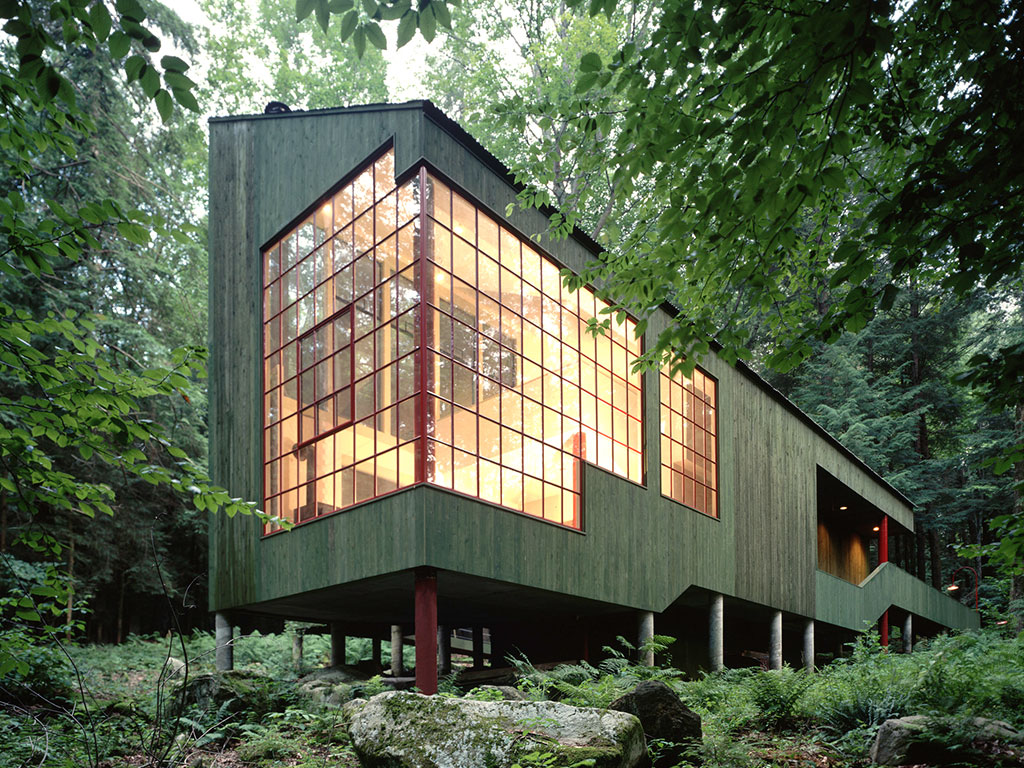
This longform essay examines the architecture of Peter Bohlin through the lens of soft modernism. Beginning with the Eric and Ann Bohlin House and extending to major civic and cultural works, the article explores how Bohlin’s architecture integrates material honesty, light, and spatial unfolding to create humane and enduring environments. Written in a reflective editorial voice, the essay situates Bohlin’s work within contemporary architectural discourse while emphasizing architecture as lived experience rather than formal dominance.