Now Reading: Red Cabin turns a metasequoia forest into a private stage for off grid living
- 01
Red Cabin turns a metasequoia forest into a private stage for off grid living

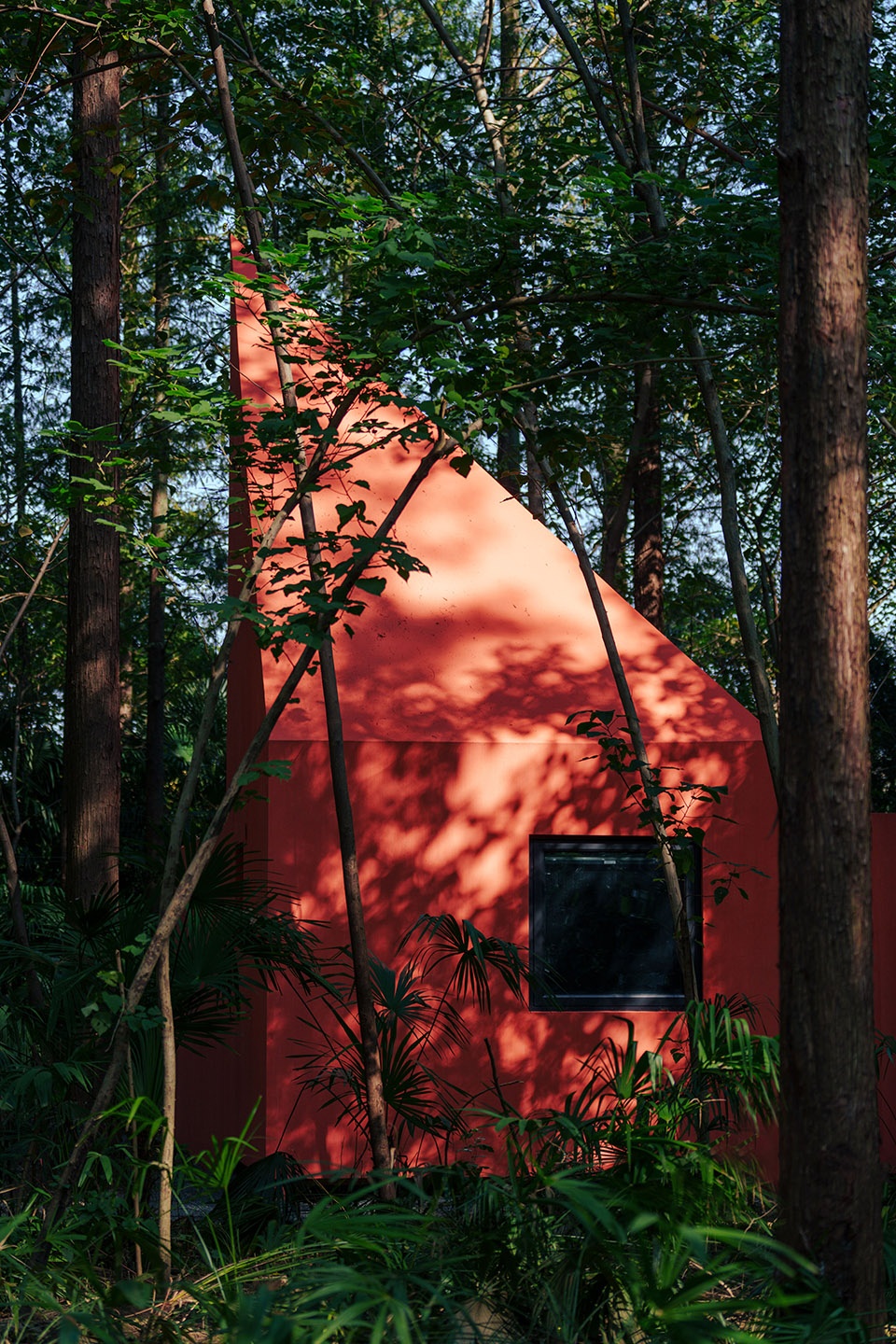

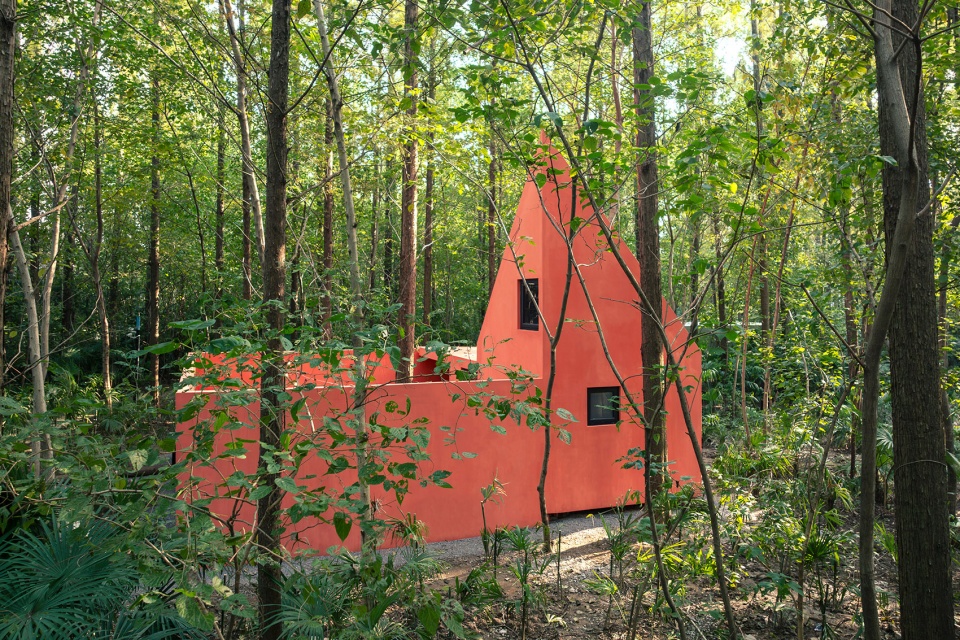
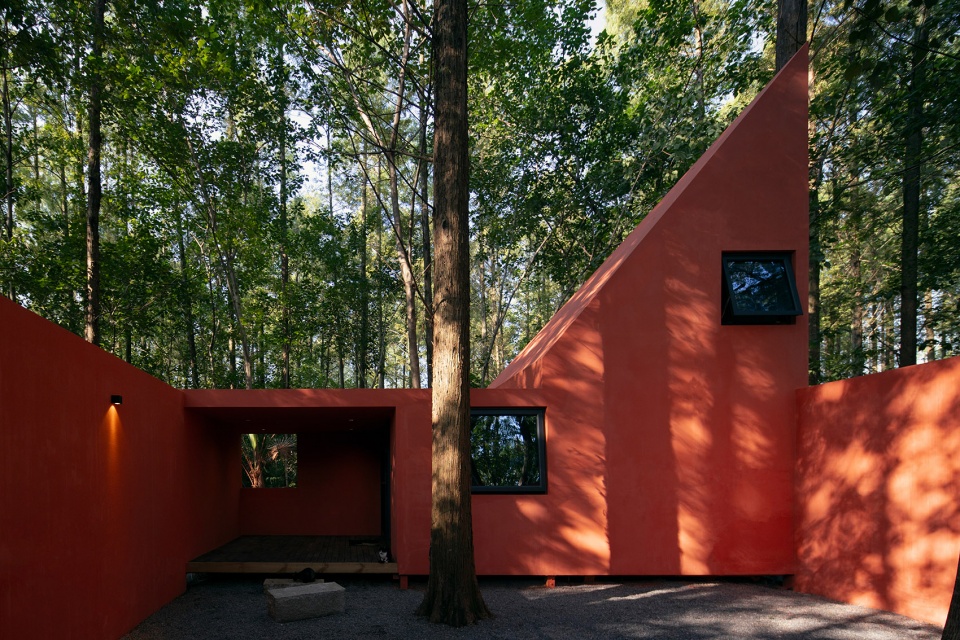
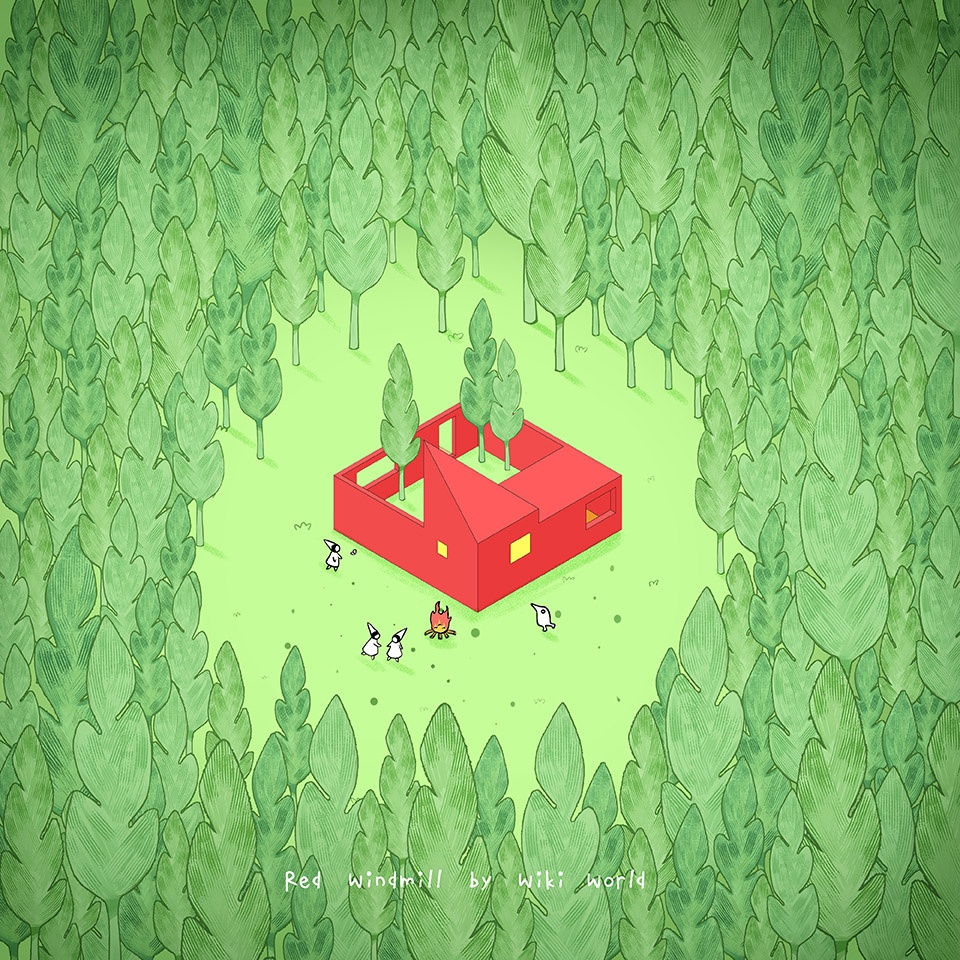
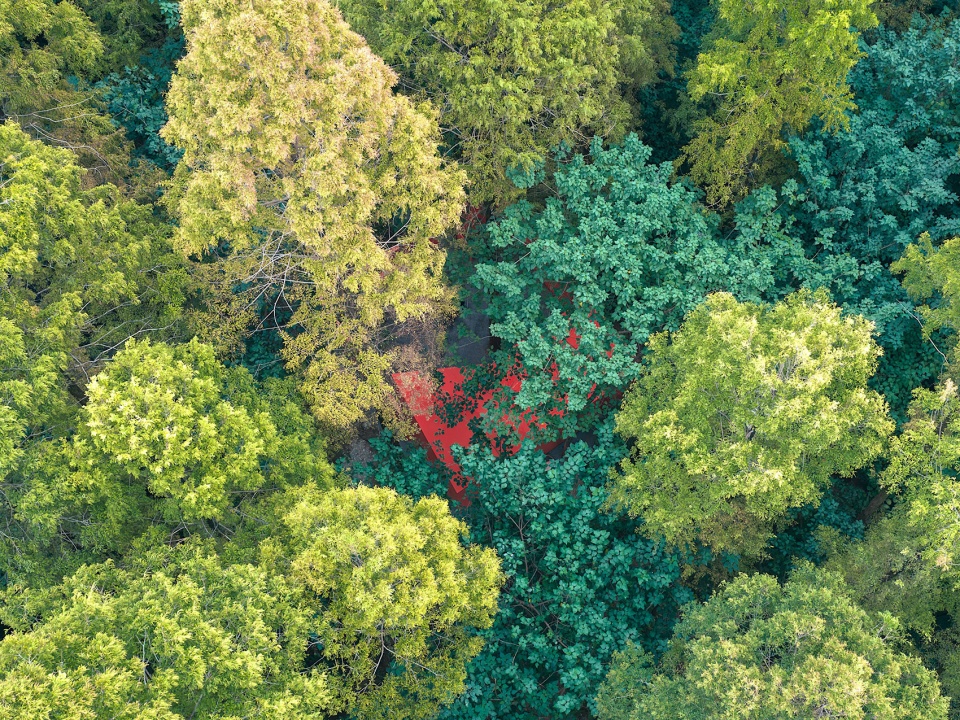
Hidden inside the metasequoia forest of Merryda Wiki World Secret Camp, Red Cabin is conceived as a compact holiday refuge and an experiment in how lightly a building can touch a living ecosystem. The site is described as a habitat for migratory birds, with more than a dozen treehouses dispersed among the trees, and the commission came from a client who is also a dancer, asking Wiki World to customise a cabin for time alone in the woods.
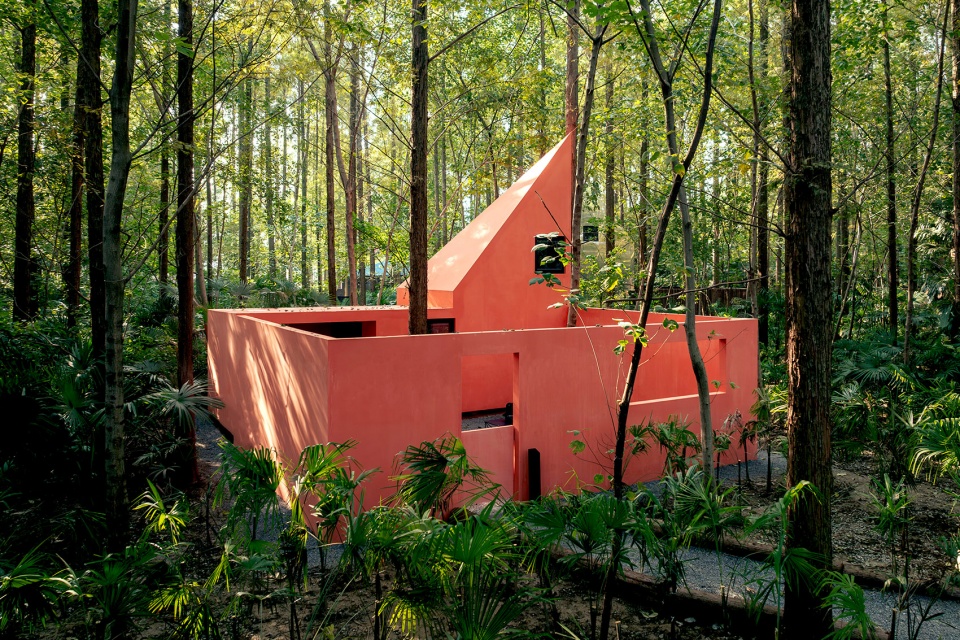
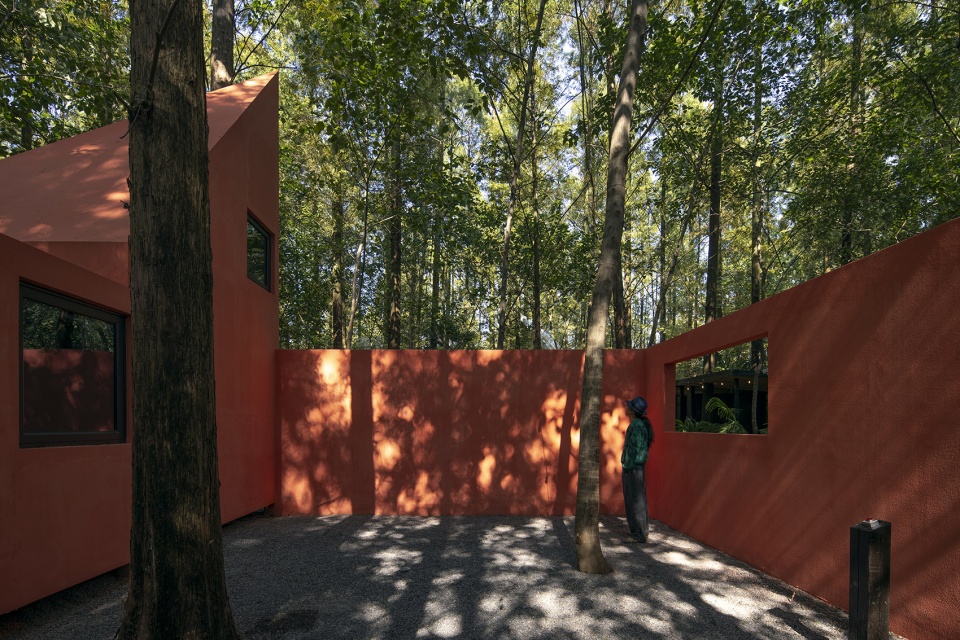
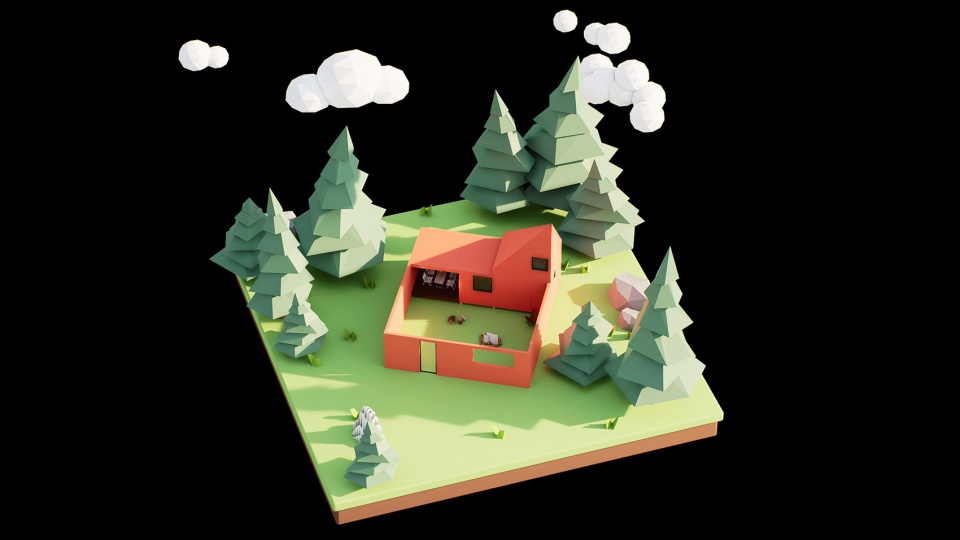
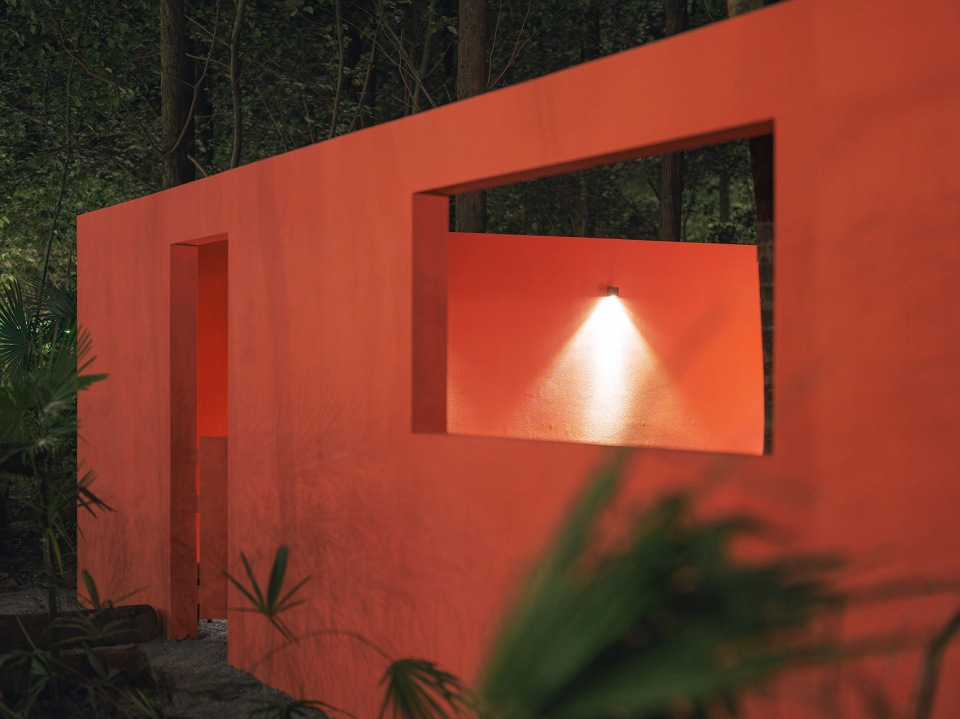
Rather than arriving as an object imposed on a landscape, the project is positioned as an act of restraint. Every tree is preserved, the cabin is set in response to existing plants, and the structure is fully elevated so the forest floor remains unhardened, without artificial landscaping. In doing so, the team frames the forest not as scenery but as the primary architecture, with the building acting as a careful insertion that keeps the original ecological state intact.
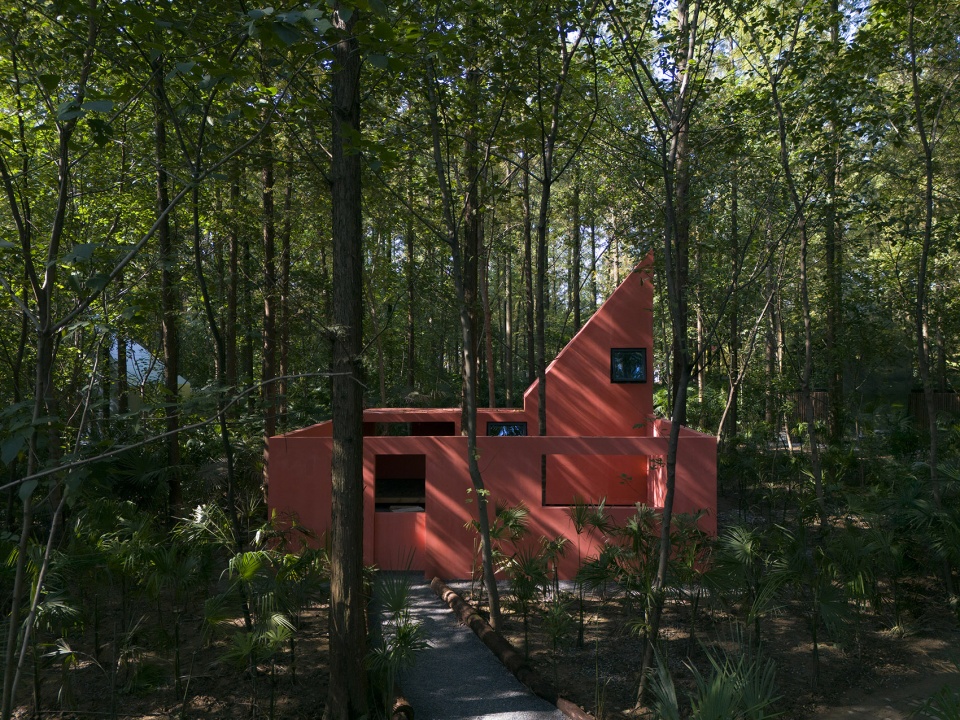
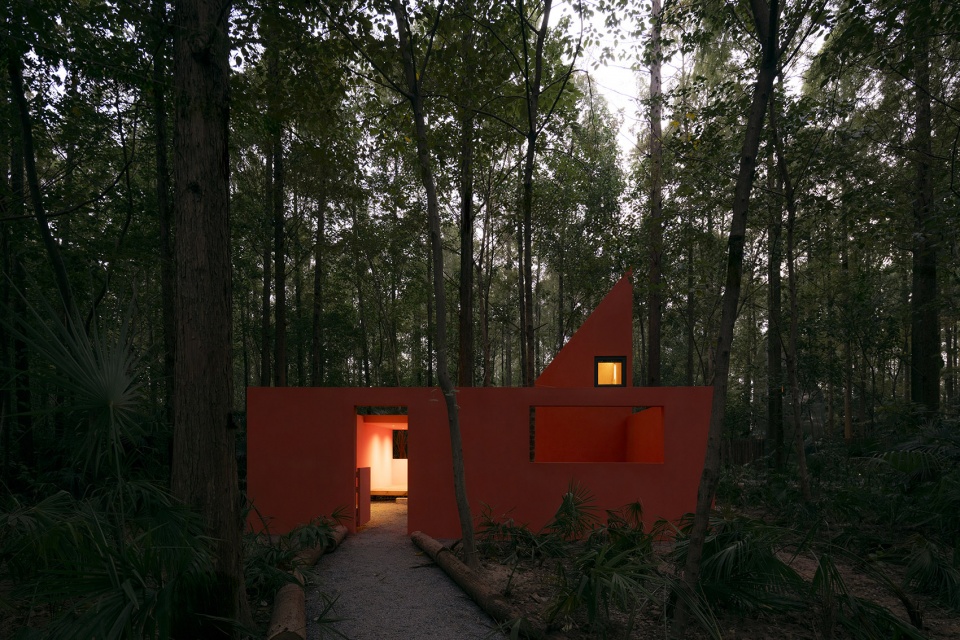
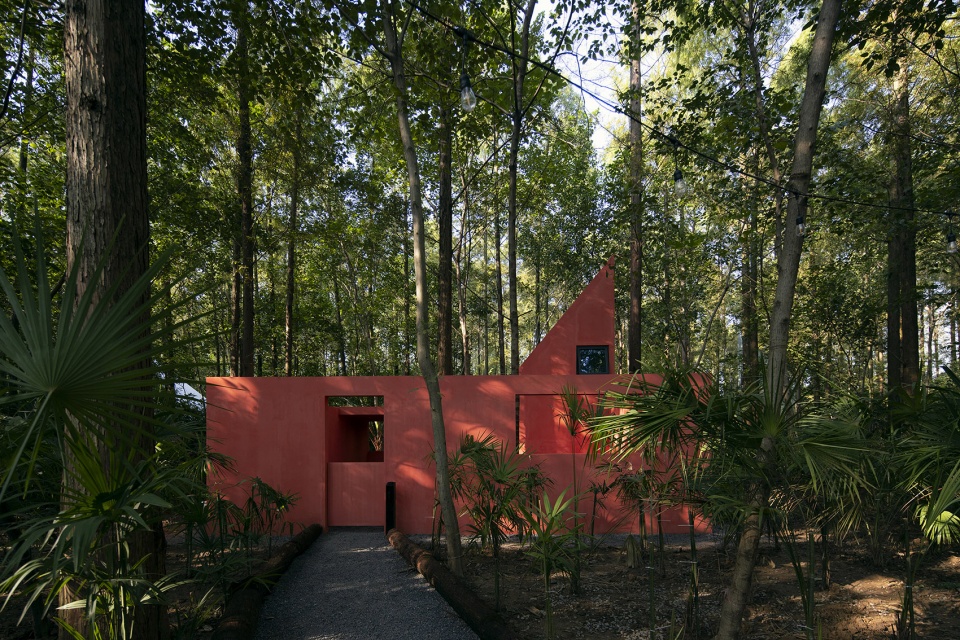
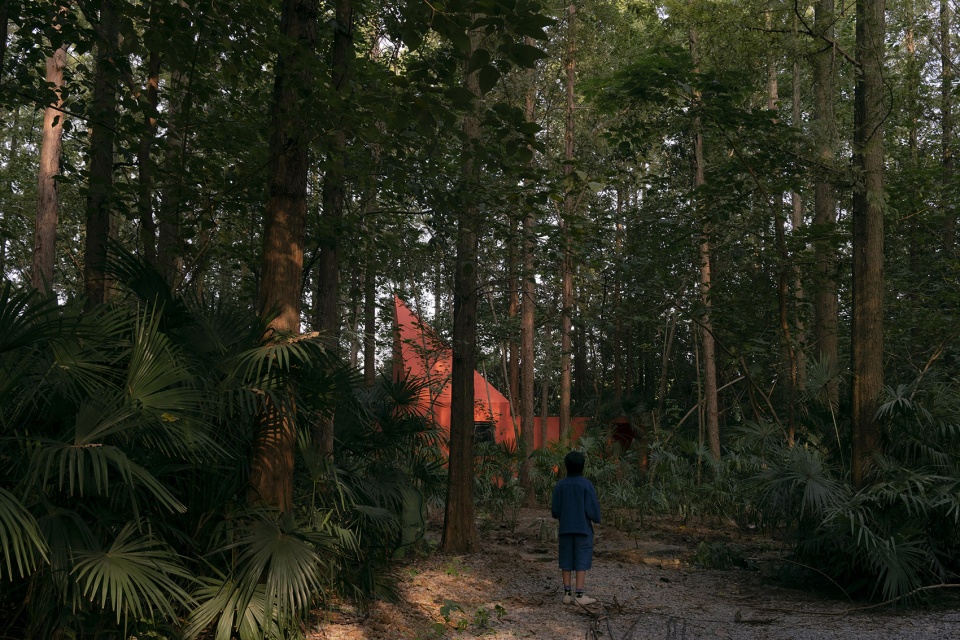
That decision also sets the tone for how the place is encountered. The cabin is approached through the existing woodland texture and paths, and the distance between ground and floor becomes a small but decisive threshold, keeping damp soil, roots, and undergrowth undisturbed while letting air and shadow continue to move beneath the timber volume.
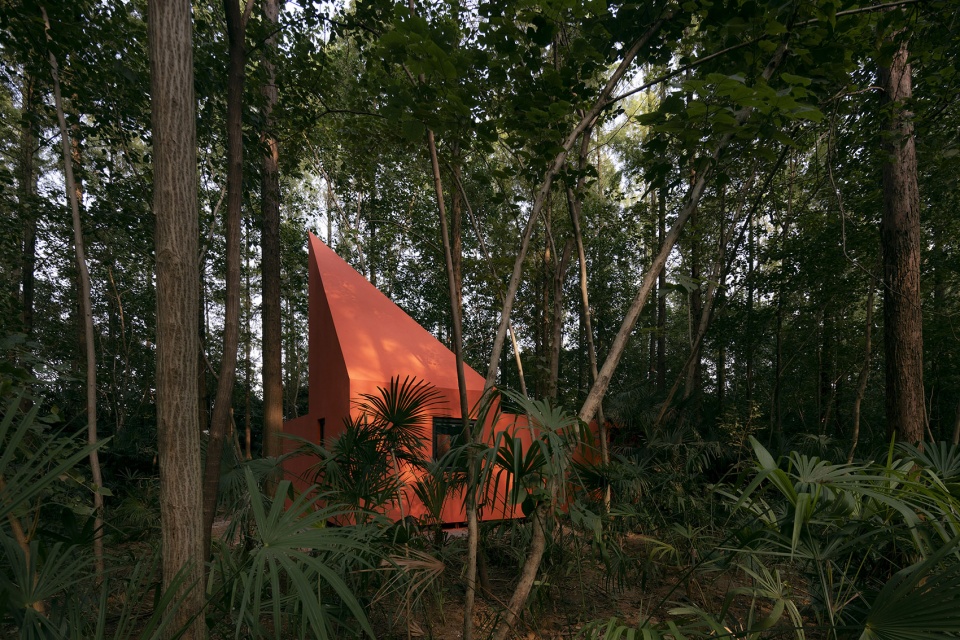
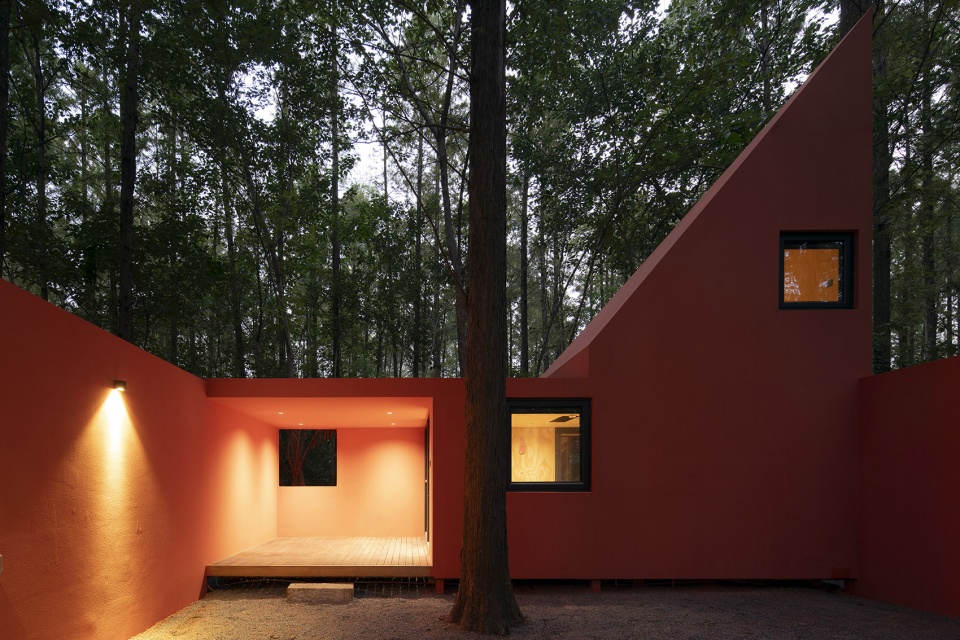
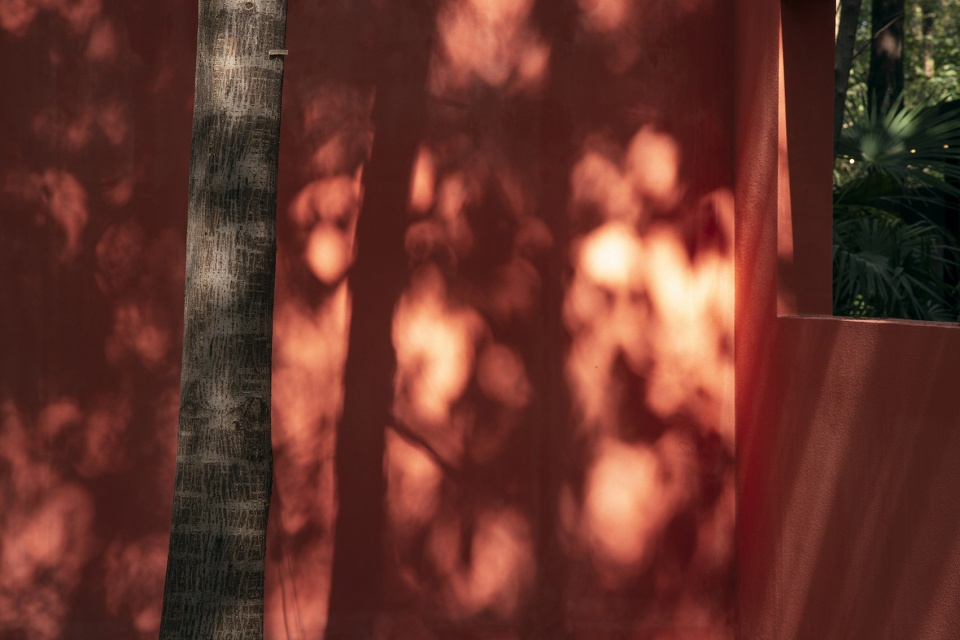
Wiki World describes Red Cabin as a dancer of the forest, wrapped in pure red, and imagines the form as evolving from a red migratory bird. The metaphor is fitting, not because the building tries to mimic nature, but because it treats colour as atmosphere. In the middle of a metasequoia grove, the red envelope reads like a theatrical device, turning trunks, palm leaves, wind, and shifting light into a slow choreography beyond the walls.
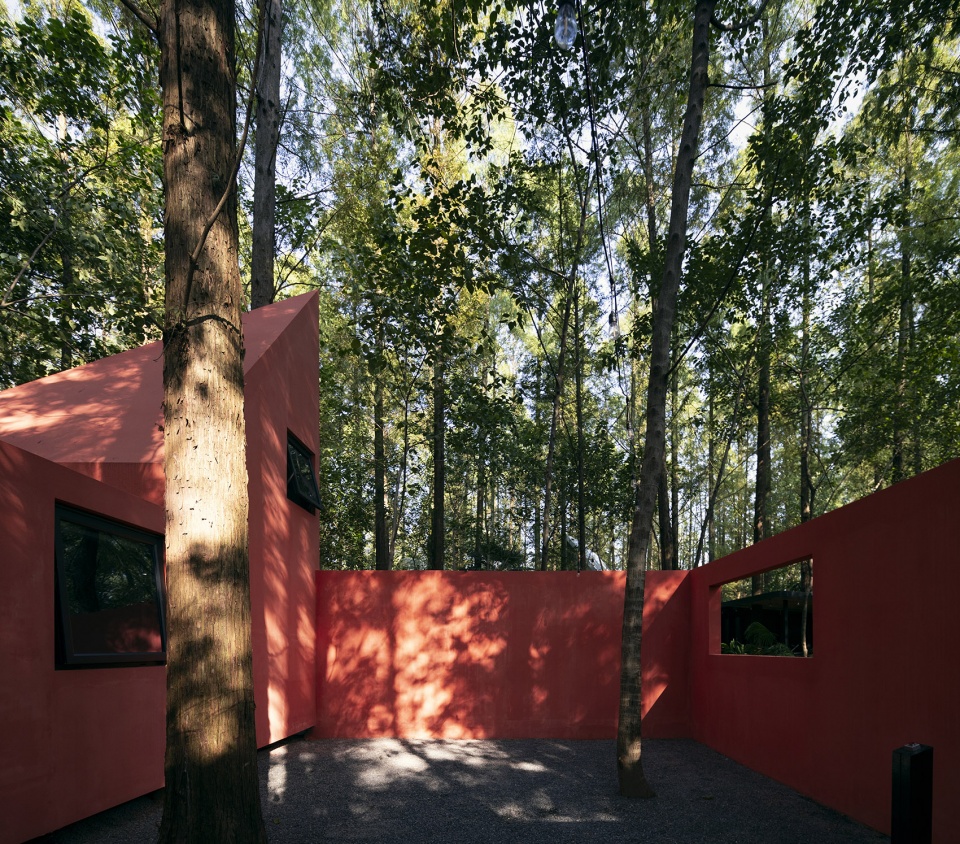
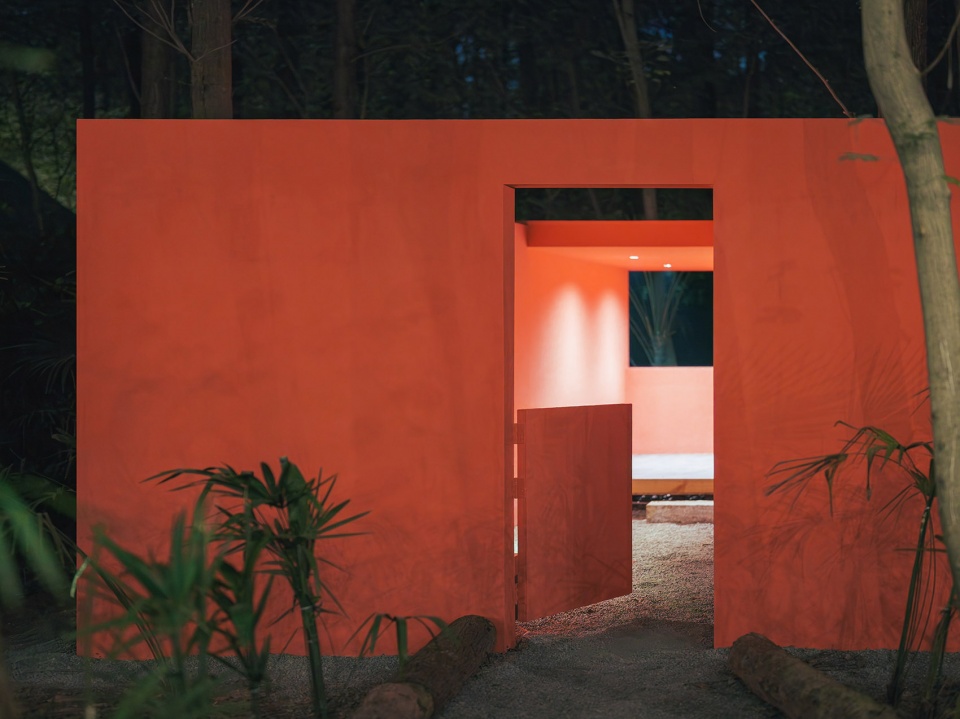
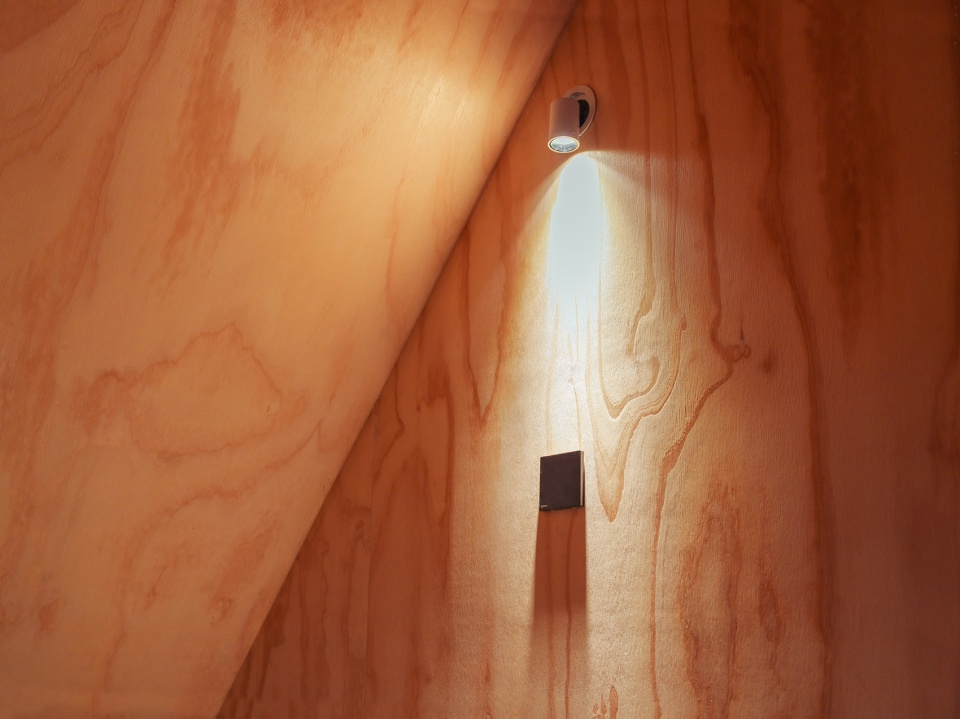
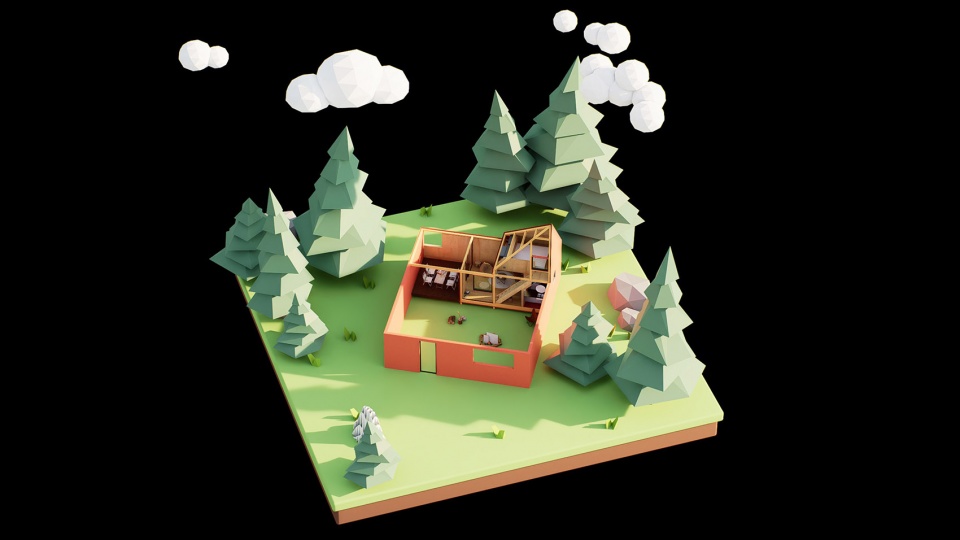
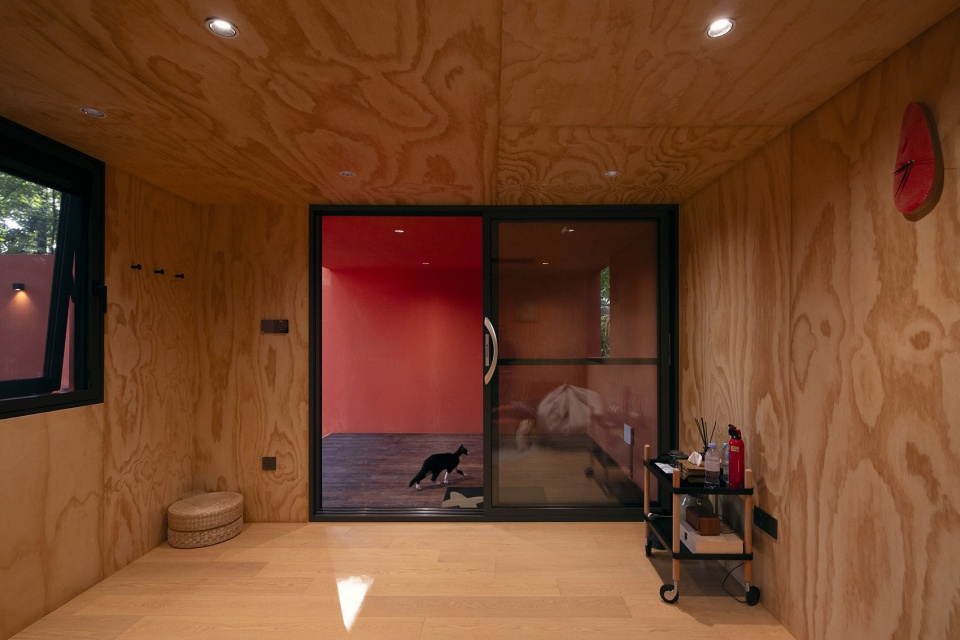
Inside, the cabin is composed around framed views back into the woods. Each room is given a window facing the forest, while the entrance side is deliberately reduced to a round light and the glow of the door, compressing the threshold and heightening the sense of leaving the world behind.
The narrative of solitude is central. The text describes an arrival that feels mysterious and difficult, and a red timber interior that can make visitors feel briefly disoriented, as if the cabin is less a domestic interior than an installation. In this setting, quiet becomes a material: wind, birds, and insects are the loudest things. At night there is a fireplace, and the rituals are intentionally basic, chopping wood, making fire, walking barefoot between inside and outside, then returning, reluctantly, to the noise beyond the forest.
Structurally, Red Cabin is built from laminated wood, with irregular components and joints digitally designed and customised, enabling full assembly construction. The emphasis is on precision without heaviness: a timber system capable of being fabricated accurately, transported, and assembled, while still allowing the form to hold its eccentricities.
The same logic appears again in the description of the glued timber structure, where each custom shaped component and joint is digitally developed to reach 100 percent prefabricated assembly. This is presented not as a technical flex but as a way to build within a sensitive site, limiting disruption and keeping construction legible, almost reversible in spirit.
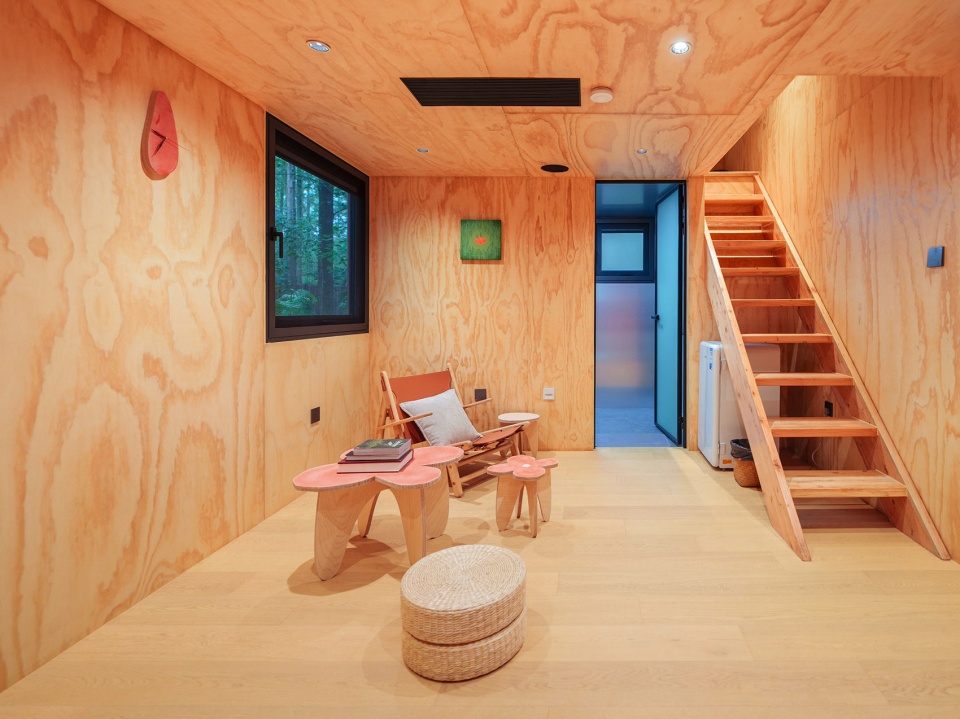
Materially, the project extends that attitude with a carbonised wood façade technique, described as hand fired, and a connection strategy using small metal components that can be repeatedly assembled. The cabin is compared to Lego, a set of little building blocks placed in the forest, where nature becomes the best packaging.
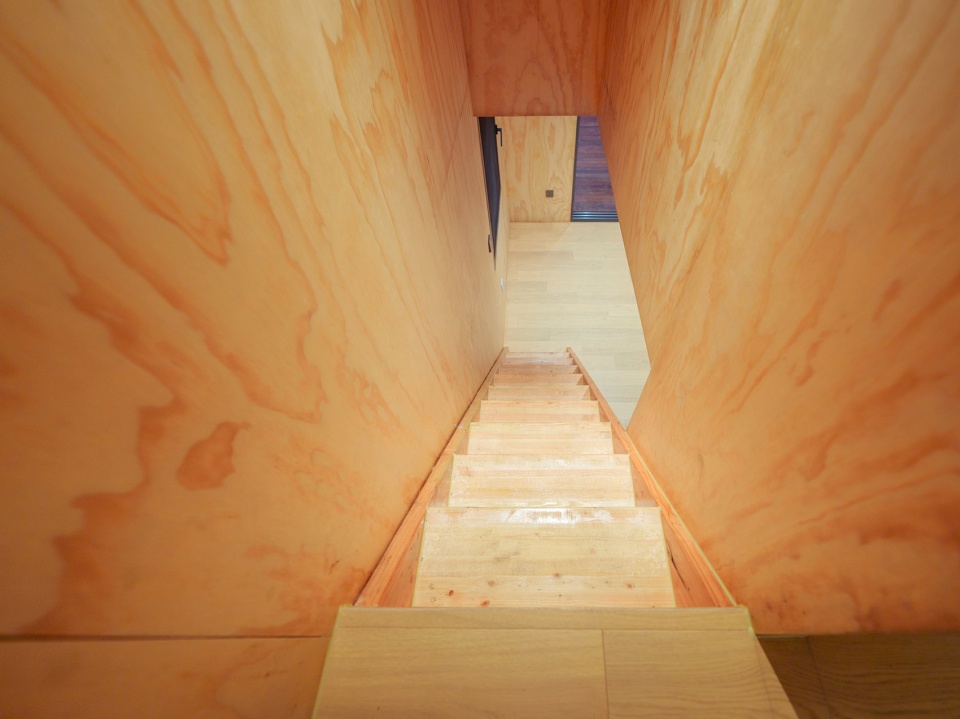
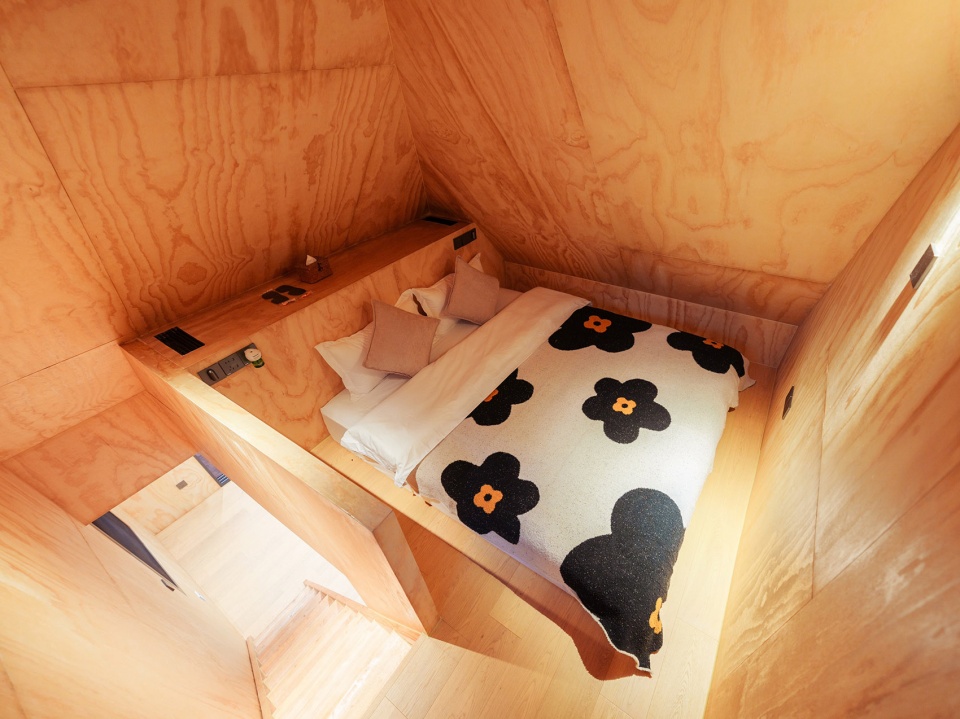
Behind the vivid colour and the technical choreography is a simple proposition: smaller space can sharpen perception. Wiki World positions the project within its broader commitment to natural construction and a return to natural life, pushing against the inertia of conventional sizing and focusing instead on the relationship between living behaviour and environment. The cabin is intentionally narrow, and the team frames this as a way to get closer to material and become more sensitive, down to hearing dead leaves crushed underfoot on the terrace.
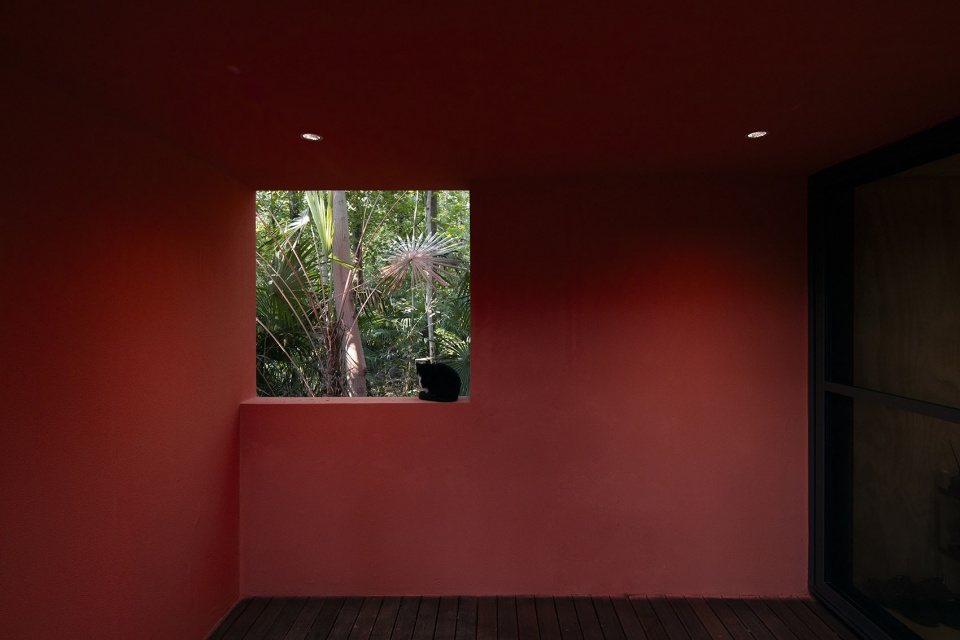
This ambition is tied to the idea of a 2 metre wide home, described as a response to the fact that there is no standard answer to living, and that a dwelling should reflect an individual understanding of life. In Red Cabin, that idea becomes spatial discipline, a micro home that treats reduction as a kind of freedom, clearing room for weather, sound, and time.
Project information
Project name: Merryda Wiki World – Red Cabin [Wild Home #137]
Located: Wuhan, Hubei province, China
Completed: 2025
Floor area: 55m2
Design: Wiki World + Advanced Architecture Lab
Photo: Arch EXIST
More Photos